What is a safari?
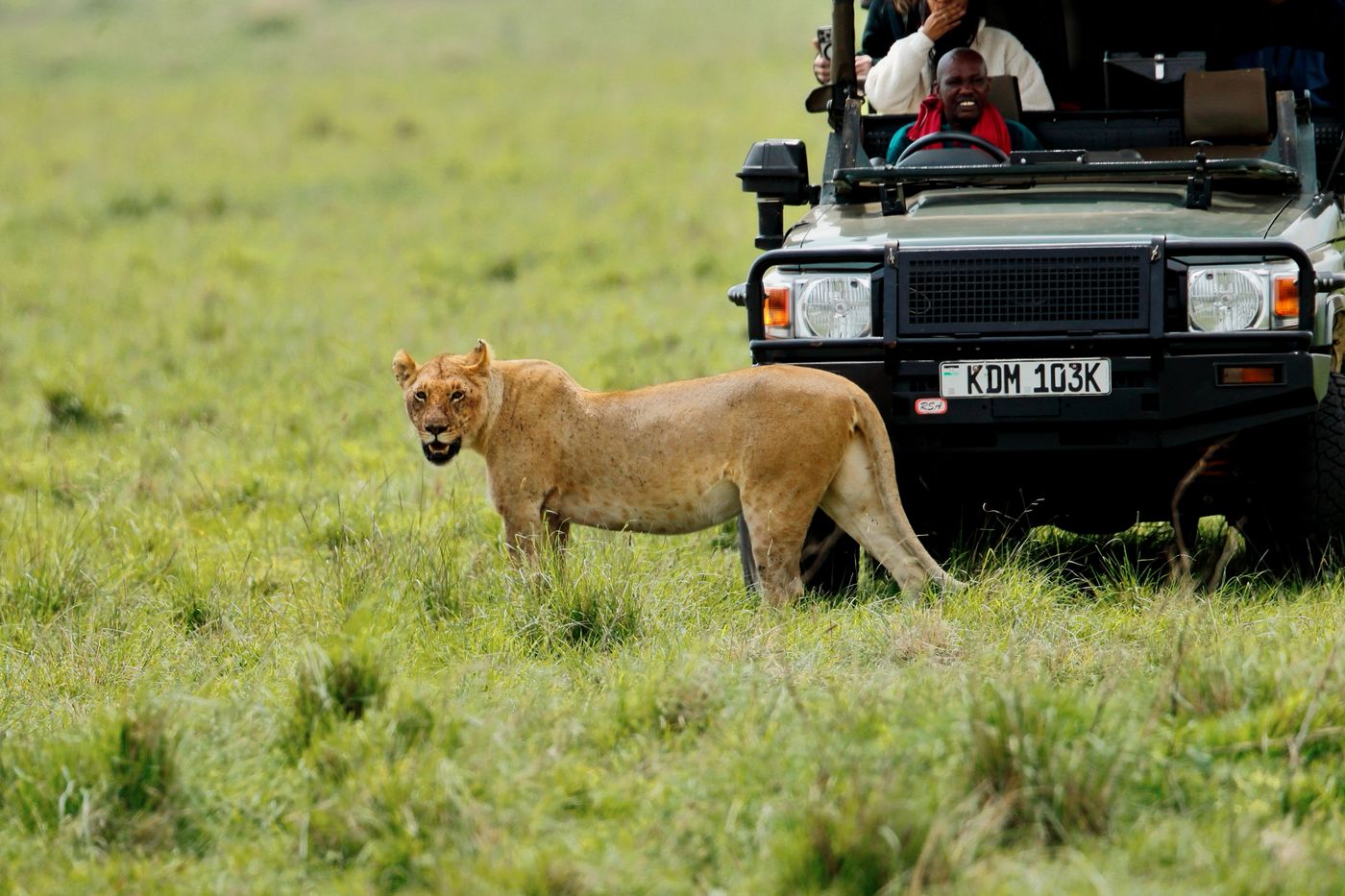
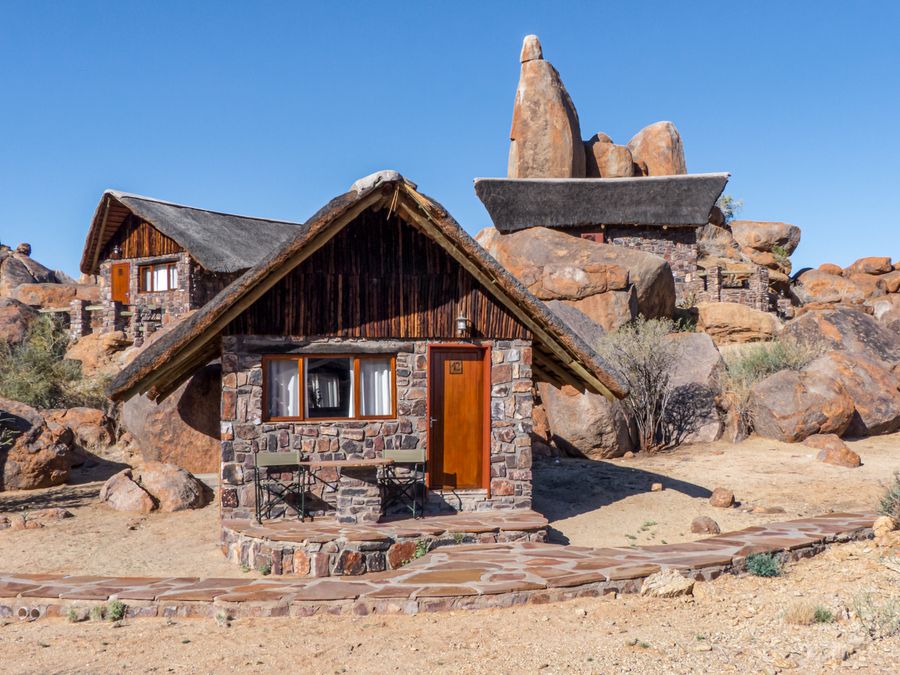
A safari is a trip to watch wild animals in their own habitat, most often in the national parks, reserves and private concessions of East and Southern Africa. A typical day has a game drive at dawn and another in the late afternoon, from a camp or lodge whose nightly rate usually covers meals, drinks and the drives. Variations include walking safaris, self-drive in parks such as Kruger, and gorilla treks in Rwanda.
Where do safaris happen?
Most safaris take place in seven African countries. In East Africa, Tanzania has the Serengeti and Ngorongoro Crater, Kenya has the Maasai Mara and Amboseli, and Rwanda has the mountain gorillas of Volcanoes National Park. In Southern Africa, Botswana has the Okavango Delta and Chobe, South Africa has Kruger and the Sabi Sand, Zambia has South Luangwa and the Lower Zambezi, and Namibia has Etosha.
What is the best country for a first safari?
Tanzania and Kenya are the usual first choices for open plains and the Great Migration. South Africa suits travellers who want the Big Five, a malaria-free reserve and Cape Town on the same trip. Botswana is the low-volume choice, built on private concessions with few camps, and Rwanda is for gorillas. The right country depends on the month, the budget and what you most want to see.
When is the best time to go on safari?
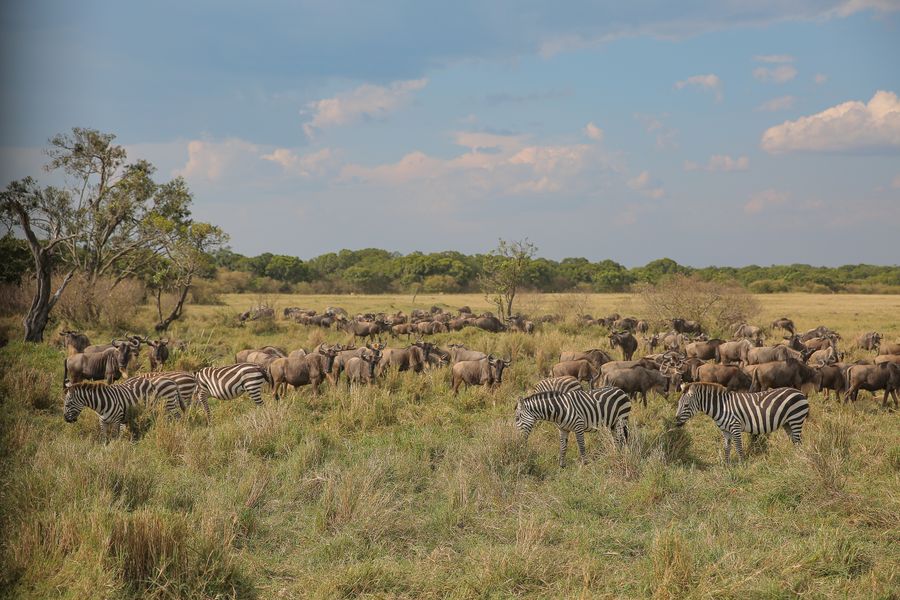
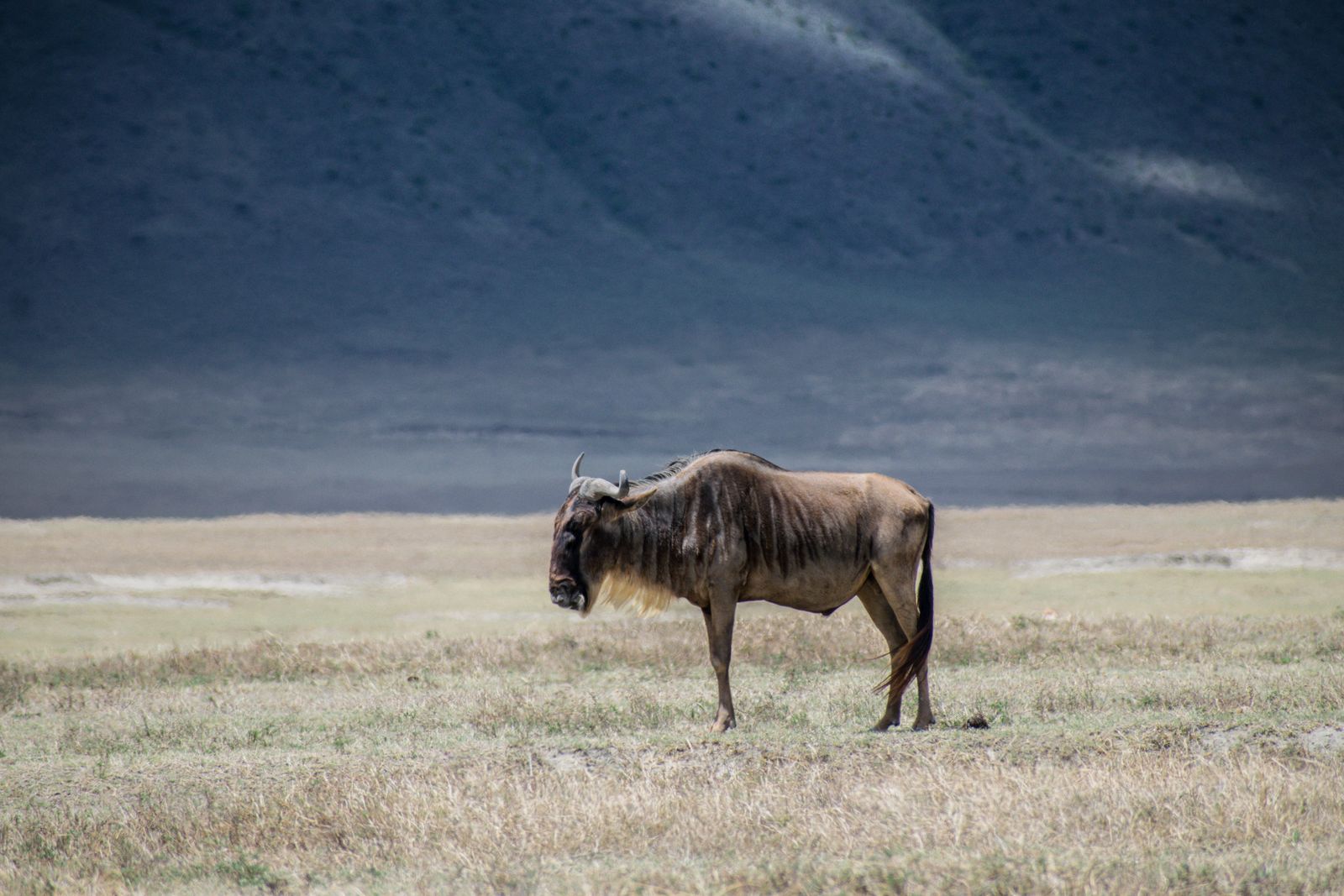
The dry season, from June to October, gives the best all-round game viewing, because animals gather at water and the grass is short. The Great Migration crosses the Mara River between the Serengeti and the Maasai Mara from July to October. The green season, from November to March, has lower prices, birdlife and newborn animals, with wildebeest calving in the southern Serengeti in January and February. April and May bring East Africa’s long rains and the lowest prices of the year.
How much does a safari cost?
A luxury safari costs USD 10,000 to 25,000 per person for seven nights before international flights, and budgets run from about USD 5,000 to USD 50,000 per person. The price depends on the class of camp, a shared or private vehicle, the light-aircraft flights between camps, the guide and the park fees. At the top of the market, Singita Sabora Tented Camp in Tanzania publishes USD 2,210 to USD 3,220 per adult per night for 2026.
What are the safari park fees in 2026?
The Maasai Mara National Reserve charges non-resident adults USD 200 for a 12-hour ticket from July to December and USD 100 from January to June. Serengeti National Park charges USD 70 per adult per 24 hours plus 18% VAT, USD 82.60 in all, or USD 70.80 from 15 March to 15 May. Kruger National Park charges international adults R602 a day until 31 October 2026. A gorilla permit in Rwanda costs USD 1,500 per person, with a minimum age of 15.
What animals will I see on safari?
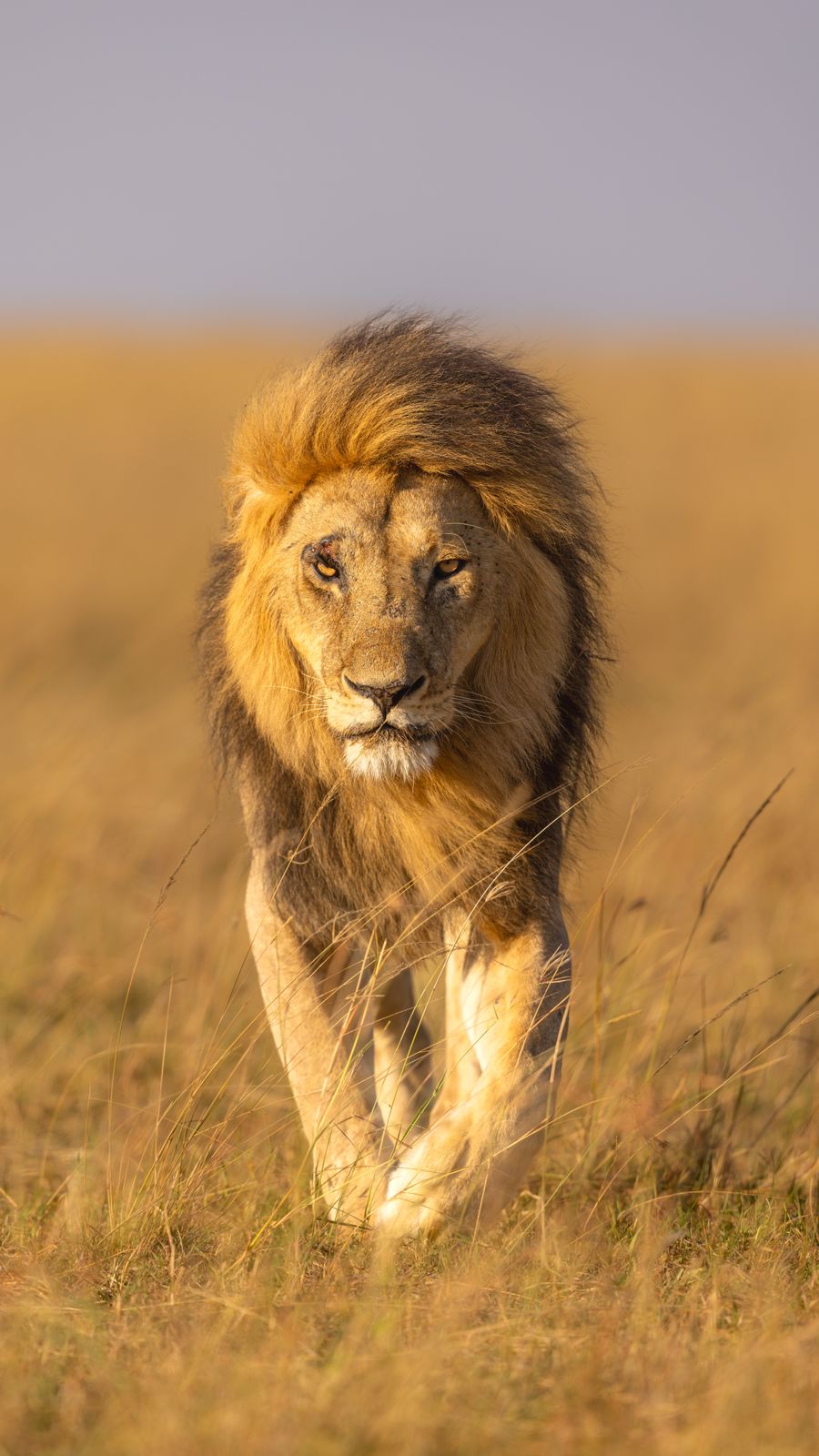
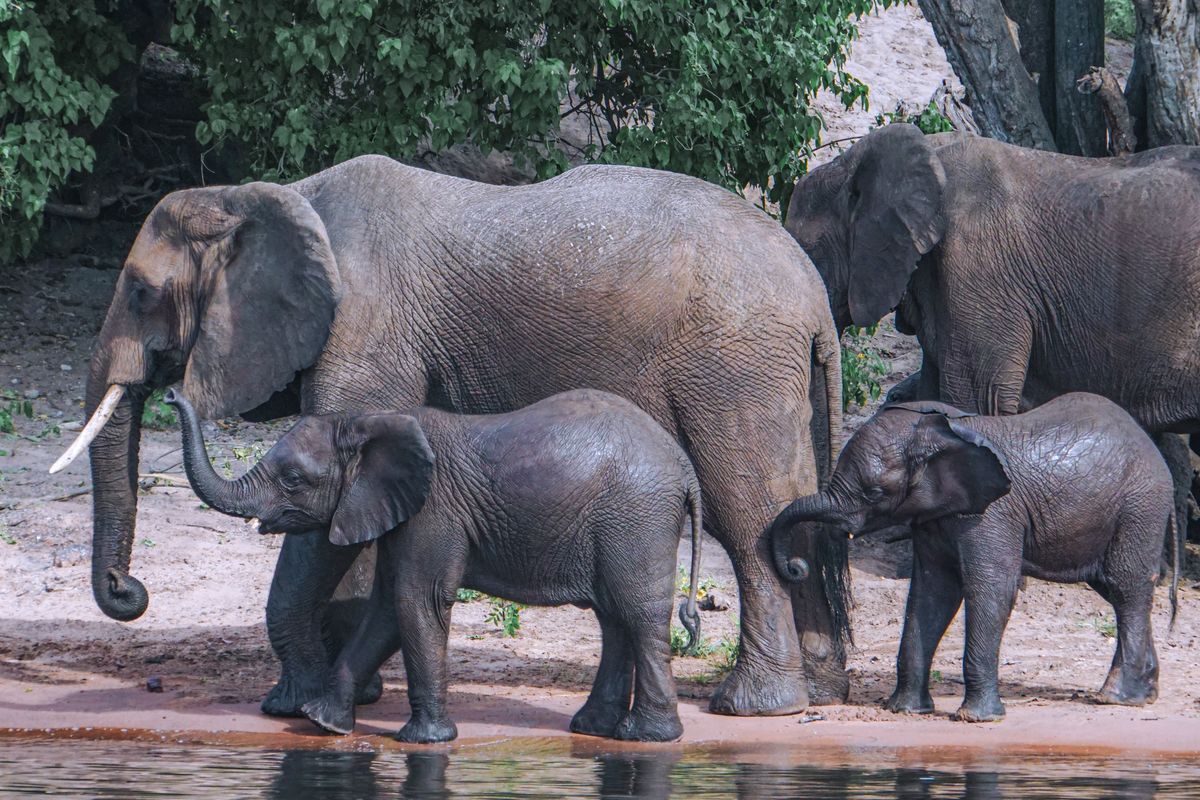
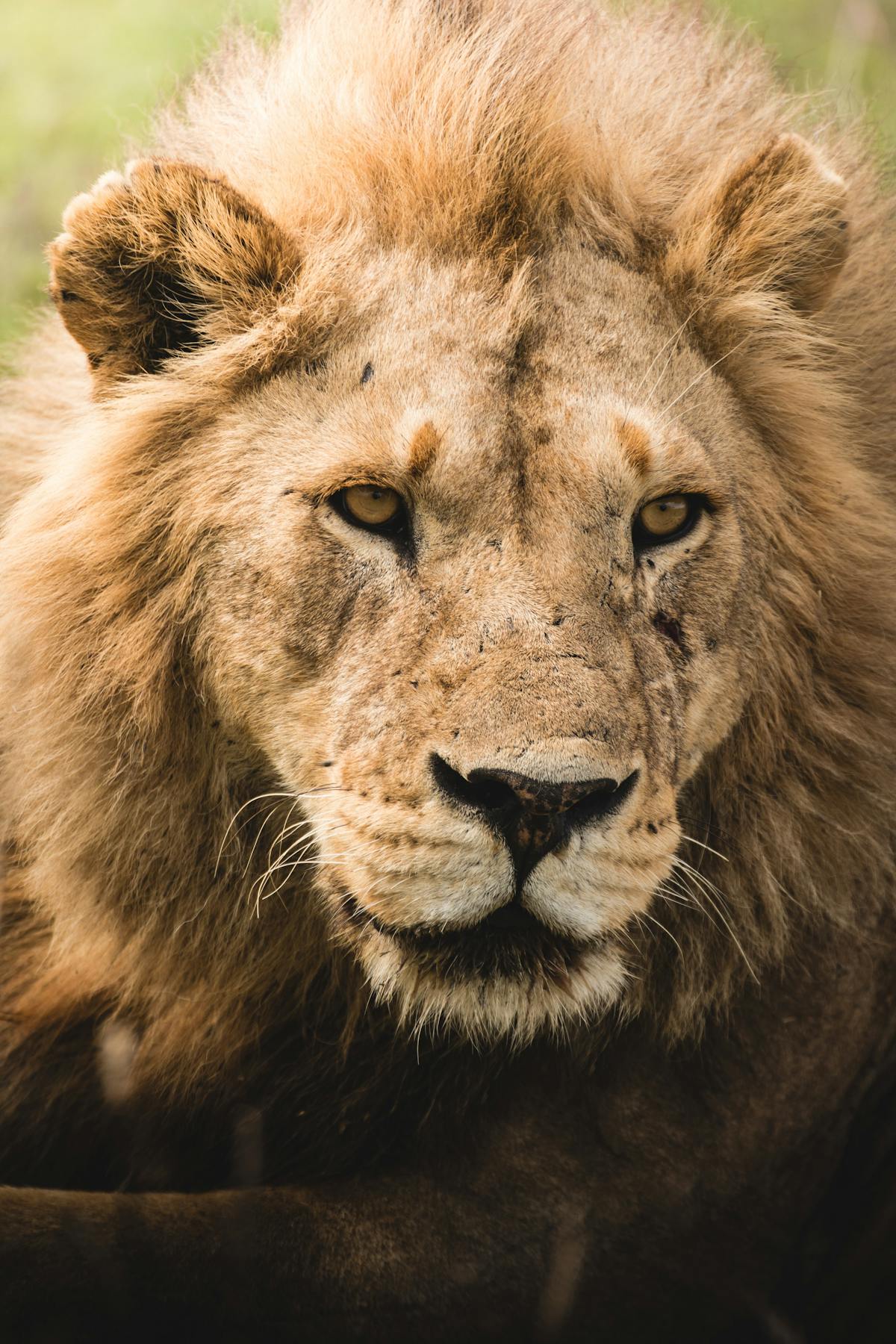
Most travellers hope for the Big Five: lion, leopard, elephant, buffalo and rhino, alongside giraffe, zebra, hippo and the plains game. No sighting is guaranteed; the odds depend on the region, the season and the guide. Leopard sightings are most reliable in South Africa’s Sabi Sand, large elephant herds gather in Chobe in Botswana and Amboseli in Kenya, and rhino are most often seen in South Africa and in Kenya’s private conservancies.
Should I book a safari through a specialist or directly with the lodge?
For most trips, a specialist. The lodge rate is the same whether a specialist books it or you book direct, because lodges pay the planner’s commission out of their published rate. What a specialist adds is the logistics between camps, someone to call when a flight is missed and, where the company is bonded, protection for your money. Booking direct suits a return visit to one lodge, or a lodge company that runs its own circuit.
How do I check a safari operator before paying a deposit?
Ask who holds your money and what protects it. In the UK that means an ATOL licence for trips sold with flights, or a bond such as ABTOT’s; in the United States, look for membership of USTOA, whose members take part in its USD 1 million Travelers Assistance Program. Then read the cancellation terms, check that the reviews are recent and sit on an independent platform, and ask for the full price in writing, with park fees and internal flights included.