How Much Does a Zambia Safari Cost in 2026?
By Richard Jasinski·Updated 22 July 2026
Budget roughly $400–800 per person per night for mid-range camps, $900–1,800 for luxury, and $2,000–3,000 for ultra-luxury. A typical seven-night South Luangwa and Lower Zambezi safari runs about $7,000–12,000 per person, excluding international flights, and green-season rates cut that sharply.
Mid-range
Luxury
Ultra-luxury
Park fees
7-night sample
Green season
On this page
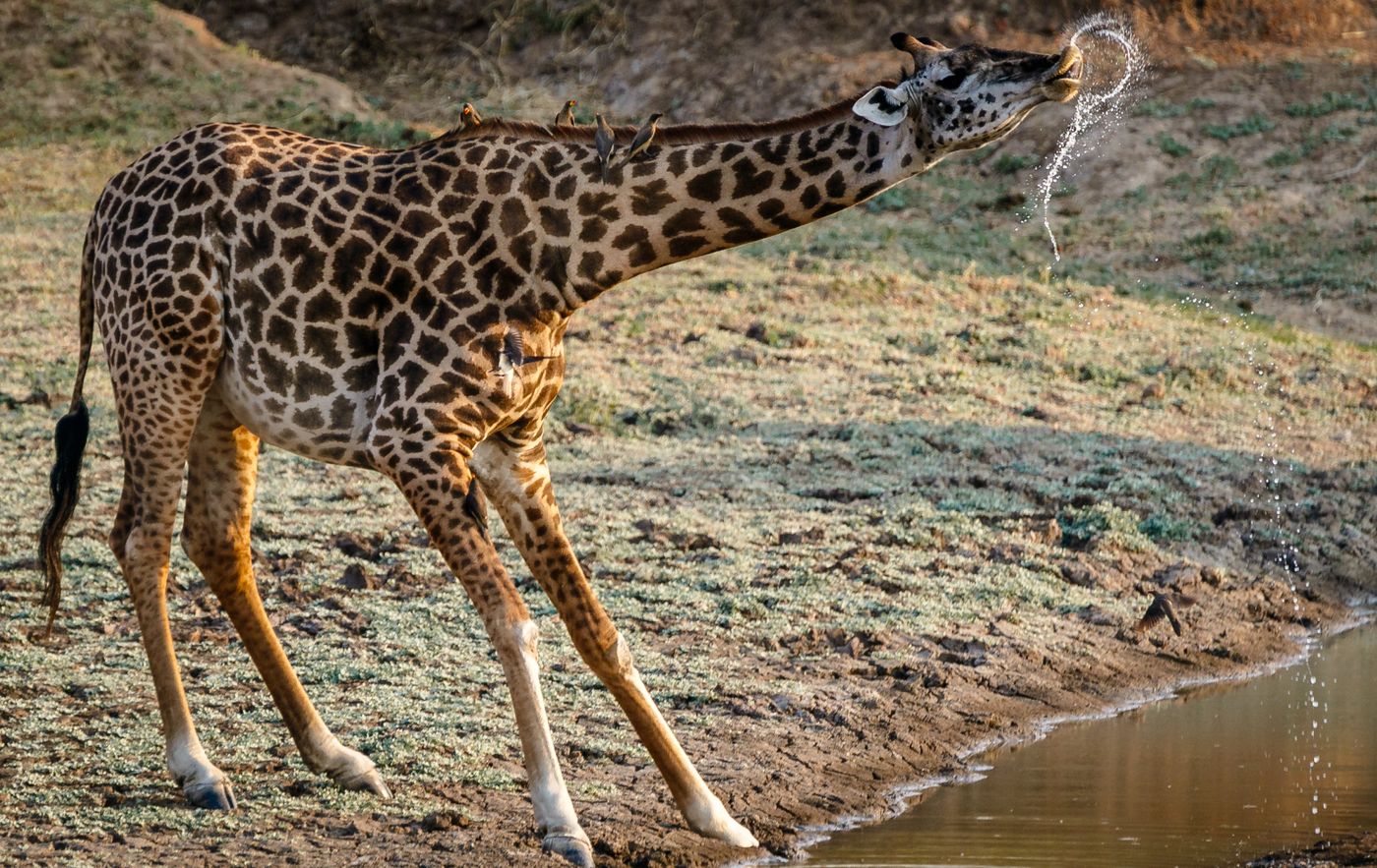
Zambia is the home of the walking safari, the tradition was pioneered here in the South Luangwa Valley by Norman Carr in the 1950s, and it remains the country's defining draw. For travellers who care more about wildlife density and authenticity than about spa suites and infinity pools, it is one of the strongest value-for-money choices in Africa. South Luangwa delivers leopard sightings that rival anywhere on the continent; the Lower Zambezi adds canoeing and river game-viewing; and vast, under-visited Kafue offers space and solitude. Most itineraries pair the bush with Victoria Falls at Livingstone.
So what does it actually cost? The honest answer is that Zambia sits a notch below Botswana and roughly level with Tanzania on nightly rates, but its modest park fees and a genuinely rewarding low season make it cheaper to do well than its neighbours. This guide breaks the numbers down tier by tier, works through a real seven-night sample, and flags the costs that catch people out. To compare it against the wider region, keep the master safari cost guide open alongside it.
What you actually pay per night
Nearly all Zambian safari camps quote an all-inclusive nightly rate covering accommodation, all meals, house drinks, guided game activities (drives, walks and, in the Lower Zambezi, canoeing) and park transfers within the reserve. What it usually excludes is park entry fees, premium wine and spirits, inter-park flights, tips and Victoria Falls activities, the very costs covered further down this page.
| Tier | Per person / night | What you get |
|---|---|---|
| Mid-range | $400–800 | Owner-run bush camps and classic tented camps, excellent guiding, simple-but-comfortable rooms, shared vehicles. Often the best guiding in the country. |
| Luxury | $900–1,800 | Polished lodges with private decks, plunge pools, wine lists and near-private guiding. The sweet spot for most first-time visitors. |
| Ultra-luxury | $2,000–3,000 | A handful of flagship lodges and exclusive-use villas with private guides, vehicles and chefs. Fewer here than in Botswana, but they exist. |
Indicative all-inclusive nightly rates per person, 2026 high season. Green-season rates run 30–50% lower.
A useful rule: in Zambia the guiding at the mid-range often equals or beats the guiding at the top end. Small owner-run camps live and die by their walking guides, and it shows. If your priority is wildlife rather than thread count, you can have an exceptional trip firmly in the $400–800 band. For a deeper look at what drives these numbers, see why safaris cost what they do.
A worked example: seven nights, South Luangwa & Lower Zambezi
This is the classic first-timer's Zambia circuit, three or four nights in South Luangwa for big cats and walking, then three nights in the Lower Zambezi for water-based game-viewing. The figures below are per person, sharing, and exclude international flights to and from Zambia.
| Component | Detail | Indicative cost |
|---|---|---|
| 4 nights South Luangwa | Mid-to-luxury bush camp, all-inclusive | $2,000–5,200 |
| 3 nights Lower Zambezi | Riverside lodge, all-inclusive | $1,800–4,500 |
| Light-aircraft transfers | Lusaka–Mfuwe–Jeki round-trip hops | $700–1,100 |
| Park fees | ~7 park-days at $25–30 | $175–210 |
| Tips | Guides, camp staff, transfers | $200–350 |
| Travel insurance | Cover incl. medical evacuation | $80–250 |
| Total (ex. international flights) | Green season → high season | ~$7,000–12,000 |
The spread is wide because the season swings it. Book the same camps in the green season and the lodge portion alone can fall by a third or more; book flagship lodges in peak September and you can push past the top of the range. Add international flights, typically $900–1,800 from Europe, more from North America, on top. For a like-for-like comparison of what individual operators charge, see our safari operator price comparison.
On the light-aircraft hops. Zambia's parks are far apart and the roads are slow, so most circuits connect by scheduled light aircraft (Proflight and camp charters out of Lusaka and Mfuwe). Budget $700–1,100 per person for a two-park loop. It is not optional padding; it is how the country works, and it should be in your budget from the outset.
Park fees, why Zambia undercuts Kenya and Tanzania
Here is Zambia's quiet advantage. Daily conservation and park entry fees run roughly $25–30 per person per day. Compare that with Tanzania, where a single day in the Serengeti carries a park fee around $70–80 before you add concession and camping levies, or Kenya's Maasai Mara at $100–200 per day in peak season. Over a week, that difference alone can be several hundred dollars per person.
It sounds like small change against a $1,000-a-night lodge, but it compounds, and it is one reason a Zambian trip of equivalent quality lands lower than a Kenyan or Tanzanian one. If you are still choosing a country, our guides on where safaris happen and which safari country is right for you weigh the trade-offs in full. You can also compare the sibling cost breakdowns for Tanzania, Kenya and Botswana.
The emerald season, deep discounts and what you trade
Zambia's low season, roughly November to April, is marketed as the emerald or green season, and it is where the real value lives. Rates fall 30–50% against peak, and some camps offer stay-four-pay-three deals on top. The bush turns lush and green, migrant birds pour in; this is prime birding, and the light is dramatic. For photographers and returning travellers, it can be the best time to come.
The trade-offs are real, though. As the rains rise, some camps, particularly the seasonal bush camps deep in South Luangwa, close entirely from around late November to May because their sites flood or become unreachable. Thick vegetation and high water can make wildlife harder to spot, walking safaris are curtailed, and a few internal roads become impassable. In the Lower Zambezi the story flips somewhat: high water is ideal for canoeing and boating. In short, you trade peak game-density and camp choice for lower prices, greener scenery and far fewer other vehicles.
The value verdict. If you want the widest camp choice and the densest dry-season game-viewing, come June to October and pay peak. If you want the same country for materially less money, and don't mind lusher, trickier conditions, the shoulder months of May and November often give you the best of both.
Hidden costs to budget for
The nightly rate is the headline, but these are the line items that quietly inflate a Zambia trip. None are exotic, but leaving them out is how a $7,000 plan becomes a $10,000 reality.
| Cost | Typical range | Note |
|---|---|---|
| Light-aircraft transfers | $700–1,100 pp | Essential for multi-park circuits; strict luggage limits (soft bags, ~15kg). |
| Park & conservation fees | $25–30 pp/day | Often billed separately from the camp rate, check your quote. |
| Tips | $20–40 pp/day | Guides and camp staff; carry US dollars in small notes. |
| Travel insurance | $80–250 | Must include remote medical evacuation cover. |
| Victoria Falls add-on | $300–1,500+ | Livingstone hotels, activities and transfers; see below. |
| Visa | $25–50 | Check current requirements for your nationality before travel. |
Travel insurance is the one item never to trim. Zambian camps are hours by air from a major hospital, and any serious problem means an evacuation flight. SafetyWing is a straightforward, well-priced option that covers travellers of most nationalities and includes emergency medical cover, sort it before you fly. And because bush camps have patchy connectivity, an eSIM sorted in advance saves grief; our eSIM guide for African safaris covers what works in Zambia.
The Victoria Falls add-on
Most Zambia safaris end (or begin) at Victoria Falls, reached via Livingstone on the Zambian side. Two or three nights here adds meaningfully to the bill, Livingstone lodges span budget to ultra-luxury, and the activities are where the money goes: helicopter flips over the falls, white-water rafting, sunset river cruises, the Devil's Pool swim and microlight flights. Budget anywhere from $300 for a modest stopover to $1,500-plus for a plush few days with several activities.
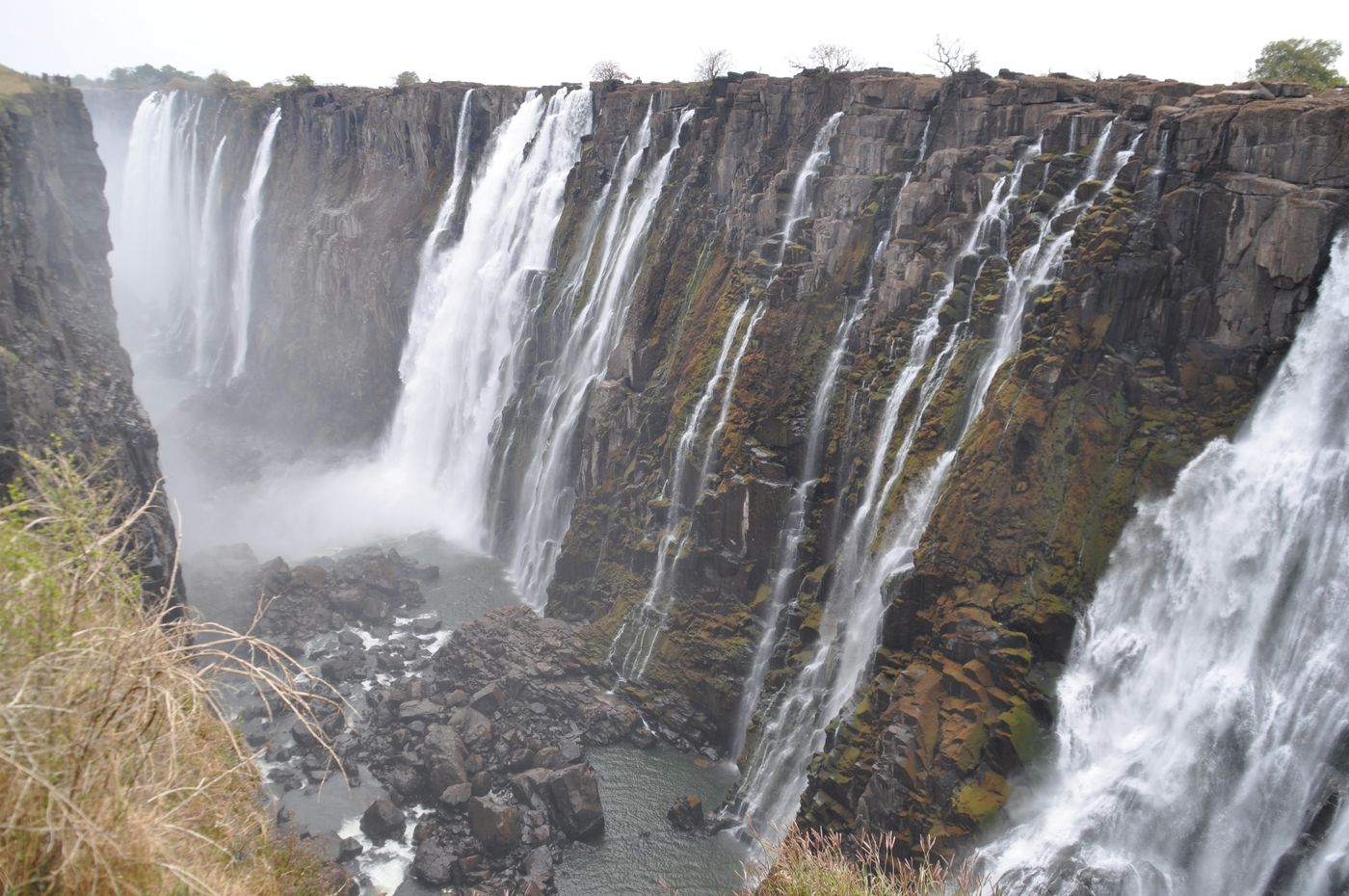
Activities are easy to arrange on arrival, but the marquee experiences, helicopter flights and the seasonal Devil's Pool in particular, sell out, so pre-booking is wise. GetYourGuide lists most Livingstone-side tours and lets you lock in dates and compare prices before you travel.
How to get the most for your money
Zambia rewards travellers who understand where its value actually sits. A few levers move the numbers most:
- Choose the walking-camp route over fly-in Delta luxury. A small, guide-led South Luangwa camp at $500–700 a night frequently delivers wildlife every bit as good as a $1,500-a-night fly-in lodge in Botswana's Okavango, for a fraction of the cost. This is Zambia's single strongest value argument.
- Travel in the green or shoulder season. May and November bracket the peak and can cut the lodge bill by a third with the game-viewing still strong.
- Stay longer in fewer parks. Each inter-park flight adds $350–550 per leg; three nights in two parks beats two nights in three, and you see more.
- Book direct or through one specialist. Consolidating the itinerary with a single operator usually beats stitching camps together yourself, and a good agent will pass on availability deals.
Plan it properly
Get a tailored Zambia itinerary and a firm quote
For a custom South Luangwa, Lower Zambezi and Victoria Falls circuit, priced honestly and matched to your season and budget, start with a specialist rather than a booking engine.
Speak to Go2AfricaBefore you hand over a deposit, it is worth learning to tell a solid operator from a slick website, our guide on how to verify a safari operator walks through the checks that matter. And if you are still deciding what you actually want to see, what wildlife you can expect to see sets realistic expectations by region.
Frequently asked questions
How much does a Zambia safari cost per day in 2026?
Expect roughly $400–800 per person per night at mid-range camps, $900–1,800 at luxury lodges and $2,000–3,000 at ultra-luxury properties, all-inclusive. Park fees of about $25–30 per person per day, tips and inter-park flights sit on top of the nightly rate.
Is Zambia cheaper than Kenya or Tanzania for a safari?
Broadly, yes, for comparable quality. Zambia's nightly rates are similar to Tanzania's, but its park fees are far lower (about $25–30 per day versus $70–200 in the Serengeti or Maasai Mara), and its green season offers deeper discounts. That combination makes a well-run Zambia trip cost less than an equivalent one in Kenya or Tanzania.
What is the cheapest time to go on safari in Zambia?
The emerald or green season, roughly November to April, is cheapest, with rates 30–50% below peak. The trade-offs are lush vegetation that can make game harder to spot, curtailed walking safaris and some seasonal bush camps closing entirely. May and November are the value sweet spots, balancing lower prices with strong wildlife-viewing.
How much is a 7-night Zambia safari?
A classic seven-night South Luangwa and Lower Zambezi circuit costs about $7,000–12,000 per person, excluding international flights. The lower end assumes green-season, mid-range camps; the upper end reflects peak-season luxury lodges. Light-aircraft transfers, park fees, tips and insurance are included in that estimate.
Are park fees included in the price of a Zambia safari?
Sometimes, but not always. Many camps bill park and conservation fees, around $25–30 per person per day, separately from the nightly rate, so always confirm what a quote covers. Over a week, park fees add roughly $175–210 per person.
Do I need to fly between parks in Zambia, and what does it cost?
For most multi-park itineraries, yes. Zambia's reserves are far apart and roads are slow, so camps connect by scheduled light aircraft and charters out of Lusaka and Mfuwe. Budget about $700–1,100 per person for a two-park loop, with strict soft-bag luggage limits of around 15kg.
Is Zambia good for a walking safari?
Zambia is the birthplace of the modern walking safari, pioneered in South Luangwa, and remains the best country in Africa for it. Guide-led walking camps often deliver wildlife on par with far pricier fly-in lodges elsewhere, which is Zambia's strongest value proposition for authenticity-minded travellers.