The Verdict Dossier · Luxury Safari Operators
Natural Selection: The 2026 Review — Every Camp, Region & Rate
Natural Selection was built on a single conviction: that tourism should pay to keep wild land wild. Founded in 2016 by four conservationists — including Colin Bell, who co-founded Wilderness Safaris in 1983 — it now runs 26 characterful, low-density camps across Botswana, Namibia and South Africa, gives 1.5% of every booking plus a per-guest levy to conservation and communities, and owns the most iconic salt-pan camp in Africa. Here is what that portfolio actually buys — region by region, with an honest case for and against, and a compass to find your fit.
26
Camps & lodges
3
Countries
2016
Year founded
1.6M
Hectares protected
$0.6–3.9k
Per person, per night
- The verdict, in two paragraphs
- The Lodge Compass — find your Natural Selection camp
- The regions, honestly compared
- Every camp, every rate — 2026 matrix
- How to book Natural Selection (three routes)
- Compare Natural Selection against another operator
- Straight answers to the questions readers ask
No operator ties conservation to character quite like Natural Selection — and it owns the single most iconic camp in the Kalahari.
Natural Selection was founded in 2016 by four safari-industry lifers — Dave van Smeerdijk, Jennifer Lalley, James Ramsay and Colin Bell, who had already co-founded Wilderness Safaris back in 1983. The pitch is structural, not decorative: 1.5% of every booking, plus a per-person Conservation, Community & Reserve fee on each night, funds anti-poaching, rewilding and community partnerships across roughly 1.6 million hectares of protected land. Camps such as the Skeleton Coast pair are outright community joint ventures.
The estate is the other half of the case. Twenty-six owned and community-partner camps, deliberately small and no two alike — from Jack's Camp, the Condé Nast-garlanded Makgadikgadi legend with its Natural History Museum and 1820s dining table, to the stilted treehouse decks of Skybeds and the wind-sculpted forms of Shipwreck Lodge on the Skeleton Coast. This is safari with a point of view: characterful, low-density and conservation-led, at rates that undercut the ultra-premium tier while reaching genuine luxury at the top.
Its footprint is smaller than Wilderness's, and only a handful of camps reach true flagship polish.
Natural Selection is concentrated in Botswana, Namibia and South Africa — there is no East Africa, no Great Migration, and, despite what some third-party listings imply, no Zimbabwe portfolio. If you want one brand spanning the continent, Wilderness — Colin Bell's former company, now 60-plus camps — has far deeper reach in Botswana and beyond. Natural Selection's 26 camps are a curated collection, not an empire.
And the range is wide by design. Only Jack's Camp, and to a degree Tuludi and Shipwreck Lodge, sit at genuine flagship level; much of the portfolio is deliberately rustic-chic rather than opulent, and several camps (San Camp, Skybeds) close in the green season. Travellers chasing wall-to-wall ultra-luxury may find Singita or the top of Great Plains a more consistent ceiling. Natural Selection's edge is character and conscience, not uniform grandeur — see the wider Botswana luxury safari guide for how it sits against its neighbours.
The Lodge Compass — find your Natural Selection camp
Twenty-six camps across three countries is a lot to shortlist. Pick what matters most on your trip and the compass returns the best-fit Natural Selection camp, with the indicative 2026 rate and one line on why it fits.
What matters most on this safari?
Pick a trip priority above. The verdict, rate and the one camp that fits will appear here.
Natural Selection's regions, honestly compared
The portfolio clusters into a handful of marquee regions across three countries. Each does one thing better than the others. This is the honest breakdown of which is which.
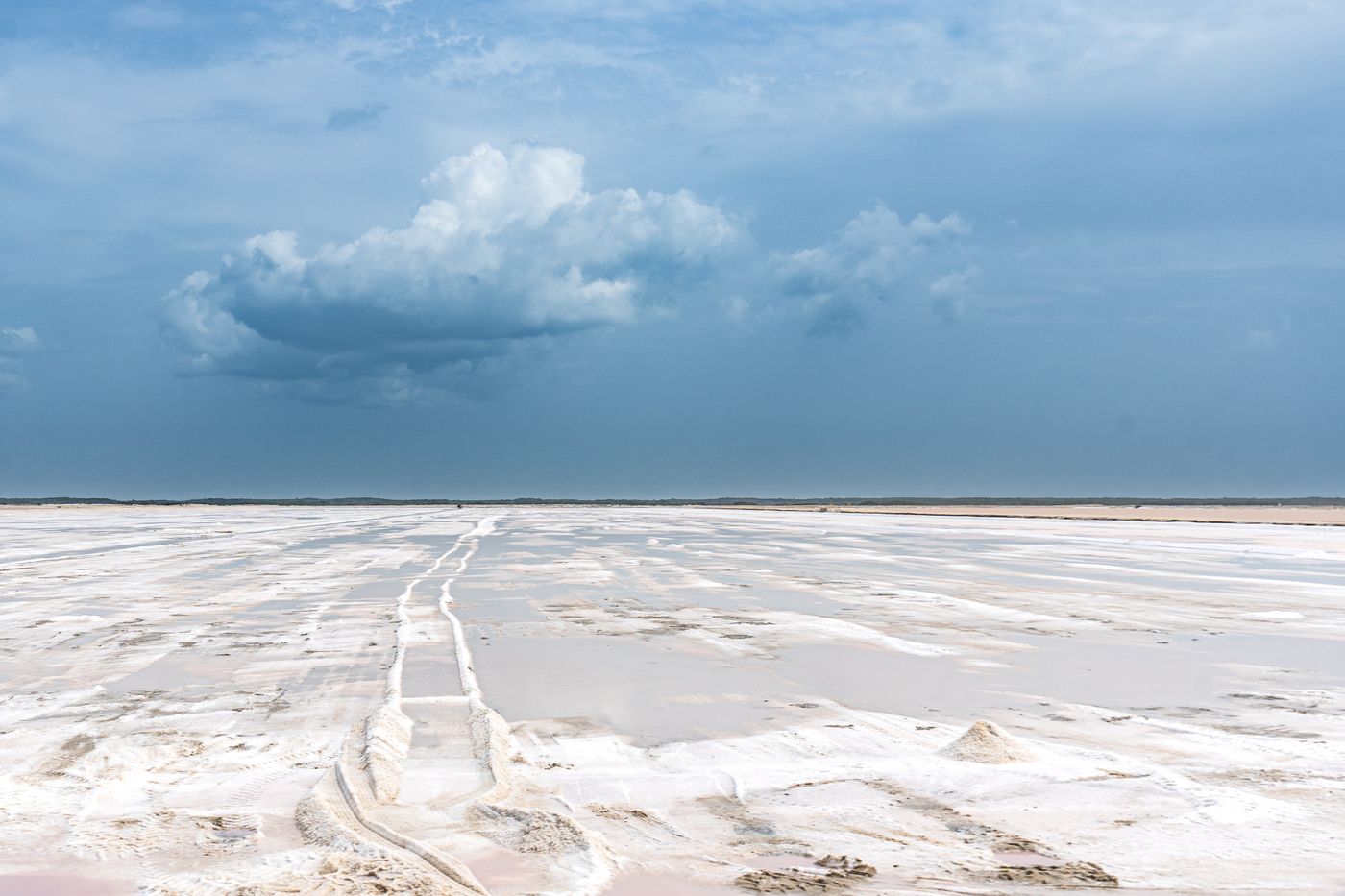
Makgadikgadi Pans
Botswana · Ntwetwe & Sua salt pans
This is Natural Selection's crown jewel and, for many, the reason to book the whole operator. On the fringe of one of the largest salt-pan systems on earth — a landscape of horizon-to-horizon nothing that floods to draw zebra and flamingo in the green season — sit three of the most characterful camps in Africa. Jack's Camp is the icon: green canvas, Persian rugs, a Natural History Museum in the mess tent, and signature quad-biking across the pans, walks with Zu/'hoasi Bushmen and time with habituated meerkats. San Camp is its whites-and-linen sister; Camp Kalahari the more relaxed, better-value option. Pin the region on Google Maps.
Best for
The single most distinctive experience in the portfolio — meerkats, quad bikes and Bushman walks across the salt pans. Jack's for the icon; Camp Kalahari for the same landscape at a gentler price.

Khwai Private Reserve & the Okavango Delta
Botswana · Khwai & the wider Delta
Natural Selection's densest cluster sits in and beside the Okavango. In the 200,000-hectare Khwai Private Reserve — a former hunting concession rewilded for photographic safari — Tuludi is the design-led flagship (seven raised tented suites under the trees), Sable Alley and Little Sable the classic and value options, and Skybeds a trio of open-air platforms you sleep on beneath the stars. Deeper into the water, North Island Okavango, Tawana and Duke's Camp deliver mokoro, boat and vehicle game-viewing across the floodplains. The reserve borders Moremi, so predator densities — wild dog especially — are high. See the Khwai area on Google Maps.
Best for
Water-and-predator Botswana at a range of price points. Tuludi for design; Sable Alley or Little Sable for value; North Island or Tawana for a pure Delta water safari; Skybeds for a night under the stars.
The Boteti River & Kalahari fringe
Botswana · Makgadikgadi Pans National Park boundary
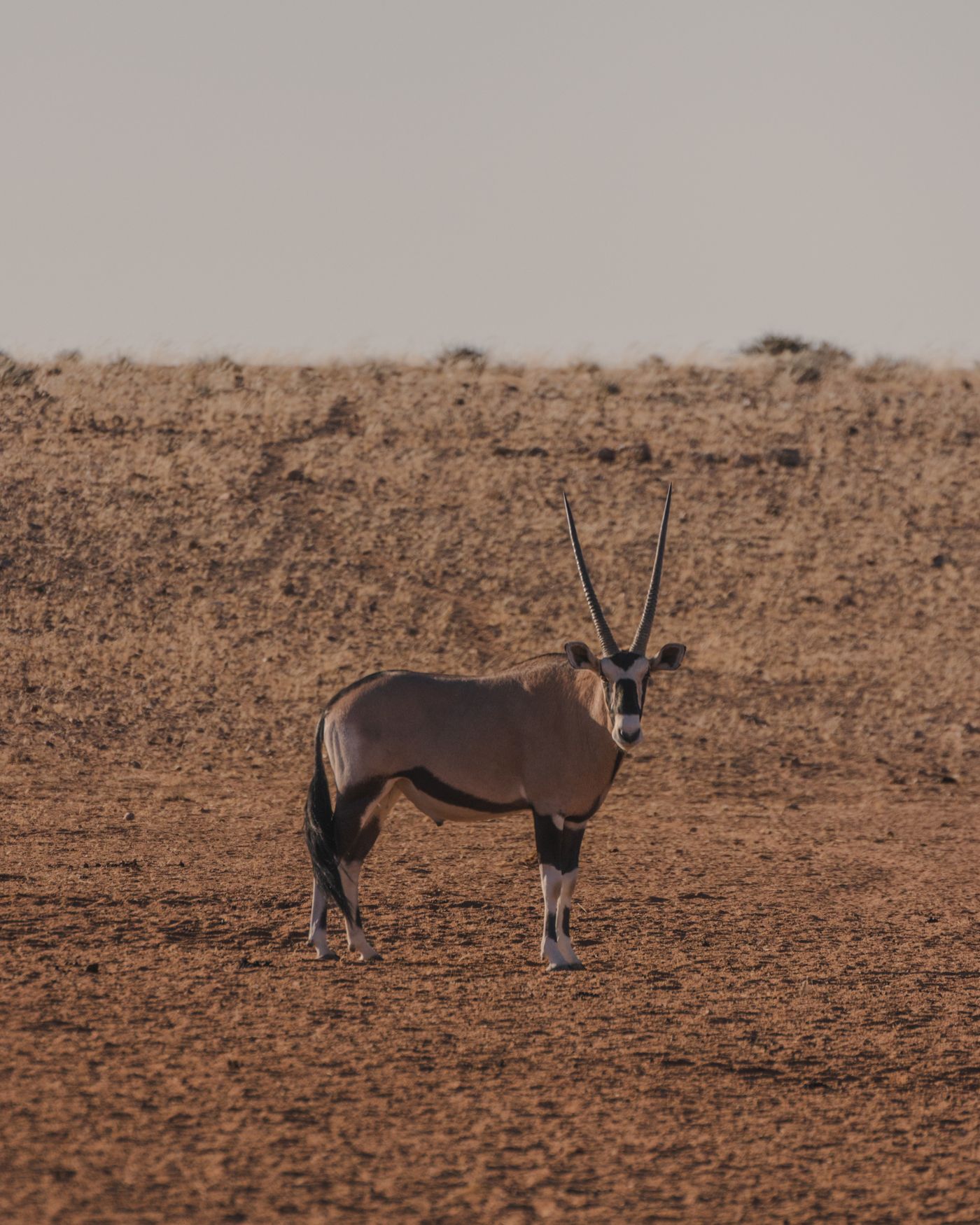
On the reed-lined banks of the Boteti River, the only permanent water for miles, Meno a Kwena is Natural Selection's characterful value play — canvas tents on a clifftop above the river, looking down on one of the largest zebra migrations in Africa as the herds come to drink between the Makgadikgadi and the Kalahari. It is rustic rather than opulent, walking- and hide-focused, and priced accordingly. A natural, wallet-friendly companion to the pans or the Delta rather than a standalone flagship.
Best for
Botswana's zebra migration and a genuinely affordable, characterful riverside camp — best paired with the pans or the Delta rather than booked alone.
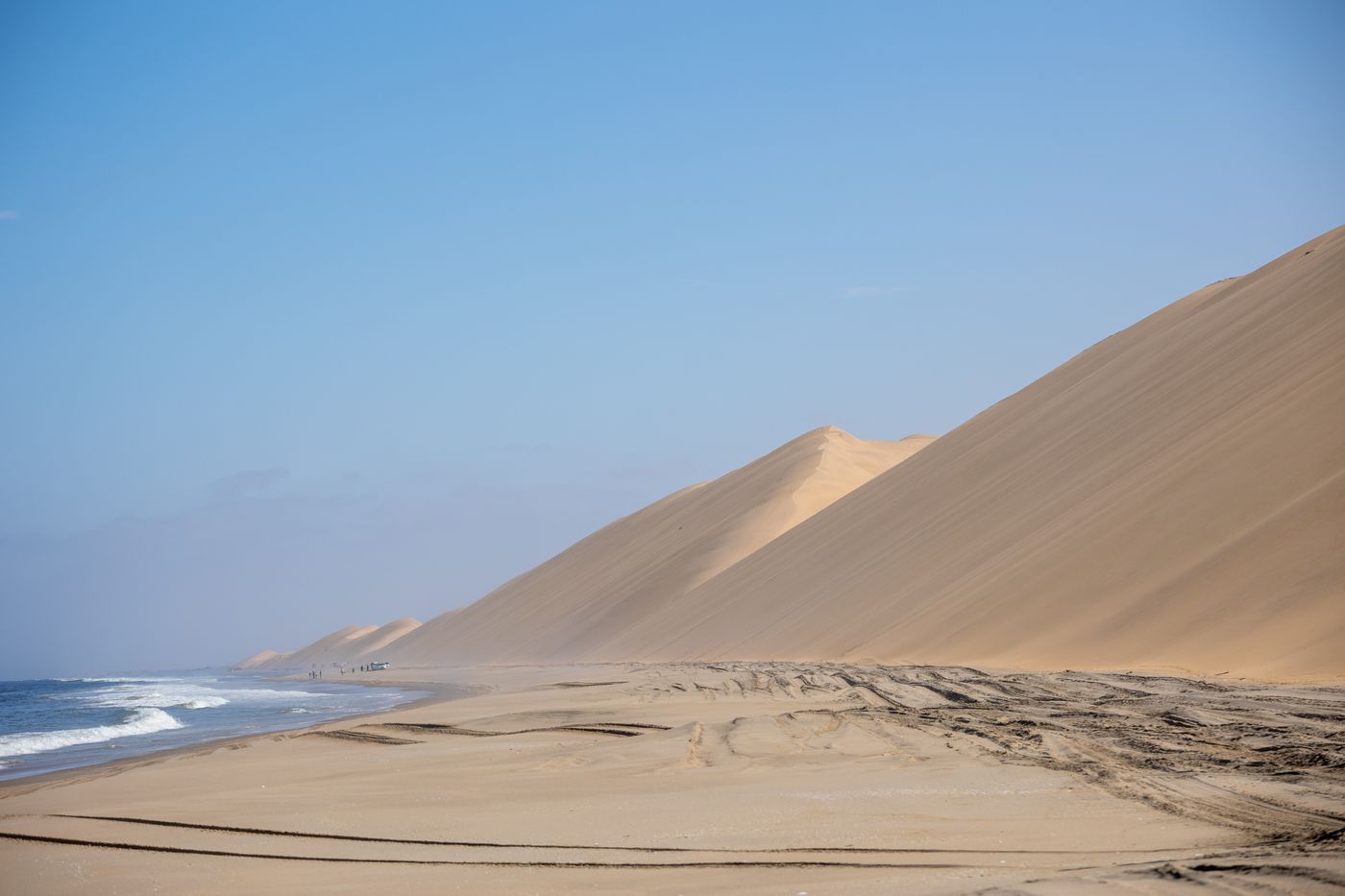
The Skeleton Coast & Kaokoland
Namibia · Kunene region · Community joint ventures
Natural Selection's Namibian north-west is where the conservation model is most visible: both camps here are joint ventures with local communities and conservancies. Shipwreck Lodge stands among the dunes near the Hoarusib River mouth on the fog-bound Skeleton Coast, its ten cabins shaped like the wrecks that give the coast its name. Inland, Hoanib Valley Camp and Hoanib Skeleton Coast tracks put you in the range of desert-adapted elephant, lion and — with the Save the Rhino Trust — critically endangered desert black rhino. This is expedition territory: vast, empty and remote, reached by light aircraft.
Best for
Desert-adapted wildlife and end-of-the-earth landscape, booked with a clear conscience — both camps are community joint ventures. Shipwreck for the coast; Hoanib Valley for desert elephant and rhino.

NamibRand & the Namib dunes
Namibia · NamibRand Nature Reserve
Kwessi Dunes sits deep in the private NamibRand Nature Reserve, one of Africa's largest private reserves and a certified International Dark Sky Reserve — which is the point. Twelve thatch-and-canvas chalets face the red dunes, each with a separate open-air "star bed" sala for sleeping out under some of the darkest skies on earth. This is not a Big Five destination: it is oryx and springbok on gravel plains, dune walks, and astronomy. Best as a two- or three-night desert leg on a wider Namibia or cross-border route.
Best for
Dunes, dead-quiet space and dark-sky astronomy over Big Five. A design-led desert add-on to the Skeleton Coast or Etosha, not a standalone game safari.
The South African coast
South Africa · Western & Eastern Cape
Not classic safari — and a portfolio note. Natural Selection's two South African properties are coastal, not Big Five bush. It operates in three countries only — Botswana, Namibia and South Africa; despite some third-party listings, it has no camps in Zimbabwe or East Africa. If Zimbabwe is the goal, see our African Bush Camps review instead.
Lekkerwater Beach Lodge sits inside the De Hoop Nature Reserve on the Western Cape's whale coast — Southern right whales calve within sight of the deck between June and November. GweGwe Beach Lodge anchors a rewilded stretch of the Eastern Cape's Wild Coast. Both are natural bush-and-beach finishes to a Botswana or Namibia safari rather than game destinations in their own right.
Best for
A coastal, whale-watching or Wild Coast decompression after the bush — booked as an add-on, not the safari itself.
Every Natural Selection camp, indicative 2026 rates
Rates below are per person per night sharing, generally inclusive of accommodation, meals, most drinks, laundry and standard game activities. Botswana figures are from Natural Selection's 2026 US-dollar rack rate; Namibian rates are converted from Namibian dollars at roughly N$18 to the US dollar and are indicative. A separate Conservation, Community & Reserve fee applies (US$60 pppn in Botswana; about N$650 / ~US$36 in Namibia).
| Camp | Region | Tents / rooms | 2026 rate (pp/night) | Notes |
|---|---|---|---|---|
| Jack's Camp | Makgadikgadi, Botswana | ~9 tents (rebuilt 2020) | ~$2,095–3,895 | The icon; Natural History Museum, meerkats, quad-biking |
| San Camp | Makgadikgadi, Botswana | ~4–6 tents | ~$2,595 | White-linen sister camp; seasonal (Apr–mid-Oct) |
| Camp Kalahari | Makgadikgadi, Botswana | ~10 (1 family, 6 dbl/twin) | ~$795–1,325 | Same landscape as Jack's at the gentlest price |
| Meno a Kwena | Boteti River, Botswana | ~10 tents | ~$625–1,275 | Clifftop over the Boteti; zebra migration |
| Tuludi | Khwai Private Reserve, Botswana | 7 raised suites | ~$1,545–3,545 | Design-led Khwai flagship; high predator density |
| Sable Alley | Khwai Private Reserve, Botswana | 12 tents | ~$995–1,995 | Classic Khwai tented camp on a lagoon |
| Little Sable | Khwai Private Reserve, Botswana | 8 tents | ~$660–1,445 | Intimate, best-value Khwai option |
| Skybeds | Khwai Private Reserve, Botswana | 3 open-air platforms | ~$1,295 | Sleep-out decks under the stars; seasonal, 16+ |
| North Island Okavango | Okavango Delta, Botswana | 8 (3 family, 5 dbl/twin) | ~$1,545–3,545 | Water-based Delta camp on a private concession |
| Tawana | Okavango Delta, Botswana | 7 (1 family, 6 dbl/twin) | ~$1,895–3,895 | Premier Delta camp; land and water |
| Duke's Camp | Okavango Delta, Botswana | 7 (1 family, 6 dbl/twin) | ~$1,195–2,295 | Characterful explorer-style Delta camp |
| Elephant Pan | Khwai / Mababe, Botswana | ~12 tents | ~$595–1,045 | Value tented camp; dry-season elephant hub |
| Shipwreck Lodge | Skeleton Coast, Namibia | 10 cabins | ~$1,000–1,680 | Community JV; wreck-shaped cabins in the dunes |
| Hoanib Valley Camp | Kaokoland, Namibia | ~10 (2 family, 8 dbl/twin) | ~$890–1,445 | Community JV; desert elephant, lion, rhino range |
| Kwessi Dunes | NamibRand, Namibia | 12 chalets | ~$605–1,140 | Dark Sky Reserve; star beds and dunes |
| Safarihoek Lodge | Etosha Heights, Namibia | ~11 rooms | ~$500–710 | Private Etosha-boundary reserve; hides |
| Etosha Mountain Lodge | Etosha Heights, Namibia | 9 (1 family, 8 dbl/twin) | ~$410–600 | Value fully-inclusive lodge near Etosha |
| Lekkerwater Beach Lodge | De Hoop, South Africa | 7 suites | Enquire | Coastal, not safari; whale coast (Jun–Nov) |
| GweGwe Beach Lodge | Wild Coast, South Africa | ~12 suites | Enquire | Rewilded Eastern Cape beach lodge |
Figures are indicative 2026 per-person-per-night ranges, sharing (double occupancy). Botswana rates are drawn from Natural Selection's published 2026 US-dollar rack; Namibian rates are converted from Namibian dollars at approximately N$18/US$1 and rounded. Inclusions generally cover accommodation, meals, most drinks, laundry and scheduled game activities; a separate Conservation, Community & Reserve fee (US$60 pppn Botswana; ~N$650 Namibia), park fees, premium drinks, transfers and flights may be additional. Tent counts vary by source — Jack's Camp is listed as seven rooms on the 2026 rack but nine tents on its property page (rebuilt 2020). Always verify at time of booking.
Live Natural Selection inventory
Natural Selection trips, priced right now
Real per-person prices from the current catalogue, updated regularly. Filter and enquire on any itinerary — or scroll on for the three ways to book.
How to actually book Natural Selection — three routes, honestly compared
Natural Selection sells through specialists and preferred partners rather than walk-in booking, and its small camps fill early. Three routes work depending on how much planning support and how many quotes you want.
Route 1 · Bespoke planner
Go2Africa
The most comprehensive bespoke planning route. Go2Africa has direct relationships with Southern African reservations teams and specialises in the multi-camp Botswana and Namibia circuits — pans, Delta, Skeleton Coast — where Natural Selection's character pays off. Best for first-time bookers who want a human designing the route.
Design a trip with Go2AfricaRoute 2 · Tailored specialist quote
Safari.com
Best for readers who want a curated Natural Selection quote fast. Safari.com covers Botswana and Namibia camps and can pair them with adjacent operators for a wider circuit — useful when you want Jack's Camp plus a Delta or Namib leg in one enquiry.
Request a quote via Safari.comRoute 3 · Self-serve comparison
BookAllSafaris
Best for readers still shortlisting — comparing Natural Selection's camps against other operators in the same region before requesting a quote. Self-serve; the broadest comparison field for Botswana and Namibia.
Compare Natural Selection on BookAllSafarisNot sure Natural Selection is the fit? Compare against another operator.
The other luxury safari operators we have reviewed in depth.
Singita
18 lodges, exclusive-use concessions. The tier above on ultra-premium positioning.
Read the Singita review →andBeyond
29 lodges across three continents; design-led, conservation-structural breadth.
Read the andBeyond review →Wilderness
60+ camps. Colin Bell's former company; deepest Botswana footprint.
Read the Wilderness review →Great Plains Conservation
Joubert-founded, conservation-first. The other Botswana purist at the top tier.
Read the Great Plains Conservation review →Sanctuary Retreats
A&K-owned. Chief's Camp Okavango + Nile cruise fleet.
Read the Sanctuary Retreats review →African Bush Camps
Community-rooted. Deepest Zimbabwe portfolio at luxury tier.
Read the African Bush Camps review →Asilia Africa
East Africa specialist; strong value-to-luxury ratio in Tanzania and Kenya.
Read the Asilia Africa review →The operator index
Every luxury safari operator we rate, ranked and cross-linked in one place.
Open the operator index →Straight answers to the questions readers ask
Is Natural Selection worth it, and who is it best for?
For travellers who want characterful, conservation-led camps over uniform five-star polish, yes — Natural Selection is one of the most distinctive operators in Southern Africa. Its edge is a portfolio where no two camps are alike, a genuine funding model (1.5% of every booking plus a per-guest conservation levy), and the single most iconic salt-pan camp in Africa in Jack's Camp. It suits Botswana and Namibia specialists, repeat safari-goers and conservation-minded travellers more than first-timers who want one predictable luxury standard everywhere.
Who founded Natural Selection, and what is the Wilderness connection?
It was founded in 2016 by four safari-industry figures: Dave van Smeerdijk, Jennifer Lalley, James Ramsay and Colin Bell. Bell co-founded Wilderness Safaris (now Wilderness) in 1983, so the two share DNA — but they are separate companies. Wilderness is far larger, with 60-plus camps across multiple countries; Natural Selection is a smaller, curated collection of 26 camps in Botswana, Namibia and South Africa.
Which Natural Selection camp is the most famous?
Jack's Camp, in the Makgadikgadi Pans of Botswana. Founded on the legacy of Jack Bousfield and run in its current form under his son Ralph, it is a green-canvas, mid-century-styled camp with a Natural History Museum in the mess tent, an 1820s dining table, habituated meerkats, quad-biking across the salt pans and walks with Zu/'hoasi Bushmen. It was rebuilt in 2020 and has won Condé Nast Traveler recognition. San Camp and Camp Kalahari share the same landscape at different price points.
How much does a Natural Selection safari cost in 2026?
Widely — which is part of the appeal. Explorer and value camps such as Etosha Mountain Lodge, Elephant Pan, Meno a Kwena and Camp Kalahari start from roughly US$400–800 per person per night; classic camps such as Sable Alley and Shipwreck Lodge sit in the US$1,000–2,000 band; and premier camps — Jack's Camp, Tuludi, Tawana, North Island Okavango — reach roughly US$2,000–3,900 in peak season. A per-guest Conservation, Community & Reserve fee is added on top. Green-season (roughly November–March) rates are markedly lower.
How does Natural Selection's conservation model actually work?
It is built into the price rather than bolted on. Natural Selection contributes 1.5% of every booking to conservation and community work, and levies a per-person Conservation, Community & Reserve fee on each night that is directed to protecting the land its camps sit on — roughly 1.6 million hectares in total. Several camps, including Shipwreck Lodge and Hoanib Valley Camp on the Skeleton Coast, are formal joint ventures with local communities, so tourism revenue flows directly to the people who live alongside the wildlife.
Does Natural Selection operate in Zimbabwe or East Africa?
No. Despite some third-party listings suggesting otherwise, Natural Selection's camps are in three countries only: Botswana, Namibia and South Africa. There is no Zimbabwe, Kenya or Tanzania portfolio, and no Great Migration product. If you want Zimbabwe at this tier, look at African Bush Camps; for East Africa, Asilia Africa.
When should you go, and how far ahead should you book?
Botswana and Namibia peak in the dry season, roughly July to October, when game concentrates around water — this is also when the small camps sell out first, so book nine to fifteen months ahead. The Makgadikgadi is a special case: the green season (December–April) brings the zebra migration and flamingos to the flooded pans, while the dry season is when meerkats and quad-biking shine. San Camp and Skybeds are seasonal and closed in the green months. Green-season rates elsewhere are lower and can often be confirmed inside six months.
Can Natural Selection be combined with other operators or the beach?
Yes, and a good planner will often suggest it. Because the portfolio is concentrated, many itineraries pair Natural Selection's pans or Delta camps with a Wilderness or Great Plains camp elsewhere in Botswana, or route a Namibia leg alongside it. For a bush-and-beach finish, its own Lekkerwater and GweGwe lodges on the South African coast are the natural add-on. Multi-brand routing is smoother through a specialist than by booking each camp directly.
Read next
Disclosure. Uncompromised Travel earns affiliate commissions on qualifying bookings made through Safari.com, Go2Africa and BookAllSafaris links on this page. Editorial verdicts, region breakdowns and honest comparisons are not influenced by commission structure. Rates cited are indicative 2026 ranges and were compiled at time of publication; always confirm at time of booking. Natural Selection is not a paid partner and has no editorial input on this page.