The Best Time to Visit Botswana for Safari (2026)
By Richard Jasinski·Updated 22 July 2026
The best time for a Botswana safari is the dry season, June to October, when the Okavango flood is at its highest, game concentrates around shrinking water, and sightings are at their most reliable. October delivers the finest wildlife of all but is the hottest month. For value, birding and newborns, the green season, November to March, undercuts peak rates dramatically.
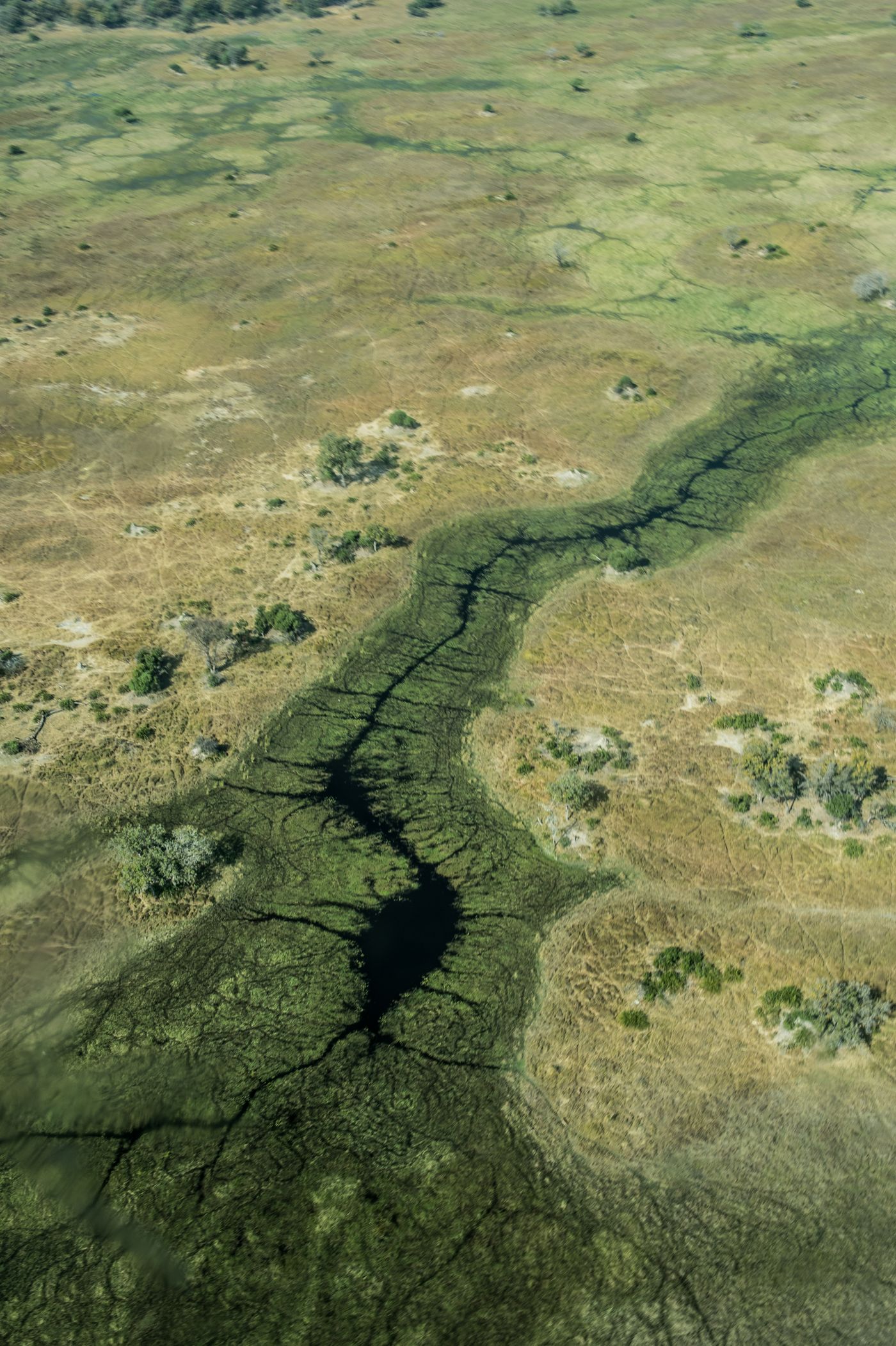
Botswana at a glance
- Peak season
- June–October (dry)
- Best game viewing
- October (also the hottest)
- Highest Delta flood
- June–August
- Wild-dog denning
- May–August
- Green season (best value)
- November–March
- Mombo, peak vs green
- ~$5,043 → ~$2,889 pppn
On this page
Planning it now? Botswana’s best camps are small and sell out months ahead, so the season you choose sets your budget as much as your wildlife. Browse current availability and compare camps and rates across the Delta, Chobe and Linyanti through BookAllSafaris before dates lock up.
The dry season: peak game, peak water, peak price
From June to October, Botswana is at its wildlife best. The last rains fell months ago, seasonal pans have dried, and the vegetation has thinned to bare scrub, which means animals are easier to see and forced to gather at the water that remains. In the same window, paradoxically, the Okavango is carrying its highest flood of the year (more on why below). The result is the classic Botswana picture: elephant, buffalo and predators pressed up against shining channels in an otherwise parched land.
July and August are cool, dry and reliable, with crisp mornings that can drop close to freezing on an open vehicle, pack layers. September and October turn hot and dusty as the pressure builds before the rains, and it is in these final weeks that game viewing peaks: the bush is at its most transparent and every animal in the region is tethered to a shrinking number of waterholes. October is the single best month for sightings, and also the hottest.
The trade-off is price and crowding. This is high season, camps charge their top rates, and the best properties book out first. If you want the marquee months, reserve early and expect to pay for them, see our Botswana safari cost guide for what each tier actually runs to.
The Okavango flood paradox: why the water peaks in the dry season
The most counter-intuitive fact about Botswana is that the Okavango Delta holds its most water in the middle of the dry season. The flood is not fed by local rain. It is fed by summer storms over the Angolan highlands, hundreds of kilometres to the north-west, and that water takes several months to travel down the Okavango River and fan out across the Delta.
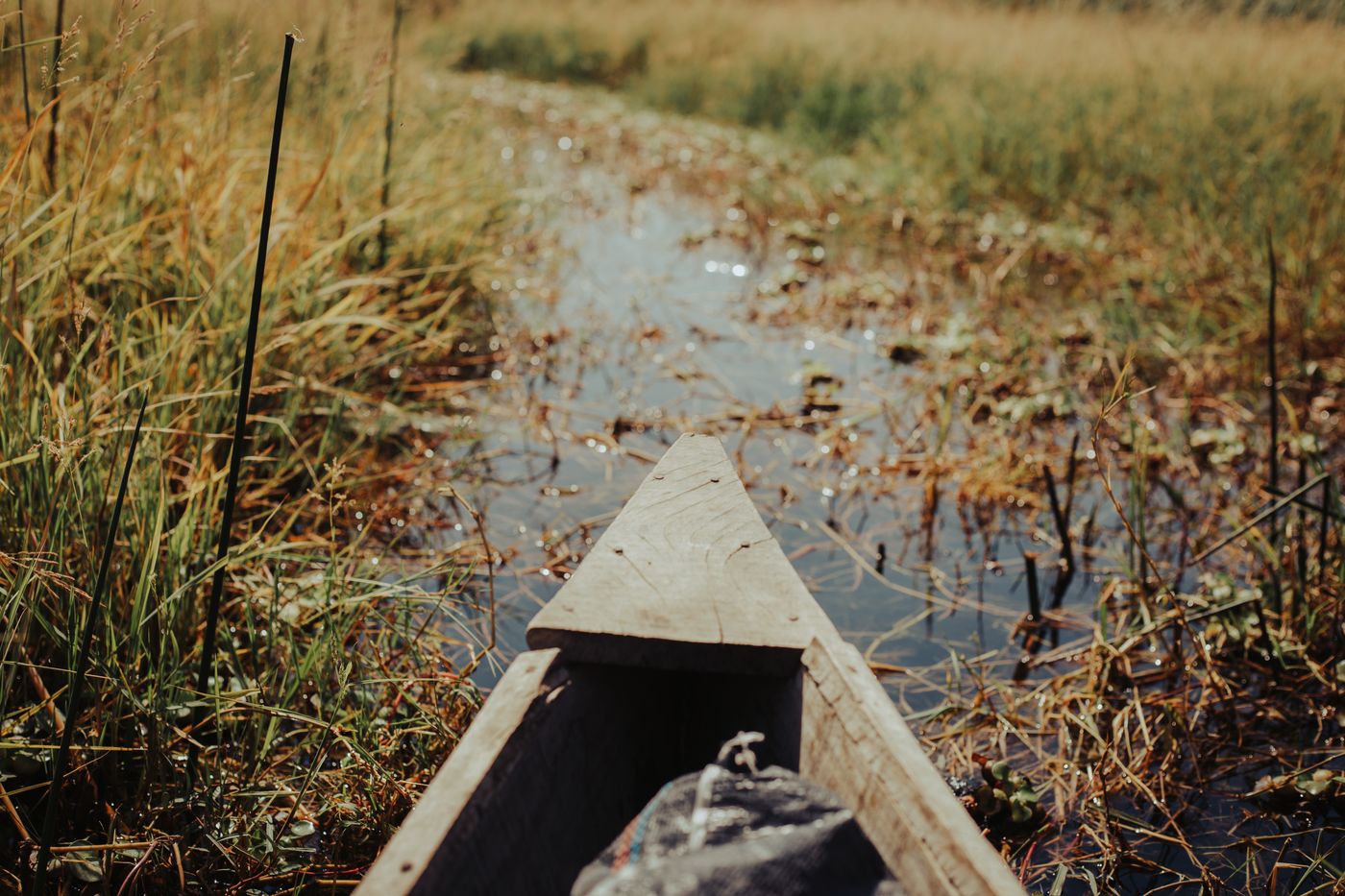
So the rain that fell over Angola around December to March arrives in the Botswana Delta at its peak roughly between June and August, exactly when Botswana itself is bone dry. Camps that were reachable by vehicle in the low-water months become islands; mokoro (dug-out canoe) and motorboat come into their own; and lechwe, hippo and elephant move with the rising water. If your dream of Botswana is glittering channels and water-based safari, aim for July and August, when the flood and the game overlap.
The green season: value, birding and newborns
From November to March the rains return, and Botswana transforms. The Kalahari sand greens over, the skies fill with dramatic cloud, and the whole region softens. Game disperses because water is suddenly everywhere, so sightings take more patience, but what you gain is considerable. This is calving season, when impala, wildebeest, tsessebe and more drop their young en masse, and where there are newborns there are predators close behind. It is also the finest birding of the year: migrants arrive, resident species come into breeding plumage, and the Nxai Pan and Central Kalahari come alive.
The other draw is money. Green-season rates are a fraction of peak. Flagship Mombo, on Chief’s Island in the Delta, falls from around $5,043 per person per night in high season to about $2,889 in the green months, and camps that are unattainable in September become bookable. For photographers, the light and skies are extraordinary. Green season is a genuine connoisseur’s choice, not a compromise. If you are choosing between countries as well as seasons, our which safari country is right for you guide sets Botswana against its neighbours.
Green-season roads are wetter and some camps are remote fly-in only. It is worth travelling with cover that suits deep-bush, off-grid trips; we use SafetyWing for flexible travel-medical insurance on this kind of itinerary.
The festive exception (20 December–5 January)
There is one hole in the green-season bargain. The festive window, roughly 20 December to 5 January, commands peak, sometimes premium, rates despite sitting in the low season, and the best camps sell out six to twelve months ahead. If you want the Delta over Christmas and New Year, treat it like high season: book early, and budget accordingly.
Month by month, at a glance
Three things move across the year in Botswana, and they do not move together: how good the game viewing is, how high the Okavango flood is, and what you pay. The chart below plots all three on a relative scale from low to high. Note how the flood (dashed) peaks around July, the game (solid) peaks in October, and rates (dotted) track the dry months with a sharp festive spike in late December.
Relative levels across the year, low to high. Series are distinguished by line style and marker shape as well as colour: solid gold circles, game viewing; navy dashed squares, Delta flood; brown dotted diamonds, nightly rates. Illustrative, based on typical Delta patterns.
The best month for your goal
There is no single best month, only the best month for what you want. Match your priority to the window below.
| Your priority | Best window | Why | Where |
|---|---|---|---|
| Big game & Delta water together | Jul–Aug | Flood at its highest while game is already concentrating; water and land safari in one trip | Okavango Delta, Moremi, Chief’s Island |
| Best overall game viewing | Sep–Oct | Foliage thinnest and animals crowd the last water; October is the single best month, but the hottest | Chobe riverfront, Savuti, Moremi |
| Wild dogs (denning) | May–Aug | Packs settle at a den to raise pups, so they stay put and are far easier to find | Linyanti, Selinda, the Delta |
| Value & birding | Nov–Mar | Lowest rates by far, migrant birds in breeding plumage, and newborn game everywhere | Central Kalahari, Nxai Pan, Delta fringes |
| Photography | May–Jun & Sep–Oct | Soft dry-season light and dust in spring; dramatic skies and lush colour in the green months | Delta channels, Chobe, the Kalahari |
Where to be, and when
Season and region are two halves of the same decision. A few pointers:
- Okavango Delta & Moremi best when the flood is up, June to August, for classic water-and-land safari.
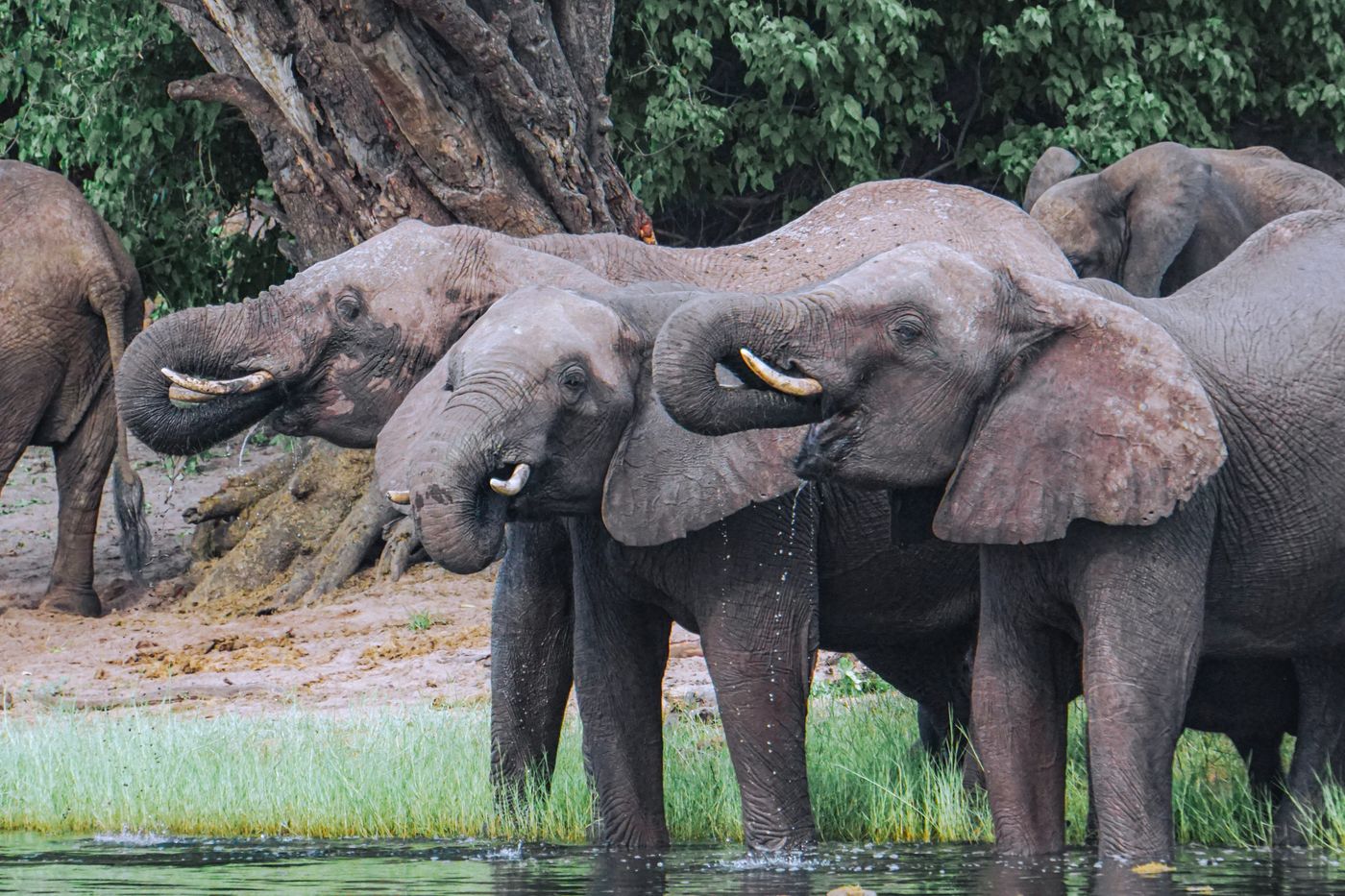
- Chobe riverfront extraordinary dry-season elephant and buffalo, September and October, when thousands gather on the river.
- Linyanti & Selinda prime wild-dog country in the May-to-August denning window.
- Central Kalahari & Nxai Pan come into their own in the green season, when the rains bring big herds and, in Nxai, the zebra migration.
For the full regional breakdown, camps and how they connect, read our Botswana luxury safari guide, and to know what you will actually be watching, our guide to safari animals and what you see.
Getting there: the fly-in reality
Botswana is a fly-in destination almost by definition. Most itineraries route through Maun (the gateway to the Delta) or Kasane (for Chobe), and from there light aircraft stitch the trip together, hopping between remote airstrips deep in the bush. In peak flood, several Delta camps are reachable only by air, so those inter-camp flights are not a luxury; they are the itinerary.
Scheduled seat-rates on shared light aircraft are the norm, but they run to fixed timetables and weight limits. A private charter from Maun can collect you on your own schedule and skip the shared shuttle rota, worth pricing if you are travelling as a group or connecting a tight international flight.
Day trips and add-ons, a Chobe river cruise, a Victoria Falls extension, are easy to slot in; browse and pre-book them through GetYourGuide so the marquee experiences are locked before you arrive.
Frequently asked questions
When is the best time to go on safari in Botswana?
The peak dry season from June to October is the classic choice. Water in the Okavango Delta is at its highest, thinning foliage and shrinking waterholes concentrate game, and sightings are at their most reliable. October delivers the finest game viewing of all, though it is also the hottest month. Rates peak alongside the wildlife.
Why is the Okavango Delta flood highest during the dry season?
The flood is fed by rain that falls over the Angolan highlands hundreds of kilometres away, not by local Botswana rain. That water takes several months to travel down the Okavango River and spread across the Delta, so it arrives at its peak between roughly June and August, in the middle of Botswana's dry season. It is one of the great paradoxes of the region: the most water in the driest months.
What is the cheapest time to visit Botswana for safari?
The green season, from November to March, carries the lowest rates by a wide margin. Flagship camps can fall to little more than half their peak price; Mombo, for example, drops from around 5,043 US dollars per person per night to about 2,889. The exception is the festive window from 20 December to 5 January, which books out early at premium rates.
When is the best time to see wild dogs in Botswana?
The denning season, roughly May to August, is the most reliable window. Packs settle at a fixed den to raise pups, so they stay in one area and are far easier to find. Linyanti and the Okavango Delta are the strongest regions for African wild dog at this time.
Is October too hot for a Botswana safari?
October is the hottest month, with daytime temperatures often climbing past 40 degrees Celsius before the rains break. It is demanding in the middle of the day, but it also delivers the best game viewing of the year as animals crowd the last water. Early starts, a good camp with shade and a pool, and afternoon rest make it very manageable.
What is the green season like in Botswana?
The green season runs from November to March. Rains transform the landscape into lush, dramatic scenery, plains game disperses, and predators follow. It is the finest time for birding, with migrant species present and many in breeding plumage, and it is calving season, so newborn animals are everywhere. Rates are at their lowest and camps are quieter.
How much does a Botswana safari cost per night?
Botswana sits at the premium end of African safari. Flagship Delta camps such as Mombo run to roughly 5,043 US dollars per person per night in peak season, falling to about 2,889 in the green season. Excellent camps can be found from around 1,000 to 1,500 US dollars per person per night, with most luxury properties between those figures.
Do I need to book the festive season in advance?
Yes. The festive window from 20 December to 5 January is the one green-season period that commands peak, and sometimes premium, rates, and the best camps sell out six to twelve months ahead. If you want the Delta over Christmas and New Year, book as early as you can.
Read next
Recommendations are made on merit alone.