What Is a Safari? A Complete Beginner's Guide (2026)
By Richard Jasinski·Updated 22 July 2026
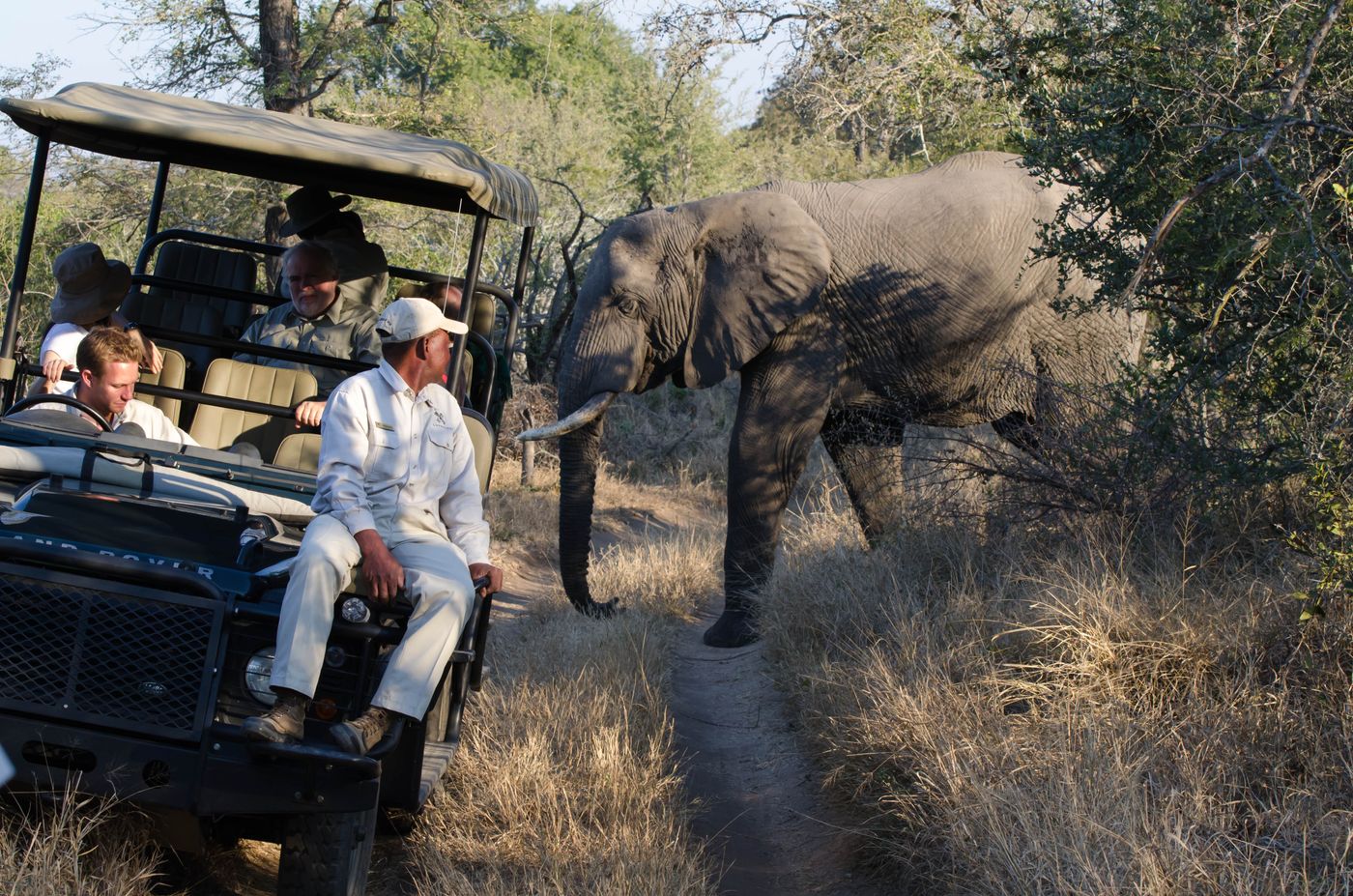
A safari is a guided journey to watch wild, free-ranging animals in their own landscape, typically by open 4x4 through a national park or private conservancy, staying at a camp or lodge. Nothing is fenced and nothing is guaranteed; the reward is genuine wilderness, seen close and on its own terms.
- Meaning
- "Journey" (Swahili)
- Core activity
- Guided game drives
- Where you stay
- Camps & lodges
- Typical length
- 3–10 nights
- Luxury guide price
- $700–1,500 pppn
- Best first countries
- Kenya, Tanzania, South Africa
Where the word comes from
"Safari" is the Swahili word for journey borrowed, in turn, from the Arabic safar, meaning travel. In East Africa it simply meant setting off overland, and it still carries that plain sense along the coast today. The word entered English in the nineteenth century and, for a long stretch, described the big-game hunting expeditions of the colonial era. Its meaning has since reversed almost completely. A modern safari is about seeing animals, not shooting them, and the money it generates has become one of the most effective arguments for keeping wild land wild. You can read the fuller etymology on Wikipedia.
What a modern safari actually is
Strip away the marketing and a safari is one thing: guided wildlife viewing in a wild, free-ranging ecosystem. The animals live where they choose, move where they like, and are watched, not fed, not fenced, not scheduled.
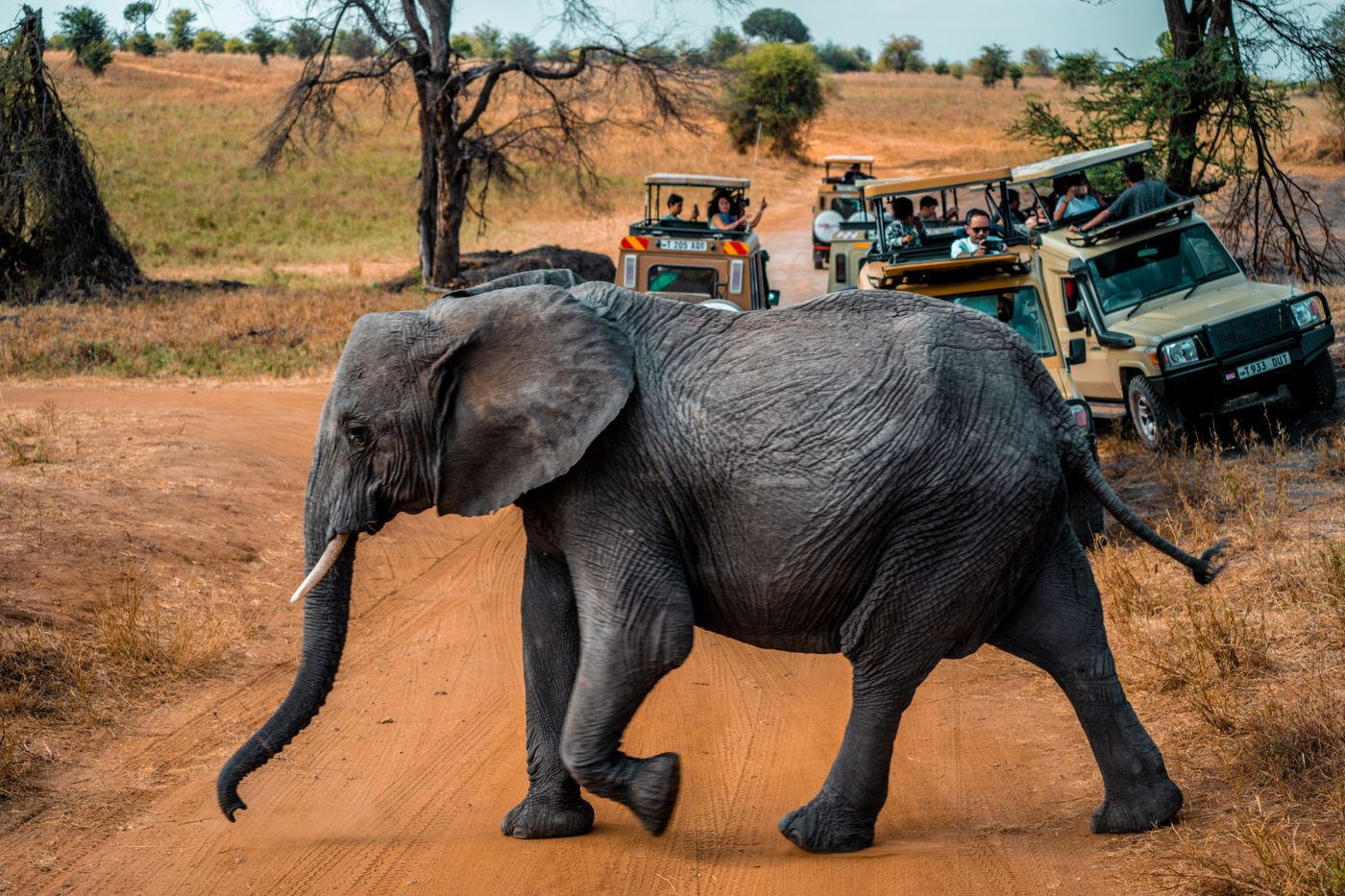
In practice that means a few consistent ingredients. You travel in an open or open-sided 4x4 driven by a trained guide who reads tracks, alarm calls and behaviour to find animals. You go out at the edges of the day, when wildlife is most active and the light is best. And you stay inside or immediately beside a protected area, a national park, a game reserve or a private conservancy, in a permanent lodge or a canvas-walled tented camp. Where roads are long or the terrain remote, you often hop between camps by light aircraft rather than driving. For the full picture of which countries and reserves this happens in, see our companion piece, where do safaris happen.
A quick vocabulary note. A game drive is an outing to look for wildlife by vehicle. A sundowner is a drink taken in the bush at dusk. A conservancy is private or community land run for wildlife, usually with fewer vehicles and more freedom than a national park. "Game," in this context, just means wild animals, a hangover from the hunting era, not a suggestion that anything is played.
If the choice of country feels overwhelming, our guide to which safari country is right for you walks through the trade-offs, and the Kenya, Tanzania and South Africa comparison sets the three classic first-timer countries side by side. A good marketplace is the fastest way to see what a real trip looks like at your budget; you can browse and compare thousands of vetted safaris on BookAllSafaris before you commit to anything.
Safari vs a zoo, wildlife park or animal-watching day
This is the distinction most first-timers want clarified, and it matters more than it sounds. A zoo or drive-through wildlife park keeps animals in enclosures; the encounter is guaranteed because the animal cannot leave. A safari is the opposite proposition on every count.
- The animals are wild and free-ranging. There are no fences around the individual animals, no feeding schedules and no keepers. A leopard is where a leopard wants to be.
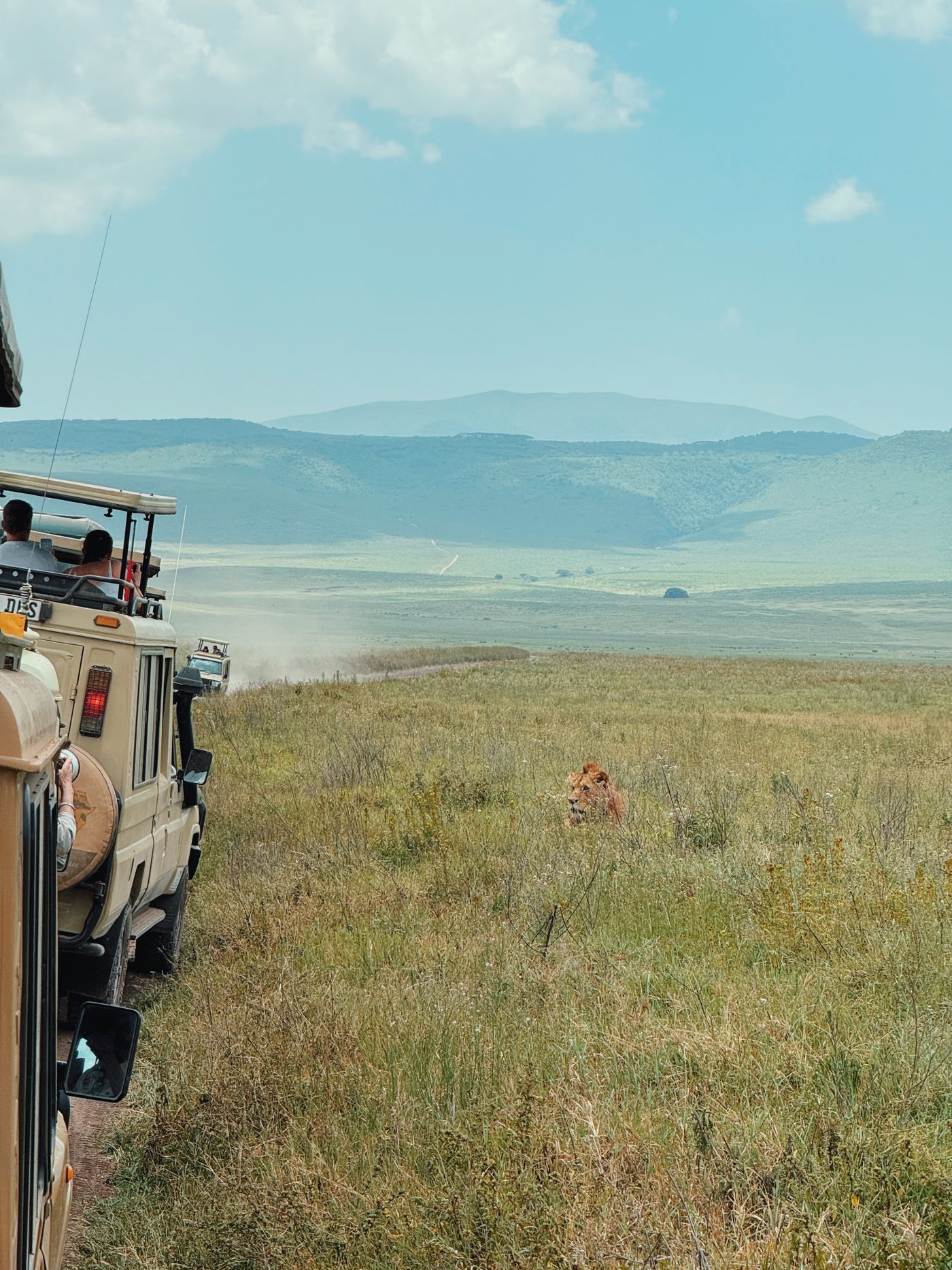
- Nothing is guaranteed. You might watch a hunt at dawn or drive for two hours and see zebra and a distant giraffe. The uncertainty is the point, and the reason a great sighting feels earned.
- It funds conservation. Park fees, conservancy leases and lodge revenue pay rangers, buy anti-poaching capability and give local communities a living reason to protect wildlife rather than clear the land. Your holiday is, quite directly, part of the model that keeps the ecosystem intact.
To picture the animals themselves, the famous Big Five and the many species that are actually easier to see, read safari animals: what you see.
What's included in a safari price, and what isn't
Safari pricing confuses newcomers because it is quoted per person per night (pppn) and is usually far more inclusive than a hotel rate. A luxury lodge at, say, $1,200 pppn is not "an expensive room" it is bundling almost your entire day. Knowing exactly where the line falls is the single best defence against a nasty surprise at the desk. We break the economics down fully in why safaris cost what they do.
Typically included
- Accommodation (tent or lodge room)
- All meals, often plus teas and snacks
- Twice-daily guided game drives
- A professional guide and tracker
- Park & conservancy fees (on many all-inclusive camps)
- On top-end camps: house drinks, laundry, and light-aircraft transfers between camps
Usually not included
- International flights to the gateway city
- Visas and any entry fees
- Travel & medical insurance
- Staff and guide tips
- Premium wines, champagne and spirits
- Extras: balloon flights, gorilla or chimp permits, private vehicle hire
Two of those exclusions deserve a flag. A gorilla permit in Rwanda or Uganda is a fixed government fee running to four figures, entirely separate from your lodge, budget for it deliberately. And insurance is non-negotiable on a remote trip where the nearest hospital may be a flight away; a policy that explicitly covers safari activity and medical evacuation is essential rather than optional. SafetyWing is a straightforward option that covers travellers worldwide. Park fees vary widely and are often the line that moves a quote, Kenya's Maasai Mara, for example, charges around $200 per person per day in peak season.
| Tier | Price (pppn) | What you get |
|---|---|---|
| Mid-range | $150–500 | Comfortable tented camps and lodges, shared game drives, excellent wildlife |
| Luxury | $700–1,500 | Private conservancies, superb guiding, fine food, small camps, most extras included |
| Ultra-luxury | $1,500–3,000+ | Exclusive-use villas, private vehicles and guides, flying safaris, total seclusion |
Botswana is consistently the priciest of the classic safari countries, having chosen a deliberate low-volume, high-value model; Kenya, Tanzania and South Africa span the full range from mid-market to ultra-luxury. To sanity-check any quote against the market, our safari operator price comparison shows what a fair number actually looks like.
The types of safari, and who each suits
"Safari" covers a surprising range of trips. Choosing the right format matters as much as choosing the country, because it sets the pace, the privacy and the cost of your whole holiday.
Luxury fly-in
Light aircraft between remote, high-end camps. Maximum wildlife, minimum transit. Suits first-timers who want it seamless, honeymooners and time-poor travellers.
Self-drive
You hire a 4x4 and explore well-marked parks yourself. Affordable and independent. Best in Namibia and South Africa. Suits confident, budget-minded travellers.
Mobile / tented
A classic camp that moves with the seasons and the game, often following the migration. Romantic and immersive. Suits repeat visitors and purists.
Walking safari
On foot with an armed guide, reading tracks and small detail. Thrilling and intimate. Suits the reasonably fit who have already done a drive or two.
Boat / mokoro
Wildlife from the water, a motorboat on the Chobe or a dugout canoe (mokoro) through Botswana's Okavango Delta. Suits birders and anyone wanting a change of angle.
Overland group
A multi-day trip by shared truck with a small group. The budget entry point to Africa. Suits younger and solo travellers who value cost and company.
Photographic
Vehicles rigged for cameras, longer at each sighting, specialist guides. Suits keen photographers willing to trade breadth for the perfect frame.
Family
Lodges with age-appropriate activities, family suites and flexible drives. Malaria-free reserves are popular. Suits parents travelling with children.
For hands-on formats, Namibia is the great self-drive country, while Botswana is the classic water-and-fly-in destination and Tanzania is unrivalled for the migration. A specialist can match the format to you: Safari.com and Go2Africa both build tailor-made itineraries rather than selling off the shelf.
The rhythm of a typical safari day
Days on safari follow the animals, not the clock face you're used to. You rise before dawn and rest through the heat, because so does the wildlife. The shape below is near-universal, whether you're in a $200 camp or a $2,000 one.
The universal rhythm: out at the cool, active edges of the day; resting through the midday heat.
- Pre-dawn (around 05:30). A wake-up knock, coffee, and out before sunrise for the best light and the most active predators. This is often the drive when big things happen.
- Mid-morning (around 10:00). Back to camp for a generous brunch as the day heats up and animals settle into shade.
- Midday (around 13:00). The siesta. Rest, a plunge pool, a book, or simply watch the waterhole. Nobody drives in the worst of the heat.
- Late afternoon (around 16:00). The second drive, ending with a sundowner a drink out in the bush as the light turns gold and the night shift wakes up.
- Evening (around 20:00). Dinner, often around a fire under a startling number of stars, comparing the day's sightings before an early night.
What should a first-timer book?
For a first safari, the honest advice is to keep it simple and reduce the number of things that can go wrong. A luxury fly-in trip of three or four nights in a well-run reserve, the Maasai Mara (map), the Serengeti or a South African private reserve near Kruger, gives you the highest hit-rate of wildlife for the least logistical friction. Combine it with a beach or city stay if you want variety.
Two rules protect you more than any brochure. First, go with a properly accredited operator: our guide on how to verify a safari operator shows the checks that take five minutes and save a fortune. Second, use a marketplace or specialist to compare like with like rather than booking the first pretty website you find. Before you go, sort connectivity with an Africa safari eSIM, and if you want to add a city tour or transfer around your trip, GetYourGuide is a reliable way to book the extras.
Frequently asked questions
What does the word "safari" mean?
"Safari" is the Swahili word for "journey," itself borrowed from the Arabic safar, meaning travel. It originally described any overland expedition in East Africa. Today it refers specifically to a trip taken to observe wild animals in their natural habitat.
What's the difference between a safari and a zoo?
A zoo keeps animals in enclosures, so a sighting is guaranteed. On safari the animals are wild, free-ranging and unfenced; they move where they like, nothing is fed or scheduled, and no sighting is certain. Safari revenue also funds conservation and anti-poaching work, which a zoo visit does not.
What's included in a safari price?
Safari rates are quoted per person per night and usually include accommodation, all meals, twice-daily guided game drives and a professional guide. Many all-inclusive camps also cover park and conservancy fees, and top-end camps add house drinks, laundry and light-aircraft transfers. International flights, visas, insurance, tips, premium drinks and extras such as balloon flights or gorilla permits are generally not included.
What types of safari are there?
The main formats are luxury fly-in, self-drive, mobile/tented, walking, boat or mokoro, overland group, photographic and family safaris. They differ in pace, privacy and cost: fly-in trips suit first-timers who want it seamless, self-drive suits independent budget travellers, and walking or photographic safaris suit those returning for something more specialist.
Are wildlife sightings guaranteed?
No. The animals are wild and free-ranging, so nothing can be promised. A good guide, a strong reserve and the right season dramatically raise your chances, and several nights in a wildlife-rich area almost always deliver a wonderful range of animals, but the uncertainty is part of what makes a safari genuine rather than a show.
Is a safari safe?
Yes, when done properly. Reputable operators employ trained guides, follow strict protocols around wildlife and keep you in the vehicle where the animals treat it as a single, unthreatening shape. The real precautions are practical: use an accredited operator, take anti-malarial advice for malaria zones, and carry travel insurance that covers safari activities and medical evacuation.
What should a first-timer book?
A short luxury fly-in trip of three or four nights in a well-run, wildlife-dense reserve, such as Kenya's Maasai Mara, Tanzania's Serengeti or a private reserve near Kruger in South Africa, is the easiest, highest-reward first safari. Book through an accredited operator and compare options on a marketplace or with a specialist rather than the first website you find.