Which Safari Country Is Right for You? (2026 Decision Guide)
By Richard Jasinski·Updated 22 July 2026
For most first-timers, Kenya or South Africa is the right answer: Kenya for the iconic Maasai Mara at sensible cost, South Africa for malaria-free, family-friendly value that pairs with Cape Town. Choose Tanzania for the Great Migration, Botswana for water-based exclusivity, Namibia for self-drive desert, and Rwanda or Uganda for mountain gorillas.
At a glance
- Kenya
- Iconic first safari · Maasai Mara · good value · simplest logistics
- Tanzania
- The Great Migration · Serengeti + Ngorongoro · best all-round wildlife
- Botswana
- Most exclusive · water-based Okavango Delta · fewest vehicles · priciest
- South Africa
- Best-value entry · malaria-free options · easy to combine · family-friendly
- Namibia
- Self-drive · desert landscapes · Etosha · Sossusvlei
- Rwanda / Uganda
- Mountain gorilla trekking · forest, not savanna
On this page
There is no single “best” safari country, only the one that best fits your priorities, your budget and who is travelling with you. This guide works the way a good specialist does: it starts with what each country is genuinely built for, then flips the question around by priority, first safari, budget, honeymoon, families, photography, repeat travellers and malaria-free. New to the idea entirely? Start with what a safari actually is and where safaris happen, then come back here to choose.
Kenya, the iconic first safari
If you close your eyes and picture a safari, you are almost certainly picturing Kenya: lions on golden grass, acacia silhouettes, hot-air balloons at dawn over the Maasai Mara. It is the archetype for good reason. Wildlife density is exceptional, the logistics are the simplest in Africa, short hops from Nairobi, English widely spoken, a mature tourism industry, and it delivers strong value relative to Botswana. For a first-timer who wants the classic image without over-thinking it, Kenya is the safest yes.
The Mara is the headline, but pair it with a conservancy (Ol Pejeta, Mara North, Naboisho) and you buy fewer vehicles, night drives and walking, a real step up from the crowded national reserve. Peak drama is the migration river crossings from roughly July to October (August–September best), when the herds push north from the Serengeti into the Mara.
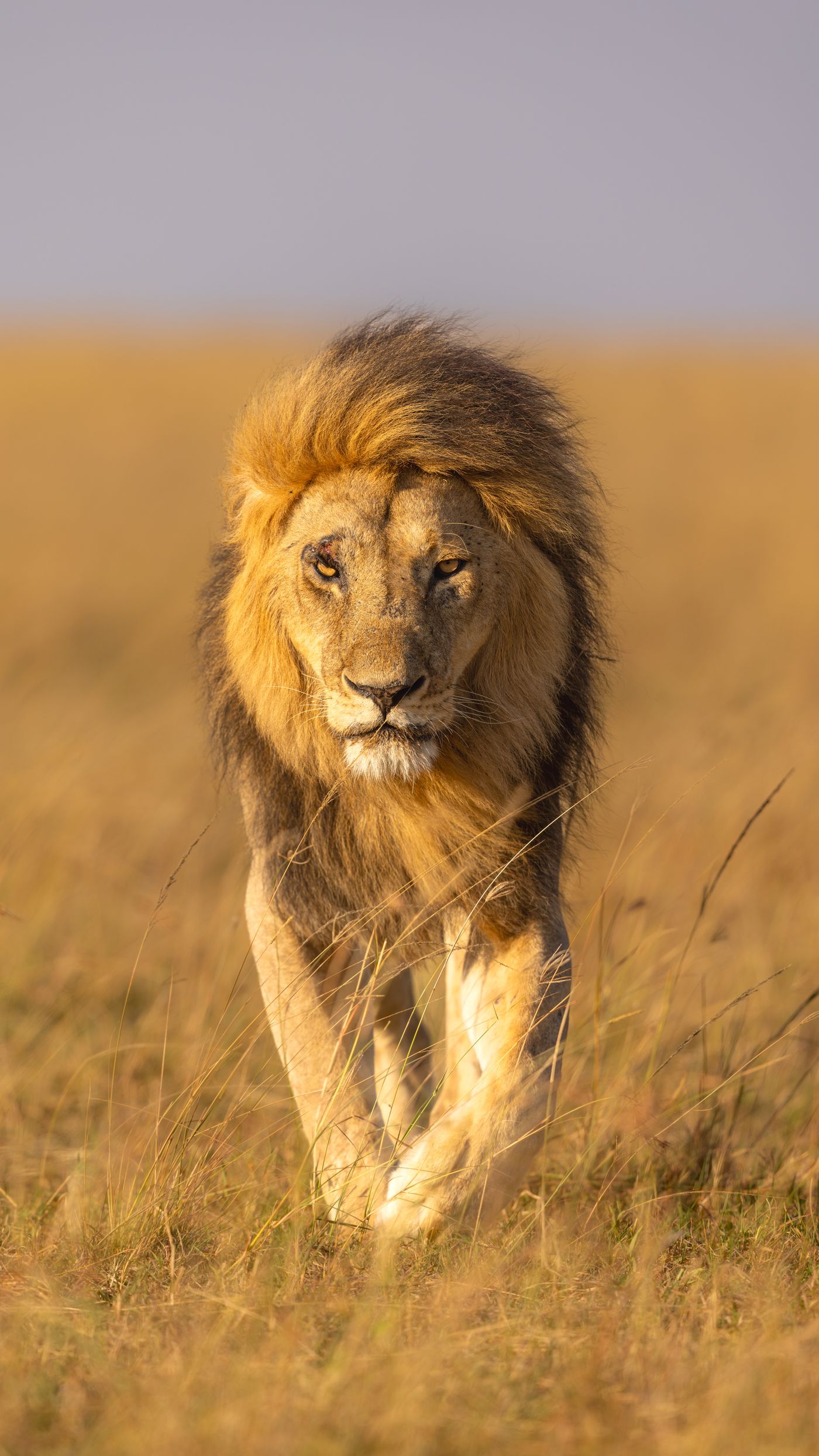
Best for: first-timers, classic Big Cat viewing, balloon safaris, good value.
Look closer: our Kenya vs Tanzania vs South Africa comparison and, for door-to-door access to remote camps, a Kenya private safari charter.
Tanzania, the Great Migration and the best all-round wildlife
Tanzania is where the wildlife spectacle peaks. The Serengeti and the neighbouring Mara ecosystem together host the Great Migration roughly two million wildebeest and zebra moving on a yearly loop. Two moments matter most: calving on the Ndutu plains from January to March (February peak), when hundreds of thousands of calves drop and predators converge; and the Serengeti river crossings, roughly July to October. Add the Ngorongoro Crater a natural amphitheatre with year-round density, and Tanzania is arguably the best all-round East African wildlife country.
The trade-off is cost and logistics: it sits above Kenya on price, and the classic northern circuit involves more driving (or light-aircraft hops) between parks. It rewards travellers who want the migration specifically, or who are on their second trip and want scale.
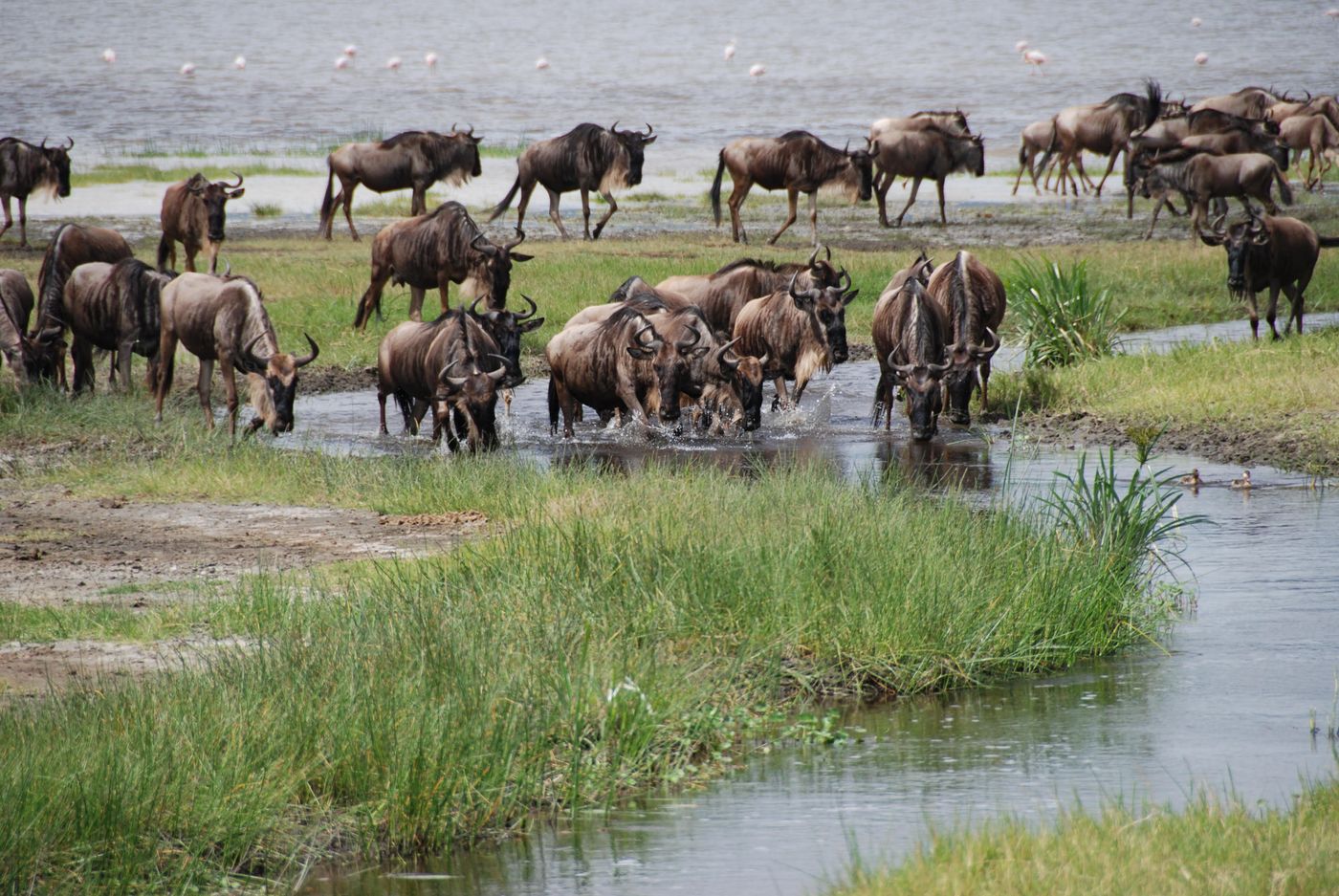
Best for: the Great Migration, calving season, crater viewing, second-time travellers.
Look closer: the full Tanzania luxury safari guide.
Botswana, exclusivity and water-based safari
Botswana sells space and silence. Its low-volume, high-value model deliberately caps visitor numbers, so you get the fewest vehicles at a sighting anywhere on this list, often just yours. The signature experience is water-based: gliding through the channels of the Okavango Delta in a mokoro (dugout canoe), plus the elephant herds of Chobe and the big cats of the Linyanti. It is, predictably, the most expensive mainstream safari country; this is the honeymoon-and-milestone destination.
Come here when privacy and setting matter as much as the animals, and when the budget can carry it. If you are weighing whether the premium is justified, our piece on why safaris cost what they do breaks down exactly what the Delta price buys.
Best for: honeymoons, exclusivity, water safaris, uncrowded sightings.
Look closer: the Botswana luxury safari guide.
South Africa, best value and the family choice
South Africa is the most flexible entry point, and the one we most often recommend for families. It offers the best-value safari of the group, world-class private reserves bordering Kruger, and, crucially, genuine malaria-free options in reserves such as Madikwe and the Waterberg, which is a real draw for anyone travelling with young children. It is also the easiest safari to combine with a wider holiday: bolt on Cape Town, the Winelands and the Garden Route and you have one trip that satisfies everyone.
Infrastructure is excellent, self-drive is feasible in some parks, and flight connections are the best on the continent. If you want a safari that doubles as a broader Africa introduction, this is it.
Best for: first-timers on a budget, families, malaria-free travel, combining with Cape Town.
Look closer: the three-country comparison lays Kenya, Tanzania and South Africa side by side.
Namibia, self-drive and desert landscapes
Namibia is the outlier, and the one for travellers who want scenery as much as wildlife. It is Africa's great self-drive country: safe roads, sparse traffic and the freedom to set your own pace. The wildlife hub is Etosha National Park, where animals cluster around waterholes against a vast white pan. The landscapes are the real signature though, the towering red dunes of Sossusvlei, the ghostly camelthorn skeletons of Deadvlei, and the wild Skeleton Coast.
It suits independent, active travellers and photographers over those who want dense Big Five action from a chauffeured vehicle. Densities are lower than East Africa, but the drama of place is unmatched.
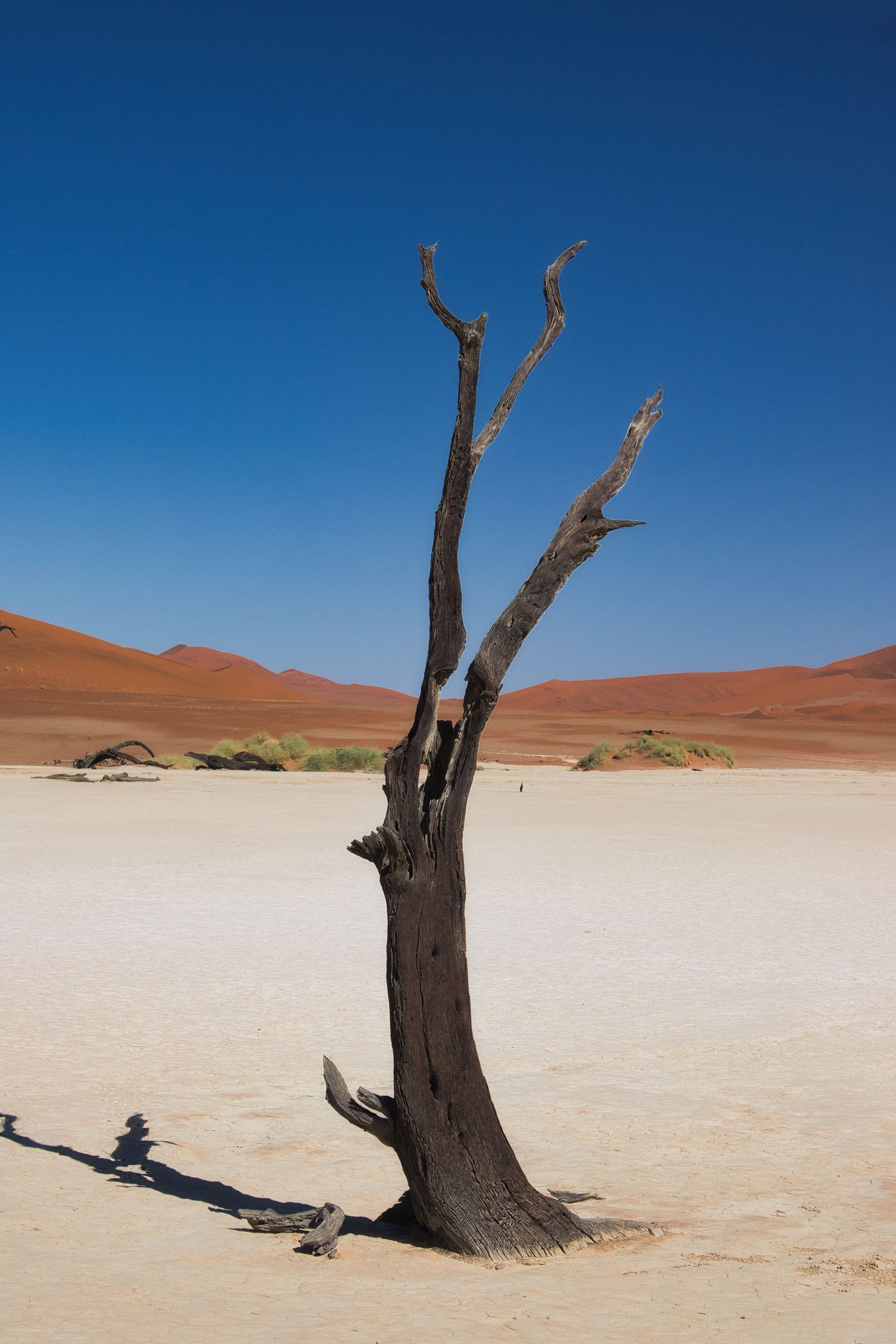
Best for: self-drive, photographers, desert landscapes, repeat travellers wanting something different.
Look closer: the Namibia self-drive safari guide. Sorting connectivity for a self-drive route? See the Africa safari eSIM guide.
Rwanda & Uganda, mountain gorillas
These two belong in a category of their own: they are about primates, not plains. Mountain gorilla trekking, a permit-controlled hike into misty forest to spend a strictly-timed hour with a habituated family, is one of the most moving wildlife encounters on earth. You will find it in Rwanda's Volcanoes National Park and Uganda's Bwindi Impenetrable Forest.
Rwanda is the polished, expensive, easy-access option (permits are high, but Volcanoes is a short drive from Kigali); Uganda is cheaper, wilder and rewards travellers who will combine gorillas with chimpanzees and classic savanna. Neither is a substitute for a Big Five safari; they are best bolted onto one, or done as a bucket-list trip in their own right.
Best for: mountain gorillas, primates, once-in-a-lifetime add-ons.
Best for… choosing by priority
Flip the question. Instead of “which country?”, start with what matters most to you:
- Best for a FIRST safari, Kenya (or South Africa if you want malaria-free). Iconic scenery, simple logistics, high success rate.
- Best for BUDGET, South Africa for best all-round value; Kenya a close second, and Uganda for budget gorillas.
- Best for HONEYMOON, Botswana for private, water-based exclusivity; South Africa if you want to pair safari with Cape Town.
- Best for FAMILIES, South Africa, on the strength of malaria-free reserves (Madikwe, Waterberg) and easy combinations.
- Best for PHOTOGRAPHY, Tanzania and Botswana for scale and low vehicle numbers; Namibia for landscape photographers.
- Best for REPEAT travellers, Botswana or Namibia, once you have the classics behind you and want exclusivity or something different.
- Best MALARIA-FREE option, South Africa (Madikwe, Waterberg and other malaria-free reserves), the standout family-safe choice.
The decision matrix
Six countries against seven priorities. Read across a row to see what a country is built for; read down a column to see who wins on a given priority. Marks use distinct shapes and a written legend, never colour alone.
● Strong, a top reason to choose it◑ Good, solid, not the headline○ Limited, not its strength
Side-by-side: the essentials
The same picture in words, with the one-line trade-off for each country.
| Country | Signature draw | Relative cost | Malaria-free? | Best suited to |
|---|---|---|---|---|
| Kenya | Maasai Mara, Big Cats, balloons | Moderate, good value | ✗ No (prophylaxis advised) | First-timers wanting the classic |
| Tanzania | Great Migration, Serengeti, Ngorongoro | Higher | ✗ No (prophylaxis advised) | Migration and all-round wildlife |
| Botswana | Okavango Delta, water safari, privacy | Highest | ✗ No (prophylaxis advised) | Honeymoons and exclusivity |
| South Africa | Private Kruger reserves, easy combos | Lowest, best value | ✓ Yes, in parts (Madikwe, Waterberg) | Families and first-timers on budget |
| Namibia | Sossusvlei, Etosha, self-drive | Moderate | ✓ Largely (central/south; Etosha lower risk) | Self-drivers and photographers |
| Rwanda / Uganda | Mountain gorilla trekking | High (Rwanda) / Moderate (Uganda) | ✗ No (prophylaxis advised) | Gorilla and primate encounters |
Frequently asked questions
Which country is best for a first safari?
Which safari country is cheapest?
Where is best for the Great Migration?
Which country is best for families and malaria-free travel?
Kenya or Tanzania, which should I choose?
Which safari country is most exclusive?
Where do you see mountain gorillas?
Which country is best for photography?
Read next
About this guide. Written and maintained by Richard Jasinski for Uncompromised Travel. Prices, seasons and malaria guidance are indicative and change, confirm current advice (including anti-malarial recommendations) with a travel-health professional and your chosen operator before booking.