The Best Time to Visit Kenya for Safari (2026)
By Richard Jasinski·Updated 22 July 2026
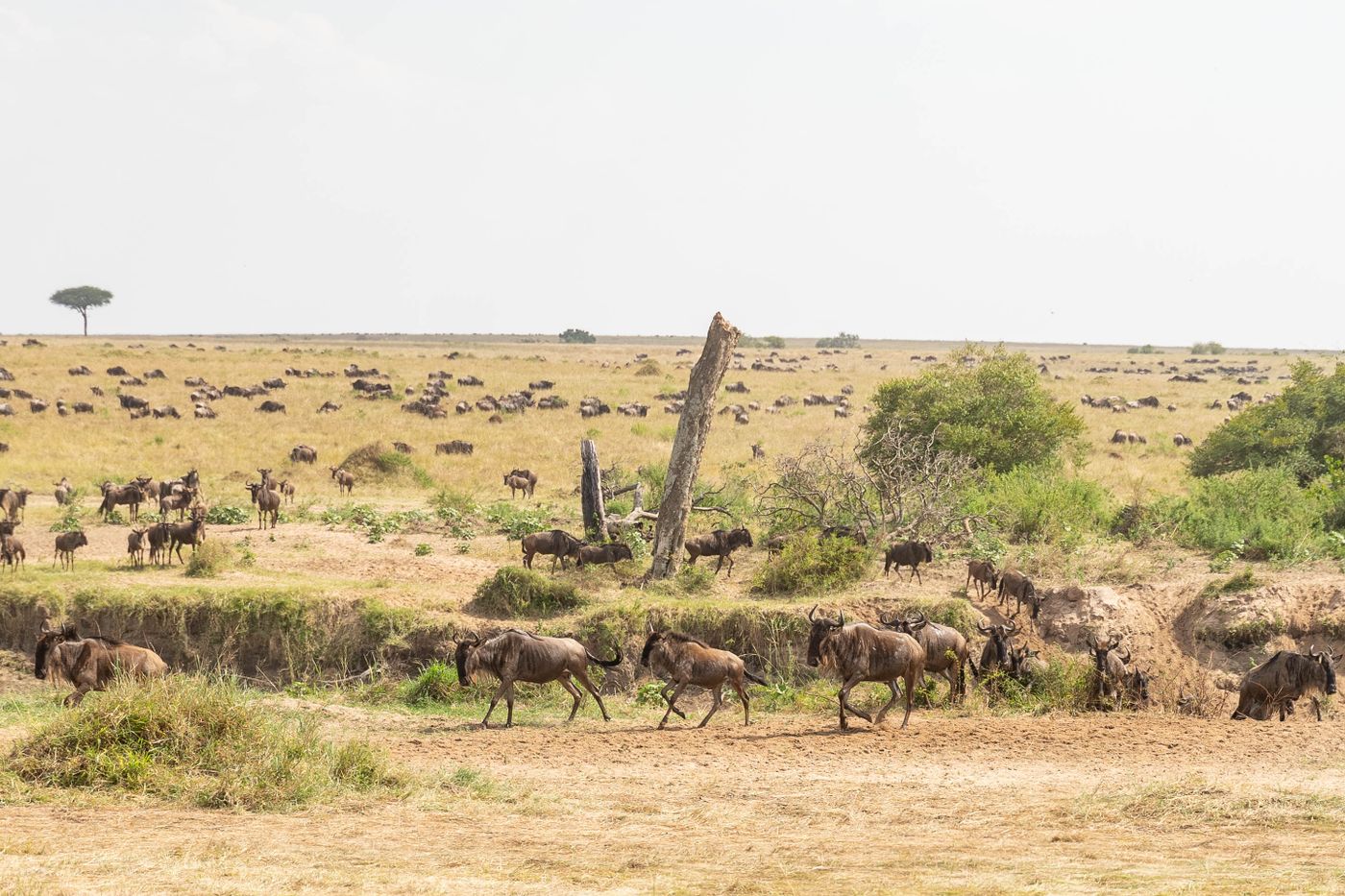
The best time for a Kenya safari is the long dry season, June to October, when the Great Migration reaches the Maasai Mara and wildlife concentrates around shrinking water, and again in the short dry window of January and February. July to October delivers the river crossings; January to March brings lush country, fewer vehicles and lower park fees.
Peak wildlife
Jul–Oct (Mara crossings) & Jan–Feb (clear, dry)
Best value & space
Jan–Mar green season, lush, uncrowded, lower fees
Cheapest & quietest
Apr–May long rains, some camps close
Maasai Mara park fee
USD 200/day (Jul–Dec) · USD 100/day (Jan–Jun)
River-crossing peak
August–September on the Mara River
Elephants & Kilimanjaro
Amboseli, clear dry mornings (Jan–Feb, Jun–Oct)
The short answer: dry versus green
Kenya has two dry windows and two wet ones, and each rewards a different traveller. The long dry season from June to October is the classic choice: thinning vegetation, animals drawn to permanent water, and, from July, the Great Migration pouring into the Maasai Mara. This is peak wildlife and peak crowds at once, and it carries the higher park fee.
The green season, January to March, is the quiet connoisseur's pick: emerald plains, newborns and their predators, big skies over Amboseli, fewer vehicles at every sighting, and the lower park fee. The long rains of April and May are cheapest of all and near-empty, though a handful of camps close. If your dates are fixed and your standards are not, a specialist can match the country to the calendar, browse vetted operators and lodges on BookAllSafaris or request a tailored Kenya itinerary through Safari.com, where the rate is the same as booking direct.
The one-line rule
Want the crossings and don't mind sharing? Go August–September. Want the same animals with space, colour and a lower fee? Go January–February. Want it cheapest and quietest? Go April–May and book a conservancy that stays open.
Kenya month by month, at a glance
The chart below reads four things at once: game-viewing quality (bars), crowds and price (the line), the Maasai Mara park-fee band beneath the months, and the river-crossing window bracketed above. Every element is labelled, nothing depends on colour alone.
Values are indicative of typical conditions across Kenya's main reserves; the Mara conservancies hold quality year-round (see below). Park fees are the Maasai Mara National Reserve rates for non-resident adults, 2026.
Best month for your goal
There is no single "best" month, only the best month for what you came to see. Match your priority to the window below.
| Your goal | Best window | Why | Trade-off |
|---|---|---|---|
| River crossings | Aug–Sep (Jul–Oct) | Migration herds mass on the Mara River; the drama peaks Aug–Sep. | Highest crowds and prices; $200/day Mara fee. |
| Value & space | Jan–Feb | Dry, clear, lush after short rains; fewer vehicles; $100/day fee. | No river crossings; herds are in the Serengeti. |
| Elephants & Kilimanjaro | Jan–Feb, Jun–Oct | Amboseli's big herds against a clear Kilimanjaro on dry mornings. | The mountain hides behind cloud by mid-morning, go early. |
| First-timer, all-round | Jun–Oct or Jan–Feb | Reliable dry weather, high density, easy sightings, good roads. | Peak season books out a year ahead for the best camps. |
| Lowest cost & solitude | Apr–May | Long rains empty the parks; green-season rates; new life on the plains. | Muddy tracks, taller grass, some camps closed. |
Cost check
Season swings the whole bill, not just the park fee, peak beds cost multiples of green-season ones. See what a Kenya trip actually runs, month by month, in our Kenya safari cost guide, and the wider picture in the luxury safari cost guide.
The Great Migration & river crossings
The Migration is not an event you catch on a date; it is a slow, weather-driven loop of well over a million wildebeest and zebra around the Mara–Serengeti ecosystem. The herds cross into Kenya's Maasai Mara from around July, linger through the dry months, and drift back into Tanzania from late October. The famous Mara River crossings, the moment the columns brave the current and the crocodiles, cluster in August and September, though timing shifts year to year with the rains.
Nothing about the crossings is scheduled, so build in days, not hours. For how the herds move week by week and where to sit each month, follow our Great Migration month-by-month tracker. If Tanzania's side of the loop fits your dates better, compare with the best time for a Tanzania safari.
Most Mara camps are reached by light aircraft from Nairobi's Wilson Airport, roughly a 45-minute hop that saves a punishing five-to-six-hour drive and lands you in the reserve for the afternoon game drive. For a private Nairobi→Mara flight on your own schedule you can price a charter with TimeFlys, and read how fly-in safaris are structured in our Kenya private safari & charter guide.
Plan the crossings with people who watch the herds
Peak-season Mara camps sell out a year out. Get matched to conservancy-side camps with front-row crossing access, and lock a private Nairobi→Mara flight to fit the day you land.
Request a Kenya itineraryMaasai Mara park fees: the $100 / $200 split
The Maasai Mara National Reserve charges non-resident adults by season, and in 2026 the gap is stark: USD 200 per person per day in high season (July–December) versus USD 100 per person per day in low season (January–June). Over a three-night stay for two, that single line moves by around USD 600, before you count the higher peak-season bed rates on top.
| Season | Months | Fee / person / day | What you're paying for |
|---|---|---|---|
| Low | Jan–Jun | USD 100 | Green plains, calving-season predators, space, lower rates. |
| High | Jul–Dec | USD 200 | The Migration, river crossings, peak density, and peak traffic. |
Fees are set by the county authorities and are usually bundled into an all-inclusive camp rate; confirm the current figure with your operator, as reserve fees are reviewed periodically.
Green season (Jan–Mar): Amboseli & Kilimanjaro
January to March is Kenya's short dry window, and it is quietly the connoisseur's season. The land is green from the short rains, calving is under way across the wider ecosystem, which means predators are busy, and the parks are a fraction as busy as August. In Amboseli National Park, this is when the celebrated big-tusker herds line up against a snow-capped Kilimanjaro, and clear dry mornings are your best chance at the shot before cloud swallows the summit by mid-morning.
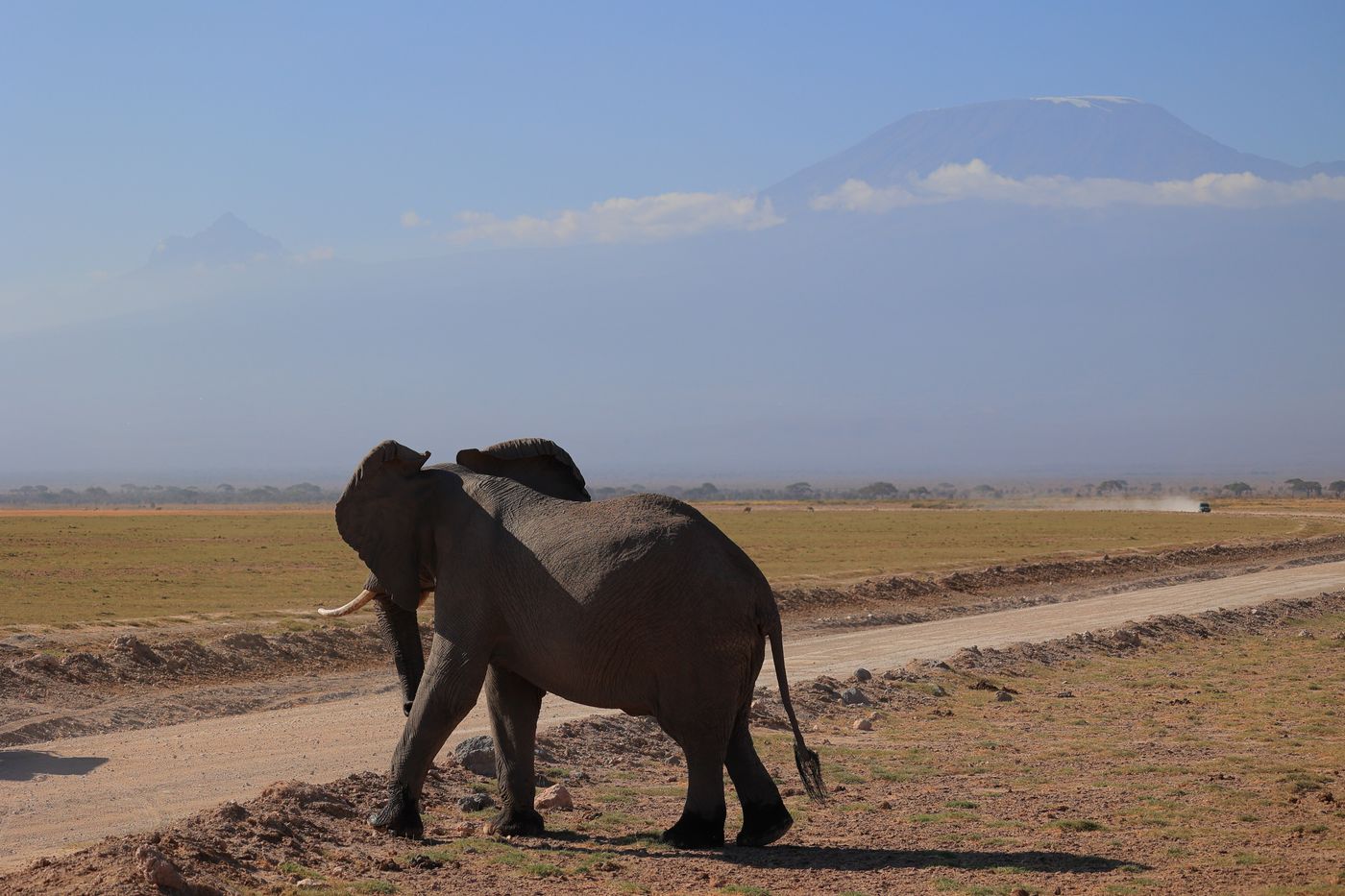
Green season also stretches the budget further: lower fees, softer bed rates and genuine space at sightings. Curious what you would actually see across these months? Our field guide to safari animals and what you can expect to spot sets realistic expectations by habitat and season.
Long rains (Apr–May): cheapest and quietest
April and May bring the long rains, and with them Kenya's lowest prices and emptiest reserves. Storms tend to fall in short, dramatic bursts rather than all-day grey, the light for photography can be extraordinary, and newborns keep the plains busy. The catch: black-cotton tracks turn to mud, grass is high enough to hide cats, and a number of seasonal camps close for maintenance. Choose an all-weather, conservancy-based camp and this becomes the best-value fortnight on the entire African calendar.
One booking to make first
Green-season roads and light aircraft make travel insurance with proper medical evacuation non-negotiable, not optional. SafetyWing covers remote-region trips and is straightforward to arrange before you fly.
Private conservancies: the year-round answer
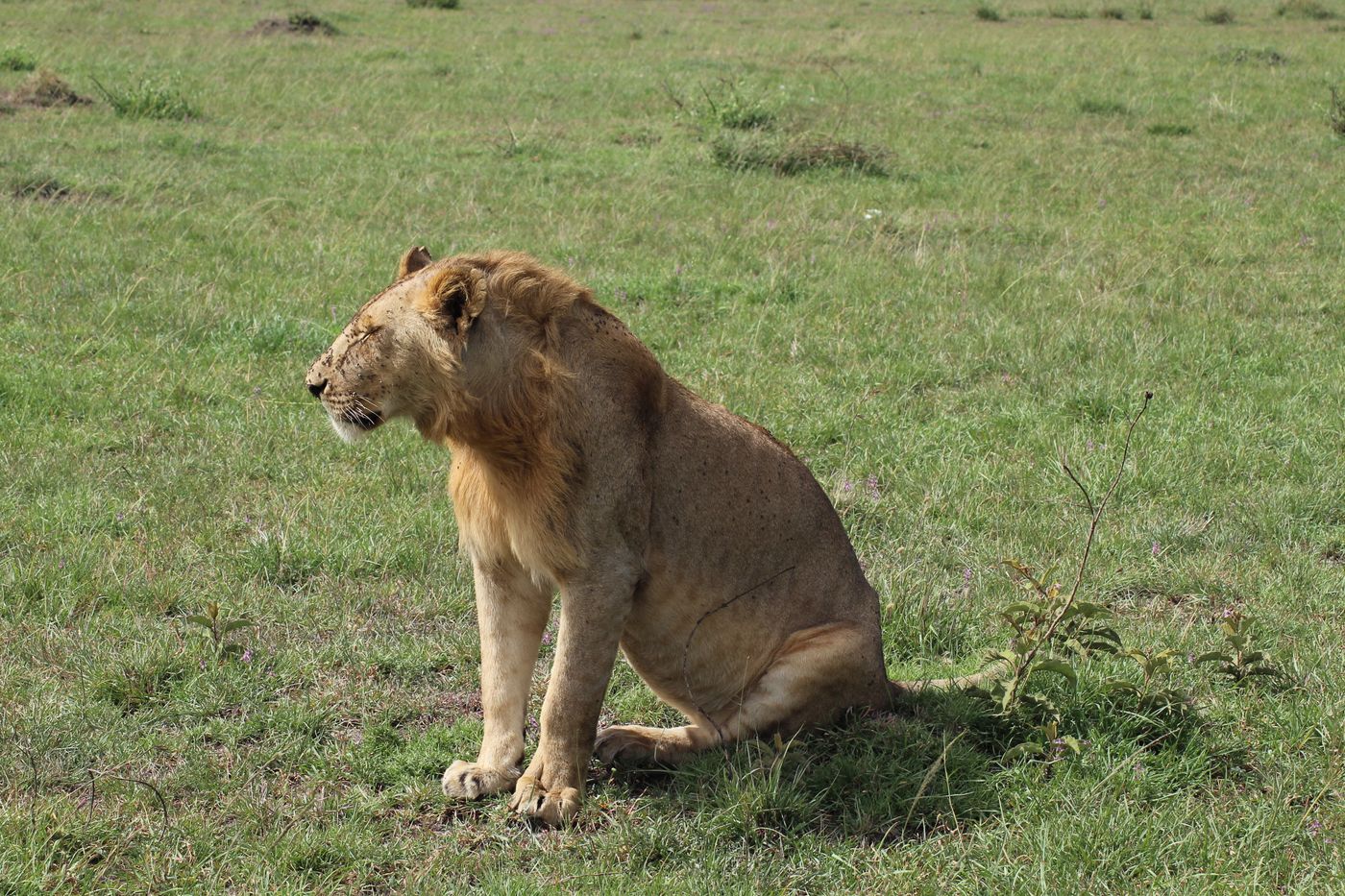
If you take one thing from this page, take this: the private conservancies bordering the Maasai Mara, Naboisho, Olare Motorogi, Mara North and their neighbours, reward you in any month. Because access is capped by strict vehicle limits regardless of season, you get uncrowded sightings even at the August peak, plus off-road driving, night drives and walking safaris that the national reserve forbids. A conservancy camp in April can feel more exclusive than a reserve lodge in September.
Deciding between Kenya and its neighbours entirely? Weigh the three great safari nations side by side in our Kenya vs Tanzania vs South Africa comparison, and set the timing against the wider continent in the best time to go on safari master guide.
Get the right month and the right camp
Tell a specialist your dates and your priority, crossings, value, elephants or a first safari, and have conservancy-side options and seasonal rates come back to you. The rate is the same as booking direct.
Browse Kenya safaris Enquire with Go2AfricaFrequently asked questions
When is the best time to visit Kenya for safari?
Overall, the long dry season from June to October and the short dry window of January and February. June to October offers thinning bush, high animal density and, from July, the Great Migration in the Maasai Mara, while January and February give clear, dry, less-crowded game viewing at a lower park fee.
When do the Great Migration river crossings happen in the Maasai Mara?
The herds are generally in the Maasai Mara from July to October, and the Mara River crossings cluster in August and September. Exact timing shifts each year with the rains, so allow several days rather than betting on a single date, and consider a conservancy-side camp for calmer viewing.
How much are Maasai Mara park fees in 2026?
The Maasai Mara National Reserve charges non-resident adults USD 200 per person per day in high season (July–December) and USD 100 per person per day in low season (January–June). The fee is usually built into an all-inclusive camp rate; confirm the current figure with your operator.
Is the green season (January–March) a good time for a Kenya safari?
Yes; it is arguably the best-value window. The plains are lush, calving keeps predators active, vehicles are few, park fees are lower, and Amboseli's elephants photograph beautifully against a clear Kilimanjaro on dry mornings. The main trade-off is that the Migration herds are in Tanzania, not Kenya.
What is the cheapest time to go on safari in Kenya?
April and May, during the long rains. Prices are at their lowest, parks are near-empty and the light can be superb, but tracks get muddy, grass is tall and some seasonal camps close. Choosing an all-weather, conservancy-based camp gives you the value without the compromises.
When can you see elephants against Mount Kilimanjaro in Amboseli?
Amboseli's elephants are present year-round, but the mountain is clearest on dry mornings, best in January to February and June to October. Go out early: Kilimanjaro typically disappears behind cloud by mid-morning, so first light gives you the classic composition.
Why book a private Mara conservancy instead of the national reserve?
Conservancies cap vehicle numbers, so sightings stay uncrowded even at the August peak, and they permit off-road driving, night drives and walking safaris that the reserve forbids. Because access is controlled regardless of season, they deliver a high-quality, exclusive safari in any month of the year.
Read next
- The Great Migration, month by month where the herds are on your dates.
- Kenya safari cost guide what a trip actually runs, by season.
- Kenya private safari & charter guide fly-in logistics and private aircraft.
- Best time to go on safari the continent-wide master guide.
- Best time for a Tanzania safari the other side of the Migration loop.
- Kenya vs Tanzania vs South Africa which country suits you.
Uncompromised Travel · Expeditions