The Best Time to Visit Zambia for Safari (2026)
By Richard Jasinski·Updated 22 July 2026
The best time for a Zambia safari is the dry season, June to October, when wildlife crowds the Luangwa and Zambezi rivers and walking safaris are at their finest, September and October are the game-viewing peak, if fiercely hot. For Victoria Falls in full thunder, come February to May instead.
Zambia at a glance
- Prime safari window
- June – October (dry)
- Game-viewing peak
- September – October (very hot)
- Walking-safari season
- May – October
- Emerald / green season
- November – April
- Victoria Falls in full flood
- February – May
- Devil's Pool & low water
- September – December
Zambia is the home of the walking safari, the format was invented in the South Luangwa in the 1960s, and it remains the country's signature. That single fact does most of the work in deciding when to go: walking on foot, tracking game between rivers, is a dry-season pursuit. But Zambia is not only safari. It also owns half of Victoria Falls, and the falls run on the opposite clock to the bush, which is why falls-lovers and safari-lovers so often want different months. This guide splits the year cleanly so you can pick for your goal.
The Zambia year, charted
Four things move through the Zambian calendar at once, how good the game viewing is, whether walking safaris are running, how high the rivers and the falls stand, and what you pay. They do not peak together. Read the four lanes below together and the trade-off becomes obvious: the months that are best for wildlife are the worst for the waterfall, and the cheapest months are the wettest.
Dry season (June–October): the prime window
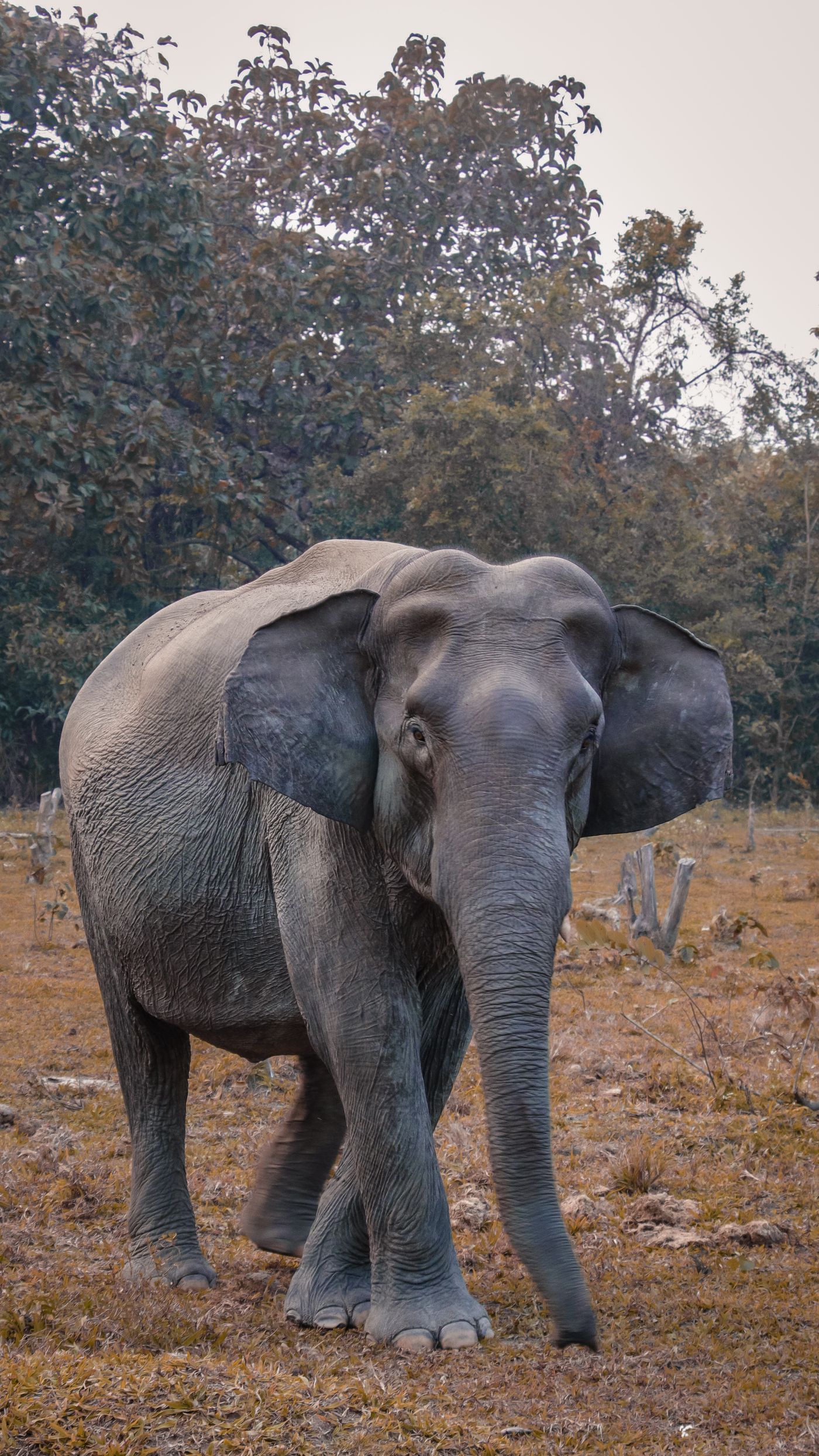
This is when Zambia does what Zambia does best. Through the dry months the seasonal pans dry out, the grass drops and thins, and animals are forced back onto permanent water, the Luangwa and Zambezi rivers. Concentration does the rest: elephant, buffalo, hippo, antelope and the predators that follow them collapse into a narrow, viewable band along the water. Sightlines open up. Roads and airstrips that flood in the rains are dependable again, so camps that shut for the wet months reopen.
Within the dry season there is a gradient. June and July are pleasant and green-tinged at the edges, with cool mornings; August tips into classic dry. September and October are the crescendo the most reliable big-game viewing of the year, leopard sightings at their best, and dramatic river scenes as the last water shrinks. The price is heat: October in the Luangwa valley routinely runs into the high 30s Celsius, and it is often called "suicide month" by guides for good reason. If you feel the heat, aim for June–August; if you want the maximum wildlife and don't mind the furnace, aim for the shoulder of September–October.
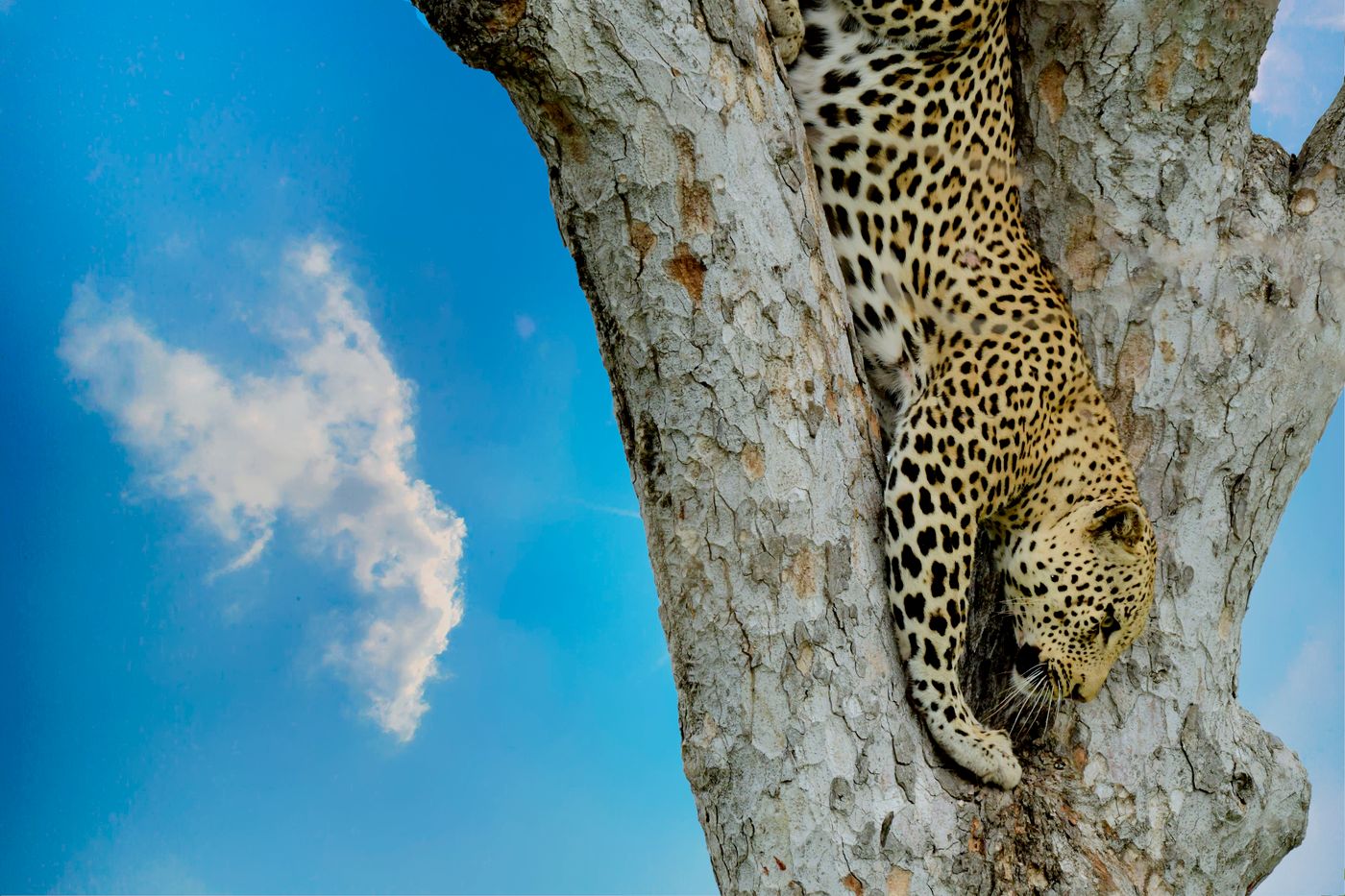
The heat trade-off, plainly. October gives you the best game viewing and the worst comfort. If it is your first safari and heat worries you, September buys you almost all of the wildlife with slightly gentler afternoons. Budget for early starts, long midday siestas and serious hydration either way.
The emerald (green) season: November–April
When the rains arrive around November the valley transforms. Zambians call it the "emerald season" and the name is earned, the bush erupts into deep green, impala and puku drop their young, and the birding becomes some of the best on the continent as migrants arrive. For photographers the light is softer, the skies are dramatic, and the scenery is a world away from the dusty dry-season palette. It is also the cheapest time to travel, often dramatically so.
The catch is real, not cosmetic. Many of the classic seasonal bush camps physically close for the wet months because their access tracks flood; walking safaris largely stop; and general game viewing is harder because animals disperse across a green, water-rich landscape and the tall grass hides them. Where camps stay open, typically the more permanent lodges on higher ground; you trade peak wildlife density for solitude, spectacular scenery, birding, baby animals and a much lower bill. It is a genuine choice, not a consolation prize. Read our Zambia safari cost guide for what the green-season discount actually looks like.
Who the green season suits. Return safari-goers, keen birders and photographers who value light and mood over a checklist of big-game sightings, and anyone chasing value. First-timers who want guaranteed density and walking should stick to the dry season.
The walking-safari window
Zambia invented the walking safari and it remains the reason many travellers pick the country over its neighbours. The season runs broadly May to October, peaking in the dry heart of June–October when the ground is firm, the grass is low enough to see and track through, and the specialist walking camps are open. Outside that window the rains make foot travel impractical and unsafe, and most mobile walking operations close. If walking is the whole point of your trip, and in the South Luangwa it should be near the top of the list, treat the dry season as non-negotiable and book the walking specialists early, because bed numbers in the walking camps are tiny.
The single biggest driver of a good Zambia safari is going in the right window for what you actually want, walking and big game in the dry, value and birding in the green. Browse dated, bookable Zambia trips and compare operators side by side.
Victoria Falls: a separate clock
Here is the part that trips people up. Victoria Falls runs on the Zambezi's flood cycle, not the safari calendar, so the best months for the falls are close to the worst months for the bush, and vice versa. Plan them as two separate decisions.
Full flood: February–May
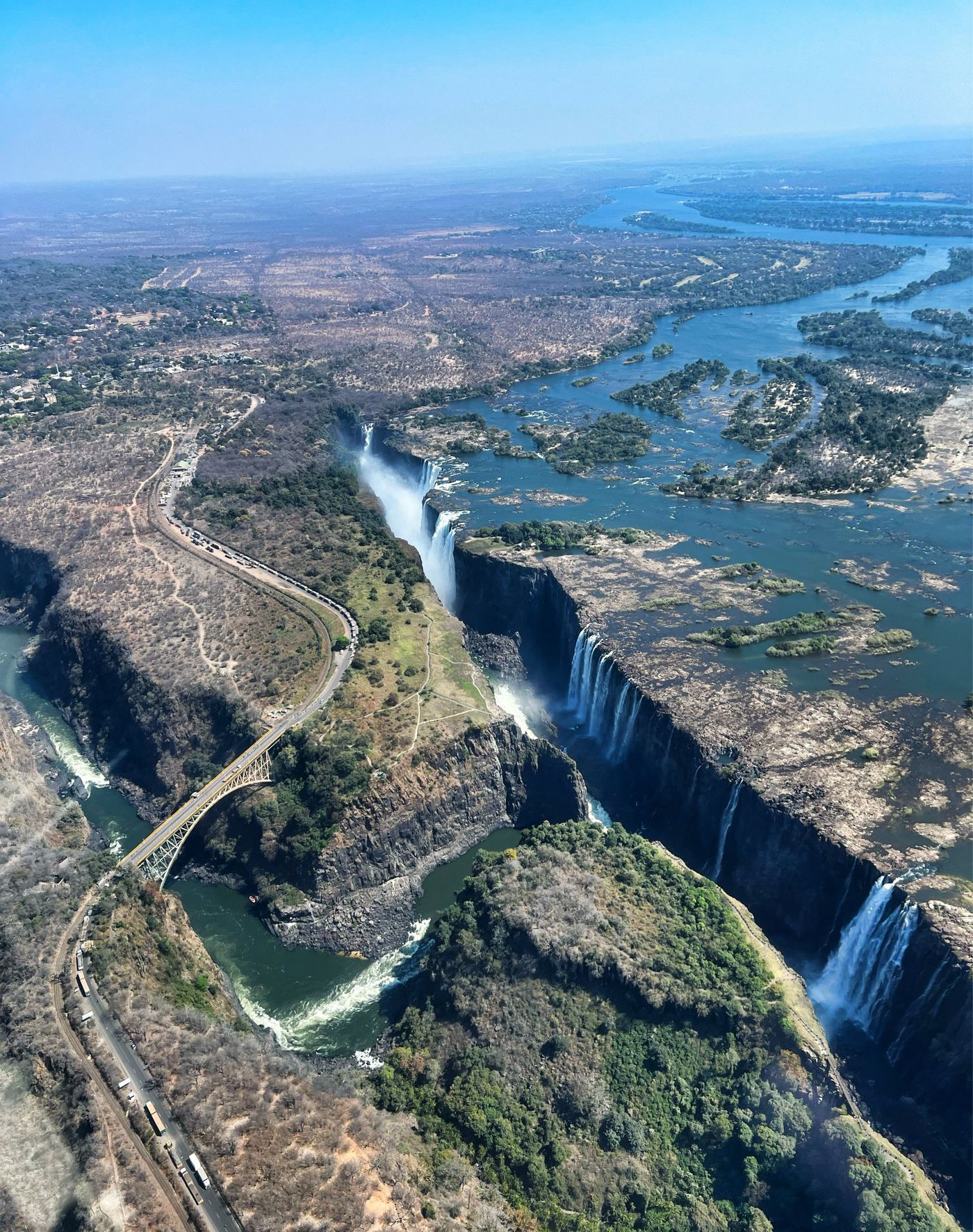
After the summer rains fill the catchment, the Zambezi peaks and the falls are at their most thunderous, usually around March to May, with April the classic high-water month. This is the falls as the postcards promise: a wall of water more than a kilometre wide, spray visible for miles, rainbows in the mist. The trade-off is that the sheer volume of spray can obscure the view from the Zambian side and soak you through, and this is deep green season for safari.
Low water: September–December
As the river drops through the dry season the spectacle shrinks, by October and November parts of the Zambian rock face can run to a trickle, but the low water opens up experiences that high water makes impossible. This is the season for Devil's Pool, the natural infinity pool on the lip of the falls, and for clearer, less spray-obscured views. Handily, low-water season overlaps almost exactly with the peak safari months, so a September–October trip can pair superb game viewing with Devil's Pool, at the cost of the falls' full drama.
The best month for your goal
There is no single best month for Zambia; there is a best month for you. Pick the row that matches your priority.
| Your priority | Best window | Peak | The trade-off |
|---|---|---|---|
| Walking safaris & big game | June – October | September – October | Highest wildlife density and the walking window are open, but September–October is very hot and prices are at their peak. |
| Victoria Falls in full flood | February – May | April | The falls at their most thunderous, but heavy spray can obscure the view, and this is deep green season for safari. |
| Devil's Pool & low water | September – December | October – November | Low water opens Devil's Pool and clears the view, but the falls' spectacle is much reduced. |
| Value & birding | November – April | December – March | Big discounts, lush scenery, superb birding and newborn animals, but many camps close and game is harder to see in tall grass. |
Park by park
South Luangwa
The country's flagship and the birthplace of the walking safari, famous for leopard, wild dog and vast elephant and hippo numbers along the Luangwa River. Best June–October; September–October is the crescendo. Green-season camps that stay open are excellent for birding and photography. More on the South Luangwa National Park.
Lower Zambezi
Along the Zambezi opposite Zimbabwe's Mana Pools, elephant, buffalo and superb canoeing safaris on the river channels, plus tiger-fishing. Peaks in the same dry window; the river adds water-based game viewing you won't get in the Luangwa. See the Lower Zambezi National Park.
Kafue
Vast and wild, Zambia's largest park, with the Busanga Plains in the north coming into their own in the later dry season (roughly August–October) once the floodwaters recede, revealing lion, cheetah and huge lechwe herds. Read up on Kafue National Park.
Whether you're building a dry-season walking safari or a value green-season photography trip, a specialist can price it and pair it with Victoria Falls. Get a tailored Zambia itinerary and quote.
Plan a tailored Zambia safari with Go2Africa ↗Frequently asked questions
When is the best time to go on safari in Zambia?
The dry season, June to October, is the best time for a Zambia safari. Game concentrates on the Luangwa and Zambezi rivers, walking safaris are running, and camps that close in the rains are open. September and October are the game-viewing peak, though very hot.
What is the emerald (green) season in Zambia like?
The emerald or green season runs November to April, when the rains turn the bush lush green. It is superb for birding, photography and newborn animals, and much cheaper, but many bush camps close, walking safaris largely stop, and game is harder to spot in tall grass.
When can you do walking safaris in Zambia?
Walking-safari season runs broadly May to October, peaking in the dry months of June to October when the ground is firm, grass is low and the specialist walking camps are open. Most walking operations close during the November–April rains.
When is Victoria Falls at its fullest?
Victoria Falls is fullest and most thunderous around February to May, after the summer rains fill the Zambezi catchment, with April the classic high-water month. Heavy spray can partly obscure the view from the Zambian side at peak flood.
When can you swim in Devil's Pool at Victoria Falls?
Devil's Pool, the natural pool on the edge of the falls, opens during the low-water months, roughly September to December, sometimes into January, when the Zambezi has dropped enough to make it safe. It is closed at high water.
Which is the best Zambian park for the dry season?
The South Luangwa is the flagship for dry-season game viewing and walking safaris, with outstanding leopard sightings. The Lower Zambezi adds canoeing safaris on the river, and Kafue's Busanga Plains come alive in the later dry season, roughly August to October.
Is the green season worth it for a Zambia safari?
Yes, for the right traveller. The green season offers big discounts, dramatic scenery, exceptional birding and baby animals, and far fewer visitors. It is best for return safari-goers and photographers. First-timers wanting guaranteed density and walking should choose the dry season instead.