The Best Time for Rwanda Gorilla Trekking (2026)
By Richard Jasinski·Updated 22 July 2026
For the easiest trekking, go in one of Rwanda's two dry seasons, the long dry June to September, or the short dry mid-December to February. Trails are firmer and less muddy then. The permit costs USD 1,500 year-round, so timing changes only trail conditions, crowds and lodge rates, never the price.
Mountain-gorilla trekking in Rwanda's Volcanoes National Park is a year-round activity, the gorillas do not migrate, and the park stays open every month. What changes with the calendar is how hard the walk is, how many other trekkers share the forest, and what you pay to sleep at the foot of the volcanoes. This guide breaks the year down month by month, sets out the trade-offs honestly, and helps you match the timing to what you actually want from the trek.
The same logic applies across the border in Uganda's Bwindi Impenetrable National Park, where the dry-season windows line up closely with Rwanda's, useful if you are weighing the two countries, or combining them. If you are still deciding where to base your first African expedition, our guide to which safari country is right for you is the place to start.
Key facts at a glance
- Best monthsJune–September (peak dry) and mid-December–February (short dry), firmest trails.
- Wet seasonsLong rains March–May; short rains October–November. Muddier, but quieter and often cheaper.
- PermitUSD 1,500 per person, per trek, all year in Rwanda. Uganda is roughly USD 800.
- ClimateHigh altitude (2,500–4,500 m) means cool year-round; rain is possible in any month.
- Key dateKwita Izina, the gorilla-naming ceremony, is usually early September.
On this page
Why the dry seasons win for trekking
A gorilla trek is not a stroll. Trackers lead you off the trails and into thick vegetation on the flanks of the Virunga volcanoes, often on steep ground between 2,500 and 3,500 metres. In the dry months the earth underfoot is firmer, the undergrowth less sodden, and the climb markedly less punishing. That is the single biggest reason most first-timers are steered towards June–September or the shorter dry spell from mid-December to February.
Rwanda runs two dry seasons and two wet ones. The long dry season (June–September) is the peak: reliable conditions, the clearest views of the peaks, and the busiest permit calendar. The short dry season (mid-December–February) is quieter and every bit as walkable, with the added draw of the festive period. Because the country sits close to the equator but high up, temperatures stay cool and fairly constant year-round, pack for 10–25°C and expect a passing shower whatever the month.
For a fuller picture of how the trek fits into a wider trip, and where the gorillas sit among the continent's other wildlife, our overview of the animals you actually see on safari is a useful companion. For tailor-made Rwanda itineraries built around the dry-season windows, Go2Africa is a well-regarded specialist for the region.
Month-by-month conditions chart
The chart below plots the three variables that actually shape a gorilla trek, rainfall, trail conditions and crowd levels, across all twelve months. Every band is labelled in words as well as shading, so nothing depends on colour alone. Rainfall figures are indicative monthly averages for the Musanze/Volcanoes area and vary year to year.
Rwanda gorilla trekking: the year at a glance
Indicative rainfall (bars), season type, trail conditions and crowds, January to December.
Best month for your goal
There is no single "best" month, only the best month for what you want. Use the table below to match the timing to your priority, whether that is the gentlest possible walk, the quietest forest, the shortest trek, or a trip that pairs the gorillas with classic Big Five game-viewing elsewhere in East Africa.
| Your goal | Best window | Why |
|---|---|---|
| Easiest, firmest trails | July–August | The driest weeks of the year; ground is at its firmest and least slippery. |
| Fewest crowds & lower lodge rates | March–May | Long rains thin out visitors; many lodges discount and permits are easier to secure. |
| Shortest treks | March–May & Oct–Nov | In the rains gorillas often forage at lower altitude, so families sit closer to the trailheads. |
| Combining with Big Five safari | June–September | Aligns with peak dry-season game-viewing in Kenya, Tanzania and beyond for one seamless trip. |
| Festive-season trip | Mid-Dec–Feb | Short dry season: walkable trails over Christmas and New Year, though peak dates book out fast. |
The case for wet-season trekking
Do not dismiss the rains out of hand. Yes, the long rains of March–May and the short rains of October–November make for muddier, more physically demanding hikes, and downpours can arrive without warning. But the wet seasons carry three genuine advantages that seasoned trekkers actively seek out.
Shorter treks. When the higher slopes are cold and wet, the gorillas frequently drop to lower altitudes to feed on fresh bamboo and vegetation, which can mean a much shorter walk to reach them. Fewer people. The forest is quieter, the permits easier to come by, and the whole experience feels more private. Lower cost on the ground. The permit price never moves, but many lodges cut their rates in the green season, so the surrounding trip can cost noticeably less.
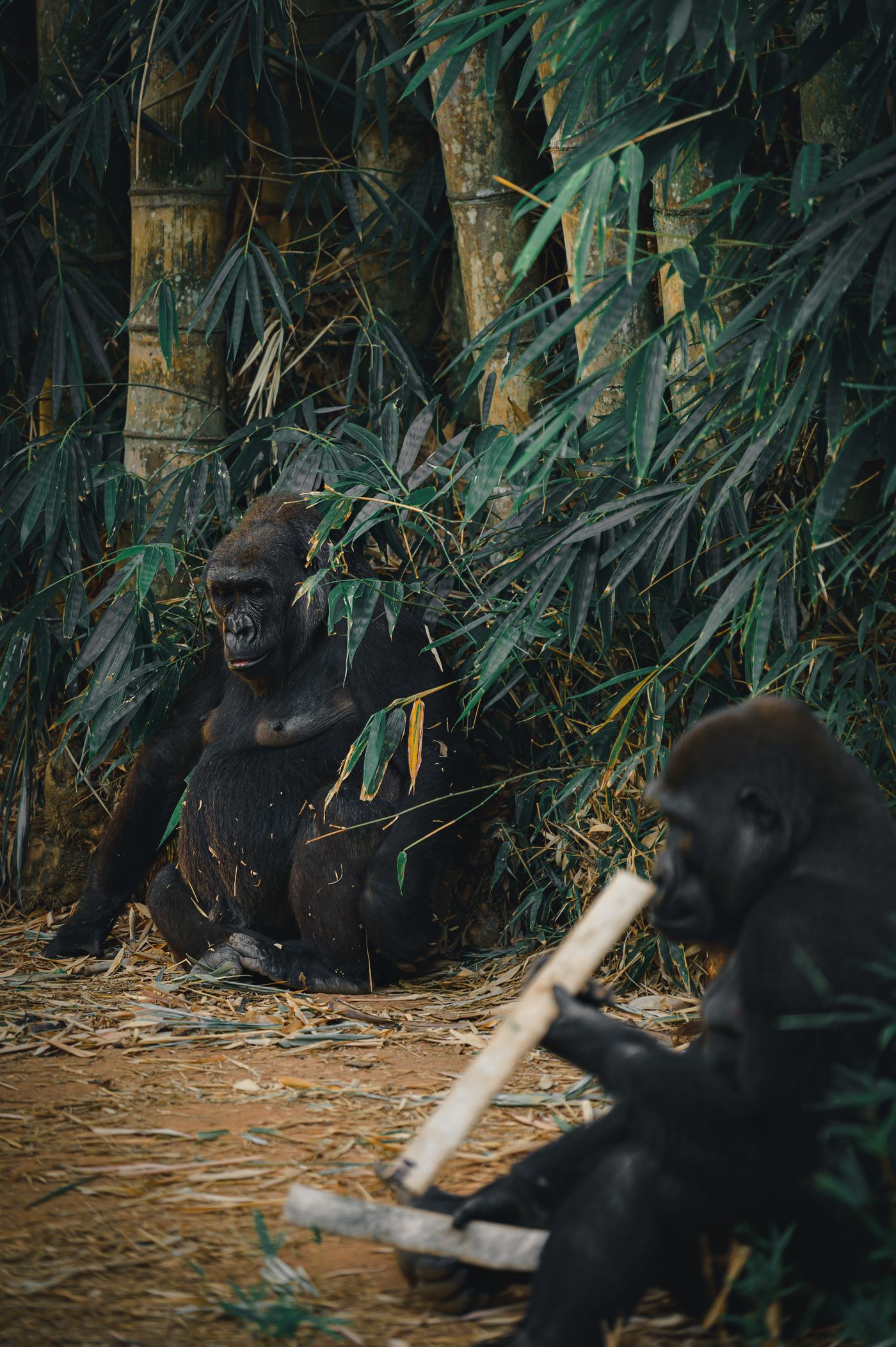
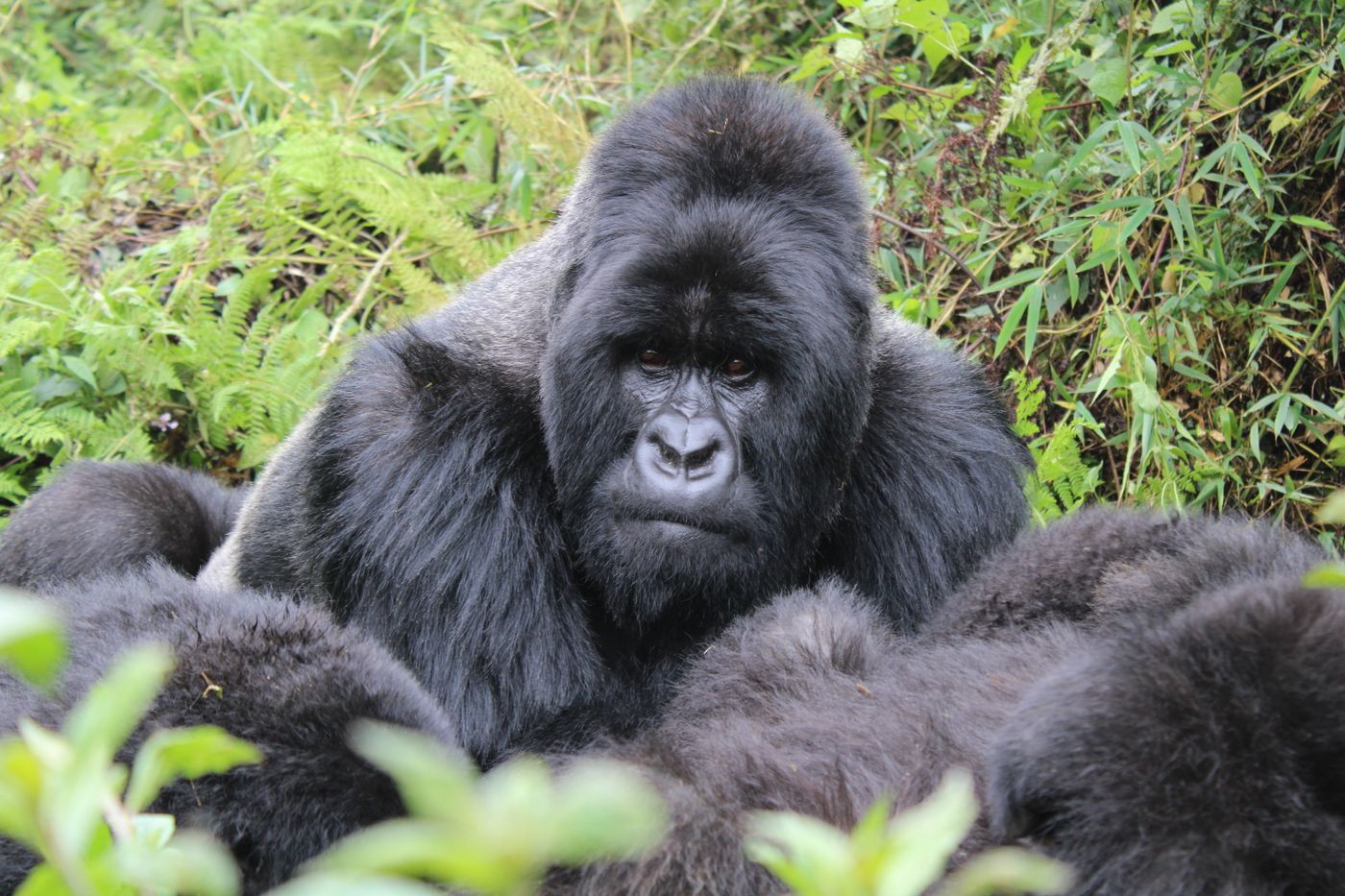
Permits, price and availability
A Rwanda gorilla permit costs USD 1,500 per person, per trek, and that figure holds every month of the year. The permit buys you one hour with a habituated gorilla family, plus the services of trackers and guides. Timing does not change the price; it changes only how easy the permit is to get and what the walk is like once you have it.
Availability is the real constraint. Each habituated family can be visited by a small, capped group per day, so permits for the peak dry months, and the Christmas–New Year period, routinely sell out well in advance. Book those windows early through a licensed operator. In the green season you have far more flexibility and a better chance of securing dates at short notice. For the full breakdown of permits, lodges, flights and transfers, see our Rwanda safari cost guide, and for how gorilla trekking sits against other African trips, the luxury safari cost guide.
Permits are issued by the Rwanda Development Board and are typically arranged as part of a package by your tour operator rather than bought in isolation. If you are extending your stay in Kigali before or after the trek, day tours and city experiences can be booked through GetYourGuide.
Rwanda vs Uganda: how the timing compares
Uganda is the obvious alternative, and its seasons broadly mirror Rwanda's: the drier, easier windows are June–September and December–February, with wetter stretches around March–May and again later in the year. The headline difference is price, a Uganda permit for Bwindi is roughly USD 800 against Rwanda's USD 1,500, which is why budget-conscious trekkers often look north.
The trade-off is access. Rwanda's Volcanoes National Park is only two to three hours by road from Kigali International Airport, making it feasible even on a short trip. Bwindi is a longer haul from Entebbe, usually broken with an internal flight or a full day's drive, but rewards you with a wilder, more forested setting and a lower permit cost. If your priority is a slick, time-efficient trek, Rwanda's dry season is hard to beat; if cost and a deeper wilderness feel matter more, Uganda earns its place. Our guide to where safaris happen across Africa maps out how both fit into the wider region.
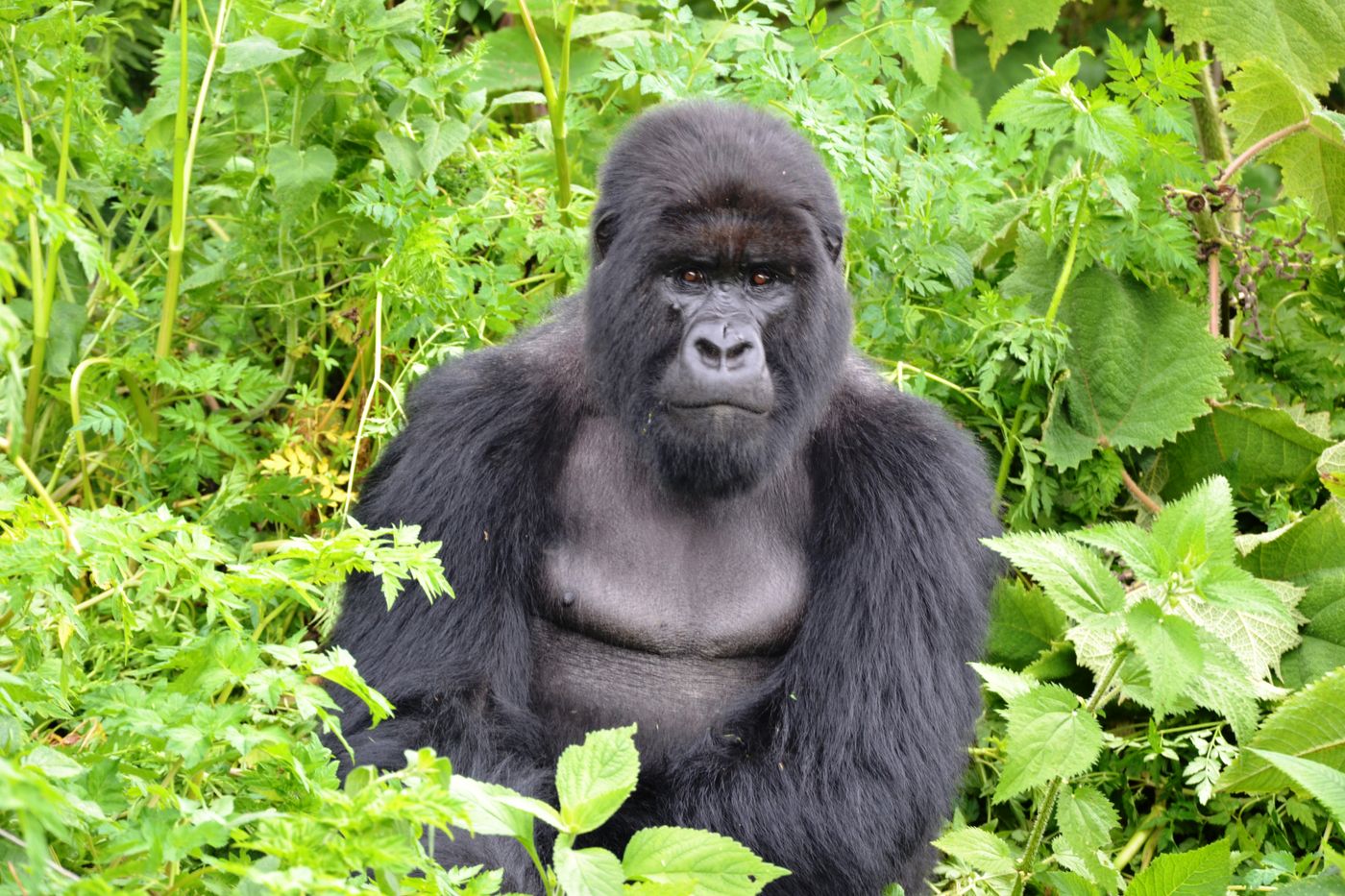
How fit do you need to be?
You need a reasonable level of fitness, but you do not need to be an athlete. Treks range from around one hour to a strenuous six or more, depending on where the assigned family has moved, and much of the walking is at altitude on uneven, often steep ground. The park allocates families partly by fitness on the morning of the trek, so tell your guide honestly how you feel, less mobile trekkers are usually assigned nearer families.
Regular walking in the weeks before you travel, ideally on hills, makes a real difference, as does giving yourself a day to adjust to the altitude. Porters are available at the trailhead for a modest fee and are worth hiring: they carry your daypack, offer a steadying hand on slippery sections, and directly support the local community. Trekking poles help enormously in the wet. None of this requires the wet season to be feared, with sensible preparation, most reasonably active adults complete the trek comfortably.
Kwita Izina and dates to know
Kwita Izina is Rwanda's annual gorilla-naming ceremony, a conservation celebration inspired by the age-old tradition of naming a newborn. Each year the baby gorillas born over the preceding twelve months are given names in a public event at the foot of the volcanoes, drawing conservationists, dignitaries and visitors from around the world. It is usually held in early September, at the tail end of the long dry season, convenient timing if you want to pair the ceremony with a trek in ideal conditions, though it also means that week is especially busy for permits and lodging.
Beyond Kwita Izina, the two dates that most shape your planning are the peak permit crunch of July–August and the festive rush from mid-December into early January. Aim to have permits and lodges confirmed several months ahead for either. For the bigger picture on when to travel across the continent's parks and reserves, see our master guide to the best time to go on safari.
Frequently asked questions
What is the best month for Rwanda gorilla trekking?
July and August are the driest, giving the firmest trails and easiest walking, which makes them the single best months for most first-time trekkers. The wider dry seasons, June to September and mid-December to February, are all excellent. If you would rather trade some mud for fewer crowds and lower lodge rates, the wet months of March to May are a strong alternative.
Is gorilla trekking in Rwanda worth it during the rainy season?
Yes, for many people. The trails are muddier and harder underfoot, but the gorillas often feed at lower altitudes, which can mean a shorter trek, and there are far fewer visitors in the forest. Lodges frequently discount in the green season too. With good waterproofs and boots, wet-season trekking is rewarding and noticeably more private.
How much does a Rwanda gorilla permit cost, and does timing affect availability?
A Rwanda permit is USD 1,500 per person, per trek, all year round, the price never changes with the season. Timing affects only availability. Permits for the peak dry months and the Christmas–New Year period sell out months ahead, so book early, whereas green-season dates are far easier to secure at shorter notice.
Should I trek gorillas in Rwanda or Uganda, and does the timing differ?
The best seasons are very similar in both countries, the drier windows of June to September and December to February. The main differences are cost and access: Uganda's Bwindi permit is around USD 800 versus Rwanda's USD 1,500, but Rwanda's Volcanoes National Park is only two to three hours from Kigali airport, making it easier on a short trip.
How fit do I need to be for gorilla trekking?
You need reasonable fitness rather than athletic conditioning. Treks last from about one hour to six or more at altitude on steep, uneven ground. Families are assigned partly by fitness on the day, so tell your guide how you feel. Regular hill walking beforehand, a porter to carry your pack, and trekking poles all make the trek comfortable for most active adults.
When is Kwita Izina, the gorilla-naming ceremony?
Kwita Izina, Rwanda's annual gorilla-naming ceremony, is usually held in early September, near the end of the long dry season. It celebrates the baby gorillas born over the previous year and draws visitors from around the world, so that week is particularly busy for permits and accommodation. Book well ahead if you want to combine the ceremony with a trek.
Read next
About this guide. Written by Richard J. for Uncompromised Travel. Rainfall figures are indicative monthly averages for the Musanze/Volcanoes National Park area and vary year to year; permit prices are correct at the time of writing (July 2026) and are set by the Rwanda Development Board (Rwanda) and Uganda Wildlife Authority (Uganda). Always confirm current fees and availability with a licensed operator before booking.