The Verdict Dossier · Luxury Safari Operators
Green Safaris: The 2026 Review — Every Camp, Region & Rate
Green Safaris built its case on a single provocation: that a safari could leave no engine noise and no diesel trail behind it. Founded in 2014 by the Dutch impact investor Vincent Kouwenhoven, it runs six solar-powered lodges and camps across Zambia and Malawi under the banner "eco is luxury" — and it was the first operator to put electric game-viewers on the Busanga Plains and an electric dhow on the Zambezi. This is what that "silent safari" actually buys, across Kafue, South Luangwa, Victoria Falls and Lake Malawi, with an honest case for and against and a compass to find your fit.
6
Lodges & camps
2
Countries — Zambia & Malawi
2014
Founded by V. Kouwenhoven
100%
Solar-run flagship (Ila)
$600–1,600
Per person, per night
- The verdict, in two paragraphs
- The Lodge Compass — find your Green Safaris camp
- The regions, honestly compared
- Every camp, every rate — 2026 matrix
- How to book Green Safaris (three routes)
- Compare Green Safaris against another operator
- Straight answers to the questions readers ask
The electric-and-solar model is the real thing, not a brochure line — and it comes at genuine eco-luxury value in two of Africa's least-crowded wildlife countries.
Most operators talk sustainability; Green Safaris rebuilt the safari drivetrain around it. Its flagship Ila Safari Lodge in Kafue National Park was the first lodge in Zambia to run electric game drives and solar-powered river cruises; Chisa Busanga put the first electric game-viewers on the Busanga Plains; and Tongabezi launched what it bills as the world's first electric dhow on the Zambezi. Ila runs on 100% solar with a generator only as backup, and the group reports better than 80% solar across its estate — this is structural, not decorative.
The second half of the case is where it operates and what it charges. Kafue's Busanga floodplain and the Luangwa are among the wildest, least-trafficked corners of Southern Africa, and Green Safaris holds rare footholds — the nest camp at Busanga is one of a tiny handful on the plains. At roughly $600–1,600 per person per night, it sits materially below the pan-African ultra-premium ceiling, which makes it one of the strongest value-to-conscience picks at the luxury tier.
It is a small, two-country portfolio — not a one-brand multi-country circuit, and not the ultra-lux finishing of the ceiling operators.
Six properties across Zambia and Malawi is the whole map. If you want to run several marquee ecosystems inside one brand at one standard, an andBeyond or a Wilderness covers far more ground; Green Safaris cannot give you the Serengeti, the Mara or the Okavango. It is also honestly eco-luxury rather than the absolute ceiling — characterful, warm and beautifully run, but not the exclusive-use concession scale or the finish level of a Singita.
Seasonality and density are the other caveats. Chisa Busanga is open only June to November, because the plains flood for half the year; and Kafue's general game density is lower than the Mara or Sabi Sand, so travellers chasing wall-to-wall Big Five theatre should temper expectations outside the Busanga cat season and the Luangwa's leopard-rich channels.
The Lodge Compass — find your Green Safaris camp
Six properties, four very different landscapes. Pick what matters most on your trip and the compass returns the best-fit Green Safaris camp, with the indicative 2026 rate and one line on why it fits.
What matters most on this safari?
Pick a trip priority above. The verdict, rate and the one camp that fits will appear here.
Green Safaris' regions, honestly compared
The portfolio clusters into four landscapes across two countries — Kafue and its Busanga Plains, South Luangwa, the Zambezi at Victoria Falls, and Lake Malawi. Each does one thing better than the others. This is the honest breakdown.
Kafue National Park
Zambia · Kafue River · Since 2015
Kafue is Zambia's largest and oldest national park — vast, wild and lightly visited — and Ila Safari Lodge is Green Safaris' flagship on the Kafue River within it. Ten tented suites on stilts (eight standard, two family) plus a seven-bedroom stone-and-thatch villa look over the river and an infinity pool. This is the birthplace of the "silent safari": the eLandy electric game-viewer, a solar-powered boat and e-bikes let you approach game with no engine noise, all on 100% solar power. It is the most accessible, best-value entry point to the whole collection. See it on Google Maps.
Best for
First-timers and value-led luxury travellers who want the silent-safari experience — electric drives, solar boat cruises and family tents — as their Zambia base.
Busanga Plains
Zambia · Northern Kafue · Open June–November
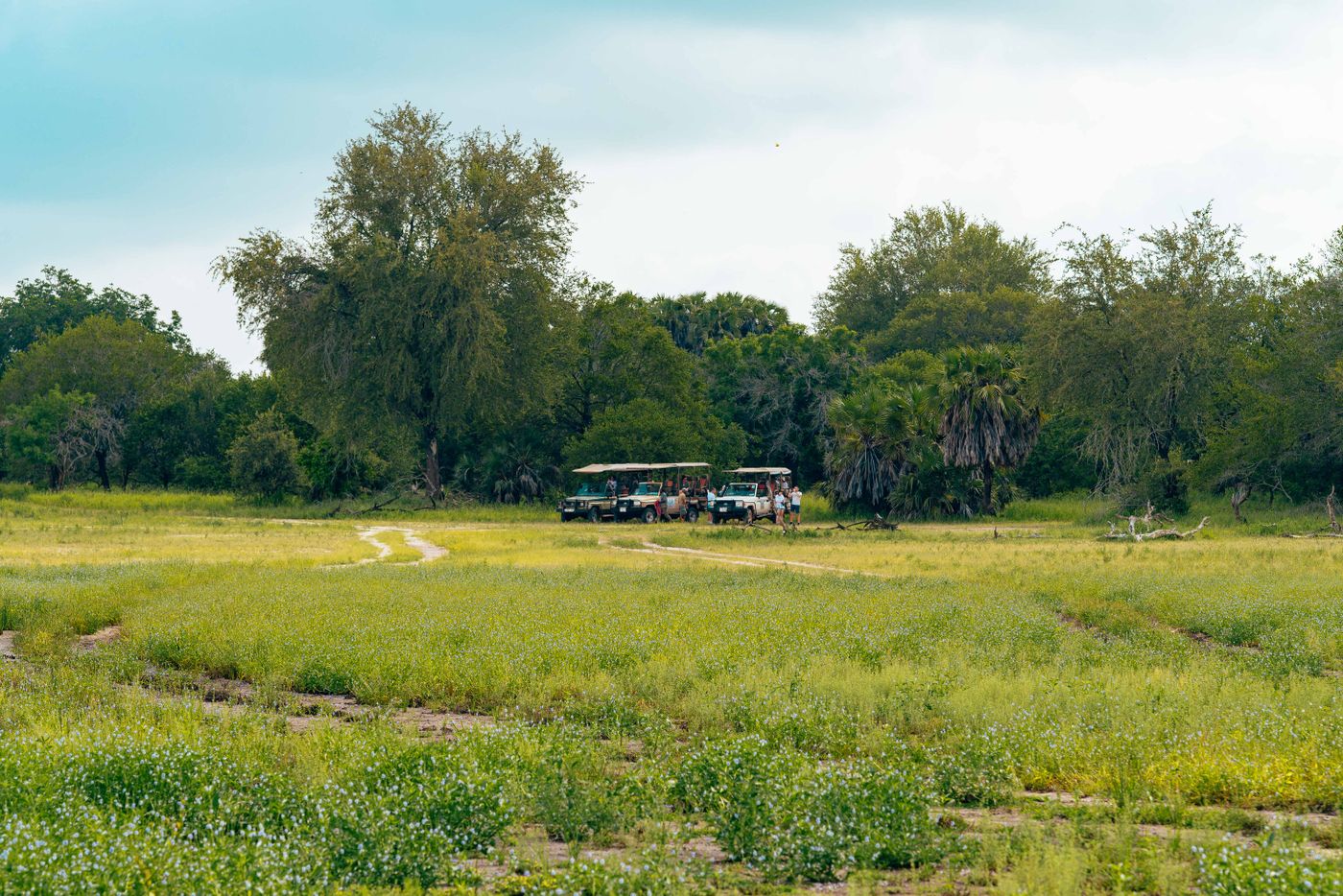
The Busanga floodplain in northern Kafue is one of Southern Africa's great big-cat theatres — lion prides and cheetah hunting red lechwe across open grassland — and there are only a handful of camps on it. Chisa Busanga Camp is the standout: four (a fifth family unit is due to open in 2026) canvas-and-timber "nests" raised on stilts and shaped after weaver-bird nests, four metres up among the terminalia trees. It runs entirely on solar, and its electric game-viewers were the first on the plains. Because the plains flood for half the year, Chisa is a June-to-November proposition only. Locate it on Google Maps.
Seasonal. Chisa Busanga is open June to November only — the Busanga Plains are under water the rest of the year. Peak cat action is roughly August to October.
Best for
Big-cat photographers and repeat safari-goers who want a genuinely remote, design-led camp on a floodplain few operators can reach — in the dry season.
South Luangwa National Park
Zambia · Luangwa River · Open ~April–January
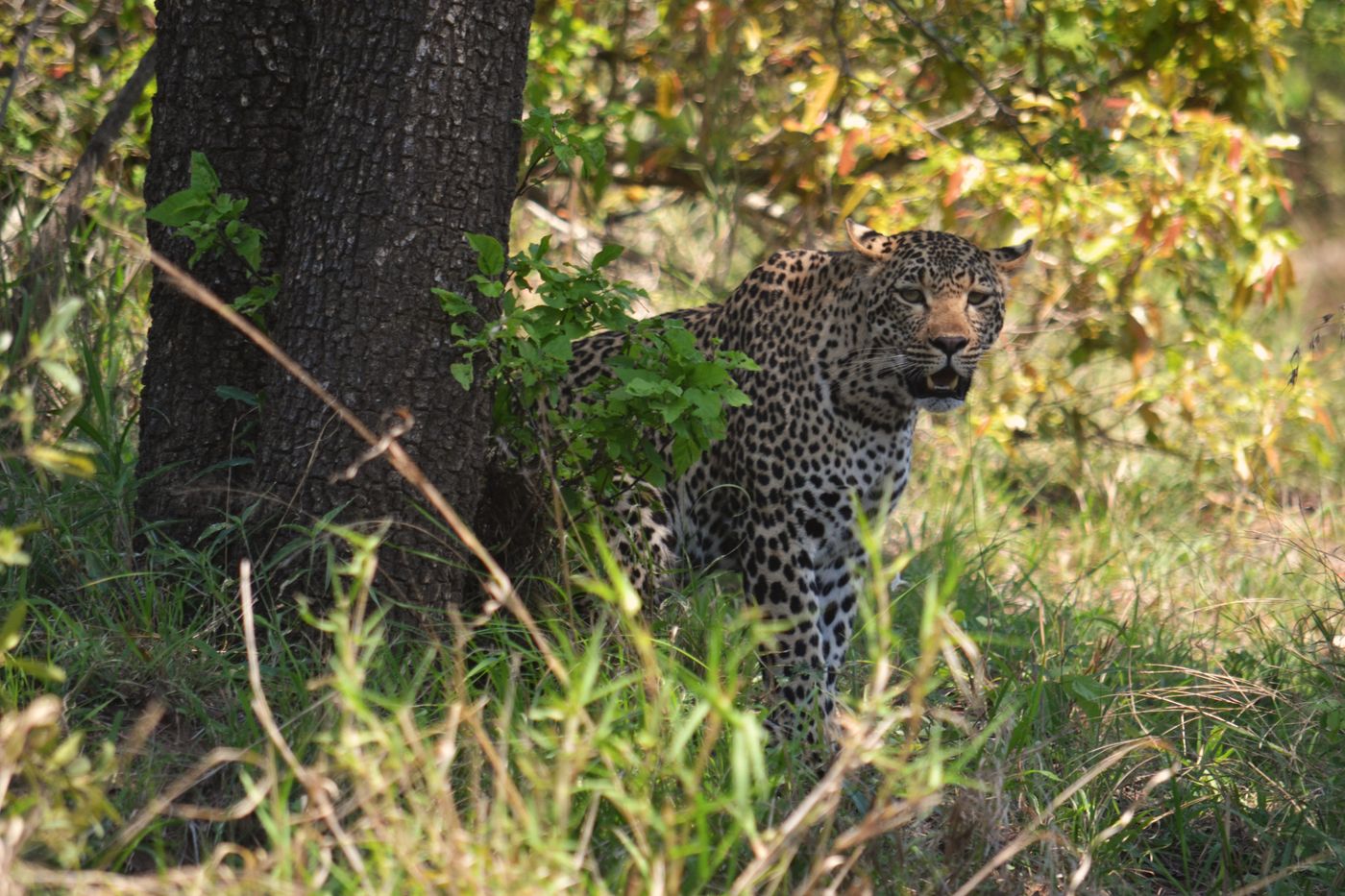
South Luangwa is the birthplace of the walking safari and one of Africa's finest leopard destinations. Shawa Luangwa River Camp is Green Safaris' base here — just five A-frame luxury tents on the eastern bank of the Luangwa (two interconnect into a family unit), small and low-impact but properly comfortable. Green Safaris brought its silent-safari electric vehicles to the park, so game drives pair naturally with the walking and night drives Luangwa is famous for. Find the park on Google Maps.
Best for
Walking safaris and leopard viewing at a small, intimate camp — the classic Luangwa experience, with electric drives layered on top.
Victoria Falls & the Zambezi
Zambia · Livingstone · Upstream of the Falls
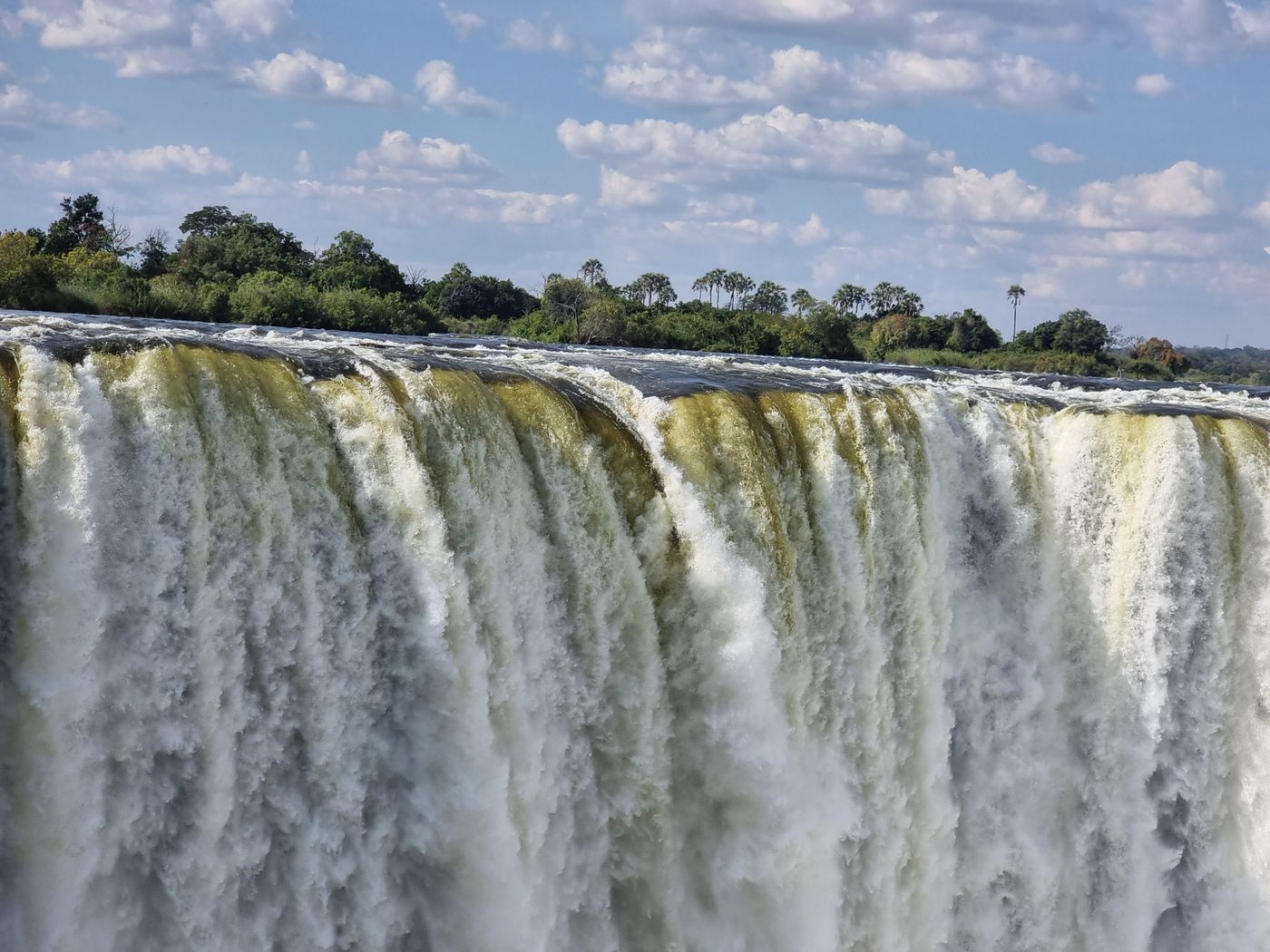
On the Zambian bank of the Zambezi, a short drive upstream of Victoria Falls (Mosi-oa-Tunya), Green Safaris runs two of the river's most storied addresses. Tongabezi Lodge pairs five river cottages with six characterful houses — the Tree House, Bird House, Nut House and the family-friendly Garden and Dog Houses — and launched what it calls the world's first electric dhow. Its sister camp, Sindabezi Island, is five off-grid solar chalets on a private island midstream: barefoot, candlelit and the lowest-impact stay in the collection. Both put the Falls within easy reach without the town.
Best for
A romantic or family Victoria Falls stay on the water — Tongabezi for houses and honeymoons, Sindabezi for off-grid island seclusion — as the bookend to a Kafue or Luangwa safari.
Lake Malawi & Likoma Island
Malawi · Likoma Island · Bush-and-beach
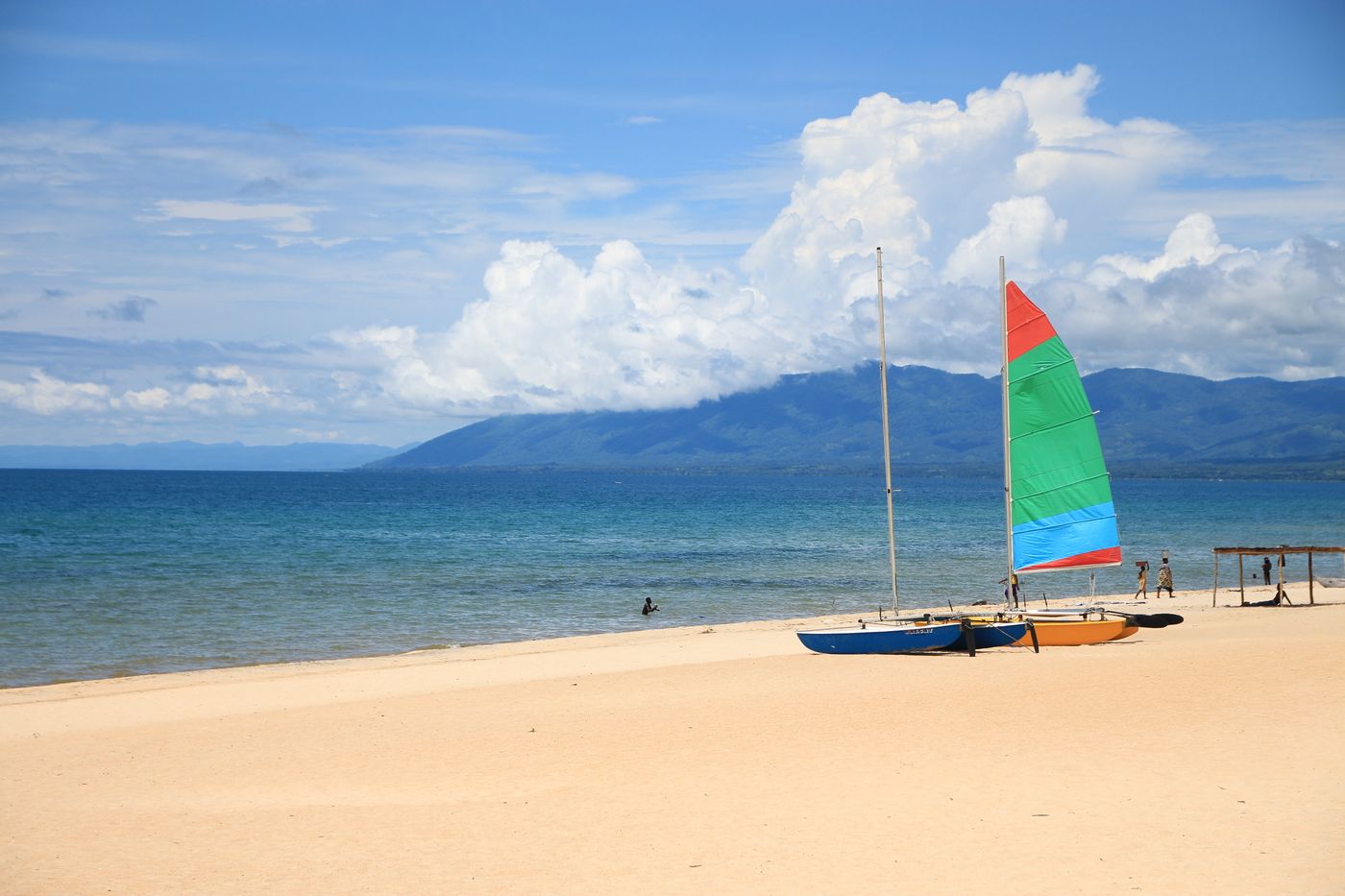
Green Safaris' only property outside Zambia is Kaya Mawa, on Likoma Island in Lake Malawi — eleven rooms and houses of local stone and timber strung along golden sand and granite boulders, some built out over the water. This is the collection's beach chapter: snorkelling and PADI diving in the lake's astonishing clear water, kayaking, sunset dhow cruises and village visits, plus reforestation work on the island. It is the natural, restful finish to a Zambia safari. See Likoma on Google Maps.
Best for
A bush-and-beach combination — winding down after Kafue or Luangwa with diving, sailing and freshwater swimming off a private-feeling island.
Every Green Safaris camp, indicative 2026 rates
Rates below are per person per night sharing, fully inclusive of accommodation, meals, most drinks and standard activities. Green Safaris prices by season (green vs high) and figures move with exchange rate, so treat every number as an indicative 2026 range, not a fixed price.
| Camp | Region | Rooms | 2026 rate (pp/night) | Notes |
|---|---|---|---|---|
| Ila Safari Lodge | Kafue NP, Zambia | 10 tents + 7-bed villa | ~$600–950 | Flagship; 100% solar, eLandy electric game-viewer, solar boat, e-bikes, pool |
| Chisa Busanga Camp | Busanga Plains, Kafue | 4 nests (5th in 2026) | ~$1,055–1,600 | Weaver-nest pods on stilts; electric game-viewers; open Jun–Nov only |
| Shawa Luangwa River Camp | South Luangwa, Zambia | 5 tents | ~$735–1,300 | A-frame tents on the Luangwa; electric drives + walking safaris |
| Tongabezi Lodge | Zambezi, Livingstone | 5 cottages + 6 houses | ~$815–1,340 | Upstream of Victoria Falls; the "world's first electric dhow" |
| Sindabezi Island Camp | Zambezi, Livingstone | 5 chalets | ~$650–900 | Off-grid solar island; Tongabezi's sister camp; lowest-impact stay |
| Kaya Mawa | Likoma Island, Lake Malawi | 11 rooms & houses | ~$610–950 | Beach, diving, snorkelling, dhow cruises; the only Malawi property |
Figures are indicative 2026 per-person-per-night ranges, sharing (double occupancy), based on published 2024 rack rates and specialist listings and rounded. Inclusions cover accommodation, meals, most drinks, laundry and standard activities; premium wines, park and conservation fees, transfers and specialist permits may be additional. Exclusive-use options (Ila Safari House, family houses) are priced separately. Chisa Busanga is seasonal (Jun–Nov). Always verify at time of booking.
Live Zambia safari inventory
Zambia trips, priced right now
Green Safaris is not a Safari.com brand preset, so this pulls live Zambia inventory — real per-person prices you can use to benchmark a Green Safaris quote and pair adjacent camps. Filter and enquire on any itinerary, or scroll on for the three ways to book.
How to actually book Green Safaris — three routes, honestly compared
Green Safaris sells through specialists and preferred partners as well as direct enquiry. Three routes work depending on how much planning support and how many quotes you want. You can also browse the operator's own greensafaris.com for camp detail before you enquire.
Route 1 · Bespoke planner
Go2Africa
The most comprehensive bespoke route. Go2Africa's Zambia and Malawi specialists design multi-camp itineraries — the Kafue-plus-Luangwa-plus-Lake-Malawi circuits where Green Safaris shines — and handle the light-aircraft logistics between them. Best for first-time bookers who want a human building the route.
Design a Green Safaris trip with Go2AfricaRoute 2 · Tailored specialist quote
Safari.com
Best for readers who want a curated Zambia quote fast. Safari.com can price Green Safaris camps such as Tongabezi and pair them with adjacent lodges for a wider Zambia circuit.
Request a Green Safaris quote via Safari.comRoute 3 · Self-serve comparison
BookAllSafaris
Best for readers still shortlisting — comparing Green Safaris' camps against other Zambia and Malawi operators before requesting a quote. Self-serve, and the broadest comparison field.
Compare Green Safaris on BookAllSafarisNot sure Green Safaris is the fit? Compare against another operator.
The other luxury safari operators we have reviewed in depth.
Singita
Exclusive-use concessions and the ultra-premium ceiling Green Safaris deliberately sits below.
Read the Singita review →andBeyond
Pan-African breadth across three continents — the one-brand multi-country alternative.
Read the andBeyond review →Wilderness
60+ low-footprint camps; deepest Botswana footprint and a serious conservation record.
Read the Wilderness review →Great Plains Conservation
Joubert-founded, conservation-first — the other operator built around a green mission.
Read the Great Plains Conservation review →African Bush Camps
Community-rooted; strong Zambia and Zimbabwe portfolio at a comparable value tier.
Read the African Bush Camps review →Asilia Africa
East Africa specialist with a strong value-to-luxury ratio in Tanzania and Kenya.
Read the Asilia Africa review →Natural Selection
Conservation-led Botswana & Namibia; characterful, lower-density camps.
Read the Natural Selection review →Sanctuary Retreats
A&K-owned; Zambia's Sussi & Chuma and Chief's Camp in the Okavango.
Read the Sanctuary Retreats review →Straight answers to the questions readers ask
Is Green Safaris' sustainability genuine, or greenwashing?
Genuine, and structural. The company rebuilt the safari itself around renewable power: Ila Safari Lodge was the first lodge in Zambia to offer electric game drives and solar-powered river cruises, Chisa Busanga fielded the first electric game-viewers on the Busanga Plains, and Tongabezi launched what it bills as the world's first electric dhow. Ila runs on 100% solar with a generator only for backup, and the group reports better than 80% solar across the estate, alongside a banned-single-use-plastic policy, reforestation and its own conservation foundation. These are operating facts, not slogans.
Where does Green Safaris operate, and how many camps does it have?
Two countries and six properties. In Zambia it runs Ila Safari Lodge in Kafue National Park, Chisa Busanga Camp on the Busanga Plains, Shawa Luangwa River Camp in South Luangwa, and Tongabezi Lodge and Sindabezi Island on the Zambezi near Victoria Falls. In Malawi it runs Kaya Mawa on Likoma Island in Lake Malawi. There is no Botswana, Tanzania or Kenya footprint.
What actually is a "silent safari"?
It is a game drive or cruise in an electric, solar-charged vehicle or boat instead of a diesel one. With no engine noise and no fumes, you can get closer to wildlife without disturbing it, hear the bush properly, and travel with a far smaller carbon footprint. Green Safaris pioneered the format in Zambia — its electric Land Cruiser ("eLandy"), solar boats and e-bikes are the core of the experience at Ila, Chisa Busanga and Shawa.
Which Green Safaris camp is best for a first safari?
Ila Safari Lodge in Kafue. It is the flagship, the best value, has family tents and an exclusive-use villa, sits on the Kafue River with an infinity pool, and delivers the full silent-safari experience of electric drives and solar boat cruises. It also combines easily with Chisa Busanga in the dry season or with the Victoria Falls camps.
When is Chisa Busanga open, and is it worth it?
Chisa Busanga is open June to November only, because the Busanga Plains flood for the other half of the year; peak big-cat action runs roughly August to October. For photographers and repeat safari-goers it is very much worth it — the plains are one of Southern Africa's best lion and cheetah stages, only a handful of camps operate there, and the weaver-nest pods are among the most distinctive rooms in Africa.
How much does a Green Safaris trip cost?
Indicatively about $600 to $1,600 per person per night sharing, fully inclusive of accommodation, meals, most drinks and standard activities. Ila is the most affordable entry point, Chisa Busanga the most expensive by night; park and conservation fees, transfers and premium extras are usually additional. That range sits materially below the pan-African ultra-premium ceiling, which is much of Green Safaris' appeal.
Can I combine a Green Safaris safari with a beach?
Yes — that is one of the group's signatures. Kaya Mawa on Likoma Island in Lake Malawi is its bush-and-beach chapter: diving, snorkelling, kayaking and sunset dhow cruises in clear freshwater, an easy, restful finish after Kafue or South Luangwa. A specialist can route the light-aircraft hops between the Zambian camps and Malawi for you.
How do I book Green Safaris?
Through a specialist or preferred partner, or by direct enquiry. For a bespoke multi-camp itinerary, a planner such as Go2Africa is the smoothest route; for a fast curated quote, Safari.com can price camps such as Tongabezi and pair adjacent lodges; and for shortlisting against other Zambia and Malawi operators, a self-serve marketplace such as BookAllSafaris is the widest comparison. Booking nine to twelve months ahead is wise for the June-to-November Busanga season.
Read next
Disclosure. Uncompromised Travel earns affiliate commissions on qualifying bookings made through Safari.com, Go2Africa and BookAllSafaris links on this page. Editorial verdicts, region breakdowns and honest comparisons are not influenced by commission structure. Rates cited are indicative 2026 ranges compiled at time of publication; always confirm at time of booking. Green Safaris is not a paid partner and has no editorial input on this page.