Where to Go on Safari in January (2026)
By Richard Jasinski·Updated 22 July 2026
The standout safari in January is Tanzania’s southern Serengeti and Ndutu plains, where the great wildebeest herds gather to calve and the predators follow, the year’s most cinematic build-up to February’s peak. For value and dramatic light, Southern Africa’s green season, Botswana, South Africa’s Sabi Sand, Namibia, delivers lush scenery, newborns and low prices, easily paired with Cape Town in high summer.
- Best region this month
- S Serengeti & Ndutu (calving builds)
- Migration position
- Southern Serengeti / Ndutu plains
- Season & weather
- E Africa short-dry (hot); S Africa green
- Price level
- Festive peak early Jan, then eases
- Standout experience
- Calving-season predator action
- Skip this month if…
- You want Mara River crossings (Jul–Oct)
The quick answer
January splits the continent neatly in two. In East Africa it is a short-dry window, hot, largely bright, and dominated by one event: the wildebeest herds massing on the southern Serengeti and Ndutu plains as the calving season builds towards its February peak. Predator action is already superb, and this is January’s single biggest draw. In Southern Africa Botswana, Zambia, South Africa’s Kruger and Sabi Sand, Namibia; it is full green season: lush, thunderous skies, newborn antelope, exceptional birding, and prices well below peak, in exchange for thicker bush and some afternoon rain.
If you only take one rule away: for the headline wildlife spectacle, book the southern Serengeti / Ndutu for calving-season predator drama; for the best value and the most atmospheric photography, choose Southern Africa’s green season and add Cape Town in high summer. One timing caveat: the festive peak runs into the first days of January (school holidays), so rates are at their highest early in the month, then ease from mid-January. You can price any of these windows against real operator availability on BookAllSafaris before you commit to dates.
January is not the month for the Great Migration’s river crossings, those belong to July to October in the far north. What January offers instead is the migration’s quieter, arguably more intimate chapter: hundreds of thousands of animals concentrated on open short-grass plains where sightlines are long and the cats have nowhere to hide. For the granular herd-position detail, our Great Migration month-by-month tracker follows them week by week; this page is the seasonal decision layer above it.
Where the herds are in January
The Great Migration is a continuous, roughly clockwise circuit of about 1.5 million wildebeest (plus zebra and gazelle) around the Serengeti–Mara ecosystem, not an event with a fixed date. In January the herds are firmly in the south, on the mineral-rich Ndutu and southern Serengeti plains. The map below shows the position this month against the wider annual loop.
East Africa in January: the calving build-up
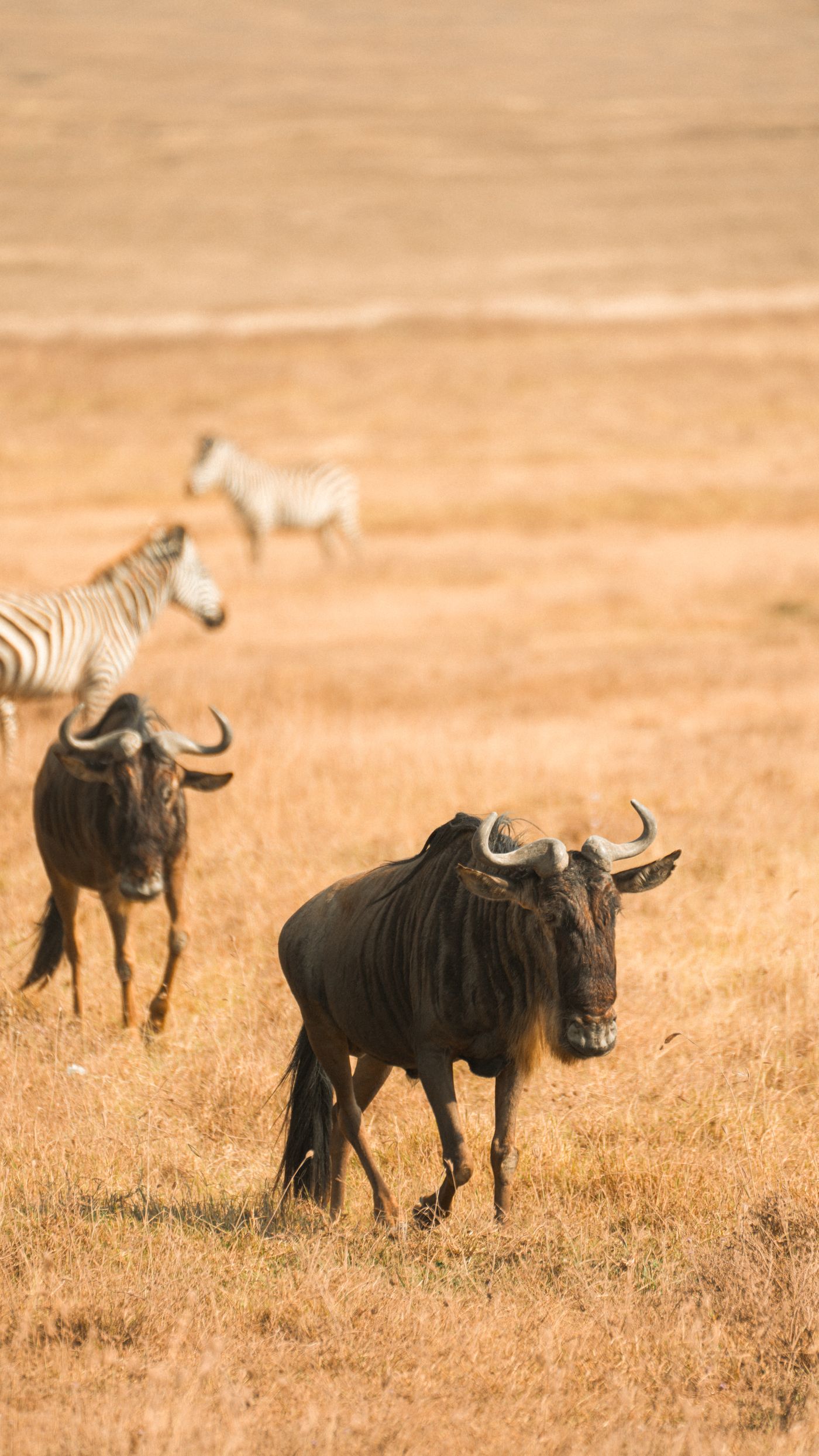
Tanzania is January’s clear headline. From late December the wildebeest concentrate on the short-grass plains of the southern Serengeti and the Ndutu area, drawn by mineral-rich grazing, and through January the calving season gathers pace towards its February climax of up to 8,000 calves a day. You do not have to wait for the peak: by January the plains are already thick with heavily pregnant and newly-dropped animals, and the vulnerability of the newborns pulls in lion, cheetah, hyena and the odd wild dog in extraordinary density. On open ground with long sightlines, the hunts play out in full view, for photographers and repeat visitors, this rivals the river crossings.
Weather is warm to hot with the occasional short afternoon shower that clears quickly and rarely disrupts a game drive. Book the mobile tented camps that follow the herds south early; they are limited and the calving window sells out. Kenya in January is quietly good too: it is green-season in the Maasai Mara and the wider country, with abundant resident game, few vehicles and low-season rates, just no migration drama, because those herds are south in Tanzania. For the full picture of Tanzania’s calendar, see our best time for a Tanzania safari guide.
Southern Africa: green season value
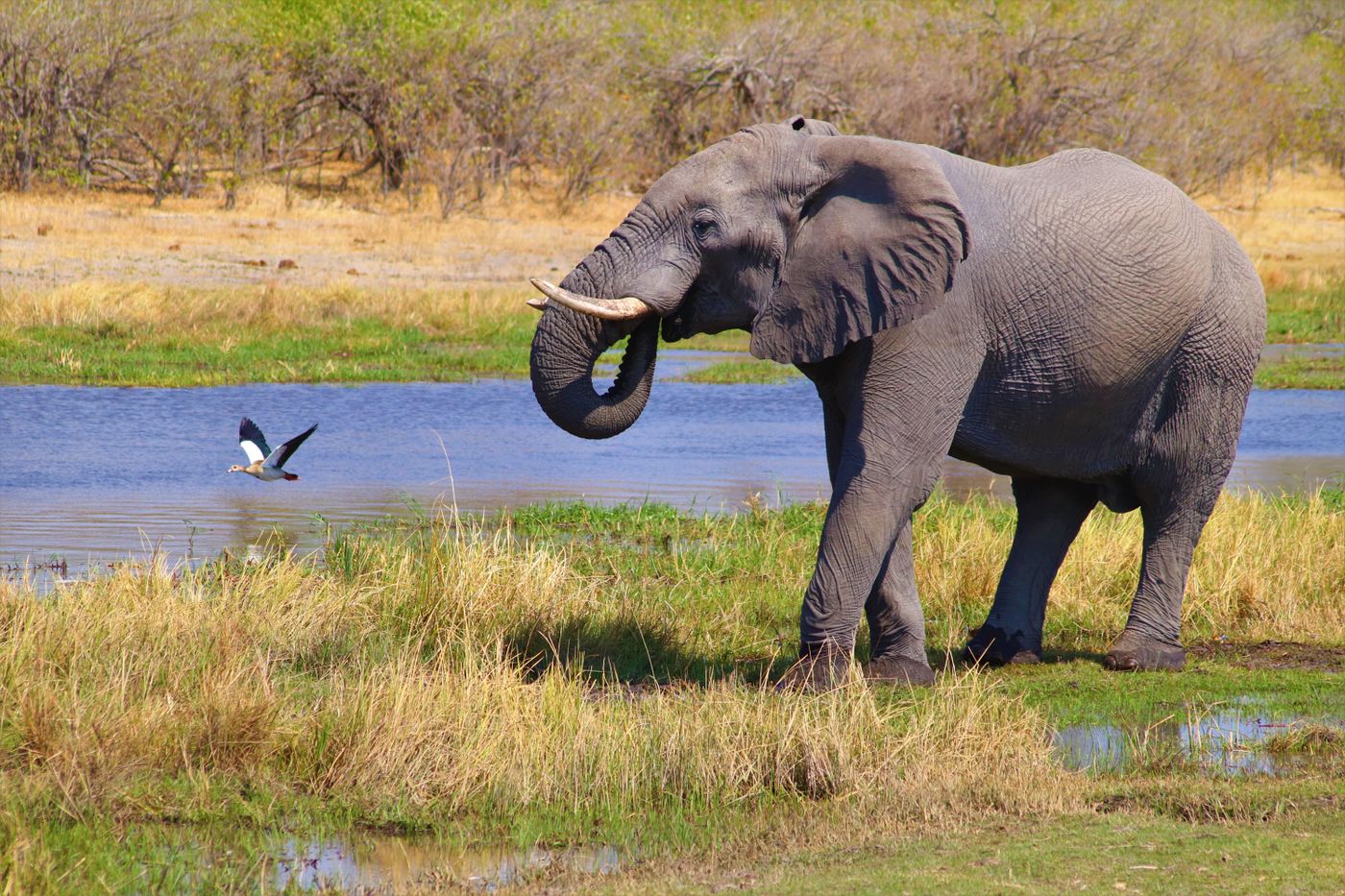
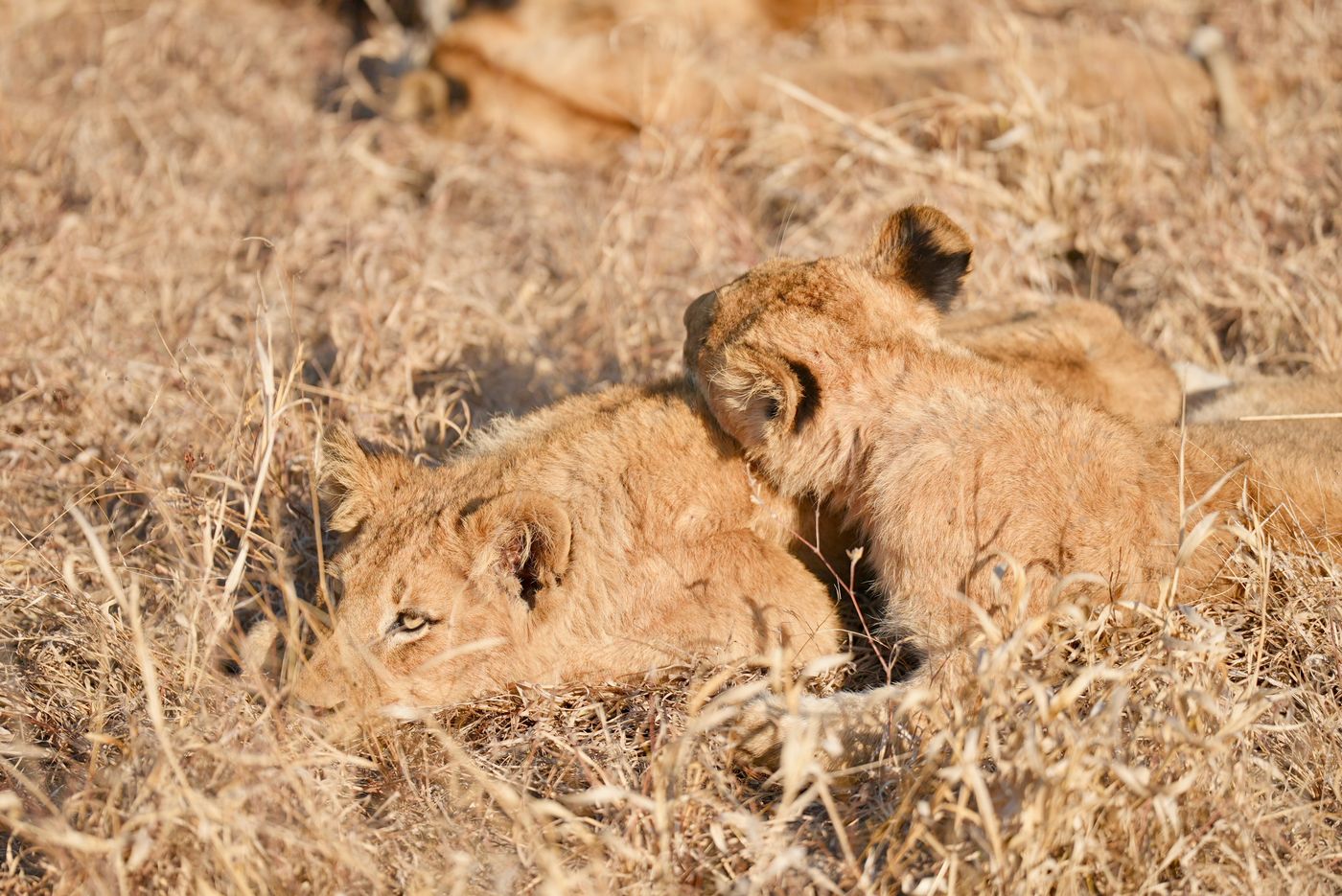
South of the equator, January is the heart of the green (or emerald) season. The summer rains have transformed the bush: the veld is emerald, waterholes are full, migratory birds have arrived, and impala, wildebeest and other antelope are dropping their young, which, as in the Serengeti, means predators are active. The pay-off for travellers is threefold: markedly lower prices, fewer vehicles, and the season’s trademark towering skies and soft, saturated light that landscape and wildlife photographers prize. Frame January in Southern Africa as a value-and-photography month, not a peak-density one, the thicker bush and dispersed water make animals a little harder to find than in the dry months.
The picks: South Africa’s Sabi Sand and greater Kruger are the strongest all-rounders, malaria-area but famous for habituated leopard and excellent year-round game, and easily combined with Cape Town. Botswana’s Okavango and Kalahari are lush and superb for birding and newborns, though a few remote camps and roads become harder to reach in the wet; our best time for Botswana guide sets out the trade-offs. Namibia turns briefly green, with migratory birds and desert scenery at its most dramatic, but dispersed game. The one to approach with caution is Zambia’s South Luangwa, where many walking camps close for the emerald season and access is limited, see best time for Zambia before committing. A specialist can flag exactly which camps stay open in your window, Go2Africa is a good place to sense-check green-season logistics.
Travelling in the green season? Wet-season roads and light-aircraft schedules can shift, and remote bush clinics are the norm. Comprehensive cover that includes medical evacuation is non-negotiable on any safari, SafetyWing is a straightforward option for travel-medical and evacuation cover while you are in the field.
Gorillas, Cape Town and other January extras
January is a quietly excellent time to trek mountain gorillas. The December–February window is one of the drier, easier-going stretches in Rwanda’s Volcanoes National Park and Uganda’s Bwindi, firmer trails and better light, though trekking is possible year-round and the Rwanda permit holds at US$1,500. It pairs naturally with a Tanzania or Kenya safari; see our best time for Rwanda gorilla trekking guide.
The other January masterstroke is the Cape. Cape Town is in full high summer, long warm days, beaches, and the Winelands at their best, which makes a Sabi Sand safari plus a few days in Cape Town the classic January itinerary: bush and cats first, then wine, ocean and city to finish. Add-on experiences such as a Winelands day, a Table Mountain excursion or a Cape Peninsula tour are easy to book independently through GetYourGuide. Not sure which country fits your priorities at all? Our which safari country is right for you guide is the place to start.
Where to go on safari in January, destination by destination
An honest verdict on each of the main safari countries this month, including where not to prioritise in January.
| Destination | January conditions | Verdict |
|---|---|---|
| Tanzania, S Serengeti / Ndutu | Short-dry, hot; herds massing to calve, intense predator action building to Feb. | Top pick this month |
| Kenya, Maasai Mara | Green season, warm; abundant resident game, few vehicles, low rates, no migration. | Good value all-rounder |
| South Africa, Sabi Sand / Kruger | Hot, green, some rain; strong year-round game and leopards; pairs with Cape Town summer. | Best all-rounder + Cape |
| Botswana, Okavango / Kalahari | Green season: lush, superb birding, newborns, low prices; a few remote camps/roads harder. | Value + photography |
| Namibia, Etosha & deserts | Briefly green, migratory birds, dramatic desert skies; game dispersed and harder to find. | Scenery over big game |
| Rwanda / Uganda, gorillas | Drier trekking window, firmer trails, good light; permits and access year-round. | Strong gorilla month |
| Zambia, South Luangwa | Emerald season: many walking camps closed, access limited, heavy rain in places. | Skip unless emerald specialist |
What you’ll see in January
The month’s signature sighting is the calving build-up on the southern Serengeti and Ndutu: vast herds on open plains, newborn wildebeest finding their legs within minutes of birth, and the concentrated predator action that follows, lion prides, cheetah on the short grass where they hunt best, spotted hyena and, with luck, wild dog. Because the grass is short and green after the rains, sightlines are long and the cats are exposed, so hunts are unusually visible.
South of the equator, green season delivers a different cast: newborn antelope across the Sabi Sand and Okavango, elephant and buffalo in prime condition on rich grazing, and some of the year’s best birding as migrant species arrive and resident birds come into breeding plumage. It is a photographer’s month everywhere: storm light, green backdrops and dramatic skies replace the dry season’s dust. What you will not see in January is a Mara River crossing, for that, the herds must be in the far north from July to October. If you are unsure what a safari realistically delivers, our what is a safari primer sets expectations.
Weather and what to pack
Expect warm-to-hot days across the board. In East Africa, the southern Serengeti sits around the mid-to-high 20s Celsius with short, sharp afternoon showers; mornings on the Ngorongoro rim are cold, so pack layers. In Southern Africa, January is high summer, hot and humid, with afternoon thunderstorms that build and clear.
- Lightweight, neutral clothing in breathable fabrics; long sleeves and trousers for sun and insects.
- A light waterproof or packable rain shell, green season means genuine showers.
- A warm layer for cold early starts and open vehicles, especially on the crater rim.
- Malaria precautions for the Sabi Sand, Kruger, Okavango and northern Tanzania, take medical advice.
- Insect repellent, sun protection and binoculars and a rain cover for camera gear.
Price and booking for January
January is a month of two halves on price. The festive peak runs into the first week or so, northern-hemisphere school holidays keep rates and demand high, so early-January travel is expensive and should be booked six to twelve months out. From mid-January rates ease: East Africa settles into mid-range green-season pricing (with the calving mobile camps holding a premium into February), while Southern Africa drops to genuine low-season value, often well below its dry-season peak. Park fees are broadly fixed regardless of season, the Serengeti non-resident entry fee runs around US$82.60 per adult per 24 hours including VAT, so the seasonal saving shows up in lodge rates, not government charges. Treat all figures as indicative 2026 benchmarks, excluding international flights, and get a live quote.
If you are weighing dates against budget, model the difference before you commit, our luxury safari cost guide, Tanzania safari cost and Botswana safari cost breakdowns show what each season actually costs, all in.
Who January suits, and who should wait
Book January if you want the calving-season spectacle and its predator action on the southern Serengeti; if you are chasing value and atmospheric photography in Southern Africa’s green season; if you want to combine a Sabi Sand safari with Cape Town’s high summer; or if you want a drier, easier gorilla trek in Rwanda. It is also a strong month for birders everywhere.
Consider another month if your priority is a Mara River crossing (go July to October and see our best time to go on safari master guide), if you want the thin-bush, high-density game viewing of the dry season, or if you dislike heat and afternoon rain. Zambia’s South Luangwa is best left for the dry months, and remote green-season camps in Botswana can be logistically fiddly. If February’s calving peak or December’s festive plains appeal more, compare the adjacent months below.
Frequently asked questions
Where is the best place to go on safari in January?
The standout is Tanzania's southern Serengeti and Ndutu plains, where the wildebeest herds gather to calve and predators concentrate, the build-up to February's peak. For value and photography, Southern Africa's green season (South Africa's Sabi Sand, Botswana, Namibia) is excellent and pairs naturally with Cape Town in high summer.
Where is the Great Migration in January?
In January the herds are in the south of the ecosystem, on the short-grass plains of the southern Serengeti and the Ndutu area, where they gather to calve from January to March. The Mara River crossings are not happening now, those take place in the northern Serengeti and Maasai Mara from July to October.
Is January a good time to see the calving season in the Serengeti?
Yes. Calving builds through January towards its peak in February, when up to 8,000 wildebeest calves are born a day. By January the southern plains are already busy with newborns and the predators that follow them, so game viewing is superb, book mobile camps that follow the herds south well in advance.
Is January green season in Southern Africa, and is it worth it?
January is the heart of Southern Africa's green (emerald) season: lush landscapes, newborn antelope, superb birding, dramatic skies, low prices and few vehicles. It is worth it for value and photography rather than peak game density, the bush is thicker and water more dispersed, so animals are a little harder to find than in the dry season.
Is January a good time for a safari overall?
Yes, provided you match the destination to the month. East Africa offers the calving spectacle in a hot short-dry window, while Southern Africa is in lush, low-priced green season. What January does not offer is the Mara River crossings or the thin-bush, high-density game viewing of the dry season, for those, travel between June and October.
How expensive is a safari in January?
It varies within the month. The festive peak runs into the first week or so, keeping early-January rates high, then prices ease from mid-January. East Africa settles into mid-range green-season pricing (calving camps hold a premium into February), while Southern Africa drops to genuine low-season value. Prices are indicative 2026 benchmarks excluding international flights, get a live quote.
Can you trek gorillas in Rwanda in January?
Yes, and January falls in one of the better windows. The December-to-February stretch is drier and easier underfoot in Rwanda's Volcanoes National Park and Uganda's Bwindi, with firmer trails and good light. Trekking is possible year-round; the Rwanda gorilla permit costs US$1,500 and should be secured well ahead.
Where should I not go on safari in January?
Zambia's South Luangwa is best avoided in January, as many walking camps close for the emerald season and access is limited by rain. Some remote Botswana camps and roads also become harder to reach. If your priority is a Mara River crossing or classic dry-season game density, choose another month rather than January.