The Best Time to Visit Tanzania for Safari (2026)
By Richard Jasinski·Updated 22 July 2026
The best time for a Tanzania safari is the dry season, June to October, when thinning grass and shrinking waterholes concentrate wildlife and the Great Migration’s Mara River crossings peak in the northern Serengeti. For the calving and predator drama, come late January to March. Early June offers peak conditions at pre-peak prices.
- Peak dry season
- June – October
- Migration crossings
- Aug – Sep (N Serengeti)
- Calving peak
- February (Ndutu plains)
- Best value window
- Early June
- Cheapest & quietest
- April – May (long rains)
- Serengeti park fee
- ~US$82.60/day incl. VAT (peak)
The quick answer
Tanzania has no single “best” month; it has a best month for whatever you have come to see. The northern-circuit parks (Serengeti, Ngorongoro, Tarangire, Lake Manyara) run to two rhythms: the dry season of June to October, when wildlife concentrates and the Great Migration reaches the Mara River; and the green season of November to June, quieter and far cheaper, whose centrepiece is the wildebeest calving on the southern plains from late January to March.
If you only take one rule away: for reliable, first-timer game viewing, book June to October; for the migration’s most cinematic single moment, a river crossing, target August or September in the far north; and for the best conditions at the lowest peak-season price, arrive in early June, before the July–October rate hikes land. You can price any of these windows against real operator availability on BookAllSafaris before you commit to dates.
The Great Migration is a continuous, roughly clockwise circuit of about 1.5 million wildebeest (plus zebra and gazelle) around the Serengeti–Mara ecosystem, not an event with a fixed date. Understanding where the herds are in each month is the whole game. For the granular herd-position detail, our Great Migration month-by-month tracker follows them week by week; this page is the seasonal decision layer above it.
Tanzania safari, month by month
The chart below plots three things across the year: game-viewing quality, relative price, and the migration event unfolding on the ground. Read the two together, the sweet spots are the months where game viewing stays high while price has not yet peaked.
The best month for your goal
Skip the generic “best time” and pick the window that matches what you want to see. This table does that in one glance.
| Your goal | Best window | Why | Where in Tanzania |
|---|---|---|---|
| River crossings | Aug – Sep | The migration’s most dramatic set piece, herds plunge the Mara River, crocodiles waiting. | Northern Serengeti (Kogatende, Lamai) |
| Calving & big cats | Late Jan – Mar (Feb peak) | Up to 8,000 calves born a day draws intense predator action across open plains. | Southern Serengeti / Ndutu |
| Best value | Early June | Peak dry-season conditions arrive before the July–October rate rises, the calendar’s sweet spot. | Central & Northern Serengeti |
| Fewest crowds | Apr – May | The long rains empty the parks and drop rates 20–35%; landscapes are lush, some camps close. | Whole circuit (check camp openings) |
| First-timer all-rounder | Jun – Oct | Reliable weather, thin grass and concentrated game make sightings easy and predictable. | Serengeti + Ngorongoro + Tarangire |
| Guaranteed game, any month | Year-round | Resident wildlife and a permanent water supply mean the crater never has an off-season. | Ngorongoro Crater |
Calving and predators (January–March)
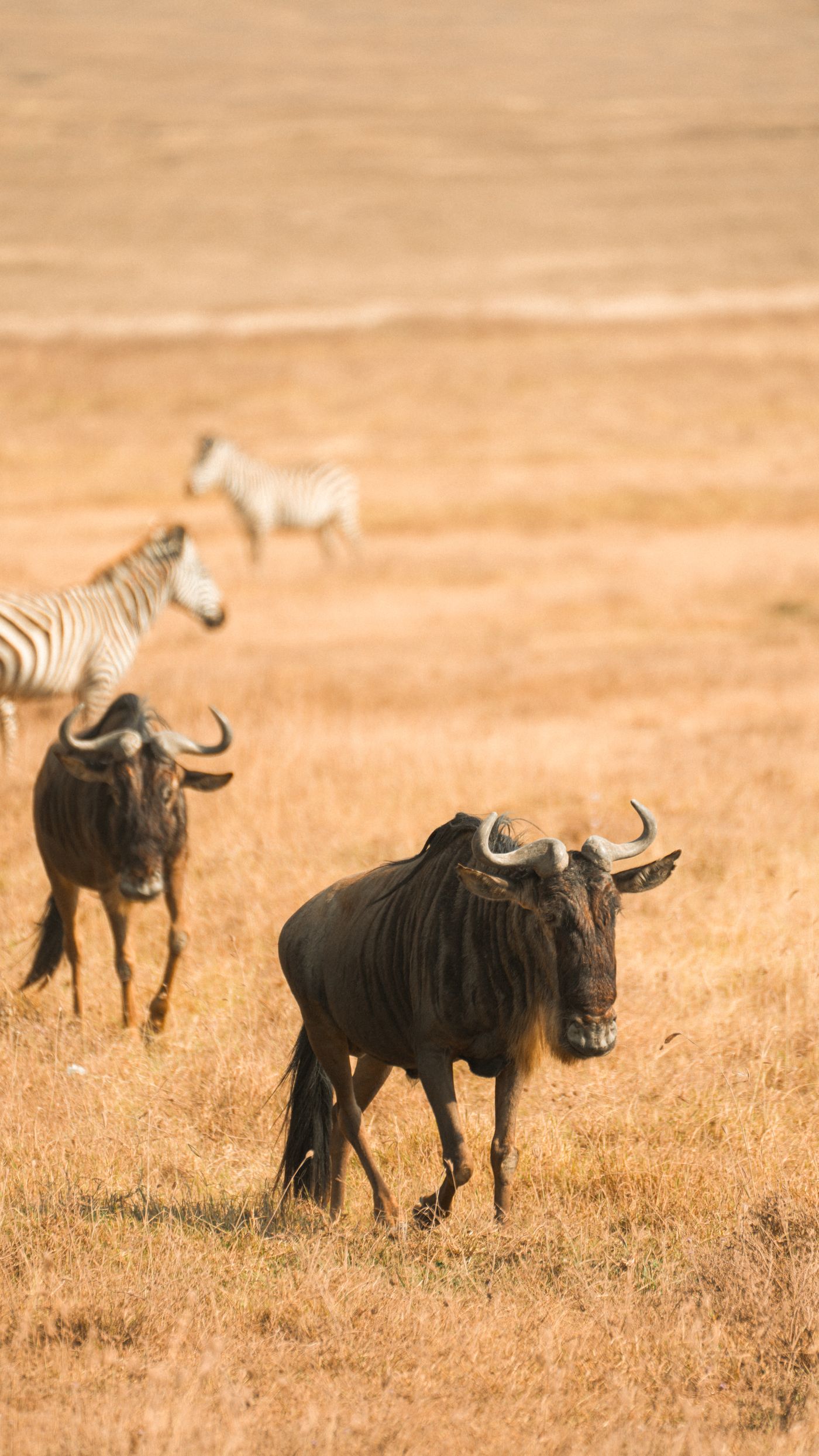
From late January the herds mass on the mineral-rich short-grass plains of the southern Serengeti and the Ndutu region, and in a roughly three-week window around February they drop their calves, some 400,000 of them, at a peak of thousands a day. It is the single most concentrated wildlife spectacle Tanzania offers, and the vulnerability of the newborns pulls in lion, cheetah, hyena and wild dog in extraordinary numbers. For photographers and repeat visitors, calving season rivals the river crossings.
The trade-off: February is a genuine high-season month for rates despite falling inside the wider green season, because demand for calving is strong. Book the mobile camps that follow the herds south early; they are limited and sell out. Conditions are warm with short afternoon showers that rarely disrupt game drives.
The Mara River crossings (July–October)
As the plains dry out, the herds march north-west through the Grumeti (April–June, with its own smaller river crossings) and into the far northern Serengeti, reaching the Mara River from around July. Here, between roughly July and October, best in August and September the wildebeest gather in their thousands and cross the crocodile-infested river in the chaotic, high-stakes scenes that define the migration in the popular imagination.
Two things worth knowing. First, crossings are unpredictable by nature: herds can build at the bank for hours or days, then cross in minutes or turn back. Patience and a good guide matter more than the exact date. Second, the best crossings happen in the northern Serengeti (Kogatende and Lamai), not the central Seronera many first-timers default to, position your camp accordingly. Cross-border note: the same herds spill into Kenya’s Maasai Mara in this window, which is why Kenya’s best-time calendar peaks now too.
Peak season = peak prices and vehicles. July to October delivers Tanzania’s finest game viewing, but also its highest lodge rates, busiest sightings and steepest park fees. Book six to twelve months out for the northern camps, and consider a private conservancy-style concession if crowds concern you. See our Tanzania safari cost breakdown for what peak-season pricing looks like in practice.
Value and the green season (November–June)
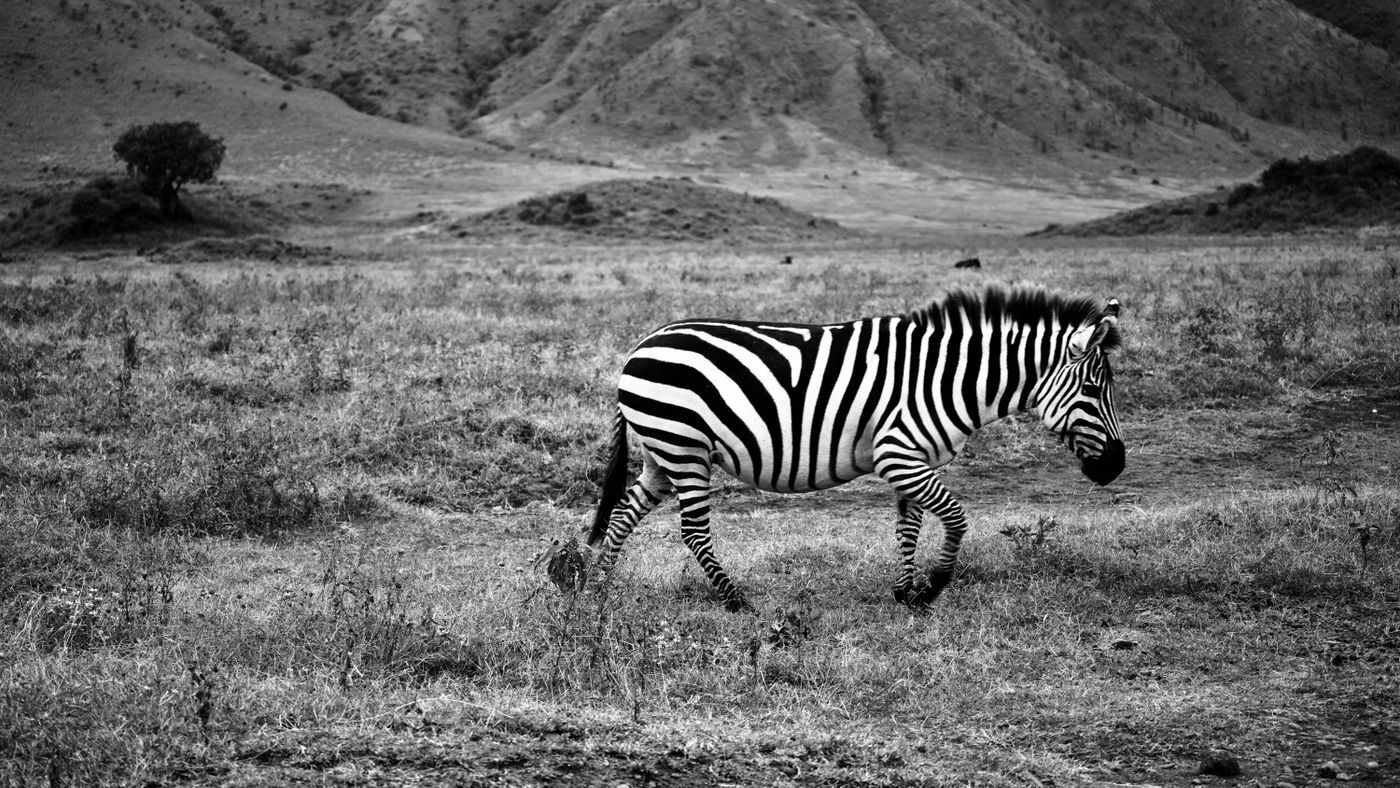
The green season, broadly November to June, setting aside the January–March calving premium, is Tanzania’s value secret. Rates typically run 20–35% below peak, camps are quiet, and the landscape turns emerald under dramatic skies that photographers prize. Resident game is still abundant; you simply trade the migration’s guaranteed drama and the thinnest grass for lower prices and near-empty roads.
Within the green season there are two distinct moods. The short rains (November to December) bring brief afternoon showers that clear quickly and rarely spoil a day’s viewing, excellent value with good conditions. The long rains (April to May) are the cheapest and quietest window of all, but also the wettest: some seasonal camps close, roads can be tricky, and a few sightings are harder. If your priority is solitude and budget over guaranteed crossings, April to May is unbeatable; if you want the balance, aim for November or a green-season shoulder. A specialist can flag exactly which camps stay open in your window, Go2Africa is a good place to sense-check green-season logistics.
Travelling in the rains? Wet-season roads and light aircraft schedules can shift, and remote bush clinics are the norm. Comprehensive cover that includes medical evacuation is non-negotiable on any safari, SafetyWing is a straightforward option for travel-medical and evacuation cover while you are in the field.
Ngorongoro Crater: the year-round anchor
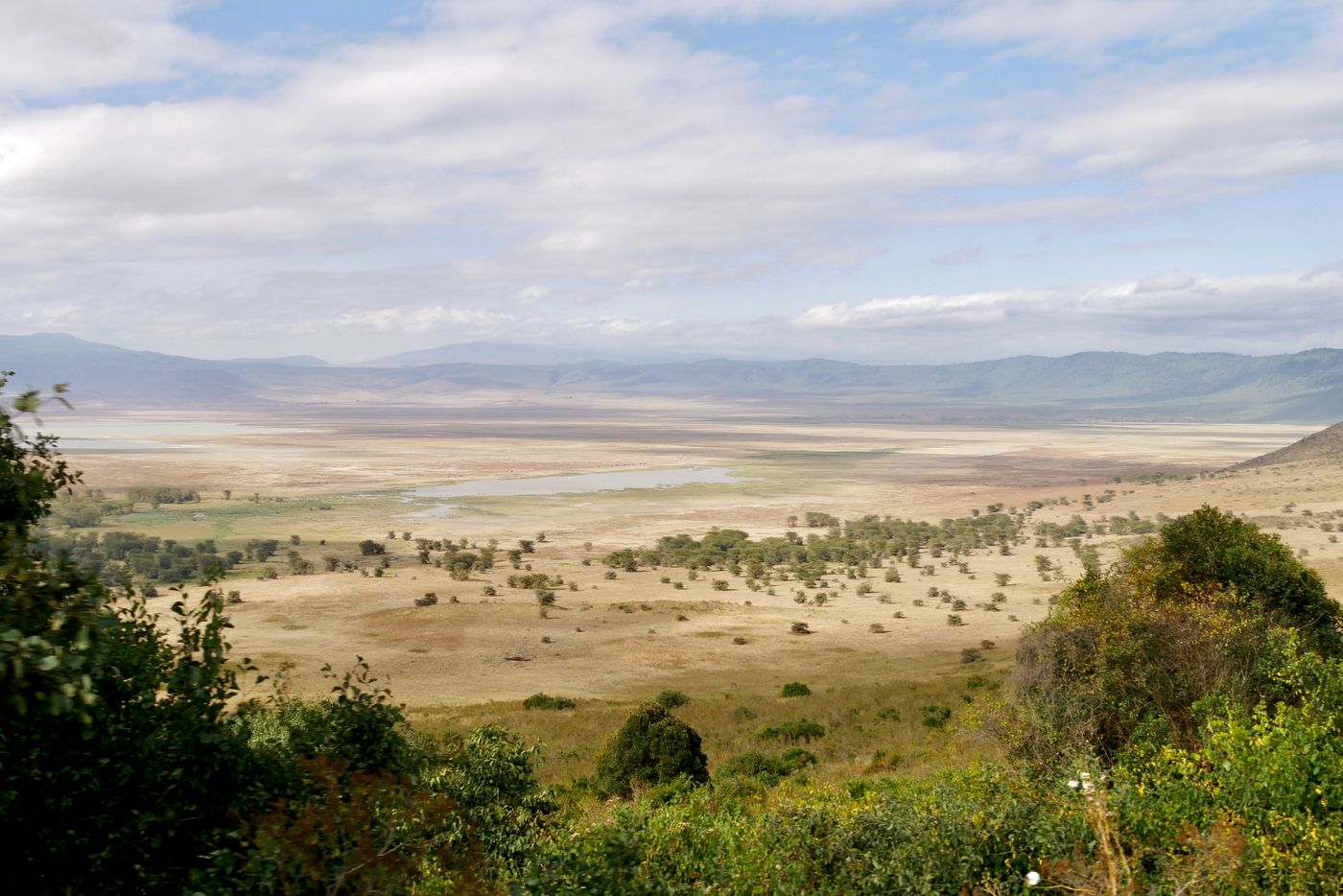
Whatever month you choose, build in the Ngorongoro Crater. This collapsed volcanic caldera is an enclosed ecosystem with a permanent water supply, so its dense population of lion, elephant, buffalo, flamingo and the rare black rhino stays put all year; there is no off-season. It is the most reliable Big Five sighting in Tanzania and the surest bet for first-timers travelling in a shoulder or green-season month. Mornings on the crater rim are cold, so pack layers regardless of season.
Not sure which animals you can realistically expect to tick off, and when? Our guide to what you actually see on safari sets expectations park by park.
Park fees, crowds and cost by season
Tanzania’s national-park fees are among Africa’s highest and they climb in peak season. The Serengeti non-resident entry fee sits at roughly US$82.60 per adult per 24 hours including 18% VAT in high season (a US$70 base fee plus VAT), and Ngorongoro adds its own conservation and vehicle fees on top. Concession fees for staying inside the parks, plus the usual crater-service charges, stack quickly, which is why so much of a Tanzania safari’s cost is fixed government fees before you even count the lodge.
Season drives the rest of the bill: peak dry-season lodge rates can run double the green-season equivalent for the same camp. If you are weighing dates against budget, model the difference before you commit, our Tanzania safari cost guide and the wider luxury safari cost guide break down what each season actually costs, all in.
Tanzania or Kenya, or both? The two countries share the same migration and the same seasonal logic from opposite banks of the Mara River. If you are still choosing a country, our Kenya vs Tanzania vs South Africa comparison weighs them side by side, and the master best time to go on safari guide sets Tanzania in the wider African calendar.
Frequently asked questions
When is the best time to visit Tanzania for safari?
The best all-round time is the dry season, June to October, when wildlife concentrates around water and the Great Migration reaches the Mara River in the northern Serengeti. It is also the busiest and most expensive window. For the calving and predator action, come late January to March instead.
When can I see the Great Migration river crossings in Tanzania?
The Mara River crossings happen in the northern Serengeti from roughly July to October, and are at their best in August and September. Crossings are unpredictable, so position your camp in the far north (Kogatende or Lamai) and allow several days to maximise your chances.
When is the wildebeest calving season in the Serengeti?
Calving takes place on the southern Serengeti and Ndutu plains from late January to March, peaking in February. Up to 8,000 wildebeest calves are born a day, drawing intense predator activity. It is one of the most concentrated wildlife spectacles in Africa.
What is the cheapest time to go on a Tanzania safari?
The long rains of April and May are the cheapest and quietest window, with rates often 20 to 35% below peak and very few vehicles about. The trade-off is heavier rain and some seasonal camps closing. The wider green season, November to June, also offers strong value outside the February calving premium.
Is the green season worth it in Tanzania?
Yes, for the right traveller. The green season delivers lush landscapes, dramatic skies, abundant resident game and prices well below peak, with far fewer vehicles. You give up the guaranteed migration crossings and the thinnest grass, but November and the shoulder months in particular offer excellent conditions for the money.
What is the best value month for a Tanzania safari?
Early June is the calendar’s sweet spot: peak dry-season conditions have arrived but the July-to-October rate rises have not yet landed. You get prime game viewing at noticeably lower lodge rates than a few weeks later.
How much are Serengeti park fees in 2026?
The Serengeti non-resident entry fee is roughly US$82.60 per adult per 24 hours in high season, made up of a US$70 base fee plus 18% VAT. Newer published rates put the base fee closer to US$83, so confirm the current figure with your operator. Ngorongoro and concession fees are charged separately on top.
When is the best time to visit Ngorongoro Crater?
Ngorongoro Crater rewards a visit in any month. Its enclosed ecosystem and permanent water hold resident lion, elephant, buffalo, flamingo and black rhino year-round, so there is no off-season. It is the most reliable Big Five sighting in Tanzania, and a strong choice if you are travelling in a green-season month.