Where to Go on Safari in August (2026)
By Richard Jasinski·Updated 22 July 2026
August is the single best month to witness the Great Migration’s Mara River crossings, and the only month you can catch them from both banks, in Tanzania’s northern Serengeti and Kenya’s Maasai Mara at once. It is also the busiest, priciest month of the year. Value-minded travellers should look south, to Botswana, Zambia and South Africa, where the dry season is at its absolute peak with a fraction of the crowds.
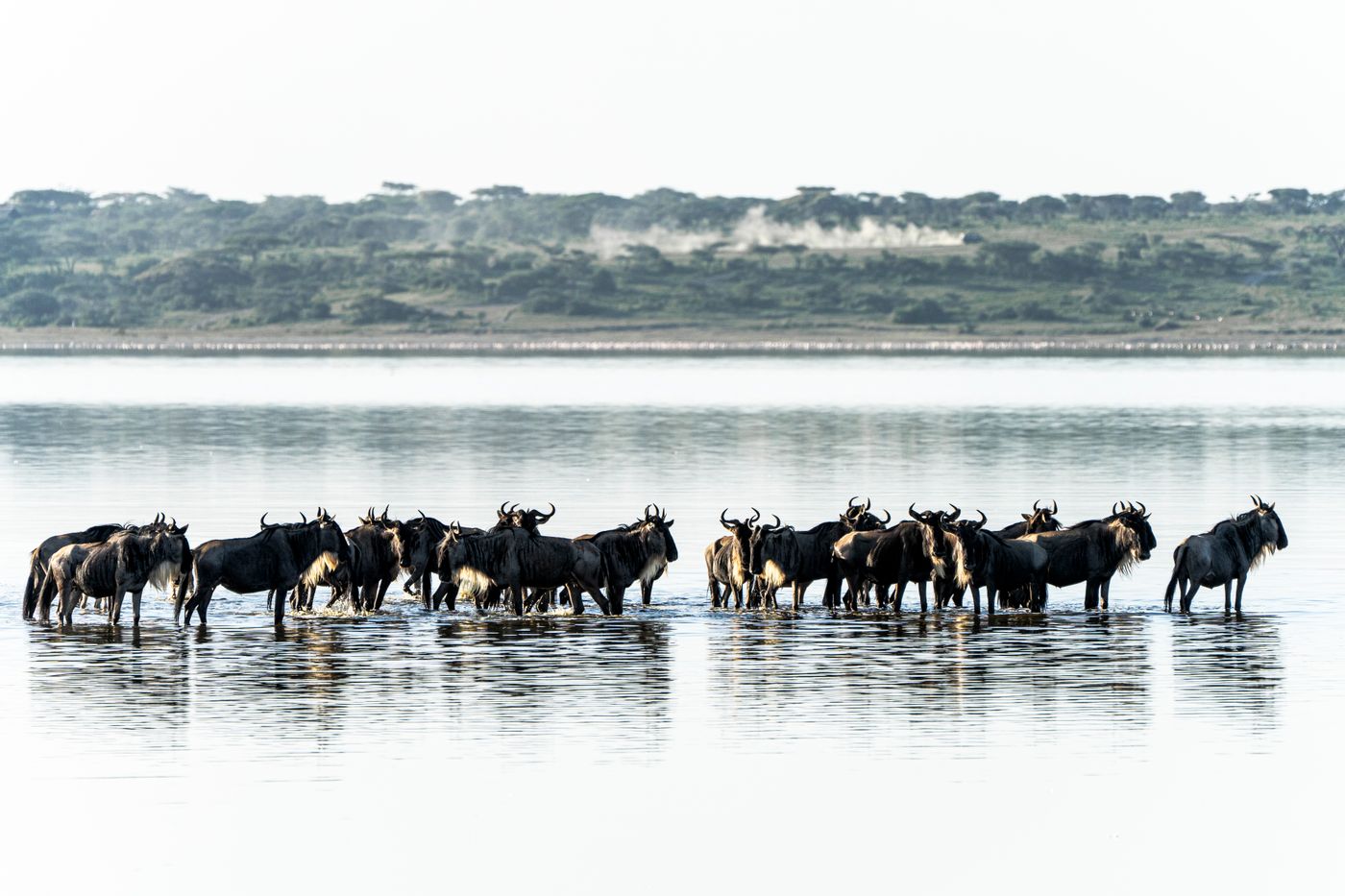
- Headline this month
- Mara River crossings, peak
- Migration position
- N Serengeti & Maasai Mara
- Season & weather
- Dry, cool, near-zero rain
- Price level
- Peak, the highest of the year
- Smart-money pick
- Botswana & Zambia dry season
- Book ahead
- 6–12 months; camps sell out
The quick answer
August is the peak of the safari year, and for one headline reason: the Great Migration’s Mara River crossings are at their most dramatic. From roughly July to October, best in August and September, more than a million wildebeest gather on the banks of the Mara River and plunge across, crocodiles waiting below. What makes August special is that the herds now straddle the border: they are in Tanzania’s northern Serengeti (Kogatende and Lamai) and spilling into Kenya’s Maasai Mara, so you can chase crossings from either country.
That spectacle comes at a price. August is the busiest and most expensive month of the year: premium camps in the far north and the Mara sell out six to twelve months ahead, and peak rates apply everywhere. If crowds and cost concern you more than seeing a crossing, the smart move is to head south. Botswana, Zambia, South Africa’s Sabi Sand and Namibia’s Etosha are all in the thick of their dry season, arguably the best game viewing on the continent right now, with a fraction of the migration crowds. You can weigh a Mara crossing trip against a quieter southern itinerary on BookAllSafaris before you commit to dates.
The Migration is a continuous, roughly clockwise circuit of about 1.5 million wildebeest around the Serengeti–Mara ecosystem, not an event with a fixed date. For the week-by-week herd position, our Great Migration month-by-month tracker follows them in detail; this page is the seasonal decision layer above it.
Where the herds are in August
In August the wildebeest are concentrated along the Mara River, straddling the Tanzania–Kenya border. The map below shows why August is the only month you can realistically target crossings from both the northern Serengeti and the Maasai Mara.
East Africa: the dual crossing (Tanzania & Kenya)
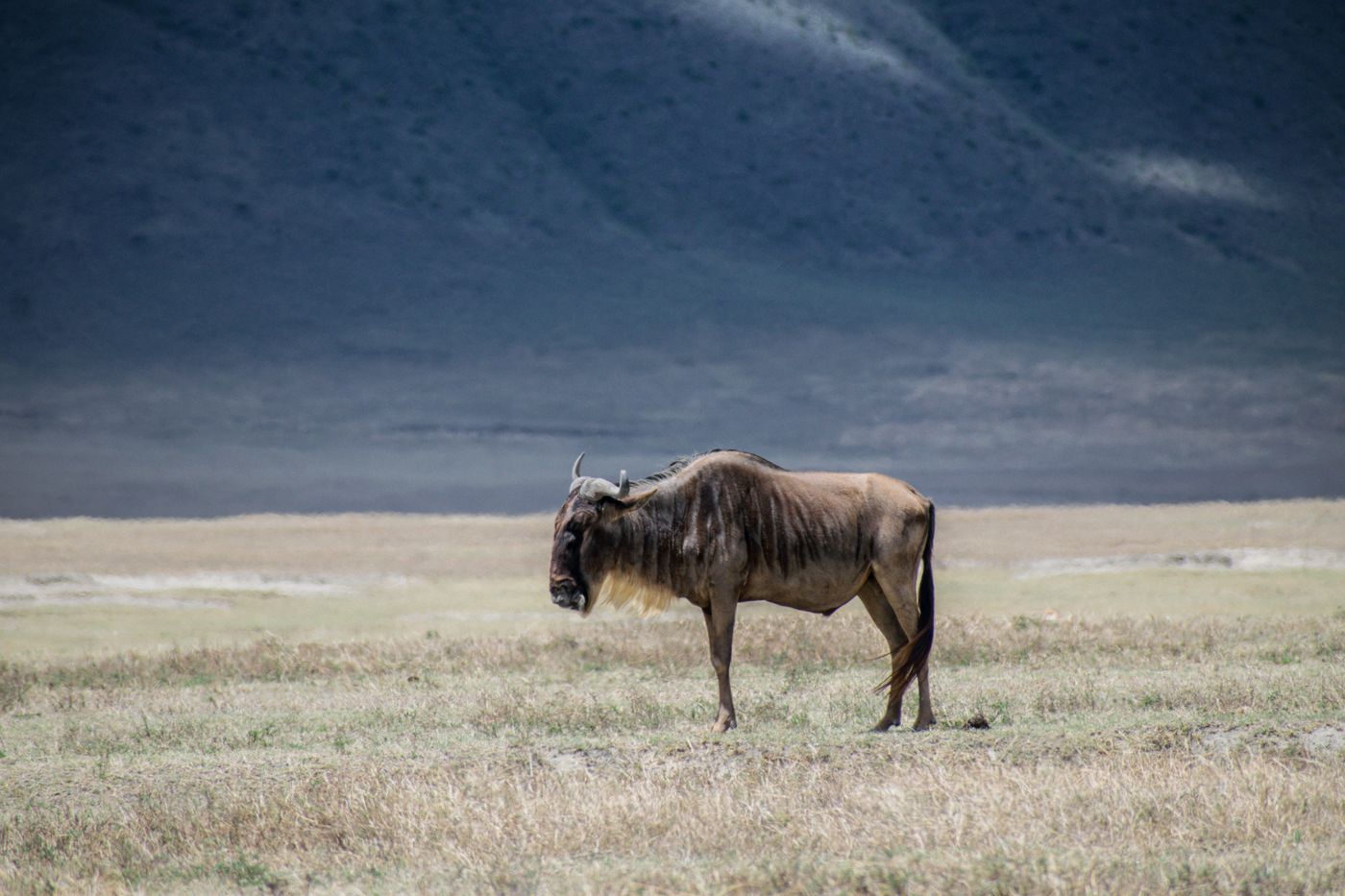
August is the headline month for East Africa, and you have a genuine choice of country. In Tanzania, the herds are in the northern Serengeti around Kogatende and Lamai, where the Mara River crossings are typically at their most reliable. In Kenya, the same herds have pushed across the border into the Maasai Mara, whose crossing points draw the classic crocodile-versus-wildebeest drama. Both are excellent in August; which you choose comes down to budget, camp availability and whether you prefer the Mara’s private conservancies or the Serengeti’s far-northern wilderness.
Two things worth knowing. First, crossings are unpredictable by nature: herds can build at the bank for hours or days, then cross in minutes or turn back. Patience and a good guide matter more than the exact date, position your camp in the far north and allow several days. Second, this is the busiest window of the year on both sides of the border, so the private conservancies bordering the Mara (Mara North, Naboisho, Olare Motorogi) are worth the premium for off-road access and fewer vehicles at a sighting. For the country-level detail, see our best time for a Tanzania safari and best time for a Kenya safari guides.
Where NOT to go this month in East Africa: the central Serengeti (Seronera) and the southern Ndutu plains, the herds have long since moved north, and you would be paying peak-season rates for the wrong part of the park. If crossings are your goal, insist on a camp in the far north near Kogatende or Lamai.
Southern Africa: prime game, fewer crowds
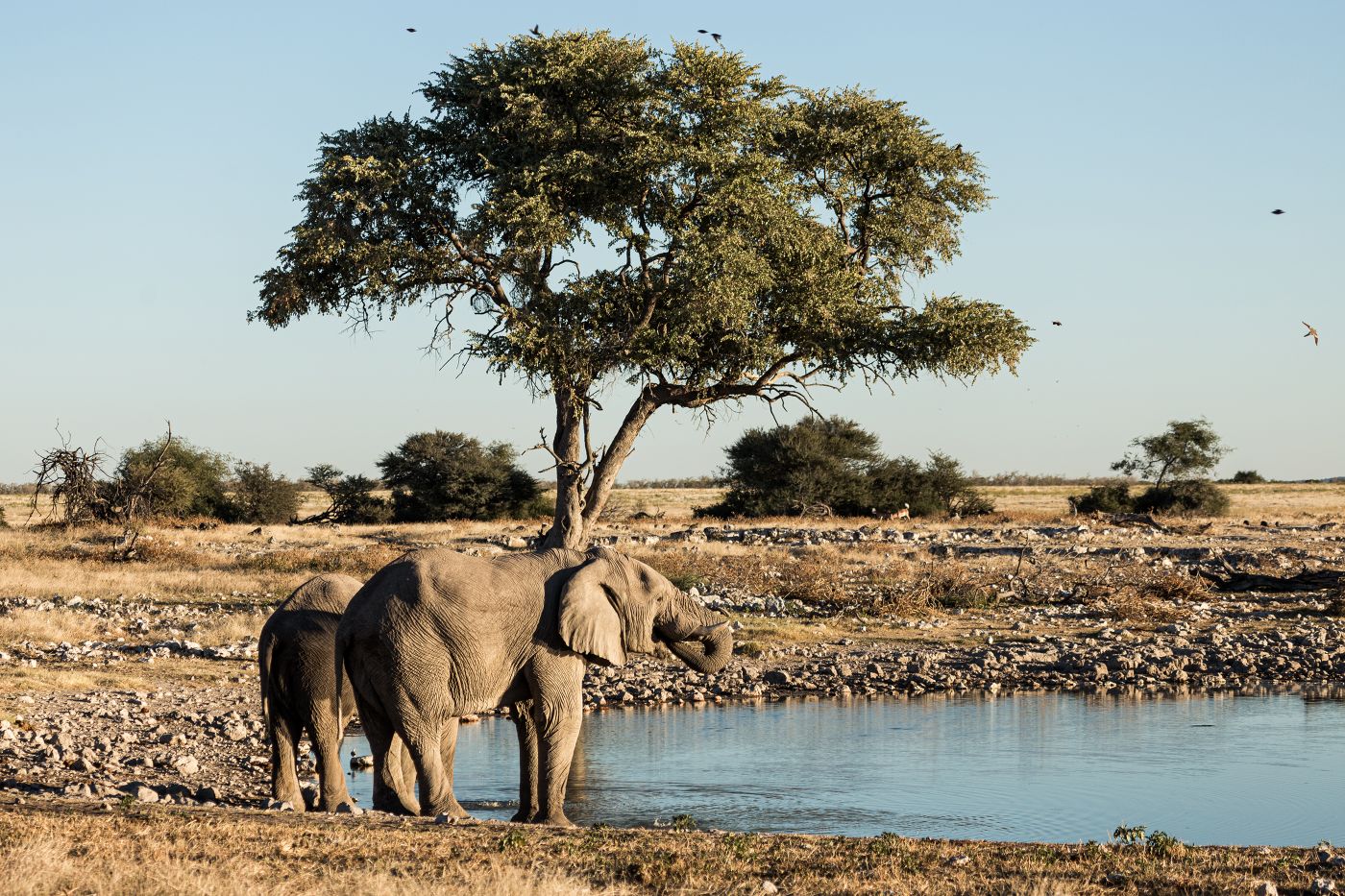
Here is the value-minded traveller’s secret: while the Mara fills up, Southern Africa is at its absolute prime in August and far quieter. The dry season has stripped the bush bare and driven animals to permanent water, so game viewing is superb across the board, often with better big-cat and general predator sightings than the migration circuit, minus the crowds.
- Botswana the Okavango Delta floodwaters are near their peak (they arrive months after the rains), so you can pair prime dry-season game drives with mokoro water safaris. Wild-dog denning season, too. See our best time for a Botswana safari.
- Zambia South Luangwa is excellent, and August is prime for the walking safaris Zambia invented. Our best time for a Zambia safari guide has the detail.
- South Africa the Sabi Sand beside Kruger delivers arguably the most reliable leopard viewing on earth, and the winter bush is thin and dry. See best time for a South Africa safari.
- Namibia Etosha’s waterholes concentrate elephant, lion and rhino in the dry heat, some of the easiest waterhole game viewing anywhere.
For a tailor-made Southern Africa itinerary, a Delta-and-Victoria-Falls loop, or a Cape-and-Sabi-Sand combination, Go2Africa is a strong specialist for the region. If you are still deciding between the migration and the south, our master best-time-to-go-on-safari calendar sets both in context.
Gorillas, whales and the Cape
August sits squarely in the drier June–September window for gorilla trekking in Rwanda’s Volcanoes NP and Uganda’s Bwindi, when the forest trails are firmer and the trek easier (Rwanda permit US$1,500; treks run year-round). It pairs naturally with an East African safari, see our best time for Rwanda gorilla trekking.
Down at the Cape, August is winter, cool and green, low season for beaches but the heart of the whale season. Hermanus offers some of the best land-based southern-right-whale watching in the world right now, an easy add-on to a Sabi Sand safari. Victoria Falls is past its full-flood peak but still impressive, with clearer views developing, a good add-on either side of a Botswana or Zambia trip. For Cape Town day tours, Hermanus whale trips or a Victoria Falls helicopter flight, GetYourGuide lists reliable operators you can book ahead.
August at a glance
Where to point yourself this month, honestly, including where not to bother.
| Destination | August conditions | Verdict |
|---|---|---|
| N Serengeti (Tanzania) | Peak Mara River crossings; dry, cool; very busy, peak rates. | Top pick for the crossing spectacle, book far-north camps early. |
| Maasai Mara (Kenya) | Herds now across the border; classic crossings; busiest month. | Equal-best for crossings; choose a private conservancy. |
| Botswana | Prime dry season; Delta floodwaters high; wild-dog denning. | Smart-money choice, prime game, water safaris, fewer crowds. |
| Zambia / South Luangwa | Excellent dry-season game; prime walking-safari conditions. | Superb value alternative for active, repeat safari-goers. |
| South Africa (Sabi Sand) | Thin winter bush; outstanding leopard; malaria-low. | Great all-rounder; pairs with Cape whale season. |
| Namibia (Etosha) | Dry heat; game packed onto waterholes; clear skies. | Easy waterhole viewing plus desert scenery. |
| Rwanda / Uganda gorillas | Drier window; firmer trails; permits in demand. | Excellent, book permits well ahead. |
| Central/S Serengeti & Ndutu | Herds gone north; you would pay peak rates for the wrong area. | Skip for the migration this month. |
What you’ll see
The August headline is the Mara River crossings: thousands of wildebeest massing on the banks then plunging across the crocodile-filled river, in the northern Serengeti and the Maasai Mara alike. Around them, the dry season concentrates everything, lion prides working the herds, cheetah on the plains, and the constant churn of zebra and gazelle that travel with the wildebeest. In the far north, resident elephant, giraffe and hippo fill out the days between crossings.
South of the equator, August delivers a different but equally rich picture: elephant and buffalo herds at shrinking waterholes, leopard in the Sabi Sand’s riverine bush, wild dog denning in Botswana, and the Okavango’s water channels alive with hippo and birdlife. If you want to set expectations park by park, our guide to the migration month by month tracks exactly where the herds sit through the year.
Weather & what to pack
August is deep dry season across both hemispheres of safari Africa: little to no rain, clear skies and dust. In the Serengeti and Mara, days are warm and pleasant while dawn game drives are genuinely cold. In Southern Africa’s winter, Botswana, Zambia, the Sabi Sand and Etosha, nights and early mornings can drop close to freezing before warming to comfortable afternoons. Pack in layers: a warm fleece or down layer and a beanie for morning drives, lighter neutrals for the day, and a windproof outer for open vehicles.
- Warm layers for cold dawn drives (fleece, beanie, gloves in the south).
- Neutral, breathable daywear, the sun is strong once it climbs.
- Sun hat, high-factor sunscreen and lip balm for the dry air.
- Binoculars and a longer lens, crossings and waterholes reward patience.
Cover for the field is non-negotiable. Safari means remote camps, light aircraft and bush clinics far from a hospital. Comprehensive travel-medical cover that includes emergency evacuation should be in place before you fly, SafetyWing is a straightforward option for travel-medical and evacuation cover while you are on safari.
Price & booking: the year’s peak
Be clear-eyed about cost: August is the most expensive month to go on safari, full stop. Peak-season rates apply across East Africa and Southern Africa alike, and the best camps, the far-northern Serengeti properties, the Maasai Mara conservancies, the premier Delta camps, sell out six to twelve months ahead. If your dates are fixed around August, book early or be flexible on which camp you land.
Park fees stack on top of lodging: the Serengeti runs about US$82.60 per adult per 24 hours including VAT in high season, and the Maasai Mara peak conservation fee is around US$200 per day in August (roughly double the low-season figure). Treat all of these as indicative 2026 benchmarks, excluding international flights, always get a live quote. Model the difference between a Mara crossing trip and a quieter southern itinerary in our luxury safari cost guide, with country detail in the Tanzania, Kenya and Botswana cost guides.
The value play: if you want prime August game viewing without Mara prices and crowds, book Botswana, Zambia or the Sabi Sand instead. The dry season there is every bit as good, and the smart money knows it.
Who August suits, and who should skip it
Go in August if you have your heart set on seeing a Great Migration river crossing; this is the peak, and no other month gives you the dual Tanzania-and-Kenya option. It also suits Southern Africa devotees who want the continent’s finest dry-season game viewing, gorilla trekkers wanting firm trails, and anyone combining a Cape whale-watching break with a Sabi Sand safari.
Skip August if budget or crowds are your priority and a crossing is not essential; you will pay the year’s highest rates on the migration circuit and share sightings with plenty of vehicles. Value-seekers should look at the green season, or at the June shoulder just before rates peak. If you can flex by a month either way, our guides to safari in July and safari in September cover the crossings at slightly lower intensity, September in particular keeps the Mara drama going as the crowds begin to thin.
Frequently asked questions
Where is the best place to go on safari in August?
For the spectacle, the best place is the Great Migration’s Mara River crossings, in Tanzania’s northern Serengeti (Kogatende and Lamai) or Kenya’s Maasai Mara, where the herds now straddle the border. For prime game viewing with far fewer crowds, head to Southern Africa: Botswana, Zambia, South Africa’s Sabi Sand and Namibia’s Etosha are all at the peak of their dry season.
Can I see the Great Migration river crossings in August?
Yes, August is the peak of the Mara River crossings, alongside September. The herds cross the Mara River in Tanzania’s northern Serengeti and Kenya’s Maasai Mara, so you can target crossings from either country. Crossings are unpredictable, so base your camp in the far north near Kogatende or Lamai (or a Mara conservancy) and allow several days.
Is August a good time for a Kenya safari?
August is one of the best times for a Kenya safari. The migration herds have crossed from Tanzania into the Maasai Mara, bringing the classic river crossings, and the dry season means excellent all-round game viewing. It is also the busiest and most expensive month, so book the Mara conservancies six to twelve months ahead.
Why is August the most expensive month for an African safari?
August combines peak dry-season game viewing across the continent with the Great Migration crossings, so demand for the best camps in the Serengeti, the Maasai Mara and Southern Africa is at its highest. Premium properties sell out six to twelve months ahead and charge peak rates. Booking early, or choosing a quieter Southern African destination, is the way to manage cost.
Where can I go on safari in August to avoid the crowds?
Head to Southern Africa. Botswana’s Okavango Delta, Zambia’s South Luangwa, South Africa’s Sabi Sand and Namibia’s Etosha are all at the peak of their dry season in August, delivering superb game viewing with a fraction of the migration crowds, and often better predator sightings. It is the smart-money alternative to the Mara.
Is August a good time for gorilla trekking?
Yes. August falls in the drier June-to-September window in Rwanda’s Volcanoes National Park and Uganda’s Bwindi, when the forest trails are firmer and the trek is easier. Trekking is possible year-round, but permits in this window are in high demand, book well ahead. Rwanda’s permit is US$1,500.
What is the weather like on safari in August?
August is deep dry season with little or no rain and clear skies. In the Serengeti and Maasai Mara, days are warm but dawn game drives are cold. In Southern Africa’s winter, Botswana, Zambia, the Sabi Sand and Etosha, early mornings can drop close to freezing before warming to comfortable afternoons. Pack warm layers for morning drives.