The Verdict Dossier · Luxury Safari Operators
Great Plains Conservation: The 2026 Review — Camps, Rates & Verdict
Great Plains Conservation is the safari brand where conservation is not a footnote but the founding premise. Built by National Geographic film-makers Dereck and Beverly Joubert, it runs a small, deliberately low-density collection of camps across Botswana, Kenya and Zimbabwe — Relais & Châteaux members almost to a property — and co-founded Rhinos Without Borders, the airlift that moved dozens of rhinos off South Africa's poaching frontline. Here is what that pedigree actually buys, camp by camp, with an honest case for and against and a compass to find your fit.
14
Camps & lodges
3
Countries
2006
Founded by the Jouberts
87
Rhinos airlifted to safety
$1.1–4.2k
Per person, per night
- The verdict, in two paragraphs
- The Camp Compass — find your Great Plains
- The regions, honestly compared
- Every camp, every rate — 2026 matrix
- How to book Great Plains (three routes)
- Compare Great Plains against another operator
- Straight answers to the questions readers ask
No operator ties luxury to conservation as tightly, or as credibly, as Great Plains — and the camps are among the lowest-density in Africa.
Great Plains was founded in 2006 by Dereck and Beverly Joubert, the National Geographic Explorers-in-Residence behind decades of big-cat and elephant films. The model is deliberately inverted: tourism exists to fund the protection of land and wildlife, not the other way round. The company holds vast private concessions — the Selinda Reserve alone runs to some 130,000 hectares — and keeps guest numbers low enough that a whole ecosystem can be all but yours for the drive.
The conservation record is structural, not decorative. Great Plains co-founded the Rhinos Without Borders coalition with andBeyond — an airlift that has moved 87 rhinos from South Africa's poaching hot-spots to safer ground in Botswana, where more than 60 calves have since been born. Most of its camps are Relais & Châteaux members, and the design register — Duba Plains, Zarafa, ol Donyo — is genuine 1920s-explorer romance rather than corporate polish.
It is expensive even by ultra-luxury standards, the footprint is small, and most camps are deep in the bush.
The low-density thesis has a price. Flagship suites such as Duba Plains and Zarafa run to roughly $4,000-plus per person per night in peak season — at the very top of the market, above much of Wilderness's Botswana range and rivalling Singita. This is not a value play; you are paying for exclusivity and the conservation levy built into every night.
The portfolio is also small and concentrated: 14 camps across three countries, with no South African bushveld, no Namibia and no Tanzania. If you want a single brand to run a pan-African, multi-country circuit at one standard, andBeyond or Wilderness cover more ground. And most Great Plains camps sit on remote private concessions reached only by light aircraft — wonderful for seclusion, less so if easy access or a first, gentle safari is the brief.
The Camp Compass — find your Great Plains
Fourteen camps across three countries is a manageable shortlist, but they pull in different directions — predator drama, water, design, big-cat plains, elephants under Kilimanjaro. Pick what matters most and the compass returns the best-fit Great Plains camp, with the indicative 2026 rate and one line on why.
What matters most on this safari?
Pick a trip priority above. The verdict, rate and the one camp that fits will appear here.
Great Plains's regions, honestly compared
The portfolio clusters into a handful of concessions across Botswana, Kenya and Zimbabwe, plus the conservation work that underpins all of them. Each does one thing better than the others. This is the honest breakdown of which is which.
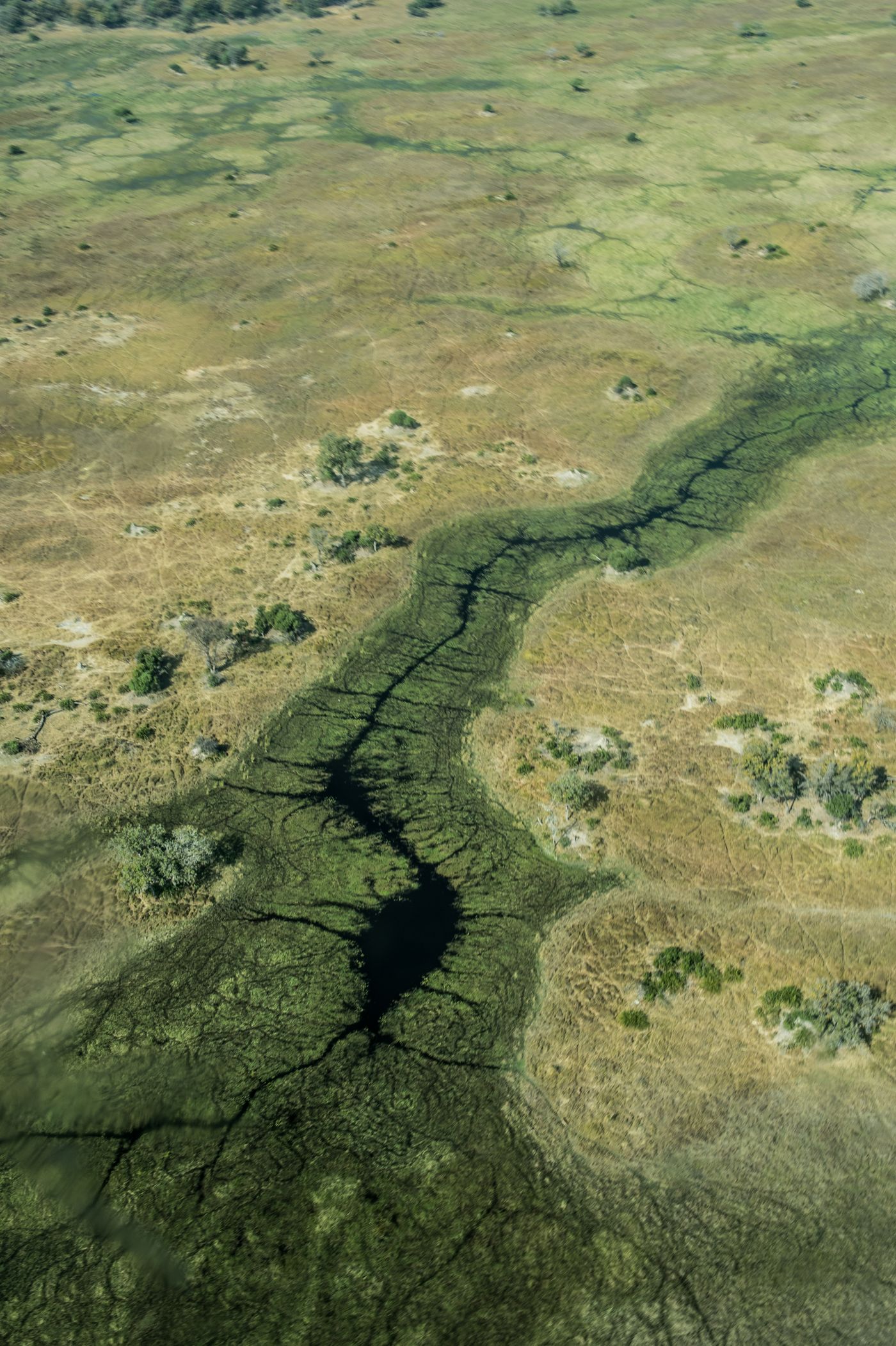
Selinda & the Okavango
Botswana · Selinda Reserve & Okavango concessions
This is the heart of the portfolio. The private Selinda Reserve — roughly 130,000 hectares linking the Okavango with the Linyanti — holds Selinda Camp (three intimate suites with private pools), the adventurous Selinda Explorers Camp on the spillway, and the design flagship Zarafa. In the Okavango proper sit Sitatunga Private Island and Okavango Explorers Camp. Water levels dictate the safari: boating and mokoro when the spillway floods, big walking and vehicle country when it recedes.
Best for
A low-density Botswana safari with genuine range — water and walking on one enormous private reserve, from adventurous (Selinda Explorers) to the top of the market (Zarafa).
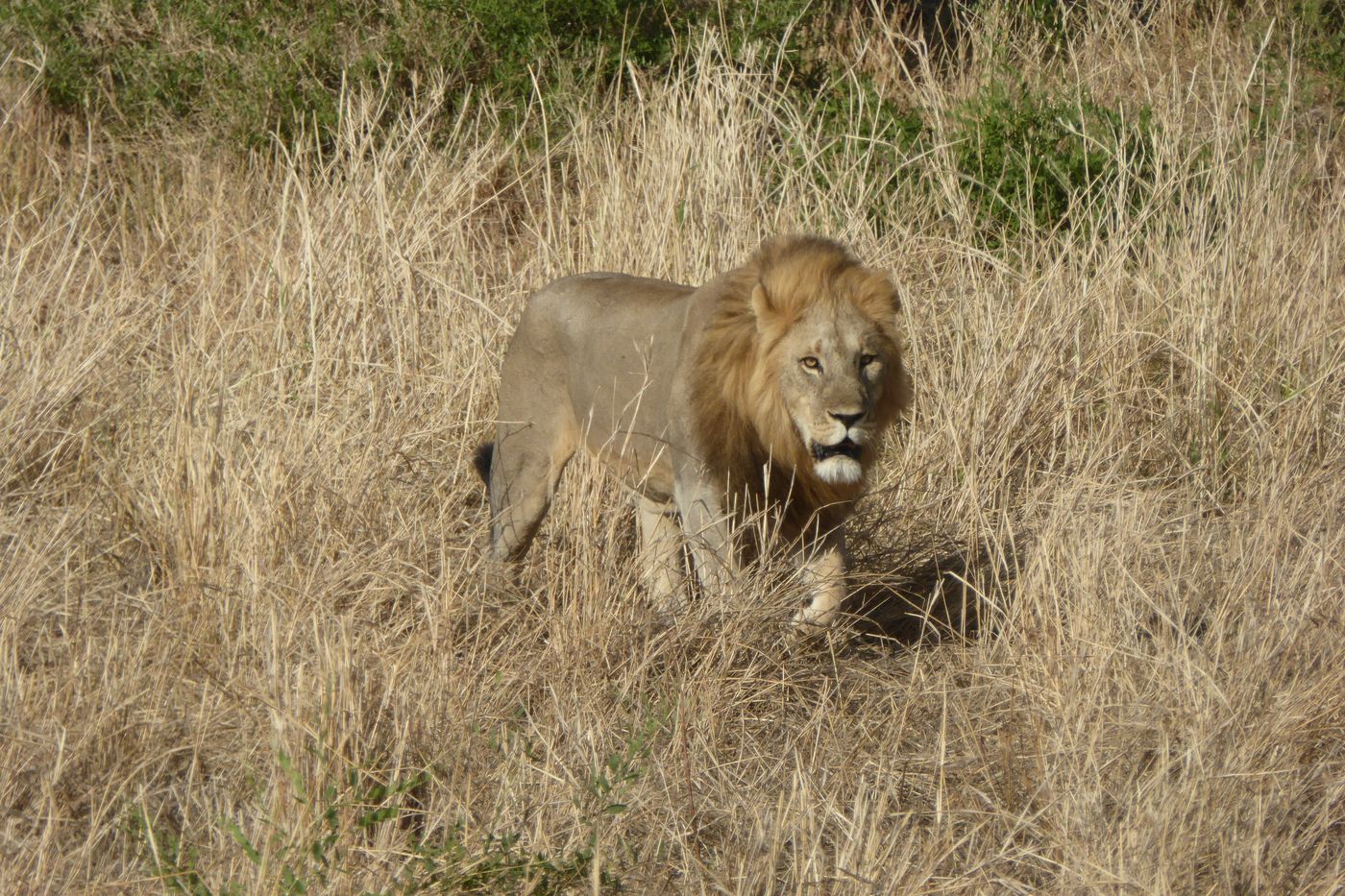
Duba Plains
Botswana · Duba concession, Okavango Delta
The Jouberts' own filming ground and, for many, the most cinematic wildlife on the Great Plains map. The Duba concession is a matrix of palm-dotted islands and flooded plains where large lion prides and buffalo herds play out the predator–prey drama the Jouberts documented for National Geographic. Duba Plains Camp offers five suites with private pools in a restored 1920s-safari style; the lower-priced Duba Explorers Camp runs five classic tents on the same land.
Best for
Predator-led game viewing in water-rich Okavango country. Duba Plains for the full flagship; Duba Explorers for the same wildlife at a lower entry price.
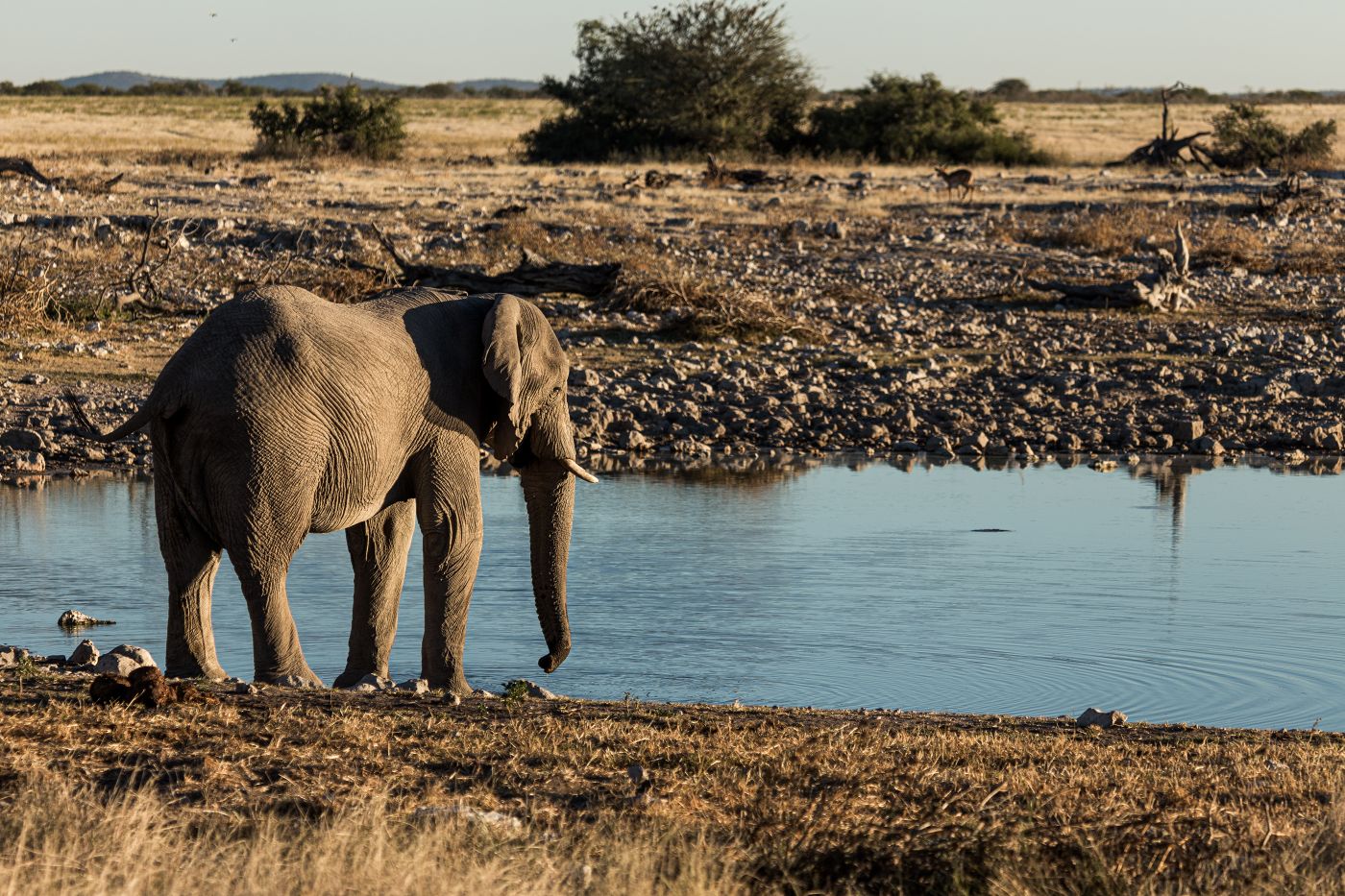
The Mara & the Chyulu Hills
Kenya · Mara conservancies & Chyulu Hills
Great Plains has one of the strongest camp clusters in the private conservancies bordering the Maasai Mara — quieter, lower-vehicle-density land than the national reserve. Mara Plains Camp (seven tents on the Olare Motorogi Conservancy) and the smaller Mara Nyika and Mara Toto Tree Camp deliver front-row big-cat and migration viewing. Away to the south-east, ol Donyo Lodge sits on the vast Mbirikani Group Ranch in the Chyulu Hills, with elephants against a Kilimanjaro backdrop, horseback and mountain-bike safaris.
Best for
Kenya on private conservancy land — big cats and the migration edge from the Mara camps; elephants, riding and Kilimanjaro views from ol Donyo.
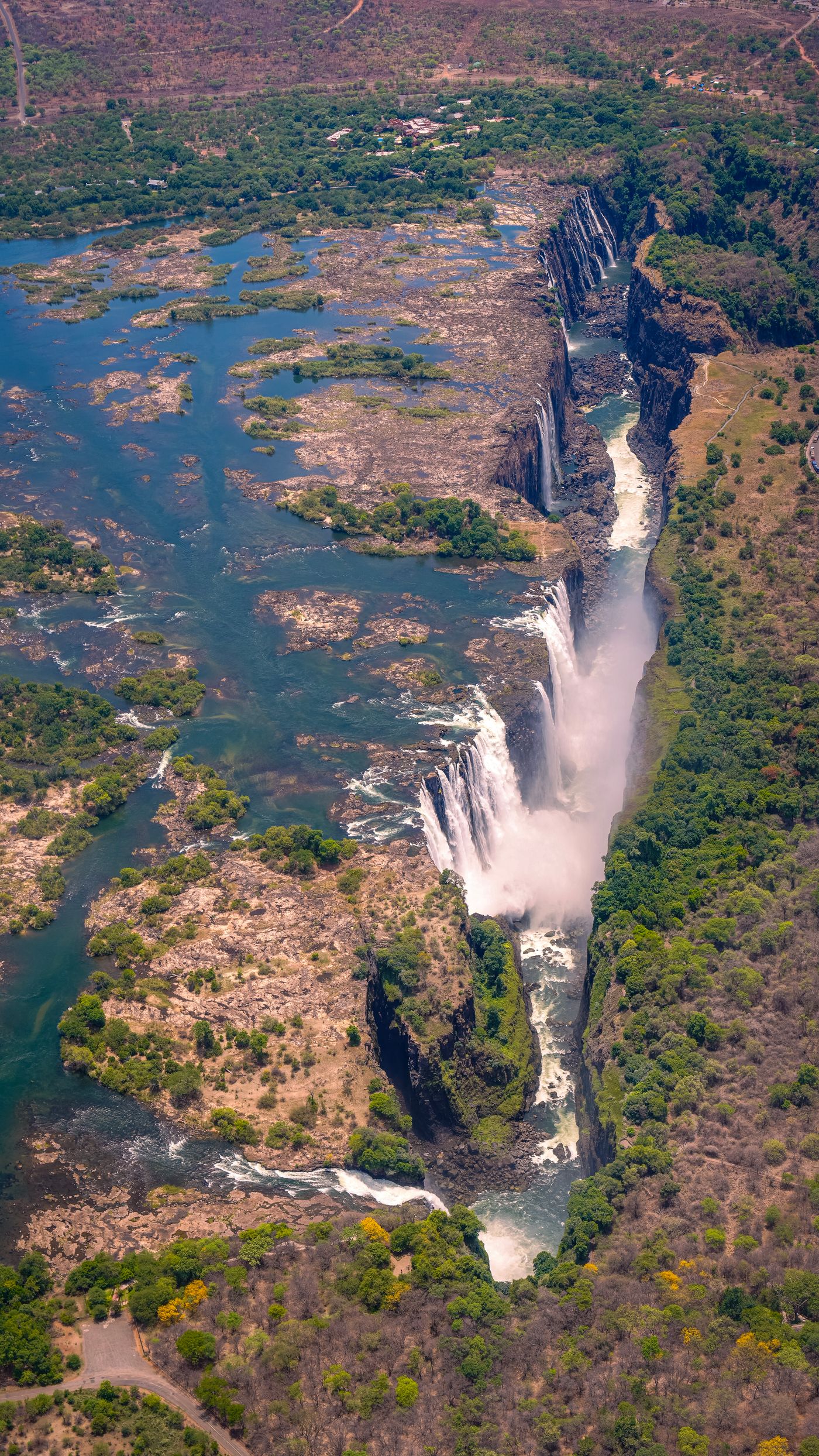
The Zambezi
Zimbabwe · Sapi Reserve & Victoria Falls
Two very different river camps. Tembo Plains Camp sits in the remote Sapi Reserve — a former hunting concession bordering Mana Pools that Great Plains has rewilded — four tents plus a family suite fronting the Zambezi, with big elephant and predator country and walking, boating and canoe safaris. Mpala Jena Camp is the more accessible option: four rebuilt tents on a private Zambezi frontage inside Zambezi National Park, a short transfer from Victoria Falls, ideal as a start or finish to a Botswana circuit.
Best for
Pairing the Zambezi with a Botswana safari. Tembo Plains for wild, remote rewilded bush; Mpala Jena for river and the Falls within easy reach.
Conservation & the Joubert story
Across the portfolio · The founding premise
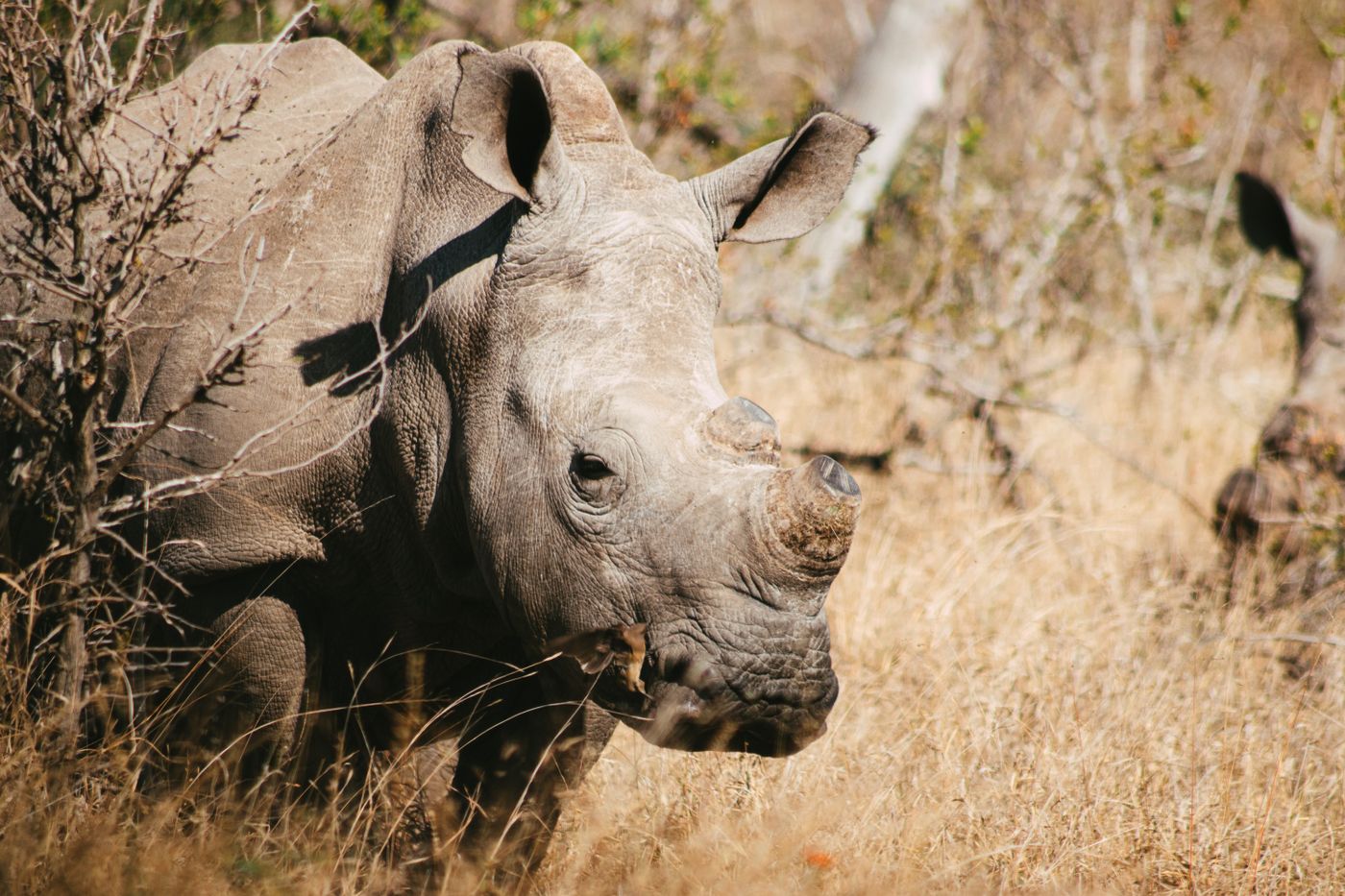
This is what separates Great Plains from a conventional luxury operator. Every camp funds the protection of the land it sits on, through the non-profit Great Plains Foundation. Its most visible project, Rhinos Without Borders — co-founded with andBeyond — has translocated 87 rhinos from South Africa's poaching hot-spots to Botswana, where more than 60 calves have since been born. Dereck and Beverly Joubert's decades of National Geographic film-making are not a marketing veneer here; they are the reason the company exists.
Best for
Travellers for whom the impact of the trip matters as much as the wildlife — where the premium paid is, demonstrably, funding protection on the ground.
Exclusive-use & family
Botswana & Kenya · Private suites and whole-camp buyouts
Because the camps are already tiny, Great Plains does exclusive-use unusually well. Several properties carry a private two-bedroom suite with its own vehicle, guide, chef and pool — the Duba Plains Suite and the Zarafa Dhow Suite in Botswana, the Jahazi Suite at Mara Plains and the Zanji Suite at Tembo Plains — while Sitatunga Private Island can be taken as a whole-island buyout in the Okavango. ol Donyo Lodge, with its family suite, horseback riding and low malaria risk relative to the Delta, is the strongest single choice for multi-generational groups. For any of these, a whole-camp charter of a five-tent property is often only a small step beyond booking the suites individually.
Best for
Families and private groups wanting a camp — or an island — to themselves, with a dedicated guide, vehicle and chef and no other guests in sight.
Every Great Plains camp, indicative 2026 rates
Rates below are per person per night sharing, fully inclusive of accommodation, meals, most drinks (champagne aside), laundry, scheduled activities, conservation and park fees and return airstrip transfers. Great Plains prices strongly by season and does not publish a single fixed card, so treat every figure as an indicative 2026 range, not a quote. Duba Plains and Zarafa are anchored to published 2026 figures; the rest are scaled from Great Plains's own net rates and should be confirmed at booking.
| Camp | Country · Reserve | Tents / suites | 2026 rate (pp/night) | Notes |
|---|---|---|---|---|
| Duba Plains Camp | Botswana · Duba, Okavango | 5 suites | ~$2,300–4,225 | Joubert flagship; private pools; famed lion–buffalo action |
| Duba Explorers Camp | Botswana · Duba, Okavango | 5 tents | ~$1,300–2,400 | Classic tented; same land at a lower entry price |
| Selinda Camp | Botswana · Selinda Reserve | 3 suites | ~$2,300–4,000 | Intimate; private pools; elephant-rich spillway |
| Selinda Explorers Camp | Botswana · Selinda Reserve | 3 tents + family | ~$1,150–2,100 | Adventurous; walking, canoeing the spillway |
| Zarafa Camp | Botswana · Selinda Reserve | 4 suites | ~$2,070–4,225 | Design flagship; private pools; Dhow Suite option |
| Sitatunga Private Island | Botswana · Okavango Delta | Private island | Enquire | Whole-island exclusive-use; opened 2023 |
| Okavango Explorers Camp | Botswana · Okavango Delta | Tented | Enquire | Newer explorer-style water camp |
| Mara Plains Camp | Kenya · Olare Motorogi Conservancy | 7 tents | ~$1,500–2,900 | Big-cat plains; Jahazi exclusive-use suite |
| Mara Nyika Camp | Kenya · Naboisho Conservancy | 5 tents (14 guests) | ~$1,400–2,700 | Intimate; woodland setting; family tent |
| Mara Toto Tree Camp | Kenya · Maasai Mara (Mara North) | 4 tents | ~$1,200–2,200 | Small, elevated tree-camp on the Ntiakitiak |
| Mara Expedition Camp | Kenya · Olare Motorogi Conservancy | 5 tents (14 guests) | ~$1,300–2,400 | Explorer-style; two-bedroom family tent |
| ol Donyo Lodge | Kenya · Chyulu Hills (Mbirikani) | 8 suites + family | ~$1,300–2,600 | Elephants under Kilimanjaro; horseback & biking |
| Tembo Plains Camp | Zimbabwe · Sapi Reserve | 4 tents + family | ~$1,600–2,900 | Rewilded reserve bordering Mana Pools; Zambezi frontage |
| Mpala Jena Camp | Zimbabwe · Zambezi NP, Victoria Falls | 4 tents | ~$1,400–2,600 | Rebuilt; private Zambezi frontage near the Falls |
Figures are indicative 2026 per-person-per-night ranges, sharing (double occupancy), rounded. Inclusions cover accommodation, meals, most drinks (champagne excluded), laundry, scheduled game activities, conservation and park fees and return airstrip transfers. Regional and international flights, gratuities, premium wines and certain permits may be additional. Exclusive-use suites and Sitatunga Private Island are priced on request. Only Duba Plains and Zarafa are anchored to published 2026 figures; the rest are scaled from Great Plains's own net rates and should be verified at time of booking.
Live Great Plains inventory
Great Plains trips, priced right now
Real per-person prices from the current catalogue, updated regularly. Filter and enquire on any itinerary — or scroll on for the three ways to book.
How to actually book Great Plains — three routes, honestly compared
Great Plains sells through specialists and preferred partners rather than direct walk-in booking. Three routes work depending on how much planning support and how many quotes you want.
Route 1 · Tailored specialist quote
Safari.com
Best for readers who want a curated Great Plains quote quickly. Safari.com works across the Botswana, Kenya and Zimbabwe camps and can pair a Duba or Selinda leg with a Zambezi or Mara finish for a full circuit, without you contacting each camp yourself.
Request a Great Plains quote via Safari.comRoute 2 · Bespoke planner
Go2Africa
The most comprehensive bespoke route. Go2Africa's consultants design multi-camp, multi-country Great Plains itineraries — the trips where combining Botswana water, Kenyan plains and the Zambezi pays off — and hold direct relationships with the reservations teams. Best for first-time bookers who want a human building the route.
Design a Great Plains trip with Go2AfricaRoute 3 · Self-serve comparison
BookAllSafaris
Best for readers still shortlisting — comparing Great Plains's camps against other operators in the same region before requesting a quote. Self-serve, with the broadest comparison field across Botswana, Kenya and Zimbabwe.
Compare Great Plains on BookAllSafarisNot sure Great Plains is the fit? Compare against another operator.
The other luxury safari operators we have reviewed in depth.
Singita
18 lodges, exclusive-use concessions. The most direct rival on ultra-premium positioning.
Read the Singita review →andBeyond
29 lodges across three continents. Great Plains's Rhinos Without Borders partner; far broader footprint.
Read the andBeyond review →Wilderness
60+ camps. The deepest Botswana footprint; small, remote, low-impact camps.
Read the Wilderness review →Natural Selection
Conservation-led Botswana & Namibia; characterful, lower-density camps at gentler prices.
Read the Natural Selection review →African Bush Camps
Community-rooted. Deepest Zimbabwe portfolio at luxury tier.
Read the African Bush Camps review →Sanctuary Retreats
A&K-owned. Chief's Camp Okavango + Nile cruise fleet.
Read the Sanctuary Retreats review →Asilia Africa
East Africa specialist; strong value-to-luxury ratio in Tanzania and Kenya.
Read the Asilia Africa review →Straight answers to the questions readers ask
Is Great Plains Conservation worth it, and how does it compare to Singita?
For a low-density, conservation-first safari with genuine design romance, yes — Great Plains is one of the most distinctive operators in Africa. Versus Singita, the two sit at a similar ultra-premium price point, but they differ in character: Singita is the more polished, architecturally ambitious brand with lodges across five countries, while Great Plains is smaller, more explorer-styled, and built explicitly around the Jouberts' conservation mission. If impact and low guest density matter most, Great Plains has the edge; if you want the broadest choice of flagship lodges, Singita does.
Who founded Great Plains Conservation, and is the conservation model genuine?
Great Plains was founded in 2006 by Dereck and Beverly Joubert, National Geographic Explorers-in-Residence and film-makers who spent decades documenting Africa's big cats and elephants. The model is genuine and structural: tourism revenue funds the protection of large private concessions, and the non-profit Great Plains Foundation runs anti-poaching, community and rewilding work. It is one of the few operators where conservation is the founding premise rather than a marketing layer added later.
Which Great Plains camp is best for big-cat and predator viewing?
Duba Plains, in the Okavango's Duba concession, is the standout. It is the Jouberts' own filming ground, famous for large lion prides hunting buffalo across flooded plains — the drama they documented for National Geographic. Duba Plains Camp offers five suites with private pools; the lower-priced Duba Explorers Camp gives you the same wildlife and land in a classic five-tent format. In Kenya, Mara Plains on the Olare Motorogi Conservancy is the equivalent big-cat choice.
What is Rhinos Without Borders, and did it really move rhinos?
Yes. Rhinos Without Borders is a coalition Great Plains co-founded with andBeyond to move rhinos away from South Africa's poaching hot-spots to safer ground in Botswana. To date it has translocated 87 rhinos, and more than 60 calves have since been born in Botswana — a measurable conservation outcome rather than a slogan. The original public goal was to move 100 animals; the airlift has been carried out in stages by air and road.
How much does a Great Plains safari cost, and what is included?
Indicative 2026 rates run from roughly $1,150 per person per night at the explorer-style camps to around $4,200 at peak season in the flagship suites such as Duba Plains and Zarafa. Rates are fully inclusive of accommodation, all meals, most drinks (champagne aside), laundry, scheduled game activities, conservation and park fees and return airstrip transfers. Regional and international flights, gratuities, premium wines and certain permits are generally additional, and exclusive-use suites are priced on request.
Which countries and camps does Great Plains operate in?
Three countries. In Botswana it runs Duba Plains and Duba Explorers in the Okavango, and Selinda, Selinda Explorers, Zarafa, Sitatunga Private Island and Okavango Explorers on and around the Selinda Reserve. In Kenya it has Mara Plains, Mara Nyika, Mara Toto Tree Camp and Mara Expedition Camp in the Mara conservancies, plus ol Donyo Lodge in the Chyulu Hills. In Zimbabwe it operates Tembo Plains in the Sapi Reserve and Mpala Jena near Victoria Falls. There is no South African, Namibian or Tanzanian property.
Is Great Plains good for families and exclusive-use groups?
Very. Because the camps are already tiny, whole-camp and private-suite buyouts are a natural fit. Several properties carry a private two-bedroom suite with its own vehicle, guide and chef — the Duba Plains Suite, Zarafa Dhow Suite, Mara Plains Jahazi Suite and Tembo Plains Zanji Suite — and Sitatunga Private Island can be taken as a whole-island buyout. ol Donyo Lodge, with a family suite, horseback riding and lower malaria risk than the Delta, is the single strongest choice for multi-generational groups.
When should I go, and how far in advance should I book?
For Botswana's Okavango and Selinda, the dry season from roughly June to October is prime for game and water levels; Kenya's Mara peaks with the migration between July and October. Because the camps are so small — several with only three to five tents — they book out early, so nine to fifteen months ahead is sensible for peak dates, and exclusive-use suites earlier still. Green-season stays (roughly November to April) are quieter and come at lower rates.
Read next
Disclosure. Uncompromised Travel earns affiliate commissions on qualifying bookings made through Safari.com, Go2Africa and BookAllSafaris links on this page. Editorial verdicts, region breakdowns and honest comparisons are not influenced by commission structure. Rates cited are indicative 2026 ranges and were compiled at time of publication; always confirm at time of booking. Great Plains Conservation is not a paid partner and has no editorial input on this page.