Where to Go on Safari in March (2026)
By Richard Jasinski·Updated 22 July 2026
March is the safari calendar’s quiet-value month. Come early in the month for the tail of the Serengeti calving on the southern plains; otherwise the standout pick is Southern Africa, Botswana, Zambia, South Africa, in the last flush of the lush, low-priced green season, before dry-season peak rates land.
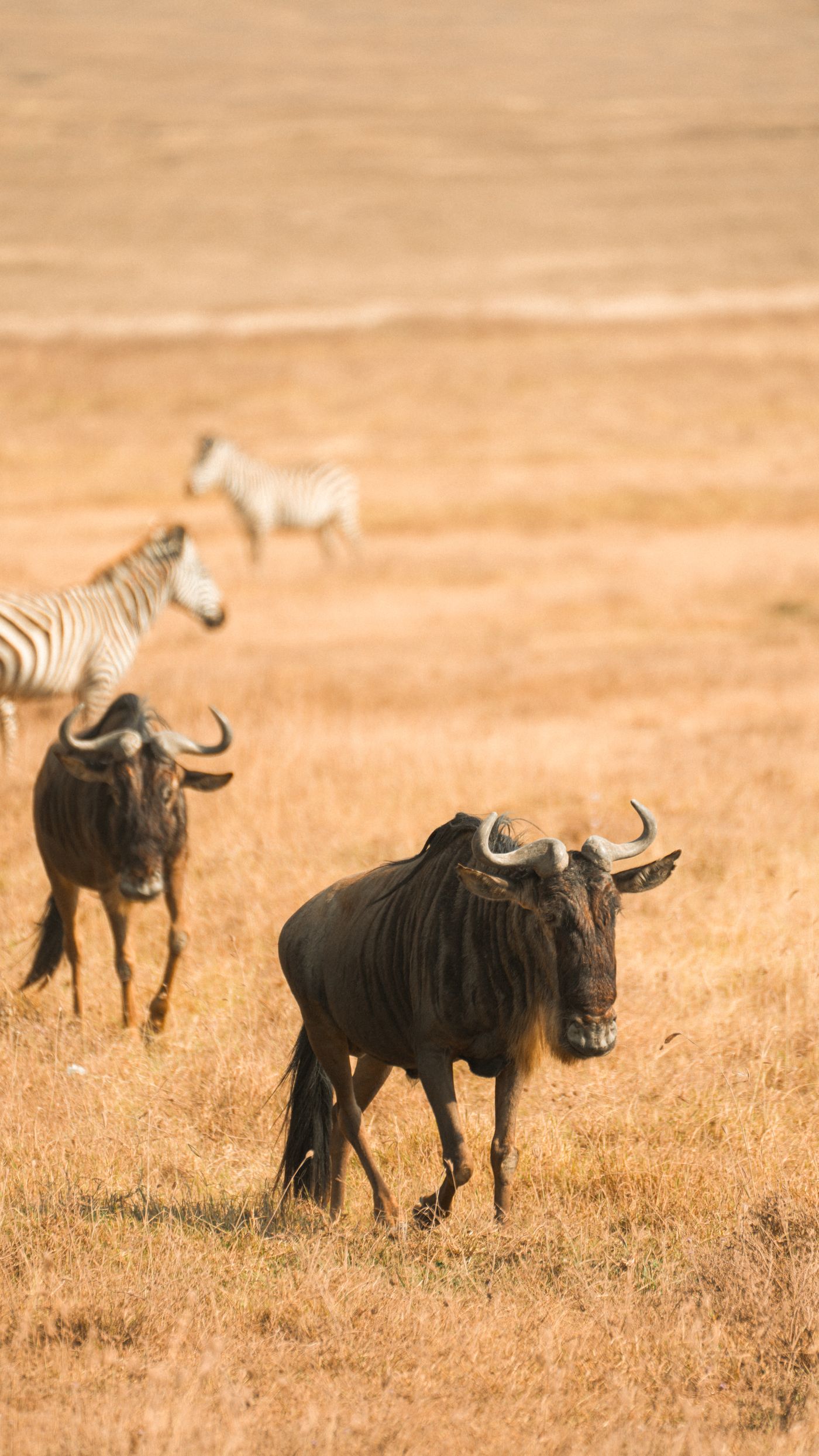
- Best region this month
- Southern Africa green season (value)
- Migration position
- S Serengeti / Ndutu, drifting NW
- Season & weather
- Green; E Africa heat building, long rains late month
- Price level
- Low–mid, a value month
- Standout experience
- Late calving + emerald-season birding
- Skip this month if…
- You need guaranteed river crossings (Jul–Oct)
The quick answer
March is a transitional, shoulder-into-low month, and that is exactly why it rewards a certain traveller. Across the board it is one of the quieter, better-priced windows before the April–May low and the June–October peak, so if you want green landscapes, few vehicles and honest value, this is your month.
Two picks stand out. For the Great Migration, travel in early March, while the wildebeest are still calving on the southern Serengeti’s short-grass plains before they begin drifting north-west, the predator action is still intense. For the best all-round value, look south: Botswana, Zambia, South Africa and Namibia are in the tail of their green (emerald) season, lush and alive with newborn game and migratory birds, at prices well below the dry-season peak. You can line up either against real operator availability on BookAllSafaris before you fix dates.
Where not to build a trip around March: the northern-Serengeti and Maasai Mara river crossings (those are July to October), and any itinerary that depends on the thinnest dry-season bush. For week-by-week herd positions, our Great Migration month-by-month tracker sits underneath this seasonal decision layer.
March on the year strip
The strip below plots relative price across the twelve months and flags where each month sends you. March sits low on the price axis, a genuine value month, while still offering green landscapes and the last of the calving.
East Africa in March
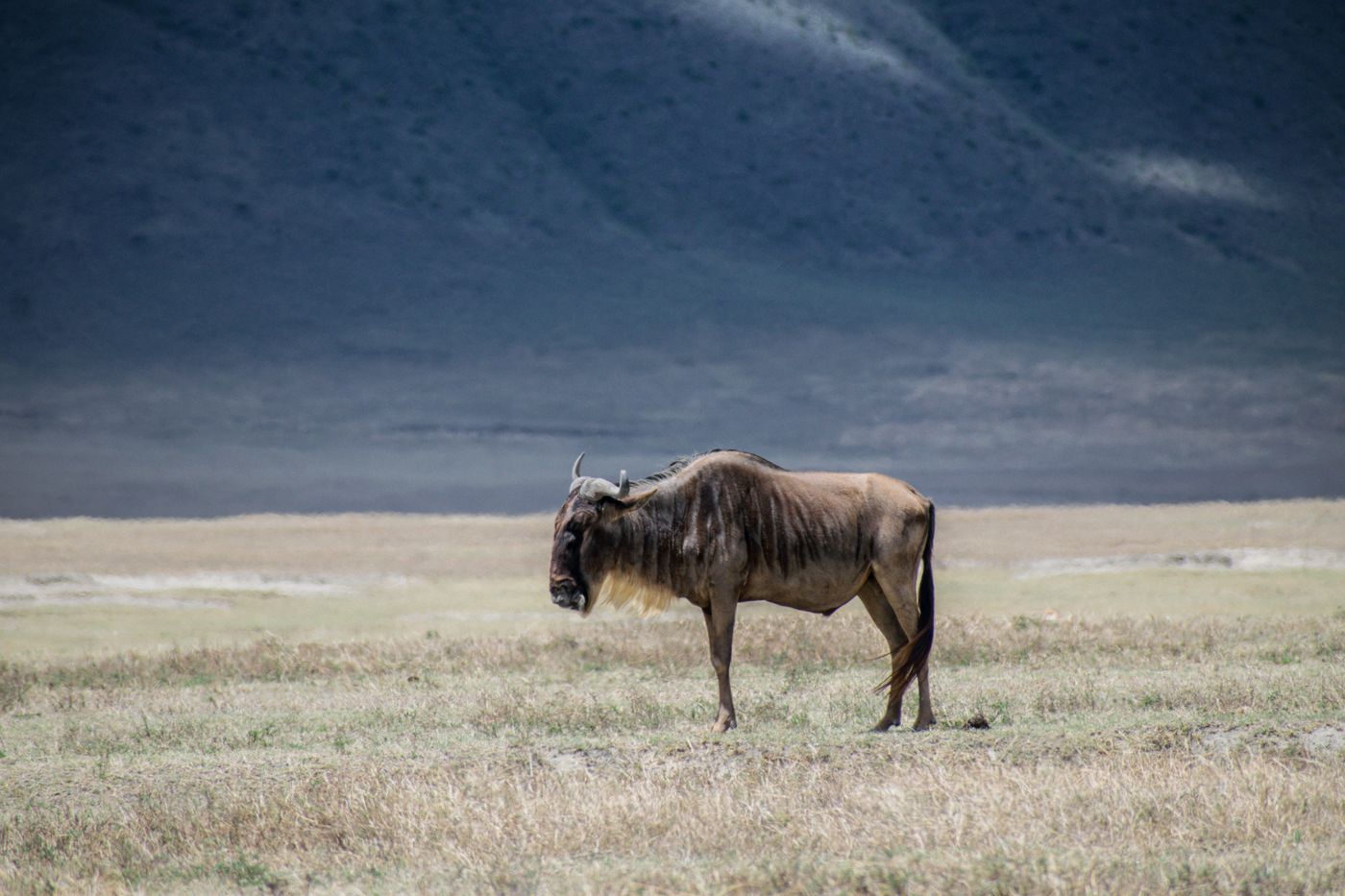
Tanzania, still good, but time it early. The calving that peaks in February winds down through March. In the first half of the month the wildebeest are still massed on the mineral-rich short-grass plains of the southern Serengeti and Ndutu, with lion, cheetah and hyena still working the newborns, excellent, and far quieter than the July–October crush. By the second half, the herds begin drifting north-west and the plains empty; heat builds and the long rains approach late in the month. If the migration is your reason to travel, book the early-March mobile camps that are still positioned south.
Kenya, green and quiet, no crossings. The Maasai Mara and the wider Kenyan circuit are in a low-key green spell: resident game is present, the landscape is lush and rates are soft, but there is no migration drama, the herds are in Tanzania. It is a pleasant, uncrowded month rather than a headline one; see our Kenya best-time calendar for the fuller picture. The Ngorongoro Crater, as ever, holds resident game in any month and is the surest first-timer bet if you travel now.
Southern Africa in March
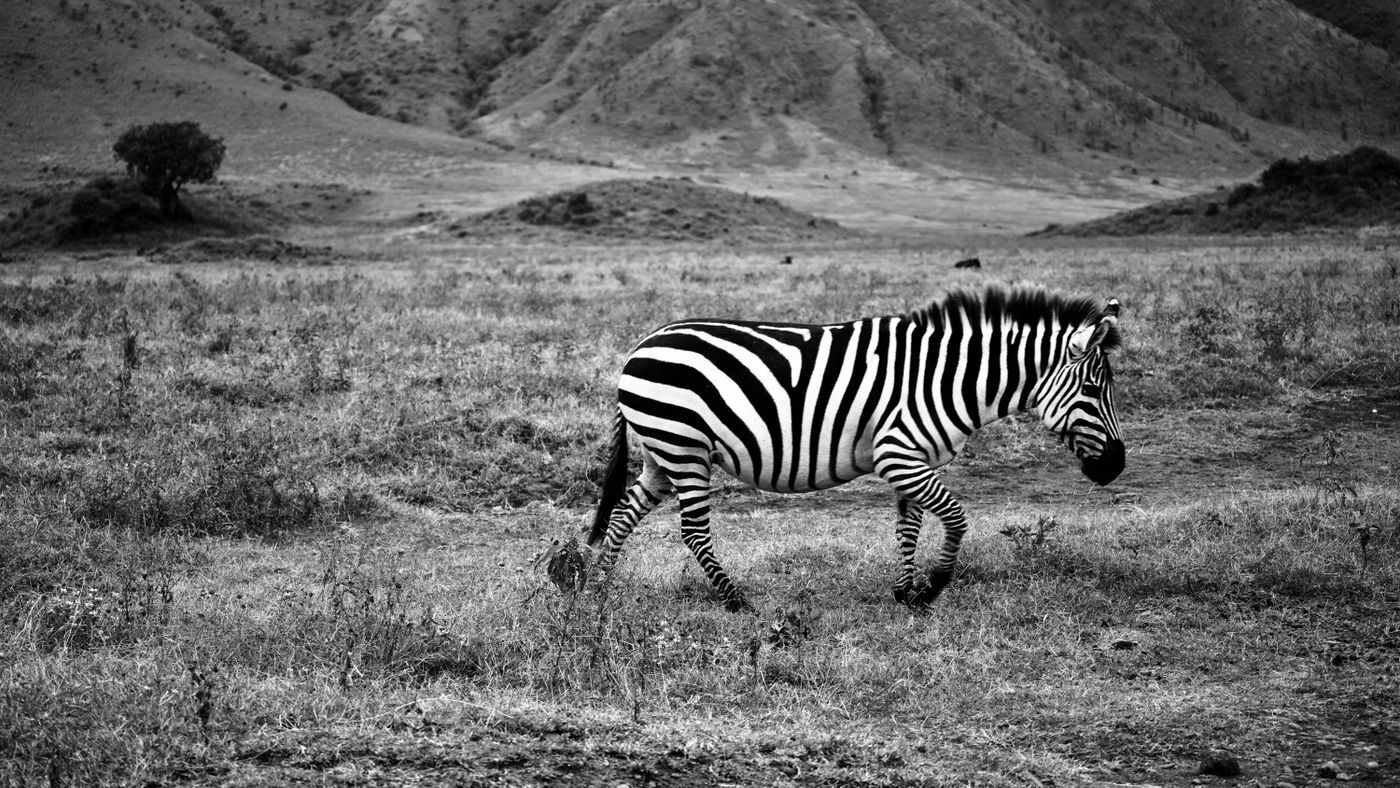
This is where March earns its keep. Botswana, Zambia, Zimbabwe, South Africa and Namibia are in the tail of their green (emerald) season lush, dramatic under big skies, superb for birding, and priced for value before the dry season begins in May. You trade the thin winter bush and animals-at-water concentration of August for lower rates, near-empty camps and landscapes at their most beautiful.
Botswana & Zambia. The Okavango is green and birding is at its best; note that some remote camps in Zambia’s South Luangwa close or run limited access in the wettest green-season weeks, and some roads are tricky, a specialist will steer you to the camps that stay open. This is a good month to plan a tailor-made trip through Go2Africa, who know the green-season logistics well. The Okavango’s famous floodwaters do not peak until June–August, so March is about green landscapes and birds, not high-water mokoro trips.
South Africa. Kruger and the Sabi Sand are warm and green with strong general game viewing, and they pair beautifully with Cape Town, which is easing out of its summer peak into a lovely early autumn, still warm, the vineyards in harvest. It is arguably the best-value luxury combination on the continent this month; our South Africa best-time guide and Botswana calendar go deeper on each.
Gorillas, the Cape & add-ons
Gorilla trekking. March sits at the end of the drier trekking window and the start of the wetter one, trails in Rwanda’s Volcanoes National Park and Uganda’s Bwindi get muddier as the month goes on. Trekking is possible year-round and the trade-off is fewer crowds; the Rwanda permit remains US$1,500. See our Rwanda gorilla-trekking timing guide before you commit.
Namibia is green after the rains, the Namib flushes with life and migratory birds arrive, but Etosha’s waterhole game viewing is tougher than in the dry months; go for scenery now, game later. And if you are pairing a Cape Town leg with your safari, March is a fine time for winelands and coast; you can pre-book the better tours and tastings on GetYourGuide so the marquee experiences are locked before you fly.
Where to go in March: compared
Six options, honestly rated for this specific month.
| Destination | March conditions | Verdict |
|---|---|---|
| Southern Serengeti (Tanzania) | Late calving on the short-grass plains early in the month; herds drift NW later; warm, short showers. | Top migration pick, but go in early March. |
| Botswana & Zambia | Tail of the green season, lush, superb birding, low rates; some remote camps closed, roads soft. | Best value; ideal for birders and returnees. |
| South Africa (Kruger & Sabi Sand) | Warm, green, reliable general game; pairs with a Cape Town early-autumn leg. | Excellent all-rounder and value combo. |
| Kenya (Maasai Mara) | Green and quiet, resident game only, the migration herds are in Tanzania. | Pleasant, uncrowded; not this month’s star. |
| Namibia | Green Namib and migratory birds; Etosha waterhole game harder to spot. | Go for scenery; skip for concentrated game. |
| Rwanda gorillas | End of the drier trekking window; wetter, muddier trails coming; fewer crowds. | Doable year-round; quieter, but pack for rain. |
What you’ll see this month
In East Africa, the migration story in March is the tail of the calving: in the first half of the month, thousands of wildebeest calves are still on the southern Serengeti and Ndutu, with predators in close attendance; by month’s end the herds are strung out and heading north-west toward the Grumeti. Resident plains game, zebra, giraffe, elephant, big cats, is present throughout, and the Ngorongoro Crater delivers reliable Big Five sightings regardless of the herds.
In Southern Africa, the green season means newborn plains game, fat predators and outstanding birdlife, including the migratory species that only visit in the wet months. Landscapes are emerald and the light is dramatic, the reason photographers rate the green season so highly. The trade-off, everywhere, is denser bush and more dispersed animals than the dry-season waterhole spectacle of August to October.
Weather & what to pack
Expect warm days and short, heavy afternoon showers in both East and Southern Africa, classic green-season weather that clears quickly and rarely wrecks a game drive. East Africa’s long rains build toward the end of March, so later in the month you should plan for wetter conditions. Pack breathable layers, a light waterproof, insect repellent and a dust-and-rain cover for camera gear; mornings on high ground such as the Ngorongoro rim and the Rwandan volcanoes are genuinely cold, so bring a fleece.
Travelling as the rains build? Green-season roads and light-aircraft schedules can shift, and remote bush clinics are the norm, comprehensive cover that includes medical evacuation is non-negotiable on any safari. SafetyWing is a straightforward option for travel-medical and evacuation cover in the field. If a wet-season connection is delayed or cancelled on the way in, AirHelp can pursue any compensation you are owed.
Price & booking
March is a low-to-mid, value month. Outside the February calving premium, East African green-season rates run well below the June–October peak, and Southern Africa’s emerald season is among the cheapest quality safari you can buy, often a fraction of dry-season lodge rates for the same camp. It is one of the best months of the year for travellers who want green landscapes, few crowds and honest pricing rather than guaranteed dry-season drama.
Two caveats. Early-March calving camps in the southern Serengeti are limited and do sell out, so book those ahead. And in Southern Africa, confirm exactly which remote camps stay open in your window before committing. Model the numbers against our luxury safari cost guide and the Botswana safari cost breakdown; treat all figures as indicative 2026 benchmarks, excluding international flights, always get a live quote.
Who March suits, and who should skip it
Book March if you want value and green landscapes over guaranteed dry-season concentration; if you are a birder or photographer; if you can travel in the first half and want the tail of the Serengeti calving; or if a Cape Town-plus-Kruger combination at soft, early-autumn prices appeals.
Skip March if your heart is set on a Mara River crossing (July–October), if you need the thinnest possible bush and animals stacked at waterholes, or if you cannot tolerate a soaking afternoon shower. In those cases, plan for the peak dry months instead, our master best time to go on safari guide sets March in the full-year context.
Frequently asked questions
Is March a good time to go on safari?
Yes, if you value green landscapes, few crowds and lower prices over guaranteed dry-season game concentration. March is a transitional, low-to-mid value month: the tail of the Serengeti calving early on, and Southern Africa in its lush emerald season. It is not the month for the Mara River crossings, which run July to October.
Where is the best place to go on safari in March?
Two picks stand out. For the migration, travel early March to the southern Serengeti for the last of the calving. For the best all-round value, head to Southern Africa, Botswana, Zambia and especially South Africa with Cape Town, in the tail of the green season, lush and well below dry-season prices.
Can you still see the calving in the Serengeti in March?
Yes, but time it early. The calving peaks in February and winds down through March. In the first half of the month the wildebeest are still on the southern Serengeti and Ndutu plains with intense predator action; by late March the herds thin out and begin drifting north-west, and the plains empty.
Is March a good time for a Southern Africa safari?
It is the tail of the green season in Botswana, Zambia, Zimbabwe, South Africa and Namibia, lush, excellent for birding and priced for value before the dry season begins in May. The trade-off is denser bush and more dispersed game than the August-to-October dry-season peak, and some remote camps close in the wettest weeks.
Is March a cheap month for a safari?
Broadly yes. March is one of the quieter, better-priced months of the year, sitting before the April-to-May low and well below the June-to-October peak. Southern Africa’s emerald season in particular offers quality safari at a fraction of dry-season lodge rates. Early-March calving camps in the Serengeti are the exception and can command a premium.
Can you trek gorillas in Rwanda in March?
Yes. Gorilla trekking is possible year-round, but March sits at the end of the drier window and the start of the wetter one, so trails get muddier as the month progresses. The upside is fewer crowds. The Rwanda permit is US$1,500 and should be secured well ahead.
Is March a good time to visit Cape Town?
Yes. Cape Town is easing out of its summer peak into a warm, lovely early autumn, with the winelands in harvest and softer prices than the December-to-February high. It pairs naturally with a Kruger or Sabi Sand safari, making South Africa one of the best-value luxury combinations on the continent in March.