Where to Go on Safari in November (2026)
By Richard Jasinski·Updated 22 July 2026
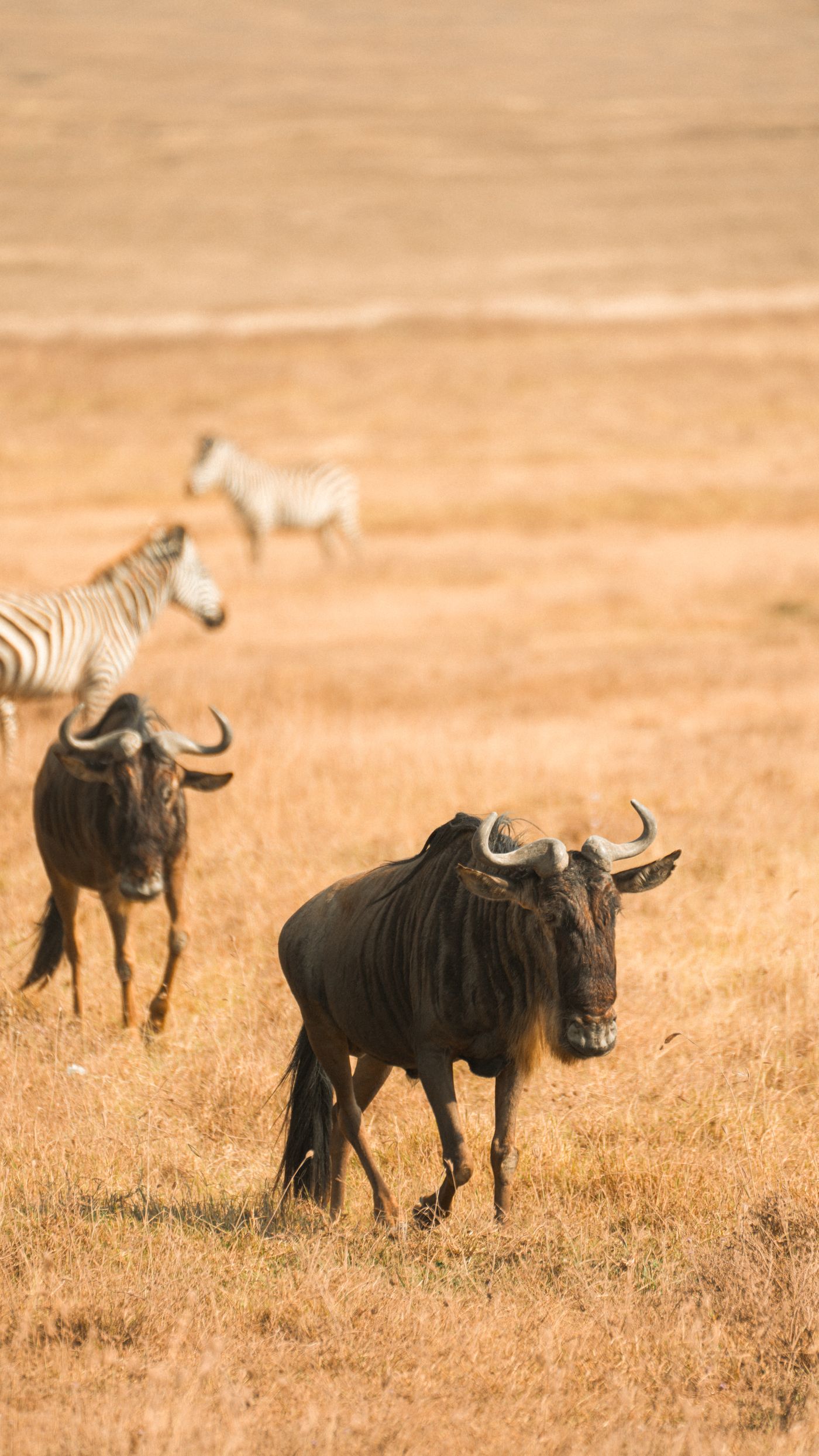
November is the value month. Southern Africa’s green season opens, lush bush, newborn antelope, arriving migratory birds and prices that drop sharply after the October peak, while in East Africa the short rains freshen the plains and the wildebeest herds drift back south towards Ndutu. For the best of it, look to green-season Botswana, Zambia and South Africa, or the greening southern Serengeti.
- Best value pick
- Green-season Southern Africa
- Migration position
- Herds moving south to Ndutu
- Season & weather
- Short rains / green season begins
- Price level
- Low, peak rates collapse
- Standout experience
- Birding & newborn antelope
- Skip this month if…
- You need sparse bush & guaranteed crossings
The quick answer
November is the safari calendar’s value inflection point. The dry-season peak of July to October has just ended, rates are falling fast, and two seasonal shifts open up quietly excellent trips for anyone willing to trade guaranteed conditions for green landscapes, birdsong and near-empty camps.
In Southern Africa Botswana, Zambia, Zimbabwe, South Africa and Namibia, the green (or “emerald”) season begins: the first rains break the dust, the bush greens up, impala and other antelope start dropping their lambs, migratory birds pour in, and lodge prices drop sharply from their October high. In East Africa, the short rains bring brief afternoon showers that freshen the southern Serengeti as the wildebeest herds drift back south toward the Ndutu plains, ahead of the December calving build-up.
If you only take one rule away: for the best value and the richest birding, book green-season Southern Africa a South Africa Sabi Sand or Kruger trip is the most comfortable, reliable option, while Zambia’s South Luangwa and Botswana reward the more adventurous. You can price this month’s trips against real operator availability on BookAllSafaris before you commit to dates.
For the granular herd-position detail behind the East African picture, our Great Migration month-by-month tracker follows the wildebeest week by week; this page is the seasonal decision layer above it.
Where the value is in November
The strip below plots relative safari price across the year. November sits low, one of the best-value months on the calendar, because the July–October peak has collapsed and the festive December surge has not yet landed. Read it alongside the honest trade-off: thicker bush and the odd afternoon shower in exchange for green scenery, superb birding and steep discounts.
East Africa in November: the short rains
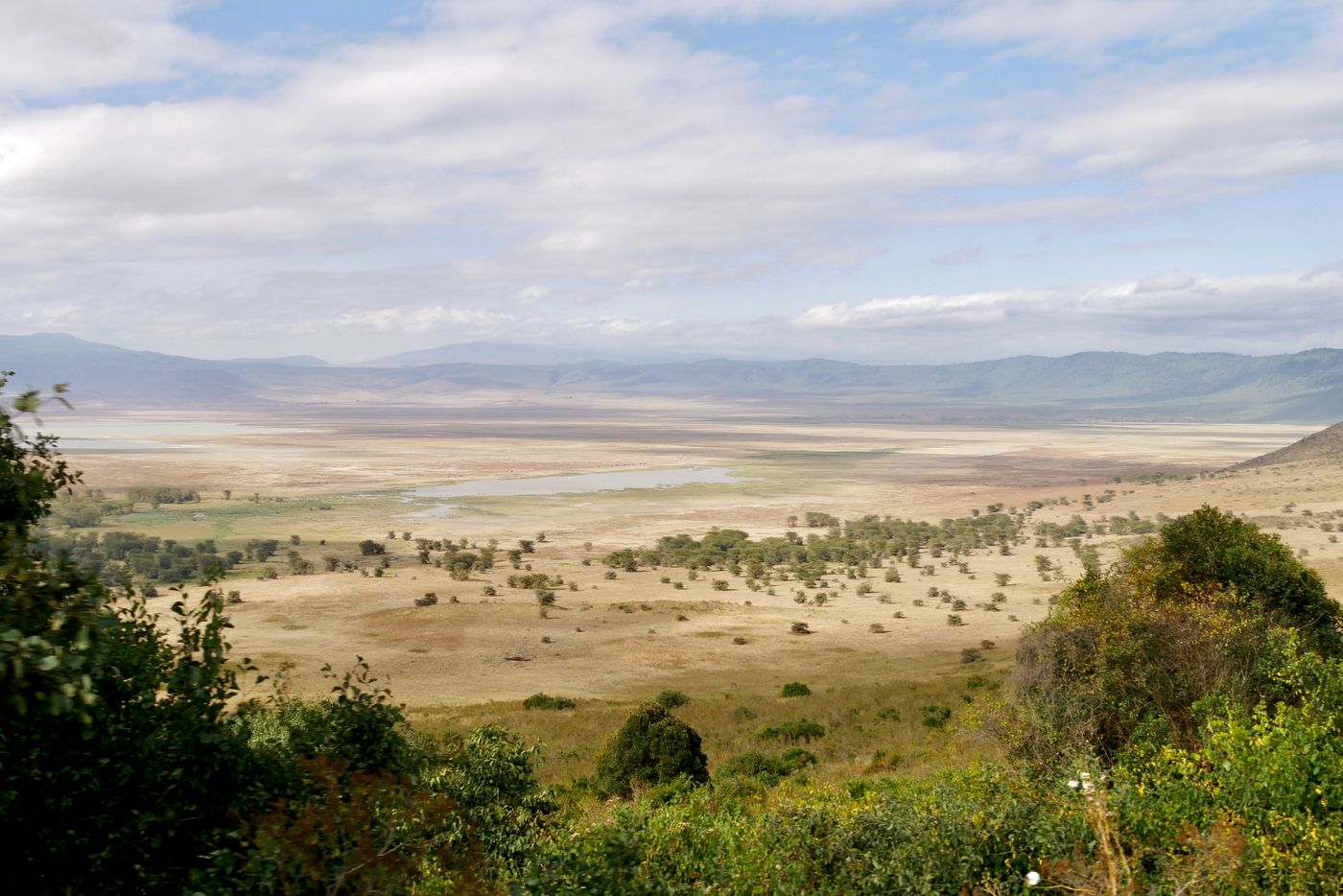
In Kenya and Tanzania, November brings the short rains typically brief, heavy afternoon downpours that clear quickly rather than the all-day soakings of the April–May long rains. Mornings are usually bright, the dust is gone, and the plains turn a fresh green under dramatic skies. Game viewing stays good and prices are well below the June–October peak, making this a strong value window in the Serengeti and beyond.
The migration story is one of return. Having spent July to October in the far northern Serengeti and Kenya’s Maasai Mara, the wildebeest herds now stream south as the short rains green the short-grass plains, heading back towards Ndutu and the southern Serengeti ahead of the December calving build-up. You will not see Mara River crossings in November, that show is over for the year, but you will find the herds on the move through central and southern Serengeti, with the added bonus of arriving migratory birds that make November one of the best birding months of the year.
One honest caveat for Kenya: as the herds thin out of the Mara, the headline spectacle winds down, so time your Kenyan trip for the wider ecosystem and resident game rather than crossings. Warm clothing is rarely needed, but a light rain layer is.
Short rains, shifting flights. November weather can nudge light-aircraft schedules and the occasional international connection. If a delay or cancellation derails your travel, AirHelp can check whether you are owed compensation and handle the claim, worth bookmarking before a rainy-season departure.
Southern Africa: the green season opens
This is November’s headline. Across Botswana, Zambia, Zimbabwe, South Africa and Namibia, the first rains break the long dry season and trigger the green (emerald) season the single best-value window of the year for luxury safari, and a photographer’s and birder’s dream.
The bush transforms. Parched brown turns to vivid green, skies fill with towering clouds and clean light, and the wildlife responds: impala and other antelope begin lambing, filling the plains with newborns, and, inevitably, drawing the predators that follow them. Vast flocks of migratory birds arrive, turning even non-birders into converts. And because this is the low season, lodge rates drop sharply from their October peak; you can often secure a camp that would be fully booked and premium-priced two months earlier.
The honest trade-off is the thicker bush. As grass grows and leaves return, animals are harder to spot than in the sparse, water-starved dry season, and sightings take more patience and a better guide. Some remote camps also begin to close for the wetter months ahead, Zambia’s South Luangwa in particular enters its green season, when a handful of bush camps shut and access can get tricky. A specialist will tell you exactly which camps stay open in your window; Go2Africa is a good place to sense-check green-season logistics camp by camp.
Where to point yourself:
- South Africa (Sabi Sand, Kruger) the most comfortable and reliable green-season pick. Malaria-conscious travellers and first-timers do well here, big-cat sightings stay strong, and you can pair the bush with a summery Cape Town.
- Botswana green, quiet and dramatically cheaper than its August peak. The Okavango Delta’s floodwaters are low now (they peak mid-year), so this is more about greenery, birds and newborns than water activities.
- Zambia’s South Luangwa the classic green-season adventure, superb for birding and photography, but check camp openings carefully.
- Namibia desert scenery holds year-round and the Namib greens up, though Etosha’s waterhole game viewing is easier in the dry months.
Gorillas, Victoria Falls and the Cape
Gorilla trekking in Rwanda and Uganda sits in a wetter shoulder in November: trails through the forest are muddier and more strenuous, but crowds are lower and the trek is possible year-round. Rwanda’s permit remains US$1,500, so factor that in whichever month you choose, see our guide to the best time for Rwanda gorilla trekking for the full picture.
Victoria Falls is well past its April–May flood peak, so water levels are lower and views are clearer, a good month to actually see the falls rather than a wall of spray, though the Zambia side can slow considerably by late in the season. A helicopter flip or guided tour makes an easy add-on; you can browse Victoria Falls and Cape Town activities on GetYourGuide.
Cape Town and the Cape slide into early summer, warm, beach-and-wine weather that pairs beautifully with a Kruger or Sabi Sand safari for a classic bush-and-city fortnight.
November destinations compared
The table below sets the main options side by side, what November actually delivers in each, and our honest verdict.
| Destination | November conditions | Verdict |
|---|---|---|
| South Africa (Sabi Sand / Kruger) | Green season opens; warm, occasional storms; strong big-cat sightings; low-season rates; pairs with a summery Cape Town. | Best all-rounder, comfort, value and reliability. |
| Southern Serengeti / Ndutu (Tanzania) | Short rains green the plains; herds returning south; excellent birding; well below peak prices. | Great value and the migration on the move, no crossings. |
| Botswana | Bush greening, newborns, birds; Delta floodwaters low; sharply cheaper than August; some remote camps closing. | Quiet and cheap, check camp openings first. |
| Zambia (South Luangwa) | Green season begins; superb birding and photography; several bush camps shut, access can be tricky. | Adventurous value, confirm your camp is open. |
| Kenya (Maasai Mara) | Short rains; herds thinning out of the Mara after the crossings; resident game and birds remain. | Fine value, but the headline crossings are over. |
| Rwanda / Uganda gorillas | Wetter shoulder, muddier trails, tougher trek, but fewer trekkers; permits unchanged. | Doable and quieter; pack for rain and effort. |
What you’ll see in November
Migration position: the wildebeest are heading south out of the northern Serengeti and Mara, spreading across the central and southern Serengeti as the short rains green the plains, converging on Ndutu for the December–February calving cycle. No river crossings this month.
Newborns: in Southern Africa, impala and other antelope begin lambing at the start of the green season, so the plains fill with young, and with the leopard, lion, cheetah and wild dog that hunt them.
Birds: November is one of the finest birding months across the continent. Palearctic and intra-African migratory birds arrive in force, breeding plumage is at its brightest, and even casual observers notice the difference.
Landscape: everywhere greens up. Photographers get dramatic storm light, saturated colour and clean, dust-free air, a very different palette from the bleached tones of the dry season.
Weather & what to pack
Expect warm days and short, sharp afternoon showers rather than all-day rain. Pack a lightweight waterproof, quick-dry layers, insect repellent (the green season raises mosquito activity, so keep up antimalarials where relevant), and a good pair of binoculars; this is a birding month and you will want them. In Southern Africa, days are hot and humid; in East Africa, the southern Serengeti and crater rim can still be cool at dawn, so bring a warm layer for early game drives. Waterproof your camera gear and allow buffer time around light-aircraft transfers, which weather can disrupt.
Price & booking: lead with value
November is one of the best-value months of the year. The July–October peak has collapsed, the December festive surge has not yet begun, and green-season rates across Southern Africa can run well below high-season equivalents for the same camp. That makes it the month to secure a lodge that would be out of reach, or fully booked, at the August peak. The catch is availability: with some remote camps closing, the open ones fill up, so book early despite the low rates.
As always, treat published park and lodge figures as indicative 2026 benchmarks, excluding international flights, get a live quote. To model what a green-season trip actually costs, all in, see our luxury safari cost guide, and if you are still choosing a country, which safari country is right for you weighs them up.
Travelling in the green season? Wet-season roads and light-aircraft schedules can shift, and remote bush clinics are the norm. Comprehensive cover that includes medical evacuation is non-negotiable on any safari, SafetyWing is a straightforward option for travel-medical and evacuation cover while you are in the field.
Who November suits, and who should skip it
Come in November if you want the best value of the year, love birds and green landscapes, enjoy dramatic photography light, and don’t mind trading guaranteed sightings for lower prices and quiet camps. It is ideal for the green-season Southern Africa traveller and for anyone wanting the migration on the move in a greening southern Serengeti without peak crowds or prices.
Skip November if your priority is sparse dry-season bush with animals pinned to shrinking waterholes, or the Mara/Grumeti river crossings, both belong to other months. If that is you, our master best-time-to-go-on-safari calendar and the adjacent October guide will steer you to a better-suited window; December brings the festive peak and the start of the Serengeti calving cycle.
Frequently asked questions
Is November a good time to go on safari?
Yes, November is one of the best-value safari months. Southern Africa’s green season opens with lush scenery, newborn antelope, arriving migratory birds and prices that drop sharply from the October peak, while East Africa’s short rains freshen the plains as the herds move south. The trade-off is thicker bush that makes some sightings harder.
Where is the best place to go on safari in November?
For comfort and reliability, green-season South Africa (Sabi Sand or Kruger) is the top pick, easily paired with a summery Cape Town. For value and birding, Botswana and Zambia’s South Luangwa reward the more adventurous, and Tanzania’s greening southern Serengeti offers the migration on the move at low-season prices.
What is the green or emerald season?
It is Southern Africa’s wetter, low-price season, running roughly November to April. The first rains green the bush, antelope begin lambing, migratory birds arrive and lodge rates fall well below peak. The bush is thicker so animals are harder to spot, and some remote camps close, but for birders, photographers and value-seekers it is a superb window.
Where is the Great Migration in November?
In November the wildebeest herds are moving south out of the northern Serengeti and Kenya’s Maasai Mara, spreading across the central and southern Serengeti as the short rains green the plains and converging on the Ndutu area ahead of the December-to-February calving. There are no Mara River crossings in November.
Is November expensive for safari?
No; it is one of the cheapest months. The July-to-October peak has ended and the December festive surge has not yet begun, so green-season rates across Southern Africa can run well below high-season prices for the same camp. Book early despite the low rates, because some camps close and the open ones fill up.
Can you see Victoria Falls in November?
Yes, and the views are clearer than during the April-to-May flood peak because water levels are lower. That means less obscuring spray and better photographs, though the Zambian side of the falls can slow to a relative trickle late in the dry season. A helicopter flight or guided tour makes an easy add-on.
Is November good for gorilla trekking?
It is possible but wetter. November falls in a rainy shoulder for Rwanda and Uganda, so forest trails are muddier and the trek more strenuous, but there are fewer trekkers about. Permits are unchanged, Rwanda’s costs US$1,500, and trekking runs year-round, so pack proper wet-weather gear and expect effort.
Is November a good month for birding on safari?
It is one of the best. Across both East and Southern Africa, migratory birds arrive in force in November, many species are in bright breeding plumage, and the green season makes them easy to find. Bring binoculars, even non-birders tend to be won over.