The Best Time to Visit South Africa for Safari (2026)
By Richard Jasinski·Updated 22 July 2026
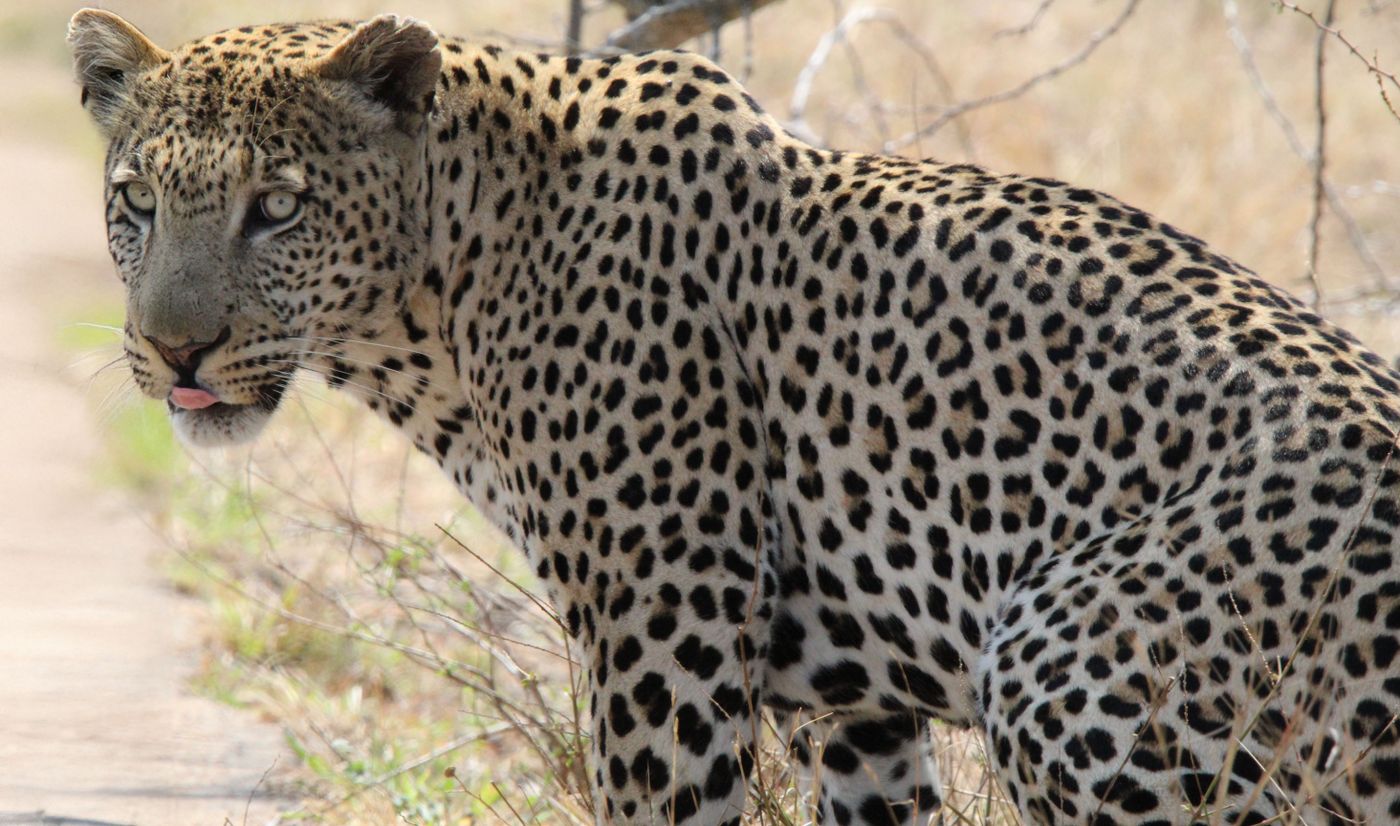
For classic Big Five game viewing, the best time for a South African safari is the dry winter, roughly May to September: thin bush, cooler days and animals drawn to shrinking water make sightings reliable. Cape Town and the Winelands, however, peak in the opposite season, November to March, so a combined trip is a deliberate compromise.
- Prime safari window
- May–September (dry winter): thin bush, animals at water, low malaria risk.
- Green season
- October–April: lush, newborns, superb birding, but hot, humid and thicker bush.
- Cape Town & coast
- November–March: the opposite of the safari peak. Timing tension is real.
- Malaria-free reserves
- Madikwe, Waterberg, Eastern Cape, strong year-round, ideal for families.
- Whale season
- ~June–November along the Cape coast (Hermanus is the classic base).
- Best compromise months
- April and October/November balance bush and Cape reasonably well.
South Africa is the one classic safari country where the wildlife and the coastline want opposite months from you, and getting the calendar right is what separates a great trip from a merely good one. If you are still deciding between countries first, read our Kenya vs Tanzania vs South Africa comparison then come back here to fix the dates. To lock a lodge for the window below, it is worth scanning live availability early: browse dated packages on BookAllSafaris, which lets you filter by month and reserve.
On this page
Two seasons, opposite logic
The bushveld reserves that draw most visitors, Sabi Sand, the Greater Kruger and Madikwe run on a simple dry-versus-wet rhythm. In the dry winter (May–September) the grass dies back, deciduous trees drop their leaves, and surface water shrinks to a handful of rivers, pans and pumped waterholes. Game concentrates around those points and is far easier to see through the open bush; cool, still mornings keep predators active for longer, and mosquito activity falls to its annual low. This is prime game viewing, and it is why lodge rates hold firm from June to October.
The green season (October–April) flips every variable. Summer rains bring an explosion of grass and foliage, the impala and wildebeest drop their calves, which in turn brings the predators, and migrant birds arrive to make this the year's best birding. It is genuinely beautiful, and often materially cheaper. The trade-offs are real too: daytime heat can top 35°C, dramatic afternoon thunderstorms are routine, and the thickened bush plus dispersed water make big cats harder to find. For a first safari built around guaranteed Big Five sightings, winter wins; for photographers, birders and value-hunters, the green months reward you.
The safari-vs-Cape tension, charted
The chart below plots three things across the year: safari game-viewing quality, Cape Town & coastal quality, and a relative lodge-price index. The two quality lines run almost as mirror images, which is the whole planning problem in one picture.
Illustrative planning index (0 = poorest, high = best) built from typical rainfall, temperature, bush density and published lodge-rate seasons; treat it as a shape, not a forecast. Notice how the solid safari line and the dashed Cape line cross around April and again around October, those crossover months are the natural home for a combined trip.
Month by month
January–February. High summer. Wet, hot and humid in the bushveld; thick green cover makes game harder to spot, though newborn antelope and birding are at their best. This is Cape Town's glory stretch, long dry beach days and the Winelands in full swing, and the festive-season premium on the coast is steep.
March. Rains ease; the bush is still lush but starting to thin. Good value opens up in the reserves, and the Cape holds warm and dry. One of the better all-round months if you want both without extremes.
April. A quiet sweet spot. The bush dries and opens, temperatures soften, and the Cape is still pleasant before winter. If you want a genuine safari-plus-Cape combination on one ticket, April is arguably the single most balanced month.
May–June. Dry season proper begins. Sightings sharpen week by week, mornings turn crisp (pack layers, dawn game drives can hover near freezing in June), and malaria risk drops. The Cape, however, is cooling into its wet winter.
July–August. Peak game viewing. Sparse bush, animals tied to water, superb predator action, and the highest lodge rates of the year to match. School-holiday weeks book out far ahead. The Cape is at its wettest and coldest, but this is whale season along the coast.
September–October. Many guides' favourite window. The bush is at its driest and most open, sightings are excellent, and by October the first heat is building. October is the second great crossover month, with the Cape warming back up.
November–December. The rains return, bush greens up and the "green season" begins again. Birding and newborns resume; the Cape reopens into its peak. December brings the festive coastal premium once more.
Best month for your goal
There is no single "best" month, only the best month for what you want most. Match your priority to the window below.
| Your priority | Best window | Why |
|---|---|---|
| Big Five game viewing | July–September | Thinnest bush and lowest water, the most reliable predator and Big Five sightings of the year. |
| Safari + Cape Town combo | April or October/November | The crossover months: bush is drying and open, while the Cape is warm and dry enough to enjoy. |
| Malaria-free family trip | April–September (year-round works) | Madikwe, Waterberg and the Eastern Cape carry no malaria risk; cooler dry months suit young children best. |
| Value & birding | November–March (green season) | Lower rates, migrant birds, newborn game and dramatic skies, accept heat, rain and thicker bush. |
| Whale watching | July–October (season ~Jun–Nov) | Southern right whales calve close to the Cape shore; Hermanus offers land-based viewing at its peak. |
Planning tip. If dates are fixed by school holidays, pick the destination that shines in that month rather than forcing both. A July trip should lean hard into the bush; a January trip should centre on Cape Town and treat any safari leg as a malaria-free green-season bonus. For a full country-versus-country view of when each region peaks, see our best time to go on safari master guide.
Malaria-free reserves & families
South Africa's trump card for families and the malaria-cautious is a genuine cluster of Big Five reserves that sit outside the malaria zone entirely. Madikwe on the Botswana border is the standout, a large, well-managed reserve with strong lion, elephant and wild-dog populations and a deep bench of family-friendly lodges. The Waterberg (Limpopo) and several Eastern Cape reserves within a couple of hours of Port Elizabeth offer the same reassurance, with the Eastern Cape doubling neatly onto a Garden Route drive.
Because there is no seasonal malaria calculus, these reserves are strong year-round; the deciding factor becomes weather and price rather than health risk. Cool, dry winter days still deliver the best sightings, but a green-season family trip here carries none of the mosquito worry it would in the lowveld. To see what actually turns up on a drive, our guide to safari animals and what you will see sets expectations by region and season.
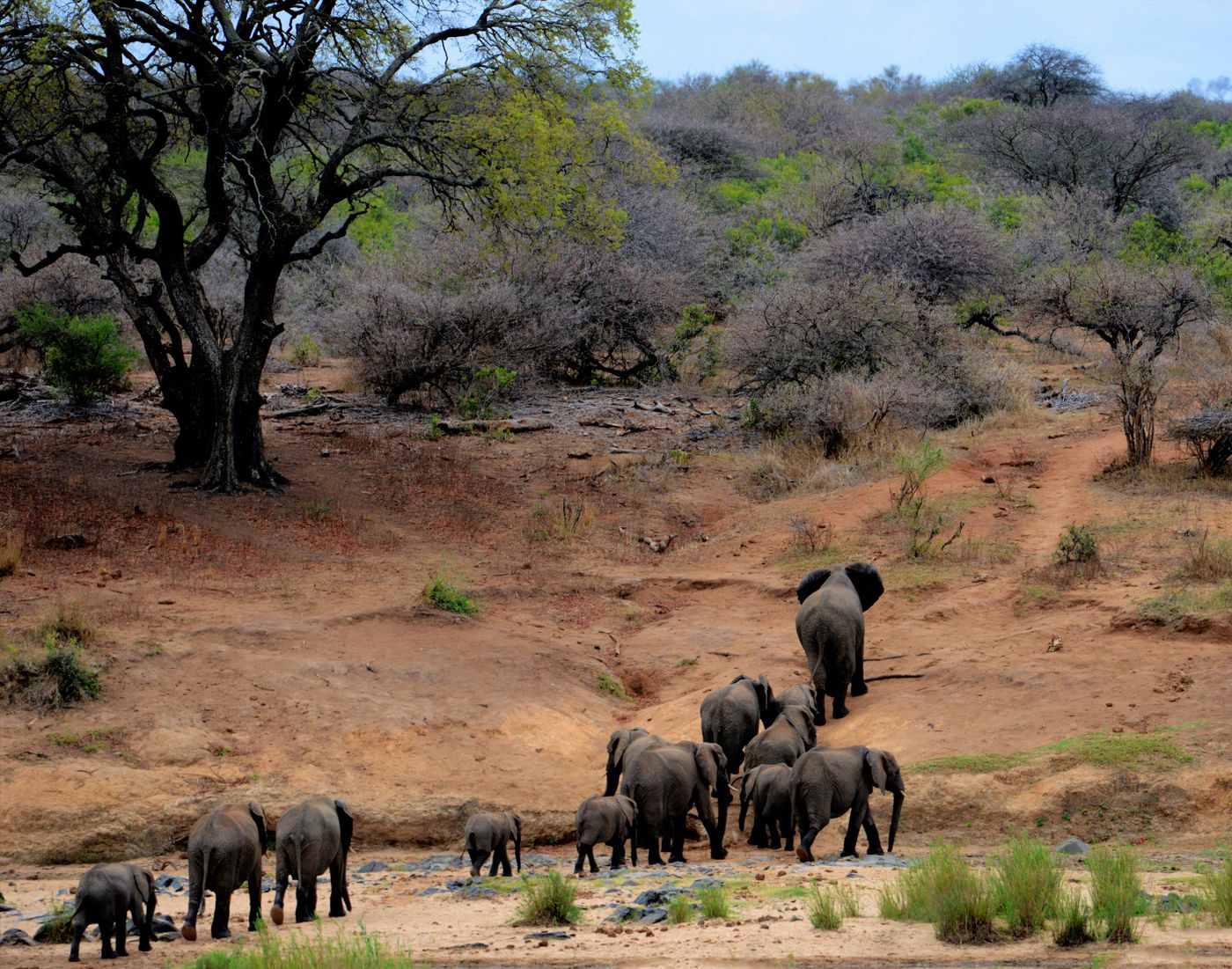
Dry-season lodges, especially the Sabi Sand and Madikwe names, sell out months ahead for July to October. Compare dated availability and secure your window while it is open.
Whales along the Cape coast
From roughly June to November, southern right whales migrate up from Antarctic waters to calve in the sheltered bays of the Western Cape, and they come astonishingly close to shore. Hermanus, about ninety minutes east of Cape Town, is the classic base, its cliff paths allow land-based whale watching without a boat, and the town's whale festival lands in late September at the seasonal peak. Because the whale window overlaps the safari peak, a July or August trip can pair prime bushveld game viewing with a Cape whale leg, the rare month where the two calendars cooperate rather than conflict.
Combining safari with Cape Town
Most first-time visitors want both the bush and the Cape, and the honest answer is that no month is perfect for both, but April and October/November come closest. In those crossover weeks the reserves are drying and opening while Cape Town, the Winelands and the coast are warm and largely dry. Fly into Johannesburg for the northern reserves or Cape Town for the south, and connect with a short domestic hop rather than a long drive.
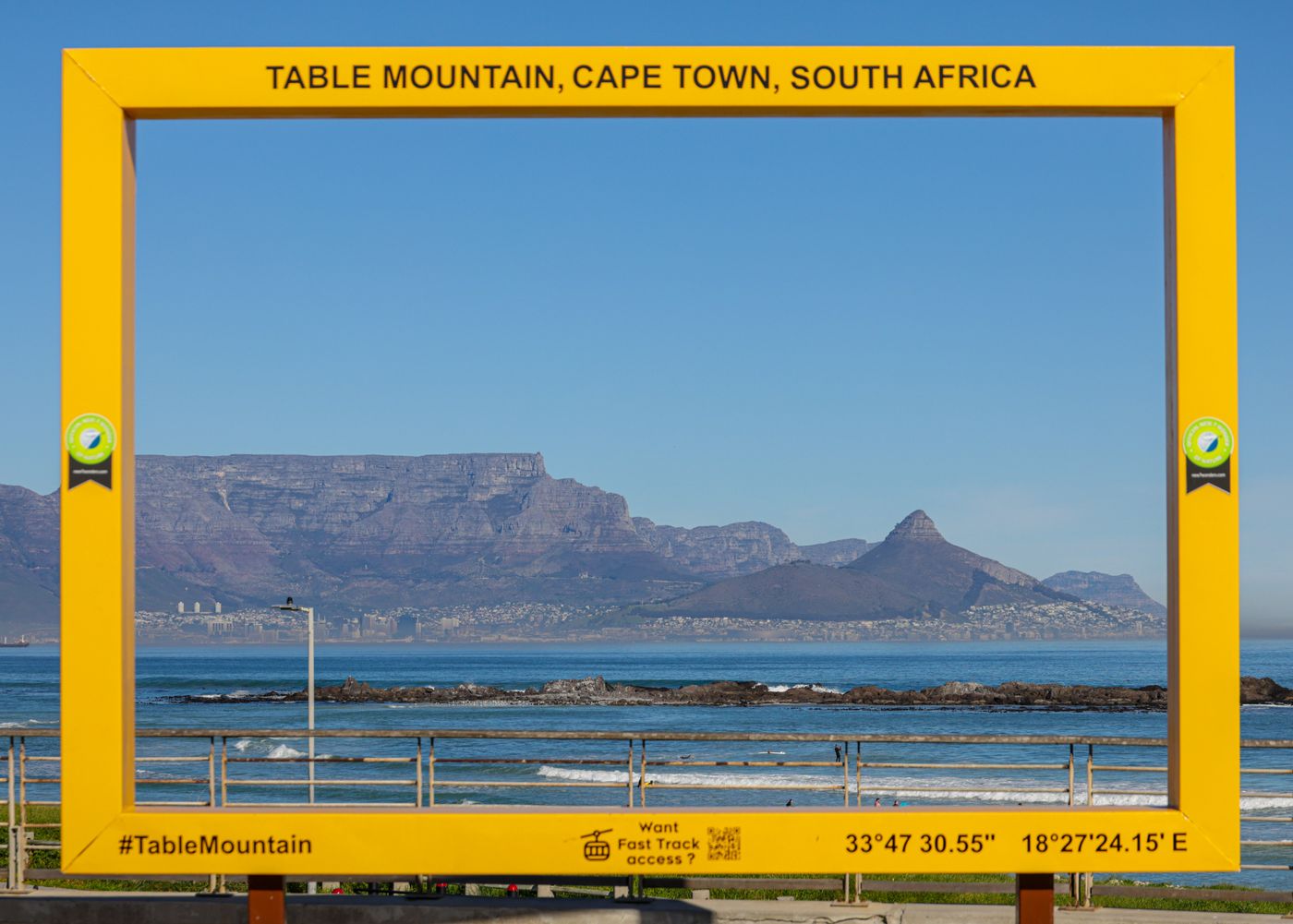
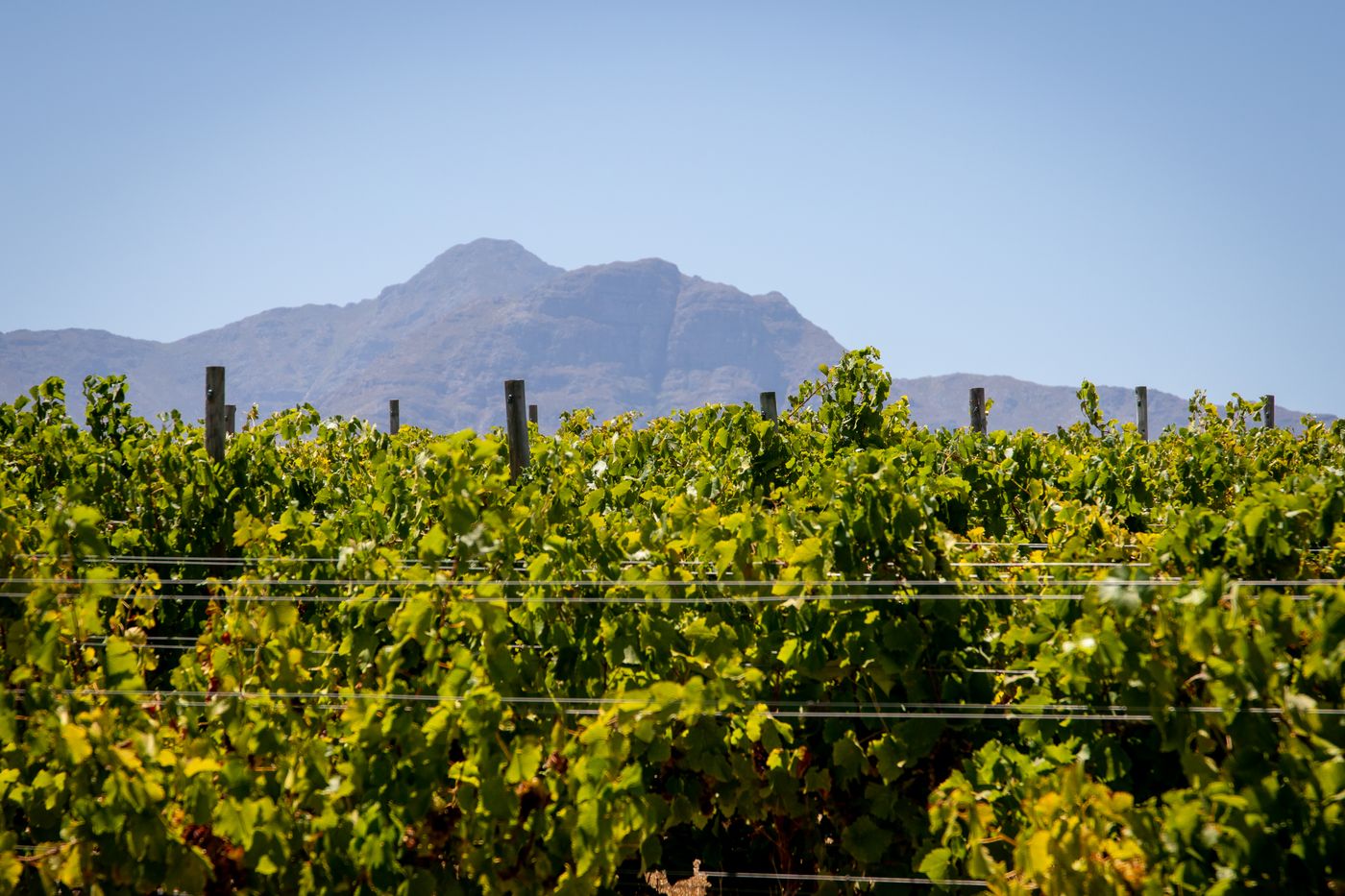
On the Cape side, the Winelands reward a day or two: Stellenbosch and Franschhoek are an easy drive from the city and best in summer's warm, dry light. Cellar tours, the wine tram and guided tastings book up in peak season, so it is worth reserving ahead; you can compare and pre-book Cape Town and Winelands tours on GetYourGuide. For the tailored end of the market, combining a flagship lodge with a Cape stay, a specialist operator earns its fee; Go2Africa builds exactly this kind of two-centre itinerary.
Whichever way you split it, budget realistically before you commit to a month, peak dry-season lodge rates are materially higher than green-season ones. Our South Africa safari cost guide breaks down what each tier actually runs, and the wider luxury safari cost guide sets it in regional context. If you are weighing specific flagship lodges, our Singita vs andBeyond vs Wilderness comparison covers the names that dominate the Sabi Sand, and which safari country is right for you zooms back out if South Africa is not yet fixed. A charter connection can be arranged through TimeFlys once your reserve and dates are set.
Before you fly. Remote reserves and long-haul connections make comprehensive medical and trip cover worth having; nomad-friendly SafetyWing is a straightforward option that covers extended and multi-country itineraries.
Frequently asked questions
When is the best time to go on safari in South Africa?
The best time for a South African safari is the dry winter, roughly May to September. The bush thins out, surface water shrinks so animals concentrate at rivers and waterholes, days are cooler and malaria risk is at its lowest. July to September offers the most reliable Big Five and predator sightings of the year, which is also why lodge rates peak then.
When is the best time to visit Cape Town and the Winelands?
Cape Town, the Winelands and the coast are at their best from November to March, the warm and largely dry summer months. This is the direct opposite of the safari peak, which is why combining both in a single trip always involves a timing compromise rather than a perfect month for each.
Can you combine a South African safari and Cape Town in one trip?
Yes, and it is one of South Africa's great strengths, but no month is ideal for both. April and October to November are the best crossover windows: the bush is drying and opening for good game viewing while Cape Town and the coast are still warm and pleasant. Connect the two by a short domestic flight rather than a long drive.
When is the malaria risk lowest for a South African safari?
Malaria risk in the lowveld reserves is lowest in the dry winter, roughly May to September. Better still, the malaria-free reserves of Madikwe, the Waterberg and the Eastern Cape carry no malaria risk at all and are strong year-round, which makes them the standard choice for families with young children.
When can you see whales in South Africa?
Southern right whales are present along the Western Cape coast from about June to November, with the peak around September and October. Hermanus, roughly ninety minutes from Cape Town, is the classic base and allows land-based viewing from its cliff paths. The season overlaps the safari winter, so a July or August trip can pair the two.
Is the green season worth it for safari?
For the right traveller, yes. The green season from October to April brings lush scenery, newborn game, superb birding as migrants arrive, and lower lodge rates. The trade-offs are heat, humidity, afternoon thunderstorms and thicker bush that makes big cats harder to spot. Photographers, birders and value-hunters often prefer it; a first safari built around guaranteed sightings is better in winter.
Read next
By Richard Jasinski Expeditions desk, Uncompromised Travel. Written from a European vantage for a worldwide readership; figures reflect typical seasonal patterns and published lodge-rate seasons and should be confirmed against live availability at the time of booking. Last updated 22 July 2026.