Where to Go on Safari in June (2026)
By Richard Jasinski·Updated 22 July 2026
June is where the safari calendar turns. The dry season arrives across East and Southern Africa, and early June is the year’s value sweet spot, with peak conditions in place before the July–October rate rises land. Go to Tanzania’s Western Corridor for the first Grumeti crossings, to Botswana for the Okavango in full flood, or to Rwanda as the gorilla-trekking window opens.
- Best region this month
- Tanzania (Western Corridor) & Botswana’s Okavango
- Migration position
- Western Corridor; Grumeti crossings begin
- Season & weather
- Dry season begins, cool, clear, low-humidity days
- Price level
- Shoulder, early June best value, late June climbing
- Standout experience
- Okavango in flood + Botswana wild-dog denning
- Skip this month if…
- You want the peak Mara crossings (Jul–Oct) or Cape beach weather
The quick answer
June is the month the safari year swings from its low, wet season into its prime. Across East Africa the long rains have cleared; across Southern Africa the dry season is building. Game viewing is strong almost everywhere, the bush is drying out, and, crucially, the biggest lodge-rate rises of the year have not yet arrived. That makes early June the single best-value window in the calendar for high-season quality.
If you want one recommendation: for the migration and classic plains game, go to Tanzania’s Western Corridor, where the herds have massed and the first Grumeti River crossings begin, a quieter, less-crowded spectacle than the famous Mara crossings that follow in July. For water and wildlife together, go to Botswana’s Okavango Delta, now in full flood, for mokoro safaris and denning wild dogs. And if primates are the draw, June opens the dry gorilla-trekking season in Rwanda and Uganda. You can line up any of these against real operator availability on BookAllSafaris before you commit to dates.
The one thing June is not yet is the peak of the Great Migration river crossings, those belong to the northern Serengeti and Maasai Mara from July onward. For where the herds sit week by week, our Great Migration month-by-month tracker follows them in detail; this page is the seasonal decision layer above it.
June on the year’s price strip
The strip below plots relative safari price across the twelve months, with June flagged. The point it makes at a glance: prices bottom out in the April–May long rains, then climb through a shoulder June toward the July–October peak. Arrive in the first half of June and you buy near-peak conditions at shoulder rates, the calendar’s value sweet spot.
East Africa in June
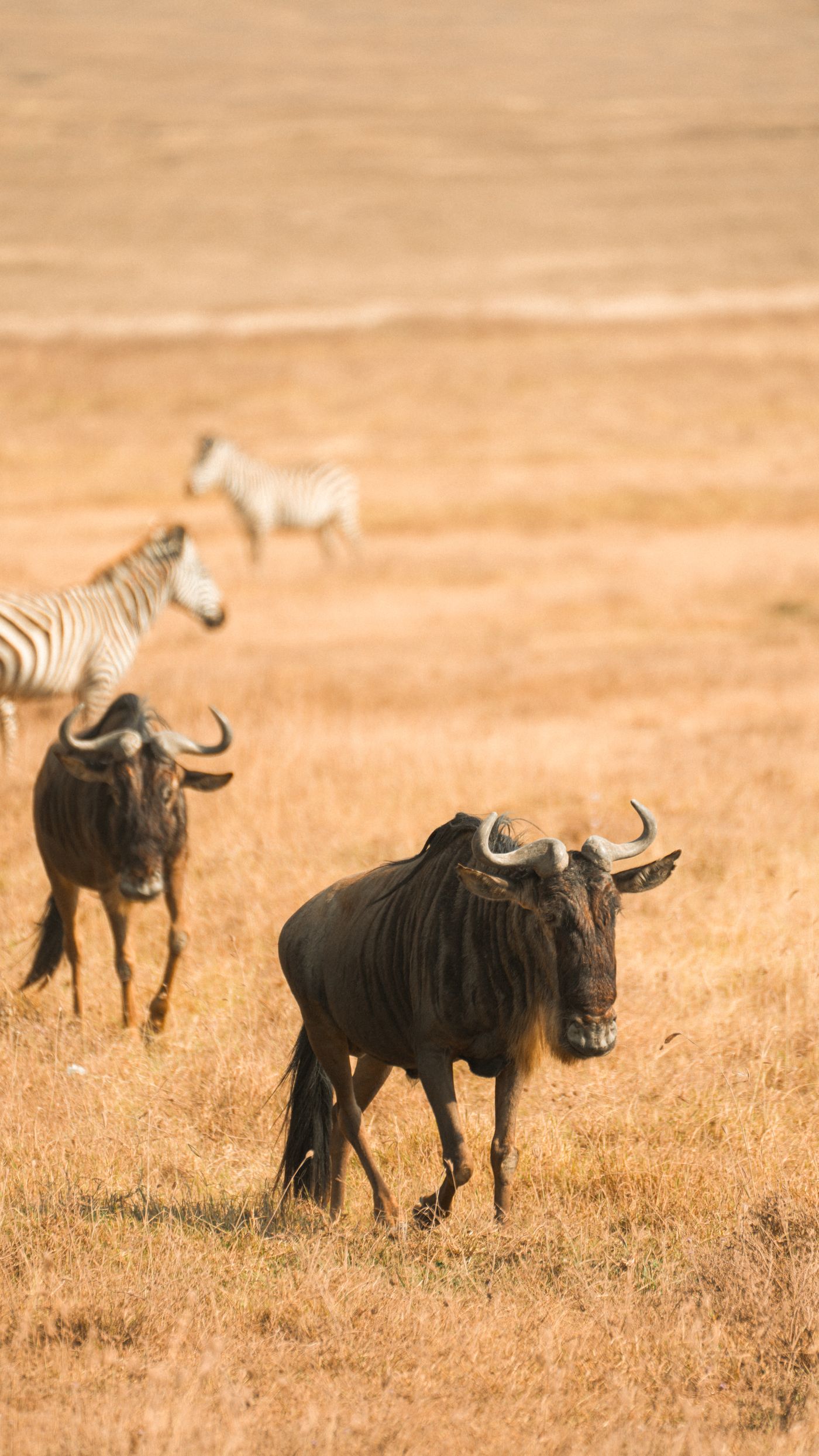
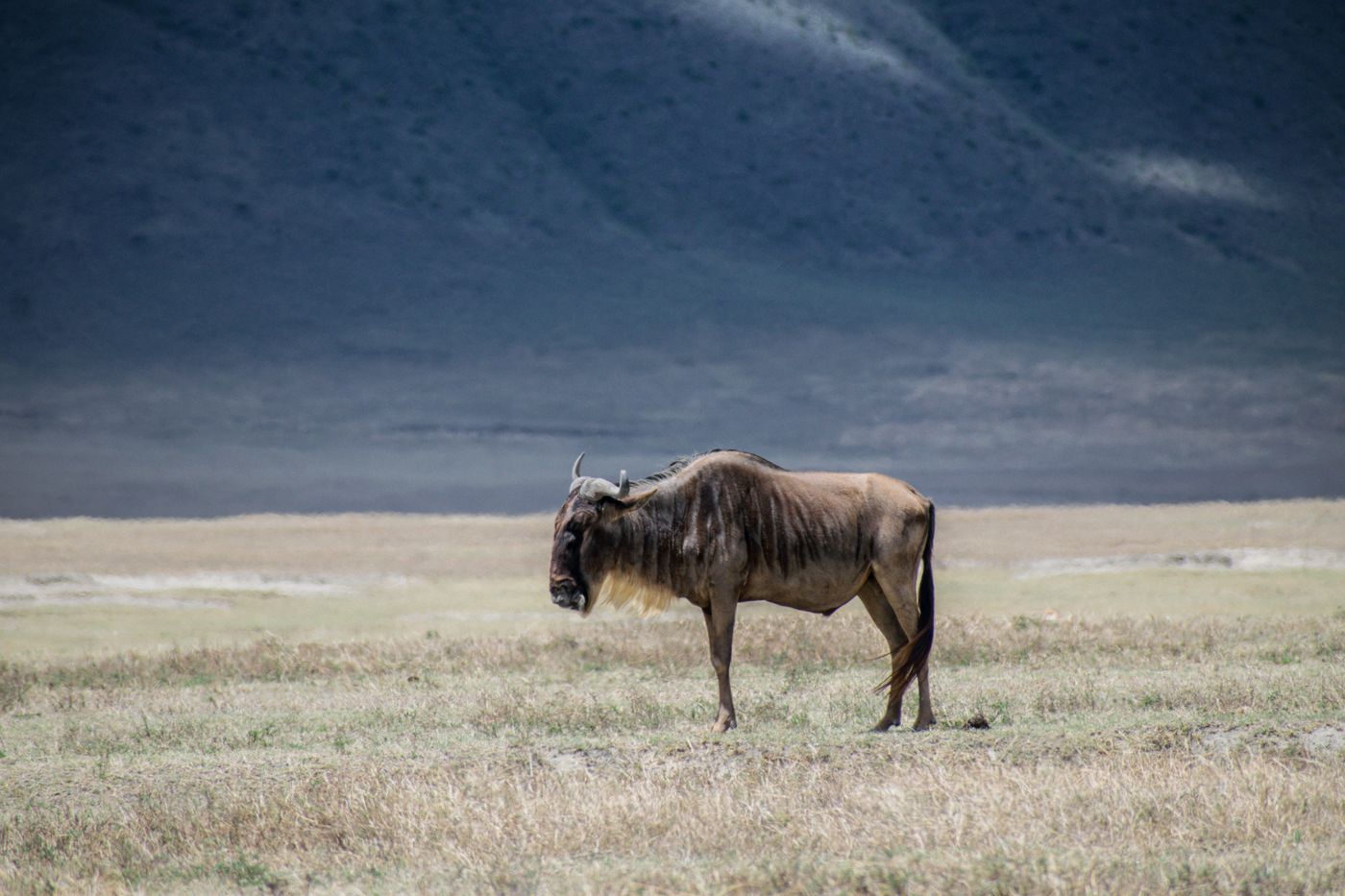
June is the month East Africa comes back to life for safari. The long rains of April and May have cleared, the skies open, and the dry season proper begins, grass starts to thin, waterholes shrink, and wildlife grows easier to find and follow. In Tanzania, the Great Migration has pushed north-west into the Serengeti’s Western Corridor, where the herds tackle the Grumeti River. These crossings begin in June and are a genuine spectacle, smaller and less frenzied than the Mara crossings, but far less crowded, with a fraction of the vehicles. For a first-timer who wants drama without the July–October crush, it is an underrated window.
Crucially, this is all happening at shoulder-season prices in early June, before the peak rates land. Position a camp in the Western or Central Serengeti and you get prime dry-season conditions for noticeably less than the same lodge charges a month later. Our best time for a Tanzania safari guide breaks the month down further.
Kenya is also good and drying out fast, though the Maasai Mara’s headline act, the herds arriving from Tanzania, is still a few weeks away; that belongs to July onward, as our best time for a Kenya safari guide explains. Come to Kenya in June for excellent resident game and quieter conservancies, not for the crossings.
Southern Africa in June
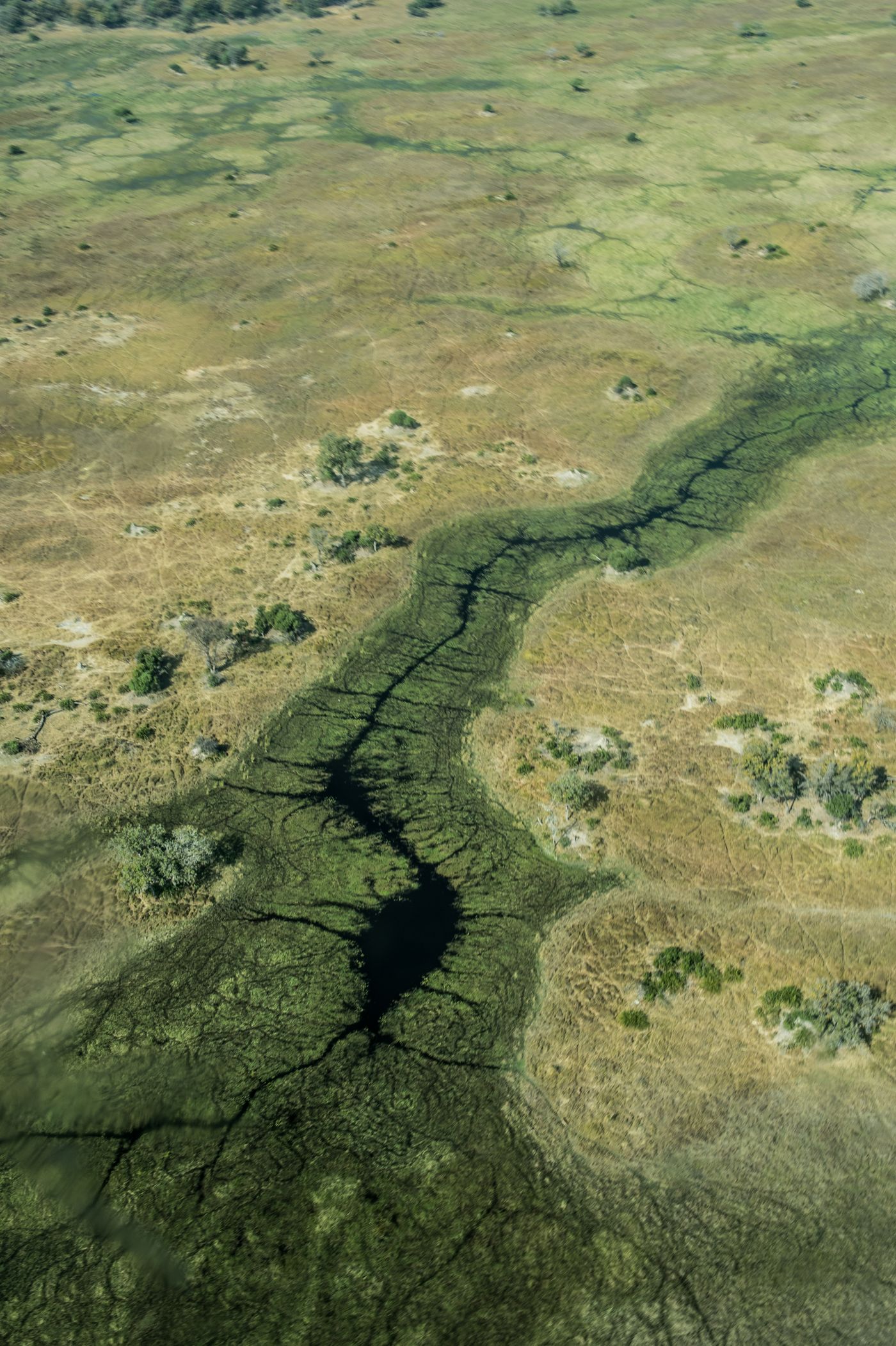
Southern Africa hits its stride in June, and the star is Botswana’s Okavango Delta. In one of nature’s great paradoxes, the delta’s floodwaters peak in the dry season, the rain that fell far away in Angola arrives months later, so channels are highest roughly June to August. That means prime mokoro (dugout canoe) and water safaris exactly when the surrounding bush is drying and game concentrates. June also falls squarely in Botswana’s wild-dog denning season (about June to August), when packs stay put around a den and sightings of Africa’s most endangered large carnivore become reliable. For tailor-made delta logistics, Go2Africa is a strong place to sense-check camps and water levels; our best time for a Botswana safari guide covers the flood in detail.
The rest of the region is coming good too. Zambia’s celebrated walking safaris in South Luangwa are opening as the green season recedes, see our best time for a Zambia safari notes. South Africa’s Kruger and Sabi Sand are excellent, with cool, dry, low-risk malaria conditions and thinning bush; our best time for a South Africa safari guide has the detail. And Namibia’s Etosha waterholes draw good dry-season game. One honest caveat: Cape Town is in winter cooler, wetter and quieter, poor for beaches but the start of the Hermanus whale season and a fine time for city and winelands if you pair it with a Kruger safari.
Gorillas and extras
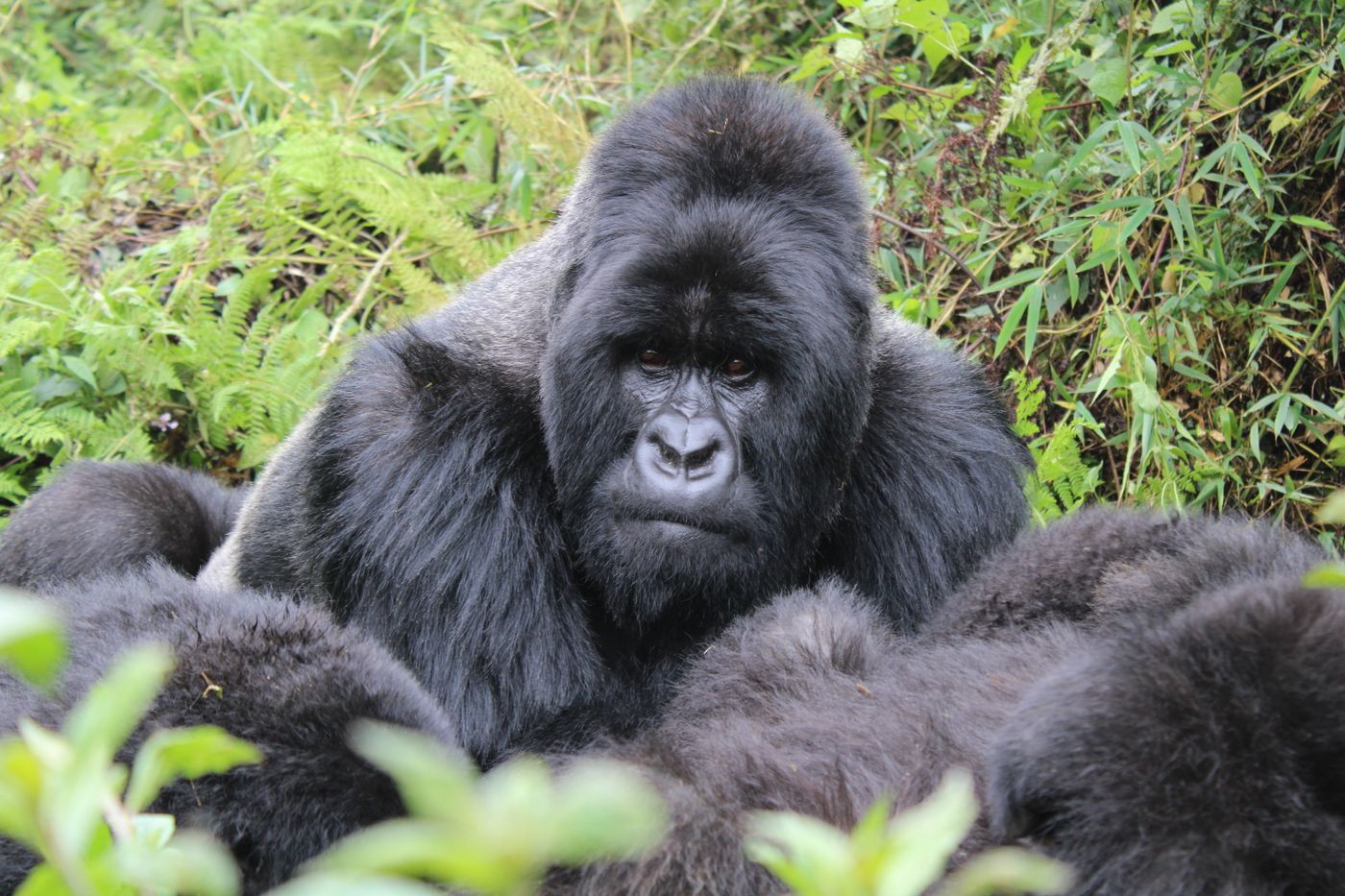
June marks the start of the dry trekking window (roughly June to September) for mountain gorillas in Rwanda’s Volcanoes National Park and Uganda’s Bwindi. Drier trails mean firmer footing and an easier climb to the families, one of the best times of year to trek. The trek is possible year-round and the forest is never truly dry, but June conditions are markedly kinder than the March–May wet months. Rwanda’s permit remains US$1,500 (indicative 2026, excluding flights); our best time for Rwanda gorilla trekking guide covers permits and pairing options.
Two natural add-ons this month. Victoria Falls is coming off its April–May full flood, still powerful in June, with clearing spray as the year goes on, and makes an easy tack-on to a Botswana or Zambia trip. And on the coast, June starts the whale season around Hermanus near Cape Town. Both work well as guided day experiences, which you can browse and book through GetYourGuide.
Where to go in June: compared
The shortlist for June, side by side. Every option here is a genuine dry-season-quality choice; the differences are about migration stage, water, crowds and price.
| Destination | This month’s conditions | Verdict |
|---|---|---|
| Tanzania, Western Serengeti | Dry season begins; herds in the Western Corridor, first Grumeti crossings; quiet vs peak. | Top pick for migration + early-June value. |
| Botswana, Okavango Delta | Flood near its high; prime mokoro/water safaris; wild-dog denning underway. | Top pick for water safaris and wild dogs. |
| Rwanda / Uganda, gorillas | Dry trekking window opens; firmer trails, easier climbs. | Best window of the year to trek. Book permits early. |
| South Africa, Kruger / Sabi Sand | Cool, dry winter; thinning bush; low malaria risk; excellent game. | Reliable, family-friendly all-rounder. |
| Zambia, South Luangwa | Green season receding; celebrated walking safaris opening up. | Great for walking safaris; camps reopening. |
| Kenya, Maasai Mara | Drying fast, good resident game, but the herds have not yet arrived. | Fine now; wait for July–Oct for the crossings. |
| Cape Town & the Cape | Winter, cool and wet; whale season starting; quiet and cheap. | Skip for beaches; fine for city, wine and whales. |
What you’ll see this month
Migration position: the herds are in the Serengeti’s Western Corridor, strung along the Grumeti River. The Grumeti crossings begin in June, smaller and more sporadic than the later Mara crossings, and unpredictable by nature, so treat any crossing as a best-chance rather than a booking guarantee. Away from the corridor, thinning grass makes big cats and general plains game easier to spot right across the northern circuit.
Water and wildlife together: in the Okavango, the rising flood pulls elephant, hippo, red lechwe and a huge cast of birds into and around the channels, best experienced from a low, silent mokoro. Predators: Botswana’s wild dogs are denning and therefore findable; lion and leopard viewing is strong across Southern Africa as cover thins. Primates: the gorilla families of Rwanda and Uganda are as accessible as they get, on drier, firmer trails.
Not sure which country fits your must-see list? Our master best-time-to-go-on-safari calendar sets June in the full-year context, and the Great Migration month-by-month tracker pins down exactly where the herds should be on your dates.
Weather and what to pack
June is a dry-season month almost everywhere you would sensibly go, which makes packing straightforward. Expect warm, clear days and genuinely cold early mornings dawn game drives in the Serengeti, the Okavango or the Kruger can start near freezing before warming quickly. Pack in layers: a warm fleece or jacket and gloves for the first hour, stripping down to shirtsleeves by mid-morning. Neutral colours, a wide-brimmed hat, sun protection and good binoculars round it out. For gorilla trekking, add waterproof boots and a light rain layer, the forest is damp whatever the season.
Cover the essentials before you fly. Remote camps, light-aircraft transfers and bush clinics are the norm on safari, so comprehensive travel-medical cover with medical evacuation is non-negotiable, SafetyWing is a straightforward option for travel-medical and evacuation cover while you are in the field.
Price and booking for June
June sits in shoulder season, and the timing within the month matters more here than in almost any other. Early June is the value sweet spot: peak dry-season conditions are in place, but the July–October high-season rates have not yet landed, so you buy near-peak quality at shoulder prices. By late June, rates are climbing toward the peak and popular northern-Serengeti and Okavango camps are filling. State it plainly to your operator: if budget matters, push your dates as early in June as your schedule allows.
Prices are indicative 2026 benchmarks, exclude international flights, and move with availability, always get a live quote. Model the season difference before you commit with our luxury safari cost guide and the country-level Botswana safari cost breakdown, then check what a June itinerary looks like end to end in our Botswana luxury safari guide (2026).
Who June suits, and who should skip it
June suits you if you want high-season game viewing without high-season prices; if the Grumeti crossings or the Okavango in flood appeal more than fighting for a spot at the Mara; if you want the best conditions of the year to trek gorillas; or if you are a value-minded traveller who can pin dates to the first half of the month.
Skip June if your heart is set on the classic Maasai Mara or northern-Serengeti river crossings, those peak from July to October and are worth waiting for, as our safari in July guide sets out. Skip it, too, if you want Cape Town beach weather (that is the November–March summer) or the cheapest, quietest possible bush, for rock-bottom rates and near-empty parks, the April–May long rains covered in our safari in May guide beat June, at the cost of wetter conditions.
Frequently asked questions
Is June a good time to go on safari?
Yes, June is one of the best value months of the year. The dry season begins across East and Southern Africa, so game viewing is strong almost everywhere, yet the biggest lodge-rate rises do not land until July. Early June in particular gives you near-peak conditions at shoulder-season prices.
Where is the best place to go on safari in June?
For the migration, Tanzania’s Western Corridor, where the first Grumeti River crossings begin. For water and wildlife together, Botswana’s Okavango Delta, which is in flood with prime mokoro safaris and denning wild dogs. And for primates, Rwanda or Uganda as the dry gorilla-trekking window opens.
Can you see the Great Migration in June?
Yes, but not the famous Mara crossings yet. In June the herds are in the Serengeti’s Western Corridor and the first Grumeti River crossings begin, a quieter, less-crowded spectacle. The dramatic Mara River crossings in the northern Serengeti and Maasai Mara come later, from July to October.
Why is early June the best value for a safari?
Early June is the calendar’s sweet spot: peak dry-season conditions have arrived, but the July-to-October high-season rate rises have not yet landed. You get prime game viewing at noticeably lower lodge rates than a few weeks later. By late June, prices are already climbing toward the peak.
Is June a good time for the Okavango Delta?
June is excellent. The Okavango’s floodwaters peak roughly June to August, months after the rain that feeds them, so channels are high during the dry season, making it prime time for mokoro and water safaris. June also falls in Botswana’s wild-dog denning season, which makes those sightings more reliable.
Is June a good time for gorilla trekking?
Yes, June opens the drier trekking window (roughly June to September) in Rwanda’s Volcanoes National Park and Uganda’s Bwindi. Firmer trails make the climb to the gorilla families easier. Trekking is possible year-round, but June conditions are among the best. Rwanda’s permit is US$1,500 (indicative 2026, excluding flights).
What is the weather like on safari in June?
June is a dry-season month across most safari regions: warm, clear days and cold early mornings, with low humidity and little rain. Dawn game drives can start near freezing, so pack warm layers you can strip off by mid-morning. Cape Town is the exception; it is in winter, cooler and wetter.