How Much Does a South Africa Safari Cost in 2026?
A South Africa safari costs roughly $150–500 per person per night at the mid-range level, $700–1,800 for luxury private-reserve lodges, and $2,700–3,500 or more at ultra-luxury flagships such as Singita in the Sabi Sand. A worked six- to eight-night Sabi Sand luxury trip lands around $6,000–12,000 per person, excluding international flights.
- Best for
- First safari & combination trips
- Mid-range
- $150–500 pp / night
- Luxury private reserve
- $700–1,800 pp / night
- Ultra-luxury
- $2,700–3,500+ pp / night
- Sample 6–8 nt Sabi Sand
- ~$6,000–12,000 pp
- Malaria-free option
- Madikwe, Waterberg
- Why South Africa is the best-value entry point
- The cost tiers, per person per night
- Private reserves and conservation levies
- The malaria-free family option
- A worked Sabi Sand itinerary total
- Bolting a safari onto a wider trip
- The hidden costs
- Value levers that actually move the number
- Frequently asked questions
Why South Africa is the best-value entry point
For a first safari, South Africa is the easiest and most forgiving country to price. It is the one destination where a genuine Big Five experience, an English-speaking self-drive option, world-class private lodges and a full second holiday all sit inside a single, well-connected itinerary. The Kruger National Park anchors the wildlife; Cape Town, the Winelands and the Garden Route supply the coast-and-culture half that few other safari nations can match without a second long-haul flight.
That combination is the real value story. In Kenya or Tanzania the safari more or less is the trip. In South Africa a three- or four-night bush stay can be bolted onto a wider two-week holiday for a modest incremental cost, which is why it so often works out cheaper per unit of experience than its East African rivals at the entry and mid tiers. For the full head-to-head, see our Kenya vs Tanzania vs South Africa comparison.
If you already know you want the Sabi Sand leopard experience, the fastest way to a real quote is a South Africa specialist. Safari.com is a Kruger-and-Sabi-Sand specialist whose lodge rates are the same as booking direct, the concierge layer is free, and BookAllSafaris lets you compare priced packages across dozens of operators side by side.
The cost tiers, per person per night
Safari pricing is quoted per person per night, and the spread in South Africa is unusually wide because the same country serves self-drive campers and $3,500-a-night flagship guests. The chart below shows the four bands you will actually be quoted in 2026.
Per person per night, 2026, based on advertised 2026 rack and package rates. Luxury and ultra bands are all-inclusive (see below); self-drive figures cover park fees and self-catering accommodation only.
| Tier | Per person / night | What you get | Typical bases |
|---|---|---|---|
| Self-drive / budget | $50–150 | SANParks rest camps, your own car, self-catering, no guide | Kruger public sections |
| Mid-range | $150–500 | Guided lodge or tented camp, meals, shared game drives | Greater Kruger fringe, some Madikwe |
| Luxury private reserve | $700–1,800 | All-inclusive suite, private traversing, twice-daily drives, most drinks | Sabi Sand, Timbavati, Madikwe |
| Ultra-luxury | $2,700–3,500+ | Flagship design, private guide & vehicle, cellar wines, spa | Singita, Royal Malewane, Londolozi |
Private reserves and conservation levies
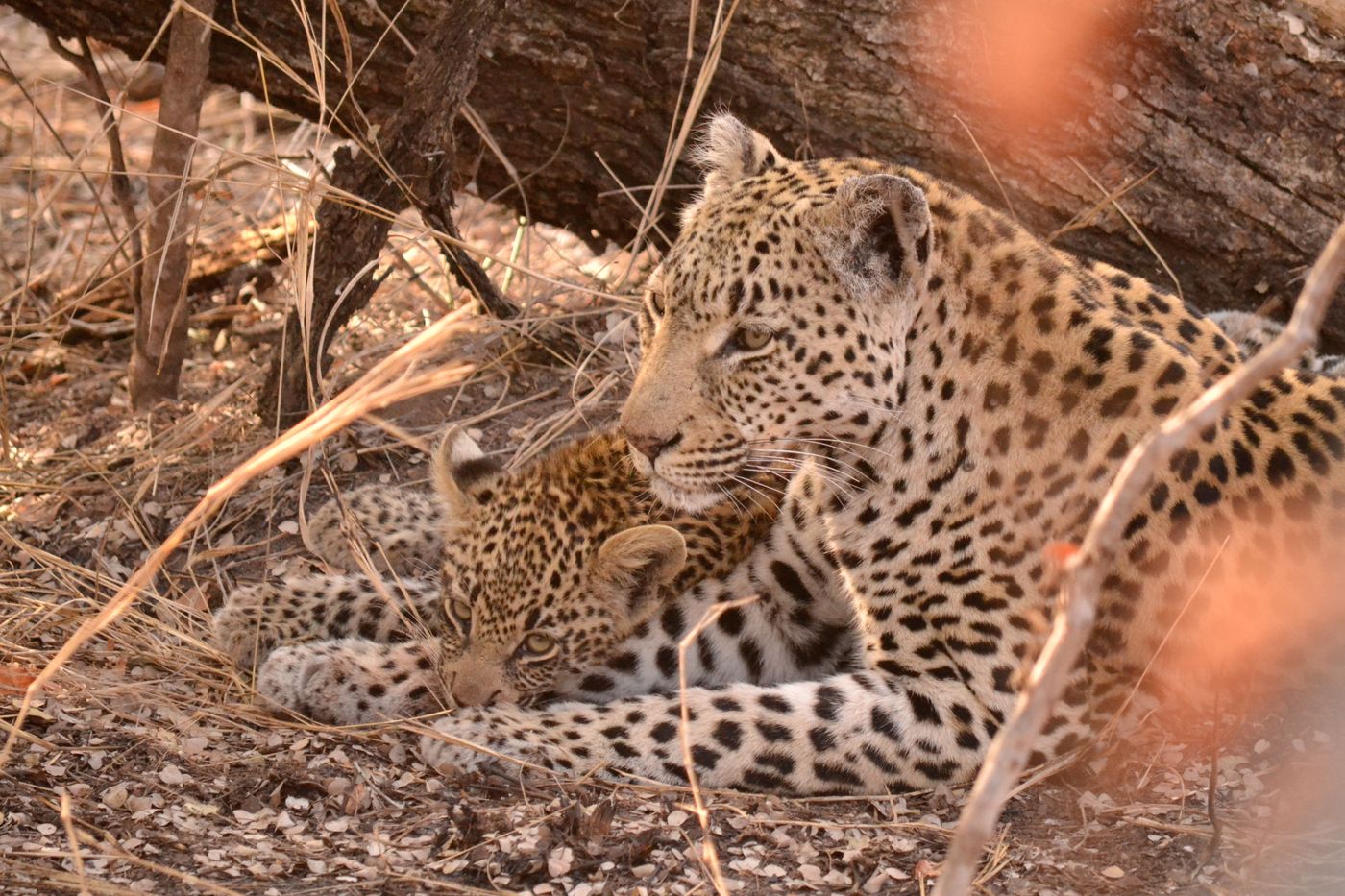
The top private reserves, the Sabi Sand, the Timbavati and Madikwe are almost always sold all-inclusive. The headline nightly rate covers your suite, all meals, most drinks, and two guided game drives a day on private land where vehicles can go off-road to a sighting. That last point is the reason a Sabi Sand leopard sits a metre from your bumper while Kruger day-visitors watch a distant tail from the tar road.
What the rate usually does not include is a conservation levy, a modest per-person, per-night charge (commonly $25–90) that funds anti-poaching and community programmes and is added at checkout. Budget for it; it is not optional, but it is small against the room rate. Because so much is bundled, the sticker price also flatters the true value: on a like-for-like basis, an all-inclusive Sabi Sand rate absorbs food, drink and two activities that would be charged separately elsewhere. To understand what drives these numbers in the first place, read why safaris cost what they do.
The malaria-free family option
South Africa holds a card no East African country can match at this price: genuinely malaria-free Big Five reserves. Madikwe, on the Botswana border, and the Waterberg plateau are malaria-free year round, which removes prophylaxis from the equation for young children and anyone who would rather not take it. For families this is a real cost-and-peace-of-mind draw, not a marketing line; it often decides the destination outright.
Malaria-free lodges tend to price a touch above their Greater Kruger equivalents because demand is concentrated and family suites are larger. The trade is worth it: no medication, shorter transfers from Johannesburg, and lodges built around children’s programmes. See which safari country is right for you to sanity-check the fit.
A worked Sabi Sand luxury itinerary total
Here is what a real six- to eight-night luxury trip looks like once assembled, per person, sharing a double, and excluding international flights:
- 4 nights, Sabi Sand luxury lodge (~$1,200/night all-inclusive): $4,800
- 3 nights, Cape Town (five-star hotel, meals, a wine-country day): ~$1,500–2,500
- Domestic flights (Johannesburg–Skukuza and Cape Town legs): ~$400–700
- Conservation levies, road/air transfers, tips: ~$500–900
That assembles to roughly $6,000–12,000 per person for the whole holiday, depending on lodge and season, the lower end a shoulder-season four-night bush stay with a lean Cape Town add-on, the upper end high season at a top-tier lodge. Push the lodge up to Singita rates and the safari portion alone can exceed the entire figure above; that is the ultra tier, and it is a different conversation. If you are weighing those flagships, our Singita vs andBeyond vs Wilderness comparison is the place to start.
Bolting a safari onto a wider South Africa trip
The single most cost-effective way to do South Africa is to treat the safari as a three- or four-night module inside a longer holiday rather than the whole event. Because the private reserves are all-inclusive, three intensive nights deliver the Big Five without the tapering returns of a full week, and the money you save goes into Cape Town, the Winelands or the Garden Route, none of which need another long-haul flight.
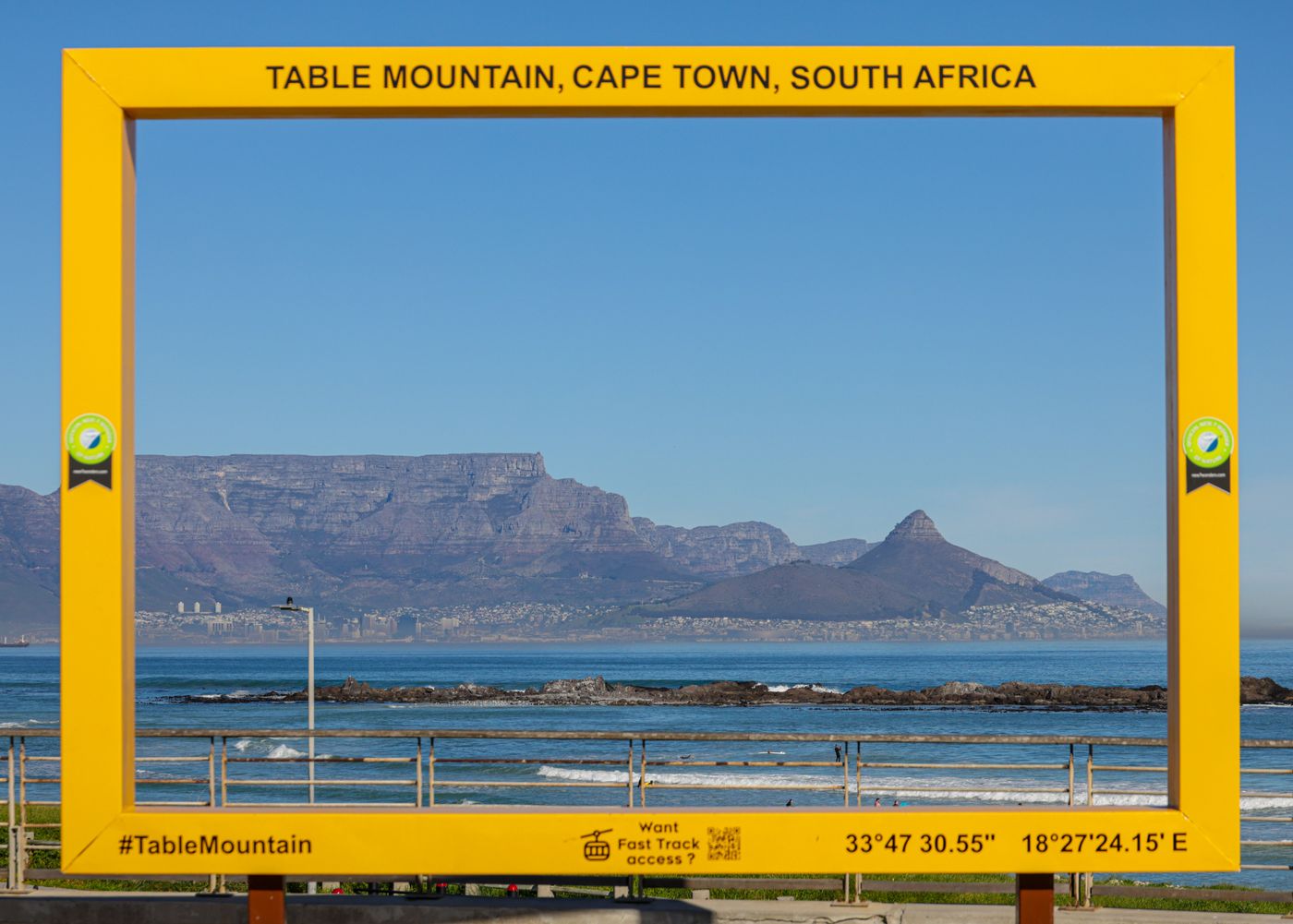
For the Cape half, pre-booking the set-piece experiences, a Table Mountain cableway slot, a Cape Peninsula day, a Winelands cellar tour, smooths the budget and avoids peak-day sell-outs; you can line those up through GetYourGuide. If you would rather hand the entire multi-stop itinerary to one planner, Go2Africa builds tailor-made South Africa trips end to end.
The hidden costs
The nightly rate is the honest headline, but five line items reliably surprise first-timers. Budget for them up front:
- Domestic flights and road transfers. Light-aircraft hops into Sabi Sand airstrips, or the Johannesburg–Skukuza leg, run $200–400 each way; long road transfers eat a day and sometimes a fee.
- Conservation levies. $25–90 per person per night at most private reserves, added at checkout.
- Tips. Guides and trackers are customarily tipped; budget roughly $20–30 per guest per day for the guiding team plus general lodge staff.
- Premium wine and imported spirits. “Most drinks included” rarely means the cellar list; a special-occasion bottle is charged.
- Travel insurance. Non-negotiable for a trip of this value, and cheaper bought early.
For medical and trip-interruption cover that suits longer or multi-country African travel, SafetyWing is built for exactly this kind of itinerary. And because most reserves have patchy signal, sort connectivity before you fly, our eSIM guide for African safaris covers what actually works in the bush.
Value levers that actually move the number
Four decisions change the total more than any amount of lodge-hunting at the margins:
- Travel green (summer) season. The November–March green season brings lower rates, newborn wildlife and dramatic skies. The bush is thicker, so sightings take more patience, but the discount is real, often 20–40% off peak.
- Choose your end of the spectrum deliberately. Self-drive the public Kruger at the budget end, or commit to a private reserve at the top, the awkward middle, where you pay lodge money for shared-land access, is the worst value.
- Share. Many lodges price the fourth guest, family suites or exclusive-use villas far more favourably per head; a group of four to six can pull the per-person figure down sharply.
- Book direct-equivalent. Because South African lodges sell at a single industry rate, a good specialist costs you nothing over booking direct while catching errors and upgrades an OTA never will.
To compare these levers against the operators themselves, our safari operator price comparison and guide on how to verify a safari operator are the two checks worth doing before you pay a deposit. For the full picture across every country, the master luxury safari cost guide ties it all together.
Frequently asked questions
How much does a South Africa safari cost per person per night in 2026?
Mid-range guided lodges run $150–500 per person per night, luxury private-reserve lodges $700–1,800, and ultra-luxury flagships such as Singita in the Sabi Sand $2,700–3,500 or more. Self-drive in the public Kruger sits well below, from roughly $50–150 a day including park fees and self-catering accommodation.
Is South Africa cheaper than Kenya or Tanzania for a safari?
At the entry and mid tiers, usually yes, because South Africa offers a self-drive option and lower internal-flight costs, and because the safari can be a short module inside a wider trip rather than the whole holiday. At the ultra-luxury top end the countries converge. Our Kenya vs Tanzania vs South Africa comparison sets out the trade-offs in full.
What does a 6 to 8 night Sabi Sand luxury safari cost in total?
Around $6,000–12,000 per person, sharing a double and excluding international flights. That typically covers four all-inclusive nights in a Sabi Sand luxury lodge, three nights in Cape Town, domestic flights, conservation levies, transfers and tips. Choosing a Singita-tier lodge can push the safari portion alone past that whole range.
Are South African private reserves all-inclusive?
Almost always. Rates at the Sabi Sand, Timbavati and Madikwe cover your suite, all meals, most drinks and two guided game drives a day on private, off-road-permitted land. The main extras are a modest conservation levy of about $25–90 per person per night, premium cellar wines, spa treatments and staff tips.
Can you do a malaria-free safari in South Africa?
Yes. Madikwe on the Botswana border and the Waterberg plateau are genuinely malaria-free Big Five reserves year round, along with several Eastern Cape reserves. This makes South Africa the strongest choice for families with young children, removing the need for anti-malarial medication without giving up the Big Five.
What hidden costs should I budget for on a South Africa safari?
Five items reliably surprise first-timers: domestic flights and light-aircraft transfers, per-night conservation levies, guide and tracker tips of roughly $20–30 per guest per day, premium wines and imported spirits outside the “most drinks included” list, and travel insurance. Together they can add 10–20% to the headline lodge rate.
When is the cheapest time to go on a South Africa safari?
The green or summer season, roughly November to March, carries the lowest rates, often 20–40% below peak, with newborn wildlife and dramatic skies as a bonus. The vegetation is thicker so sightings take more patience, but the winter dry season commands the premium precisely because animals concentrate at water.