Where to Go on Safari in September (2026)
By Richard Jasinski·Updated 22 July 2026
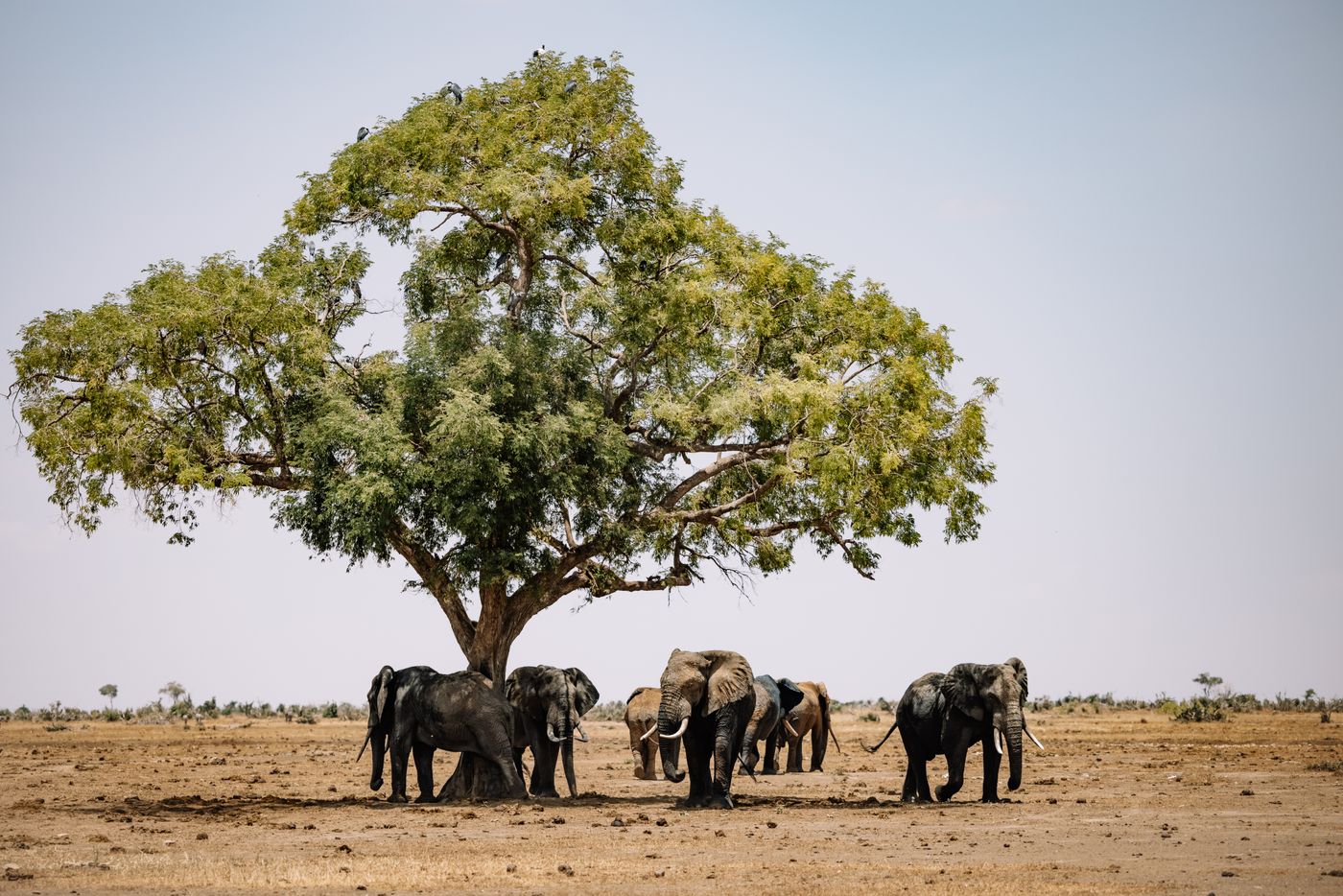
September is a connoisseur’s peak. Southern Africa, Botswana, Zambia, Zimbabwe and South Africa, hits the height of the dry season, delivering the year’s finest big-game viewing as animals crowd shrinking waterholes. Meanwhile the Great Migration’s Mara River crossings continue in the northern Serengeti and Kenya’s Maasai Mara, with slightly thinner crowds than August. Still high season, but easing.
- Best region this month
- Botswana & Zambia
- Migration position
- Late Mara crossings (N Serengeti / Maasai Mara)
- Season & weather
- Peak dry, warm, dusty, near-zero rain
- Price level
- High season, easing slightly from August
- Standout experience
- South Luangwa walking safaris peak
- Skip this month if
- You want green-season prices (go Nov or Apr–May)
The quick answer
If you can travel on safari in only one month, September makes a powerful case. It is the rare window where two very different spectacles peak at once. Southern Africa Botswana’s Okavango and Chobe, Zambia’s South Luangwa, Zimbabwe’s Hwange and Mana Pools, South Africa’s Kruger, reaches the height of its dry season, when leafless bush and shrinking waterholes concentrate wildlife into the densest, most reliable big-game viewing of the entire year. At the same time, in the north, the Great Migration is still crossing the Mara River in the far northern Serengeti and Kenya’s Maasai Mara.
So the decision is simple. If your priority is sheer wildlife density, predators, elephant herds, and Big Five sightings with minimal effort, go south, to Botswana or Zambia. If your heart is set on the migration’s river-crossing drama, go north to the northern Serengeti or the Maasai Mara, where September crossings continue with marginally fewer vehicles than the August peak. Either way you are in high season, so book early; you can compare what is actually available on your dates on BookAllSafaris before you commit. For the wider calendar this page sits within, see our master best-time-to-go-on-safari guide.
Where the game is in September
The chart below plots Southern Africa’s big-game concentration across the year against the migration’s position in the Serengeti–Mara ecosystem. Read them together: in September the southern curve is at its ceiling and the northern herds are still crossing the Mara, a rare double peak.
East Africa in September: the migration’s late act
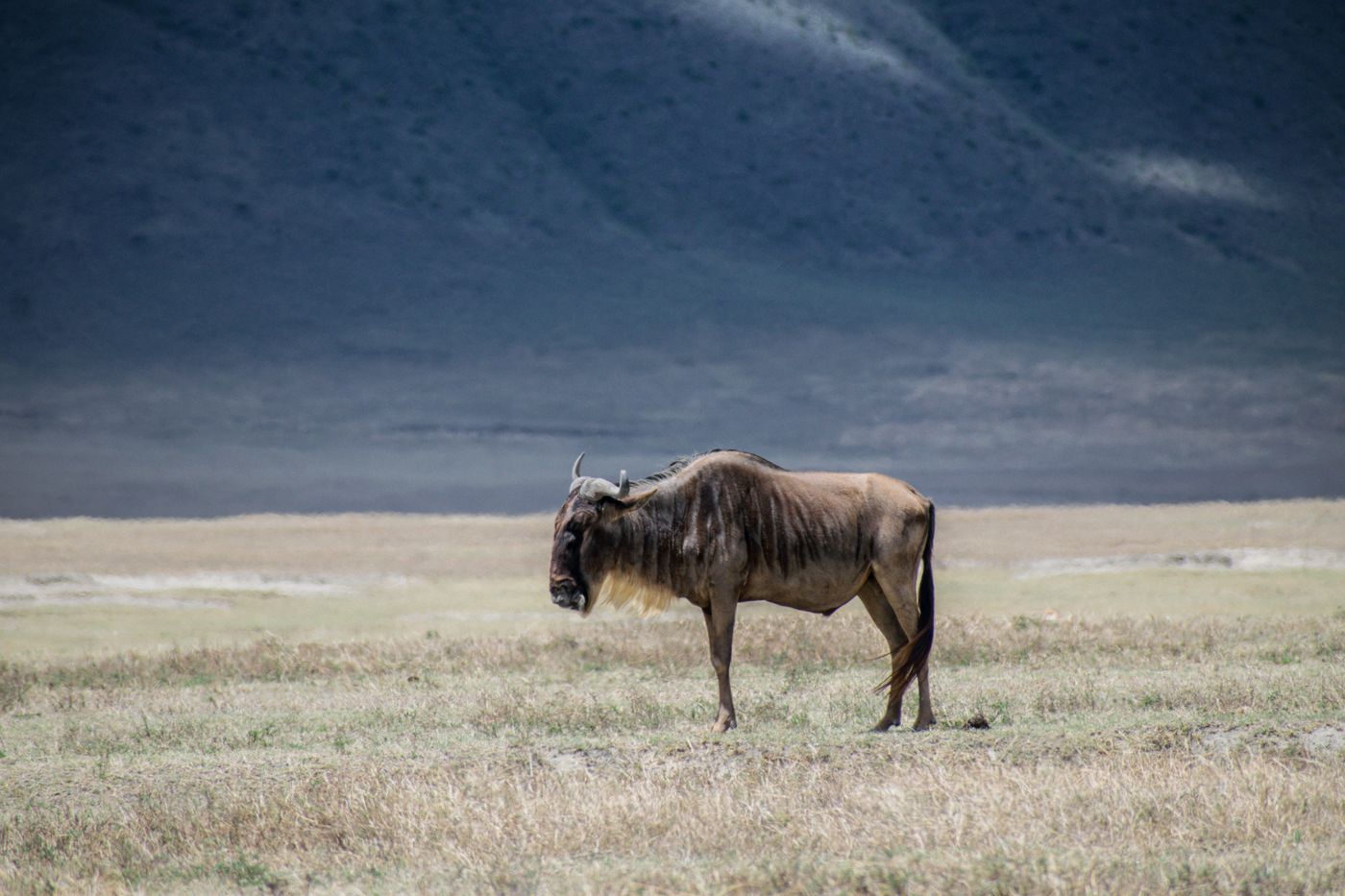
In Kenya and Tanzania, September sits squarely inside the dry season and the tail of the great river-crossing window. The herds are concentrated in the northern Serengeti (Kogatende and Lamai) and across the border in the Maasai Mara, and Mara River crossings continue through September best from July to October, and still excellent now. The advantage over August is subtle but real: the very peak of demand has passed, so you contend with marginally fewer vehicles at a crossing point while the spectacle itself remains at full strength.
As ever, crossings are unpredictable by nature, herds may mass at the bank for hours then cross in minutes, or turn back entirely. Position your camp in the far north and allow several days. For the week-by-week herd detail behind this, our Great Migration month-by-month tracker follows them continuously, and the country calendars for Kenya and Tanzania both peak in this window. If your dream is a crossing, September is a genuine sweet spot; you can shortlist migration camps and dates on BookAllSafaris.
Southern Africa in September: the year’s best game viewing
This is September’s strongest all-round argument. By now the southern dry season has stripped the bush bare and dried up seasonal pans, forcing wildlife to congregate at the few permanent water sources that remain. The result is the densest, most reliable big-game viewing of the year and it is the reason serious safari-goers save their leave for this month.
- Botswana. The Okavango Delta is doubly blessed: peak dry-season game on land, while floodwaters that arrived months after the rains keep water levels high for mokoro canoe and boat safaris. Chobe’s elephant herds, among the largest concentrations on Earth, gather along the river. See our Botswana best-time guide and Botswana luxury safari guide.
- Zambia. September is the marquee month for the South Luangwa walking safari, the discipline was effectively invented here, and dry-season trails put you on foot among leopard, elephant and buffalo. The Zambia best-time guide has the detail.
- Zimbabwe. Hwange’s pumped waterholes draw huge elephant and buffalo herds, and Mana Pools on the Zambezi is superb for walking and canoeing.
- South Africa. The Kruger and the private Sabi Sand reserves offer some of the continent’s finest Big Five, especially leopard, viewing, with thin winter bush aiding sightings. Pairs naturally with Cape Town. See the South Africa best-time guide.
For a tailored Southern Africa itinerary, combining, say, the Okavango with Victoria Falls, or South Luangwa with the lower Zambezi, a specialist earns their keep on logistics and camp choice. Go2Africa is a strong first port of call for a tailor-made Southern Africa trip.
Gorillas, Cape Town and Namibia
Beyond the two headline choices, September is quietly excellent for several standout add-ons.
Gorilla trekking sits at the tail of the drier June-to-September window in Rwanda’s Volcanoes NP and Uganda’s Bwindi, firmer trails and easier trekking than the wetter months to come. The Rwanda permit is US$1,500 and trekking is possible year-round; see our Rwanda gorilla-trekking best-time guide. A gorilla trek pairs beautifully with a Kenyan or Tanzanian migration safari in the same trip.
Cape Town and the Cape are in spring. This is wildflower season, the Namaqualand and West Coast bloom carpets the veld in August and September, and southern right whales are still calving off Hermanus (the season runs roughly June to November). It is the natural cultural bookend to a Kruger or Sabi Sand safari. Whale-watching boat trips, Table Mountain and Cape winelands tours can be booked as add-ons on GetYourGuide.
Namibia is at its game-viewing best: the dry season packs wildlife around Etosha’s floodlit waterholes, and the desert scenery of Sossusvlei and the Skeleton Coast is a year-round draw. And on the Zambezi, September’s lower water at Victoria Falls means clearer views and the chance to swim in Devil’s Pool on the Zambian side, another easy GetYourGuide add-on to a Botswana or Zambia trip.
September at a glance
How the main safari regions stack up this month, honestly, including where the case is weaker.
| Destination | September conditions | Verdict |
|---|---|---|
| Botswana (Okavango, Chobe) | Peak dry season; game packed at water; delta floods still high for mokoro. | Top pick, the year’s best all-round viewing. |
| Zambia (South Luangwa) | Height of the walking-safari season; leopard-rich; camps fully open. | Superb, especially on foot. |
| N Serengeti & Maasai Mara | Mara River crossings continue; slightly fewer crowds than August. | Best for the migration this month. |
| Zimbabwe (Hwange, Mana Pools) | Big elephant and buffalo herds at waterholes; excellent walking and canoeing. | Excellent, underrated value. |
| South Africa (Kruger, Sabi Sand) | Thin winter bush; strong Big Five, especially leopard; pairs with the Cape. | Great, and malaria-lower than midsummer. |
| Namibia (Etosha) | Dry-season game crowds the waterholes; desert scenery superb. | Very good for self-drive and photography. |
| Rwanda / Uganda gorillas | Tail of the drier trekking window; firmer trails than October onward. | Good, a fine add-on. |
What you’ll see
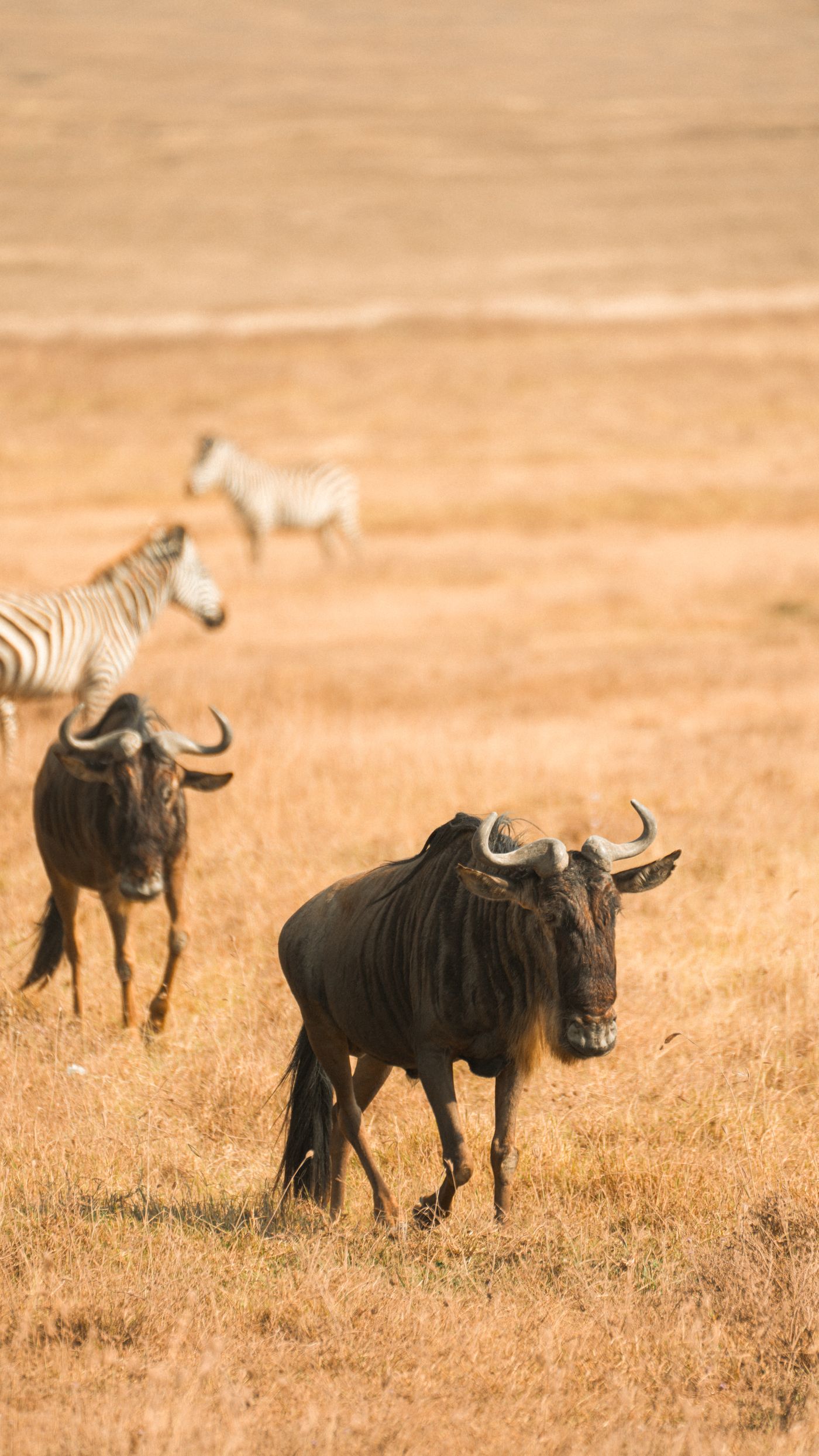
The migration is in its northern phase: wildebeest and zebra hold the far northern Serengeti and the Maasai Mara, feeding the Mara River crossings that define September in the north. Down south, the story is concentration rather than movement. As the last pans dry, elephant, buffalo, giraffe, zebra and antelope funnel toward permanent water, and where prey gathers the predators follow, September is a prime month for lion, leopard, cheetah and, in Botswana, painted wolf (African wild dog). Waterhole hides and river frontages come into their own; a morning parked at a busy Hwange or Chobe waterhole can deliver more than a full day’s driving in the green season.
Weather and what to pack
September is dry almost everywhere that matters. Southern Africa sees little to no rain, warm-to-hot days that build through the month, and cold dawns, game drives start before sunrise, so a fleece and windproof layer are essential even when afternoons hit 30°C. East Africa is likewise dry and pleasant. Expect dust; pack a buff or scarf, and keep camera gear sealed. Bring neutral, layerable clothing, a wide-brimmed hat, high-factor sunscreen and binoculars. Malaria prophylaxis is advised for most safari regions, take current medical advice.
Cover the field, not just the flight. Remote camps, light-aircraft transfers and bush clinics are the norm on safari, so comprehensive travel-medical cover that includes emergency evacuation is non-negotiable. SafetyWing is a straightforward option for travel-medical and evacuation cover while you are out in the bush.
Price and booking in September
Be clear-eyed: September is high season, with rates near their annual ceiling and the best camps booked out months ahead. The one consolation is that it eases slightly from the absolute August peak in some regions, making it a marginally better-value peak month; you get the year’s finest game viewing for very close to top rates, but occasionally with a little more availability and thinner crowds at northern crossing points. Treat all figures as indicative 2026 benchmarks, excluding international flights, and always get a live quote.
Book six to twelve months out for September, particularly for the northern Serengeti/Mara migration camps and Botswana’s limited-bed delta lodges. To model the spend before you commit, see our Botswana safari cost guide and the wider luxury safari cost guide.
Who September suits, and who should wait
Book September if you want the outright best big-game concentrations of the year (go to Botswana or Zambia), or you are set on the Great Migration’s river crossings with a touch less August crush (go to the northern Serengeti or Maasai Mara). It also suits anyone combining a safari with spring in Cape Town, a gorilla trek, or Victoria Falls at lower water.
Consider another month if your budget is the deciding factor: September is peak-priced, and the green season (roughly November, or April–May in East Africa) offers the same landscapes for far less, with lush scenery and newborn game, just less concentrated viewing. Still weighing where to go? Our which-safari-country guide helps you match a country to your priorities. And if your dates are firm but the month next to this one fits better, compare safari in August and safari in October.
Frequently asked questions
Where is the best place to go on safari in September?
Southern Africa is the standout: Botswana and Zambia in particular reach the height of the dry season, delivering the year’s densest, most reliable big-game viewing as wildlife crowds shrinking waterholes. If your priority is the Great Migration instead, head north to the Serengeti or Kenya’s Maasai Mara, where Mara River crossings continue through September.
Can you still see the Great Migration river crossings in September?
Yes. Mara River crossings continue through September in the northern Serengeti (Kogatende and Lamai) and Kenya’s Maasai Mara, and remain excellent, the best window runs July to October. Crossings are unpredictable, so position your camp in the far north and allow several days. September brings marginally fewer crowds than the August peak.
Why is September the best month for a Southern Africa safari?
By September the dry season has stripped the bush bare and dried up seasonal water, so wildlife concentrates at the few remaining permanent waterholes and rivers. This produces the densest, most reliable big-game and predator viewing of the year across Botswana, Zambia, Zimbabwe, South Africa and Namibia.
Is September a good time for a Botswana or Zambia safari?
It is arguably the best time. In Botswana, peak dry-season game viewing coincides with still-high Okavango floodwaters, so you get both land and water safaris. In Zambia, September is the marquee month for South Luangwa’s walking safaris, with leopard-rich sightings and firm, dry trails.
Is September expensive for safari?
Yes, September is high season, with rates near their annual peak and the best camps booked out months ahead. It does ease slightly from the August peak in some regions, making it a marginally better-value peak month, but for true low prices you would look at the green season instead. Book six to twelve months ahead and get a live quote.
Can you trek gorillas in Rwanda in September?
Yes. September falls at the tail of the drier June-to-September window in Rwanda’s Volcanoes NP and Uganda’s Bwindi, so trails are generally firmer and trekking easier than in the wetter months that follow. The Rwanda gorilla permit costs US$1,500 and trekking is possible year-round.
What is the weather like on safari in September?
Dry almost everywhere. Southern and East Africa see little to no rain, with warm-to-hot days that build through the month and cold dawns for early game drives. Expect dust. Pack layers for chilly mornings, sun protection for hot afternoons, and neutral colours; malaria prophylaxis is advised for most regions.