Where to Go on Safari in July (2026)
By Richard Jasinski·Updated 22 July 2026
July is when the safari year peaks. The Great Migration reaches the northern Serengeti and the first Mara River crossings begin, the whole of East and Southern Africa turns dry and prime, and gorilla trekking is at its easiest. The trade-off is simple: this is the busiest, priciest month of the year, so book well ahead. Best picks, the northern Serengeti for the first crossings, Botswana’s flooded Okavango, or Rwanda for gorillas.
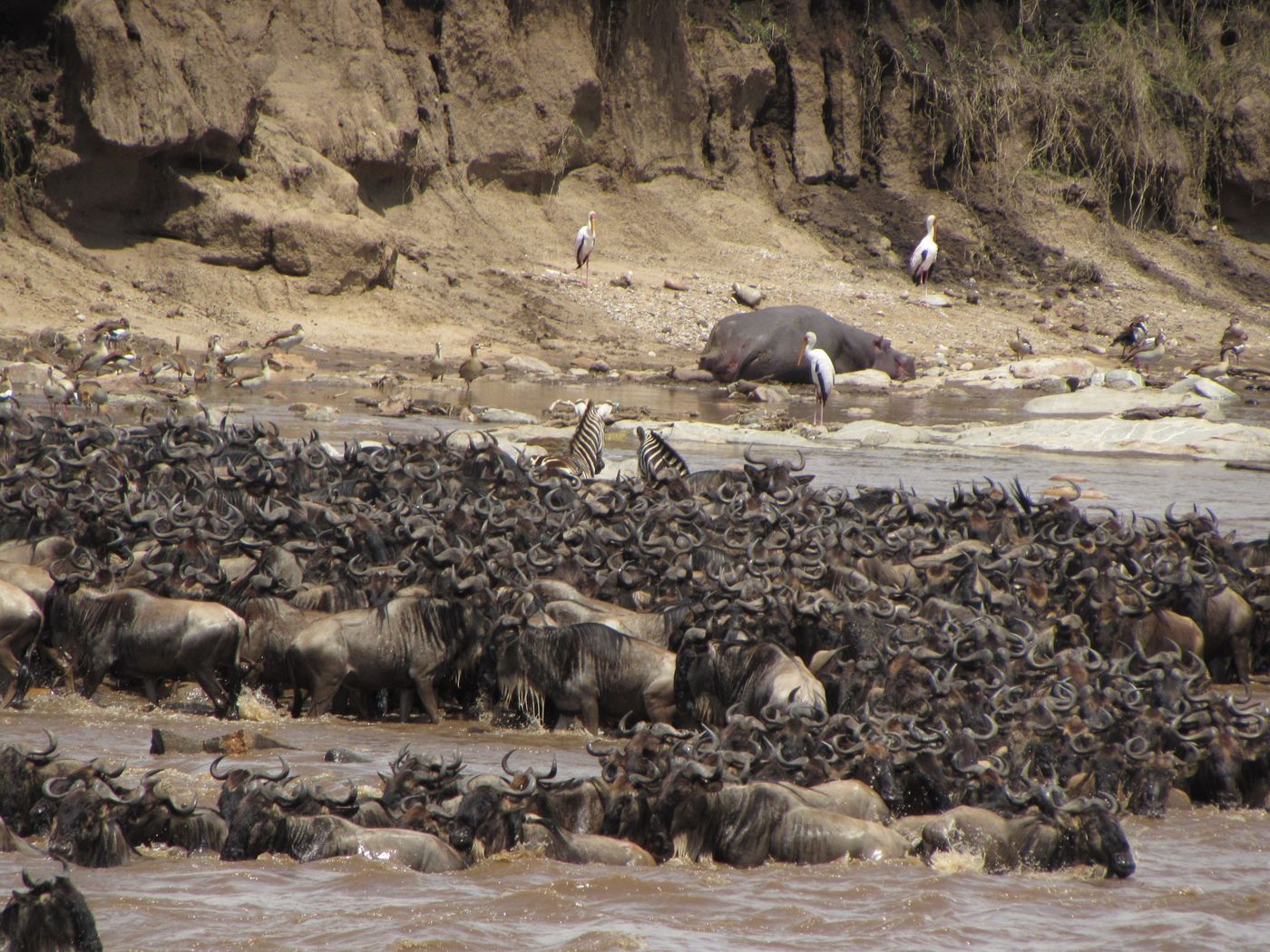
- Best region this month
- Northern Serengeti (Kogatende / Lamai)
- Migration position
- First Mara River crossings begin
- Season & weather
- Peak dry season, cool, clear, sparse bush
- Price level
- HIGH, busiest & priciest; book ahead
- Standout experience
- Herds plunging the crocodile-lined Mara
- Skip this month if…
- You want low prices or empty camps
The quick answer
July opens the peak safari season across the continent, so the honest problem is not finding somewhere good; it is choosing between an embarrassment of prime options. Three stand out. For the migration, head to the northern Serengeti (Kogatende and Lamai), where the herds have arrived at the Mara River and the first crossings begin. For water-based safari at its most magical, Botswana’s Okavango Delta is in full flood, peak mokoro season. And for the world’s greatest primate encounter, July falls squarely in the dry, easy-trekking window for gorillas in Rwanda.
The one rule to carry through the month: July is high season, and it prices like it. Rates are at their annual ceiling, the best camps sell out six to twelve months ahead, and the northern Serengeti and Maasai Mara draw crowds. If your dates are fixed, move now, compare what is still available for July on BookAllSafaris before the best mobile camps in the far north are gone.
The Great Migration is a continuous, roughly clockwise circuit of about 1.5 million wildebeest around the Serengeti–Mara ecosystem, not a fixed event. In July the leading herds reach the northern Serengeti and part of the population begins spilling across into Kenya’s Maasai Mara. For the week-by-week herd position, our Great Migration month-by-month tracker follows them; this page is the seasonal decision layer above it.
Where to go in July, in one view
July sits at the top of the price curve for a reason: nearly everywhere worth going is at its best. The strip below plots relative safari price across the year, with the July–October peak season flagged and July marked.
East Africa in July: peak season begins
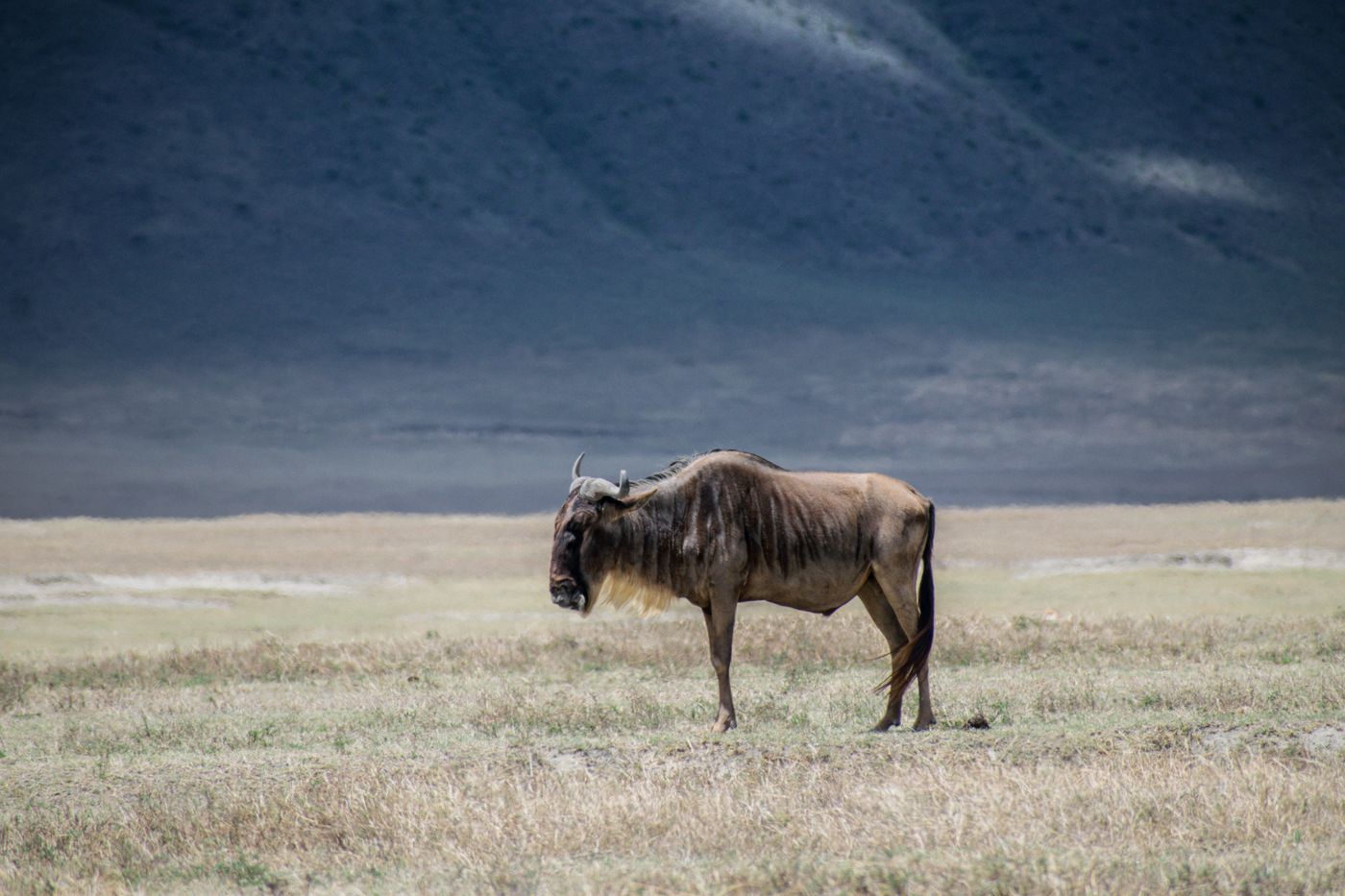
East Africa is the headline act in July. The dry season is fully established: the bush is sparse, the air is cool and clear, and animals concentrate around dwindling water. In Tanzania, the migration has reached the northern Serengeti, and the leading herds begin massing at the Mara River. The first crossings of the year happen now, the season runs July to October, best August to September, but July’s early crossings are the draw for travellers who want the drama before the crowds hit their absolute peak. Position your camp in the far north around Kogatende or Lamai; the central Seronera that first-timers default to is the wrong place this month.
Across the border, Kenya’s Maasai Mara is excellent, and gets better as July closes: part of the herd crosses in from the Serengeti, and by late July the Mara Triangle is filling with wildebeest. It is one of the two best places on earth to be this month. Our best time for a Kenya safari and best time for a Tanzania safari guides go deeper on each country’s circuit. A word of caution the brochures skip: July is high season on both sides of the river, so book the northern camps early and expect to share the best crossings with other vehicles.
Southern Africa in July: dry and in its stride
If East Africa is the headline, Southern Africa is the quieter equal. The dry season is well set, and every major destination is prime. Botswana’s Okavango Delta is the star: through the delta’s famous flood paradox, floodwaters arriving months after the distant rains peak around now, so water levels are high in the dry season, ideal for mokoro (dugout canoe) safaris and water-based game viewing you cannot get in the peak dry months elsewhere. Wild-dog denning is also under way. It is one of the great safari experiences of the calendar; sense-check delta camp availability and logistics with a specialist such as Go2Africa, and see our best time for a Botswana safari guide.
Elsewhere the roll-call is strong: Zambia’s South Luangwa is prime walking-safari country now (see best time for a Zambia safari); South Africa’s Sabi Sand delivers reliable Big Five and malaria-season comfort in the cool, dry winter; and Namibia’s Etosha is excellent as game crowds the waterholes. On the coast, Cape Town is in its quiet, cool winter, not beach weather, but whale season is under way around Hermanus and the city pairs neatly with a Kruger or Sabi Sand safari. A whale-watching trip or a Cape day tour is an easy add-on through GetYourGuide.
Gorillas and extras in July
July falls in the prime dry window (June to September) for gorilla trekking in Rwanda’s Volcanoes National Park and Uganda’s Bwindi. Trails through the mountain forest are drier and firmer, which makes the steep hike to the gorillas markedly easier, one of the best months of the year to go. The trek is possible year-round and the Rwanda permit is US$1,500 (indicative 2026), a fixed cost worth planning around; our best time for Rwanda gorilla trekking guide has the detail. Rwanda pairs beautifully with a northern-Serengeti or Maasai Mara migration leg, making July an ideal month for a combined great-apes-and-migration trip.
For an add-on with a view, Victoria Falls is past its full April–May flood but still substantial in July, with clearer viewpoints than the peak-spray months; guided tours and activities there book easily through GetYourGuide. If you are still weighing which country suits you, the master best time to go on safari calendar sets July in the full-year context.
Compare the July destinations
Every option below is genuinely prime this month, the choice is about what you want, not avoiding a weak link.
| Destination | July conditions | Verdict |
|---|---|---|
| Northern Serengeti (Tanzania) | Peak dry; herds at the Mara River, first crossings begin. Busy, priciest camps. | Top pick, the month’s headline. Camp at Kogatende / Lamai. |
| Maasai Mara (Kenya) | Dry and excellent; herds start crossing in, best late July onward. | Superb, and building. Consider a private conservancy for fewer vehicles. |
| Okavango Delta (Botswana) | Flood high; prime mokoro and water safari; wild-dog denning. | The water-safari month. Co-headline with the Serengeti. |
| South Luangwa (Zambia) | Dry, cool; classic walking-safari season, strong predator sightings. | Best for walking safaris and old-Africa atmosphere. |
| Sabi Sand / Etosha (SA & Namibia) | Cool dry winter; reliable Big Five, game at waterholes, malaria-low. | Safe, comfortable all-rounders; easy family choice. |
| Volcanoes NP (Rwanda) | Dry trekking window; firmer trails, easier hike to the gorillas. | One of the best gorilla months. Permit US$1,500 (indicative 2026). |
What you’ll see in July
The defining sight is the migration at the Mara River: thousands of wildebeest and zebra massing on the northern-Serengeti banks, the first columns plunging into crocodile-patrolled water. Crossings are unpredictable by nature, herds may build for hours then cross in minutes, or turn back, so patience, a good guide and several days in the far north matter far more than the exact date. Alongside it, the dry season delivers textbook general game viewing everywhere: thin bush and shrinking water make big cats, elephant and plains game easy to find from Botswana to Namibia. In the Okavango, the high flood puts you eye-level with the delta from a mokoro; in Rwanda, the payoff is an hour with a mountain-gorilla family. It is, on balance, the richest single month on the safari calendar. For realistic species-by-park expectations, see the master safari calendar.
Weather and what to pack
July is dry-season winter across the region, which means warm, clear days and genuinely cold mornings, dawn game drives on the Serengeti and Ngorongoro rim, or a mokoro at first light in the delta, can be near freezing before the sun climbs. Pack for layers: a warm fleece or down layer and a windproof for early starts, plus lightweight neutrals for the warm midday. Rain is unlikely in July across East and Southern Africa, so a heavy waterproof is optional, but bring a hat, high-factor sun cream and sunglasses for the strong midday light. For gorilla trekking add waterproof hiking boots, gardening gloves and a light rain layer, mountain forest can be damp whatever the season. Winter is malaria-lower in many Southern African reserves, but still take advice on prophylaxis.
Price and booking in July
There is no gentle way to put it: July is the most expensive month to go on safari, together with the rest of the July–October peak and the festive spike in December and January. Lodge rates are at their annual ceiling, the best mobile camps in the northern Serengeti and the top Okavango water camps sell out first, and park fees are charged at peak rates, Serengeti at roughly US$82.60 per adult per 24 hours including VAT, the Maasai Mara at US$200 per day in peak season, and Botswana’s camps largely all-inclusive. All are indicative 2026 benchmarks, exclude international flights, and should be confirmed with a live quote.
The practical advice: book six to twelve months ahead for July, and if your dates have any flexibility, price the difference against the June shoulder, our luxury safari cost guide breaks down what peak season actually costs, all in. If you are set on July, move early: enquire now and compare live availability rather than assuming your first-choice camp is free.
Sort your cover before you travel. Remote camps, light-aircraft transfers and long distances from a good hospital make comprehensive insurance with medical evacuation non-negotiable on any safari, SafetyWing is a straightforward option for travel-medical and evacuation cover while you are in the field.
Who July suits, and who should skip it
Go in July if you want the safari calendar at its absolute best and are willing to pay and book ahead for it: migration-hunters chasing the first Mara crossings, anyone drawn to the flooded Okavango, gorilla trekkers wanting firm dry trails, and travellers who value guaranteed, textbook dry-season game viewing over a bargain. It is also a fine family month, with cool weather and lower malaria risk in the Southern African reserves.
Skip July if your priority is value or solitude. This is the year’s busiest, priciest window; for lower prices and near-empty parks you want the East African long rains of April to May, or the green season. If you can be flexible by a few weeks, the June shoulder offers near-peak conditions at lower rates, while August brings the crossings to their absolute peak.
Frequently asked questions
Where is the best place to go on safari in July?
July is peak season across Africa, so several places are prime. The standout picks are the northern Serengeti (Kogatende or Lamai) for the first Mara River crossings, Botswana’s flooded Okavango Delta for water-based safari, and Rwanda for dry-season gorilla trekking. Kenya’s Maasai Mara is also excellent and improves through late July.
Can you see the Great Migration river crossings in July?
Yes. July marks the start of the Mara River crossings in the northern Serengeti, as the leading herds arrive at the river and part of the population begins crossing into Kenya’s Maasai Mara. The crossing season runs July to October and peaks in August and September, but July’s early crossings are a genuine draw. Position your camp in the far north and allow several days, as crossings are unpredictable.
Is July a good time for a Botswana safari?
July is one of the best months for Botswana. The Okavango Delta flood is high, floodwaters peak in the dry season through the delta’s flood paradox, making it prime time for mokoro (dugout canoe) safaris and water-based game viewing, with wild-dog denning also under way. The wider dry season means excellent general game viewing too.
Is July a good month for gorilla trekking?
Yes, July is one of the best months. It falls in the drier June-to-September window, when forest trails in Rwanda’s Volcanoes National Park and Uganda’s Bwindi are firmer and the steep trek to the gorillas is easier. Trekking is possible year-round; the Rwanda permit is US$1,500 as an indicative 2026 figure.
Is July an expensive time to go on safari?
Yes. July is the most expensive time of year, along with the rest of the July-to-October peak season and the December–January festive spike. Lodge rates are at their annual ceiling, the best camps sell out first, and park fees are charged at peak rates. Book six to twelve months ahead, and treat all prices as indicative 2026 benchmarks excluding international flights, get a live quote.
What is the weather like on safari in July?
July is dry-season winter: warm, clear days and cold early mornings across East and Southern Africa, with little or no rain. Dawn game drives and mokoro trips can be near freezing before the sun rises, so pack warm layers for the mornings and lightweight neutrals for midday, plus sun protection.
Should I go on safari in July or August?
Both are peak months. July brings the first Mara River crossings and slightly lower crowds and prices than the absolute peak, while August is when the crossings reach their height in the northern Serengeti and Maasai Mara, with the busiest, priciest conditions. If you want the crossings at their most reliable, favour August; if you want strong conditions a notch before the peak crush, July works well.