Travel Intelligence · Solo Travel Safety Scorecards 2026
Solo Travel Safety Scorecards 2026: 10 Countries Scored on Safety, Transport and English, Plus the Best for Backpacking, Road Trips and Guided Tours
By Richard J. · written from Valencia10 countries scored /100Verified 21 September 2026
The best-scoring country for solo travel in 2026 is Japan, at 73/100 — a Global Peace Index rank of 10, a 30,625 km rail network that is the only one here to take full marks, and the worst English proficiency score in this index — followed by Norway (68), Portugal (66), Slovenia (60) and Ireland (60). Ten countries are scored against five published criteria, every figure carrying its source and the date it was read. Below the main table the same dataset is re-cut for backpacking, road trips and guided travel.
Verified 21 September 2026 · Global Peace Index 2026 · Numbeo mid-2026 · EF English Proficiency Index 2025 · national tourism boards re-read at source
Solo travel destinations scored on safety, transport and English
How the score works (100 points). Safety record 30 — Global Peace Index rank and Numbeo Safety Index. · Public transport 25 — Rail network size and whether a national rail pass exists. · English coverage 15 — EF English Proficiency Index rank. · Affordability 15 — Midrange daily budget for one traveller. Lower scores higher. · Practical access 15 — Visa-free access on an EU passport, tap water, published emergency number. Scores are ours; the inputs are linked. Where a figure is not published, the criterion scores zero and the table says so.
#
Country
Score /100
GPI rank
Safety index
English
Daily budget
Best for
1
Japan
73
10
77.2
96 (Low)
$137
A first solo trip where the transport does the work
2
Norway
68
33
66.7
5 (Very High)
$137
Solo hiking with no language barrier
3
Portugal
66
7
67.0
6 (Very High)
$192
Meeting people without joining anything
4
Slovenia
60
4
75.5
not ranked
$126
A whole country covered without a car
5
Ireland
60
5
51.0
not ranked
$196
Talking to strangers from day one
6
Taiwan
58
42
83.0
not ranked
$114
Cities at night, alone, without thinking about it
7
Georgia
52
94
73.8
35 (Moderate)
$26
Staying for months on very little
8
Uruguay
43
43
47.5
34 (Moderate)
$92
Slow coastal weeks in the Southern summer
9
Vietnam
37
41
59.9
64 (Moderate)
$65
Structured routes at low cost
10
Costa Rica
30
62
46.1
55 (High)
$152
Guided wilderness with a car
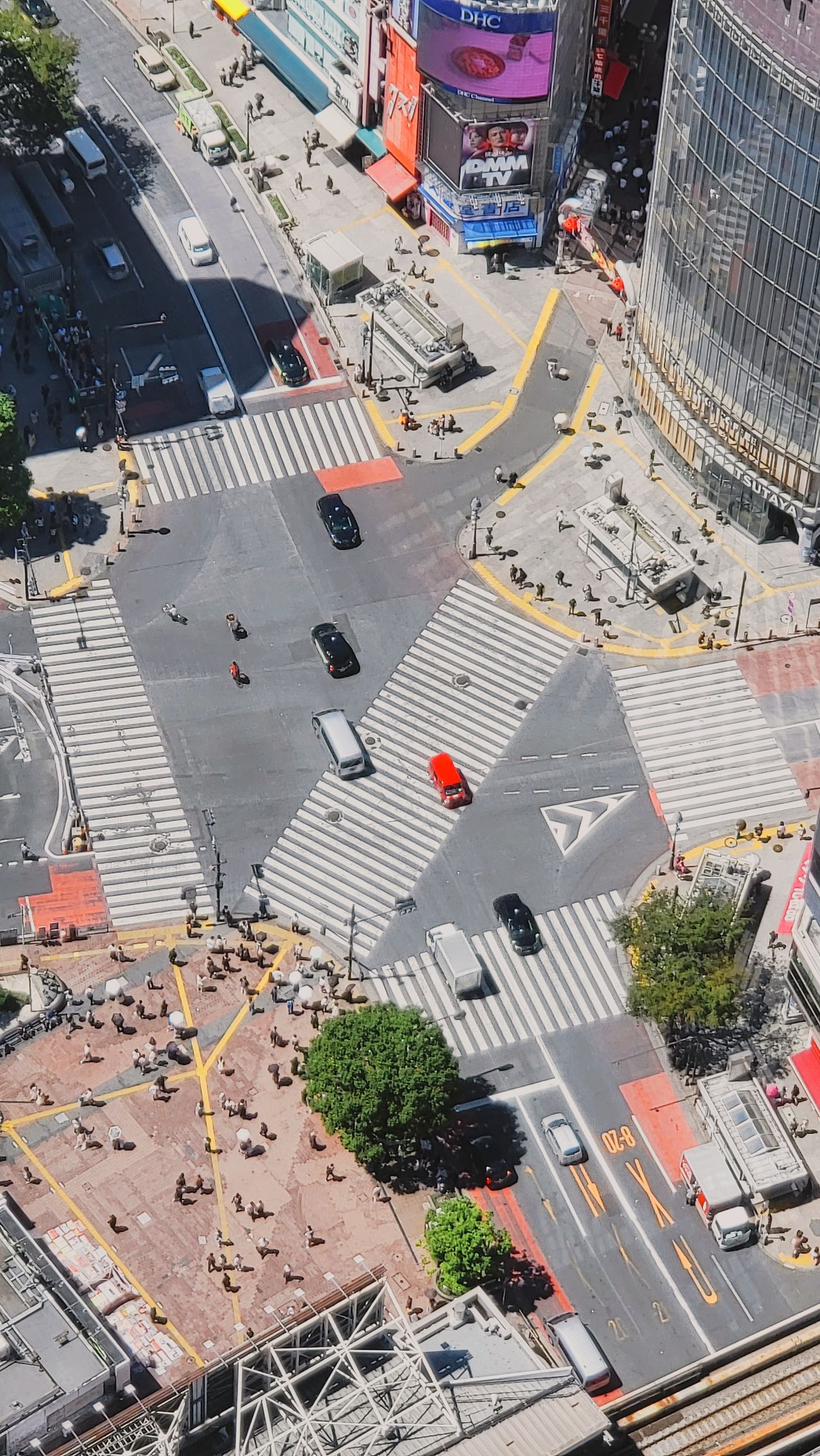
Shibuya Crossing, Tokyo — Japan takes the index on transport and safety, not on ease of conversation. Photo: Junsu Park / Pexels
Score breakdown by criterion
Country
Safety /30
Transport /25
English /15
Budget /15
Access /15
Total
Japan
27
25
2
5
14
73
Norway
19
14
15
5
15
68
Portugal
23
13
15
0
15
66
Slovenia
27
12
0
6
15
60
Ireland
17
13
15
0
15
60
Taiwan
24
13
0
7
14
58
Georgia
11
1
10
15
15
52
Uruguay
9
1
10
9
14
43
Vietnam
14
0
3
12
8
37
Costa Rica
5
0
6
4
15
30
Two patterns run through the table. The first is that the top of the index is not the easy end: Japan wins on 73 while scoring 2 of 15 on English, and Norway, which scores a perfect 15 on English, sits five points behind it. Transport and safety simply carry more weight than language, and for a traveller alone that is the right weighting — a missed connection at night is a worse problem than a missed sentence. The second is that the two safety measures disagree far more than most rankings admit. Ireland ranks fifth in the world on the Global Peace Index and 51.0 on Numbeo; Georgia ranks 94th on peace and 73.8 on Numbeo. One measures a country, the other measures a street at night, and a solo traveller is standing on the street.
Not one country in this index publishes a typical single supplement. We looked for a figure for all ten and found none anywhere — no tourism board, no national tour association, no published survey. For a traveller alone it is the most directly relevant number there is, and the industry does not publish it. That is a gap in the record of every country here, and it is the first thing we would ask a national body to close.
Best destinations for solo backpacking
For solo backpacking the five that work are Georgia ($26 a day), Vietnam ($65), Portugal ($192 midrange but the densest hostel coast in Europe), Taiwan ($114) and Slovenia ($126). The test applied here is cost per day against how much structure exists for someone arriving without a plan — hostel density, an established route, and an entry policy that does not put a clock on the trip.
#
Country
Daily budget
Why it works
Visa-free, EU passport
1
Georgia
$26
At $26 a day it is a fifth of Japan's cost, and a 365-day visa-free stay means nobody is counting
365 days
2
Vietnam
$65
$65 a day with a north-south route that is walked so often it organises itself
45 days
3
Portugal
$192
$192 a day is the highest here, but the hostel and surf-camp density on the coast is the densest in Europe
Unlimited
4
Taiwan
$114
$114 a day, a 2,033 km rail loop and the highest safety index in the set at 83.0
90 days
5
Slovenia
$126
$126 a day and small enough that a two-week loop needs no internal flights
Unlimited
Two cautions. Georgia's $26 a day is real but its Global Peace Index rank of 94 is the worst in this index, and the gap between that and its healthier Numbeo score of 73.8 is wide enough that you should read both before deciding. And Portugal's $192 midrange figure will mislead a backpacker badly — it measures hotels, not hostel beds, which is a limitation of the source and not of the country. See what Europe actually costs for the fuller picture.
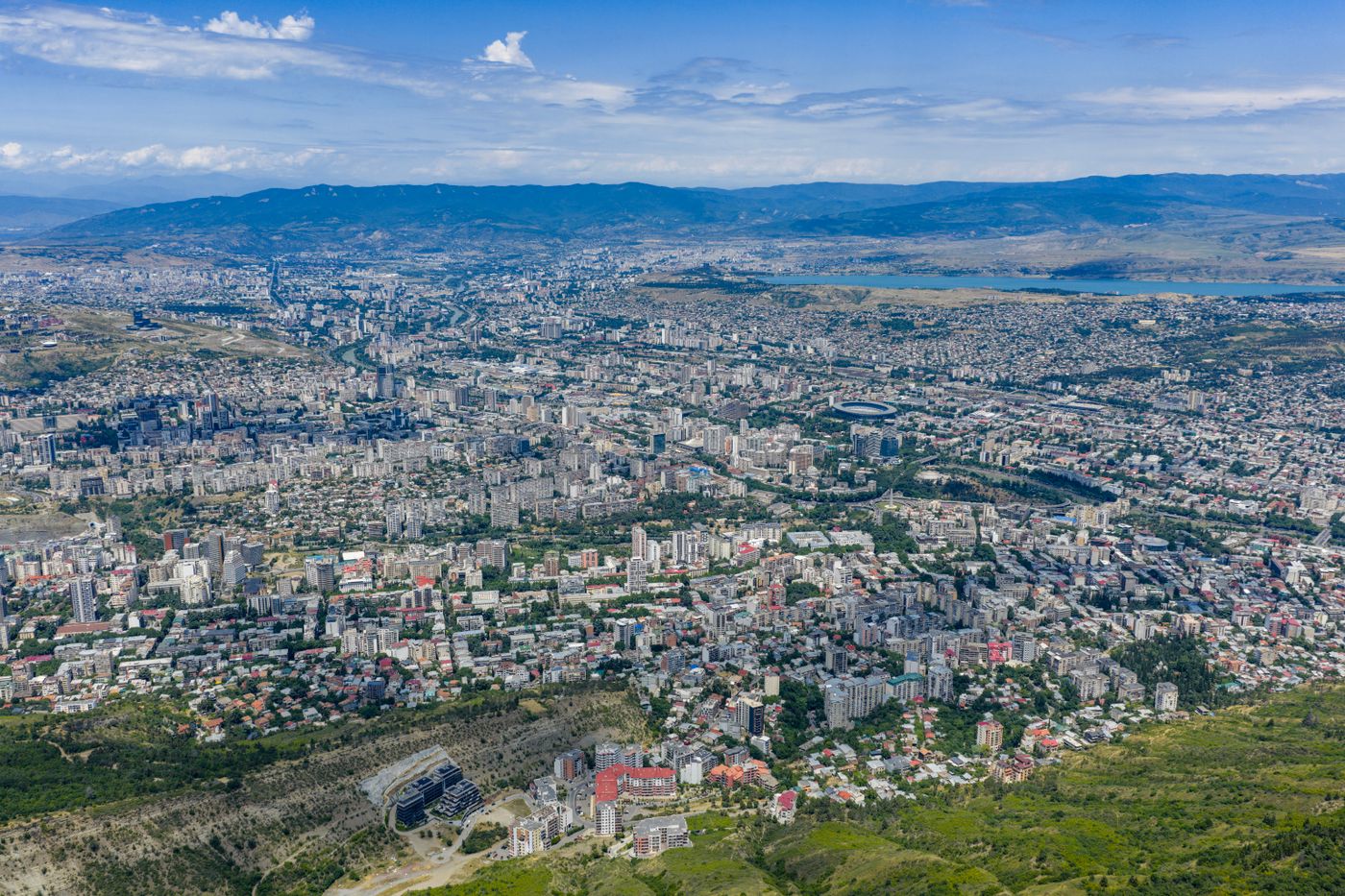
Aerial view of Tbilisi, Georgia (the Caucasus country), showing its sprawling urban cityscape against a backdrop of mountains. — the cheapest country in this index at $26 a day. Photo: Ramaz Bluashvili / Pexels
Best solo travel destinations for road trips
The four countries here where a solo traveller should drive rather than take the train are Costa Rica, Uruguay, Norway and Ireland — the first two because there is no usable passenger rail at all, the second two because the rail is good and stops short of the coastline people come for. The test is whether the best of the country is reachable on the published network, and in these four it is not.
#
Country
Rail network
Why drive
Best months
1
Costa Rica
No passenger network on file
There is no rail alternative at all, which is why it scores 0 of 25 on transport and why a car is not optional
December-April (Pacific-side dry season); the Caribbean side has no well-defined dry season
2
Uruguay
2,900 km, no national pass
Track exists but no tourist pass does, so the coast east of Montevideo is a driving proposition
December-February (Southern Hemisphere summer)
3
Norway
4,109 km, Interrail one-country pass
The train is excellent and still misses the fjord roads; drive the west, take the train north
June-August (summer, midnight sun in the north); May and September also good shoulder months
4
Ireland
2,733 km, Interrail one-country pass
Rail links the cities and leaves the Atlantic edge, which is the reason most people come, to the road
May, September and October (mild weather, longer daylight, fewer crowds)
The practical cautions are different in each pair. In Costa Rica and Uruguay the risk is assuming a bus network will substitute; both score 0 and 1 of 25 on transport respectively, and neither has a tourist rail pass. In Norway and Ireland the risk is the opposite, paying for a rail pass and then hiring a car anyway. Check how to actually get around Europe before buying either.
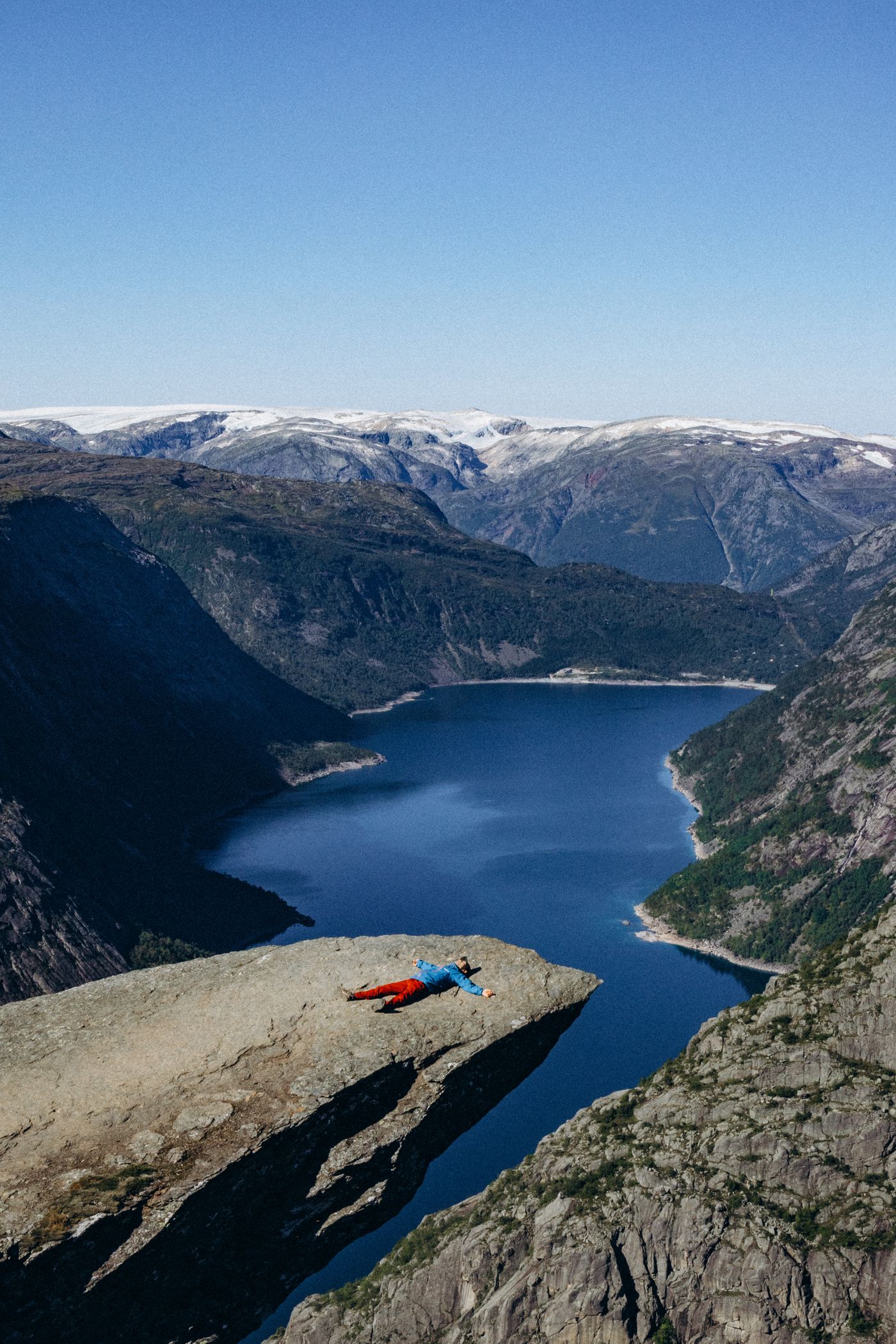
Person on the Trolltunga rock ledge above the fjord near Odda, Vestland, Norway — Norway scores 15 of 15 on English and loses ground on safety and cost. Photo: Jonathan Borba / Pexels
Most welcoming destinations for solo travellers on guided tours
Guided structure earns its cost in Japan, Costa Rica, Vietnam and Ireland, and it buys something different in each: translation in Japan, wildlife sightings in Costa Rica, daily logistics in Vietnam, and company in Ireland. The test is what a guide actually removes, because that is what is being paid for.
#
Country
English rank
What guiding solves
Emergency number
1
Japan
96 of 116 (Low band)
The single strongest argument for guiding in this index: the country that scores highest overall scores lowest on English
110 (police), 119 (fire/ambulance)
2
Costa Rica
55 (High band)
Wildlife is the point and it is genuinely hard to find alone; guiding buys sightings, not translation
911
3
Vietnam
64 (Moderate band)
Tap water is not drinkable, the only country here where that is true, and a guided structure removes a daily decision
113 (police), 114 (fire), 115 (ambulance)
4
Ireland
Not ranked, native English
Guiding here is social rather than practical, which is a different purchase and priced differently
112 or 999
The strongest case in the table is Japan, and it is counterintuitive: the country that tops this index overall is the one where a solo traveller is least likely to be understood. If the reason for going alone is independence rather than solitude, the guiding spend in Japan buys more than it does anywhere else here. See our adventure destinations index for the guided end of the wilderness market.
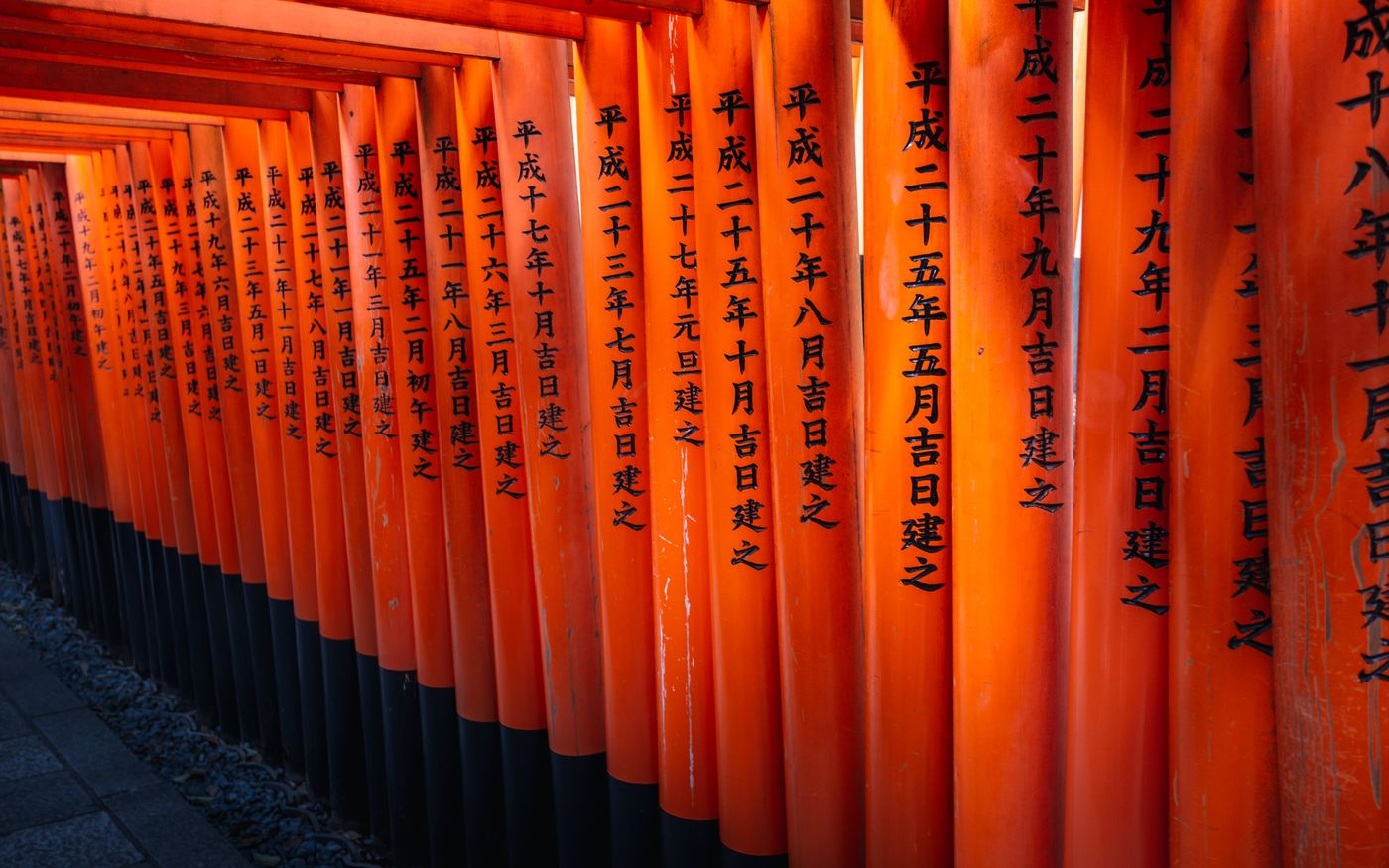
Orange torii gates of Fushimi Inari-taisha, Kyoto, Japan — Japan takes a full 25 of 25 on transport, the only country here that does. Photo: Marek Piwnicki / Pexels
Exclusive solo travel destinations: where the crowd thins
Of the ten, Slovenia, Georgia and Uruguay are the three that deliver a genuinely uncrowded solo trip, and each pays for it in a different currency. Slovenia has the best peace rank in this index at 4 and the smallest rail network at 1,229 km. Georgia has the cheapest days and the worst peace rank. Uruguay has the Southern Hemisphere summer and the lowest Numbeo score we recorded, 47.5.
The pattern worth naming is that none of the three is unknown because it is bad. Slovenia is thinly travelled because it is small and sits beside Italy and Austria; Georgia because its peace rank frightens people whose street-level risk is better described by its Numbeo figure; Uruguay because it shares a border with Argentina and Brazil and loses the argument on name recognition. Our underrated destinations index covers the same ground from the other direction.
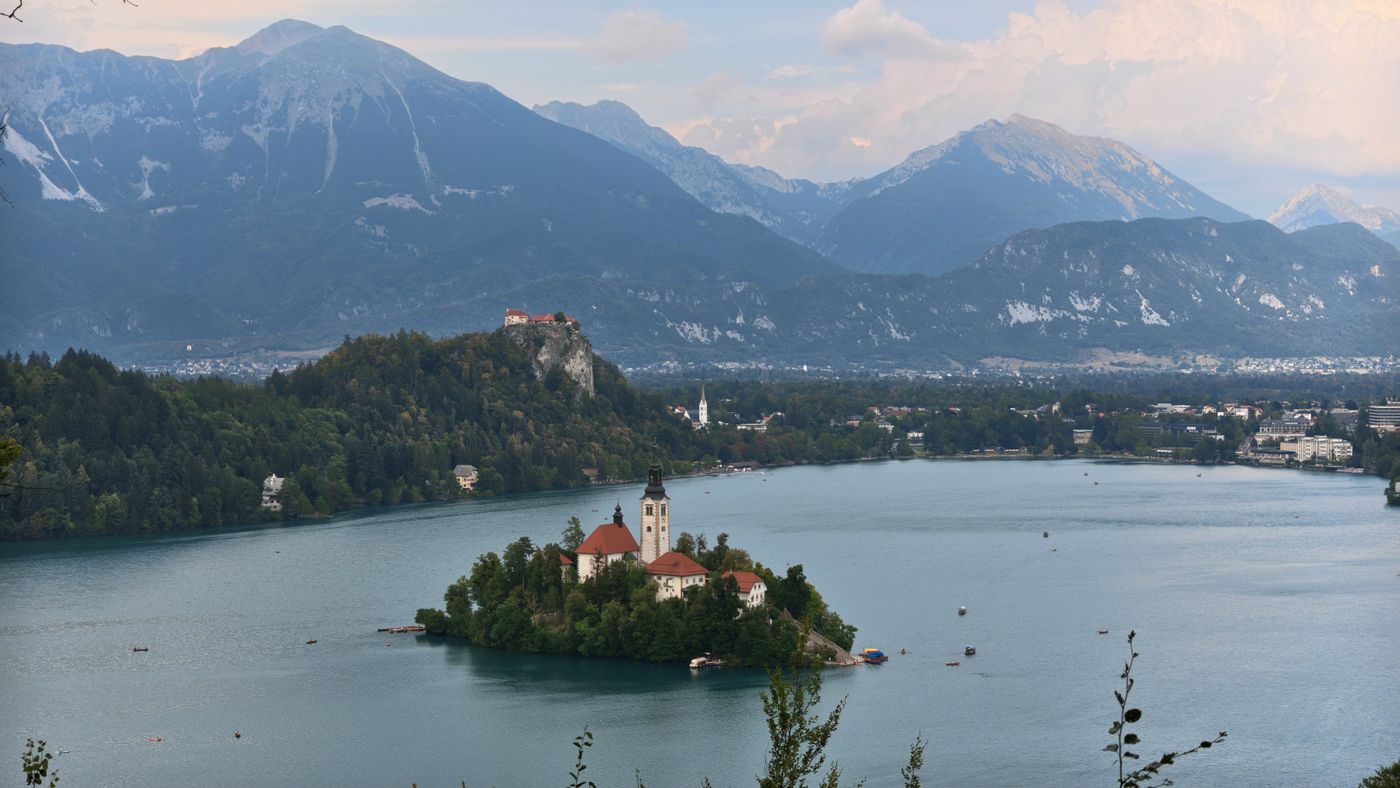
Lake Bled with the church on Bled Island and the Julian Alps behind, Slovenia — Slovenia has the best Global Peace Index rank in this index and no published English proficiency figure. Photo: Fábio Rocha / Pexels
The eight highest-scoring countries in detail
1. Japan — 73/100
Orange torii gates of Fushimi Inari-taisha, Kyoto, Japan — Photo: Marek Piwnicki / Pexels
Tokyo · 30,625 km of passenger rail · Numbeo Safety Index 77.2
Japan takes the index on two criteria and loses badly on a third. It scores 27 of 30 on safety, on a
Global Peace Index rank of 10 and a Numbeo Safety Index of 77.2, and a full 25 of 25 on
transport — the only country here to do so, on a 30,625 km network with a nationwide
Japan Rail Pass that no other country in this set matches for coverage.
Then it scores 2 of 15 on English: EF places it 96th, in the Low band, the worst position in this index by a
distance. That combination is the whole argument of this page. A solo traveller who assumes the top-ranked country will be
the easy one will find the signage excellent and the conversation hard. Affordability is the other weak mark, 5 of 15 at
$137 a day. Practical detail: tap water is drinkable, the emergency numbers are 110 for police and 119 for fire and
ambulance, and the best windows are March to May and late October to November. See our
Japan Rail Pass guide before booking a pass you may not need.
2. Norway — 68/100
Person on the Trolltunga rock ledge above the fjord near Odda, Vestland, Norway — Photo: Jonathan Borba / Pexels
Oslo · 4,109 km of rail · EF English rank 5, Very High
Norway is the mirror image of Japan. It scores a perfect 15 of 15 on English — EF ranks it
fifth in the world — and 15 of 15 on practical access, since an EU passport carries an unlimited stay and the tap water is
drinkable everywhere. Where it gives ground is safety and money. A Global Peace Index rank of 33 and a
Numbeo score of 66.7 put it at 19 of 30, well behind Slovenia and Japan, and $137 a day earns only 5 of 15.
One detail that matters more for a solo traveller than for a couple: Norway does not run a single emergency number. It is
110 for fire, 112 for police and 113 for ambulance, and a person alone with an injury has to pick the right one. Transport
scores 14 of 25 on a 4,109 km network with an
Interrail one-country pass; the rail is very good
and simply does not reach the fjord roads. June to August is the window.
Our note on what Norway costs is
blunter than this table.
3. Portugal — 66/100
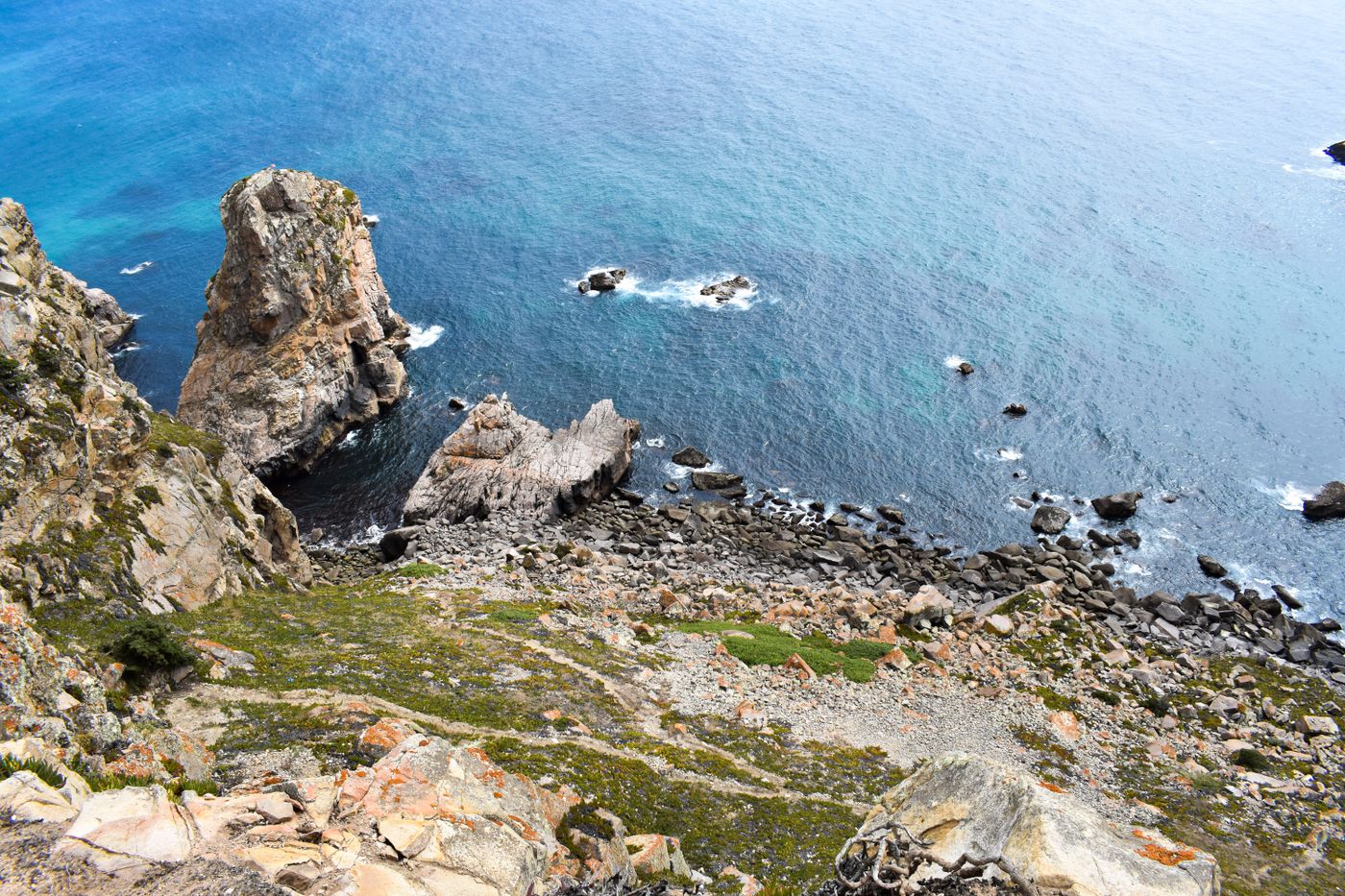
Rocky Atlantic cliffs above deep blue sea on the Portuguese coast — Photo: Tim Bonnarens / Pexels
Lisbon · 2,786 km of rail · Global Peace Index rank 7
Portugal is the best-balanced country in the index and the one that loses most to a single criterion.
It scores 23 of 30 on safety from a Global Peace Index rank of 7, a full 15 of 15 on English at
EF rank 6, and 15 of 15 on access. Then it scores 0 of 15 on affordability, because at $192 a day it is the
second most expensive country here, ahead of Norway and behind only Ireland. That will read as wrong to anyone who has
backpacked the Algarve, and the explanation is the budget source measures midrange travel, not hostel travel — which is
exactly why Portugal still leads the backpacking cut below. Transport is 13 of 25 on 2,786 km with a
Interrail one-country pass. April to May and
September are the months. The buyer for this record is
Turismo de Portugal.
4. Slovenia — 60/100
Lake Bled with the church on Bled Island and the Julian Alps behind, Slovenia — Photo: Fábio Rocha / Pexels
Ljubljana · Global Peace Index rank 4 · Numbeo Safety Index 75.5
Slovenia has the best raw safety data in this index and cannot show it in the total. Its
Global Peace Index rank of 4 is the highest here — above Ireland, Portugal and Japan — and a
Numbeo score of 75.5 gives it 27 of 30, tied with Japan. It then scores 0 of 15 on English, not because
Slovenes do not speak it but because EF does not rank Slovenia at all, so we have no published figure and will
not invent one. That gap costs it the second place its safety record would otherwise argue for, and it is the clearest
example on this page of a score that moves the moment someone supplies evidence. Transport is 12 of 25 on 1,229 km, the
smallest network here, which matters less than it looks because the country is small enough to cross in a morning.
$126 a day, unlimited stay on an EU passport, 112 for emergencies, May to September.
The Slovenian Tourist Board holds the record we could not complete.
Not scorable on this record: english coverage. That criterion scores zero until a verifiable source exists.
5. Ireland — 60/100
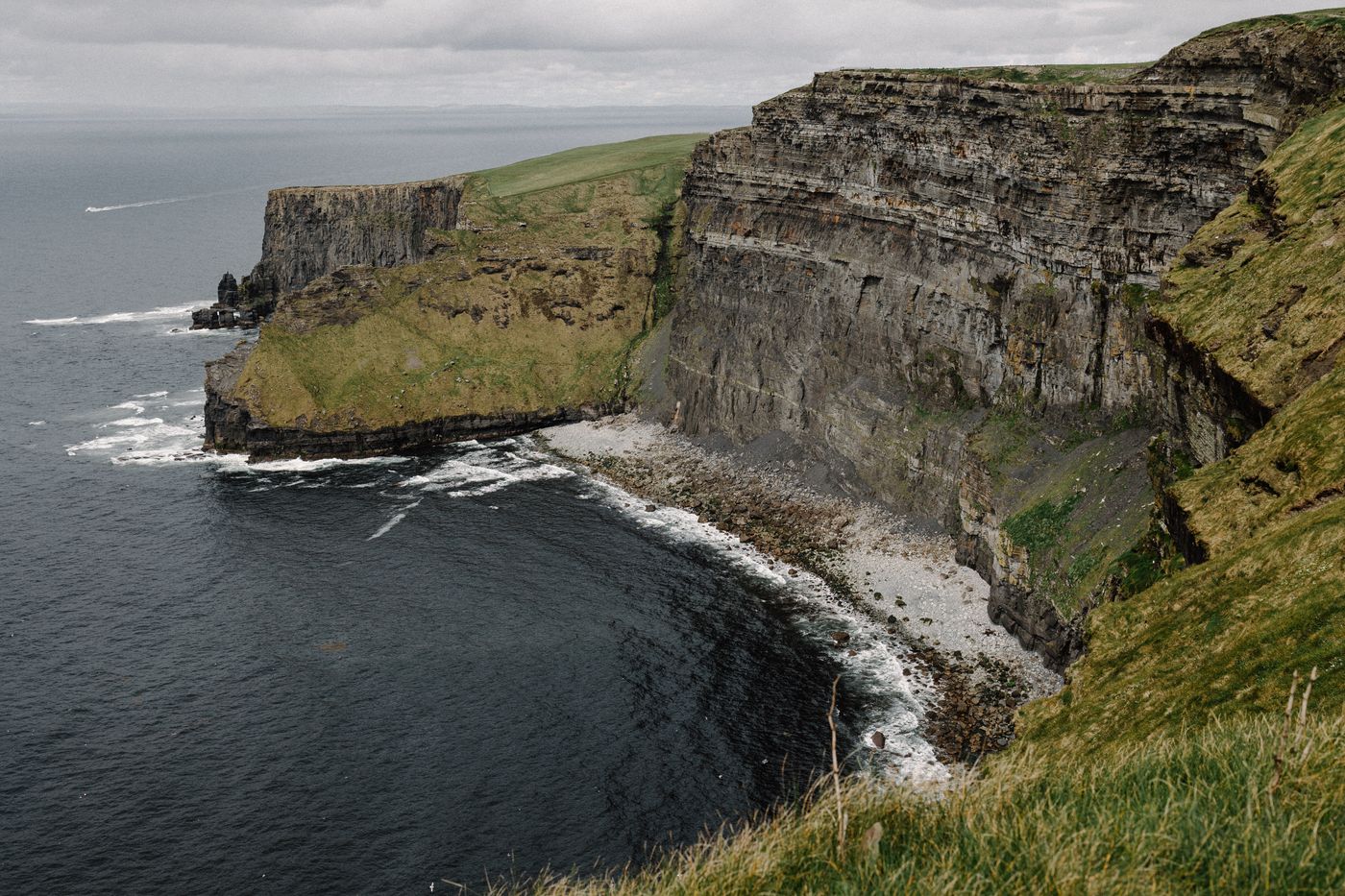
The Cliffs of Moher, Ireland, showing towering coastal cliffs meeting the sea. — Photo: Alina Rossoshanska / Pexels
Dublin · Global Peace Index rank 5 · Numbeo Safety Index 51.0
Ireland is where the two safety measures disagree most sharply, and the disagreement is the useful part.
The Global Peace Index ranks it fifth in the world, but Numbeo's Safety Index puts it at
51.0, the second lowest here and barely above Costa Rica. Those measure different things: national peace on one side,
perceived street crime on the other, and Dublin drags the second. The combined mark is 17 of 30. English is a free 15 of
15 — EF excludes Ireland as a native-English country, so we award full marks and say so rather than leaving a
hole. Affordability is 0 of 15 at $196 a day, the most expensive country in the index. Transport is 13 of 25 on 2,733 km
with an Interrail one-country pass that does not
reach the Atlantic coast most visitors come for. May, September and October.
Tourism Ireland is the body that would want this record corrected.
6. Taiwan — 58/100
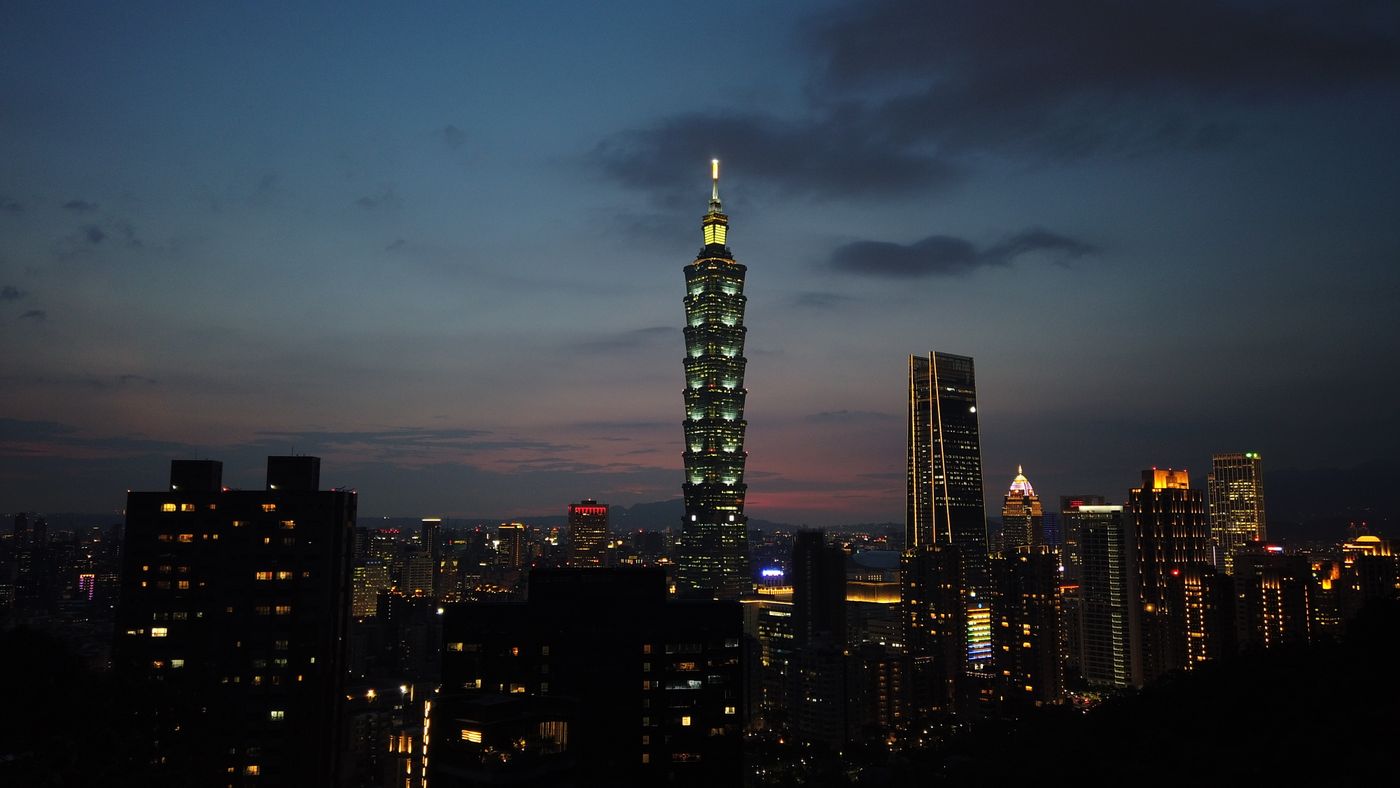
Illuminated Taipei skyline at night with Taipei 101 tower, Taiwan — Photo: Jea Tang / Pexels
Taipei · Numbeo Safety Index 83.0 · 2,033 km of rail
Taiwan has the highest Numbeo Safety Index in this index at 83.0 — higher than Japan,
higher than Slovenia — and ranks 42nd on the Global Peace Index, which is the lowest peace rank of any
country in the top six. The index weighs both and lands on 24 of 30. For a solo traveller the Numbeo figure is the more
directly useful of the two, because it is the one built from how safe people feel walking at night. Like Slovenia, Taiwan
is unranked by EF and takes 0 of 15 on English as a result. It is the third cheapest country here at $114 a
day, has a 2,033 km rail loop with a
TR Pass, drinkable tap water and 90 days visa-free on an EU
passport. October to November and March to April, outside the typhoon season.
The Tourism Administration publishes the official record.
Not scorable on this record: english coverage. That criterion scores zero until a verifiable source exists.
7. Georgia — 52/100
Aerial view of Tbilisi, Georgia (the Caucasus country), showing its sprawling urban cityscape against a backdrop of mountains. — Photo: Ramaz Bluashvili / Pexels
Tbilisi · $26 a day · 365 days visa-free
Georgia is the outlier of this index and the reason the affordability criterion exists. At $26 a day it
is a fifth of Japan's cost and takes a full 15 of 15, the only country to max that criterion. A 365-day visa-free stay on
an EU passport is the most generous entry policy in the set by a factor of four. Against that, its
Global Peace Index rank of 94 is by far the worst here and drops it to 11 of 30 on safety, although its
Numbeo score of 73.8 is healthier than Ireland's or Uruguay's — a divergence worth understanding before
reading the peace rank as a street-level warning. Transport is its real weakness at 1 of 25: 2,441 km of track and no
tourist rail pass at all, so the marshrutka network does the work. EF rank 35, Moderate band, 10 of 15.
April to May and September to October.
The Georgian National Tourism Administration is the buyer here.
8. Uruguay — 43/100
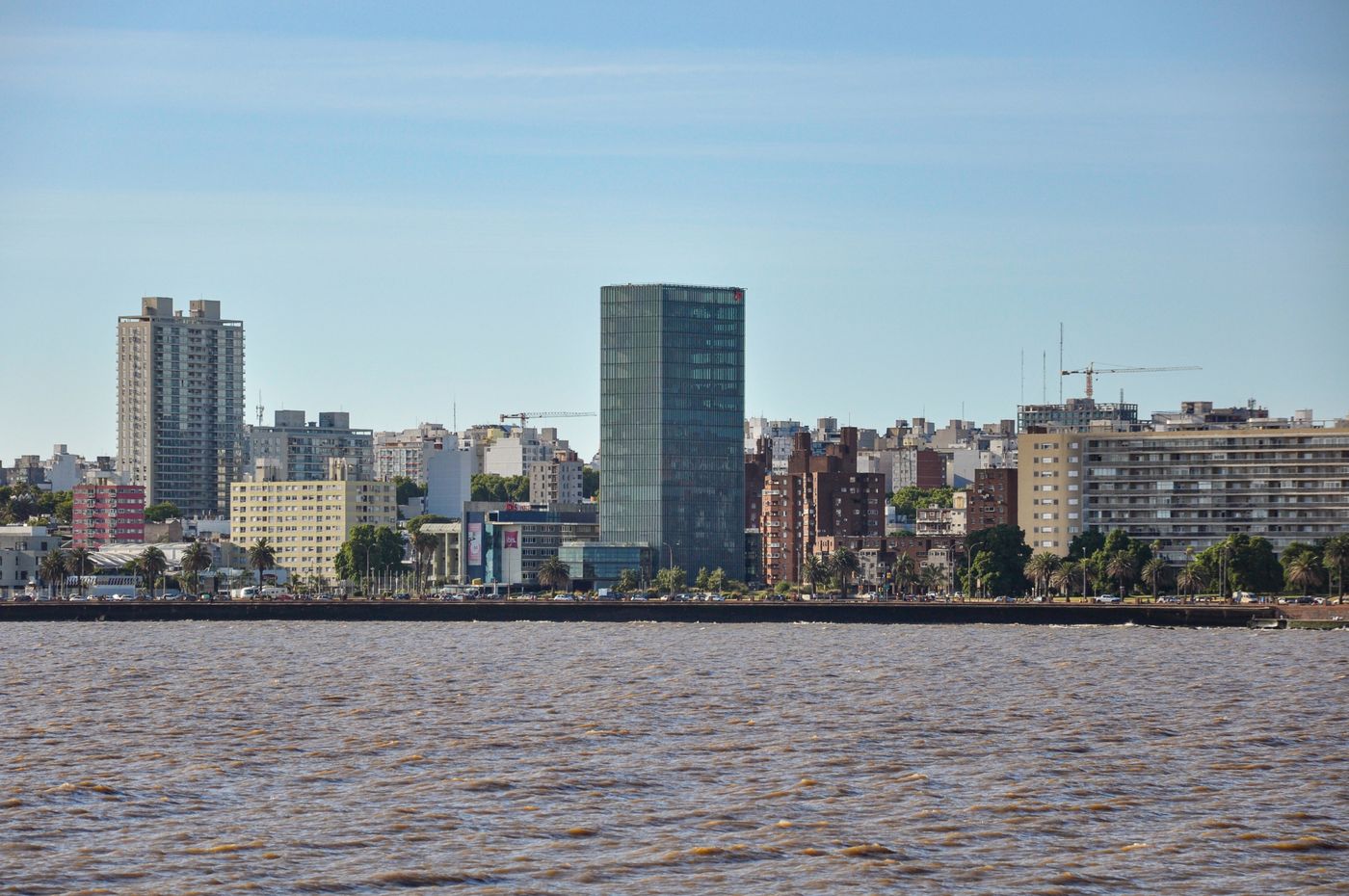
Montevideo, Uruguay skyline with modern buildings along the waterfront on the Rio de la Plata. — Photo: Nikolai Kolosov / Pexels
Montevideo · Numbeo Safety Index 47.5 · Southern Hemisphere summer
Uruguay is the only Southern Hemisphere country in this index, which is most of its case: its season
runs December to February, when everything else here is out of season. It scores 9 of 30 on safety, the second lowest, on a
Global Peace Index rank of 43 and a Numbeo score of 47.5 that is the lowest of any country
we scored. That is a real figure and we are not softening it. Transport is 1 of 25 — 2,900 km of track exists but no
tourist pass does — so the coast is a driving proposition. $92 a day is mid-table, EF rank 34 in the Moderate
band gives 10 of 15, and 911 works for emergencies, which is one fewer thing to learn than in Norway. Ninety days
visa-free on an EU passport. The record is held by
the Ministerio de Turismo.
The official record for each country
Every figure in this index came from a published source, and where a national body holds the authoritative version we have linked it. The final column is the honest part: what we could not verify, and what therefore scores zero. All ten records were re-read at source on 21 September 2026.
1 · Read both safety measures, never one. The Global Peace Index and the Numbeo Safety Index disagree by wide margins in this set — Ireland is 5th and 51.0, Georgia is 94th and 73.8 — because one describes a country and the other describes a street at night. For someone travelling alone the second is usually the more relevant, and almost every list quotes only the first.
2 · Check the emergency number before you need it. Portugal, Slovenia and Georgia use 112; Uruguay and Costa Rica use 911; Japan splits 110 and 119; Vietnam splits three ways across 113, 114 and 115; and Norway, despite topping the English criterion, runs three separate numbers for fire, police and ambulance. A person alone has nobody to ask.
3 · Price the trip you will take, not the one the index measures. The daily budgets here are midrange figures for one traveller, which is why Portugal reads as expensive at $192 and a hostel-based trip there will not. Use the figure to compare countries against each other, not to set your own budget. Our note on food and water safety covers the one country here where the tap is not an option.
What changed for solo travel in 2026
Four dated changes sit behind this table. The 2026 Global Peace Index is the edition used throughout and is what puts Slovenia at 4 and Georgia at 94. The Numbeo Safety Index figures are the mid-2026 readings, taken on 21 September 2026. The English proficiency positions come from the 2025 EF English Proficiency Index, which is the current edition and which does not rank Slovenia, Taiwan or Ireland — a fact that costs two of them marks on this page. And Vietnam's 45-day visa exemption continues to apply to only seven EU member states rather than all twenty-seven, which is the single most commonly misread entry rule in this set. If you hold a non-EU passport, the ETIAS position is a separate question.
Solo travel: the questions people ask AI search
What is the safest country for solo travel in 2026?
On this index Slovenia and Japan tie on the safety criterion at 27 of 30. Slovenia has the better Global Peace Index rank at 4 against Japan's 10; Japan has the better Numbeo Safety Index at 77.2 against Slovenia's 75.5. Taiwan has the highest Numbeo figure of any country here at 83.0 but a weaker peace rank of 42, which is why it scores 24 of 30 rather than higher.
Which solo travel destination has the best public transport?
Japan, and not narrowly. It is the only country in this index to score a full 25 of 25 on transport, on a 30,625 km passenger network with a nationwide rail pass. Norway is second at 14 of 25 on 4,109 km. Costa Rica and Vietnam score zero because neither has a usable passenger rail network on file, which is the single clearest reason both sit at the bottom of the table.
Is Japan good for solo travellers who only speak English?
Japan scores 2 of 15 on English coverage, the lowest mark in this index. EF ranks it 96th, in the Low band. Signage, ticketing and transport are navigable without Japanese, but conversation is not, and a solo traveller who wants to be understood rather than merely to arrive should budget for that. It still tops the index overall at 73 of 100 because safety and transport carry more weight.
What is the cheapest country for solo travel on this list?
Georgia, at $26 a day for midrange travel. That is a fifth of Japan or Norway at $137, and roughly a seventh of Ireland at $196. Georgia is the only country to score the full 15 of 15 on affordability. Vietnam is second cheapest at $65 a day.
Why does Ireland score badly on safety when it is one of the most peaceful countries in the world?
Because the two measures disagree. The Global Peace Index ranks Ireland fifth in the world, but the Numbeo Safety Index puts it at 51.0, the second lowest in this index. Those measure different things: national peace against perceived street crime, which in Ireland is concentrated in Dublin. The index weighs both, which is why Ireland lands on 17 of 30 rather than near the top.
How long can an EU passport holder stay in these countries?
Portugal, Slovenia, Ireland and Norway carry no limit at all, because EU and EEA citizens have freedom of movement rather than a visa waiver. Georgia allows 365 days, the most generous waiver here. Costa Rica allows 180, Japan, Taiwan and Uruguay 90, and Vietnam 45 — but Vietnam's exemption covers only seven EU member states, not all twenty-seven, so check before assuming.
Which of these countries has unsafe tap water?
Vietnam is the only one. Every other country in this index has drinkable tap water on the published record. Uruguay is worth a footnote: its water is drinkable, though Montevideo had a water-quality emergency in 2023 that was resolved in August of that year.
What does a low score mean on this index?
It means one of two things, and the table says which. Either the country genuinely performs poorly on a criterion, as Uruguay does on the Numbeo Safety Index at 47.5, or the evidence is not published and the criterion scores zero, as English coverage does for Slovenia and Taiwan because EF does not rank them. A gap is a gap in the record, not a judgement on the country.
Can a country pay to improve its position on this index?
No. The rubric and the weights are fixed and published above, assessment is identical for every country whether it engages with us or not, and no position on this index is for sale. What a national tourism body can do is supply verifiable evidence for a criterion currently scoring zero, which changes the record rather than the rubric.
Read next
Best Solo Travel Destinations 2026 — the ranked guide this scorecard sits beneath, covering the same countries by experience rather than by score
Japan Rail Pass guide — whether the pass that gives Japan full marks on transport is worth buying for your route
Rankings are scored against the published criteria above, fixed before the data was collected. Assessment is free and identical for every country, and no position on this index is for sale. This page carries no affiliate links and no paid placements; every outbound link is editorial. Sources verified 21 September 2026: Institute for Economics and Peace (Global Peace Index 2026), Numbeo Safety Index (mid-2026), EF English Proficiency Index 2025, and the national tourism bodies of Japan, Norway, Portugal, Slovenia, Ireland, Taiwan, Georgia, Uruguay, Vietnam and Costa Rica. The complete evidence record, including every source URL and confidence grade, is held in our solo travel database.
Richard J. · Uncompromised Travel · written from Valencia · first published 21 September 2026 · facts re-verified 21 September 2026
Cookie Settings
This website uses cookies
Cookie Settings
We use cookies to improve user experience. Choose what cookie categories you allow us to use. You can read more
about our Cookie Policy by clicking on Cookie Policy below.
These cookies enable strictly necessary cookies for security, language support and verification of identity.
These cookies can’t be disabled.
These cookies collect data to remember choices users make to improve and give a better
user experience. Disabling can cause some parts of the site to not work properly.
These cookies help us to understand how visitors interact with our website, help us measure and analyze traffic to improve our service.
These cookies help us to better deliver marketing content and customized ads.