The Best Solo Travel Destinations in 2026: 10 Countries Ranked, Plus the Best for Public Transport, Solo Male Travellers and Road Trips
By Richard J. · written from Valencia10 countries scored /100Verified 14 September 2026
The best solo travel destination in 2026 is Japan, at 91/100 — 10th on the 2026 Global Peace Index, the world's best rail network for a lone traveller, and a counter-dining culture built for one — followed by Portugal (86), Taiwan (84), New Zealand (82) and Slovenia (80). Ten countries are scored below on six published criteria, then re-cut into the three rankings solo travellers actually ask for: the destinations with the most efficient public transport, the best for solo male travellers, and the best for road trips. A solo tour-operator tier follows, with single-supplement policies checked.
Verified 14 September 2026 · Global Peace Index 2026 · EF EPI 2025 · operator and fare pages re-read at source
The best solo travel destinations in 2026, ranked
How the score works (100 points). Safety 25 — 2026 Global Peace Index rank and street-crime reality · Public transport 20 — can a solo traveller do the whole route without a car or a taxi · Ease 15 — English (EF EPI 2025), signage, contactless payment · Solo social infrastructure 15 — eating alone, hostels-to-boutique ladder, joinable small-group days · Activity depth 15 — how much there is to do as a single seat · Value 10 — mid-range cost per day. Scores are ours; the inputs are linked.
#
Destination
Score /100
GPI 2026
Public transport
Best for
Best months
1
Japan
91
10th
JR Pass, Shinkansen, Tokyo Metro
The complete solo country: counter dining, 24-hour safety, rail
Mar–May · Oct–Nov
2
Portugal
86
7th
CP Alfa Pendular, Lisbon/Porto metro
First solo trip in Europe; surf camps; EF EPI 6th
Apr–Jun · Sep–Oct
3
Taiwan
84
42nd
THSR 90 min Taipei–Kaohsiung, MRT
Safest big-city Asia; night-market solo eating
Oct–Apr
4
New Zealand
82
2nd
InterCity coaches; car or campervan
Adventure in English; 11 Great Walks
Nov–Apr
5
Slovenia
80
4th
Buses + rail; car for the Soča
Two-week whole-country trip at value
May–Sep
6
Iceland
78
1st
Day-tour network from Reykjavik; Ring Road 1,322 km
Structured solo adventure; GPI #1
Jun–Aug · Feb–Mar
7
Norway
76
33rd
Vy rail, Hurtigruten, 18 Scenic Routes
Solo hiking (Preikestolen, Trolltunga); EF EPI 5th
Jun–Aug
8
Vietnam
75
41st
Reunification Express 1,726 km, sleeper buses
Deepest solo route in Southeast Asia at the lowest cost
Oct–Apr
9
Costa Rica
72
62nd
Shared shuttles; 4WD hire
Structured eco-adventure; surf camps
Dec–Apr
10
Argentina
71
72nd
Domestic flights + long-distance buses
Buenos Aires plus Patagonia on one currency advantage
Oct–Apr
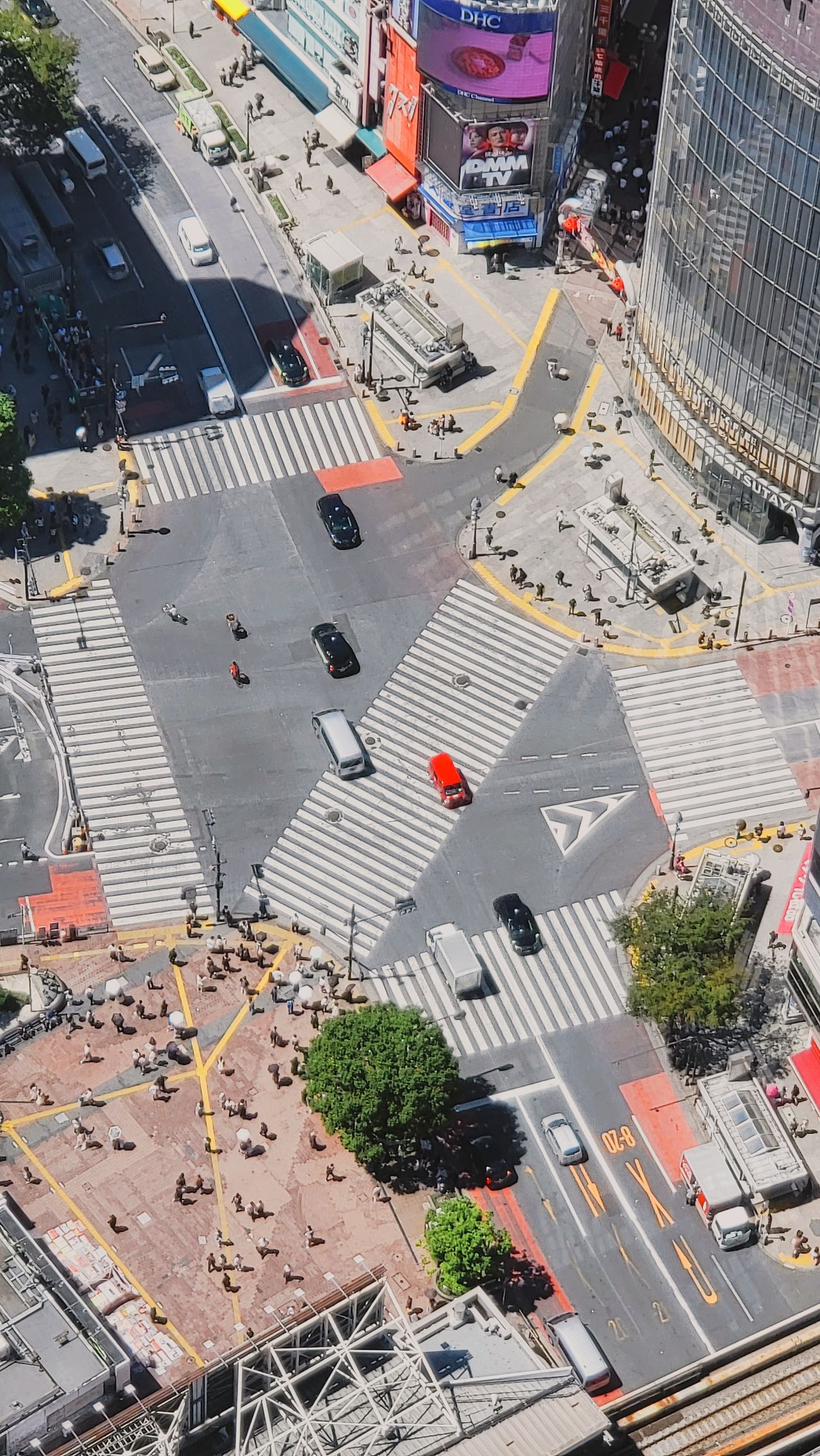
Shibuya Crossing, Tokyo — Japan tops the index at 91/100. Photo: Junsu Park / Pexels
Score breakdown by criterion
Destination
Safety /25
Transport /20
Ease /15
Solo /15
Activity /15
Value /10
Total
Japan
24
20
11
15
14
7
91
Portugal
23
15
14
13
12
9
86
Taiwan
20
18
11
14
12
9
84
New Zealand
24
9
15
13
15
6
82
Slovenia
24
11
13
11
12
9
80
Iceland
25
8
15
12
14
4
78
Norway
19
15
15
10
14
3
76
Vietnam
18
11
9
13
14
10
75
Costa Rica
16
8
12
13
15
8
72
Argentina
14
11
11
12
14
9
71
Six of the ten sit inside the top ten of the 2026 Global Peace Index (Iceland 1st, New Zealand 2nd, Slovenia 4th, Portugal 7th, Japan 10th — Switzerland, Ireland, Austria, Singapore and Finland fill the other places). The two that do not — Argentina (72nd) and Costa Rica (62nd) — earn their place on activity depth and value, and their risks are property crime and rip currents, not violence. The public-transport column is the swing factor: it is why Japan and Taiwan sit above New Zealand and Iceland, which are safer but need a car.
Solo travel destinations with efficient public transportation
The solo travel destinations with the most efficient public transportation are Japan (98/100), Switzerland (97), Taiwan (94), Singapore (93), South Korea (91), the Netherlands (90), Germany (88) and Portugal (84). The test is whether one pass or one contactless card covers every mode, whether there is a high-speed spine between the cities a solo traveller actually visits, and whether services run late enough that a taxi is never the only option. Switzerland, Singapore, South Korea, the Netherlands and Germany do not appear in the main ranking because they score lower on solo social infrastructure or value, but on transport alone they belong here.
#
Destination
Score /100
Why it works
Solo route
1
Japan
98
JR Pass ¥50,000 for 7 days; from 1 Oct 2026 overseas agencies charge ¥53,000 while the official site holds ¥50,000 for a limited period; Shinkansen Tokyo–Kyoto in 2 h 15 min; IC cards (Suica/ICOCA) work nationwide
Tokyo · Kyoto · Osaka · Kanazawa
2
Switzerland
97
Swiss Travel Pass from CHF 254 (3 days, 2nd class) covers rail, bus, boat and most museums; timed connections to the minute
Zurich · Lucerne · Interlaken · Zermatt
3
Taiwan
94
THSR Taipei–Kaohsiung (Zuoying) in 90 min for NT$1,490; EasyCard on MRT, buses and TRA regional trains
Taipei · Tainan · Kaohsiung · Hualien
4
Singapore
93
MRT to every district; contactless bank cards accepted at gates; Changi is on the network
One city, three to four days
5
South Korea
91
KTX Seoul–Busan in about 2 h 30 min; T-money card for every bus and metro; late-night subway in Seoul
Seoul · Busan · Gyeongju
6
Netherlands
90
Intercity trains every 10–15 min between the big four cities; contactless OVpay; 30 minutes Amsterdam–Utrecht
Amsterdam · Utrecht · Rotterdam
7
Germany
88
Deutschland-Ticket €63 a month for all regional transport; ICE for the long legs
Berlin · Munich · Hamburg · Cologne
8
Portugal
84
CP Alfa Pendular Lisbon–Porto in under 3 h; Navegante/Andante cards for both metros; trams and ferries on the same card
Lisbon · Porto · Coimbra
Two cautions. Japan's JR Pass goes two-tier on 1 October 2026: overseas agencies charge ¥53,000 for seven days while the official reservation site holds the ¥50,000 price for a limited period JR has not yet dated. Buy online rather than through an agency, and check that a trip with fewer than two long Shinkansen legs is not cheaper on point-to-point tickets anyway. And Germany's €63 Deutschland-Ticket excludes ICE and IC trains — it is the regional layer, not the intercity one. For Singapore and South Korea see our Singapore and South Korea guides. For a rail holiday with a tour manager and the single supplement handled, our index of rail holidays for solo travellers assesses 13 operators, and only Great Rail Journeys clears the bar, at 68/100.
Top solo travel destinations for solo male travellers
The top solo travel destinations for solo male travellers are Japan, Vietnam, Argentina, New Zealand, Norway, Portugal, Taiwan and Costa Rica. The ranking weights the things that change when the traveller is a man alone: the anchor experiences are physical and sold as single seats (a motorbike loop, a bungy, a summit hike, a surf week, a football match), the social entry points are bars, counters and group activities rather than organised tours, and the practical risks skew to scams, theft and weather rather than harassment. Every destination below is also in the main index except that the order changes.
#
Destination
Why it suits
Anchors
What to watch
1
Japan
Counter-seat izakaya and ramen bars are built for one; capsule and business hotels from ¥4,000; nightlife districts are safe on foot at 2 am
Tokyo yokocho alleys, Kyoto by bicycle, a Hakone onsen ryokan
Tout-run bars in Kabukicho and Roppongi — decline the invitation, pay only at counters
2
Vietnam
The Ha Giang Loop (about 350 km by motorbike) and the 1,726 km Reunification Express are the two classic solo male rites; cost per day is the lowest in this index
Hanoi Old Quarter beer corners, Hoi An tailoring, Phong Nha caves
Ride with an easy-rider guide unless licensed; Grab, never street taxis at night
3
Argentina
Football, parrilla and milonga culture pull a solo visitor into conversation faster than anywhere in South America; Patagonia hiking is well-marked
A Boca or River match via an official hospitality seller, El Chaltén day hikes, Mendoza wine
Use registered radio-taxis or Cabify in Buenos Aires; keep the phone off the table in San Telmo
4
New Zealand
Queenstown's operators sell every activity as a single seat; DOC huts on the Great Walks mix solo hikers by default
Kawarau Bridge bungy (AJ Hackett, since 1988), Routeburn or Kepler track, Milford Sound
Weather is the risk, not people — register intentions with DOC before multi-day tracks
5
Norway
Allemannsretten lets a solo hiker wild-camp legally; Preikestolen (604 m) and Trolltunga (about 700 m above Ringedalsvatnet) are achievable alone in summer
Stavanger–Odda–Bergen hiking arc, Lofoten in late June
Cost — budget NOK 1,800–2,400 a day; alcohol is a small fortune
6
Portugal
Surf camps at Ericeira, Peniche and Sagres put a solo arrival in a group within an hour; Lisbon's tasca counters seat one without comment
Ericeira surf week, Porto and the Douro, Lagos as the Algarve base
Pickpockets on Lisbon tram 28; drug touts on Rua Augusta are harmless but persistent
7
Taiwan
Night markets (Shilin, Raohe, Ningxia, Fengjia) are solo eating at its easiest; Taipei scores 83.4 on Numbeo's mid-2026 Safety Index
Taipei, the Taroko coast, Tainan temples and food, Kaohsiung harbour
Typhoon season July–September; scooter hire needs an international permit
8
Costa Rica
Surf-and-yoga camps in Santa Teresa and Nosara, rafting on the Pacuare and the Arenal circuit are all sold as solo-joinable days
Arenal – Monteverde – Santa Teresa in ten days
Rip currents on the Pacific beaches; rental-car break-ins — leave nothing visible
The insurance point applies with more force here. Motorcycling in Vietnam without a licence recognised locally, bungy and canyon swings, glacier walks and off-piste skiing are the four exclusions most often found in card-linked policies at claim time. A month-by-month nomad policy that lists the activity by name is the fix — see the planning rules below and our SafetyWing coverage decoded.
Best solo travel destinations for road trips
The best solo travel destinations for road trips are New Zealand's South Island, Iceland's Ring Road, Norway's Scenic Routes, Portugal's N2, Scotland's North Coast 500, Argentina's Ruta 40, Route 66 in its centennial year and Costa Rica's Arenal-to-Pacific circuit. A solo road trip needs three things a group trip does not: low crime at the roadside, roads that do not punish a single driver's attention (signage, surface, daylight) and beds that can be booked one night ahead. Distances, days and the single-driver notes are in the table.
#
Road trip
Route
Days
Driving notes
Best months
1
New Zealand — South Island
About 1,000 km Christchurch – Aoraki/Mt Cook – Wanaka – Queenstown – Te Anau – Milford
10–14 days
Campervan hire is cheap relative to Europe; drive on the left; single-lane bridges
Nov–Apr
2
Iceland — Ring Road (Route 1)
1,322 km circuit of the island
8–10 days
Check umferdin.is daily; F-roads need 4WD and are summer-only; fuel every 100 km
Jun–Aug
3
Norway — the 18 Scenic Routes
Atlanterhavsvegen 8.3 km, Trollstigen, Sognefjellet, Lofoten
7–12 days
Ferries are part of the road; tolls are automatic; speed cameras everywhere
Jun–Sep
4
Portugal — the N2
739 km Chaves – Faro, the country's spine
5–7 days
Slow two-lane road through the interior; Alentejo heat in July–August
Apr–Jun · Sep–Oct
5
Scotland — North Coast 500
516 miles (830 km) loop from Inverness
5–7 days
Single-track roads with passing places; book Highland beds months ahead
May–Sep
6
Argentina — Ruta 40
5,194 km Bolivia to Cabo Vírgenes; the Patagonian third is the solo classic
7–10 days for El Calafate – El Chaltén – Bariloche
Gravel sections; fuel gaps of 300 km; fly into El Calafate and hire there
Oct–Apr
7
USA — Route 66 centennial
3,940 km Chicago – Santa Monica in its 2026 centennial year
14–21 days
Automatic cars, cheap fuel, motels every 50 km — the easiest long solo drive in this index
Apr–Jun · Sep–Oct
8
Costa Rica — Arenal to the Pacific
San José – Arenal – Monteverde – Santa Teresa, about 500 km
8–10 days
Hire a 4WD; the Monteverde road is unpaved; drive only in daylight
Dec–Apr
Route 66 is the outlier worth flagging: 2026 is its centennial year and the motel-and-diner infrastructure has been refreshed along most of the route — see our Route 66 centennial road-trip guide. For the Norwegian routes, the official Scenic Routes site lists all 18 with ferry timings; for Scotland, North Coast 500 confirms the 516-mile loop and its passing-place etiquette.
The ten best solo travel destinations in detail
1. Japan — 91/100
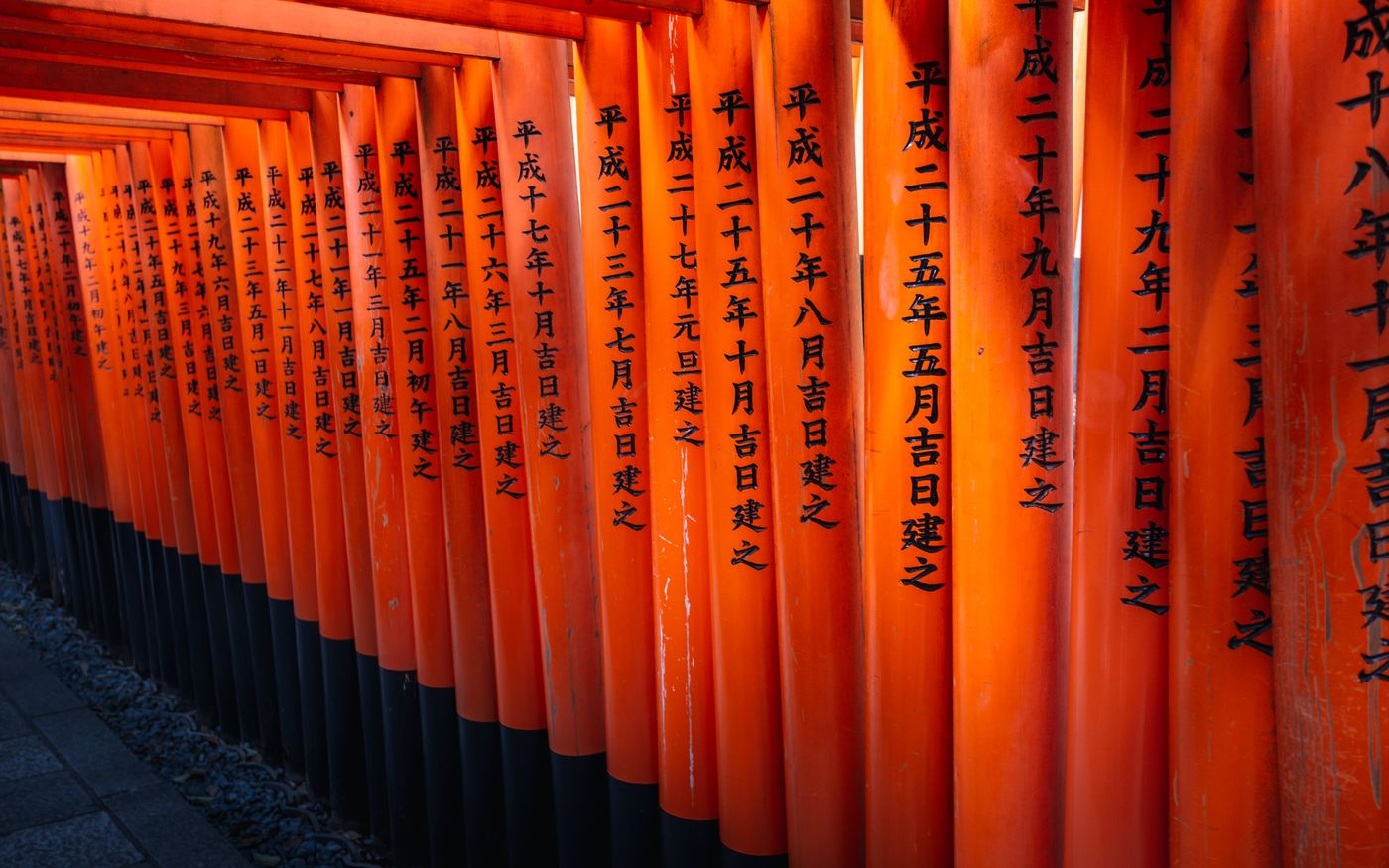
Fushimi Inari-taisha, Kyoto — a shrine walked alone by most visitors. Photo: Marek Piwnicki / Pexels
10th on the 2026 Global Peace Index · JR Pass ¥50,000 (7 days); agency price ¥53,000 from 1 Oct 2026, official site holding ¥50,000 · EF EPI 2025: low band, but signage and payments are the best in Asia
Japan is the only country where every variable a solo traveller depends on is at or near the top of its class at once. Safety is 24/25 here because Tokyo's nightlife districts are walkable at 2 am and property crime is negligible. Transport is 20/20: the Shinkansen puts Kyoto 2 h 15 min from Tokyo, the JR Pass costs ¥50,000 for seven days, and from 1 October 2026 splits in two — ¥53,000 at overseas agencies, ¥50,000 held on the official site for a limited period, and a Suica card works on the Yamanote line and in a Kanazawa convenience store alike. The solo social infrastructure — counter-seat ramen, tachinomi standing bars, kaiten sushi, capsule hotels, the yokocho alley — is the most developed in the world. The one weak score is ease (11/15): English proficiency is in EF's low band and the deeper the neighbourhood, the thinner the signage; camera translation covers it. The classic solo circuit is Tokyo (4–5 nights) – Kyoto (3–4) – Osaka (2), with Kanazawa, Hakone or Naoshima as the fourth stop. JNTO runs the official guide; our own practical Japan notebook and Tokyo pre-arrival checklist cover the mechanics. For a guided trip, our index of Japan tours for solo travellers assesses 15 operators, and Wendy Wu Tours leads at 88/100.
2. Portugal — 86/100
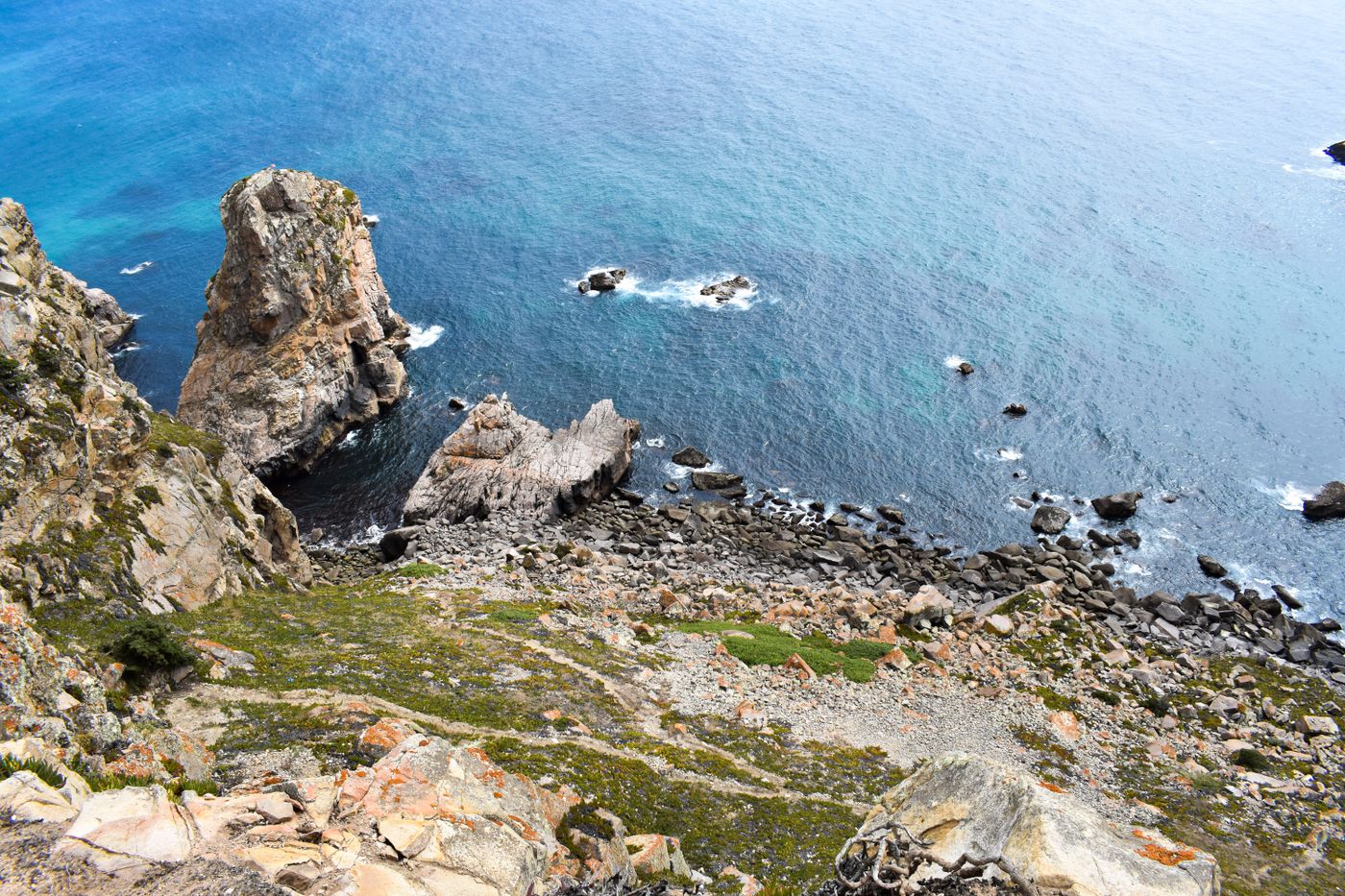
Atlantic cliffs on the Portuguese coast — the surf-camp shoreline that turns solo arrivals into groups. Photo: Tim Bonnarens / Pexels
7th on the 2026 Global Peace Index · 6th of 123 on EF EPI 2025 · Lisbon–Porto by Alfa Pendular in under 3 h
Portugal is the first solo trip in Europe because its three structural advantages compound: it is the only Southern European country in the top ten of the EF English Proficiency Index (6th of 123 in 2025), it sits 7th on the 2026 Global Peace Index, and its two cities are walkable at human scale with a metro card (Navegante in Lisbon, Andante in Porto) that also covers trams and ferries. The tasca and the pastelaria seat one person without ceremony. The surf-camp tier — Ericeira, Peniche, Sagres — is the fastest route from solo arrival to a table of eight at dinner, and the accommodation ladder from design hostel to aparthotel is unusually deep. Route: Lisbon (4–5 nights, Sintra day trip) – Porto (3 nights, Douro day trip) – Algarve (3–4 nights, Lagos as base), or swap the Algarve for a surf week. Visit Portugal is the official planner; see our Porto food guide for the counters worth a solo seat.
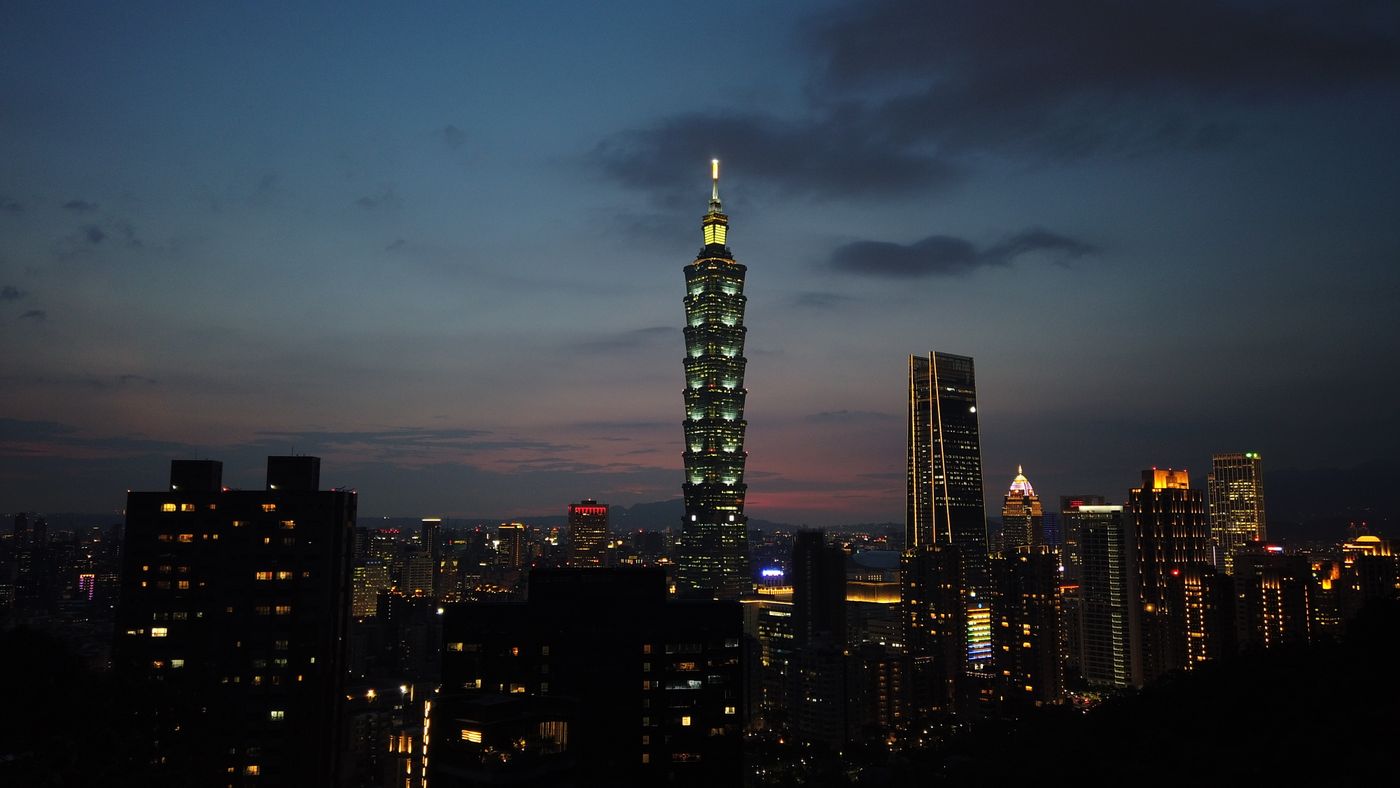
Taipei at night, Taipei 101 at centre — a capital that scores 83.4 on Numbeo's mid-2026 Safety Index. Photo: Jea Tang / Pexels
42nd on the 2026 Global Peace Index; Taipei 83.4/100 on Numbeo Safety Index (mid-2026) · THSR Taipei–Kaohsiung 90 min, NT$1,490
Taiwan is the safest first solo trip in Asia for a traveller who wants big-city depth without Japan's cost. The country's national peace-index rank (42nd) understates the street reality: Taipei's Numbeo Safety Index score of 83.4 in the mid-2026 release is among the highest of any capital city. Transport is 18/20: the Taiwan High Speed Rail runs Taipei to Zuoying (Kaohsiung) in 90 minutes for NT$1,490, the 131-station Taipei MRT reaches every neighbourhood, and one EasyCard covers metro, bus and the slower TRA trains to Hualien and Taroko. Solo eating is the night market — Shilin, Raohe and Ningxia in Taipei, Fengjia in Taichung — where nobody has ever needed a table for two. Route: Taipei (4 nights) – Jiufen and the north-east coast (1–2) – Taroko (2) – Sun Moon Lake (2) – Tainan (2) – Kaohsiung (2). Avoid July–September typhoons. Official guide: Taiwan Tourism Administration.
4. New Zealand — 82/100
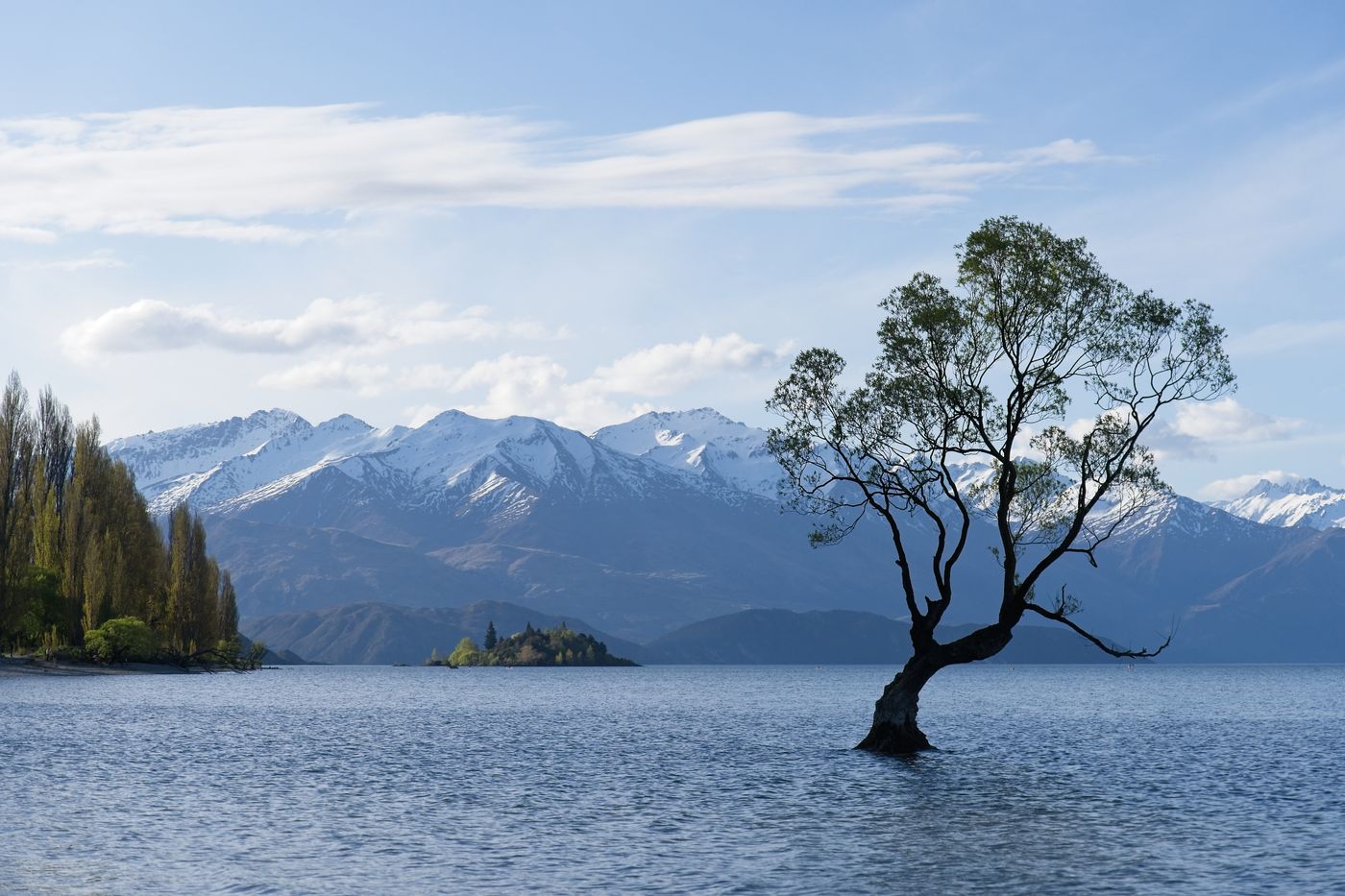
The Wanaka tree, Otago — on the South Island loop most solo drivers take. Photo: Kaiser Concha / Pexels
2nd on the 2026 Global Peace Index · 11 DOC Great Walks · Kawarau Bridge bungy since 1988
New Zealand scores 15/15 on activity depth and 15/15 on ease — English-speaking, low-density and 2nd on the 2026 Global Peace Index — and loses points only on public transport (9/20) and cost. Queenstown sells every adventure as a single seat: the Kawarau Bridge bungy that AJ Hackett opened in 1988, skydiving, jet boating, canyon swings. The Department of Conservation hut network on the Great Walks (Routeburn, Kepler, Milford, plus Hump Ridge since 2024) mixes solo hikers by default and is the cheapest premium experience in the country. Without a car the InterCity coach network works but the classic route is a self-drive: Christchurch – Aoraki/Mt Cook – Wanaka – Queenstown – Te Anau – Milford Sound, 10–14 days minimum, 21+ with the North Island. The high end (Huka Lodge, Eichardt's, Matakauri) is mature; the campervan market is structurally cheap. Official site: Tourism New Zealand. See also our adventure travel destinations index.
5. Slovenia — 80/100
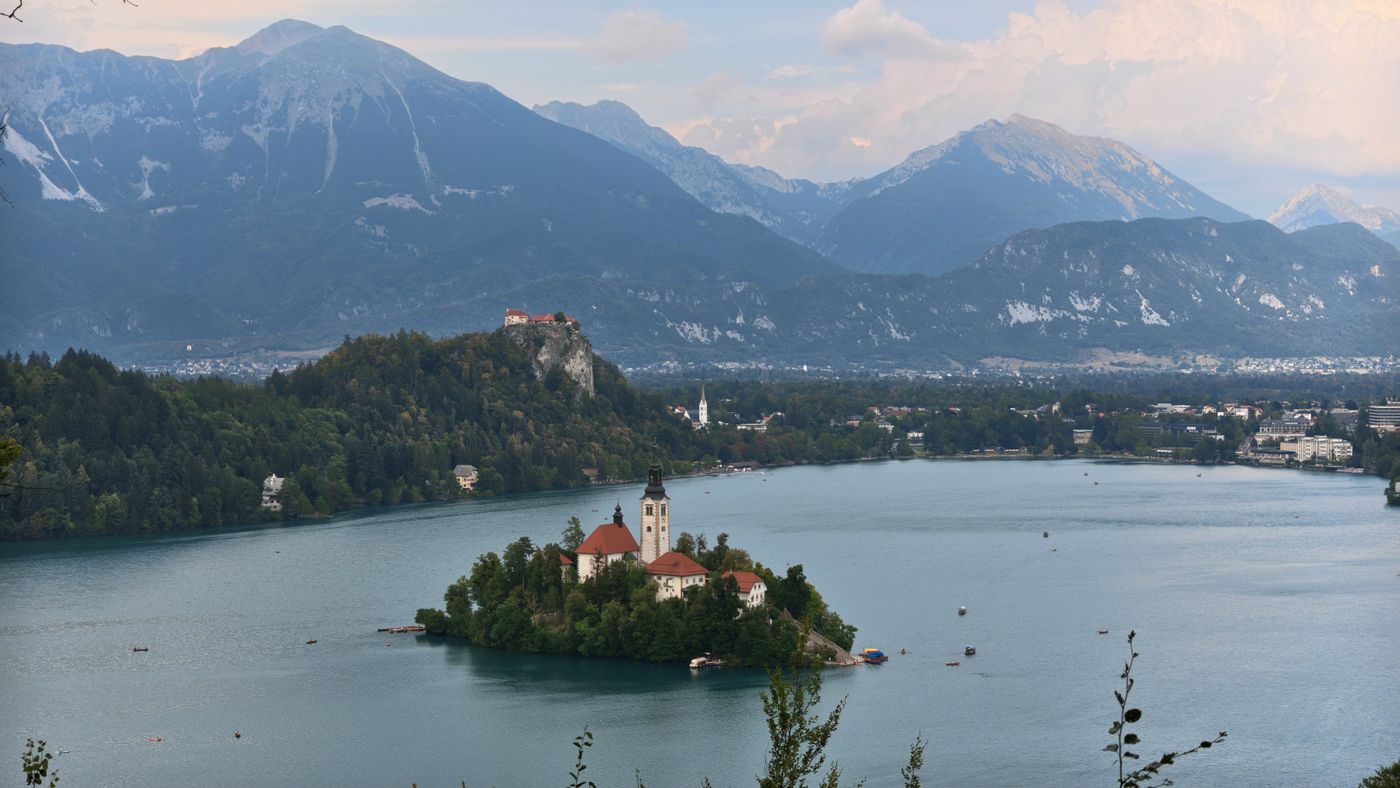
Lake Bled and its island church — two nights on a two-week whole-country solo route. Photo: Fábio Rocha / Pexels
4th on the 2026 Global Peace Index · 20,273 km² — the whole country in 10–14 days · Triglav National Park hut network
Slovenia sits 4th on the 2026 Global Peace Index and is the best-value solo adventure in Europe: small enough (20,273 km²) that one trip covers capital, lakes, Alps, a river valley and the coast. English is near-universal under 40. The Triglav National Park mountain-hut network gives cheap structured beds, and the Soča Valley adventure operators (rafting, canyoning, paragliding out of Bovec and Kobarid) run small-group days that a solo traveller joins without a supplement. Route: Ljubljana (2–3 nights) – Bled (1–2) – Bohinj (2) – Soča Valley (3–4) – Piran (1–2), by bus and train except for the Soča, where a hire car earns its money. Ljubljana's restaurant scene is disproportionate to a capital of 300,000. Official guide: I feel Slovenia.
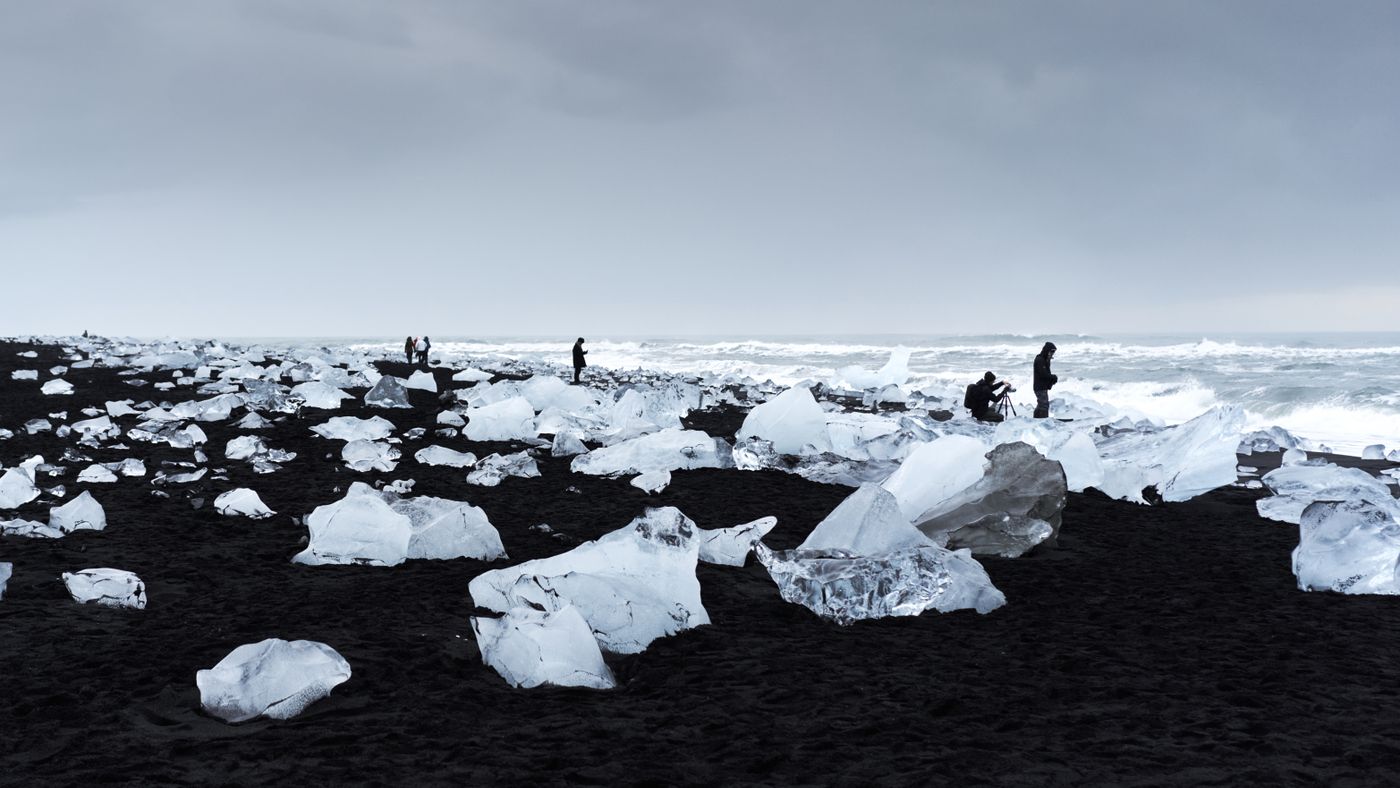
Diamond Beach on the south coast — a Ring Road stop most solo drivers reach on day three. Photo: Valdemaras D. / Pexels
1st on the 2026 Global Peace Index (every year since 2008) · Ring Road 1,322 km · day-tour network from Reykjavik
Iceland is the most structured solo destination in the index — first on the Global Peace Index every year since 2008, English spoken by almost everyone, and a tour economy built around small-group day trips from Reykjavik: Golden Circle, south coast, Snæfellsnes, Northern Lights, glacier hikes and ice caves. The trade-offs are cost (4/10 — the most expensive entry here alongside Norway) and public transport (8/20 — there is no rail and the bus network thins outside the capital). Two solo shapes work: 5–7 days in Reykjavik with structured day tours, or 8–10 days driving the 1,322 km Ring Road in summer, checking road conditions daily. Deplar Farm, Hotel Rangá and the Reykjavik Edition anchor the high end. Official planner: Visit Iceland; our real cost of visiting Iceland and Iceland luxury guide carry the numbers.
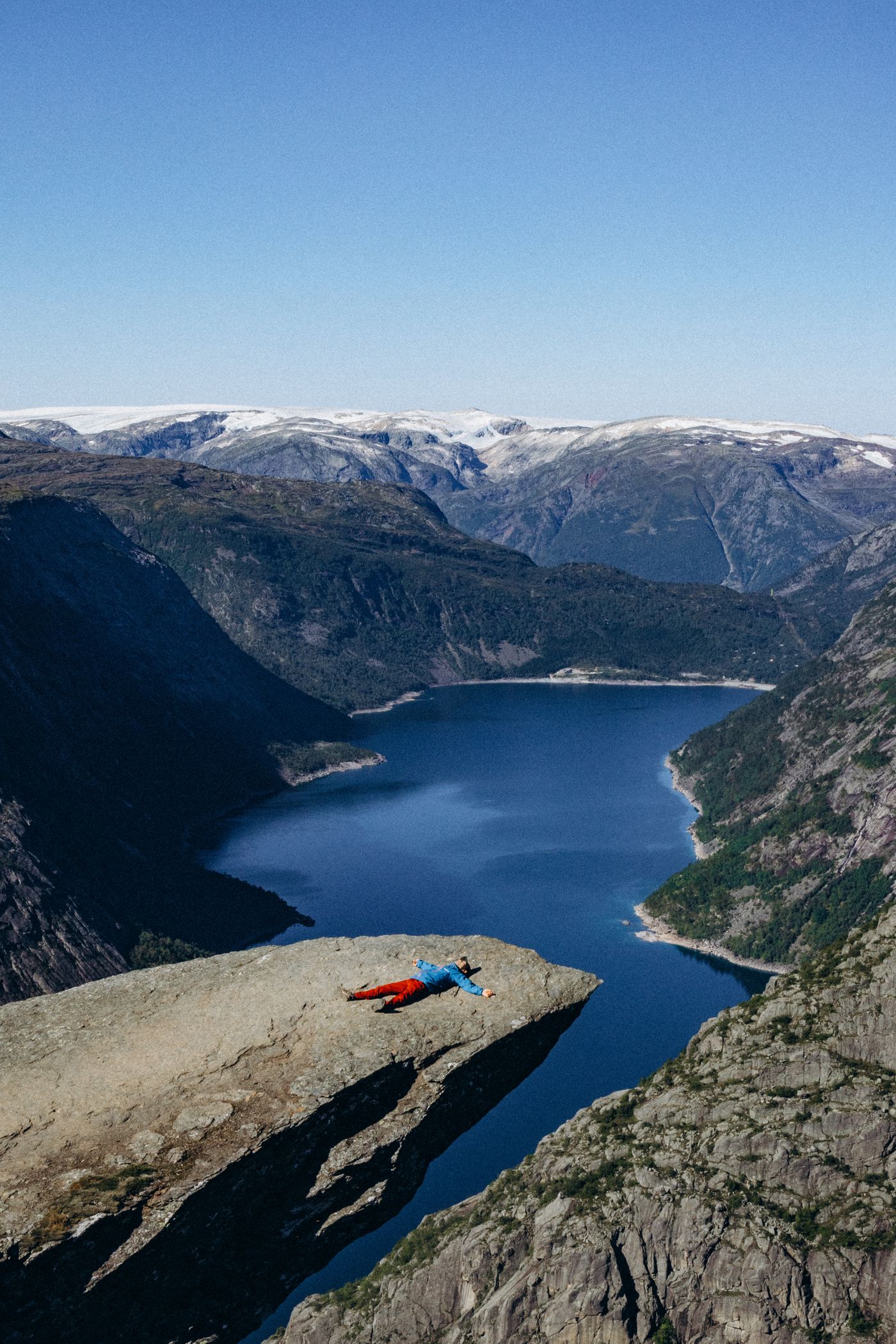
Trolltunga, above Ringedalsvatnet near Odda — a 10–12-hour solo day hike in summer. Photo: Jonathan Borba / Pexels
33rd on the 2026 Global Peace Index · 5th of 123 on EF EPI 2025 · Hurtigruten Bergen–Kirkenes 12 days
Norway is the solo hiker's country: the Allemannsretten right to roam, near-universal English (5th of 123 on the EF EPI 2025) and the most dramatic day-hikes in Europe reachable from a bus stop — Preikestolen (604 m above the Lysefjord, 4 hours return), Trolltunga (about 700 m above Ringedalsvatnet, 10–12 hours), Kjeragbolten, the Besseggen ridge. Its 33rd place on the peace index reflects militarisation metrics, not street safety. Transport is 15/20 — Vy rail, the Hurtigruten coastal express (12 days Bergen–Kirkenes–Bergen) and the 18 Norwegian Scenic Routes for drivers. Value is 3/10: NOK 1,800–2,400 a day for mid-range solo travel is realistic. Route: Oslo (2) – Bergen (2) – Stavanger (3) – Odda (3) – Geiranger (3) – Lofoten (4). Official guide: Visit Norway; read why Norway is the most beautiful and most expensive country in Europe and, for winter, our Northern Lights index.
8. Vietnam — 75/100
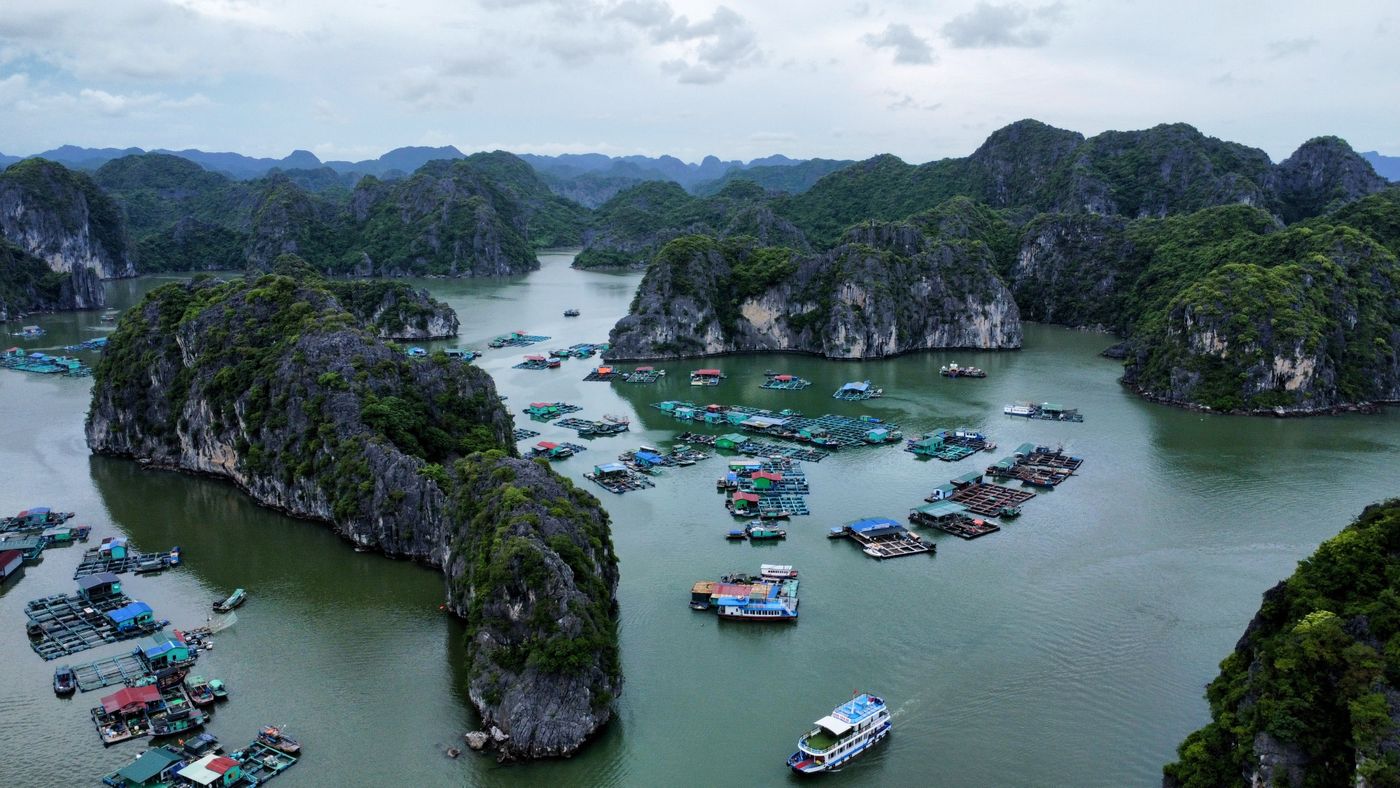
Ha Long Bay from above — the overnight junk cruise is the canonical structured solo experience in Vietnam. Photo: Federico P / Pexels
41st on the 2026 Global Peace Index · Reunification Express 1,726 km Hanoi–Saigon · lowest cost per day in the index
Vietnam is the deepest solo route in Southeast Asia and the best value on this page (10/10): a competent central-Hanoi hotel runs US$50–80 a night and the 1,726 km Reunification Express costs under US$100 end to end. The north-to-south line — Hanoi, Ha Long or Lan Ha Bay, Ninh Binh, Hue, Hoi An, Da Nang, Nha Trang, Ho Chi Minh City, the Mekong — is a 14–21-day solo standard, with Ha Giang and Phong Nha as the two additions that separate a second trip from a first. The premium tier has caught up: Capella Hanoi, Six Senses Ninh Van Bay, the Four Seasons Nam Hai, Park Hyatt Saigon. Ease scores 9/15 — English is in EF's low band outside tourism — and safety 18/25, where the risks are traffic and bag-snatching rather than violence. Official site: Vietnam Tourism; our Vietnam luxury guide 2026 covers the upper tier.
9. Costa Rica — 72/100
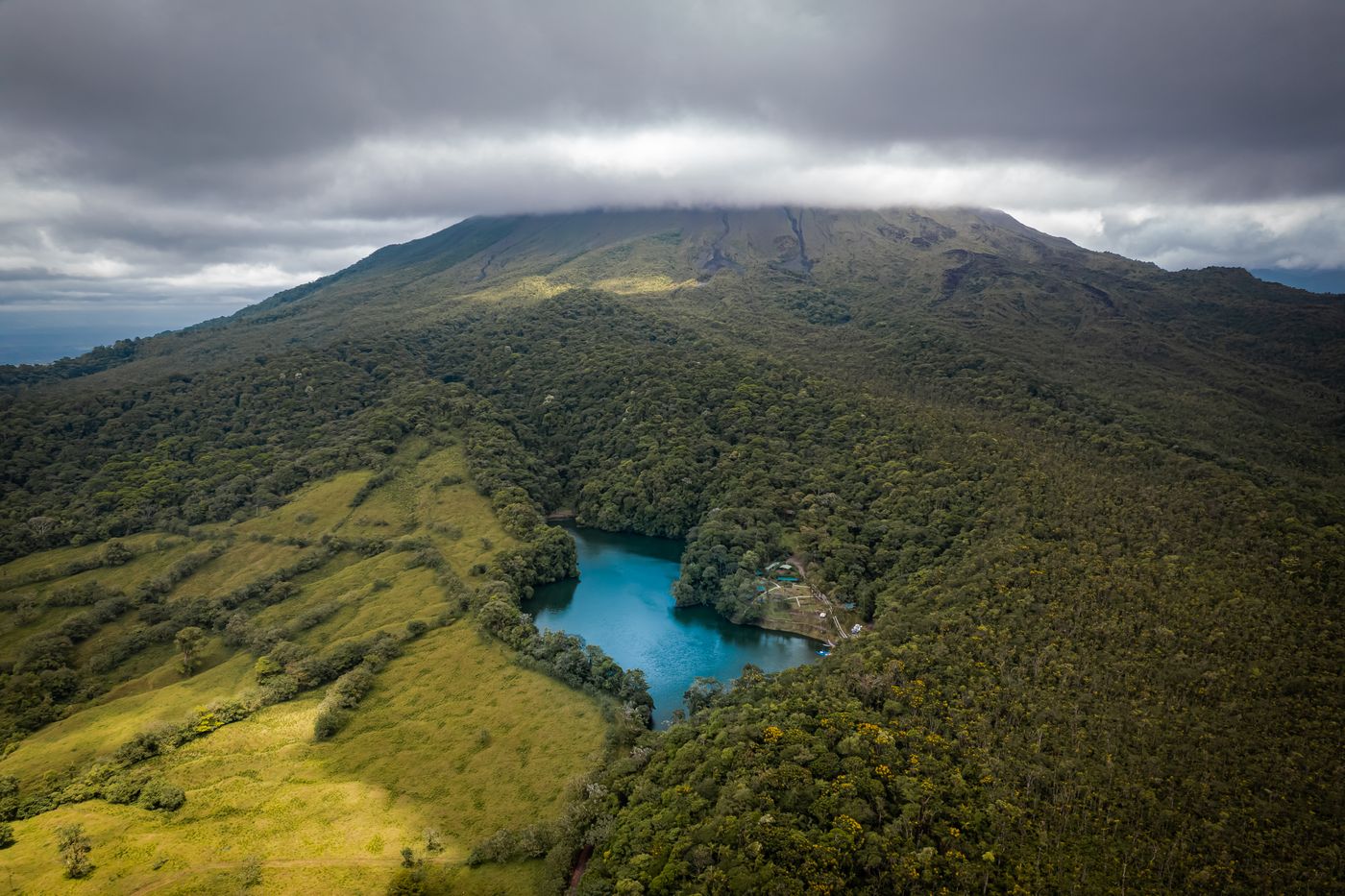
Arenal from the air — three nights here anchor most solo Costa Rica routes. Photo: Edgar Arroyo / Pexels
62nd on the 2026 Global Peace Index · EF EPI 2025: moderate band · Arenal – Monteverde – Pacific in 8–10 days
Costa Rica scores 15/15 on activity depth because every experience a solo traveller wants is sold as a joinable day: zip-line canopies, Pacuare rafting, Arenal volcano hikes and hot springs, cloud-forest walks at Monteverde, wildlife at Manuel Antonio, Tortuguero and Corcovado, and a surf-camp economy at Santa Teresa, Nosara and Tamarindo that comes with built-in company. Safety is 16/25 — 62nd on the peace index, with vehicle break-ins and rip currents the practical risks — and transport 8/20, which is why the shared-shuttle network and a 4WD hire matter. Route: San José (1) – Arenal (3) – Monteverde (2) – Santa Teresa or Manuel Antonio (3–4). Ecolodges (Lapa Rios, Pacuare Lodge, Nayara) anchor the high end. Official planner: Visit Costa Rica.
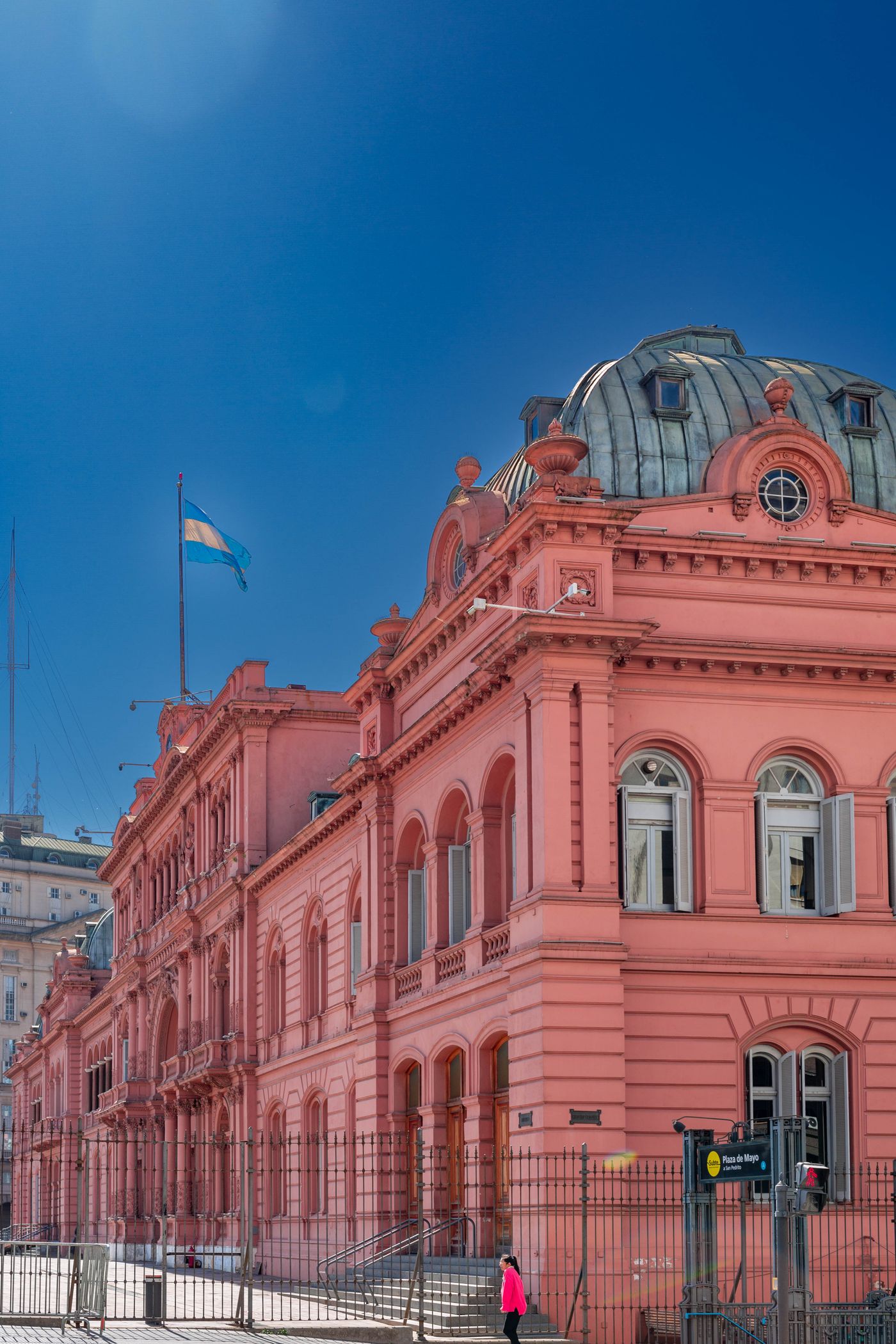
Casa Rosada, Plaza de Mayo — Buenos Aires is the urban half of the best urban-plus-wilderness solo trip in South America. Photo: Leonardo Delsabio / Pexels
72nd on the 2026 Global Peace Index · EF EPI 2025: high band (best in Latin America) · Ruta 40 5,194 km
Argentina pairs one of the world's great walking cities with Patagonia on a single set of logistics. Buenos Aires — Palermo, San Telmo, the milonga — pulls a solo visitor into conversation faster than anywhere else on this list, and Argentina sits in EF's high band for English, the best in Latin America. Patagonia is the wilderness half: El Calafate for the Perito Moreno glacier, El Chaltén for Fitz Roy day hikes, Bariloche, Ushuaia for the Beagle Channel. The score is held back by safety (14/25 — 72nd on the peace index, property crime in the capital) and transport (11/20 — distances mean domestic flights). Route, 14–21 days: Buenos Aires (5) – fly to El Calafate (2) – bus to El Chaltén (3–4) – fly back – optional Bariloche (3) or Mendoza (2–3). Foreign-currency holders still find it one of the cheapest premium destinations in the region. Official site: Visit Argentina.
The best tour companies for solo travellers in 2026
For a solo traveller who wants a group without a couple's supplement, the operators to compare are Flash Pack, Intrepid Travel, Exodus Adventure Travels, Explore, Just You, Solos Holidays and Contiki. Two questions decide it: the age band of the group, and whether the single supplement is waived by room-sharing (Intrepid, Exodus, Explore), included as a private room (Just You, Solos) or simply charged. All facts below were re-read at the operators' own pages on 14 September 2026; prices move by departure.
Over 50% travel solo; groups of 8–16; paired room-share so no supplement unless a private room is wanted — Exodus pairs you with another solo traveller by default
200+ trips on six continents since 1962; 4.7/5 from 25,000+ reviews; US$200 deposit
Budget to mid-range
Comparing the seven side by side is worth the ten minutes, because the same trip often runs under three brands at three prices with three different room policies. Our index of the best tour operators for solo travellers makes that comparison on published criteria: it assesses 16 operators, and Flash Pack leads at 87/100 because every guest joins solo, roommates are matched so no supplement applies, and groups are capped at 16. Women travelling alone have their own women-only tour operator index, led by Intrepid's Women's Expeditions at 85, and the luxury tour operator index for solo travellers covers the premium end, where Wild Frontiers leads at 86.
At the bespoke end, Black Tomato (London, founded 2005, about 100 destinations) plans fully private solo itineraries with 24/7 on-the-ground support and no planning fee — the right shape for a once-a-decade trip rather than a first one. For day-level structure inside a destination, the small-group inventory on GetYourGuide is the practical layer under all of the above; see GetYourGuide vs Viator for how the platforms differ.
The best solo holidays by type of trip in 2026
By type of trip, the leaders in our 2026 solo indexes are Walks Worldwide for walking and cycling (95/100), Kandoo Adventures for Kilimanjaro (95), Wendy Wu Tours for Japan (88), Flash Pack for small-group tours (87), Wild Frontiers for luxury tours (86), Intrepid's Women's Expeditions for women-only tours (85), Exodus Adventure Travels for safari (80), The BodyHoliday for wellness retreats (78), Angama for safari camps (70), Great Rail Journeys for rail holidays (68) and Riviera Travel for cruises (63). Each index scores its field on published criteria and links every input. Every one weights the single supplement or solo pricing among its heaviest criteria, and a company that publishes no policy scores nothing on it.
A separate, safety-weighted score: full marks for Japan's rail network, the lowest English score in that index
Two fields are thin at the top: only one cruise line of 22 and one rail operator of 13 clear the 60-point pass mark, so in those two fields the full table on the index page tells you more than the winner does. The leaders and scores above are taken from each index as published, verified on 23 and 24 September 2026.
Three planning rules for a solo trip
1 · Insure for evacuation, not cancellation. A solo traveller has nobody to phone the hospital, the embassy or the air-ambulance company. Evacuation from rural Patagonia to Buenos Aires runs US$50,000–150,000; from a Norwegian or Icelandic glacier accident to the nearest hospital, US$30,000–100,000. Card-linked policies commonly exclude bungy, glacier hiking, rafting above Class III and motorcycling, and cap evacuation below those figures. Month-by-month nomad cover written for the solo, long-stay profile is the right instrument; our nomad insurance comparison scores the options.
2 · Pre-book the three or four anchor experiences. The shift of the past five years is from improvised backpacking to structured solo travel: the Ha Long Bay overnight, the Golden Circle day, the Routeburn hut, the Soča rafting morning. Each supplies company, operator-managed risk and one fewer decision. Peak-season operators sell out 30–90 days ahead; book those first, then the flights around them.
3 · Stay connected from the moment of landing. Maps, translation, ride-hailing and the ability to phone an insurer are the solo traveller's real safety kit, and all four need data before the hotel Wi-Fi. An eSIM installed before departure removes the airport-kiosk step; our Europe eSIM guide covers coverage by country.
What changed for solo travel in 2026
Four things moved this year. The 2026 Global Peace Index kept Iceland first and placed New Zealand second, Slovenia fourth and Portugal seventh, which is why those four sit high on safety here. Japan's JR Pass gets its first price move since October 2023, and it is a split rather than a rise: from 1 October 2026 overseas agencies charge ¥53,000 for seven days while the official reservation site holds ¥50,000 for a limited period JR has not dated. Buy online. On the operator side, Exodus launched dedicated solo departures for Europe in 2026 — its free-single-room promotions on European and Asia departures have both now closed, leaving the standing policy that it pairs solo travellers at no supplement — and Flash Pack added a 50–65 age band alongside its 30–49 core. Finally, the 2026 Route 66 centennial has pulled North America's easiest long solo drive back into the road-trip conversation.
Solo travel destinations: the questions people ask AI search
What is the best solo travel destination in 2026?
Japan, scoring 91/100 on this index: 10th on the 2026 Global Peace Index, the most complete rail network in the world (JR Pass ¥50,000 for seven days, and from 1 October 2026 ¥53,000 at overseas agencies while the official site holds ¥50,000), and a counter-dining culture that makes eating alone the norm rather than the exception. Portugal (86), Taiwan (84), New Zealand (82) and Slovenia (80) complete the top five.
Which solo travel destinations have the most efficient public transportation?
Japan (98/100), Switzerland (97), Taiwan (94), Singapore (93), South Korea (91), the Netherlands (90), Germany (88) and Portugal (84). The markers are a national pass or contactless card that works on every mode, a high-speed spine (Shinkansen, THSR Taipei–Kaohsiung in 90 minutes, KTX Seoul–Busan in about 2 h 30 min) and frequent late services, so a solo traveller never depends on a taxi.
What are the top solo travel destinations for solo male travellers?
Japan, Vietnam, Argentina, New Zealand, Norway, Portugal, Taiwan and Costa Rica, in that order. The pattern is a country where the anchor activities are sold as single seats — Vietnam's Ha Giang Loop, a Queenstown bungy, a Boca Juniors match, a Norwegian summit hike, a Portuguese surf week — and where the practical risks are theft or weather rather than personal violence.
What are the best solo travel destinations for road trips?
New Zealand's South Island (about 1,000 km in 10–14 days), Iceland's 1,322 km Ring Road, Norway's 18 Scenic Routes, Portugal's 739 km N2, Scotland's 516-mile North Coast 500, Argentina's Ruta 40 through Patagonia, Route 66 in its 2026 centennial year and Costa Rica's Arenal-to-Pacific circuit. All are low-crime, well-signed and drivable in an ordinary hire car except Iceland's F-roads and Costa Rica's Monteverde road, which need 4WD.
What is the safest country for solo travel in 2026?
Iceland, first on the 2026 Global Peace Index as it has been every year since 2008, followed by New Zealand (2nd), Switzerland (3rd), Slovenia (4th), Ireland (5th), Austria (6th), Portugal (7th), Singapore (8th), Finland (9th) and Japan (10th). Of the ten destinations scored on this page, six sit inside the top ten; Argentina (72nd) and Costa Rica (62nd) are the outliers, where the risk is property crime rather than violence.
Which solo travel destination is the best value in 2026?
Vietnam, where a competent central-Hanoi hotel runs US$50–80 a night and the 1,726 km Reunification Express costs under US$100 end to end, followed by Argentina for foreign-currency holders and Slovenia within Europe. Norway (NOK 1,800–2,400 a day) and Iceland are the two most expensive destinations on the index and score 3/10 and 4/10 on value.
Which tour companies are best for solo travellers?
Flash Pack (ages 30–49 and 50–65, about 90% solo guests), Intrepid Travel (over 50% solo, groups of up to 14), Exodus Adventure Travels (over 50% solo by its own count, groups of 8–16), Explore (groups averaging 11), Just You and Solos Holidays (solo-only, own room guaranteed) and Contiki (18–35). The single-supplement policy is the first thing to check: Intrepid, Exodus and Explore pair solo travellers at no charge; Just You and Solos include a private room.
Do solo travellers need different travel insurance?
Yes in practice. A solo traveller has no companion to deal with a hospital, an embassy or an evacuation, so medical and evacuation cover is the single most important line item. Standard card cover often excludes adventure activities (glacier hiking, bungy, rafting above Class III, motorcycling) and caps evacuation below real costs; an evacuation from rural Patagonia to Buenos Aires can run US$50,000–150,000. Month-by-month nomad policies such as SafetyWing are built for the solo, long-stay profile.
Which is the best solo travel destination for a first trip?
Portugal. It is 7th on the 2026 Global Peace Index, 6th of 123 countries on the EF English Proficiency Index 2025 (the only Southern European country in the top ten), walkable in Lisbon and Porto, connected by the Alfa Pendular in under three hours, and its surf camps at Ericeira and Peniche give a first-time solo traveller a group within an hour of arrival. Taiwan is the equivalent first solo trip in Asia.
Rankings are scored against published criteria. Partners are labelled. Links marked with an arrow to GetYourGuide are affiliate links; the destination, operator, index and fare links are not. Any box labelled "Sponsored partner" or "From our partners" is a paid link added by the site. Sources verified 14 September 2026: Global Peace Index 2026 (Institute for Economics & Peace), EF English Proficiency Index 2025, Numbeo Crime Index mid-2026, operator solo pages, JR Pass, THSR, Hurtigruten, Norwegian Scenic Routes, North Coast 500 and national tourism sites. The leaders in the table of solo indexes by trip type are taken from our published indexes, verified 23 and 24 September 2026.
Richard J. · Uncompromised Travel · written from Valencia · first published 18 May 2026 · rebuilt 6 September 2026 · facts, fares and operator offers re-verified 14 September 2026 · links to the solo indexes added 25 September 2026
Cookie Settings
This website uses cookies
Cookie Settings
We use cookies to improve user experience. Choose what cookie categories you allow us to use. You can read more
about our Cookie Policy by clicking on Cookie Policy below.
These cookies enable strictly necessary cookies for security, language support and verification of identity.
These cookies can’t be disabled.
These cookies collect data to remember choices users make to improve and give a better
user experience. Disabling can cause some parts of the site to not work properly.
These cookies help us to understand how visitors interact with our website, help us measure and analyze traffic to improve our service.
These cookies help us to better deliver marketing content and customized ads.