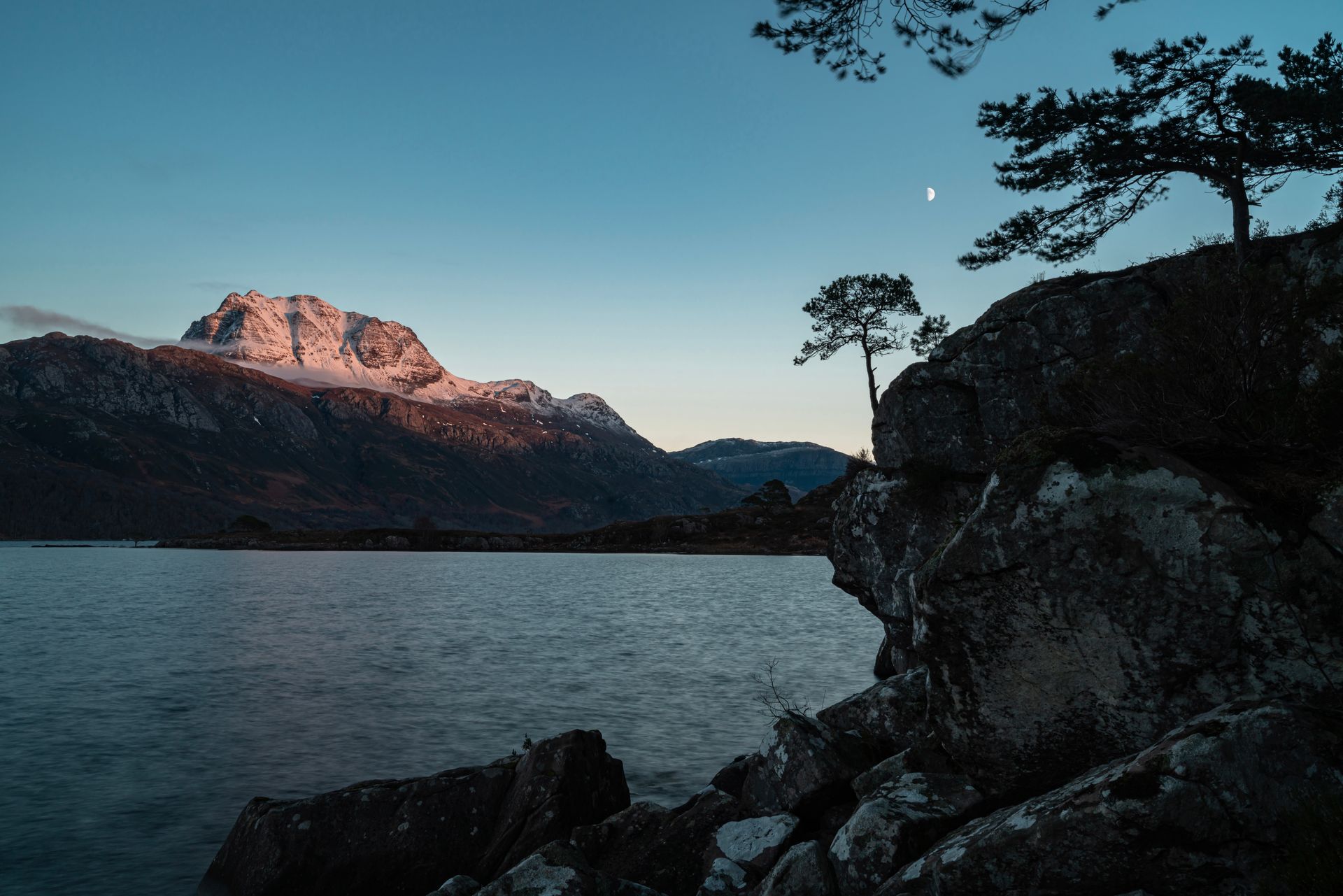
The 15 Most Underrated Travel Destinations for 2026
The places earning serious attention before the rest of the world arrives — and the honest path to book each one.
There is a moment, in every destination, just before it stops being interesting. These fifteen places have not reached it yet.
Underrated is a word that loses meaning quickly. The Maldives was once underrated. Tulum was once underrated. So were Marrakech, Mykonos, Lisbon and Tokyo. The pattern is consistent: a place earns attention from the travellers who look hard, the magazines follow, the prices follow, and within a decade the secret becomes the cliché.
What follows is not a list of secrets. Every destination below is known to someone — the regional secret of the people who live nearest it, the discovery of serious travellers who already saw Greece in 2003 and Lisbon in 2012. They are not undiscovered. They are simply not yet saturated. If your taste runs to the places that are already saturated, our companion piece on the most overrated luxury destinations of 2026 is the honest counterweight to this one.
The list is editorial, not algorithmic. Each destination is here because it sits at a moment — usually just before broad recognition arrives — still ahead of the price-and-crowd compression that follows. The order is not a ranking; it is the order in which the list is best read. Each entry links to the path we would actually use to book it.
Where Greece Was Twenty Years Ago
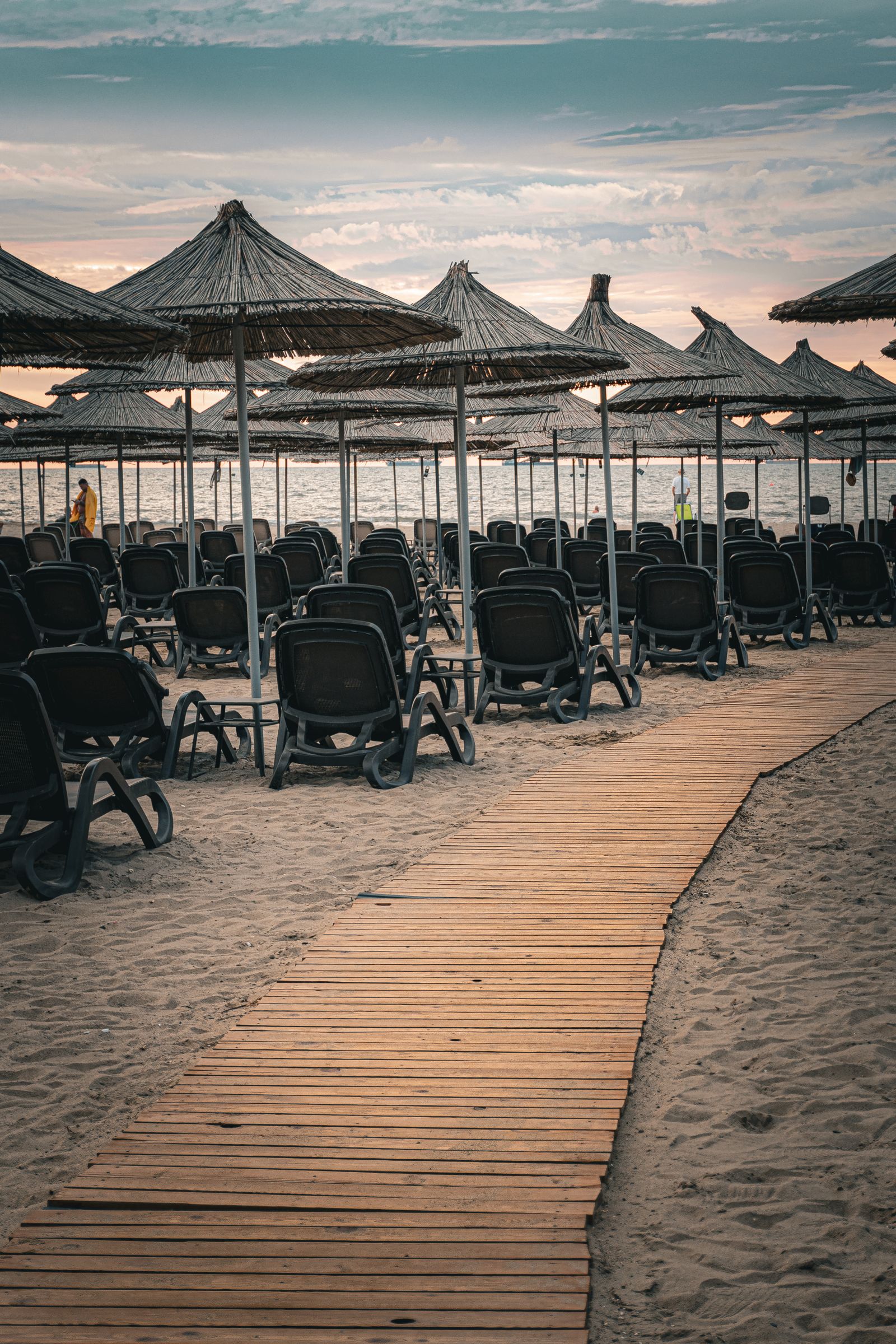
The Albanian Riviera runs along the Ionian Sea from Vlorë to Sarandë, and the Greece-thirty-years-ago comparison has become a cliché because it is accurate. Ksamil's pebble beaches sit ten minutes by boat from Corfu; Himarë has the same translucent water as Paxos at a third of the price. Infrastructure has improved meaningfully since 2020 — boutique coastal hotels, EU-funded roads, direct flights from London Stansted to Tirana. Albania in 2026 is at the moment the secret stops being one.
Find boutique stays along the Albanian Riviera via Plum Guide →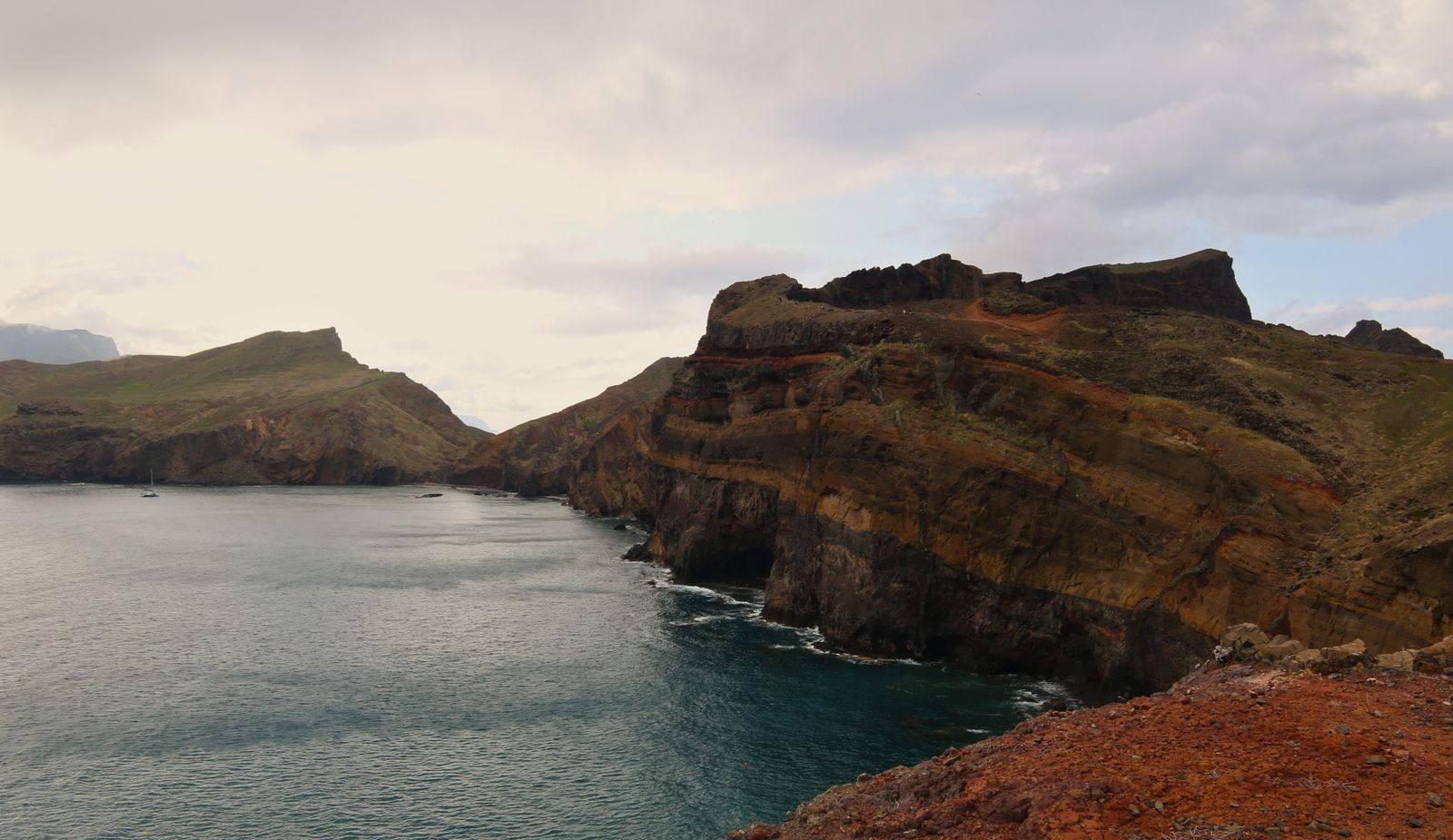
Atlantic Terraces, Year-Round Seventy Degrees
A volcanic island off the coast of Morocco that belongs to Portugal, Madeira has quietly built a reputation as Europe's most consistent year-round climate. The interior is mountainous, terraced and covered in UNESCO-listed laurel forest; the coast drops in dramatic cliffs into the Atlantic. Funchal has a working fish market, a serious restaurant scene and a botanical garden that justifies the trip alone. The levadas — ancient irrigation channels — double as gentle-gradient hiking trails. The light is Mediterranean; the pricing is Portuguese.
Find clifftop villas in Madeira via Plum Guide →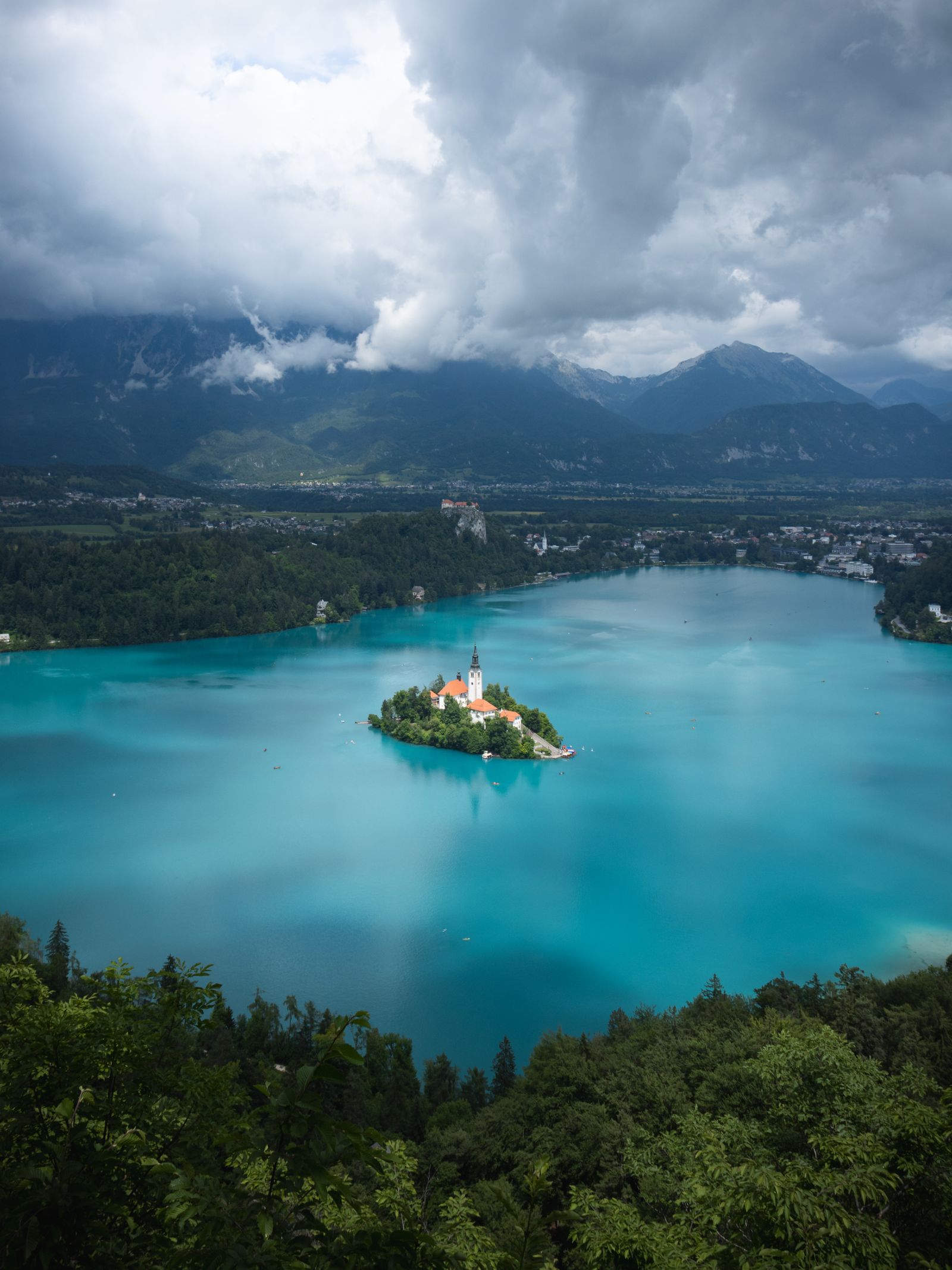
Lake Bled Is Just the Entry Point
Most travellers know Slovenia through one photograph: the church on the island in Lake Bled. It deserves more than that frame. Ljubljana is among Europe's most walkable capitals, with Plečnik's architecture and riverside cafés. The Julian Alps offer skiing at Vogel, quieter and cheaper than Austria. The Karst produces distinctive wines and the cave systems at Postojna and Škocjan. Sixty kilometres of Adriatic coast run to Venetian Piran. Slovenia gives you the Alps, the Mediterranean and Central European refinement in a country smaller than New Jersey.
Find lakeside villas in Slovenia via Plum Guide →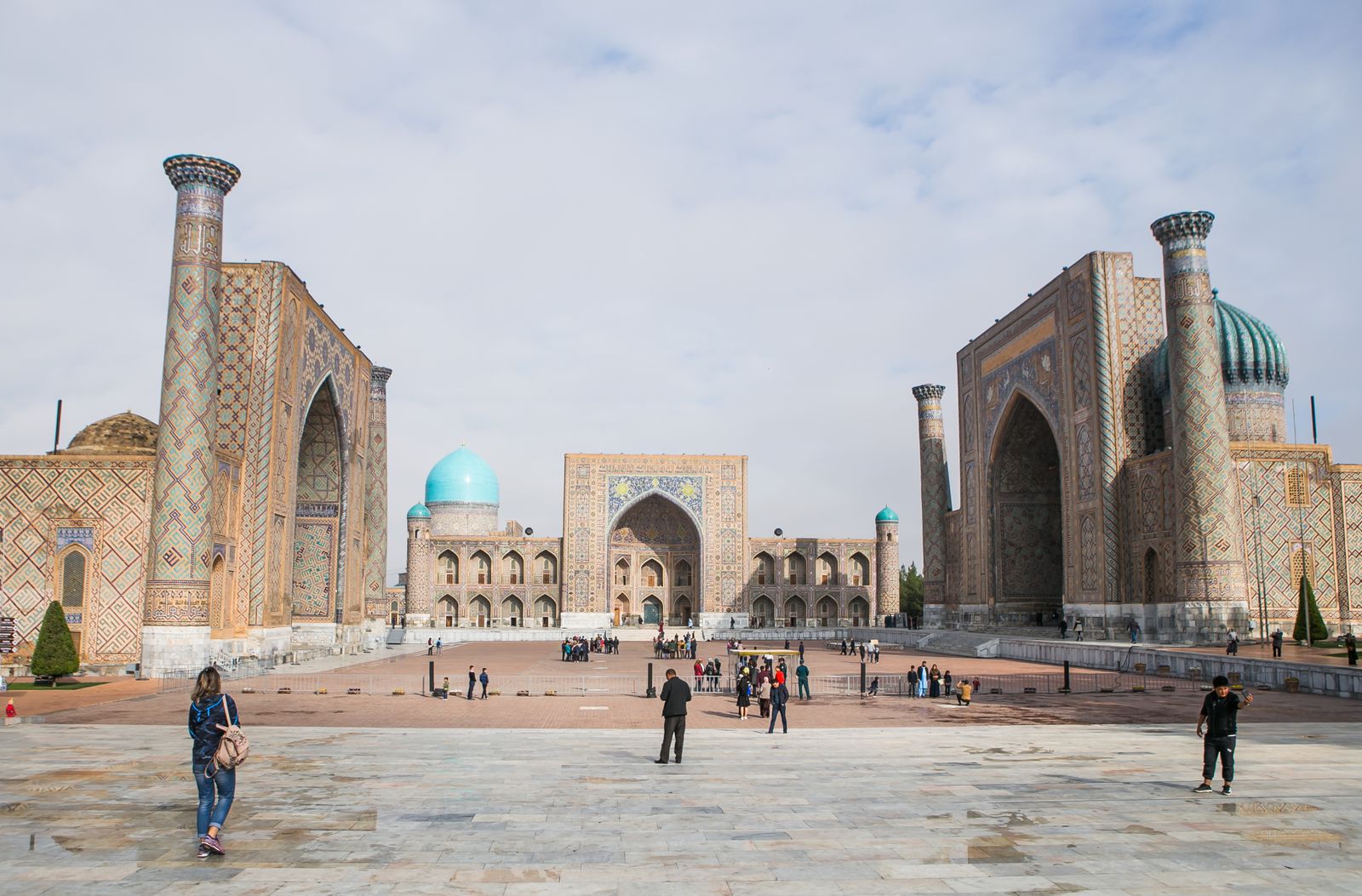
The Silk Road, Photographed
Samarkand, Bukhara and Khiva are among the most photogenic cities in the world, yet outside the points-and-miles crowd they stay essentially unknown to Western luxury travellers. The Registan in Samarkand — three madrasas facing across a courtyard, each fronted with the blue Persian tilework that became the signature of Central Asian Islamic architecture — is a place the photograph cannot do justice. Uzbekistan has invested heavily since 2018: visa-free entry for most Western passports, new direct flights to Tashkent, hotel-grade accommodation. Most travellers cover the three signature cities in a week.
Book guided Silk Road tours in Samarkand & Bukhara via GetYourGuide →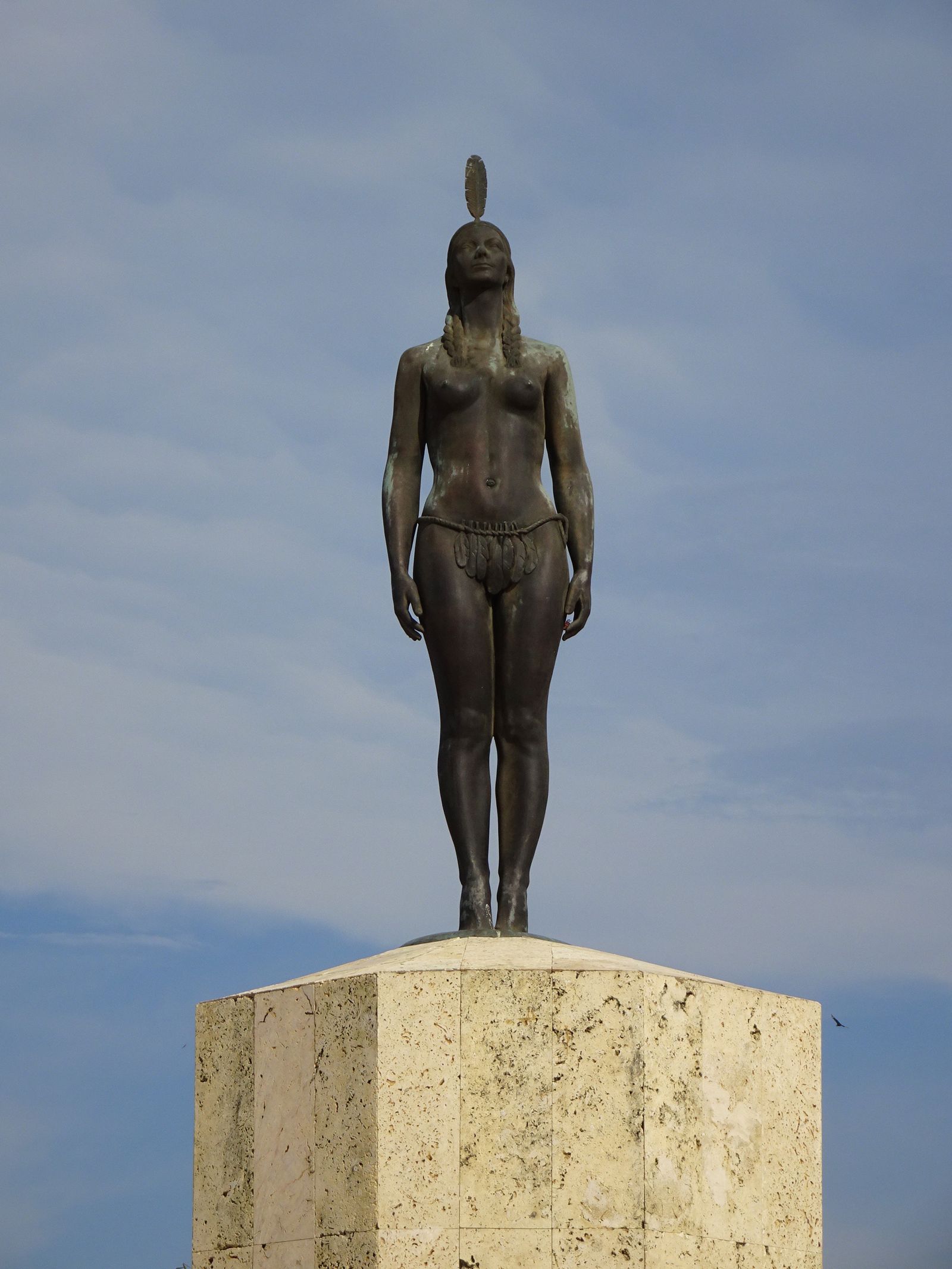
Cartagena, Medellín and the Coffee Axis
Colombia in 2026 is past the security narrative that defined its tourism story for two decades. Cartagena's walled old city is one of the best-preserved colonial centres in the Americas. Medellín has become a design-forward city with a temperate climate that earns the 'eternal spring' tagline. The Coffee Axis — Quindío, Risaralda, Caldas — grows world-class arabica on dramatic farms that increasingly welcome harvest-season guests. Barú and the Rosario Islands are an underrated Caribbean alternative to Tulum. The pace is Colombian, the prices Latin American, the food exceptional.
Find villa rentals in Cartagena via Plum Guide →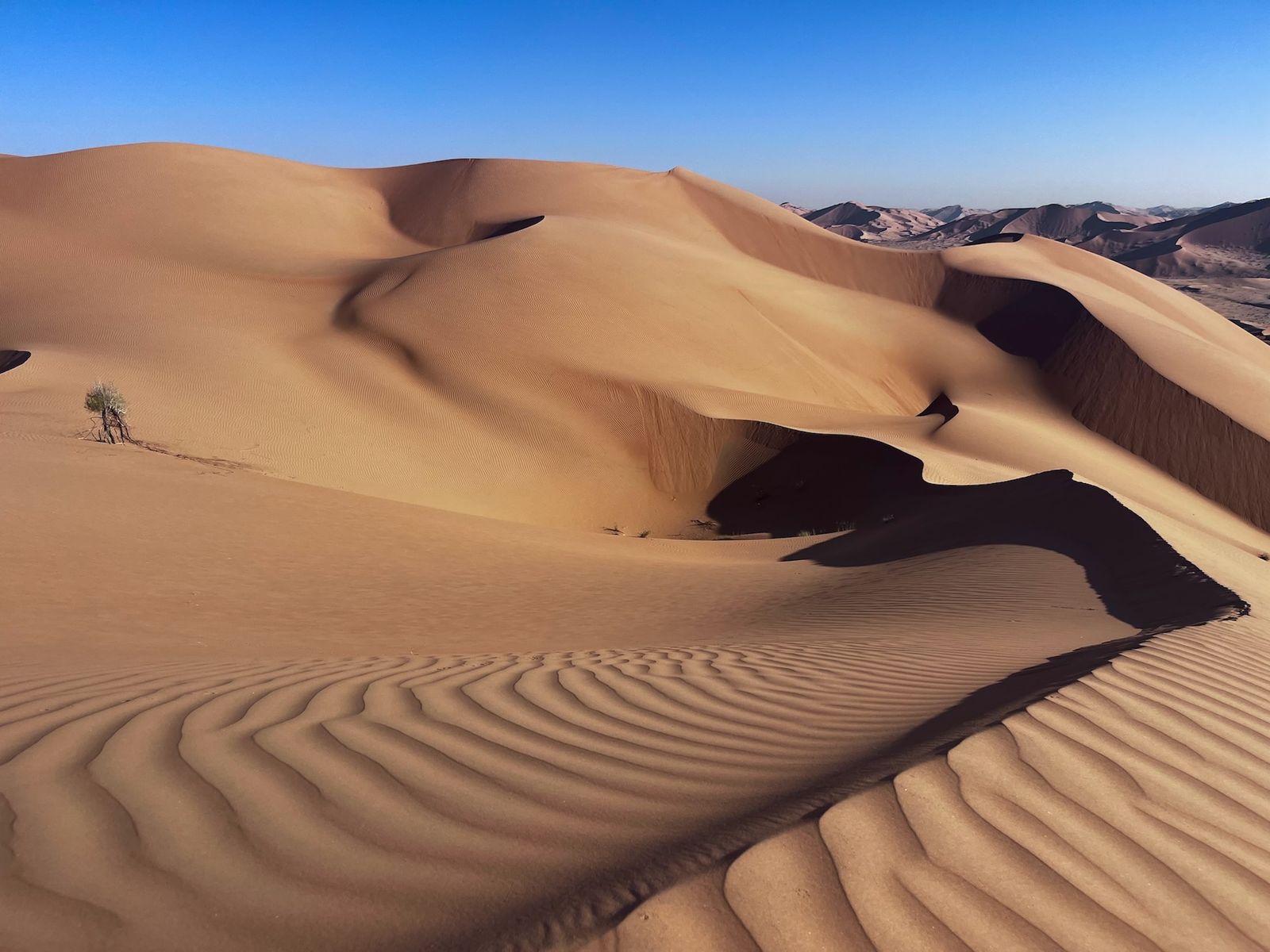
The Arabian Peninsula's Quiet Capital
Oman is what the Gulf countries were before oil money rebuilt them. Muscat is low-rise white buildings against a mountain backdrop, with a coast running from urban beach to remote bay within an hour. The interior holds the Wahiba Sands, the Hajar mountains with their wadi swimming holes, and Nizwa with its weekly goat market and 17th-century fort. Salalah's khareef monsoon turns the south green from June to September, unique on the peninsula. Six Senses Zighy Bay and Anantara Al Jabal Al Akhdar deliver the luxury infrastructure that gives Oman the cultural depth Dubai no longer provides.
Book desert and wadi day tours from Muscat via GetYourGuide →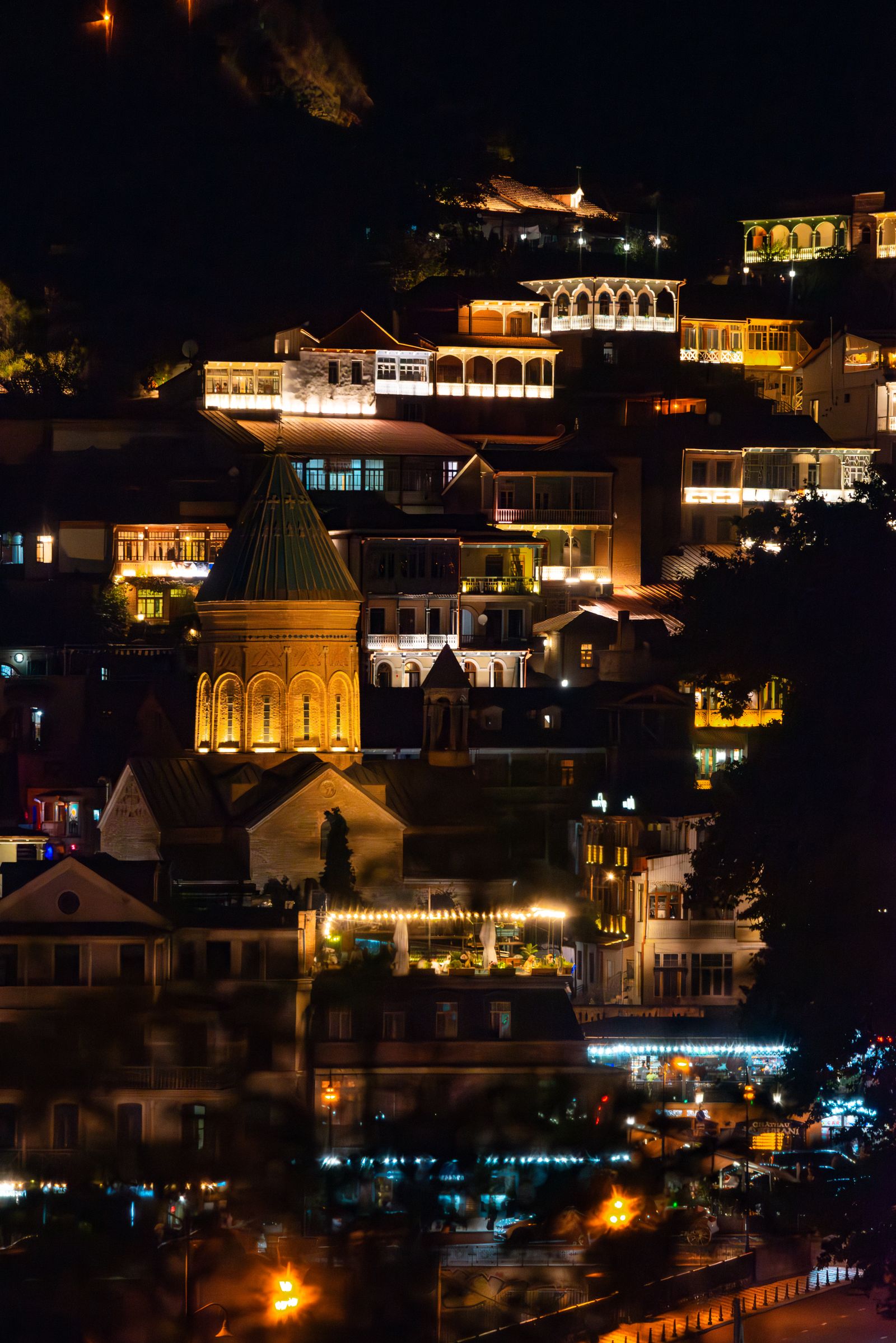
Wine, Mountains and a City That Surprises
Georgia has made wine for eight thousand years and treats it with a seriousness Italy and France would recognise. Tbilisi is a distinctive capital — old-town balconies, sulphur baths, galleries in repurposed Soviet buildings, and cuisine (khachapuri, khinkali) at prices that make Europe feel expensive. Kazbegi, three hours north, sits beneath 5,000-metre Mount Kazbek with the Gergeti Trinity Church on a ridge above the valley. Kakheti's qvevri wines ferment in clay vessels buried underground. Travellers arrive thinking 'weekend break' and leave wondering why it took them so long.
Find boutique stays in Tbilisi via Plum Guide →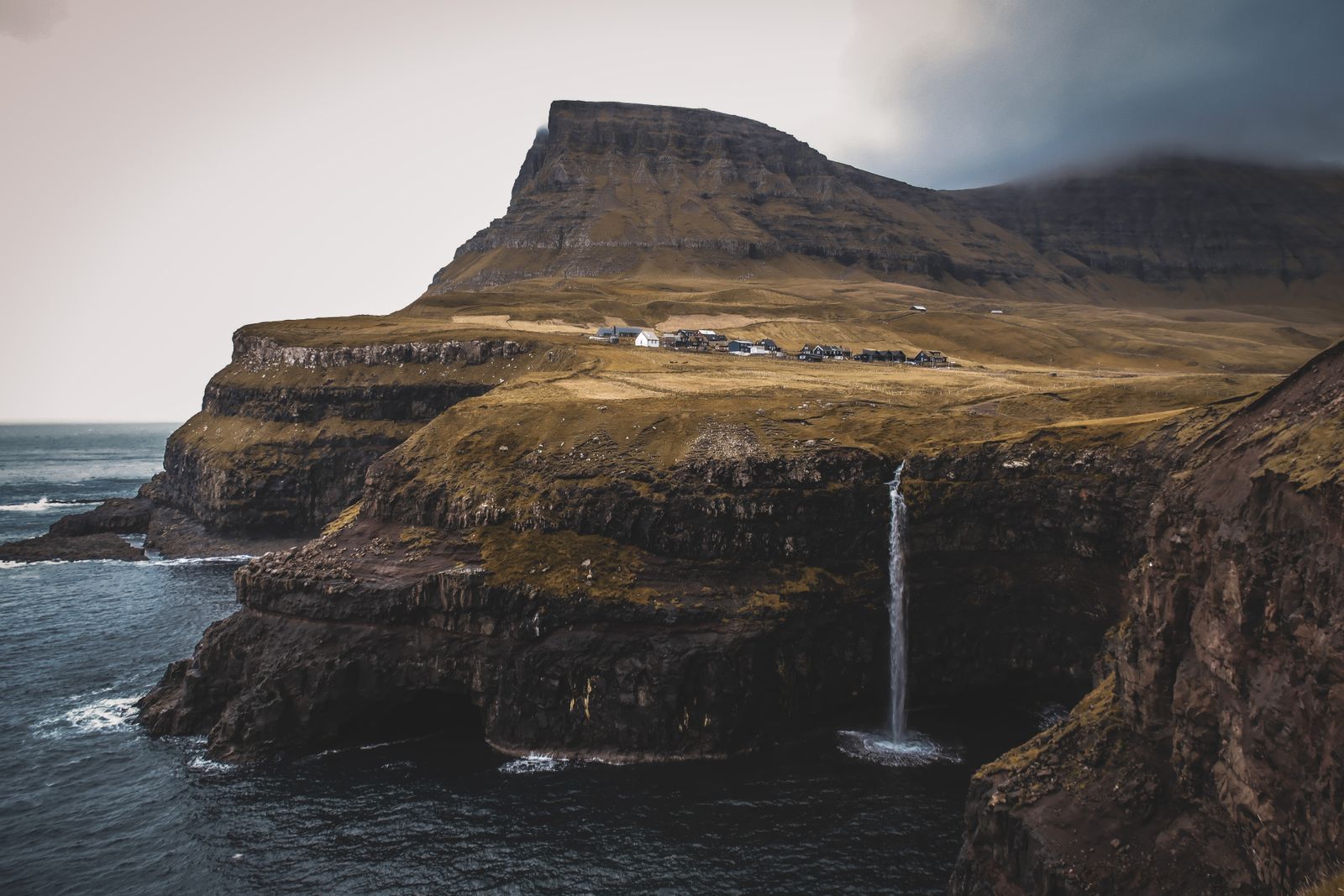
Where Iceland Tourism Went Next
The Faroe Islands are eighteen volcanic islands halfway between Iceland and Norway, with grass-roofed houses, dramatic green cliffs and waterfalls that drop straight into the sea. Population: fifty-four thousand. Infrastructure: Scandinavian-quality. The food scene is anchored by Koks, the Michelin-starred restaurant that put the islands on the gastronomic map. The signature views — the church at Saksun, the village of Gjógv, the Múlafossur waterfall — are reachable by rental car within days. Direct flights from London, Edinburgh, Copenhagen and Reykjavik. The weather is unreliable, which is part of the point.
Find design stays across the Faroe Islands via Plum Guide →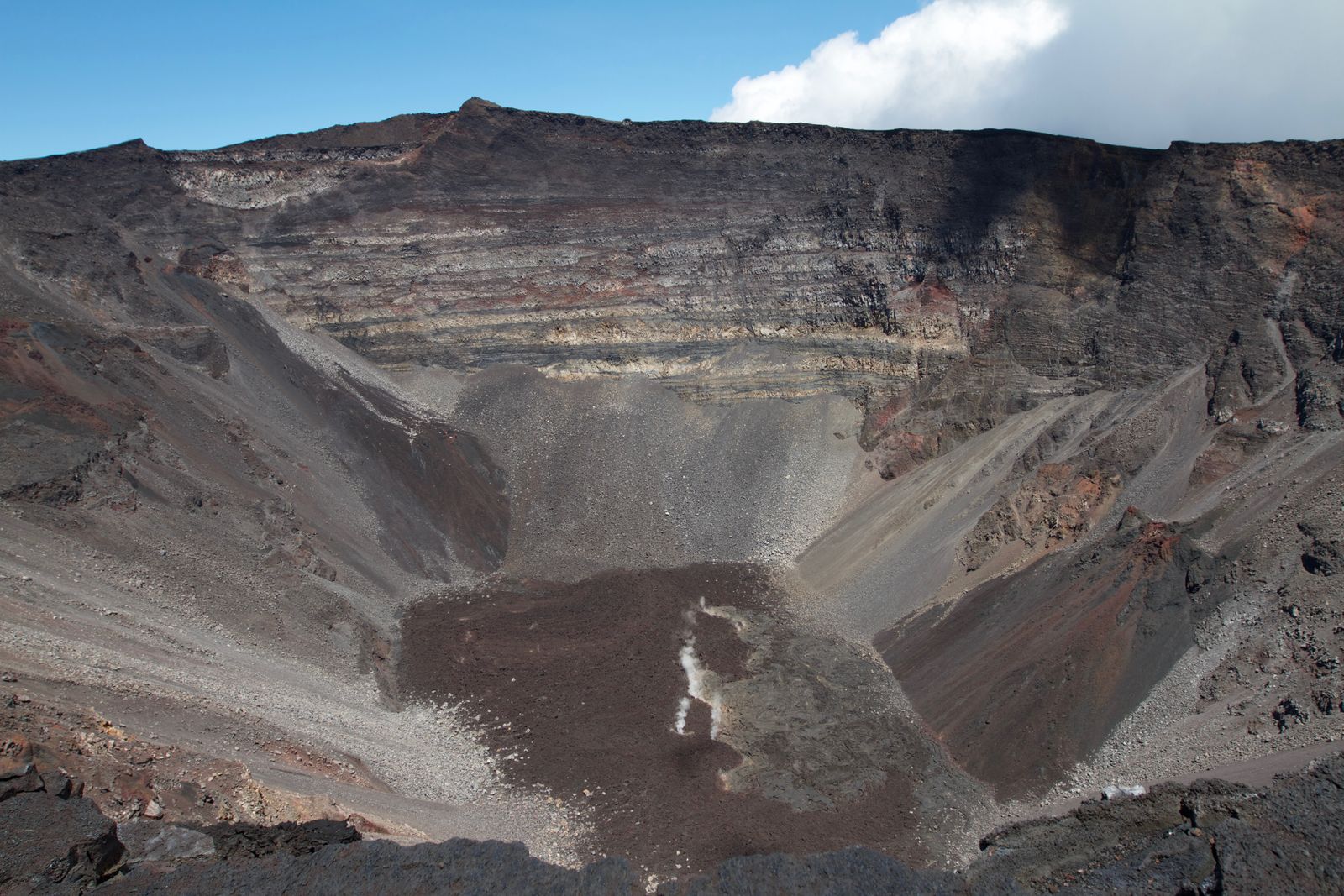
Volcanic France in the Indian Ocean
Réunion is a French overseas department between Madagascar and Mauritius, still essentially invisible to non-French luxury travellers despite a landscape that earns serious attention. The Piton de la Fournaise is one of the world's most active and accessible volcanoes. The Cirque de Mafate is a caldera with no road access — villages reached only on foot or by helicopter. The food is Creole, French, Indian and Chinese in equal measure. Direct flights from Paris connect it to Europe in eleven hours; from Mauritius it is forty minutes. The infrastructure is French, the prices euro-zone, the experience genuinely different from any other Indian Ocean island.
Cover volcano hikes and remote trails in Réunion via SafetyWing →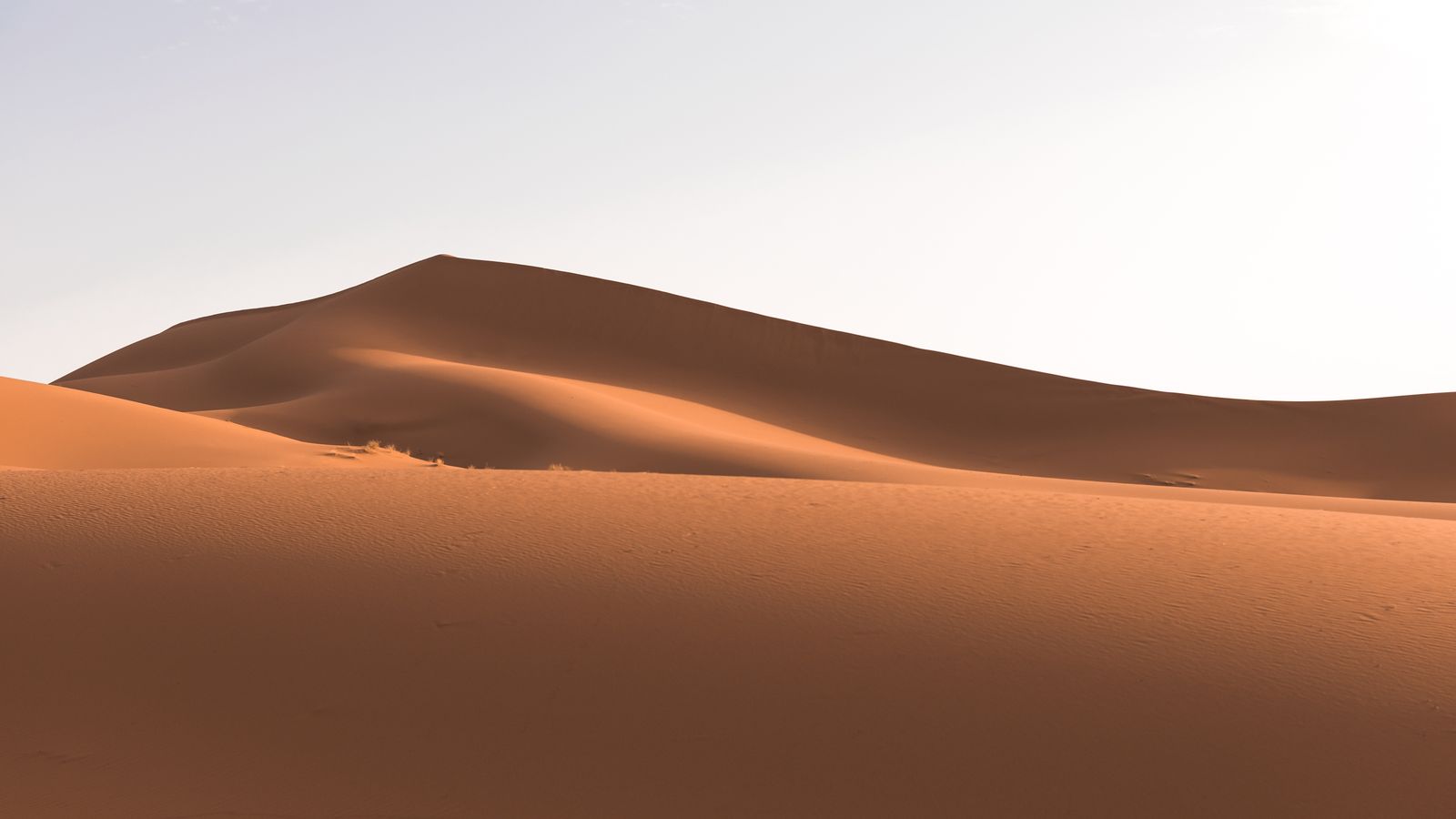
The Desert As Primary Destination
Namibia is the country where the desert is the point. The Sossusvlei dunes at Dead Vlei are the most photographed, but there is far more — the Skeleton Coast with its shipwrecks and seal colonies, Damaraland's rock art and desert-adapted elephants, Etosha's pan-rim wildlife concentration, the Quiver Tree Forest, Spitzkoppe's granite. The infrastructure carries a German influence, the roads are good, and the camps run by the major conservation-led operators are excellent. Self-drive is genuinely viable for travellers prepared for the distances, which sets Namibia apart from most of safari Africa.
Compare guided Namibia safaris and desert lodges via BookAllSafaris →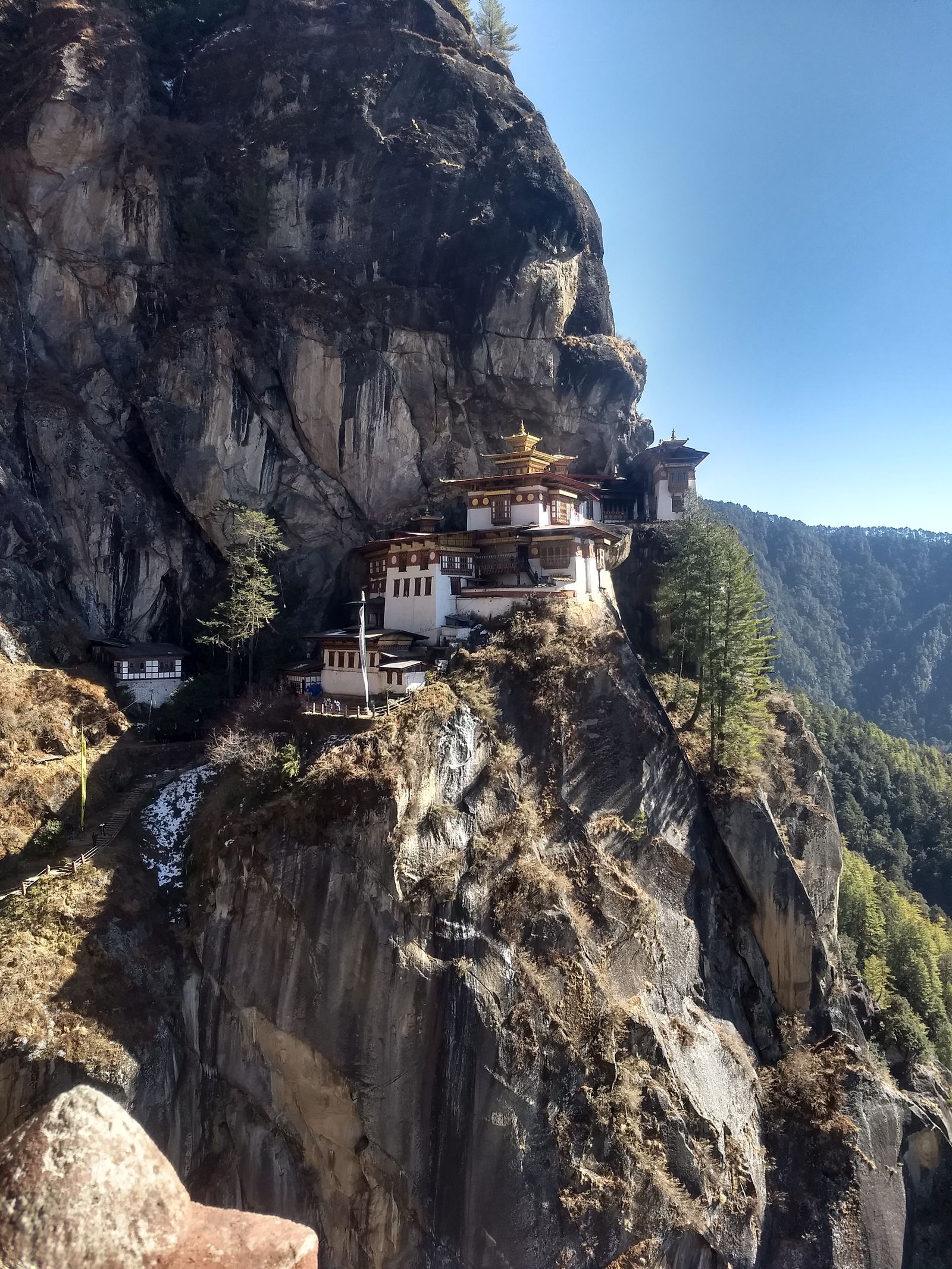
The Country That Measures Gross National Happiness
Bhutan limits tourism through a daily Sustainable Development Fee — US$100 per visitor per night in 2026, held at that level until August 2027 (a new 5% GST from January 2026 applies to tour services, not the fee itself). The capital has no traffic lights, new construction follows architectural tradition, and national policy orients around Gross National Happiness rather than GDP. The Tiger's Nest monastery, clinging to a cliff at 3,120 metres above Paro, is the signature image. The dzongs at Punakha, Thimphu and Paro frame the cultural journey. Six Senses and Aman provide luxury infrastructure that only emerged in the last decade.
Book guided cultural tours across Bhutan via GetYourGuide →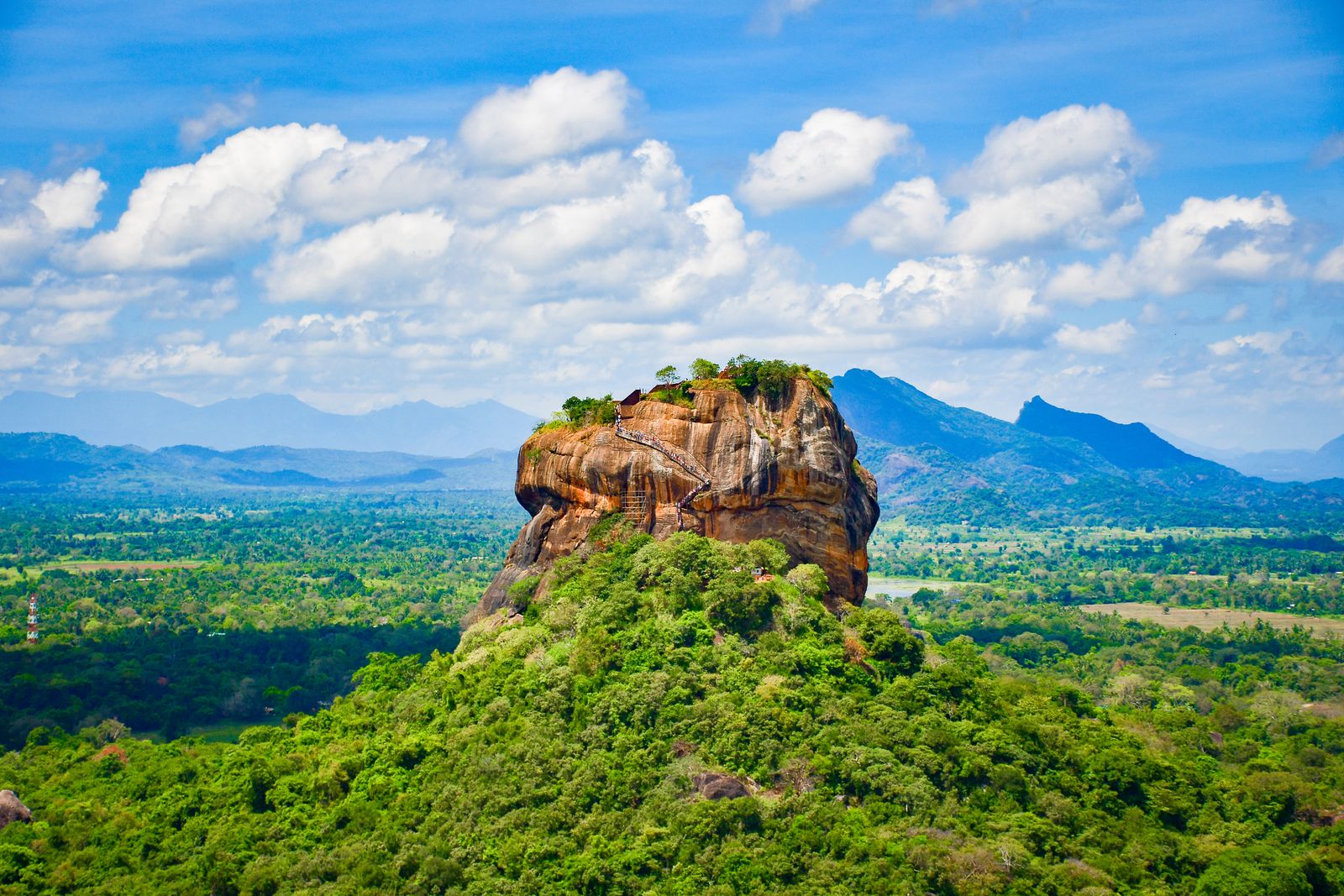
The Island Where Culture, Beach and Tea Coexist
Sri Lanka has rebuilt its tourism infrastructure substantially since the 2022 economic crisis. The island compresses an enormous range: Colombo's restaurant scene, the cultural triangle of Anuradhapura, Polonnaruwa and Sigiriya, the hill-country tea estates around Ella and Nuwara Eliya, the southern beaches at Mirissa and Weligama, and the safari concentration at Yala. Direct flights from London and Doha make access reasonable. Boutique tea-estate stays and beachfront villas deliver luxury without overpricing. The food draws on South Indian, Arab, Portuguese, Dutch and British colonial influences.
Find tea-estate stays and beach villas in Sri Lanka via Plum Guide →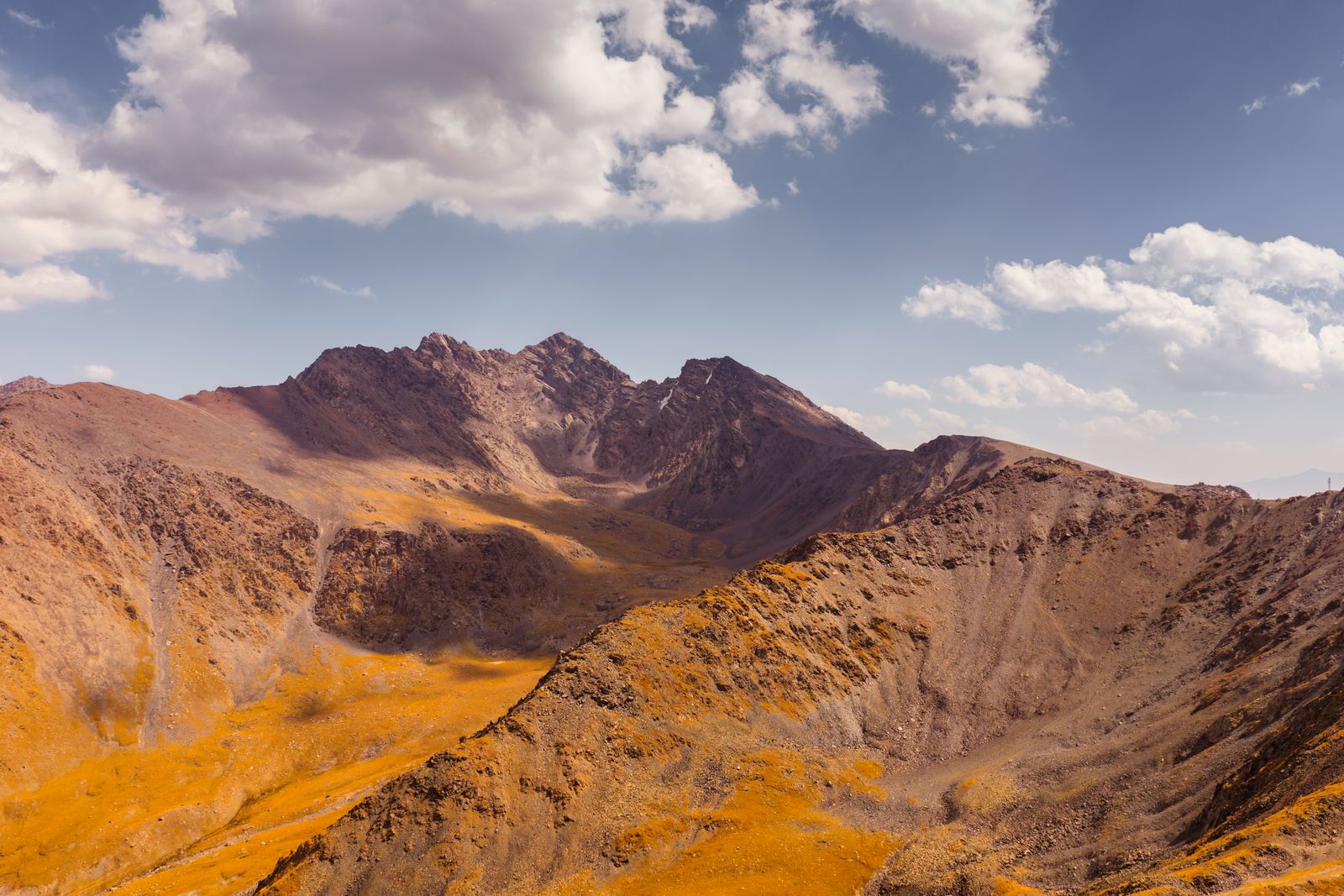
Central Asia at High Altitude
Kyrgyzstan is where the Soviet Union stopped and the high Tien Shan begins. Most of the country sits above 1,500 metres. Yurt camps at Song-Kul, multi-day horse treks, the turquoise water of Kel-Suu canyon below sheer cliffs, the bazaars of Osh and Bishkek — this is a Central Asian experience more rugged than Uzbekistan and more accessible than Tajikistan. The visa regime is liberal for Western passports; flights route through Istanbul, Doha or Almaty. This is travel for people willing to trade comfort for landscapes almost nobody else has photographed yet.
Get adventure medical cover for the Tien Shan via SafetyWing →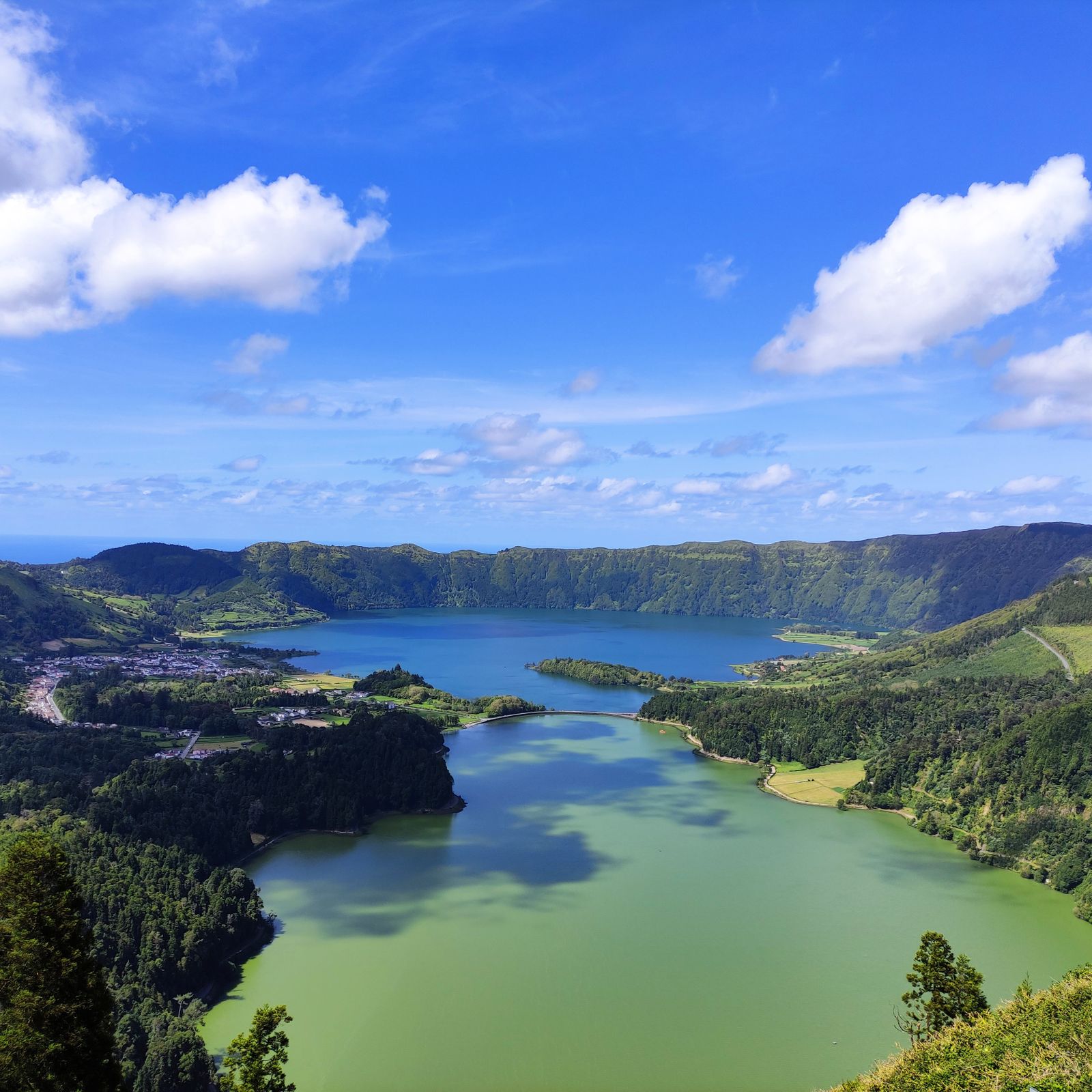
The Atlantic's Hawaii, Owned by Portugal
The Azores are nine volcanic islands in the mid-Atlantic, an autonomous region of Portugal at Lisbon's latitude. São Miguel has the Sete Cidades twin crater lakes, hot springs at Furnas, tea plantations (the only commercial tea grown in Europe) and a coast of black-sand beaches and cliffs. Pico has Europe's third-highest volcano; Flores and Corvo are Europe's westernmost points. Direct flights from Lisbon, London and Boston make access surprisingly easy, and the whale watching is among the best in the Atlantic. The pace is Portuguese, the climate moderate year-round.
Find island villas across the Azores via Plum Guide →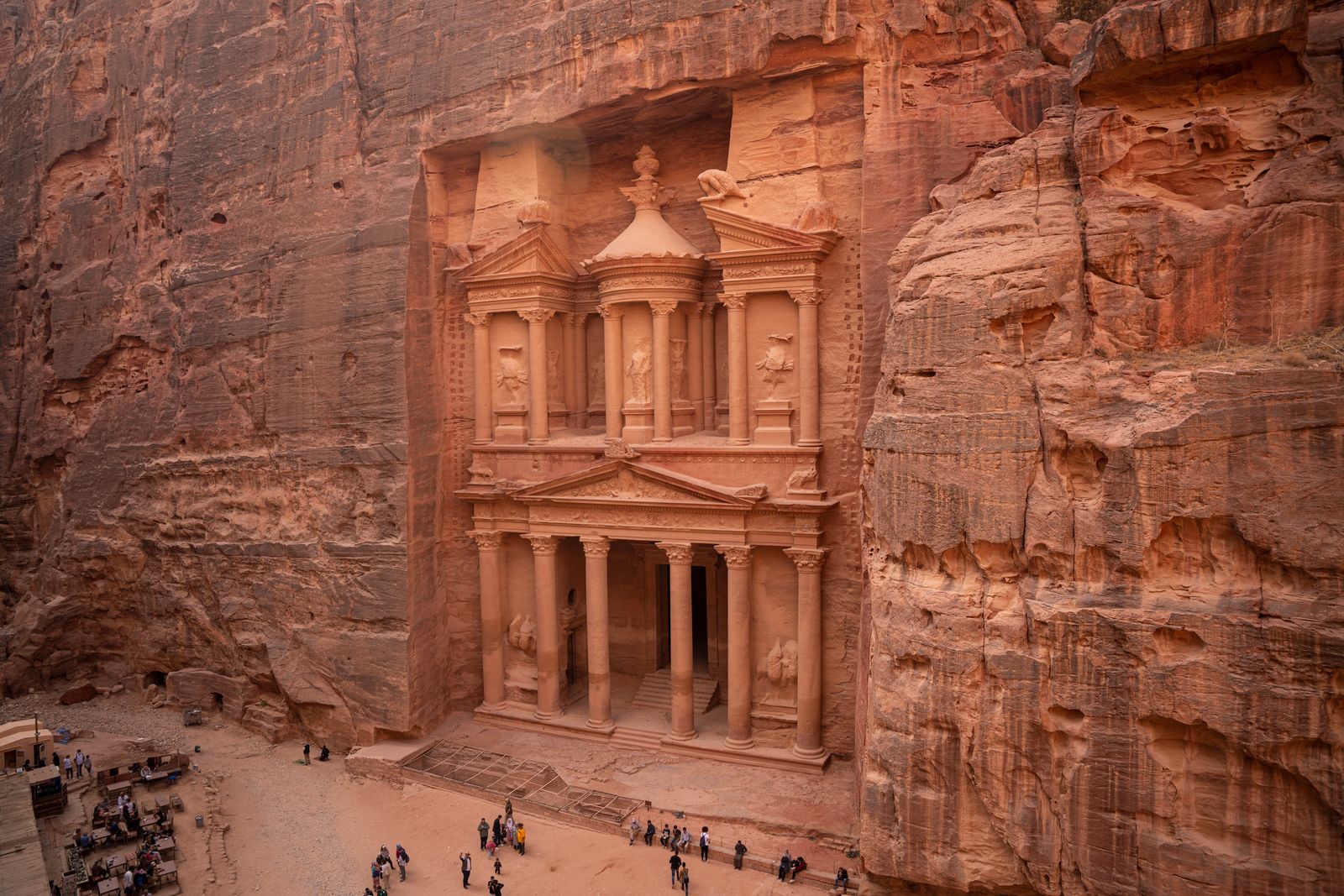
Petra, Wadi Rum and the Dead Sea in One Country
Jordan is small enough to cross in a week and dense enough to justify it. Petra remains the headline — the rose-red Nabataean city carved into sandstone, with the Treasury façade everyone has seen and the Monastery, up eight hundred steps, that fewer reach. Wadi Rum's red desert was Lawrence of Arabia's country and is now film-makers' Mars. The Dead Sea lets you swim at the lowest point on Earth. Amman has a developing restaurant scene and a Roman amphitheatre. The wider region needs monitoring, but Jordan itself has stayed stable through the disruption around it.
Book Petra and Wadi Rum guided experiences via GetYourGuide →The destinations that didn't make the list, and why
Two categories were deliberately left out. The first: places that are no longer underrated. Mexico City, Lisbon, Porto, Mallorca, Crete, Vietnam, Japan as a whole — all have moved past the moment where the word applies. They remain wonderful. They are not what this list is for. If you want the flipside argument in full, our most overrated luxury destinations of 2026 makes it.
The second: places where the political or security picture makes travel ill-advised for most readers in 2026. Several that would otherwise qualify on cultural and visual merit are excluded on those grounds. The boundary is not always obvious — Jordan made the list despite regional volatility; Egypt did not, despite spectacular depth, because the security calculation tilts further. These judgements are conservative and may not match every reader's tolerance.
What unites the fifteen that did make it is timing. Each sits where the gap between what the place delivers and what the average traveller knows about it is still wide. That gap is the whole premise of the list. It closes within a decade. The travellers who arrive before it closes get something those who arrive after cannot recover.
Several of these are best paired.
The routings that reward a charter — Madeira with the Azores, Slovenia with the Faroe Islands, Albania with Croatia and Slovenia — are exactly where a private leg beats premium commercial on a per-passenger basis for groups of four or more, especially into the secondary airfields these places rely on. JetLuxe operates across the European, US and transatlantic charter market and surfaces empty-leg inventory alongside firm quotes.
Plan a multi-destination charter →Some links on this page are affiliate links: if you book through them, Uncompromised Travel may earn a commission at no additional cost to you. It never changes which destinations we include or how we assess them. Fees, seasons and entry requirements are indicative 2026 figures and change — always confirm current details with the relevant operator or authority before booking.