The Best City Break Destinations in 2026: 10 Cities Ranked, 12 Countries Compared
Tokyo is the best city break destination in 2026, with Paris and Rome behind it, and Italy is the best country for city breaks because it has six cities that each work alone. Ten cities are scored below out of 100 on the things that make three to five days work — neighbourhood density, food, cultural depth, logistics, value and day-trip range — then twelve countries are compared, and twelve city break ideas are matched to the kind of trip you are planning.
The 2026 ranking: ten cities scored
Scored out of 100. Neighbourhood density 25 · food 20 · cultural depth 20 · logistics 15 · value 10 · day-trip range 10. Nights are the minimum that makes the city work. Verified 5 September 2026.
| # | City | Score | Nights | Best for | Best months |
|---|---|---|---|---|---|
| 1 | TokyoJapan | 93 | 4–5 | Food, design, neighbourhood depth | Late March–May · October–November |
| 2 | ParisFrance | 91 | 3–4 | The reference European break | April–June · September–October |
| 3 | RomeItaly | 87 | 3–4 | Walkable history at the premium tier | April–June · September–October |
| 4 | Mexico CityMexico | 86 | 4–5 | Museums and food at scale | October–May |
| 5 | LisbonPortugal | 85 | 3–4 | Value, winter light, day trips | March–June · September–November |
| 6 | New YorkUnited States | 85 | 4–5 | Breadth of culture in one city | September–November · April–May |
| 7 | CopenhagenDenmark | 82 | 3 | Design and restaurants, summer harbour | May–September |
| 8 | SeoulSouth Korea | 82 | 4 | Energy, food, 24-hour city | April–May · September–October |
| 9 | SingaporeSingapore | 79 | 3 | Zero-friction Asia, stopover city | February–April · usable year-round |
| 10 | MarrakechMorocco | 78 | 3 | The riad; winter sun from Europe | October–April |
How the scores are built
The ten, in detail
The most concentrated city break on earth
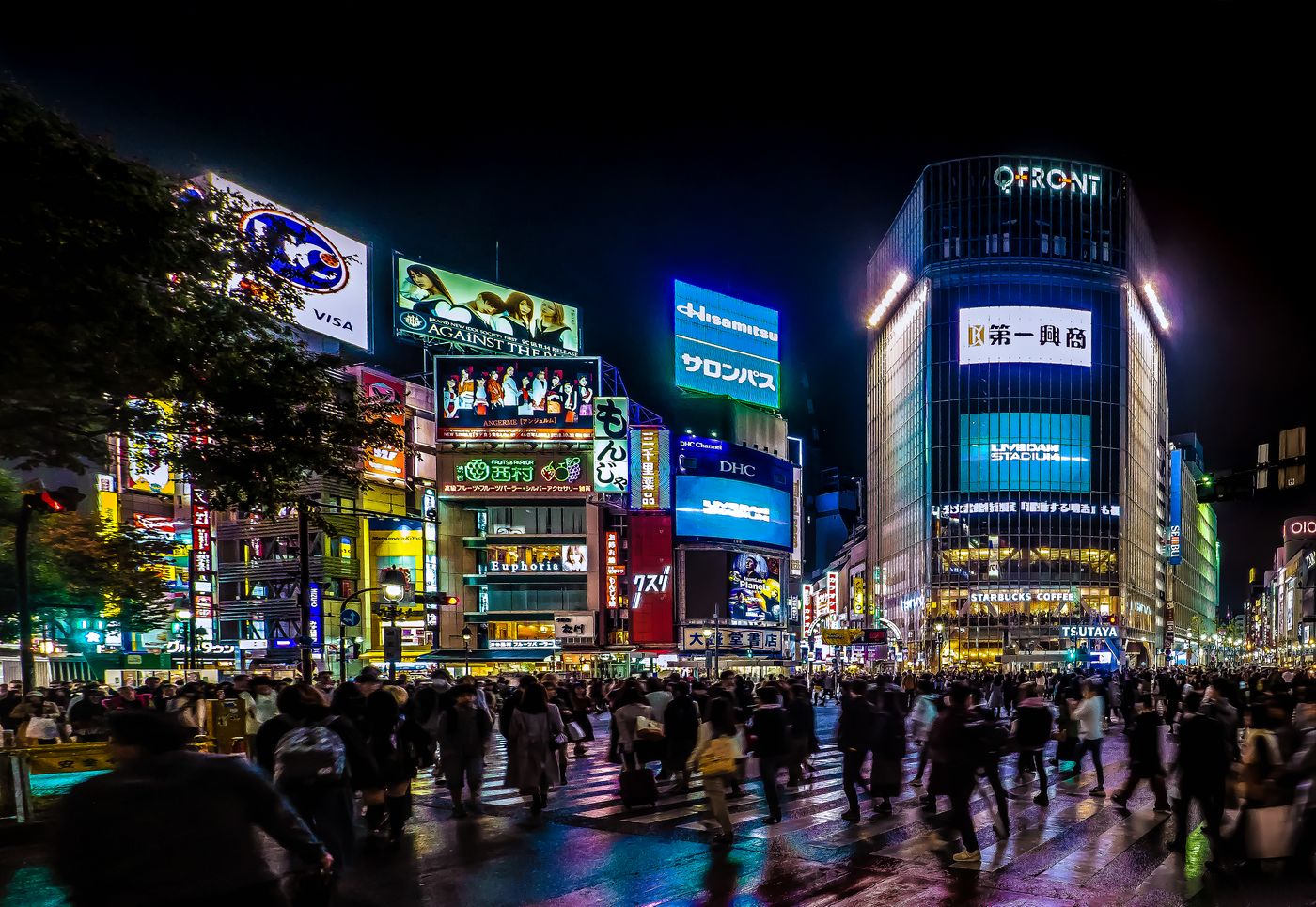
Tokyo's 23 wards hold more than 160,000 restaurants and, in the Michelin Guide Tokyo 2026, 160 starred addresses including twelve with three stars — more than any city in the world, as it has been for most of two decades. A four-day break is built on neighbourhoods, not landmarks: Aoyama and Omotesandō for architecture and design, Shibuya and Harajuku for street culture, Ginza for the high end, Yanaka and Asakusa for old Tokyo, and Azabudai Hills for the new luxury tier (Aman, Janu, teamLab Borderless). Land at Haneda, not Narita: it is 25 minutes from the centre and returns half a day to a short trip. The Tokyo Michelin guide covers how the bookings actually work, and the Tokyo pre-arrival checklist what to book before the flight.
Browse Tokyo food tours and day tripsvia GetYourGuide →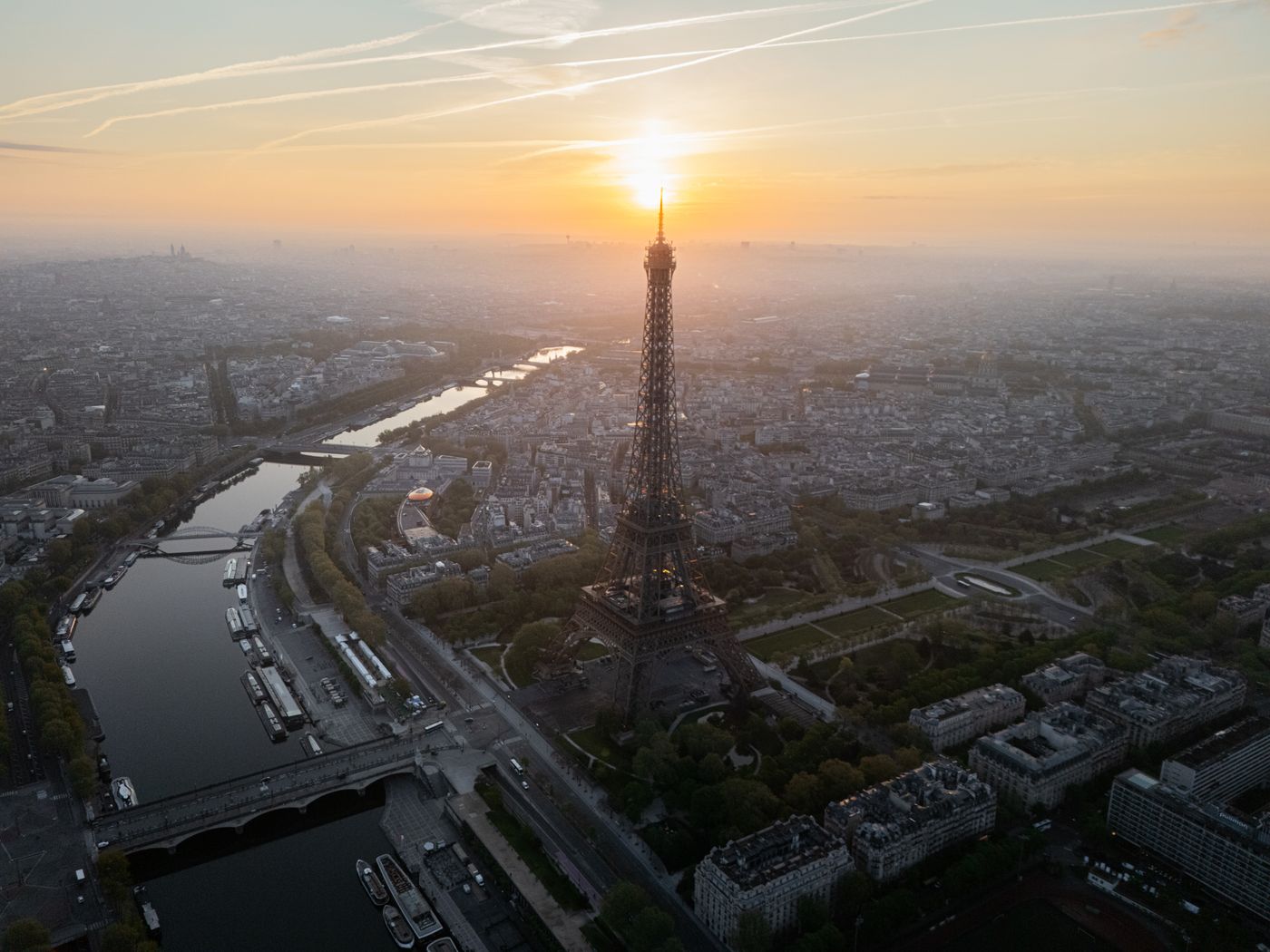
The original city break
Paris is the break every other break is measured against: 105 square kilometres, twenty arrondissements, and a decade of change that has made it better to walk — Notre-Dame reopened, the Concorde and lower Champs-Élysées pedestrianised, the Seine swimmable again in summer, and a wave of hotels from the reopened Crillon to the Cheval Blanc. Stay in the 5th, 6th or 7th for the densest walking, the 3rd and 11th for the contemporary food scene, the 18th for village texture. The apartment market is the deepest in Europe; a good two-bedroom in Saint-Germain beats a five-star room at the same price. Our Paris shopping guide maps the 8th and the 1st.
The city where history is walkable
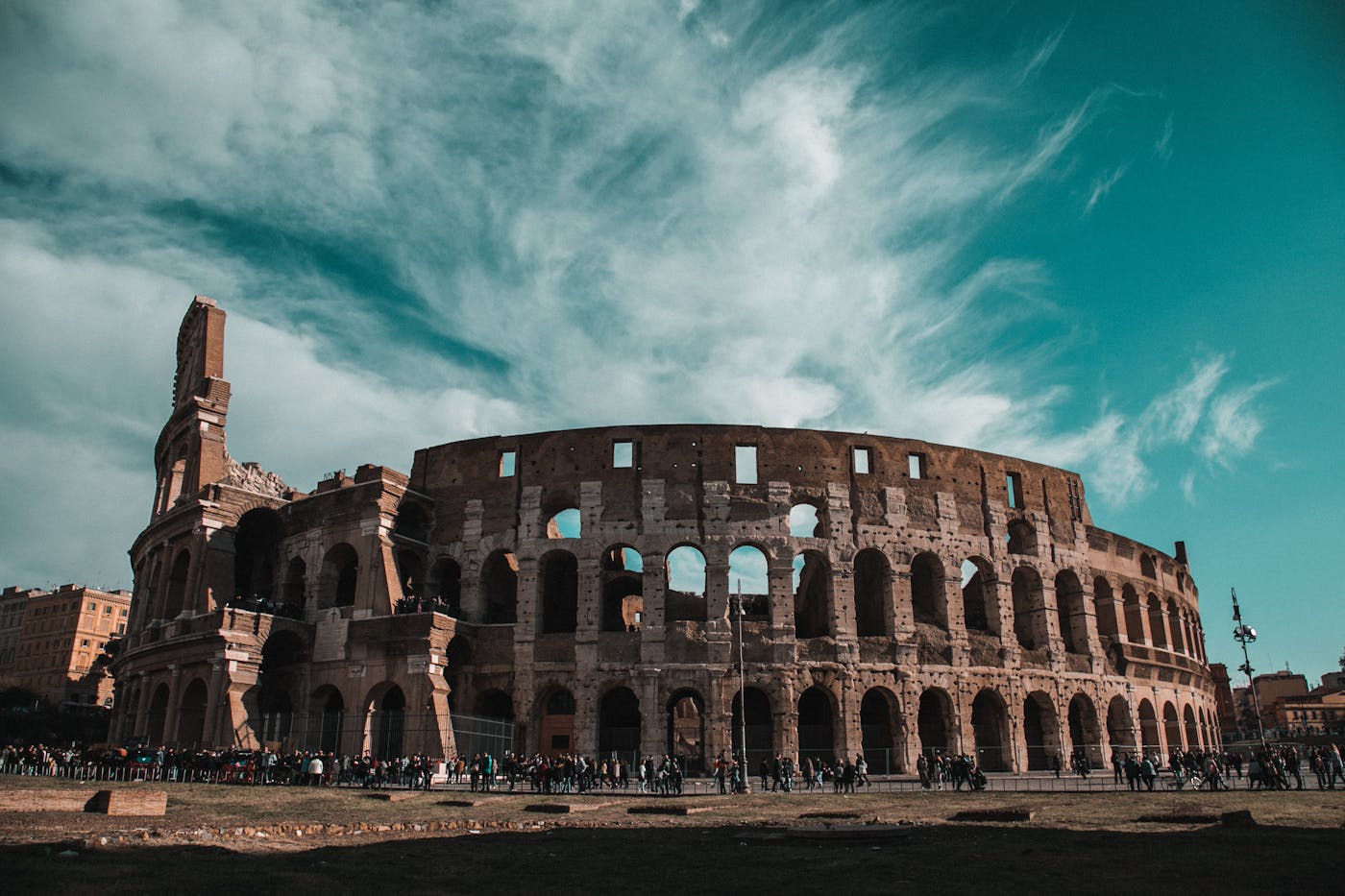
Nowhere in the developed world packs more historic density into a three-kilometre radius: Colosseum, Forum, Pantheon, Navona, the Vatican Museums, the Borghese. The 2025 Jubilee left the city with new pedestrian zones, restored sites and a run of premium openings — Bulgari, the Rome Edition, Six Senses, Soho House. Stay in the Centro Storico for proximity, Monti for character, the Aventino for quiet, Prati for the Vatican. Book the Vatican and the Borghese before the flight; the skip-the-queue guide explains which tickets are real.
Browse Rome Colosseum and Vatican experiencesvia GetYourGuide →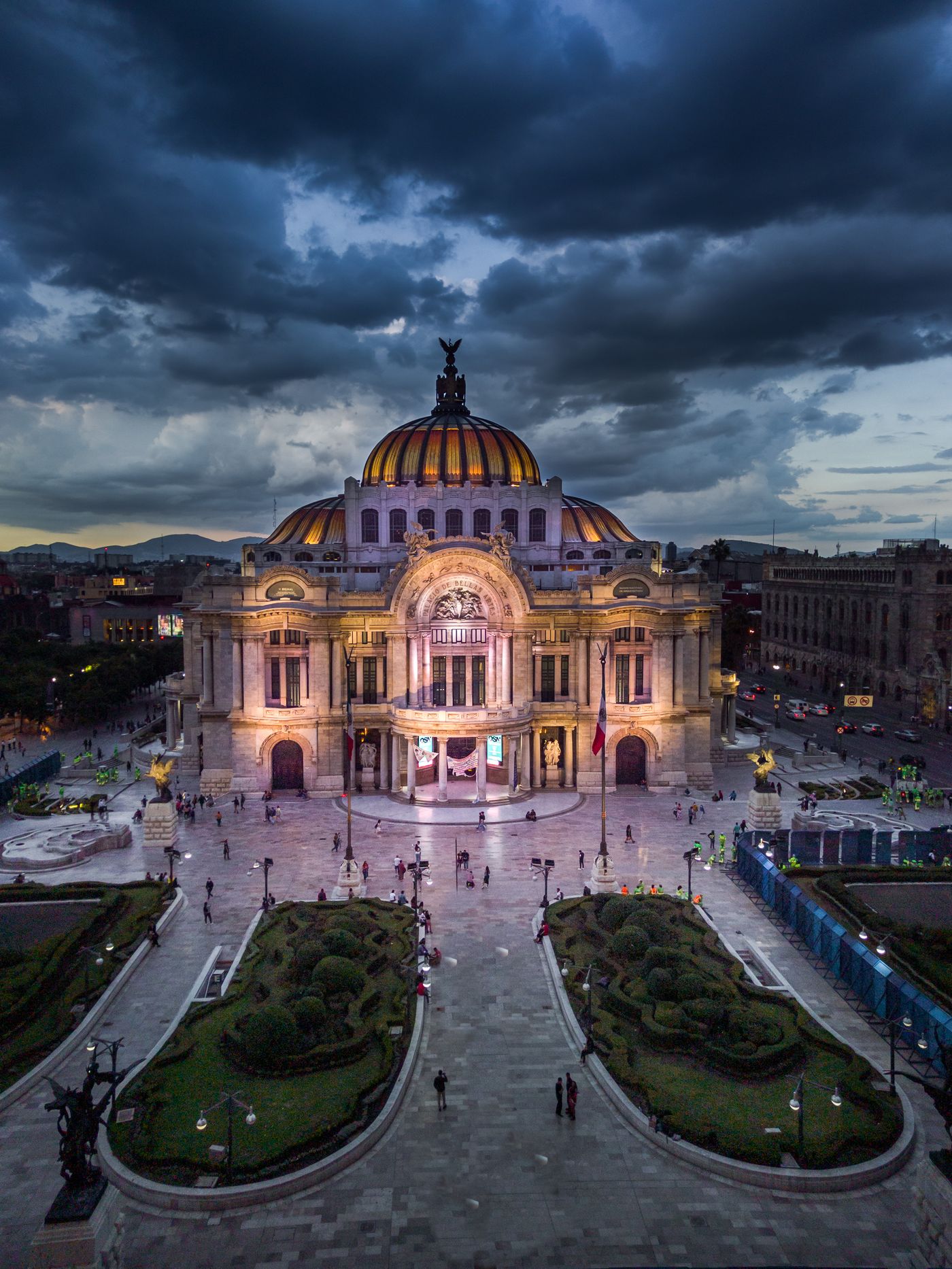
The city of the decade
More than 150 museums, one of the deepest restaurant scenes in the Americas (Pujol, Quintonil, Rosetta, Contramar, and the street network beneath them), and a metropolitan area of 22 million that four days only begin to open. Roma Norte and Condesa for the food-and-bar axis, Polanco for the luxury tier, the Centro Histórico for the colonial and pre-Hispanic spine, Coyoacán for the Casa Azul — which sells out weeks ahead. The city sits at 2,240 metres; plan the first day light. The Mexico City food guide is the companion piece.
Browse Mexico City food tours and Teotihuacánvia GetYourGuide →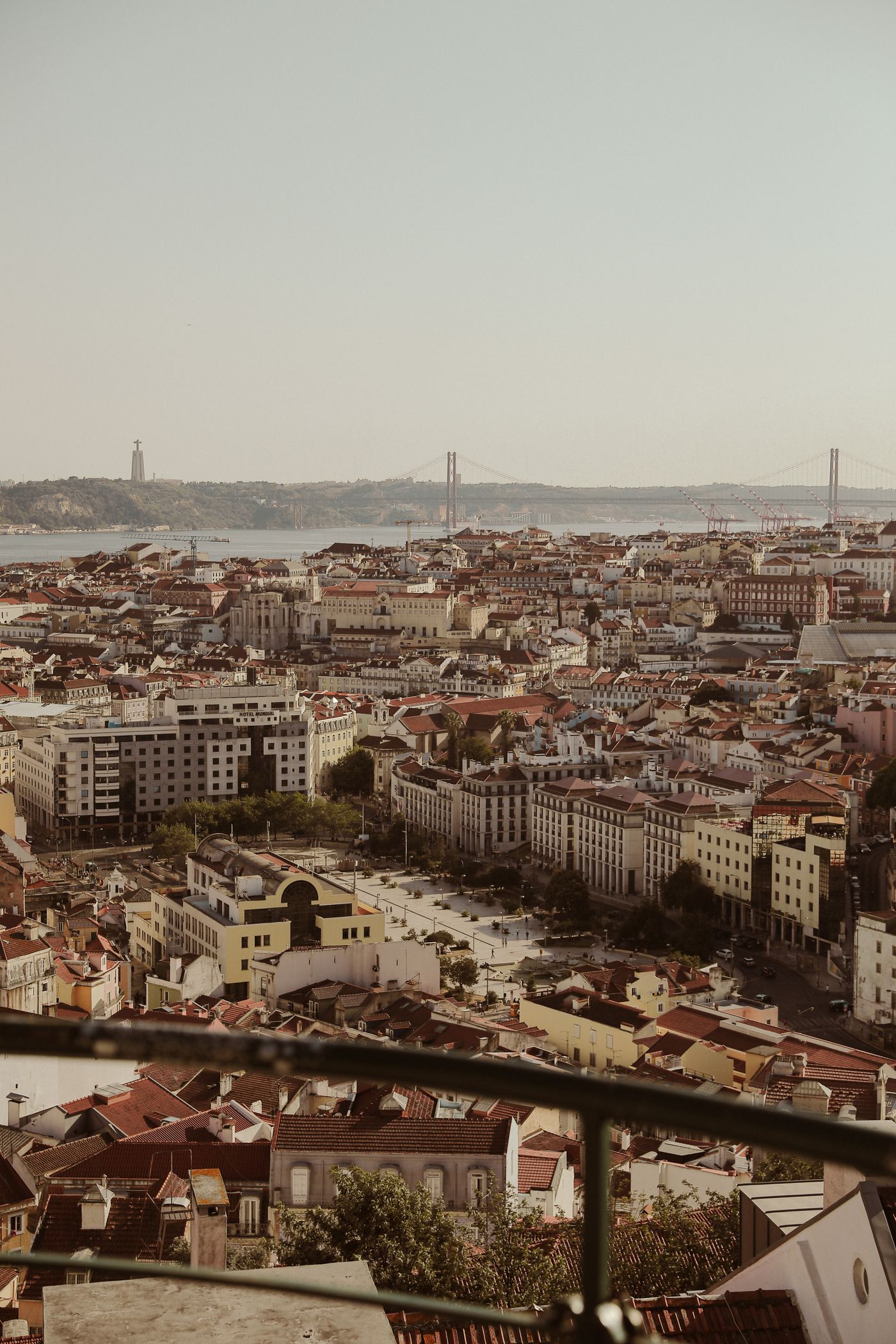
Europe's best-value premium city
The best winter weather in western Europe, prices 15–25% below Paris or Rome at every tier, and a compact seven-hill city with clear neighbourhoods: Alfama for the medieval streets and fado, Chiado and Bairro Alto for the design-and-restaurant axis, Príncipe Real for contemporary retail, Belém for the river and the monuments. The day-trip range is the differentiator — Sintra's palaces, Cascais and the Arrábida coast are all under an hour. Pair it with Porto and the Porto food guide for a five-day version. The Porto luxury stays guide covers the hotels there.
A vetted two-bedroom apartment in Saint-Germain, Alfama, Tribeca or the Marrakech medina beats a five-star room in the wrong district at the same price, and wins on space and kitchen. Plum Guide's inventory in Paris, Lisbon, New York, Marrakech and Singapore is the strongest at the premium tier; our Plum Guide vs onefinestay vs Airbnb Luxe comparison covers where it does and does not lead. For a hotel instead, the luxury hotel brand hierarchy sorts twenty brands into four tiers, and the independent hotel group index scores the owners outside the big chains.

The city that restructured itself
Hudson Yards, the Little Island, Moynihan Train Hall, Grand Central Madison and a rebuilt Brooklyn waterfront have changed the city more in five years than in the previous twenty. The neighbourhood structure is the densest in the West: Tribeca and SoHo for contemporary luxury, the West Village for the restaurant axis, Williamsburg and Greenpoint for Brooklyn's creative scene, Long Island City for MoMA PS1. Stay downtown or in Brooklyn; Midtown is where the trip goes flat. The accommodation range is the widest anywhere, from the Aman flagship to a Dumbo loft. See things to do in New York for the bookable list.
The design and restaurant capital
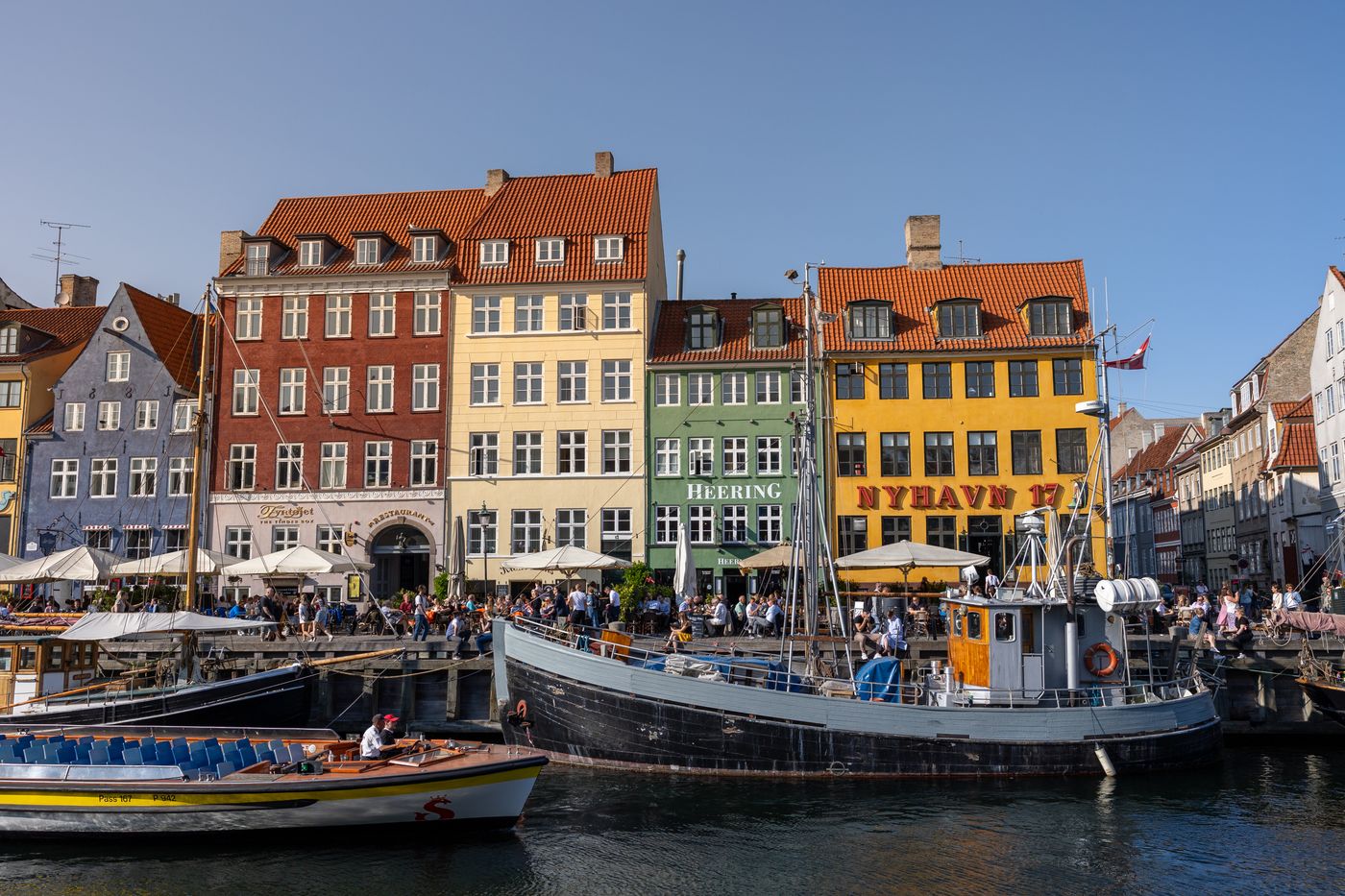
A city of 660,000 with the world's deepest premium restaurant bench for its size — Geranium, Alchemist, Jordnær, Kadeau — and Noma back in Copenhagen from August 2026 on a twelve-seasons model after its Los Angeles residency. The design culture is equally concentrated: Designmuseum Danmark, the Hay and Frama showrooms, Carlsberg Byen. In summer the harbour baths make it a beach city. Tivoli and the Nimb are the evening. Three days is the right length; the price is the reason it is not higher. Read our Denmark piece for the country beyond it.
Browse Copenhagen design and Tivoli toursvia GetYourGuide →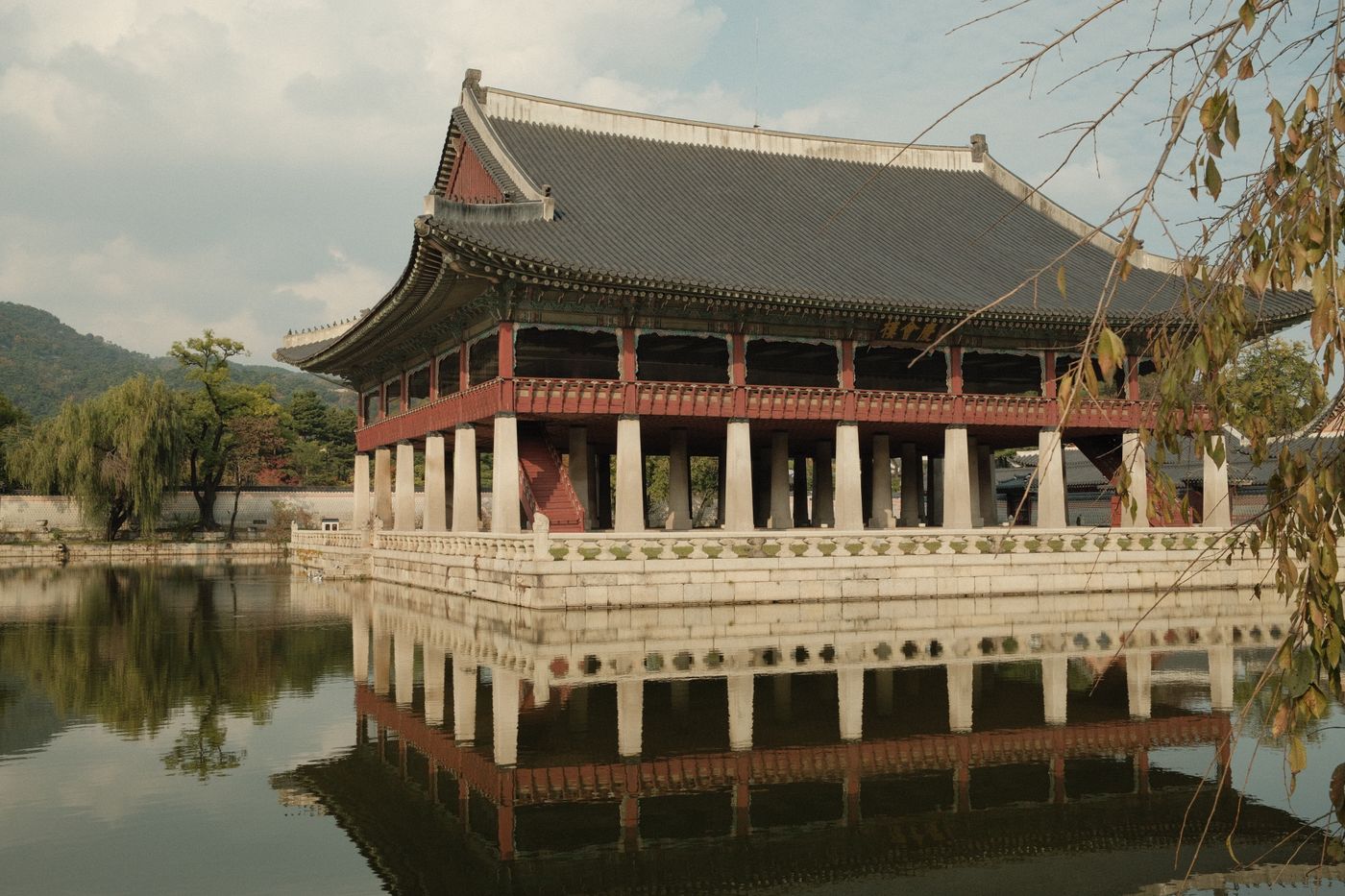
The most energetic Asian city break
Younger and faster than Tokyo, with a metro that reaches everything, 24-hour dining and a street-retail density few cities match. Gangnam for the luxury tier, Hongdae for music and youth, Hannam and Itaewon for international food, Bukchon and Insa-dong for the hanok streets and the palace cluster around Gyeongbokgung, Yeonnam-dong for design-led cafés. High-end Korean dining at Mingles, Onjium and Joo Ok; Gwangjang Market and the late-night tents at the other end. Four days here, then the country: South Korea beyond Seoul.
Browse Seoul DMZ and food toursvia GetYourGuide →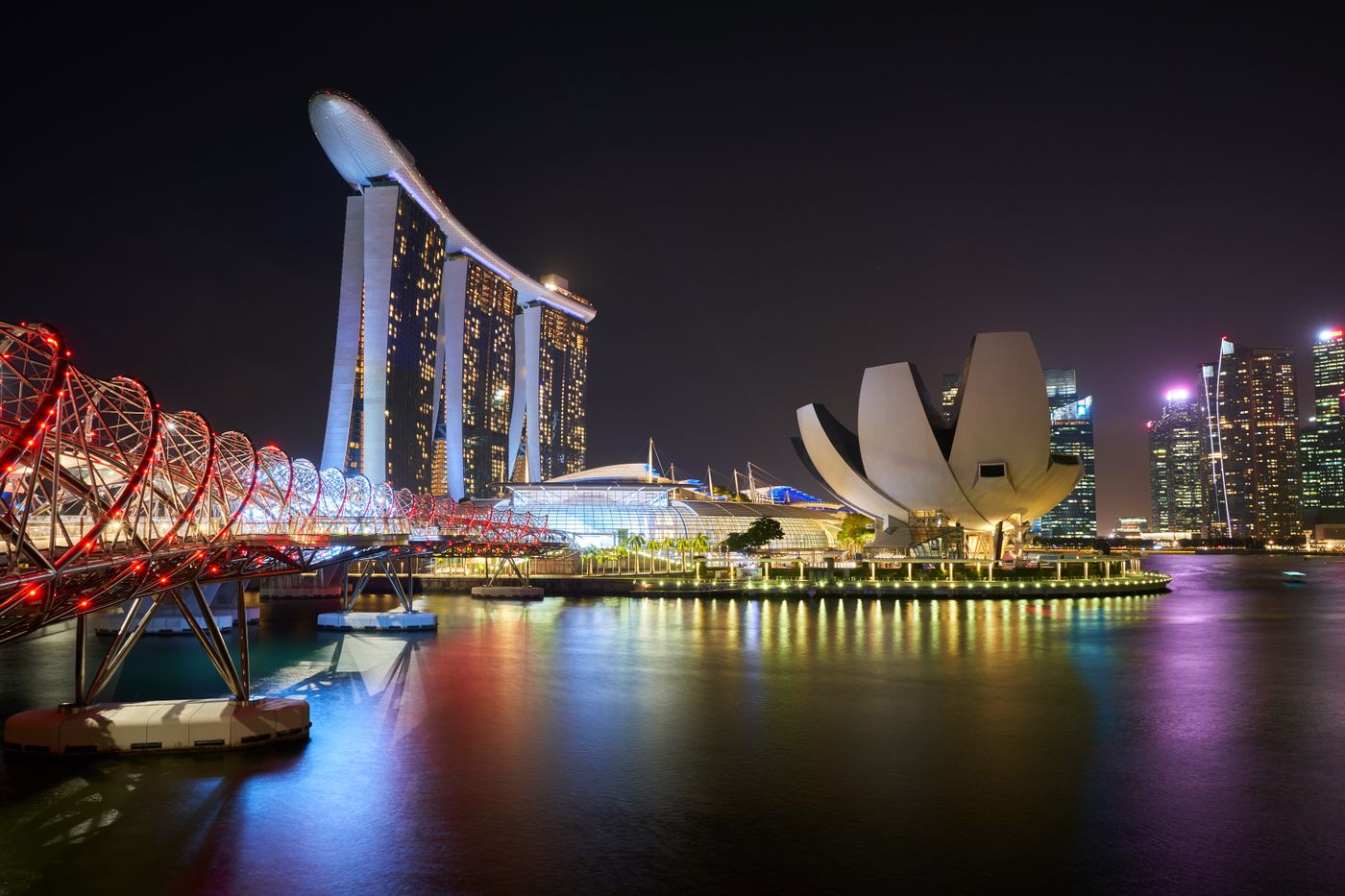
Asia's most efficient city break
The break that works because nothing gets in the way: Changi to the centre in 25 minutes, a metro that reaches everything in 45, and food from S$3 hawker plates to three-star dining. The Civic District and Marina Bay for the museums and Gardens by the Bay, Chinatown and Tiong Bahru for shophouse food, Tanjong Pagar and Keong Saik for the contemporary restaurant scene, Sentosa for the resort day. Raffles, Capella and the Fullerton Bay anchor the top tier. It connects to every other city on this list non-stop, which is why it ranks as the stopover rather than the destination. The five-day itinerary covers the long version, and the Singapore luxury guide the hotels.
The city break defined by the riad
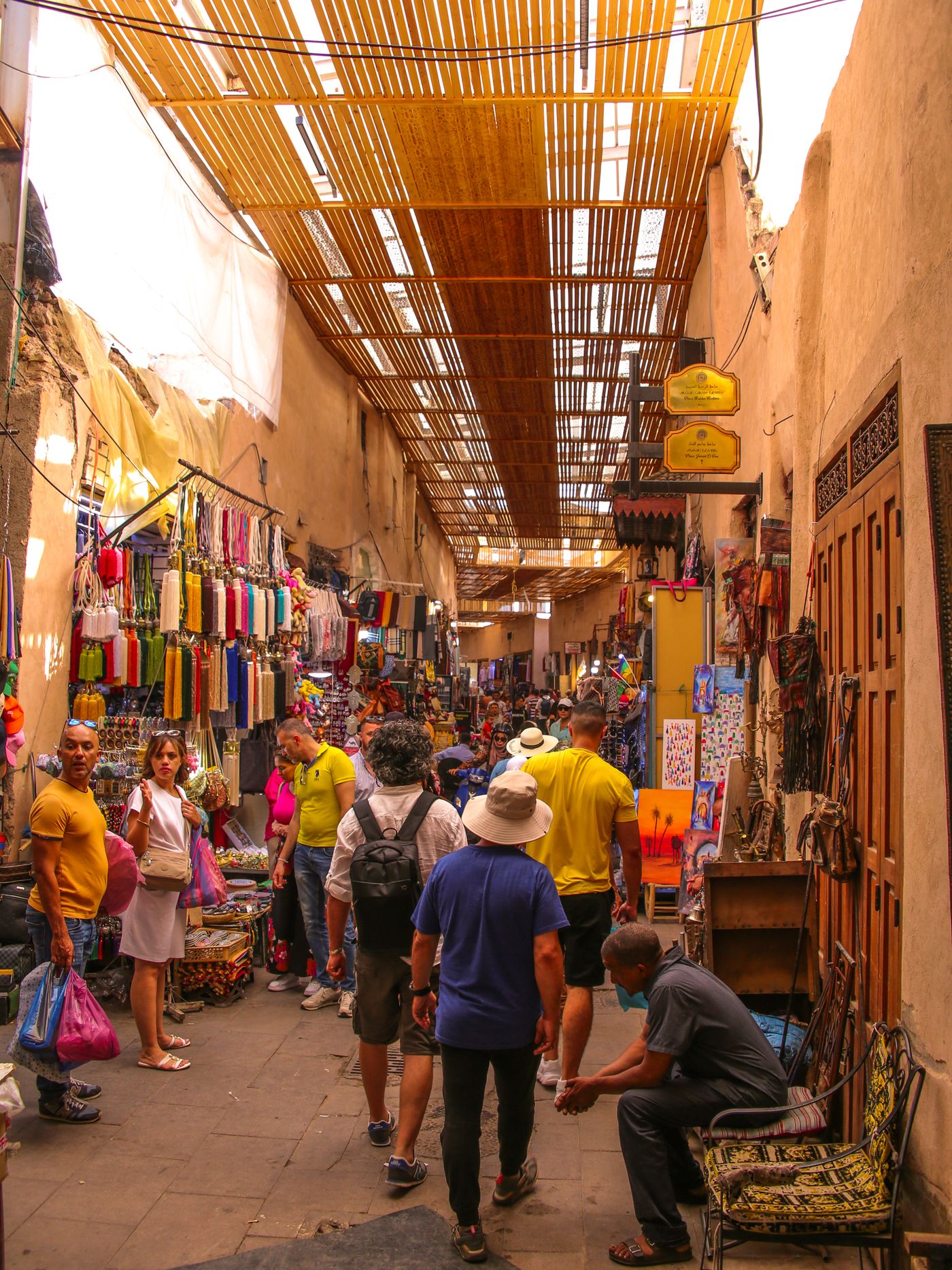
Marrakech works on a different logic from everything else here: the riad is the trip. A restored courtyard house of six to sixteen rooms — Riad Mena, El Fenn, La Sultana, the Royal Mansour at the top — in the right pocket of the medina decides the break more than any itinerary. Days alternate between the souks, the Bahia Palace, the Saadian Tombs and the Jardin Majorelle, and pool time in the Palmeraie; the Atlas foothills at Imlil are ninety minutes away. Three days is right; the score reflects a thinner food and museum bench than the cities above it. See things to do in Marrakech.
The best countries for city breaks in 2026
The question most people ask an AI is not "which city" but "which country" — because a country with several city-break cities lets you come back. Scored on how many cities work alone, how easily they connect, weather across the year and value. Italy leads because it has six; Portugal makes the top five with two because both are exceptional.
| # | Country | Score | Cities that work | Why | Start with |
|---|---|---|---|---|---|
| 1 | Italy | 95 | Rome · Florence · Venice · Milan · Naples · Bologna | The deepest bench of city-break cities anywhere; high-speed rail links all six | Rome |
| 2 | Spain | 93 | Madrid · Barcelona · Seville · Valencia · Málaga · San Sebastián | Year-round weather and the best-value food culture in western Europe | Seville |
| 3 | France | 90 | Paris · Lyon · Bordeaux · Marseille · Nice | Paris plus four cities that would headline most other countries | Paris |
| 4 | Japan | 89 | Tokyo · Kyoto · Osaka · Fukuoka | Tokyo–Kyoto–Osaka is the best two-city break in the world; Shinkansen makes it trivial | Tokyo |
| 5 | Portugal | 86 | Lisbon · Porto | Two cities, three hours apart, the strongest value at the premium tier in Europe | Lisbon |
| 6 | United Kingdom | 85 | London · Edinburgh · Bath · Manchester | London is the museum capital of Europe; Edinburgh the best-looking capital | London |
| 7 | Germany | 82 | Berlin · Munich · Hamburg | Three distinct cities; Berlin for culture and nightlife, Munich for the Alps behind it | Berlin |
| 8 | Austria | 80 | Vienna · Salzburg | Vienna is the finest café-and-concert city in Europe; pairs with Prague and Budapest | Vienna |
| 9 | Netherlands | 80 | Amsterdam · Rotterdam | Amsterdam for the canals and museums, Rotterdam for the architecture, 40 minutes apart | Amsterdam |
| 10 | United States | 79 | New York · Chicago · New Orleans · San Francisco | Four genuinely different cities; New York alone justifies the flight | New York |
| 11 | Mexico | 78 | Mexico City · Oaxaca · Guadalajara | The strongest food-led city breaks in the Americas | Mexico City |
| 12 | Morocco | 76 | Marrakech · Fez · Tangier | Three-hour winter sun from most of Europe; the riad is the product | Marrakech |
Next twelve, unranked: Czechia (Prague — and the country behind it), Hungary (Budapest), Denmark (Copenhagen), South Korea (Seoul, Busan), Turkey (Istanbul), Greece (Athens), Belgium (Bruges, Antwerp), Poland (Kraków, Warsaw), Singapore, Argentina (Buenos Aires), Thailand (Bangkok), South Africa (Cape Town). Timing for all of Europe is in best time to visit Europe, month by month, and the choice between Italy, France, Spain, Portugal and Greece in which Europe is right for you.
City break ideas by type of trip
Twelve ways people actually frame the question, each answered with the two to five cities that fit. Where we have a deeper guide, it is linked.
Two to three hours' flight, Friday to Monday, no jet lag. Lisbon and Seville for winter; Copenhagen for June to August.
Book the two headline tables 60 days out and build the days around them. Our foodie destinations index ranks the full list.
16–20°C in January inside three hours of London or Paris. Valencia is the underrated one — see our three-day Valencia itinerary.
Showrooms, museums and buildings you can walk between. Milan during Salone, Copenhagen in June.
Take the two references first. Four days each, central apartment, one big ticket booked before the flight.
Safe, walkable, with a park or a beach for the afternoon. Tivoli, Sentosa and the Cascais coast respectively. More in family destinations.
A riad in the medina is the best-value romantic room in this article. See honeymoon destinations for the longer trip.
Premium rooms and serious restaurants at 60–75% of Paris prices. Budapest is covered in our Hungary piece. The city break cost index prices a published visitor day in nine cities, Lisbon, Seville and Porto among them.
Under four nights the jet lag wins. Five nights, and each of these outperforms any European city on this list. Our jet-lag protocol covers the arrival, the business class ranking the flight, and the eSIM provider index staying connected on landing.
Late November to 23 December. Vienna–Prague–Budapest by train is the classic; the Habsburg trip maps it, and the concert halls guide covers an evening at the Musikverein.
A real beach inside the city limits or a tram ride away. Valencia's Malvarrosa is the most usable of the four.
The four deepest museum cities in the world. London is not ranked above only because it is a week, not a break — see the London guide. The best museum hotels put you beside the collections in Paris, New York and London.
Three rules that decide a city break
The neighbourhood beats the hotel category. A four-star apartment in the 6th produces a better Paris than a five-star hotel at La Défense; Alfama beats the Parque das Nações; Williamsburg beats Midtown for anyone whose interests run to food and design. Choose the district first, the property second, the star rating last.
Book the anchor before the flight. The Vatican Museums, teamLab Borderless, the Casa Azul, the Alhambra, the headline restaurant — the things that cannot be bought on arrival set the shape of the trip. Top tables in Tokyo, Copenhagen, Paris and Mexico City fill 60–90 days out; the good neighbourhood restaurants reward 30. The three-star booking guide covers the mechanics, and skip-the-line tickets in Europe covers which are worth it. The booking lead-times matrix sets out how far ahead restaurants, tickets, hotels and flights fill.
One contrasting day per four. Sintra from Lisbon, Teotihuacán from Mexico City, the Atlas from Marrakech, Hakone from Tokyo, the DMZ from Seoul, the Castelli from Rome. Alternating a landscape day with the urban days produces a better trip than five consecutive city days, and the platforms now aggregate this inventory well — see the best way to book activities in Europe and in Asia.
Browse day trips and skip-the-line tickets in every city abovevia GetYourGuide →Short breaks live or die by the inbound flight
A non-stop that lands at 7am gives a three-night break a whole extra day; a connection that lands at 11pm takes one away. For a family, a group of four or more, or a break bolted onto a business trip, a private charter into the right airport — Haneda not Narita, Le Bourget not CDG, Ciampino not Fiumicino — is often the difference between a break that works and one that does not. Price it against four business-class fares before assuming it is out of reach.
For the drive in from the airport, see luxury airport transfers compared.
Private jet against first and business class, route by routeFrequently asked questions
Tokyo scores highest in this ranking (93 of 100) on neighbourhood density, food and cultural depth, with Paris second (91) and Rome third (87). For a European break the practical answer is Paris or Rome for a first visit and Lisbon for value; for a long-haul break that justifies five days, Tokyo, New York or Mexico City. The best city break for you depends on flight time: under four nights, stay within three hours' flight.
Italy ranks first for city breaks because it has six cities that each work on their own — Rome, Florence, Venice, Milan, Naples and Bologna — linked by high-speed rail. Spain is second (Madrid, Barcelona, Seville, Valencia, Málaga, San Sebastián) with year-round weather, then France, Japan and Portugal. The United Kingdom, Germany, Austria, the Netherlands, the United States, Mexico and Morocco complete the top twelve.
Three nights for a compact European city (Copenhagen, Lisbon, Marrakech, Singapore); four for Paris, Rome and Seoul; four to five for Tokyo, New York and Mexico City, where jet lag takes the first day. The test is whether you can walk eight to twelve kilometres a day through genuinely different neighbourhoods without repeating yourself — that is what separates a city break from a stopover.
Lisbon, Porto, Seville and Copenhagen are the strongest Friday-to-Monday breaks from the UK: two to three hours' flight, no time difference, and enough depth for three days. Lisbon and Seville for October to April, Copenhagen for June to August. Paris by Eurostar remains the easiest of all.
Lisbon (16–18°C in January, mostly dry), Marrakech (18–20°C), Seville and Valencia all offer winter sun within three hours of London or Paris. Marrakech is the warmest; Lisbon has the most to do; Valencia is the least crowded.
For two or more nights the neighbourhood matters more than the star rating, and a curated apartment in the right pocket of Paris, Lisbon, New York or Marrakech usually beats a five-star hotel in the wrong one. Apartments win on space, kitchens and immersion; hotels win on service, one-night stays and anyone who wants breakfast made. Plum Guide's vetted inventory is the reliable middle ground between a hotel and a generic rental.
Tokyo, with 160 Michelin-starred restaurants in the 2026 guide and the deepest everyday dining in the world, then Mexico City, Copenhagen and Paris. San Sebastián is the best small-city food break in Europe. In every case the headline table books 60 to 90 days ahead; plan the trip around the reservation, not the other way round.
Book the non-negotiable ticket before the flight: the Vatican Museums, teamLab Borderless, the Casa Azul, the Alhambra if you are in Andalusia. Headline restaurants (Noma, Pujol, Tokyo's three-stars) open reservations 60 to 90 days out and fill within hours; good neighbourhood restaurants reward 30 days. Day trips can be booked a week ahead.
Rankings are scored against the published criteria above and refreshed quarterly; partners are labelled. Links marked with an arrow to GetYourGuide are affiliate links; the city, restaurant, museum and guide links are not. See our disclosure.