Travel Intelligence · City Break Cost and Access Index 2026
City Break Cost Index 2026: What Nine Cities Actually Charge a Visitor for One Published Day
Tokyo leads this index at 93/100, followed by Seville (75), Lisbon (62), Copenhagen (56), Prague (52) and Barcelona (34). Nine cities were assessed against three published criteria, every figure carrying its source and the date it was read. The cheapest published visitor day is Seville's at EUR 6.50 and the dearest is Barcelona's at EUR 32.40, a five-fold spread across cities that sell themselves as broadly comparable weekends. Below the table the same dataset is re-cut by the cost basket, by what each city's visitor tax actually is, by airport access and by visitor pressure.
Verified 21 September 2026 · city and national statistics offices, tax authorities, transport operators, museums and official tourist boards · currency conversions at the European Central Bank euro reference rates of 21 September 2026
Nine city breaks scored on what a visitor actually pays
Nine cities were assessed against the criteria below. Six hold a ranked position. Three could not be scored on every criterion and are recorded as assessed and not ranked, each for a specific reason set out further down.
| # | City | Score /100 | Published visitor day | Visitor tax / night | Airport → centre | Single fare | Why it ranks |
|---|---|---|---|---|---|---|---|
| 1 | Tokyo | 93 | €10.51 | €1.11 | 13 min | €2.87 | A 13-minute airport link and a 200-yen visitor tax |
| 2 | Seville | 75 | €6.50 | €0.00 | 35 min | €6.00 | The cheapest published visitor day of the nine |
| 3 | Lisbon | 62 | €27.25 | €4.00 | 20 min | €1.90 | A 20-minute metro from the airport on a 1.90-euro ticket |
| 4 | Copenhagen | 56 | €32.10 | €0.00 | 15 min | €4.01 | No visitor tax at all, and the dearest museum |
| 5 | Prague | 52 | €23.00 | €2.05 | 30 min | €8.21 | Cheap to move around, dear to get in from the airport |
| 6 | Barcelona | 34 | €32.40 | €8.40 | 35 min | €7.45 | The highest visitor tax in the index, by a distance |
Score breakdown by criterion
| City | Cost /40 | Access /35 | Tax legibility /25 | Total |
|---|---|---|---|---|
| Tokyo | 34 | 34 | 25 | 93 |
| Seville | 40 | 10 | 25 | 75 |
| Lisbon | 8 | 29 | 25 | 62 |
| Copenhagen | 0 | 31 | 25 | 56 |
| Prague | 15 | 12 | 25 | 52 |
| Barcelona | 0 | 9 | 25 | 34 |
The gap between the top and the bottom of this table is larger than the cities' reputations would suggest, and almost all of it is policy rather than economics. Seville is cheap because Andalusia has never introduced a regional tourist tax. Barcelona is expensive because Catalonia's regional levy and the city's own surcharge stack on top of each other. Tokyo wins on a 13-minute monorail and a flat JPY 200 accommodation tax, neither of which has anything to do with the cost of living in Japan. A visitor comparing these nine on general impression would not arrive at this order, which is the argument for reading the tariffs instead.
Two cities in this index charge a visitor nothing per night, and one of them has the dearest visitor day of the nine. Copenhagen levies no overnight tax at all and still reaches EUR 32.10, within thirty cents of Barcelona, because a 24-hour transit pass is DKK 100 and admission to the national gallery is DKK 140. A tourist tax is the most visible charge a city makes and it is rarely the largest one.
The published visitor day, city by city
The basket is the same in every city: one 24-hour transit pass, one adult admission to the principal museum, one night's visitor tax. Nothing is estimated and nothing is averaged. Each figure is the price printed by the operator, the museum or the tax authority on the date it was read.
| City | 24h transit pass | Principal museum | Adult admission | Visitor tax / night | Total in euro |
|---|---|---|---|---|---|
| Tokyo | JPY 700 | Tokyo National Museum | JPY 1,000 | JPY 200 | €10.51 |
| Seville | EUR 5 | Museo de Bellas Artes de Sevilla | EUR 1.5 | EUR 0 | €6.50 |
| Lisbon | EUR 7.25 | Calouste Gulbenkian Museum (Founder's Coll | EUR 16 | EUR 4 | €27.25 |
| Copenhagen | DKK 100 | SMK – Statens Museum for Kunst (National G | DKK 140 | DKK 0 | €32.10 |
| Prague | CZK 150 | Národní muzeum (National Museum, historica | CZK 360 | CZK 50 | €23.00 |
| Barcelona | EUR 12 | Museu Nacional d'Art de Catalunya (MNAC) | EUR 12 | EUR 8.4 | €32.40 |
| Marrakech | not published | Musée Yves Saint Laurent Marrakech | MAD 135 | not published | not scoreable |
| Porto | EUR 7.75 | Museu Nacional Soares dos Reis | EUR 10 | EUR 3 | €20.75 |
| Vienna | EUR 9.7 | Kunsthistorisches Museum (KHM) | EUR 24 | not published | not scoreable |
Two of the nine cannot be totalled. Vienna's Ortstaxe is a share of the room rate, so there is no nightly figure to add. Marrakech publishes no current official visitor tax rate that could be reached and appears to have no day travel pass, so two of the three components are absent. Among the seven that can be totalled, the museum line does more work than most visitors would expect: Copenhagen's SMK at about EUR 18.73 and Lisbon's Gulbenkian at EUR 16 together account for more of those cities' scores than their taxes do, while Seville's Museo de Bellas Artes charges EUR 1.50 and admits citizens of the European Union free. Our guide to whether Europe is expensive to travel in takes the same question across a longer stay.
What each city's visitor tax really is
Seven of the nine publish a flat per-night figure a visitor can know before booking. One publishes a percentage. One publishes nothing we could reach. The test is whether the amount can be established in advance, because a tax that can only be calculated after the room is priced is not a number a traveller can budget against.
| City | What the visitor pays | Can it be known before booking | How it is structured |
|---|---|---|---|
| Tokyo | JPY 200 | yes, a flat nightly figure | Current (2026) structure: exempt below ¥10,000/night, ¥100 for ¥10,000–¥14,9 |
| Seville | EUR 0 | yes, a flat nightly figure | no structure published |
| Lisbon | EUR 4 | yes, a flat nightly figure | Applies for a maximum of 7 nights per stay; children aged 13 and under are e |
| Copenhagen | DKK 0 | yes, a flat nightly figure | No tourist or hotel tax currently levied. The Danish government was reported |
| Prague | CZK 50 | yes, a flat nightly figure | Applies for up to 60 consecutive days per stay. Exemptions include under-18s |
| Barcelona | EUR 8.4 | yes, a flat nightly figure | Two-part tax: regional IEET plus a Barcelona city-council surcharge; both co |
| Marrakech | not published | no official current figure found | no structure published |
| Porto | EUR 3 | yes, a flat nightly figure | no structure published |
| Vienna | not published | no, it is a share of the room rate | Ortstaxe is charged as a percentage of the accommodation charge (excl. VAT a |
Vienna is the instructive case and the reason this criterion exists. Its Ortstaxe is currently 3.2 per cent of the accommodation charge, excluding VAT and breakfast and after a flat 11 per cent deduction, rising to 5 per cent on 1 July 2026 and 8 per cent on 1 July 2027. That is a well-published, precisely worded rule, and a visitor still cannot say what it will cost them without first knowing the room rate. Tokyo currently sits at the other end, with a flat JPY 200 band, and is moving to a 3 per cent ad valorem structure in April 2027, which will move it toward Vienna's position. Prague and Lisbon publish the most reader-friendly structures of the nine, both stating their exemptions plainly: Prague excludes the night of arrival and under-eighteens, Lisbon caps the charge at seven nights and exempts under-fourteens.
Airport to centre: what is actually published
Journey times run from a published 13 minutes in Tokyo to 35 in Barcelona and Seville, and fares from EUR 1.90 in Lisbon to EUR 14.90 in Vienna. The test is the fastest public transport link the operator itself publishes, with the operator's own single adult fare.
| City | Airport | Fastest published link | Journey time | Single fare |
|---|---|---|---|---|
| Tokyo | Haneda Airport (Tokyo Internat (HND) | Tokyo Monorail to Hamamatsucho | 13 min | JPY 519 |
| Seville | Seville Airport (San Pablo) (SVQ) | EA (Especial Aeropuerto) bus | 35 min | EUR 6 |
| Lisbon | Humberto Delgado Airport (Lisb (LIS) | Metro Red Line (Linha Vermelha), A | 20 min | EUR 1.9 |
| Copenhagen | Copenhagen Airport (Kastrup) (CPH) | Metro M2 | 15 min | DKK 30 |
| Prague | Václav Havel Airport Prague (PRG) | Airport Express (AE) bus to Praha | 30 min | CZK 200 |
| Barcelona | Barcelona–El Prat Airport (BCN) | Aerobus (A1/A2 express bus) to Pla | 35 min | EUR 7.45 |
| Marrakech | Marrakech Menara Airport (RAK) | Bus line 19 (ALSA) | not published | MAD 30 |
| Porto | Francisco Sá Carneiro Airport (OPO) | Metro do Porto Line E (Violeta) | not published | EUR 2.3 |
| Vienna | Vienna International Airport (VIE) | City Airport Train (CAT) to Wien M | 21 min | EUR 14.9 |
Vienna's City Airport Train is the dearest airport connection in this index at EUR 14.90, nearly eight times Lisbon's metro fare for a journey one minute longer. Prague's Airport Express, at about EUR 8.21, is dearer than Barcelona's Aerobus for a shorter trip. Two cities publish no journey time at all on the pages that were read: Metro do Porto states frequencies and fares for the violet line without a duration, and neither the Marrakech airport site nor the bus operator's published pages could be reached. Both are recorded as unpublished rather than estimated, and both cities are unranked as a result. For the wider question of moving around the continent, see getting around Europe.
Visitor pressure, where the figures exist
Prague and Marrakech each record 13.5 overnight stays a year for every resident. Tokyo, with 106.7 million stays, records 7.5. This is published as a section rather than scored as a criterion, because only six of the nine cities have a reachable official overnight-stay figure and a criterion that a third of the field cannot answer does not belong in a score.
| City | Overnight stays a year | Residents | Stays per resident |
|---|---|---|---|
| Prague | 18,984,282 | 1,409,528 | 13.5 |
| Marrakech | 13,660,000 | 1,015,000 | 13.5 |
| Barcelona | 19,996,221 | 1,718,149 | 11.6 |
| Vienna | 20,065,000 | 2,040,914 | 9.8 |
| Seville | 6,538,727 | 688,714 | 9.5 |
| Tokyo | 106,687,770 | 14,303,513 | 7.5 |
The ratio behaves differently from the headline numbers and that is the point of printing it. Barcelona is the city most associated with visitor pressure in this set, and on stays per resident it sits third, behind Prague and Marrakech. Tokyo records five times Barcelona's absolute volume and carries the lightest load per resident of the six, because 14.3 million people live there. Three cities are missing from this table entirely: Lisbon, Copenhagen and Porto all publish tourism statistics through interactive dashboards that could not be read as figures, and the national totals that were reachable are not city figures. Our city break destination ranking covers the wider field of where to go; this index covers what it costs when you get there.

The three cities this index could not rank
Vienna, Porto and Marrakech are assessed and not ranked. Each is named throughout this page with everything that could be verified, and each is unranked for a stated, specific reason rather than a general one.
Vienna publishes its visitor tax as a percentage of the accommodation charge rather than a flat nightly figure, so the cost basket cannot be totalled without assuming a room price, which would be our assumption rather than Vienna's published rate. Everything else about Vienna is unusually well published: it was the only tourist board of the nine whose own site was confirmed to carry both the tax rate and current visitor statistics.
Porto publishes a visitor tax of EUR 3, a EUR 7.75 day pass and a EUR 2.30 airport fare, and no journey time for the violet metro line on the operator pages read, including the network map and the facts page. Its timetable PDF returned an error rather than a document. The journey time is the only thing missing from an otherwise complete record.
Marrakech is the weakest-evidenced record in this index and the reason is worth stating plainly. The Commune de Marrakech domain did not resolve, the Moroccan tax administration returned service errors, the Ministry of Tourism returned a 525 on every path tried and the airport authority returned 403s. No current official visitor tax figure, day pass or airport journey time could be read from a Moroccan government or operator source. The European Central Bank publishes no euro reference rate for the dirham and the Moroccan central bank's own rate pages returned 403s, so even the figures that were recorded could not be converted. Our Marrakech guide covers the city itself.
The official source for every city in this index
Every figure above came from a public page, and the tourist boards below are where a visitor should check them before travelling. Tax rates and fares change on published dates, several of them during 2026 and 2027.
Tokyo Convention & Visitors Bureau (GO TOKYO) · Visita Sevilla · Turismo de Lisboa (Visit Lisboa) · Wonderful Copenhagen (Visit Copenhagen) · Prague City Tourism · Turisme de Barcelona · Conseil Régional du Tourisme de Marrakech (Visit Marrakech) · Porto and North of Portugal Tourism (Porto Convention & Visitors Bureau) · Vienna Tourist Board (WienTourismus)
The six ranked cities in detail
Tokyo — 93/100
Japan · Tokyo National Museum · Monorail 13 minutes · visitor tax JPY 200
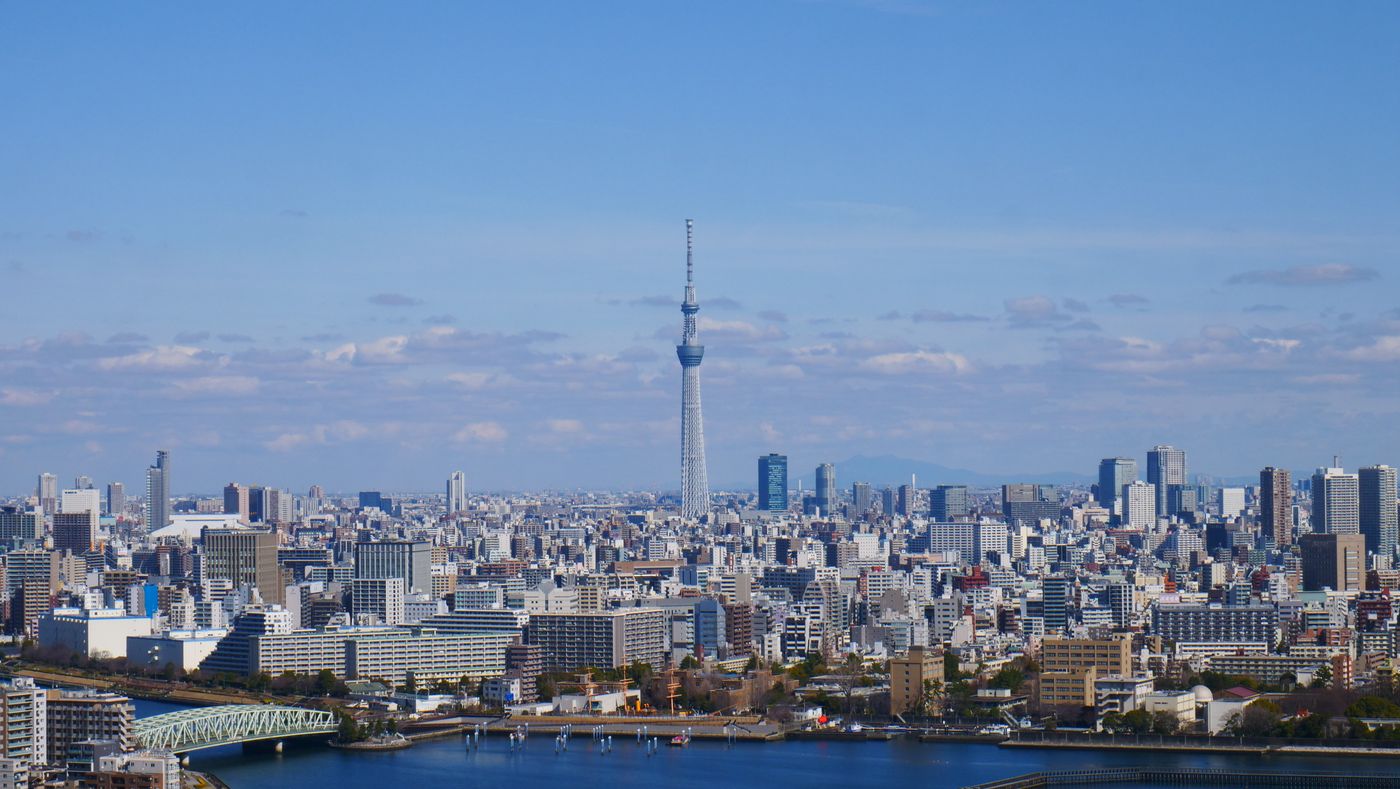
Tokyo takes this index at 93 of 100 and does it on arithmetic rather than affection. The Tokyo Monorail reaches the centre from Haneda in a published 13 minutes for JPY 519, about EUR 2.87, the fastest and second cheapest airport link of the nine. A 24-hour Tokyo Metro pass is JPY 700 and adult admission to the Tokyo National Museum is JPY 1,000. The accommodation tax is JPY 200 a night in the current flat band for rooms at JPY 15,000 and above, which is roughly EUR 1.11, about an eighth of what Barcelona charges. The whole published visitor day comes to EUR 10.51. Tokyo has also announced a move to a 3 per cent ad valorem structure from April 2027, which will make the tax a share of the room rate rather than a flat figure, and will cost it points on legibility when this index is rebuilt.
Official tourist board for Tokyo
Seville — 75/100
Spain · Museo de Bellas Artes · EA bus 35 minutes · no visitor tax
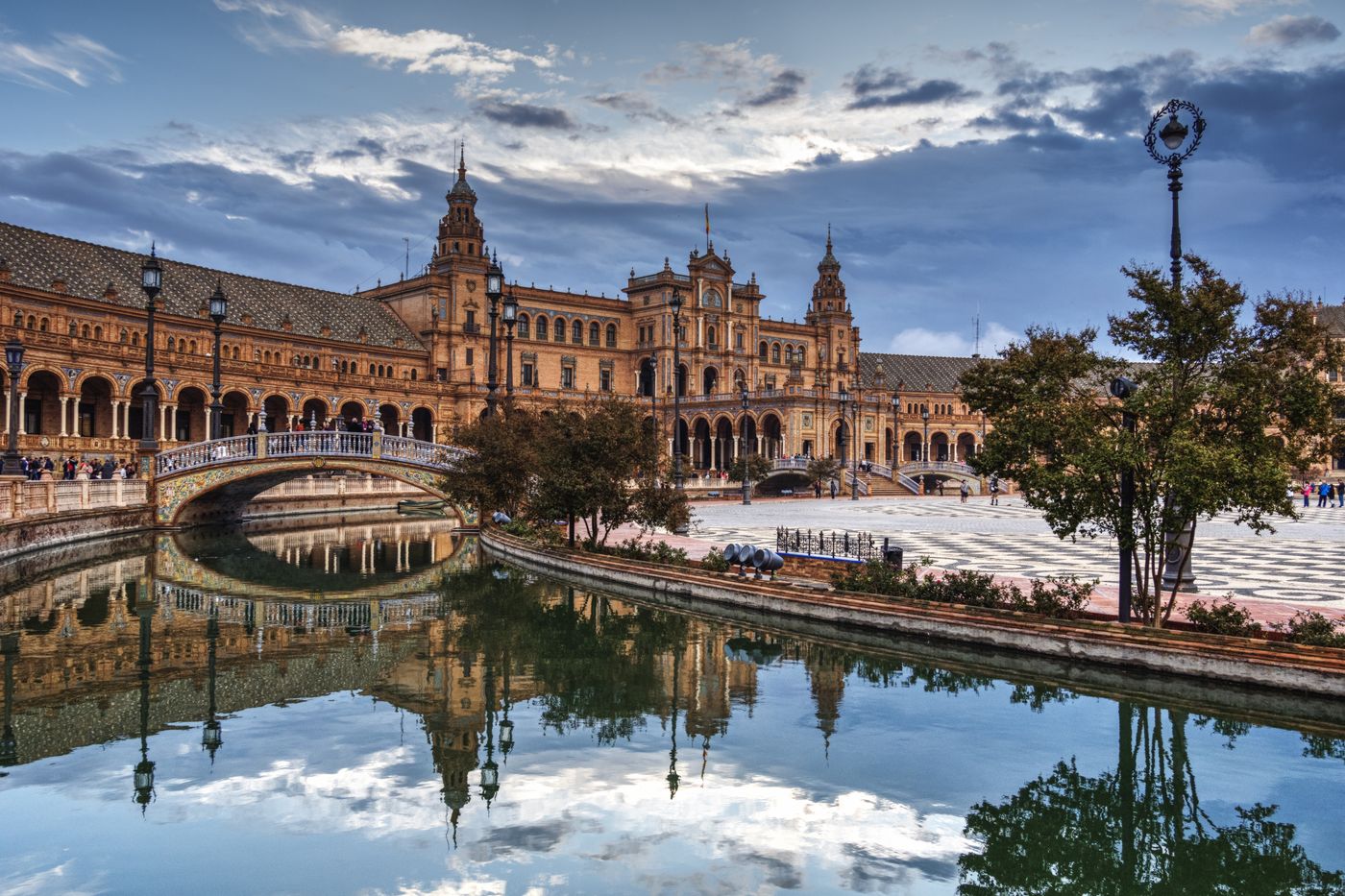
Seville has the cheapest published visitor day of the nine at EUR 6.50, and it is cheap for a structural reason rather than a temporary one. Andalusia has not introduced a regional tourist tax, so a visitor pays nothing per night where the same visitor pays EUR 8.40 in Barcelona. The Tarjeta Turística covers a day's transport for EUR 5, and adult admission to the Museo de Bellas Artes is EUR 1.50, free to citizens of the European Union. It finishes second at 75 because the airport link is the weak half of its record: 35 minutes on the EA bus for EUR 6, the joint slowest journey in the index and the third dearest fare.
Official tourist board for Seville
Lisbon — 62/100
Portugal · Calouste Gulbenkian Museum · Metro red line 20 minutes · visitor tax EUR 4
Lisbon scores 62 on the strength of its airport, which is unusual in this field. The Metro red line runs from the terminal to the centre in a published 20 minutes for EUR 1.90, the cheapest airport fare of the nine and the second fastest journey. Against that, the visitor day is the third dearest at EUR 27.25, and most of that is the Gulbenkian's EUR 16 admission, the second highest museum charge in the index. The municipal tourist tax is EUR 4 a night, capped at seven nights and waived for under-fourteens, one of only two published caps in the set.
Official tourist board for Lisbon
Copenhagen — 56/100
Denmark · SMK · Metro M2 15 minutes · no visitor tax
Copenhagen is the only city in this index that charges a visitor nothing per night and still finishes with the dearest published visitor day, at EUR 32.10. Both facts are worth holding together. The Metro M2 reaches the centre in 15 minutes for DKK 30, about EUR 4.01, a strong airport record that earns 31 of 35. What costs it is the ground: a 24-hour City Pass Small is DKK 100 and admission to the SMK is DKK 140, about EUR 18.73, the dearest museum ticket of the nine. It scores 56, ranked fourth, and would rank second on tax alone.
Official tourist board for Copenhagen
Prague — 52/100
Czechia · Národní muzeum · Airport Express 30 minutes · visitor tax CZK 50
Prague scores 52 and splits cleanly down the middle. Its visitor tax of CZK 50 a night is about EUR 2.05, the second lowest published figure in the index, it excludes the night of arrival and it exempts under-eighteens. A 24-hour transit ticket is CZK 150. Then the airport: the Airport Express takes a published 30 minutes and costs CZK 200, about EUR 8.21, the second dearest fare of the nine and dearer than Barcelona's Aerobus. It also carries the heaviest visitor pressure in this index, at 13.5 overnight stays a year for every resident, which is covered in the section below.
Official tourist board for Prague
Barcelona — 34/100
Spain · MNAC · Aerobus 35 minutes · visitor tax EUR 8.40
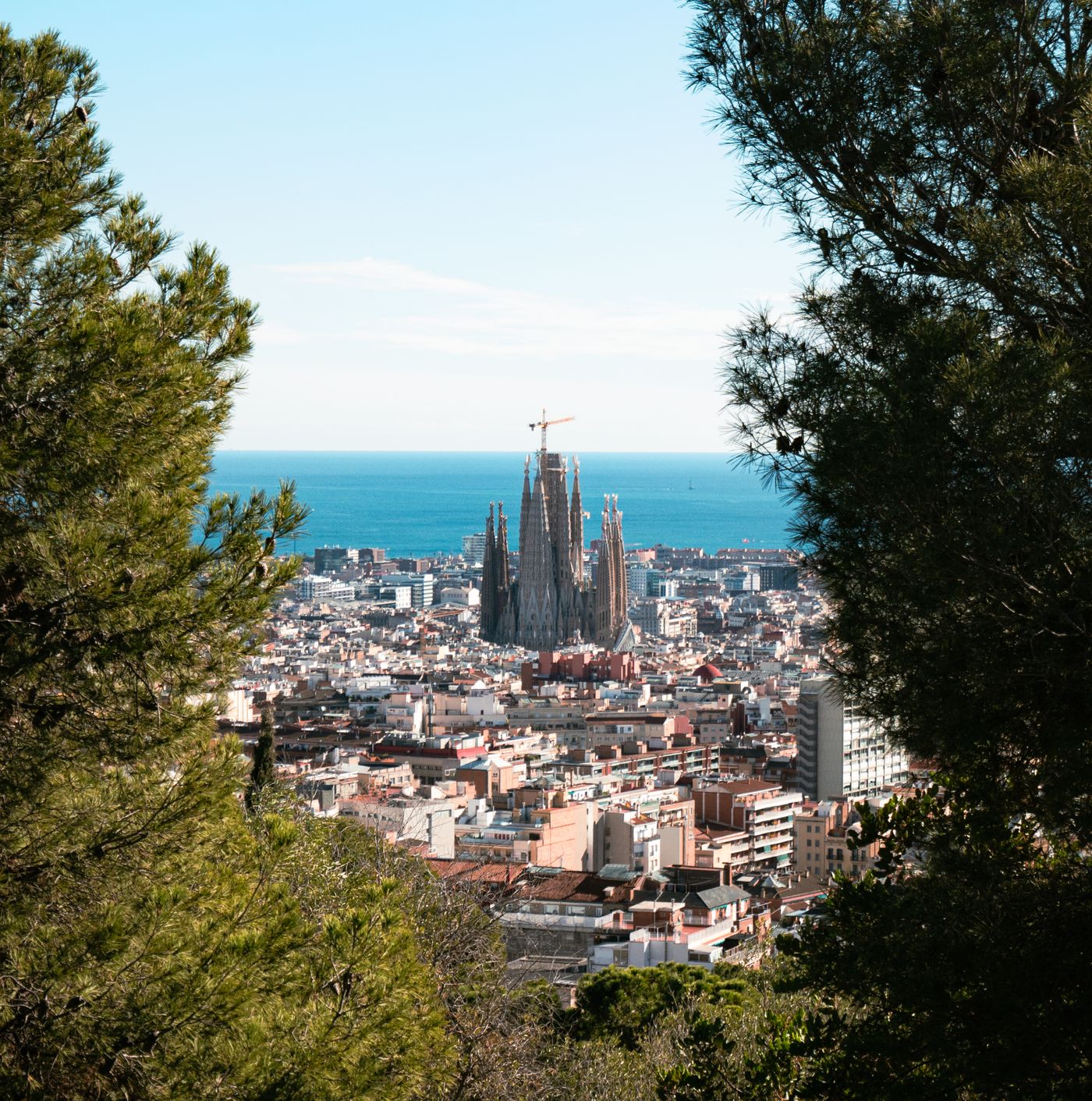
Barcelona finishes sixth of the six ranked cities at 34 of 100, and the visitor tax is most of the reason. From 1 April 2026 the combined Catalan regional levy and the Barcelona municipal surcharge come to EUR 8.40 a night at a four-star hotel, the highest figure of the nine and more than twice Lisbon's. A 24-hour T-dia is EUR 12, the dearest transit pass in the index, and the Aerobus takes 35 minutes for EUR 7.45. Admission to the MNAC, at EUR 12, is the one part of its record that sits mid-table. None of this is a judgement on the city, which is the most visited in this index after Tokyo. It is what the city charges a visitor for a day, read off published tariffs.
Official tourist board for Barcelona
Three things to check before you book a city break
1 · Find the visitor tax before you compare hotel prices. EUR 8.40 a night in Barcelona against nothing in Seville is EUR 50 across a three-night stay for two people, which is more than most of the price differences people actually shop on.
2 · Price the airport link both ways. Vienna's City Airport Train at EUR 14.90 each way costs a couple more than EUR 59 in transfers alone. Lisbon's metro costs the same couple EUR 7.60.
3 · Check the museum before you buy a city card. Admission ranges from EUR 1.50 in Seville to about EUR 18.73 in Copenhagen across the nine principal museums here, and several cities admit European Union citizens or under-eighteens free without advertising it prominently.
What changed for city break costs in 2026
Four dated changes sit behind this table. Barcelona's combined regional and municipal levy reached EUR 8.40 per night at four-star hotels on 1 April 2026, the highest figure in this index. Vienna's Ortstaxe rises from 3.2 per cent to 5 per cent on 1 July 2026 and to 8 per cent on 1 July 2027, a published three-step increase that will roughly double what a visitor pays over two years. Tokyo's accommodation tax moves from flat bands to a 3 per cent ad valorem charge in April 2027. And Seville remains without any visitor tax because Andalusia has not introduced one, which is a political position rather than a fixed condition and is worth re-checking before each trip. For where to go rather than what it costs, see where to travel each month.
City break costs: the questions people ask AI search
Which European city has the highest tourist tax?
Of the nine cities assessed here, Barcelona. From 1 April 2026 the Catalan regional levy and the Barcelona municipal surcharge together come to EUR 8.40 per person per night at a four-star hotel. Lisbon charges EUR 4, Porto EUR 3, Prague about EUR 2.05 and Tokyo about EUR 1.11. Copenhagen and Seville charge nothing at all.
Which cities charge no tourist tax?
Copenhagen and Seville, of the nine assessed. Denmark levies no national or municipal overnight tax on visitors. Andalusia has not introduced a regional tourist tax, so Seville charges none either, which is the single largest reason it has the cheapest published visitor day in this index at EUR 6.50.
How is Vienna's tourist tax calculated?
As a percentage of the accommodation charge rather than a flat nightly figure. The Ortstaxe is currently 3.2 per cent of the price of the stay, excluding VAT and breakfast and after a flat 11 per cent deduction. It rises to 5 per cent on 1 July 2026 and to 8 per cent on 1 July 2027. Because the amount depends on the room rate, a visitor cannot know what they will pay until they know what the room costs, which is why Vienna could not be scored on the cost criterion in this index.
What is the cheapest city break of the nine?
Seville, on the published basket this index uses: a 24-hour transit pass at EUR 5, adult admission to the Museo de Bellas Artes at EUR 1.50 and no visitor tax, for a total of EUR 6.50. Tokyo is second at EUR 10.51. Barcelona at EUR 32.40 and Copenhagen at EUR 32.10 are the dearest, and they arrive there by opposite routes: Barcelona through its tax, Copenhagen through its museum and transit prices.
Which city has the fastest airport transfer?
Tokyo. The Tokyo Monorail reaches the centre from Haneda in a published 13 minutes for JPY 519, about EUR 2.87. Copenhagen is next at 15 minutes on the Metro M2, then Lisbon at 20 minutes and Vienna at 21 on the City Airport Train. Barcelona and Seville are joint slowest at 35 minutes. Porto and Marrakech publish no journey time at all on the operator pages that were read.
Which city is under the most visitor pressure?
Of the six cities in this index with published overnight-stay figures, Prague, at 13.5 recorded overnight stays a year for every resident, and Marrakech at the same ratio. Barcelona follows at 11.6 and Vienna at 9.8. Tokyo, despite recording 106.7 million overnight stays, carries the lowest ratio in the set at 7.5, because it has 14.3 million residents to absorb them.
Why are only six cities ranked when nine were assessed?
Because three could not be scored on every criterion and are recorded as assessed rather than ranked. Vienna charges a percentage rather than a flat nightly tax, so no nightly figure can be quoted without assuming a room price. Porto publishes no airport journey time on the operator pages read. Marrakech publishes no current official visitor tax figure, no day travel pass and no airport journey time that could be reached; several Moroccan government domains returned errors rather than pages. Missing evidence is never scored as a zero.
Can a city or tourist board pay to rank higher on this index?
No. The rubric and its weights were fixed and published before the data was collected, assessment is identical for every city whether its tourist board engages with us or not, and no position is for sale. A city that publishes a flat tax figure, a journey time or a day-pass price changes its own record. Nothing changes the rubric.
Read next
- Best City Break Destinations 2026 — the destination ranking this cost index sits beneath
- Is Europe expensive to travel in — the same question across a longer stay
- Getting around Europe — the transport decisions behind the airport column
- Most underrated destinations 2026 — where the visitor pressure is not