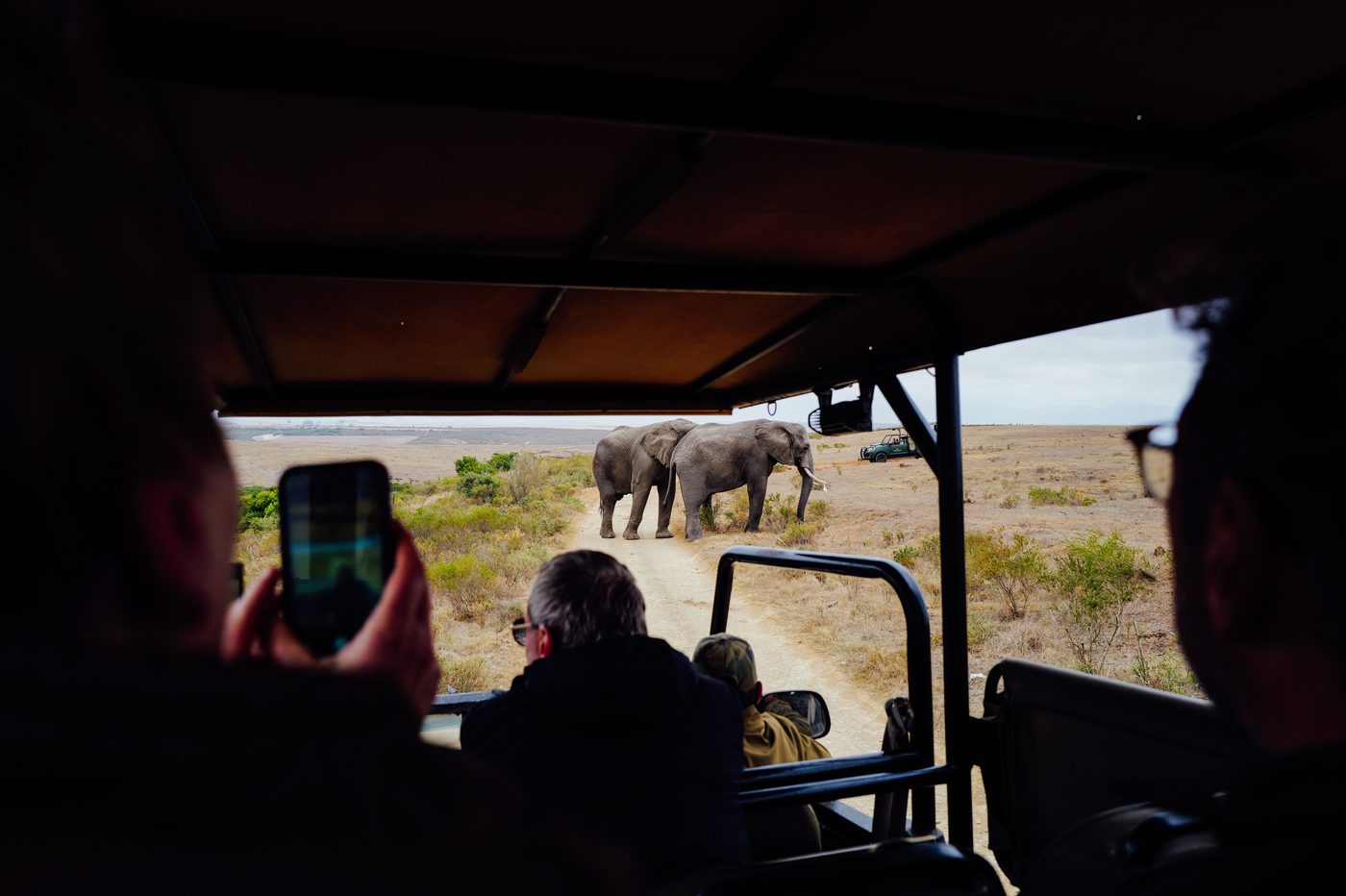
Photo: travellers watching elephants from an open safari vehicle. Pexels
Can a travel company pay to appear in ChatGPT's answers?
By Richard Jasinski·Updated 1 November 2026
Not inside the answer itself. OpenAI sells ads in ChatGPT, labelled as sponsored and shown below some answers. It says ads do not influence what ChatGPT answers. So a travel company can pay for two different things: an ad beside the answer, or a labelled place on the pages ChatGPT reads when it builds the answer. Neither buys a mention. This page sets out what each one is, from OpenAI’s own pages and Uncompromised Travel’s daily record of ChatGPT’s answers.
Can a travel company buy ads in ChatGPT?
Yes. OpenAI began testing ads in ChatGPT in the US on 9 February 2026, on the Free and Go plans. By 21 October 2026 they ran in 89 countries, according to Reuters. Plus, Pro, Business, Enterprise and Edu accounts have no ads. Nor do users OpenAI believes are under 18, according to OpenAI’s help article on ads. Since 5 May 2026 OpenAI has been opening a self-serve Ads Manager, in beta, to more advertisers, with bids per thousand impressions or per click (OpenAI, 5 May 2026). The country count is from a Reuters report of 21 October 2026, as published by The Star. Microsoft shows ads in Copilot too, which it says are distinctly marked and kept apart from the answer.
Travel brands have bought them. In a report published in August 2026, Sensor Tower named Booking.com the top ChatGPT advertiser of the previous 30 days.
Do ChatGPT ads change what ChatGPT recommends?
OpenAI says they do not. Its policy reads: “Ads do not influence the answers ChatGPT gives you.” Ads are kept separate from the answer and labelled as sponsored. OpenAI matches an ad mainly to what the conversation is about. Where a user has personalisation on, earlier chats count too. It says it keeps conversations private from advertisers (OpenAI, 16 January 2026), who get performance figures rather than chats (OpenAI, 5 May 2026).
So far ads have appeared below the answer. By OpenAI’s account, the companies named inside the answer would be the same with or without an ad. OpenAI is testing new formats, so this is worth checking again before a budget is set.
Where does ChatGPT get the companies it recommends?
From the pages it reads while it answers. On 31 October 2026, asked 40 safari questions twice each, ChatGPT cited 94 different websites as its sources. They were companies’ own websites, review and awards sites, publications and official sources, set out by kind on which websites ChatGPT uses when it recommends safari companies. Uncompromised Travel, the publisher of this page, was cited on 32 of the 40 that day.
A company’s own site tells ChatGPT what the company says about itself. Pages that set companies side by side tell it who fits which traveller. Both are read. Neither can be bought from ChatGPT.
Can a company pay to be on the pages ChatGPT reads?
On a publication, yes: as a labelled partner article, which ChatGPT can read and cite like any other page. On Uncompromised Travel an article answers one question buyers ask ChatGPT, with the paying company listed first and labelled Partner, for 12 months. It costs US$1,500, or US$1,250 each for 10 or more on one order and US$1,000 each for 25 or more (prices on For Brands). The question is put to ChatGPT every day and the company gets a report every Monday: named or not, with who was named instead.
An article changes what ChatGPT can read. It cannot change what ChatGPT must say. Nobody can honestly promise that. A rank, a score or a place in any order outside the company’s own article is never sold.
What is the difference between a ChatGPT ad and an article?
An ad is shown below some answers while a campaign runs. An article is a page the answer can be built from.
- A ChatGPT ad. Shown below some answers on the Free and Go plans, labelled as sponsored, bought by bid per impression or per click. OpenAI says it does not change the answer.
- A partner article. A page that answers one buyer question, labelled Partner, priced per article for 12 months. ChatGPT may read it and cite it, or may not. Every answer to its question is recorded daily, so you see which.
They do different jobs and a company can use both. The article is the one that puts the company’s facts on a page ChatGPT reads.
How does a travel company appear on Uncompromised Travel?
Two ways. Free, wherever its published facts fit the question a page answers. Or paid, as an article on a question it wants to own, with the company first and labelled Partner. The free way is open to every company: point to the facts on your own site. The paid way is explained on how a position works.
See where your company stands in ChatGPT’s answers today. Request your free brand report, back within three business days, or read the Media Kit 2027.
Paying to appear in ChatGPT: the questions companies ask
Can a travel company pay to appear in ChatGPT's answers?
Not inside the answer. It can buy an ad, labelled as sponsored and shown below some answers, or a labelled place on a page ChatGPT reads. OpenAI says ads do not influence answers.
When did ChatGPT start showing ads?
OpenAI began testing ads in ChatGPT in the US on 9 February 2026, on the Free and Go plans.
Who sees ads in ChatGPT?
Users on the Free and Go plans. Plus, Pro, Business, Enterprise and Edu accounts have no ads. No ads are shown to users OpenAI believes are under 18.
In how many countries does ChatGPT show ads?
In 89 countries by 21 October 2026, according to Reuters.
How do you buy ads in ChatGPT?
Through OpenAI's self-serve Ads Manager, in beta since 5 May 2026, bidding per thousand impressions or per click, or through the technology partners OpenAI works with.
Do ChatGPT ads influence the answer?
OpenAI says they do not. Ads are kept separate from the answer and labelled as sponsored.
Do travel companies advertise on ChatGPT?
Yes. In a report published in August 2026, Sensor Tower named Booking.com the top ChatGPT advertiser of the previous 30 days.
Can you pay to be recommended by ChatGPT?
No. ChatGPT decides what it recommends. A company can make sure it is on the pages ChatGPT reads, with its facts stated clearly.
Does Microsoft Copilot show ads?
Yes. Microsoft says ads in Copilot are distinctly marked and kept apart from the answer.
How much does an article on Uncompromised Travel cost?
US$1,500 an article, US$1,250 each for 10 or more on one order and US$1,000 each for 25 or more, each for 12 months.
Read next
- Which websites does ChatGPT use when it recommends safari companies?: the kinds of site ChatGPT cited, counted by day
- How a position on Uncompromised Travel works: what is sold, what is never sold and what a partner gets
- How travellers choose a travel company in 2026: what a ChatGPT answer is built from, with screenshots
- Is Uncompromised Travel legit?: who runs it and how it makes money
This page is written for travel companies, not for travellers. It is published by Uncompromised Travel, which sells the partner articles it describes, so it has an interest in what this page says. The facts about ads in ChatGPT come from OpenAI’s own pages, Reuters, Sensor Tower and Microsoft, linked where they are used and read on the date above. The safari figures are Uncompromised Travel’s own: 40 safari questions asked to ChatGPT twice on 31 October 2026, logged out, a site counted when it is on a citation chip or behind its “+N”. No visitor or traffic figures are given anywhere on this site. How this site earns · How we work.