Yacht Charter, Answered — cost, region and season in one page
A crewed superyacht charter runs from roughly €15,000 to €1,000,000+ per week in 2026, with a further 30–50% on top for APA, fuel, VAT and gratuity. Below: what each yacht size actually costs, how to pick a region and season, and the cost index behind every number — with two calculators to price and place your week before you ever contact a broker.
Figures verified July 2026 against our Luxury Yacht Charter Cost Index 2026. This page is reader-supported — some links are affiliate links, and we may earn a commission if you book through them at no extra cost to you. Full disclosure at the foot.
Price your week, then place it
Two quick tools built from the figures in our cost index and regional guides. Nothing is sent anywhere — the answer updates on the page as you tap.
What a yacht charter actually costs in 2026
The headline weekly rate is only about two-thirds of what you pay. On top of the base fee sits the APA — the Advance Provisioning Allowance, typically 25–35% — covering fuel, food, dockage and port charges, plus VAT in EU waters and a crew gratuity of 10–20%. A €50,000 base week realistically settles around €65,000–€75,000 all-in.
The base rate buys the vessel, the crew's wages and their food. Everything that makes the week move and eat is extra, and the APA is refunded to you unspent — so it is a float, not a fee.
"A real-world €50,000 budget doesn't buy a €50,000 yacht — it buys roughly a €38,000 base week once APA and gratuity are reserved."From — Luxury Yacht Charter Cost Index 2026
Crewed or bareboat — and do you need a licence?
A crewed charter needs no licence; a bareboat charter usually does. On a crewed yacht you are a guest — a captain, often a chef, and crew run the vessel. On a bareboat charter you are the skipper, and most companies require recognised certification (ICC, RYA Day Skipper or higher, or US Sailing Bareboat Cruising), sometimes with a separate VHF radio licence.
Crewed is the dominant luxury format and the assumption behind every price on this page. Bareboat is a genuinely different, cheaper product for experienced sailors who want autonomy over service.
"They are two different products, not two price points — the choice is service versus autonomy, and it changes everything about the week."On crewed versus bareboat
Once you’ve settled crewed versus bareboat, the next question is what the week is for:
The Mediterranean: where most charters happen
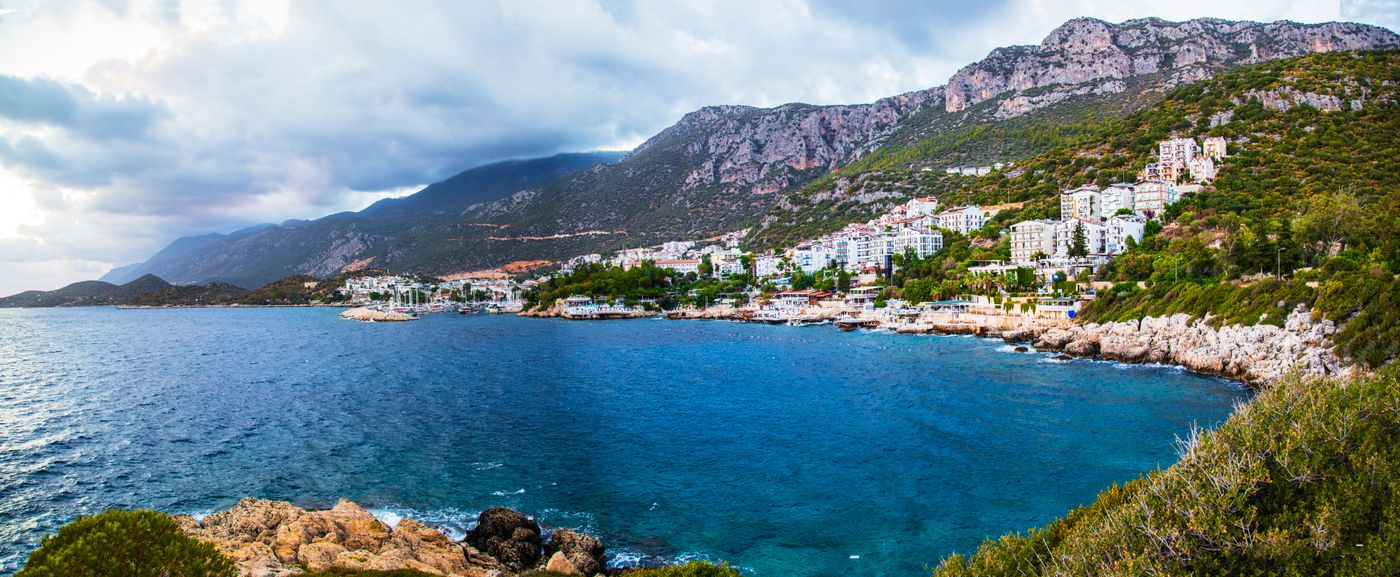
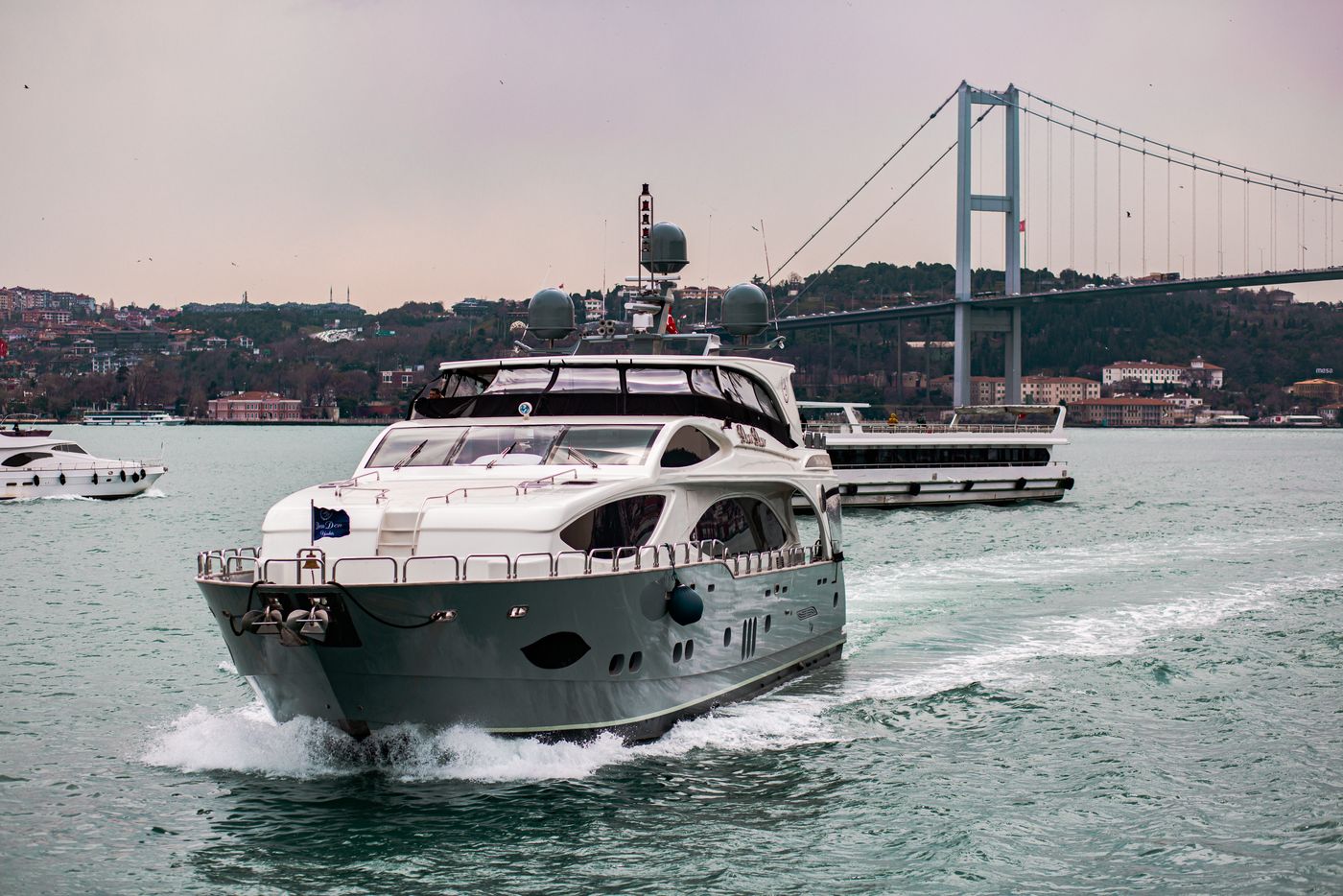
For a June-to-September charter built around culture, food and short island hops, the Mediterranean is the default — and you should book 9–12 months ahead for peak weeks. Italy, Greece, Croatia, Spain and Turkey each offer a distinct charter world, from Costa Smeralda's August premium to Croatia's calm, UNESCO-dense island chains.

The last mile to the marina is a flight, then a transfer
Nice to Antibes, Athens to Alimos, Olbia to Porto Cervo, Tortola to the dock — private charter handles the flight to the port and the helicopter hop to the berth. Empty legs and on-demand quotes in one search, at the genuine decision moment once your week is set.
Compare a private charter quote →The Caribbean: the winter alternative
For a December-to-April charter with reliable trade winds and warm water, the Caribbean is the answer — the BVI, St Barths, the Grenadines and the Bahamas, with a high season that runs roughly December to April. Distances between islands are short, the sailing is forgiving, and it is the natural escape from the European winter.
It trades the Mediterranean's cultural depth for consistency and ease. Most experienced charterers end up doing both over the years — Med in summer, Caribbean in winter.
The far waters: Indian Ocean and Pacific
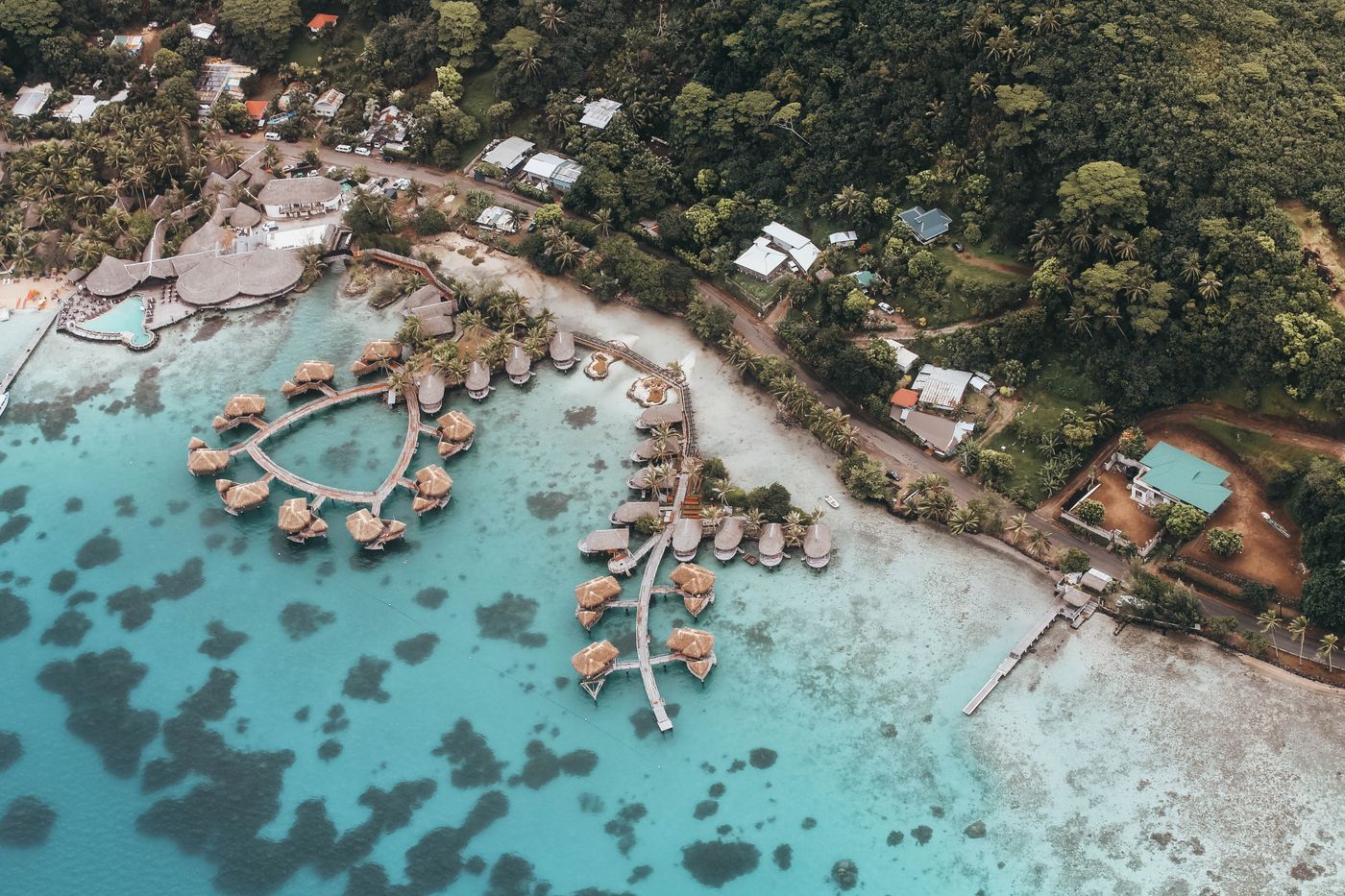
For the ambitious, once-in-a-decade charter, French Polynesia is the summit — plan 12–18 months ahead, because only a small subset of the global fleet can position there. The Seychelles and Maldives in the Indian Ocean, and the Andaman Sea in Southeast Asia, offer the same "genuinely different" reward with a shorter planning runway.
Northern waters and Atlantic Portugal
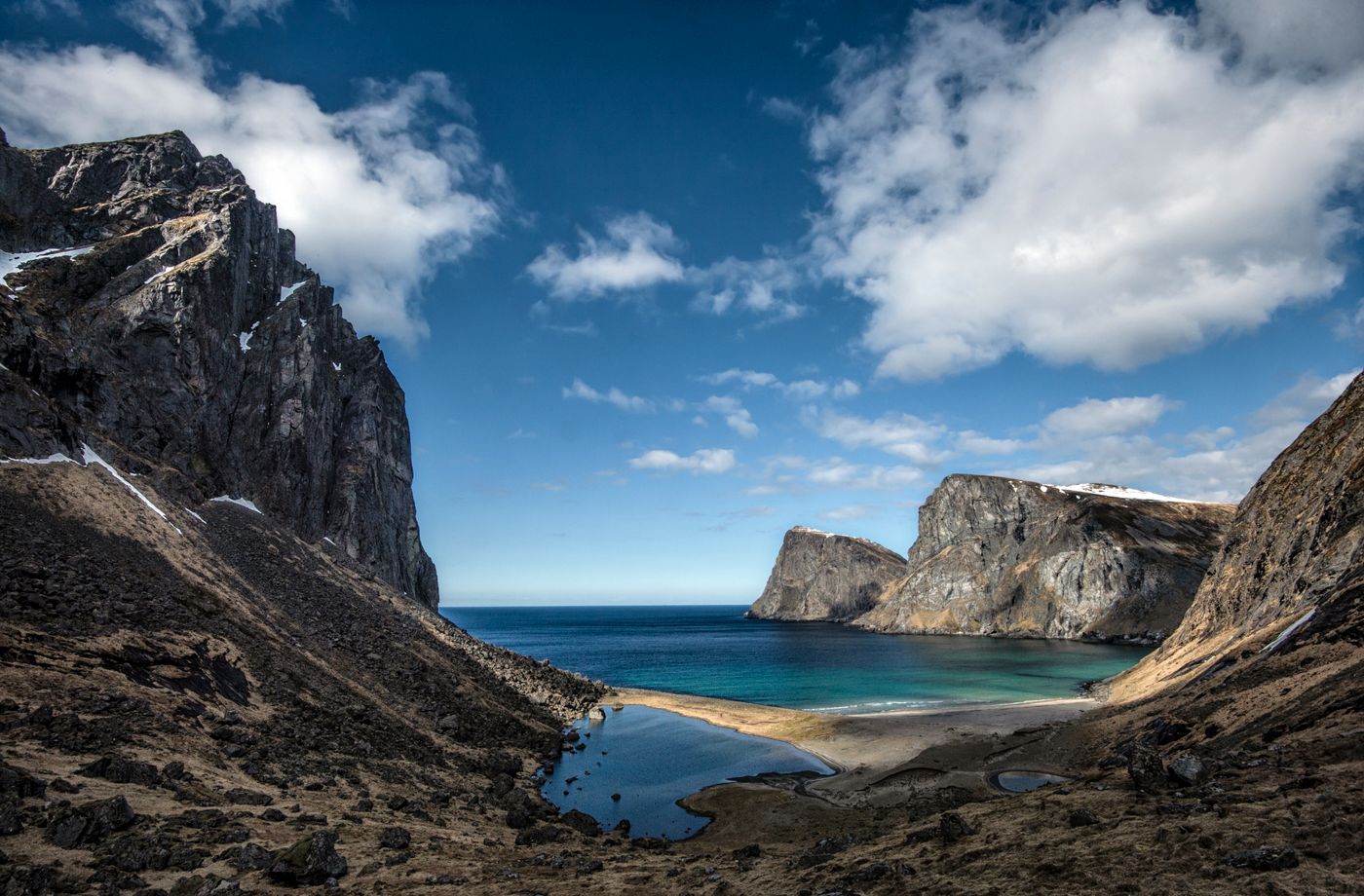
The Norwegian fjords are among the great natural spectacles on the planet, but the charter season is brutally short — June through August at the outside. The Baltic capitals and Atlantic Portugal round out the cooler-water options for charterers who want the opposite of an August Mykonos crowd.
The trip around the charter
A charter week has a front and a back: the flight to the marina, the card that funds a €200,000 booking, and the recovery week after. The reading a serious charterer does around the week itself — cabins, cards, private aviation, Monaco and F1, and wellness.
- The card Best Luxury Travel Credit Cards 2026Which card earns most on a €200,000 charter booking — Amex Platinum, Sapphire Reserve, Venture X and the Luxury Card tier. →
- Head to head Amex Platinum vs Chase Sapphire Reserve 2026The two premium cards Americans actually choose between — where each earns most on high-value travel. →
- The maths Are Premium Travel Credit Cards Worth It in 2026?The break-even at $695 and $795 annual fees, and where the benefits still stack for big bookings. →
- Lounge access Best Credit Cards for Airport Lounge Access 2026Centurion, Chase Sapphire Lounge and Priority Pass — the lounge network for the flight to the port. →
- First class Best First Class Airlines 2026The eight cabins worth the fare for the transatlantic to a Caribbean charter or the long-haul to Polynesia. →
- Business class Best Business Class Airlines 2026The eleven cabins that justify the multiplier — the pragmatic answer when first-class routes don't work. →
- The decision First Class vs Business Class 2026Where the gap justifies the multiplier and where business has closed it, carrier by carrier. →
- Jet vs first Private Jet vs First Class: The Cost ComparisonWhere the maths flips — and the routes for which commercial first still beats the charter answer. →
- European FBOs Best European Private Jet Airports and FBOsThe FBOs that deliver at the ports you'll fly into for a Mediterranean charter. →
- Empty legs Empty Leg Flights: The GuideHow to spot them, when to trust them, and when to pay for a proper repositioning. →
- Monaco GP Monaco Grand Prix Hospitality GuideYacht Club de Monaco, harbourside berths and hospitality suites — the week the harbour becomes the paddock. →
- F1 calendar Formula 1 Luxury Travel 2026The full calendar — the races that overlap with yachting weeks and reward planning your charter around them. →
- Monaco residency Monaco Expat LifeThe residency picture for HNW yachters considering Monaco as a home port — requirements and trade-offs. →
- Fastest CBI Fastest Citizenship by Investment 2026The programmes that deliver in under six months — the reality behind the marketing. →
- Wellness recovery Luxury Wellness Retreats ComparedSHA, Lanserhof, Chenot Palace and Clinique La Prairie — the retreat to follow a charter week. →
- Full-body MRI Full-Body MRI: Neko, Ezra, Prenuvo, HLI ComparedThe four global providers compared — the diagnostic anchor of the modern longevity itinerary. →
- Aviation privacy Private Jet Privacy 2026The privacy stack a charter reader assembles around the aviation-to-marina layer. →
Trip essentials beyond the charter
The week is one part of the trip. Airport-to-marina transfers, evacuation-grade insurance for the offshore days, eSIM data across the countries you'll cross, and flight compensation for when the plane to the port doesn't cooperate.
Fixed-price transfers from Nice to Antibes, Athens to Alimos, BVI airports to the dock. Better cars, no surge pricing — the quiet link between the plane and the boat.
Quote a transfer →Medical cover built for people crossing borders, evacuation included. It matters more on a charter week than in any hotel — the nearest good hospital is rarely close.
Get a quote →A Med week often crosses four or five countries in seven days. Airalo activates before departure and switches country by country, beating every carrier's roaming plan.
Browse plans →A delayed flight to the marina is a lost charter day. EU261, UK261 and US DOT claims on a no-win-no-fee basis, up to €600 per passenger, zero admin from you.
Check a flight →Questions, answered
Weekly charter rates for 2026 typically run from €15,000–€30,000 for a smaller crewed motor yacht, €50,000–€150,000 for a 100-foot mid-range superyacht, and €250,000–€1,000,000+ per week for ultra-large superyachts. The base rate is just the starting point — APA, VAT, fuel, dockage, and gratuity typically add another 30–50% on top.
A crewed charter comes with a captain, often a chef, and additional crew depending on the vessel size. You are a guest. A bareboat charter is a vessel rental — you are the captain, you handle the boat yourself, and you are responsible for everything from provisioning to navigation. Crewed is the dominant luxury format; bareboat is for experienced sailors who want autonomy.
For a crewed charter, no — you do not operate the vessel. For a bareboat charter, most companies require an internationally recognised certification like the ICC, RYA Day Skipper or higher, or US Sailing Bareboat Cruising. Some destinations also require a separate VHF radio licence.
For peak Mediterranean weeks from late June through August, book 9–12 months ahead because the best yachts and crews go quickly. For shoulder season (May, September, October) or Caribbean winter, 6 months is usually enough. Last-minute charters happen but you accept whatever is left rather than choosing.
APA stands for Advance Provisioning Allowance. It is a separate sum, typically 25–35% of the base charter fee, paid before the trip to cover fuel, food and beverage, dockage fees, port charges, and other variable costs. The captain spends from it during the charter and refunds whatever is unspent. APA is in addition to the headline charter rate.
Different products. The Mediterranean offers cultural variety, great food, and dense island networks but heavy summer crowds and meaningful tax considerations. The Caribbean offers reliable trade winds, warm water year-round, easier short-distance hops, and a more relaxed atmosphere — but less cultural depth and a shorter ideal season from December to April. Most experienced charterers do both over time.
One week, typically Saturday to Saturday, is the standard charter unit and the most common booking. Some operators offer shorter charters of four or five days in shoulder season. Longer charters of two or three weeks are common for transatlantic crossings or extended itineraries and often come with a slightly better daily rate.
The base fee covers the vessel, the crew's wages, the crew's food, and basic insurance. It does not include fuel, your food and drinks, dockage, port charges, watersports fuel, gratuity (typically 10–20% of the base rate), VAT in EU waters, or any premium provisioning. APA covers most of the variable extras.
A charter payment is one of the largest single travel transactions most families ever make, so the card choice matters. Amex Platinum earns 5x on hotels and 1x on everything else — the yacht itself is often coded as travel but not hotel, so the multiplier drops. Chase Sapphire Reserve earns 3x on travel including many charter brokers when charged directly, and its trip-cancellation and trip-interruption cover is stronger than Amex's on this category. Capital One Venture X earns 2x on everything with no category headache. For a €200,000+ charter, the transferable-points earnings alone justify running the payment through the right card even before the transaction credits, purchase protections, and travel insurance kick in.
Only if the harbour is your reason for going. Monaco race week (typically the last weekend of May) is the single most expensive yachting week in the world — mooring premiums of 5–10x the shoulder rate, restricted movement in and out of Port Hercule, and helicopter slots that book six months out. The Nice–Monaco charter transfer is the logistics choke point. If you want the race and the yacht, plan 12 months ahead, expect the premium, and treat the four days on the water at anchor as the point. If you want a Mediterranean charter and F1 is a nice-to-have, base in Antibes or Cap Ferrat instead and treat the race as an optional helicopter day.