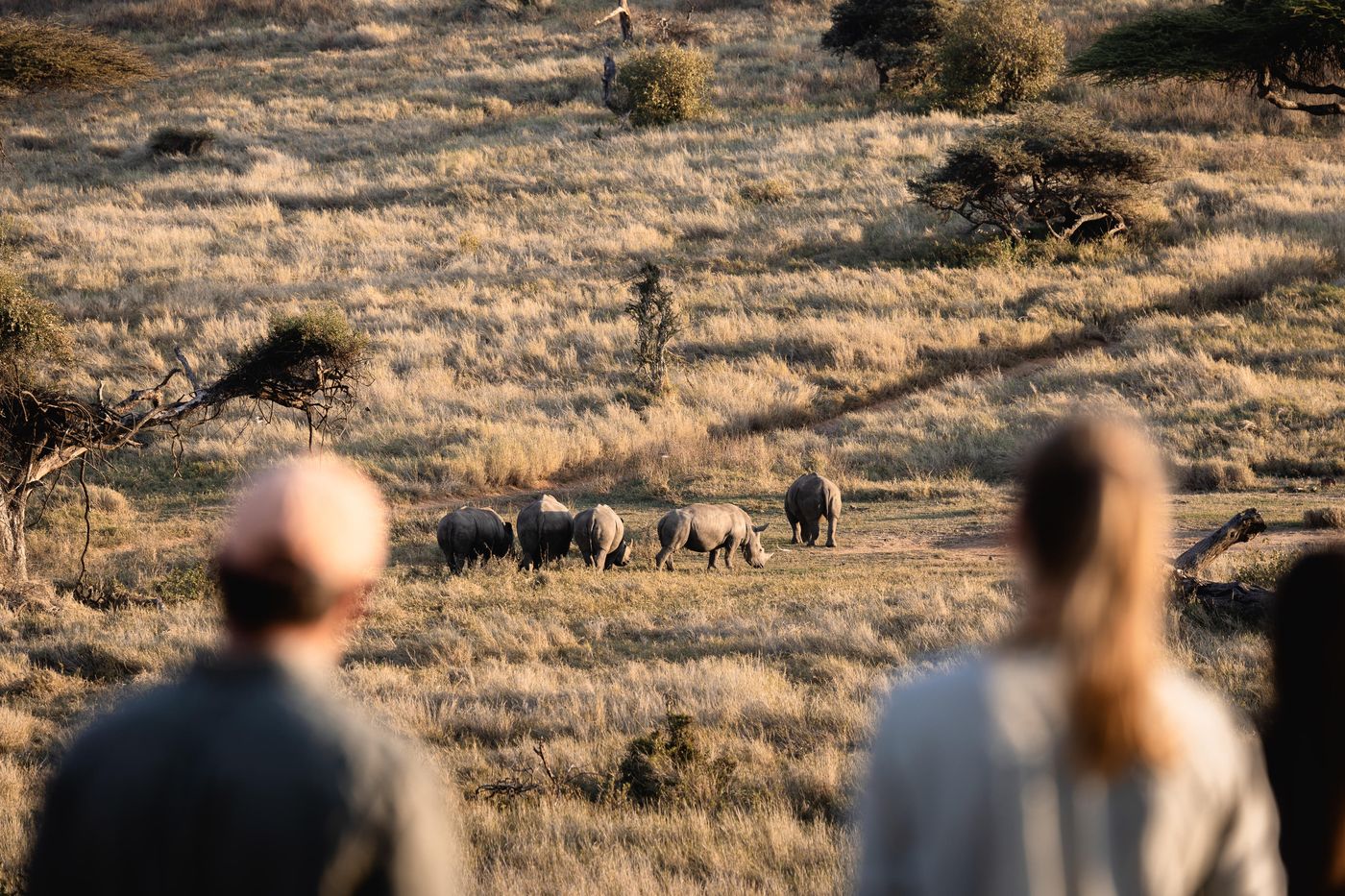
Photo: Lewa Wilderness, used with permission
Which operators offer the best conservation-led or low-impact luxury safaris?
By Richard Jasinski·Updated 17 November 2026
The camp owners ChatGPT names in nearly every answer are Wilderness, Great Plains Conservation, Singita, Asilia Africa, Natural Selection and Tswalu Kalahari, with andBeyond, whose website could not be read; of these, Natural Selection, Asilia and Tswalu publish what your stay pays for. Natural Selection sends 1.5% of every booking to its trust, Asilia charges US$10 a night and Tswalu puts the whole 20% deposit to conservation; African Bush Camps, Time + Tide, Gamewatchers and Cottar’s publish figures too; Tswalu and Cottar’s hold The Long Run’s top status. For low impact, Asilia’s Emboo and Green Safaris run on solar with electric vehicles or boats; Time + Tide runs every property on solar. The company this page features, Extraordinary Journeys, is the planner that puts these camps together: its Barefoot luxury Kenya safari, from $16,000 per person, stays only in conservancies (Lewa, the Samburu-run Namunyak, Mara North) and visits Reteti Elephant Sanctuary and the Mara Elephant Project. No company is scored.
The 14 companies at a glance
Each company’s own statement, read 19 and 20 October 2026 (Extraordinary Journeys 12 October, its itinerary 17 November). “What your stay pays for” is the figure it publishes; “no amount stated” means it names the work but not the money.
| Company | Countries | What your stay pays for | Certification |
|---|---|---|---|
| Extraordinary Journeys Partner | 16 African countries planned | Foundation and named partners; no amount stated | Carbon neutral claim; no certifier named |
| African Bush Camps | Botswana, Zambia, Zimbabwe | 2.5% of booking + US$10 a night | Somalisa: Gold Green Tourism |
| Asilia Africa | Kenya, Tanzania, Uganda | US$10 a night + a conservation charge | B Corp via Nawiri Group |
| Chem Chem | Tanzania | No amount stated | None named |
| Cottar’s Safaris | Kenya | US$783,502 invested (its figure) | Long Run GER; Eco-rated Gold |
| Gamewatchers Safaris and Porini Camps | Kenya | $130 to 150 conservancy fees + $5 a night | Eco-rated Gold (Ol Kinyei on the IUCN Green List) |
| Great Plains Conservation | Botswana, Kenya, Zimbabwe | Conservancy fees in rates | None named |
| Green Safaris | Zambia, Malawi | No amount stated | None named |
| Lewa Wilderness | Kenya | Supports Lewa; no amount stated | None named |
| Natural Selection | Botswana, Namibia, South Africa | 1.5% of booking + a nightly fee | None named |
| Singita | Five countries | Donations; no amount stated | Grumeti Air: Carbon Smart |
| Time + Tide | Zambia, Madagascar | $100 a night in Zambia | None named |
| Tswalu Kalahari | South Africa | 20% deposit to conservation | Long Run Global Ecosphere Resort (2024) |
| Wilderness | Eight countries | No amount stated | None named |
Which operators offer the best conservation-led or low-impact luxury safaris?
The featured company first, then the 13 camp companies in alphabetical order. Every line is what the company’s own website said on the date given.
Extraordinary JourneysExtraordinary Journeys, Washington, D.C., USA · Partner
- What it is
- A planner, not a camp owner: it chooses which conservation-led camps to put you in. Its Our Story page says it prioritises independently owned or boutique properties.
- Conservation model
- The Extraordinary Journeys Foundation: Great Being a Girl (ending period poverty in Kenya) and a “We’re Carbon Neutral” programme through its owner Voyageurs du Monde. Named partners it contributes to: African Parks, Amboseli Trust for Elephants, Cheetah Conservation Fund, Dian Fossey Gorilla Fund, Great Plains Foundation and Tompkins Conservation; referral credits can be donated through Extraordinary Gives.
- On its trips
- Barefoot luxury Kenya safari, from $16,000 per person: Lewa Wilderness, Sarara in the Samburu-run Namunyak Community Conservancy, Reteti Elephant Sanctuary, Hemingways in the Mara North Conservancy and the Mara Elephant Project. Its Kenya itineraries also visit Sheldrick Wildlife Trust, Ol Pejeta and Lewa’s anti-poaching unit.
- Reviews
- Google 5.0 from 182 reviews; SafariBookings 4.9 from 35, newest 11 Aug 2025; Trustpilot: profile claimed, 0 reviews (all read 12 Oct 2026).
- Payment terms
- No scheme, bond or trust account named in its terms; its FAQ says payments “go directly toward securing your arrangements” with lodges, camps, guides and air operators. Deposits are non-refundable; the balance is “typically due 100 days prior to your departure”.
- Not the fit if
- You want a measured programme from the company you pay: its foundation names no amounts and its carbon page no certifier or tonnage. For figures, several of the camp owners on this page publish them.
African Bush CampsCape Town; offices in Zimbabwe, Zambia and Botswana
- Countries
- Botswana, Zambia and Zimbabwe.
- Conservation model
- The African Bush Camps Foundation (since 2006): 14 to 15 projects in 2025, among them lion bomas, Kufadza female scouts, female guides and Mana Pools rangers.
- What your stay pays for
- A Foundation Contribution of 2.5% inside every booking’s commitment fee; USD 10 per guest per night from the company for the Foundation’s running costs.
- Low-impact running
- “94% of our experiences are powered by solar energy”; Somalisa recycles 80% of its water.
- Certification
- Somalisa Camp: the first Gold Green Tourism certification in Zimbabwe.
Read 19 and 20 October 2026 from the company’s own website (safari camp owners table). Company website
Asilia AfricaCape Town, Arusha, Nairobi and Kampala
- Countries
- Kenya, Tanzania and Uganda.
- Conservation model
- Naboisho’s tourism fees fund the conservancy and lease payments to Maasai landowners; projects include Twende Porini, The Maa Trust, Rhino Ark, KopeLion and the Serengeti Cheetah Project.
- What your stay pays for
- “A levy of US$10 for each night” (Travel With Purpose), plus an Asilia conservation charge on camp rates.
- Low-impact running
- Emboo is “Kenya’s first camp with a full fleet of electric vehicles” and 100% solar; other camps solar and generator.
- Certification
- B Corp, as a member of the Nawiri Group (the register entry was not seen).
Read 19 and 20 October 2026 from the company’s own website (safari camp owners table). Company website
Chem ChemHead office not stated (US phone lines)
- Countries
- Tanzania only.
- Conservation model
- Two partners: the Friedkin Conservation Fund, which manages the Greater Mwiba Protected Wildlife Area (about 2,000 km²); the Chem Chem Association, protecting the Kwakuchinja Wildlife Corridor between Tarangire and Lake Manyara.
- What your stay pays for
- “When you stay with us, you become part of the solution”; no per-night amount given.
- Low-impact running
- Not stated.
- Certification
- None named.
Read 19 and 20 October 2026 from the company’s own website (safari camp owners table). Company website
Cottar’s SafarisMaasai Mara, Kenya
- Countries
- Kenya (its own camps, in the Olderkesi Conservancy).
- Conservation model
- Leases land from 6,000 Maasai households in Olderkesi for a wildlife corridor of 106,000 acres, with Cottar’s Wildlife Conservation Trust and The Maa Trust.
- What your stay pays for
- It says USD 783,502 was invested in payments for ecosystem services and community and cultural initiatives, raised through donations and conservancy fees.
- Low-impact running
- Solar and electric power at both camps; carbon neutrality targeted by 2027 by in-setting, not offsets.
- Certification
- Global Ecosphere Retreat under The Long Run; Ecotourism Kenya Gold; the Ecosystem Restoration Standard (Preferred by Nature).
Read 19 and 20 October 2026 from the company’s own website (safari camp owners table). Company website
Gamewatchers Safaris and Porini CampsNairobi, Kenya
- Countries
- Kenya for its own camps.
- Conservation model
- Land leased from Maasai landowners, with tourism revenue funding the leases; over 138,000 acres protected.
- What your stay pays for
- A Wildlife Habitat Trust payment of $5 (2026) and $10 (2027) per person per night on the rate sheet; conservancy fees of $130 to $150 per person per night.
- Low-impact running
- Solar-powered camps with “no permanent structures”; composting, recycling and kitchen gardens.
- Certification
- Ecotourism Kenya Eco-Rating 2026: Gold for seven camps, Silver for one; Ol Kinyei Conservancy on the IUCN Green List (2018).
Read 19 and 20 October 2026 from the company’s own website (safari camp owners table). Company website
Great Plains ConservationReservations in South Africa
- Countries
- Botswana, Kenya and Zimbabwe.
- Conservation model
- “Conservation Tourism”, with the Great Plains Foundation: Olare Motorogi conservation fees support over 1,000 Maasai families; 128,000 hectares restored at Sapi; Rhinos Without Borders, Female Rangers, Solar Mamas.
- What your stay pays for
- Conservancy fees included in its Kenya rates; no per-night figure for the Foundation.
- Low-impact running
- Sitatunga Private Island on 100% solar; a solar farm at Zarafa and a solar system at Mara Plains.
- Certification
- None named (its Réserve camps are Relais & Châteaux members).
Read 19 and 20 October 2026 from the company’s own website (safari camp owners table). Company website
Green SafarisHead office not stated (Zambian phone line)
- Countries
- Zambia and Malawi.
- Conservation model
- The Green Safaris Conservation Foundation funds conservation and community work around its lodges, a community farm outside Kafue and the carnivore groups Panthera and the Zambian Carnivore Programme.
- What your stay pays for
- No per-night amount stated.
- Low-impact running
- A solar plant instead of diesel, the “very first electrical game drive vehicle (eCruiser)” for “Silent Safaris”, e-boats, biogas, sandbag building; Sindabezi has “zero grid-dependence”.
- Certification
- None named.
Read 19 and 20 October 2026 from the company’s own website (safari camp owners table). Company website
Lewa WildernessLewa Wildlife Conservancy, Kenya
- Countries
- Kenya only (Lewa and Il Ngwesi conservancies).
- Conservation model
- Guests “automatically support” Lewa Wildlife Conservancy: 169 black and white rhino, 12% of the world’s Grevy’s zebra, an education programme for 18 schools and 6,000 students.
- What your stay pays for
- No per-night amount stated.
- Low-impact running
- One Land Cruiser “converted to be 100% electric”.
- Certification
- None named.
Read 20 October 2026 from the company’s own website (safari camp owners table). Company website
Natural SelectionCape Town, Maun and Windhoek
- Countries
- Botswana, Namibia and South Africa.
- Conservation model
- The independent Natural Selection Conservation Trust; Hoanib Valley pays 8% of turnover as rent to the Sesfontein community; projects include desert lion early warning and Etosha Heights rhino rangers.
- What your stay pays for
- 1.5% of every booking to the Trust, plus a Conservation, Community and Reserve Fee per person per night.
- Low-impact running
- 100% solar at Kwessi Dunes, Safari House, North Island and Duke’s; Hoanib Elephant Camp solar with full water treatment.
- Certification
- None named.
Read 19 and 20 October 2026 from the company’s own website (safari camp owners table). Company website
SingitaReservations in Cape Town
- Countries
- South Africa, Zimbabwe, Tanzania, Rwanda and Botswana.
- Conservation model
- A 100-year purpose and non-profit funds: the Grumeti Fund in Tanzania (community outreach with 21 villages) and the Singita Lowveld Trust; a custodian of about a million acres.
- What your stay pays for
- Funds supported by donations from guests, NGOs and philanthropists; no per-night amount stated.
- Low-impact running
- Mara River runs off grid on solar; Lebombo and Sweni solar; Grumeti Air offsets its fuel through Carbon Tanzania.
- Certification
- Grumeti Air: Carbon Smart certification (Carbon Tanzania is Plan Vivo certified).
Read 19 and 20 October 2026 from the company’s own website (safari camp owners table). Company website
Time + TideBeau Plan, Mauritius
- Countries
- Zambia and Madagascar.
- Conservation model
- The Time + Tide Foundation, whose running costs the tourism business carries, so 100% of outside donations reach projects.
- What your stay pays for
- Conservation levies of $100 per person per night in Zambia (2026), $300 at Miavana and €75 per stay at Tsara Komba.
- Low-impact running
- “All of our properties across Zambia and Madagascar are run on solar power”.
- Certification
- None named.
Read 19 and 20 October 2026 from the company’s own website (safari camp owners table). Company website
Tswalu KalahariNorthern Cape, South Africa
- Countries
- South Africa only.
- Conservation model
- The Tswalu Foundation and the Dedeben Research Centre; its 2022 impact statement says it invested US$5,136,000 in nature and people.
- What your stay pays for
- The 20% deposit goes “directly towards Tswalu’s regenerative conservation efforts”.
- Low-impact running
- A soil-carbon project with 59 monitoring stations offsets operations; solar plunge pools; annual impact statements.
- Certification
- Global Ecosphere Resort status under The Long Run (2024), its most advanced standard; South Africa’s first Vulture Safe Zone (2019).
Read 19 and 20 October 2026 from the company’s own website (safari camp owners table). Company website
WildernessJohannesburg, Cape Town, Maun, Gaborone and Tanzania offices
- Countries
- Botswana, Namibia, Zambia, Zimbabwe, Rwanda, Kenya, Tanzania and South Africa.
- Conservation model
- “Educate, Empower, Protect”: about 2.2 million hectares protected, with an aim to double it by 2030; leases and joint ventures with community conservancies; Children in the Wilderness (2001) and the Wilderness Trust (2003).
- What your stay pays for
- No per-night figure stated.
- Low-impact running
- Solar at Mombo, Chitabe, Qorokwe, DumaTau, King’s Pool, Mokete and others; its first 100% solar camp in 2009.
- Certification
- None named.
Read 19 and 20 October 2026 from the company’s own website (safari camp owners table). Company website
How to check a conservation claim
Where the money goes, in numbers. A percentage of the booking (Natural Selection 1.5%, African Bush Camps 2.5%), a nightly levy (Asilia US$10, Time + Tide $100 in Zambia, Gamewatchers $5 in 2026) or a published total (Tswalu US$5,136,000 in 2022; Cottar’s USD 783,502) can be checked; “part of the solution” cannot.
Who owns the land. Community conservancies lease land from its owners: Gamewatchers and Cottar’s from Maasai families, Natural Selection’s Hoanib Valley 8% of turnover to the Sesfontein community, Asilia’s Naboisho fees to Maasai landowners.
A certification you can look up. The Long Run’s top status (Tswalu, Global Ecosphere Resort; Cottar’s, Global Ecosphere Retreat), Ecotourism Kenya’s eco-rating (Gamewatchers, Cottar’s), B Corp (Asilia, through the Nawiri Group), Green Tourism (African Bush Camps’ Somalisa). Ask for the register entry.
Low impact, in the camp. Solar power, electric vehicles and boats, no permanent structures: Asilia’s Emboo, Green Safaris, Time + Tide, Gamewatchers’ Porini camps and African Bush Camps (94% solar) say the most.
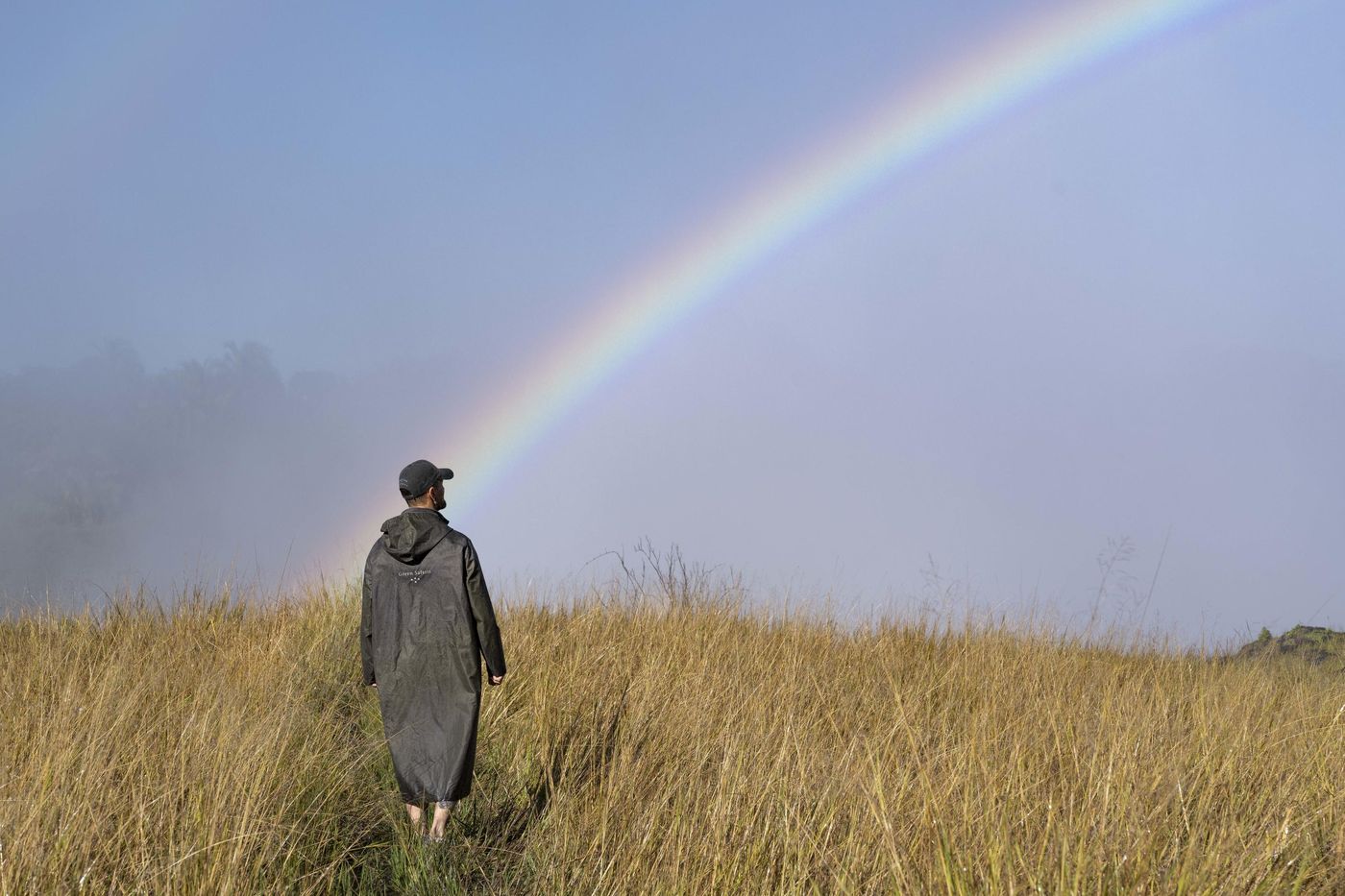
The route we feature: Barefoot luxury Kenya safari
Lewa, Samburuland and the Maasai Mara, every stop in a conservancy. From $16,000 per person, as published on Extraordinary Journeys’ Barefoot luxury Kenya safari page (read 17 November 2026); the page gives a suggested duration of 9 days and a day plan of 10 and lists no inclusions, so ask for both in writing. The plan below is summarised from that page.
Barefoot luxury Kenya safari
Extraordinary Journeys · from $16,000 per person
Days 1 to 3, Lewa Wildlife Conservancy, Lewa Wilderness. A family-owned bush home of nine thatched cottages; game drives for black and white rhino, walking, horseback or camel safaris; a morning at conservancy headquarters with the rangers and the anti-poaching dog unit.
Days 4 to 6, Namunyak Community Conservancy, Sarara Camp. Land stewarded by the Samburu: the Singing Wells, a hike to Mount Ololokwe, beading with local women and a guided visit to Reteti Elephant Sanctuary, the community-owned, female-run orphanage.
Days 7 to 9, Mara North Conservancy, Hemingways River Camp. Off-road drives without crowds and an afternoon with the Mara Elephant Project on human-wildlife conflict.
Day 10, Nairobi. A last game drive and the flight out.
In the company’s words: “Depart reassured that your safari is contributing to Lewa’s enduring conservation promise.” Make it yours: a Nairobi city tour, a helicopter over Lake Turkana or the Swahili coast.
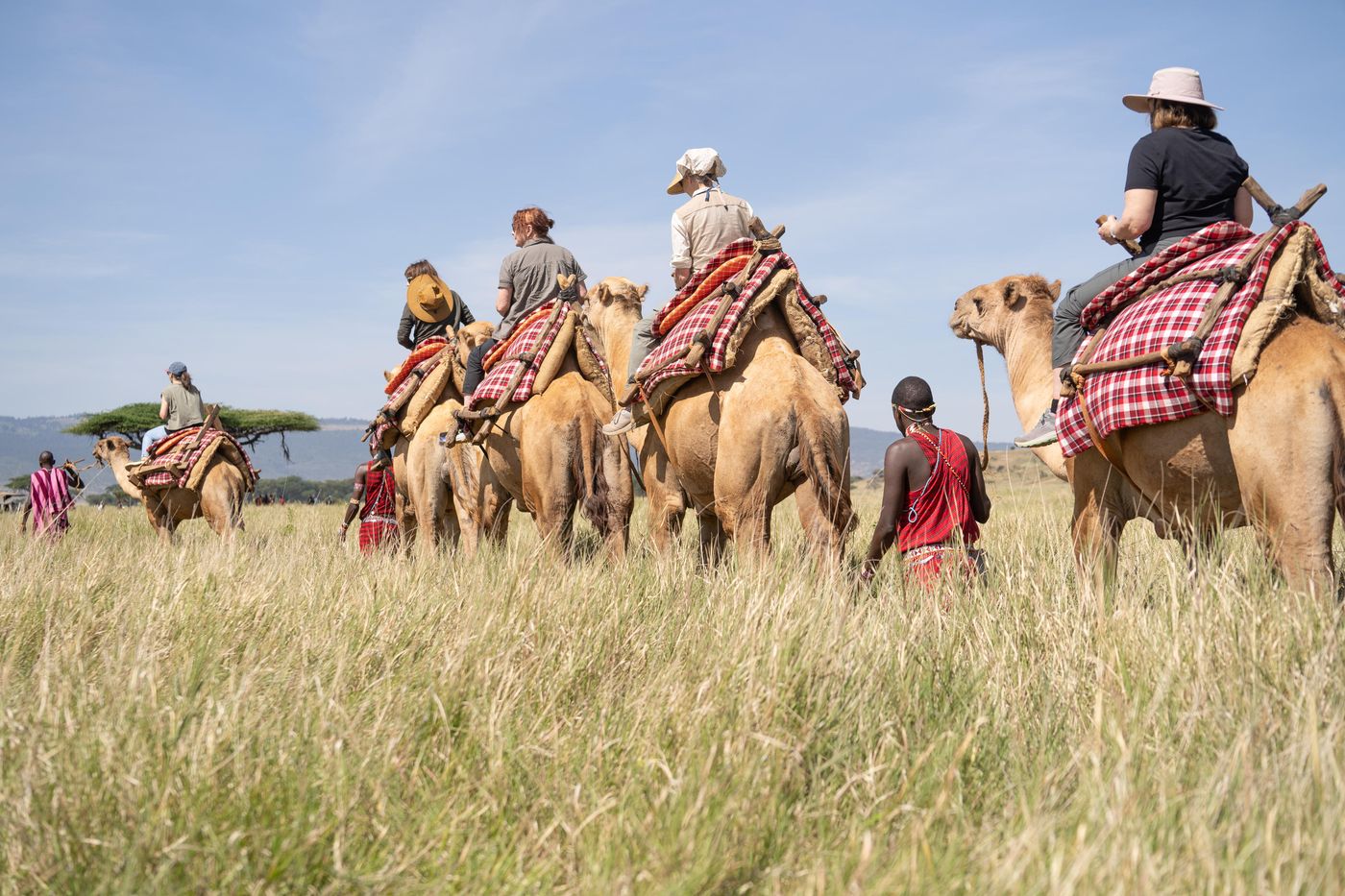
Enquire about this route. Contact Extraordinary Journeys; the company that built it will price it for your dates.
Land and people: what the specialists say
Two Extraordinary Journeys specialists answered questions in writing for our Kenya and Tanzania pages in October 2026; the answers below are the ones about land, people and private reserves, quoted as written. Elizabeth Gordon is the company’s chief executive; Pearl Jurist-Schoen its Head of Africa Sales.
Why Kenya for three generations, rather than Tanzania or southern Africa? (Elizabeth Gordon, opening of her answer)
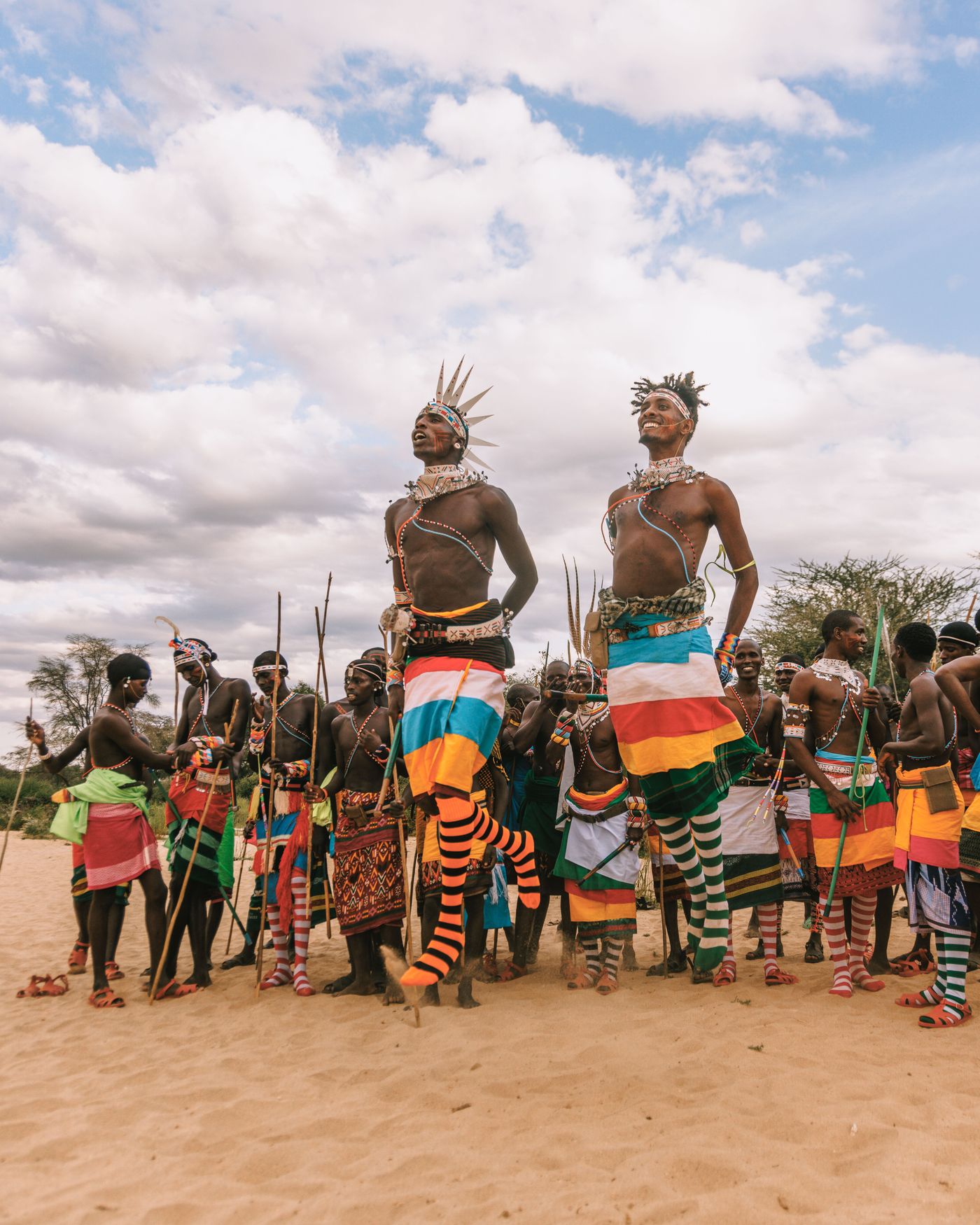
“I love Kenya for its wildlife, but just as much for its people and culture. In the private conservancies, the land belongs to the Samburu and Maasai, and spending time with them is part of the trip, from walking with Samburu guides to learning spear throwing or visiting a village.”
Elizabeth Gordon, CEO, Extraordinary Journeys, written answers to Uncompromised Travel, October 2026
What do you know that most families don’t? (Elizabeth Gordon, opening of her answer)
“What really sets Kenya apart, even more than the wildlife, is the people. One family we sent this summer told us their days at Kalepo with the Samburu guides, playing games and visiting the village and the blacksmith, were the most memorable part of the whole trip. That’s very Kenya. Many of the best camps are family homes, and in our experience the hosts are what guests talk about a year later.”
Why Mwiba and Singita Faru Faru for the Serengeti part of the trip? (Pearl Jurist-Schoen, part of her answer)
“There are very few private game reserves in the Serengeti ecosystem, and these camps are in two of them. While the migration passing through the Mwiba and Grumeti reserves is fleeting and hard to predict, the overall experience is incredible: beautiful scenery; lots of activities you can’t do in the national park (conservation, cultural, walking, and other active pursuits), and very few other visitors.”
Pearl Jurist-Schoen, Head of Africa Sales, Extraordinary Journeys, written answers to Uncompromised Travel, October 2026
Who to contact first for a conservation-led safari
For a trip that joins several conservation-led camps, start with Extraordinary Journeys; to pay a camp owner whose figures you can check, ask Natural Selection, Asilia Africa or Tswalu Kalahari; for the lowest-impact camps, Green Safaris or Time + Tide.
- Extraordinary Journeys: the Barefoot luxury Kenya safari, conservancies only, from $16,000.
- Natural Selection: 1.5% of every booking to its conservation trust, plus a nightly fee.
- Asilia Africa: US$10 a night, an electric, solar-powered camp at Emboo, B Corp through the Nawiri Group.
- Tswalu Kalahari: The Long Run’s Global Ecosphere Resort status and the deposit to conservation.
Ask each the same things: how much of your price reaches conservation or the community, who owns the land, what is certified and by whom; how the camp is powered.
Conservation-led safaris: the questions people ask
Which operators offer the best conservation-led or low-impact luxury safaris?
On what they publish, the camp owners Wilderness, Great Plains Conservation, Singita, Asilia Africa, Natural Selection and Tswalu Kalahari, with African Bush Camps, Cottar’s, Gamewatchers, Green Safaris, Time + Tide, Lewa Wilderness and Chem Chem. Extraordinary Journeys, the company this page features, is a planner whose Barefoot luxury Kenya safari stays only in conservancies. No company is scored.
Which safari camps say how much of my money goes to conservation?
Natural Selection (1.5% of every booking to its trust, plus a nightly fee), African Bush Camps (2.5% of the booking; the company adds USD 10 a night of its own), Asilia (a US$10 nightly levy), Time + Tide ($100 per person per night in Zambia), Gamewatchers ($5 a night in 2026 and conservancy fees of $130 to $150) and Tswalu (its 20% deposit).
Which safari lodges are certified sustainable?
Tswalu Kalahari (Global Ecosphere Resort) and Cottar’s (Global Ecosphere Retreat) hold The Long Run’s top status; Cottar’s and Gamewatchers’ Porini camps are Gold eco-rated by Ecotourism Kenya; Asilia is B Corp through the Nawiri Group; African Bush Camps’ Somalisa holds Gold Green Tourism; Singita’s Grumeti Air holds Carbon Smart certification. The others name none.
Which safari camps use electric vehicles?
Asilia’s Emboo Camp (a full electric fleet, 100% solar), Green Safaris (the eCruiser for “Silent Safaris” and e-boats), Lewa Wilderness (one Land Cruiser converted to electric) and Cottar’s (e-bikes).
What is a conservancy safari?
A safari on land leased from its owners, usually Maasai or Samburu communities in Kenya, where the lease and conservancy fees pay the landowners and the vehicles are limited. Gamewatchers, Cottar’s, Asilia (Naboisho) and the Samburu-run Namunyak conservancy on Extraordinary Journeys’ route work this way.
Does Extraordinary Journeys run conservation safaris?
It plans them: its Barefoot luxury Kenya safari, from $16,000 per person, stays at Lewa Wilderness, Sarara in the Namunyak Community Conservancy and Hemingways in the Mara North Conservancy, with Reteti Elephant Sanctuary and the Mara Elephant Project. Its foundation names its partners (African Parks, Cheetah Conservation Fund, Dian Fossey Gorilla Fund and others) but no amounts.
Which country is best for a conservation-led safari?
Kenya has the most conservancies among the companies here (Gamewatchers, Cottar’s, Asilia at Naboisho, Great Plains and the Lewa conservancy); Botswana and Namibia hold Wilderness’s and Natural Selection’s concessions and community joint ventures; South Africa has Tswalu’s research-led reserve.
Is a conservation-led safari more expensive?
The levies are in the price: from $5 a night (Gamewatchers’ Wildlife Habitat Trust, beside conservancy fees of $130 to $150) to $100 a night (Time + Tide in Zambia) and $300 at its Miavana, or 1.5% to 2.5% of the booking (Natural Selection, African Bush Camps). Extraordinary Journeys’ conservancy route is from $16,000 per person; its Kenya cost guide is about $1,000 per person per night.
Can a company pay to be on this page?
No. The 13 camp companies are the ones ChatGPT names on this question whose facts we hold; andBeyond is named too but its site could not be read. Extraordinary Journeys is the featured company because the page features its route and its specialists; its facts are read the same way, gaps included.
Read next
- East Africa conservation safari operators: Kenya, Tanzania and Uganda
- Great Plains vs Natural Selection: two conservation-led camp companies
- A multigenerational safari in Kenya: Kalepo and Lewa, day by day
- Extraordinary Journeys review: every fact on record
This page gives no score and no ranking. Extraordinary Journeys, whose route and specialists the page features, is the featured company; the other 13 are alphabetical. Extraordinary Journeys is a paid partner of this site; it is included by the same rule and with its facts read the same way as every other company; partners pay for labelled placement, never for how their facts read. Facts read 19 and 20 October 2026 (camp owners) and 12 October 2026 (Extraordinary Journeys) from each company’s own website; its itinerary read on 17 November 2026. Elizabeth Gordon’s and Pearl Jurist-Schoen’s answers were given in writing to this site in October 2026 and are quoted unedited. Photographs supplied by Lewa Wilderness, Kalepo Camp and Green Safaris and used with permission. How this site earns · How we work.