Valencia Day Hikes from the City 2026: The Honest Walker's Manual
One of the more under-recognised hiking gateways in Spain — within 90 minutes of the city you can reach mountain summits, dramatic coastal cliffs, river canyons, cork-oak forests and pilgrimage routes. Twelve routes, one interactive trail finder, and the honest fitness/transport reality on each.
Hiking-focused Valencia trips depend on flexible arrival timing (weather-shift days). For groups of four or more, a private charter quote into VLC → lets you land in time for a same-day afternoon trailhead start.
The trail finder
MATCHED · 20sAnswer three questions. The finder picks the trail that matches, and tells you the transport, the fitness, and where in this guide to read next.
The full trail index — sort by what matters
12 TRAILS · SORTABLETap a header to re-sort. Colour bars show terrain type — city (blue), coast (teal), Calderona (green), inland mountain (brown), sea cliffs (orange).
City and immediate-suburb walks
The Turia Gardens full traverse
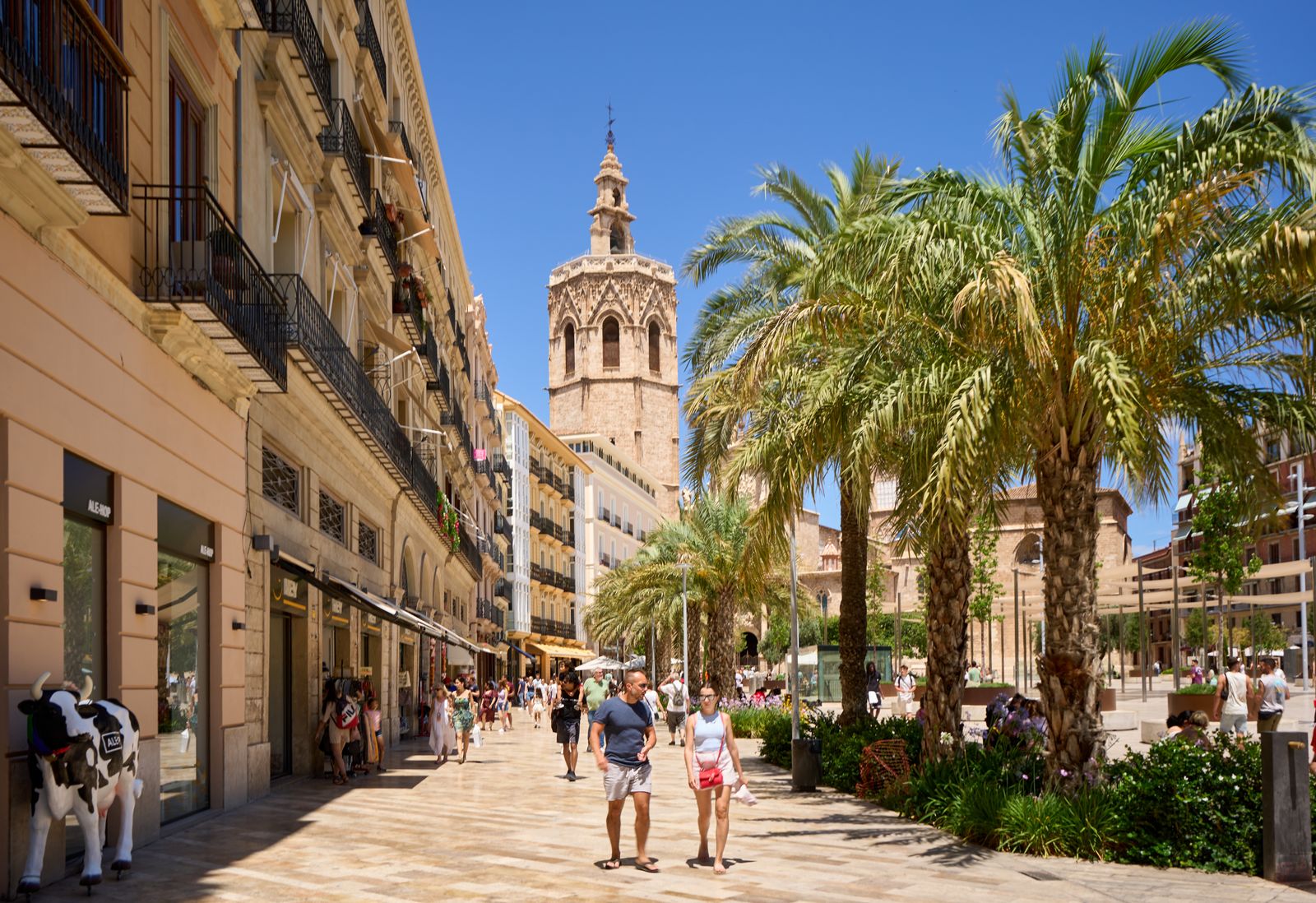
The 9 km linear park running along the old riverbed through the city centre. Walkable end-to-end in 2–2.5 hours, plus stops for the major sights along the way. Surface: paved paths and grass. Fitness: any. Best for: visitors with limited time who want walking without leaving the city, families with children, or combining with city sights. The Turia Gardens guide covers the park in detail.
The city-to-coast walk
The 6–7 km walk from the historic centre east to Cabanyal beach — mostly along the eastern Turia extension, then through Cabanyal neighbourhood streets to the sea. 1.5–2 hours. Suited to visitors combining city walking with a beach destination.
The Cabanyal to Malvarrosa coastal walk
From Cabanyal beach, walk south along the long beach to Malvarrosa beach. 4–5 km return. 1.5–2 hours. Best at morning or sunset; combine with breakfast or evening drinks at one of the beachfront restaurants.
For visitors who want context on the city routes without committing to a guided tour, GetYourGuide's Valencia self-guided audio experiences start from around €15 per person — download-to-phone, walk at your own pace. Useful specifically for the Turia Gardens traverse and the historic centre.
Albufera and El Saler coastal walks
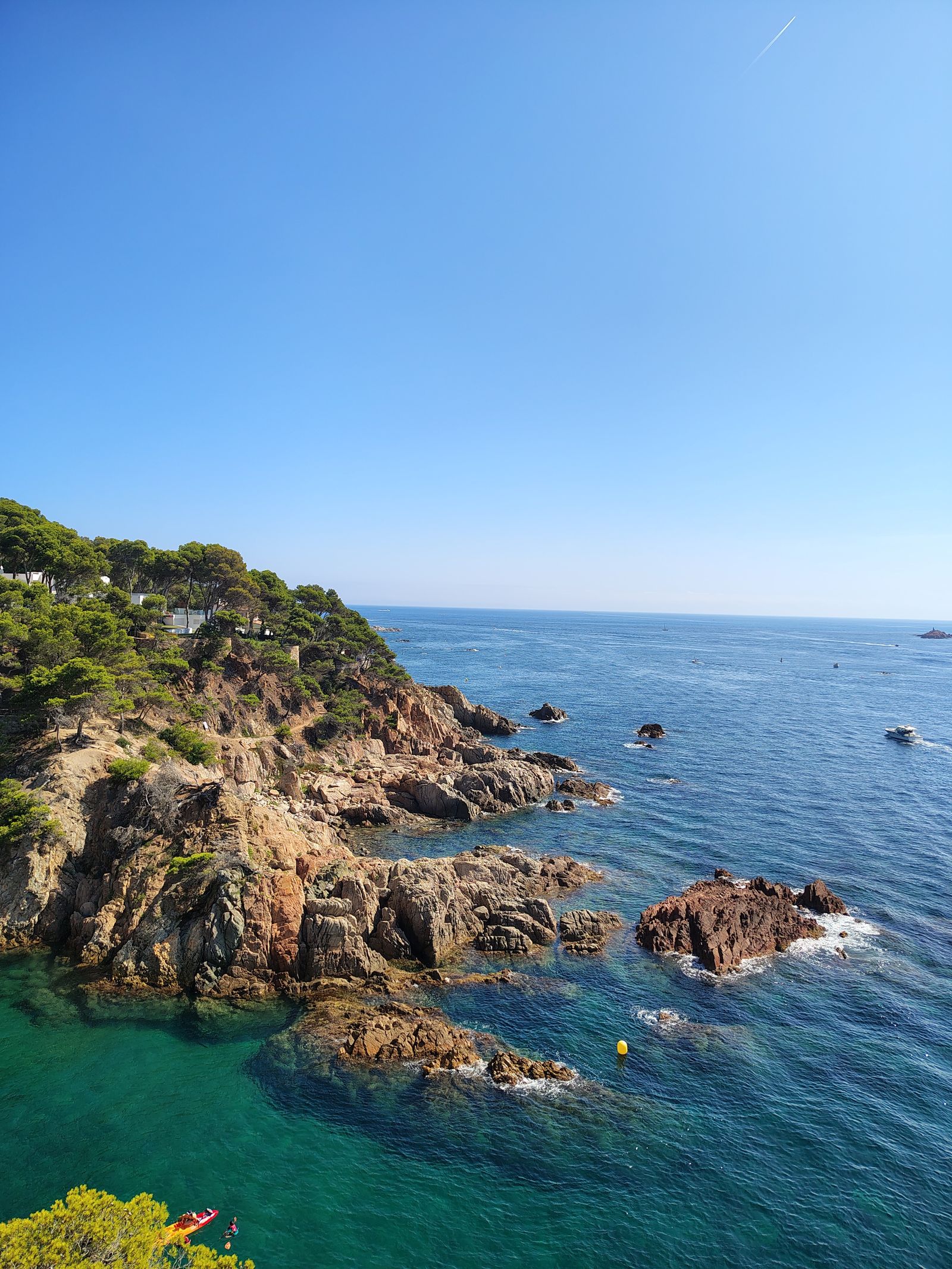
The Albufera Natural Park area south of the city offers several reliable easy-to-moderate hiking options. The Albufera day trip guide covers the wider area.
The El Saler pine forest loop
Circular walk through the pine forest behind El Saler beach. 6–8 km, 2–2.5 hours. Easy gradient on sandy and packed tracks. Best for visitors wanting nature without committing to mountain hiking. Combine with swimming at El Saler beach in summer.
The Albufera lagoon shore walk
Walking along the western shore of the Albufera lagoon, through rice paddies and traditional fishing villages. 5–8 km depending on the specific route. Best in autumn (bird migration) and winter (raptor concentration). The walk combines naturally with a traditional rice-paddy lunch at El Palmar.
The Devesa beach + dunes walk
The Devesa is the long undeveloped beach east of the Albufera. The walk combines beach sections (with the dunes inland) with shorter paths into the pine-dune ecotone. 8–10 km circular. Particularly photogenic in early morning light.
Sierra Calderona day hikes
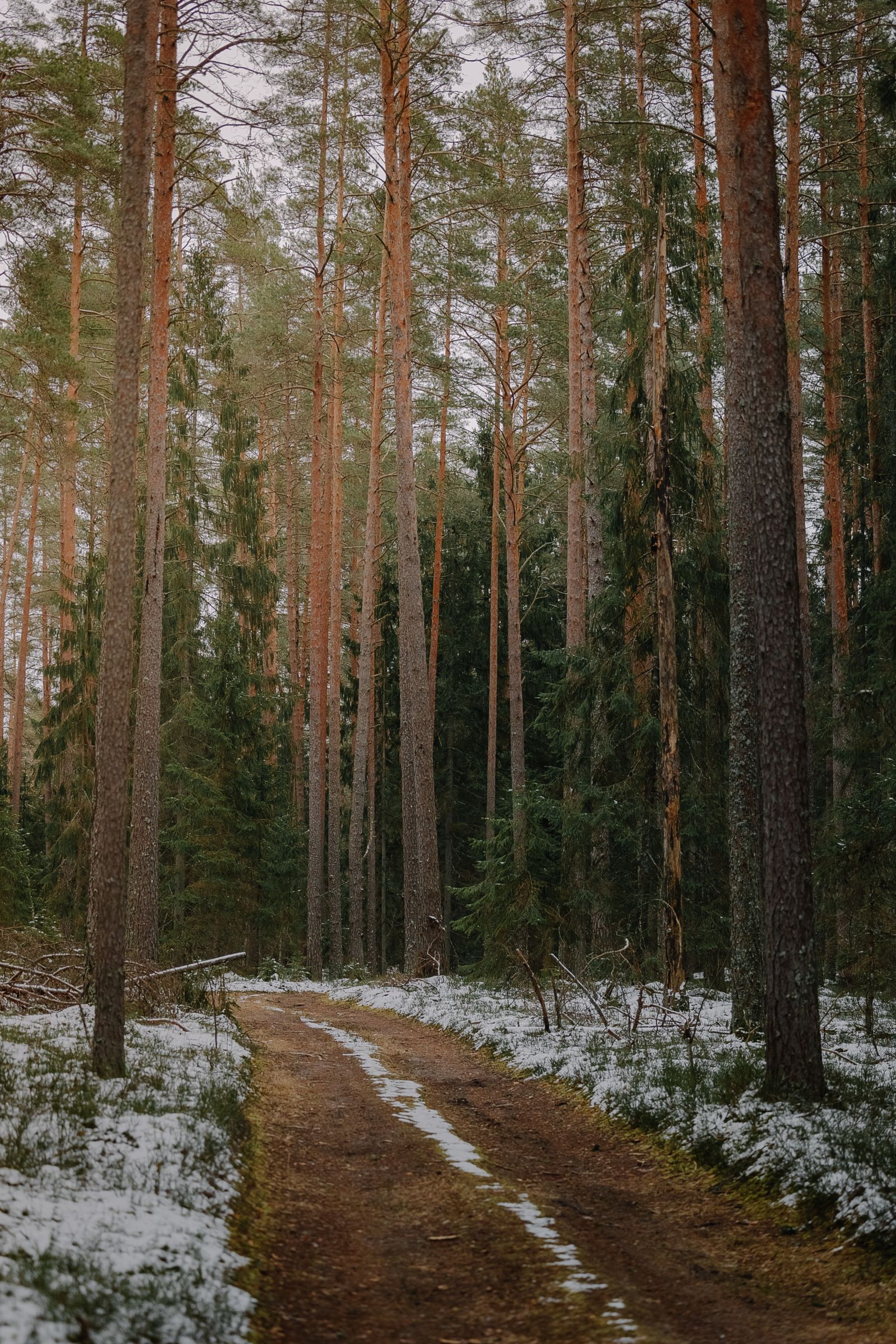
The Sierra Calderona hiking guide covers the main mountain area in detail. The 49 km-long range's highest point is El Gorgo (907 m). The headline day-hike options from Valencia:
Garbí summit (the signature)
8–10 km circular from Serra or Náquera. 3–4 hours. 601 m summit. The standard introduction to Sierra Calderona. Combines mountain views with the historic Cartuja de Porta Coeli monastery on the descent or as a side trip.
El Gorgo summit (the highest)
12–15 km circular from Marines or Gátova. 4–5 hours. The actual highest peak of the natural park at 907 m. Less crowded than Garbí because the ascent is longer.
Olocau village + castle
Shorter walk combining the village of Olocau with the medieval castle ruin above. 2–3 km, 1–1.5 hours. Suitable for any fitness level. Best combined with lunch at one of the Olocau restaurants.
Sendero del Rodeno (sandstone trail)
10–12 km through the distinctive rust-red sandstone outcrops. 3–4 hours. The most photogenic single-hike option in the park. Trailhead at Portacoeli.
Multiple operators run guided day hikes from Valencia with English-speaking guides — GetYourGuide lists Valencia hiking experiences from around €55 per person for a half-day to €140 for a full day with lunch. Meaningfully better than independent hiking for first-time visitors uncertain about navigation.
Inland mountain day hikes
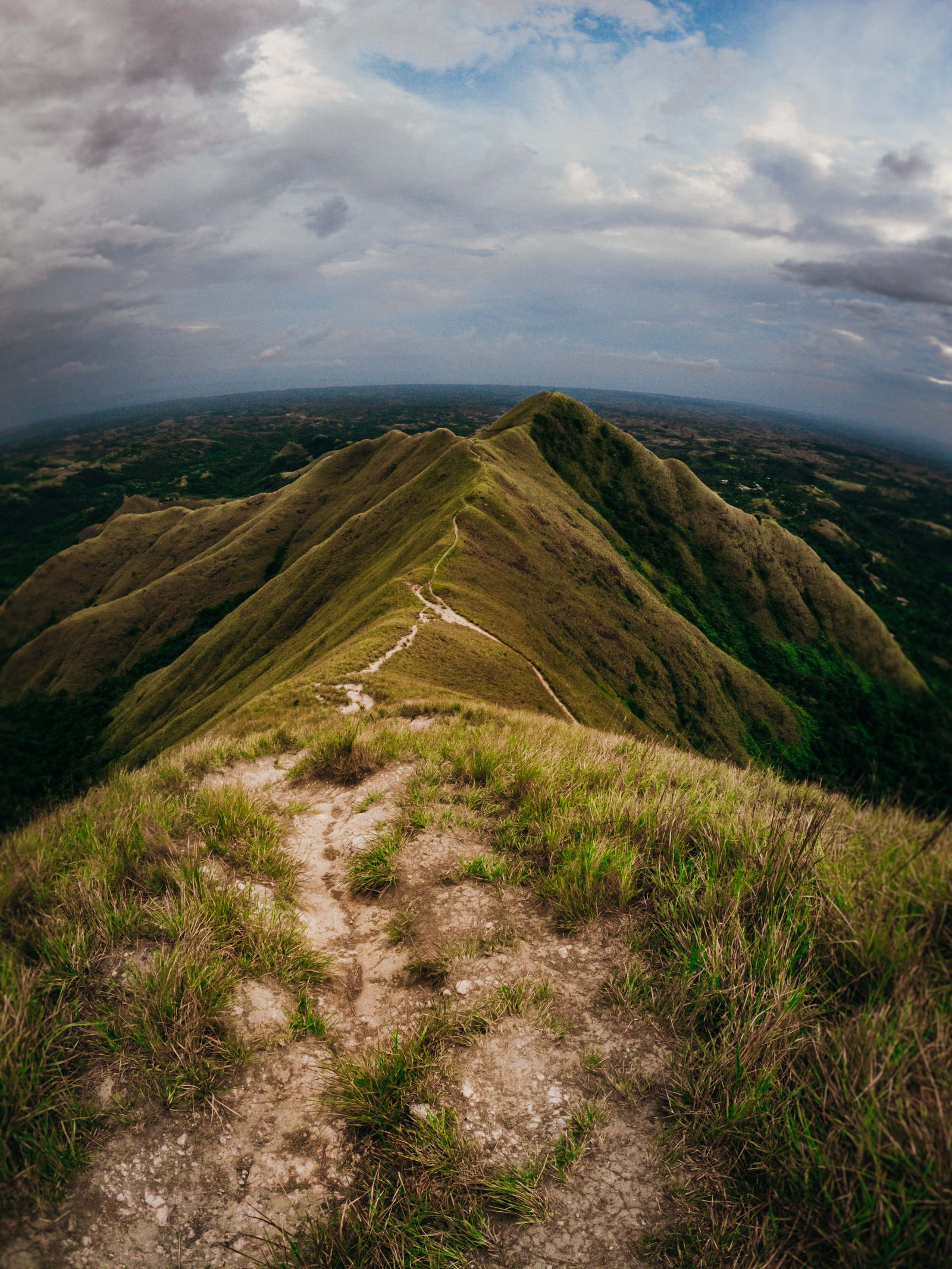
The more dramatic and more challenging inland options, 90+ minutes drive from Valencia. All require a car or guided tour; none is accessible by public transport.
Penyagolosa summit
The signature inland mountain hike. Peak at 1,813 m — the second-highest mountain in the Valencian Community and by consensus its most emblematic summit. From the pilgrimage sanctuary of Sant Joan de Penyagolosa (1,250 m), the standard route covers 14–16 km circular with 550–650 m elevation gain. 4–5 hours hiking, plus 2 hours each way drive (130 km). Long day total: 11–13 hours. Fit hikers only. The Penyagolosa hiking guide covers the route in detail.
Sierra de Espadán summit + cork-oak loop
Combines a Mount Espadán summit approach (peak ~1,099 m) with the surrounding cork-oak forest loops — one of the largest cork-oak stands in the Valencian Community. 12–14 km total, 4–5 hours hiking, plus 1.5 hours each way drive. The Sierra de Espadán guide covers the area in detail.
Hoces del Cabriel Cuchillos circuit
Day combining the Cuchillos viewpoints with the Ruta de los Cuchillos circular hike (8–10 km, 3–4 hours). 1.5 hours each way drive. Combines well with afternoon Utiel-Requena wine tasting. The Hoces del Cabriel guide covers the canyons in detail.
Coastal cliff day hikes
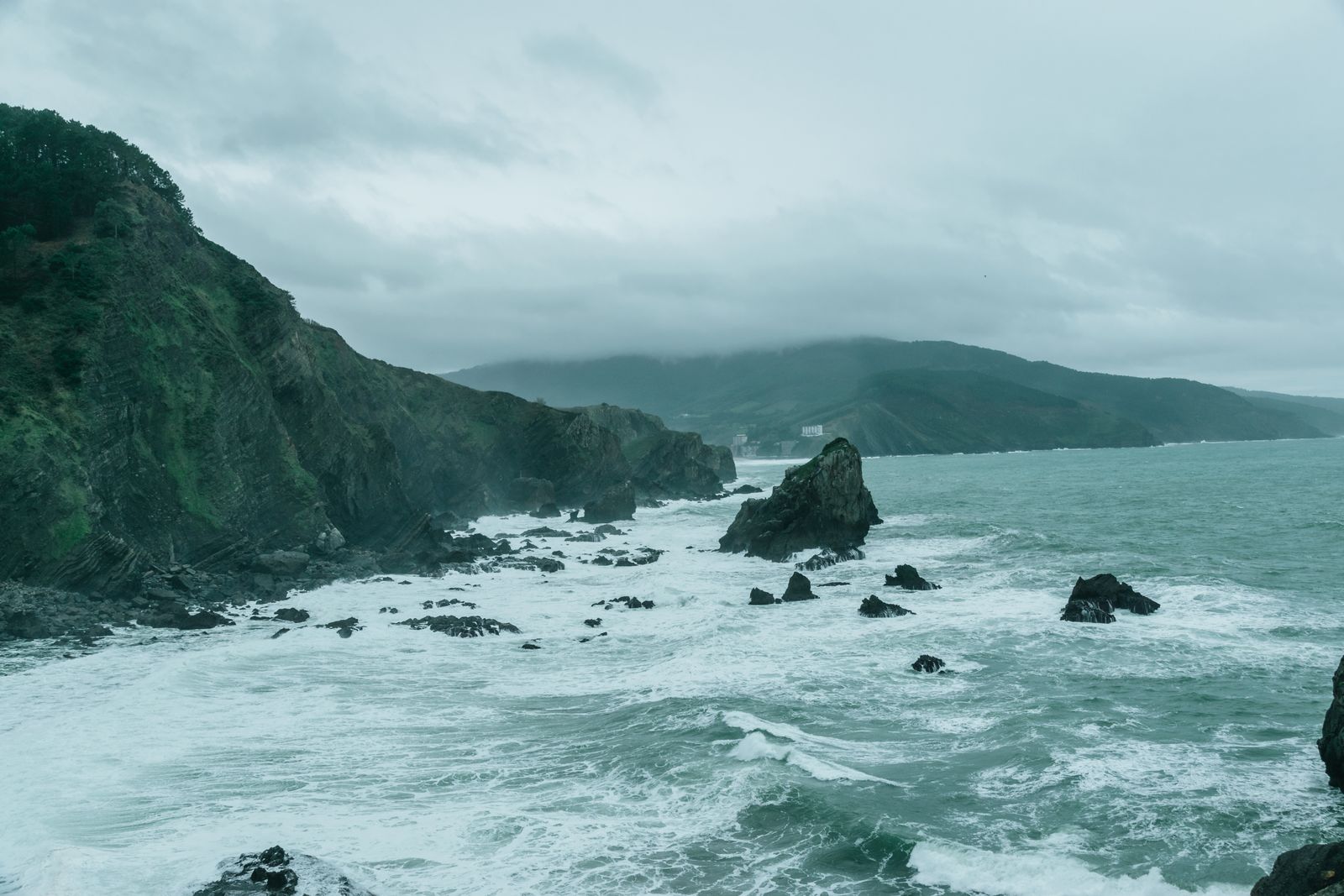
The Marina Alta coast, 95–115 km south of Valencia, offers some of the most dramatic coastal hiking in mainland Spain. The Montgó and Marina Alta hiking guide covers the area in detail.
Cap de Sant Antoni lighthouse
Short coastal walks from the lighthouse parking near Jávea. 0.5–3 km variable. Any fitness. Particularly photogenic at sunset. The easiest dramatic coastal option for visitors with limited time or fitness.
Montgó summit (Jávea)
The 753 m coastal mountain rising directly from the sea. 6–7 km return, 3–4 hours, moderate-hard. The classic Marina Alta peak experience — panoramic views over the coast, Ibiza visible on clear days.
Cap de la Nau circular
The southernmost dramatic cape, with circular walks from the lighthouse or Granadella beach. 4–8 km variable. Moderate. Spectacular sea cliffs and offshore views.
The Cap de la Nau to Portitxol traverse
The full coastal traverse with multiple coves. 12–15 km, 5–6 hours. Hard. Best in spring or autumn; not recommended in summer heat.
Transport, kit, when to start
Transport options
- Self-drive rental car — most flexible option. €40–€80 per day. Necessary for most non-city hikes.
- Guided tour groups — €50–€140 per person depending on duration and inclusions. The right choice for first-time visitors or those uncertain about route navigation.
- Public transport — limited but workable for Albufera, El Saler (bus 25), and lower Sierra Calderona (metro to Bétera).
- Private guide with transport — €200–€400 per day for groups of 2–6. The most flexible non-self-drive option.
For multi-hike trips reaching Penyagolosa, Espadán, or the Marina Alta cliffs, a rental car is essentially mandatory. GetRentACar lists Valencia airport rentals from around €40 per day, most usefully with the airport pickup lined up for morning trailhead arrivals.
Standard kit for Valencia day hikes
- Hiking boots or trainers. Boots for mountain hikes, trainers for coastal.
- 20–30 L daypack. Water, snacks, layers.
- Water: 1.5–3 L. Depending on route and season.
- Sun protection. Hat, sunglasses, sunscreen — Mediterranean sun.
- Layers. 10°C+ day/night swings, particularly on mountains.
- Lightweight rain gear. Autumn and winter insurance.
- Phone with GPS. Wikiloc, Komoot, AllTrails all cover the region well.
- Basic first-aid. Blister care, painkillers, antihistamines.
When to start
- Summer: Trailhead by 07:30; finish hiking by 13:00 to avoid afternoon heat (30–38°C inland).
- Spring / Autumn: Trailhead by 09:30–10:30; comfortable temperatures throughout the day.
- Winter: Trailhead by 09:30–10:00; shorter daylight (sunrise ~08:00, sunset ~17:30) limits the hiking window.
For visitors not renting a car but wanting to reach specific inland trailheads, Welcome Pickups runs fixed-price regional transfers from around €60–€120 each way to the main hiking areas — Calderona, Espadán, Marina Alta. Cleaner than negotiating a taxi at 6am.
Building a hiking-focused Valencia trip
Three working patterns for hiking-focused Valencia visits:
The single-hike addition
One day allocated to hiking during a city-focused trip. Sierra Calderona Garbí summit is the standard choice — accessible, varied, and gives a real outdoor experience without committing the whole trip.
Cost: €60–€120 per person for the hike day.
Hiking-and-food weekend
Two hikes plus city food. Day 1: arrival, city food. Day 2: Calderona hike + village lunch. Day 3: Hoces del Cabriel + Bobal wine tasting or Espadán + olive oil tasting. Balanced trip.
Cost: €400–€800 per person.
Hiking-focused week
Multiple hikes covering varied terrain. 2 days central (city + Albufera), 2 days Marina Alta (Montgó + cliffs), 2 days Castellón (Penyagolosa + Espadán), 1 day Utiel-Requena (Hoces + wine).
Cost: €1,200–€2,500 per person.
For hiking-focused stays reaching beyond Valencia city — trailhead villages like Olocau, Vistabella (near Penyagolosa), Jávea — Plum Guide lists vetted regional properties from around €150 per night. Meaningfully more consistent quality than the standard holiday-let platforms for this kind of remote-village stay.
The wider context of Valencia's outdoor culture sits alongside the Valencia running routes guide (for road and trail running), the Valencia mountain biking guide (for the MTB scene), and the Camino de Santiago de Levante guide (for the pilgrimage walking tradition).
Valencia in 2026 is one of the most under-recognised hiking gateways in Spain — comparable in option-density to better-known cities like Granada or Bilbao, but still without the international hiking-tourism profile those destinations have developed. For visitors combining Valencia's famous city food and beach culture with serious outdoor experiences, the regional hiking rewards the trip.
Frequently asked questions
What's the best day hike from Valencia city?
Depends on what you're looking for. For the easiest accessible mountain experience: the Garbí summit in Sierra Calderona (45–60 minutes by car, 8–10 km hike, 3–4 hours total). For the dramatic coastal cliffs: the Cap de Sant Antoni and Montgó area (95 km drive, multiple route options). For the easy nature experience: the Albufera and El Saler coastal walks (15–20 minutes from the city). For the most-iconic mountain experience: Penyagolosa (2 hours drive, but a serious mountain summit). For first-time visitors with a single hike in the trip, the Sierra Calderona Garbí summit is the right introduction — accessible, varied, and gives a real mountain experience.
Can I hike near Valencia without a car?
Yes, for a limited range of options. The Turia Gardens (within the city) accommodates the easiest walks. The Albufera and El Saler can be reached by bus 25 (around 30 minutes from the city centre). Bétera (southern edge of Sierra Calderona) is accessible by metro line 1 — from there, taxis or further buses reach the closer trailheads. Most other hiking options require a car (rental from €40/day) or guided tour (€50–€100 per person). For car-free visitors, the practical hiking options are: Turia Gardens walks, El Saler pine forest, Albufera shore walks, and the lower Sierra Calderona routes from Bétera. The more dramatic destinations (Penyagolosa, Hoces del Cabriel, Montgó) require own transport or guided tours.
What fitness level do I need for the Valencia day hikes?
Variable based on the choice. Easy (suitable for any fitness): Turia Gardens walks, Albufera coastal walks, Cap de Sant Antoni lighthouse walks. Around 2–5 km on flat or gently rolling terrain. Moderate (regular walker fitness): Sierra Calderona main routes (Garbí summit, etc.), Hoces del Cabriel Cuchillos viewpoint walk, Cap de la Nau Granadella circular. 6–10 km with moderate elevation gain. Hard (regular hiker fitness): Penyagolosa summit, Montgó summit, full Cap de la Nau coastal traverse. 12–16 km with significant elevation gain. Visitors of any fitness can find appropriate options; honest self-assessment matters.
When is the best time of year for hiking near Valencia?
October to May for most options. Spring (March–May) is the strongest single window for most hikes — wildflowers, mild temperatures, longer daylight, lower crowds. Autumn (September–November) is the second strongest, particularly for the inland routes. Summer (June–August) requires early-morning starts due to heat (30–38°C inland); the coastal Marina Alta routes remain comfortable due to sea breezes. Winter (December–February) is mild for the lower elevation routes (Albufera, El Saler, lower Sierra Calderona) but the higher peaks (Penyagolosa) can have snow and ice requiring winter mountaineering equipment. The single best window across all hike types: late April.
Can I combine a day hike with food or wine in Valencia?
Yes — most day-hike options combine naturally with food or wine experiences. Sierra Calderona pairs with traditional inland village restaurants (Olocau, Náquera, Serra). Hoces del Cabriel combines naturally with Bobal wine tasting in Utiel-Requena. Montgó and Marina Alta combine with the Marina Alta sweet wines. Sierra de Espadán combines with olive oil tasting. Albufera combines naturally with the rice-paddy lunch tradition at El Palmar. The standard pattern: morning hike (3–5 hours), village lunch (1.5–2 hours), afternoon food/wine activity (1–3 hours), return to Valencia. Full days but well-paced.
Are there guided hiking groups in Valencia?
Yes — multiple operators run guided day hikes with English-speaking guides. Cost: €40–€90 per person for a half-day guided hike with transport; €70–€140 per person for a full-day guided experience. The main operators include the Valencia Mountain Enthusiasts (regular weekend group hikes for resident expats and visitors), several adventure-tour companies running scheduled day tours, and private guides for bespoke experiences. For first-time visitors uncertain about navigation or unfamiliar with the trails, the guided option is meaningfully better than independent hiking. Group sizes typically 6–12 hikers.
How is Penyagolosa different from the other Valencia hikes?
Penyagolosa (1,813 m) is the emblematic mountain of the Valencian Community and by far the highest peak covered in this guide — an entirely different scale from anything else. Sierra Calderona tops out at El Gorgo (907 m); Sierra de Espadán at around 1,099 m; Montgó on the coast at 753 m. Penyagolosa is a serious mountain summit reached from the pilgrimage sanctuary of Sant Joan de Penyagolosa at 1,250 m, involving 550–650 m of climbing on the standard route. It requires a full day (2 hours drive each way, 4–5 hours hiking) and honest hiker fitness. It is the one hike in this guide that gives a genuine high-mountain experience rather than a hill walk.
Outdoor-focused trips reward flexible arrivals
Weather-shifted hike days need arrival-time flexibility that commercial flights struggle with. Valencia Airport handles light and mid-size jets with a 20-minute FBO transfer to the city — landing at 08:30 puts a group at a Calderona trailhead by 10:30 the same morning.
Get a charter quote for the hike week →