Sierra de Espadán Natural Park Guide 2026: The Honest Walker's Manual
The Sierra de Espadán Natural Park is one of the most under-visited treasures of the Valencian Community — 31,000 hectares of cork-oak forest, sandstone gorges, historic Moorish villages and the inland Mediterranean mountains that produce some of Spain's most distinctive olive oils. The honest 2026 guide to the park — hiking trails, the cork-oak ecology, the villages worth visiting, and how to make a 1-3 day trip work.
Quiet mountain trips off the tourist circuit
The Sierra de Espadán is one of Spain's genuinely under-discovered natural parks — meaning quiet trails but also limited tourism infrastructure. For groups looking for an off-the-circuit mountain experience with the right comfort, flexibility on arrival timing matters. Valencia Airport (VLC) handles light and mid-size jets directly with FBO transfer in 20 minutes. JetLuxe quotes the common European city pairs in 90 seconds.
Search Charter Flights →Sierra de Espadán in context
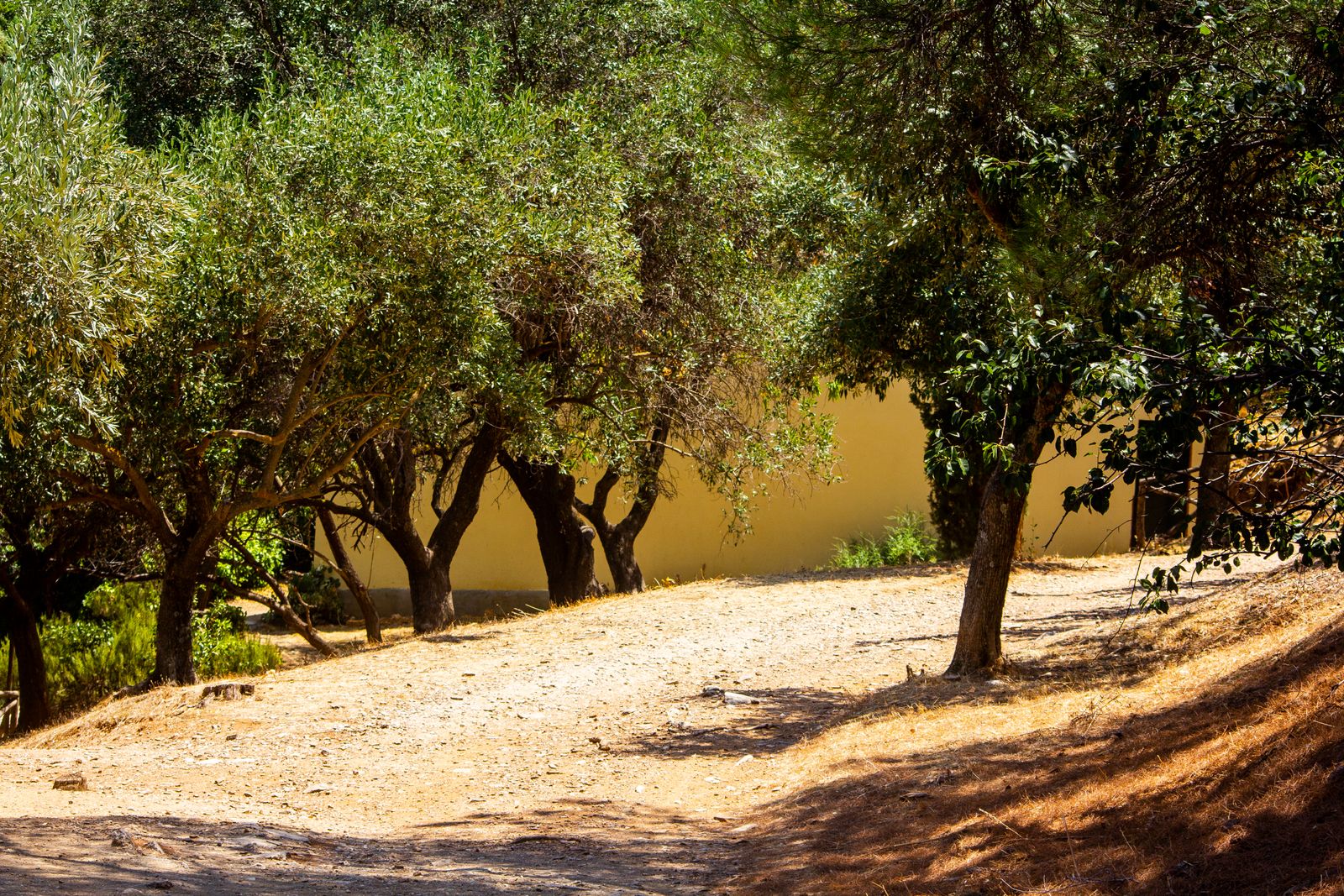
The Sierra de Espadán is one of Spain's genuinely under-visited natural parks — preserving a unique combination of cork-oak ecology, Moorish village heritage, and inland Mediterranean mountain landscape that few visitors discover. The defining facts:
- Location: Southern Castellón province, roughly between Segorbe (west) and Vall d'Uixó (east). 60-90 minutes drive north of Valencia city.
- Park area: Approximately 31,000 hectares of protected territory.
- Declaration: Designated as a Natural Park (Parc Natural de la Serra d'Espadà) in 1998.
- Elevation range: 300 m (lower valleys) to 1,099 m (Mount Espadán summit).
- Geological character: Distinctive red sandstone (rodeno) outcrops, similar to the Sierra Calderona but more dramatic and on a larger scale.
- Vegetation: Cork-oak forest (alcornocal), Mediterranean pine forest, holm oak, and Mediterranean scrub. The cork oak is the signature species.
- Historic settlements: 19 municipalities within or adjacent to the park, including several historic Moorish-origin villages.
- Economic activity: Traditional cork harvesting, olive oil production, rural tourism, and limited livestock.
The park's under-visited status reflects its inland geography (away from the famous Valencian coast), the lack of major individual landmarks, and the genuinely rural character of the villages — features that for some visitors are exactly the appeal. Sierra de Espadán is the right choice for travellers wanting Spanish mountain culture without the tourist polish of the Sierra Nevada or the crowds of the Cantabrian mountains.
The cork-oak forests — Europe's easternmost
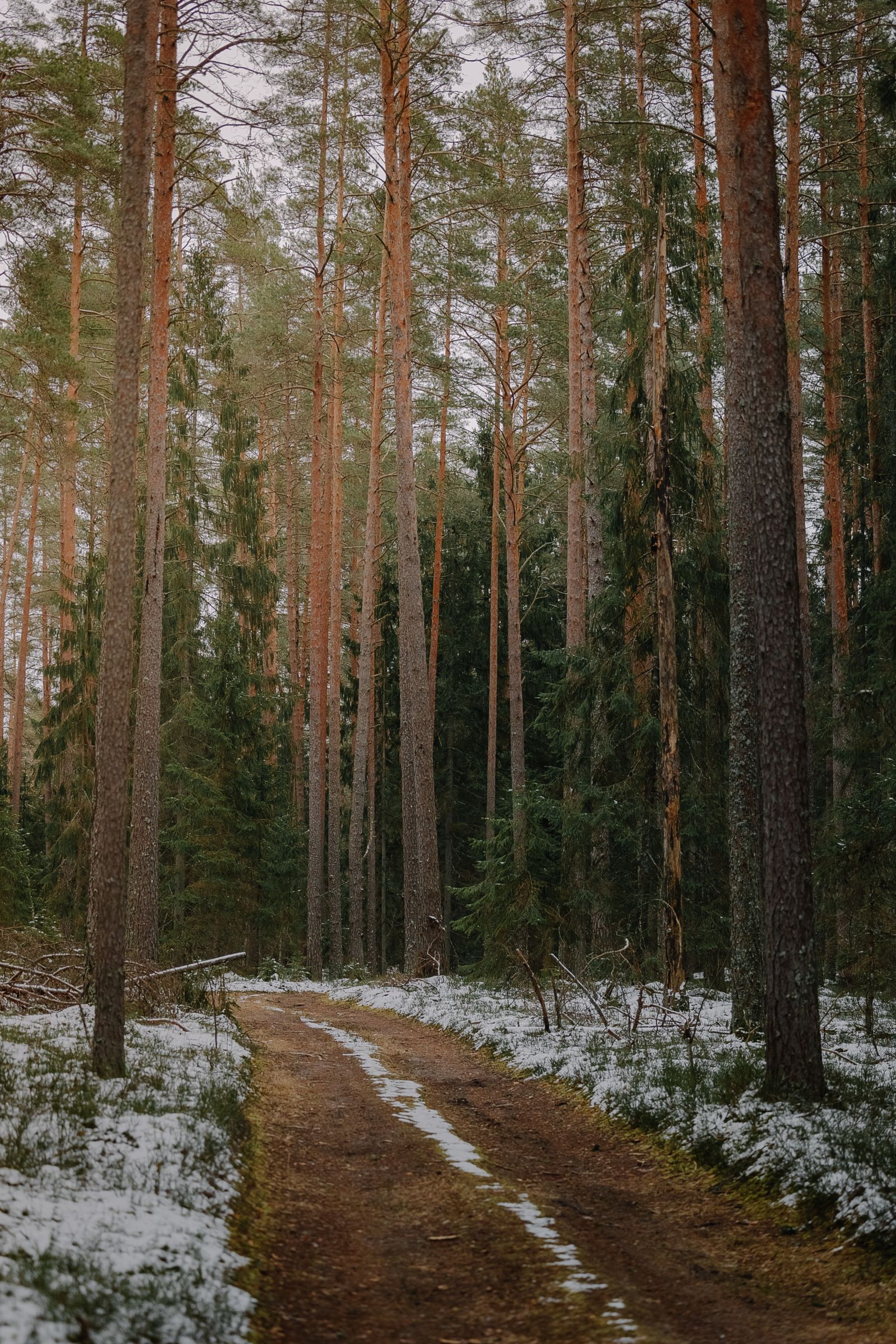
The cork-oak ecology is the Sierra de Espadán's most-distinctive ecological feature. Cork oak (Quercus suber) is more typically associated with Portugal, southwest Spain (Extremadura, Andalusia), and Morocco — the Sierra de Espadán populations are among the easternmost in Europe.
The cork-oak tree
- Tree characteristics: Evergreen oak, growing to 15-20 m tall, with the distinctive thick corky bark.
- Bark harvest: The bark is harvested every 9-12 years (when sufficiently regrown), traditionally in summer. The harvest leaves the trunk a deep red-orange colour for several weeks before greying.
- Commercial use: Cork remains an important commercial product — wine bottle stoppers, insulation, flooring, fashion. Sierra de Espadán cork supplies regional and some national markets.
- Ecological importance: Cork-oak forests support distinctive biodiversity — specific bird species (Bonelli's eagle, eagle owl, Egyptian vulture), small mammals, and Mediterranean wildflowers.
Walking through the cork-oak forests
The forest experience is distinctive — the partially-stripped trunks create a visual signature that other Mediterranean forests don't have. Best months for observation: April-June (after winter rains, full leaf, before summer drought) and September-November (autumn colour transitions). The harvest period varies; if visiting during a harvest year, you may see the harvest in progress (typically June-August) — workers carefully stripping the bark with axes, leaving the inner wood undamaged.
The cork-oak trails
Several trails specifically traverse the cork-oak forests:
- Eslida cork-oak loop — 6-8 km circular through the heart of the cork forests around Eslida village. Easy-moderate gradient.
- Ahín to Aín forest traverse — 8-10 km point-to-point through varied cork-oak terrain. Best done with one car at each village.
- The Cork Heritage Trail — interpreted trail with information panels about the cork-oak ecology and the traditional harvest. Suitable for families.
The Moorish mountain villages
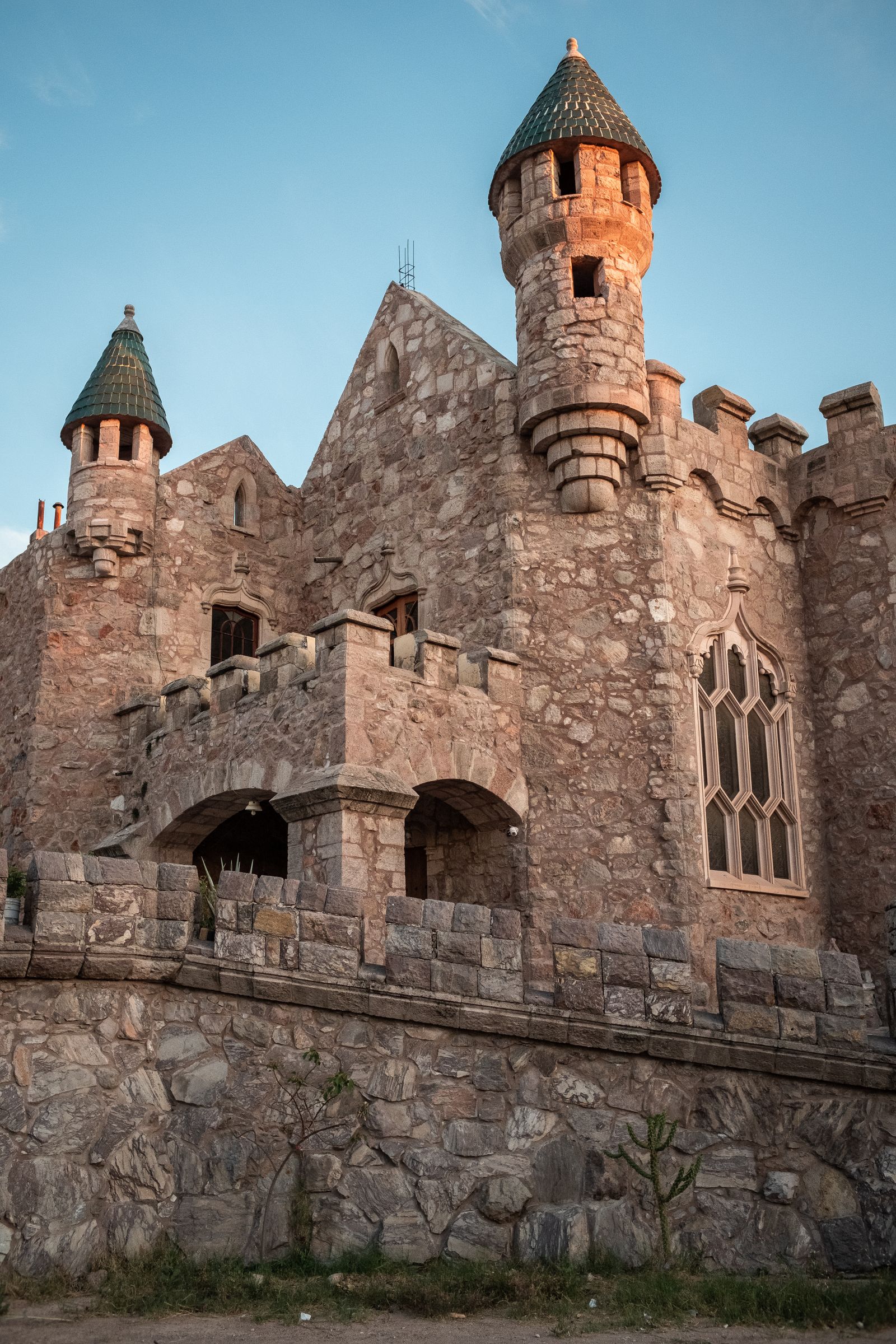
The historic villages within and around the Sierra de Espadán retain a meaningfully Moorish character from the pre-Reconquista period (before the 13th century Christian conquest). The signature villages:
Eslida
The largest village in the park (around 850 residents), serving as the natural base for visitors. Historic Moorish-origin street plan with narrow winding streets, whitewashed houses, terraced fields rising up the surrounding hillsides. Several small restaurants, a small hotel, and the strongest accommodation options in the park. Worth a full afternoon's exploration; combine with the cork-oak loop hike.
Ahín
Smaller village (around 130 residents) higher in the mountains. Particularly intact Moorish-origin layout with terraced gardens on steep slopes. Small chapel, traditional lavadero (wash-house). One small rural-tourism inn and a single restaurant.
Aín
Another small mountain village (around 120 residents). Higher altitude than Eslida and Ahín — at around 600 m elevation. Strong starting point for Mount Espadán summit hikes. Small chapel and traditional houses.
Vall de Almonacid
Slightly larger village (around 380 residents) on the southern edge of the park. Home to the Cooperativa Olis de la Vall — the regional olive oil cooperative that produces the Sierra de Espadán's premium olive oil from the indigenous Serrana de Espadán variety. The Valencia olive oil guide covers the cooperative in detail. Worth combining olive oil tasting with the village walk.
Other smaller villages
- Alcudia de Veo — small village with a particularly preserved Moorish-origin layout.
- Algimia de Almonacid — agricultural village with traditional terraced olive groves.
- Veo — tiny village (less than 100 residents) with a single restaurant and exceptional rural character.
- Pavías — small village on the western edge of the park.
What the Moorish heritage looks like in 2026
The Moorish heritage of the Sierra de Espadán villages is preserved in structural and place-naming ways rather than in obvious monuments. What visitors notice:
- Street layouts — narrow, winding, organically organised rather than the grid layouts of Christian-founded Spanish villages.
- Whitewashed houses — the building tradition has medieval Moorish roots.
- Terraced agriculture — the surrounding hillsides show centuries-old terrace walls, traditional irrigation channels (acequias), and small allotment systems.
- Place names — village and feature names beginning with 'Al-' (Alcudia, Almonacid), 'Ben-', 'Albuf-' and similar Moorish-origin prefixes.
- Traditional architecture — small chapels (often built on earlier mosque foundations after the Reconquista), traditional lavaderos, restored Moorish-era water cisterns.
The hiking trails worth knowing
Mount Espadán summit (1,099 m)
The classic Sierra de Espadán hike. Start at Aín or Algimia de Almonacid, ascend through cork-oak forest to the summit. Total 8-10 km circular with 500 m elevation gain. 3-4 hours at moderate pace. The summit gives panoramic views across the park and toward the Mediterranean coast.
The cork-oak loop from Eslida
Shorter, easier circular hike through the cork-oak forests around Eslida. 6-8 km with 250 m elevation gain. 2-3 hours. Ideal first hike for visitors wanting to experience the cork-oak environment without committing to a full mountain ascent.
Barranco de la Caridad
Spectacular sandstone gorge walk near Eslida. 4-6 km return into the gorge and back. Easy gradient but with some rocky sections. The cliff walls have distinctive red sandstone with cork-oak forest above. 1.5-2 hours.
Barranco del Carbón
Another sandstone gorge walk, in the central Sierra de Espadán. Similar character to the Caridad but quieter. 5-7 km return. 2-3 hours.
The GR-36 traverse (multi-day)
The Gran Recorrido long-distance trail traverses the full length of the Sierra de Espadán ridge. The park section is approximately 35-40 km, taking 2-3 days at standard hiking pace. Overnight accommodation at village inns in Eslida, Ahín and other small villages along the route.
Pico Pina (Vall de Almonacid area)
Day hike from Vall de Almonacid to the Pico Pina viewpoint. 8-10 km circular with 400 m climb. Combines well with an olive oil tasting at the village cooperative.
| Trail | Distance | Time | Difficulty | Best for |
|---|---|---|---|---|
| Mount Espadán summit | 8-10 km | 3-4 hrs | Moderate | Classic peak experience |
| Cork-oak loop (Eslida) | 6-8 km | 2-3 hrs | Easy-moderate | First-time visitors |
| Barranco de la Caridad | 4-6 km | 1.5-2 hrs | Easy | Short walks, scenery |
| Barranco del Carbón | 5-7 km | 2-3 hrs | Easy-moderate | Quieter alternative |
| Pico Pina | 8-10 km | 3-4 hrs | Moderate | Combined with olive oil tasting |
| GR-36 traverse | 35-40 km | 2-3 days | Moderate-hard | Multi-day experience |
Off-circuit mountain weekends with kit
Off-the-tourist-circuit mountain trips — like a Sierra de Espadán weekend — work best when arrival timing accommodates the rural village logistics (small inns, limited late-arrival service, restaurant hours that fit Spanish rural schedules). Valencia Airport (VLC) handles light and mid-size jets directly with FBO transfer to the city in 20 minutes, with onward driving to the park. JetLuxe quotes the common European city pairs in 90 seconds — useful for groups wanting timing flexibility on a 3-4 day mountain trip.
Search Charter Flights →Connection to the regional olive oil
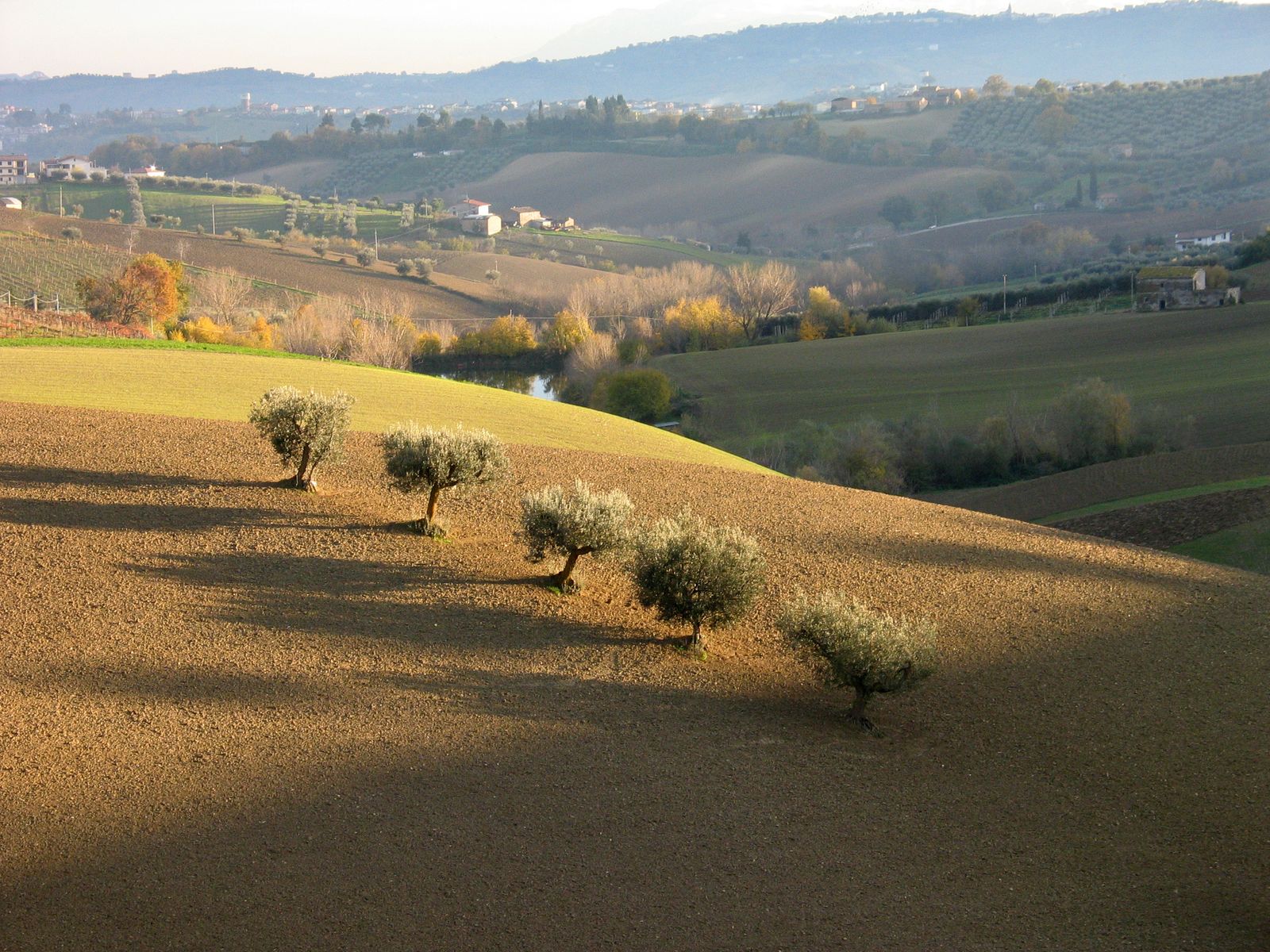
The Sierra de Espadán is the heartland of the Valencia regional olive oil tradition. The indigenous Serrana de Espadán olive variety is grown almost exclusively in the park villages and surrounding terraces, producing the most distinctive olive oils in the DO Aceite Comunitat Valenciana.
The olive harvest season
Olive harvest in the Sierra de Espadán runs November to January, with peak picking in November-December. The almazaras (olive mills) in the park villages operate extended hours during the active harvest, processing fresh-picked olives within 12-24 hours of arrival. Visiting during the active harvest gives meaningfully more interesting almazara visits than off-season tours.
Olive oil tasting opportunities
- Cooperativa Olis de la Vall (Vall de Almonacid) — the largest cooperative in the park, with regular tours and tastings. €15-€25 per person for a 90-minute visit with tasting of 4-6 oils.
- Smaller producers in Eslida, Ahín and other villages — by-appointment visits to family farms and small almazaras.
- Village shops — most park villages have small shops selling local olive oil, cork products, and other regional products.
The combination — hike plus olive oil
The most-rewarding day in the Sierra de Espadán for many visitors: morning hike (one of the moderate routes), village lunch (traditional Castellón mountain cuisine including grilled lamb, regional stews, lots of olive oil on bread), afternoon olive oil tasting at a cooperative. The combination creates a sensory link between the landscape (the olive groves visible on the hike) and the product (the oil tasted afterwards).
Getting there, accommodation, supplies
Getting to the park
By car from Valencia city:
- To Eslida (the main base): 85 km, 1 hour 15 minutes via the A-7 north and the CV-225.
- To Vall de Almonacid: 75 km, 1 hour 5 minutes via the A-23.
- To Ahín: 90 km, 1 hour 20 minutes (smaller mountain roads).
- To Aín: 95 km, 1 hour 30 minutes.
The mountain roads within the park are smaller and slower than the approach motorways. Allow time for the final 15-30 km of mountain driving.
Accommodation
The Sierra de Espadán has limited but functional accommodation:
- Casa rural (rural-tourism inn) options — small 4-12 room properties in Eslida, Ahín, Vall de Almonacid, and several smaller villages. €70-€150 per night double room.
- Boutique mountain hotels — a few small upmarket properties at the higher end of the price range. €120-€200 per night.
- Camping options — limited; one small campsite near Eslida and several wild-camping options for experienced hikers.
- Refugios — small mountain refuges available on the multi-day GR-36 route.
For weekend trips, book accommodation 4-6 weeks ahead — supply is genuinely limited.
Restaurants and food
Each village has 1-3 small restaurants serving traditional inland Castellón cuisine. Typical menu: grilled lamb chops (chuletillas de cordero), regional stews (olla churra, cocido), fresh bread, abundant olive oil. Prices €18-€30 per person for a full lunch. Reservations recommended for weekend lunch, especially in October-November when the autumn tourism is at peak.
Supplies and shops
Each village has a small grocery shop with basics. The larger villages (Eslida, Vall de Almonacid) have multiple shops. For specialised gear or substantial supplies, buy in Valencia before driving up.
When to visit
Sierra de Espadán seasonal patterns:
- Spring (March-May) — strongest window. Wildflowers, mild temperatures, the cork-oak forest at its freshest.
- Summer (June-September) — hot at lower elevations (32-38°C in the valleys); the higher elevations are workable. Cork-oak harvest may be in progress June-August. Start hikes by 07:00 in summer.
- Autumn (October-November) — the strongest food-tourism window. Olive harvest starts, cork-oak forest with autumn colour transitions, mild temperatures, low crowds.
- Winter (December-February) — mild at lower elevations, possible snow at the higher peaks. Mount Espadán summit can be snow-covered in cold years. Lower-elevation walks and village exploration remain rewarding.
The single best month: late October. Olive harvest active, cork-oak forest in transition colour, mild temperatures, restaurant kitchens at their busiest with traditional autumn cuisine.
Planning a Sierra de Espadán trip
Three working patterns:
The day trip from Valencia
09:00 departure, drive to Eslida by 10:30, hike one moderate route (3-4 hours including lunch), village walk and olive oil tasting at Vall de Almonacid (16:00-17:30), return to Valencia by 19:30. Total day 10-11 hours. Cost €60-€120 per person for car, lunch, tasting and incidentals.
The weekend (2 nights)
Stay 2 nights at Eslida or Ahín. Saturday morning hike (Mount Espadán summit), Saturday afternoon village exploration, Sunday morning cork-oak loop, Sunday afternoon olive oil tasting and lunch, return to Valencia Sunday evening. Suited to outdoor-focused weekend trips. Total cost €350-€600 per person depending on accommodation and meals.
The multi-day GR-36 traverse
2-3 days walking the full GR-36 through the park, staying at small village inns each night. Around 35-40 km of walking total. Suited to experienced multi-day hikers. Total cost €250-€500 per person depending on accommodation level chosen.
The wider context of Valencian mountain experiences sits alongside the Sierra Calderona hiking guide (the closer, more-visited park) and the Penyagolosa hiking guide (the more dramatic summit experience). The Valencia olive oil guide covers the regional food story that connects naturally to the Sierra de Espadán landscape.
The Sierra de Espadán in 2026 remains one of the genuinely under-discovered natural parks in Spain — quiet trails, intact Moorish village heritage, distinctive cork-oak ecology, premium olive oil production, and a strong sense of authentic rural Spanish mountain culture. For visitors willing to look past the obvious headline destinations, the trip rewards the trip's commitment.
Common questions
The Sierra de Espadán is a mountain range and Natural Park in southern Castellón province, roughly between the towns of Segorbe (west) and Vall d'Uixó (east). The park covers around 31,000 hectares of protected territory, declared a Natural Park (Parc Natural de la Serra d'Espadà) in 1998. The mountain range runs roughly east-west, with elevation ranging from 300 m in the lower valleys to the highest peak Mount Espadán at 1,099 m. From Valencia city, the park is 60-90 minutes drive north via the A-7 motorway and the inland Castellón roads. The main mountain villages — Eslida, Ahín, Aín, Vall de Almonacid — are within the park boundary.
Three distinctive features. (1) The cork-oak forests — among the easternmost cork-oak (Quercus suber) populations in Europe, with the species more typically associated with Portugal and southwest Spain. The trees are commercially harvested for cork, and the forests have a distinctive look with the partially-stripped reddish trunks. (2) The historic Moorish villages — Eslida, Aín, Ahín and several smaller villages retain Moorish-origin street layouts, traditional architecture, and place names dating from the Arab period before the 13th-century Christian Reconquista. (3) The connection to the {internal('valencia-olive-oil-aoct-guide-2026', 'regional olive oil tradition')} — the indigenous Serrana de Espadán olive variety is grown exclusively here and gives the region's premium olive oils their distinctive character.
Several reliable options. (1) Mount Espadán summit (1,099 m) from Aín — 8-10 km circular with 500 m climb, the classic Sierra de Espadán hike. (2) Cork-oak forest loop from Eslida — 6-8 km circular through the heart of the cork forests, easier gradient, particularly photogenic. (3) The barranco walks — multiple short hikes along the spectacular sandstone gorges (the Barranco de la Caridad and Barranco del Carbón are the best-known). (4) The GR-36 long-distance trail traverses the full Sierra de Espadán ridge — suitable for multi-day walks of 2-4 days. The cork-oak forest loop from Eslida is the best introduction for first-time visitors; Mount Espadán summit for those wanting the classic peak experience.
Yes — for visitors interested in genuine rural Spain rather than the polished tourist circuit. Eslida, Ahín, Aín and Vall de Almonacid all preserve historic Moorish-origin village structures: narrow streets, whitewashed houses, traditional terraced fields, wash-houses (lavaderos) and small chapels. Vall de Almonacid has the {internal('valencia-olive-oil-aoct-guide-2026', 'olive oil cooperative')} worth visiting. Eslida is the largest village and the natural base for visitors. The villages have small restaurants serving traditional inland Castellón cuisine — substantial stews, grilled meats, regional sausages. Worth combining the hiking with a long lunch in one of the villages.
Yes — 60-90 minutes drive each way means a day trip is comfortable. The standard pattern: depart Valencia 08:30-09:00, arrive in the park at 10:00-10:30, hike one of the moderate trails (Mount Espadán summit or the cork-oak loop, 3-4 hours including lunch break), lunch in Eslida or Vall de Almonacid (14:00-15:30), short village walk (16:00-17:00), return to Valencia by 18:30-19:00. Total day 9-10 hours. For visitors wanting more depth, an overnight stay in Eslida or Ahín (rural-tourism accommodation €70-€150 per night) transforms the trip into a proper mountain weekend with multiple hikes and slower village exploration.
September to May is the realistic visit window. October and November are particularly rewarding — the cork-oak harvest happens in this period (when conditions allow), the olive harvest begins, and the weather is mild for hiking (15-22°C daytime). Spring (March-May) offers the strongest wildflowers and the freshest greenery. Summer (June-September) is hot at lower elevations (32-38°C in the valleys), making mid-day hiking uncomfortable; early-morning starts are required. Winter (December-February) is mild in the lower valleys but the higher elevations can have snow and ice; suitable for village exploration and shorter walks rather than the summit routes.
Sponsored · Affiliate linkQuiet mountain trips work better with FBO flexibility. JetLuxe handles private charter into Valencia (VLC).
Plan Your Arrival →