Camino de Santiago de Levante from Valencia 2026: The Honest Pilgrim's Manual
The Camino de Levante starts at Valencia Cathedral and runs west across Spain to Santiago de Compostela — around 1,200 km in 27-32 stages, crossing five autonomous communities, with fewer than 300 pilgrims walking it each year (some call it the 'Camino of Solitude'). The honest 2026 guide to one of the longest, quietest, and most-overlooked routes to Santiago — what to expect, how to plan, and whether this is the right Camino for you.
Camino arrivals and departures
Camino travellers arriving in Valencia for the start of the route — or returning from Santiago after 4-6 weeks of walking — typically arrive with heavier backpacks than commercial baggage allowances accommodate easily, and often want flexibility on the exact arrival or departure date depending on how the walk is progressing. Valencia Airport (VLC) handles light and mid-size jets directly with FBO transfer to the city in 20 minutes. JetLuxe quotes the common European city pairs in 90 seconds.
Price Your Arrival Flight →The Camino de Levante in 2026
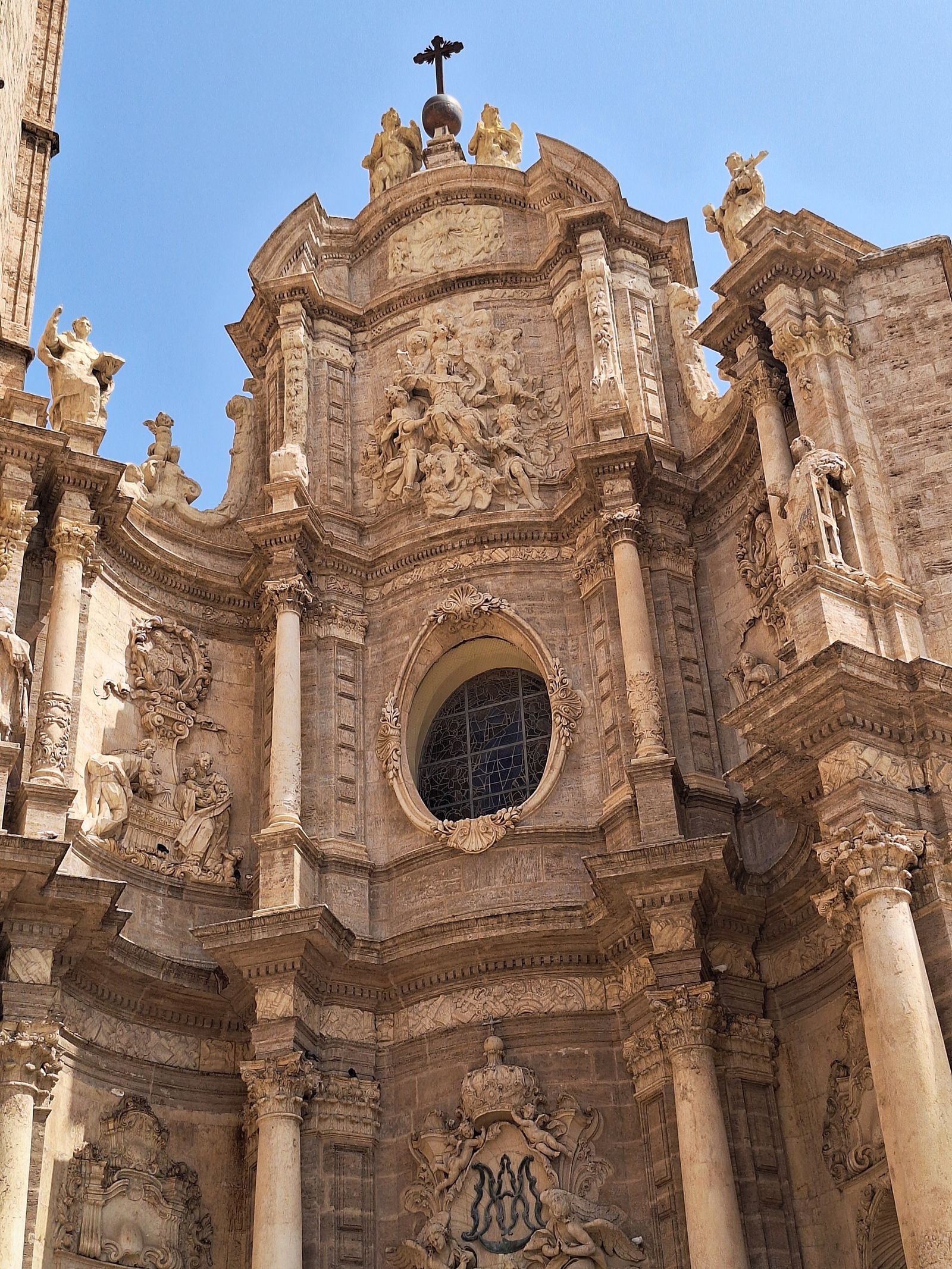
The Camino de Santiago de Levante is the official Jacobean route running from Valencia (on the Mediterranean coast) to Santiago de Compostela (in northwestern Galicia, near the Atlantic). It is one of the longest, quietest, and most-overlooked of the recognised Caminos:
- Distance: Approximately 1,200 km total, depending on the specific variant chosen.
- Typical duration: 27-32 days of walking at average pace.
- Stages: Around 27 official stages in the most-walked version.
- Autonomous communities crossed: Five — Valencia, Castilla-La Mancha, Madrid (briefly), Castilla-León, and Galicia.
- Annual pilgrims: Fewer than 300, making it one of the least-walked recognised Caminos.
- Junction with other Caminos: At Granja de Moreruela (in Zamora), the route joins the Vía de la Plata, which continues north to Santiago via Ourense.
- Status: Recognised by the Cathedral of Santiago for the Compostela certificate; same status as the more-famous routes.
The relative obscurity is the appeal for some pilgrims, the deterrent for others. The Camino de Levante is not a route for first-time Camino pilgrims wanting community, social atmosphere, or tourist infrastructure — those needs are better served by the Camino Francés or Camino Portugués. The Levante is for pilgrims who want length, solitude, depth, and the historical weight of one of Spain's genuinely ancient pilgrimage routes.
The history of the route
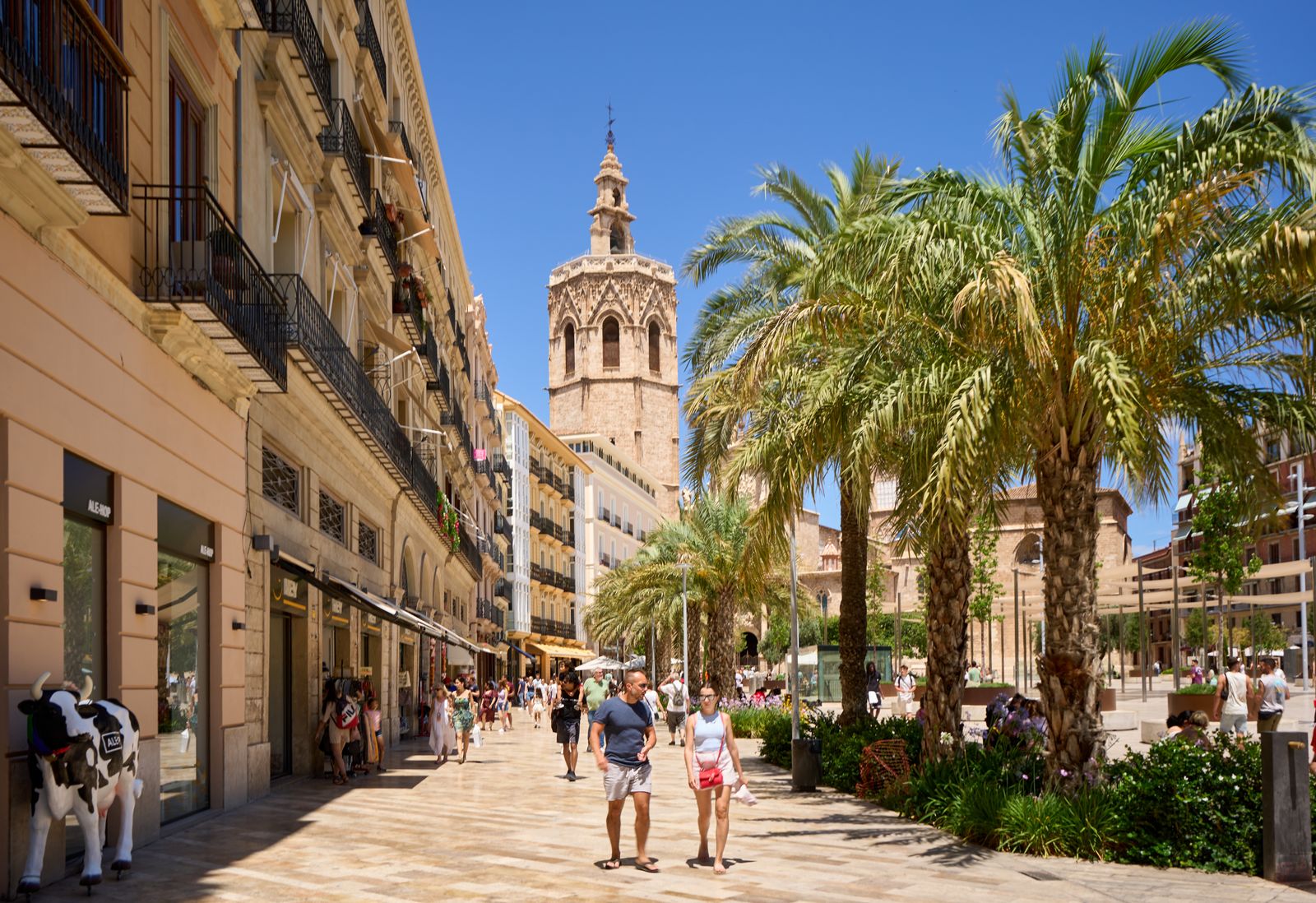
The pilgrimage from Valencia to Santiago has roots that go back to the medieval rediscovery of the remains of the Apostle Saint James in Galicia in the 9th century. Valencia's role in the broader Jacobean pilgrimage network reflects three historical factors:
The port city function
Valencia was one of the major Mediterranean ports of the medieval Crown of Aragon, with sea connections to the rest of Europe, North Africa, and the Levant (whence the route's name). Pilgrims from across the Mediterranean — Italian states, southern France, the Balearic Islands, and even more distant origins — arrived at Valencia by sea and continued overland to Santiago.
The pilgrim hospital network
Several pilgrim hospitals were established in Valencia in the 14th century, providing care and lodging for pilgrims preparing for or returning from the long overland walk. The remnants of this hospital network are preserved in the city's historical structures, including San Juan del Hospital, the Romanesque church (built 1238) that still functions as the official starting point of the modern Camino de Levante.
The medieval route's decline and modern revival
Like much of the wider Camino de Santiago network, the Camino de Levante declined significantly through the 16th-19th centuries as religious pilgrimage diminished across Catholic Europe. The route was effectively forgotten through much of the 20th century. The wider Camino de Santiago revival from the 1980s onwards reignited interest in the Spanish Jacobean network, including the Levante. The route was officially recognised and waymarked in the late 1990s and early 2000s, though its remoteness and length have kept the pilgrim numbers low.
The Valencia stages (first ~100 km)
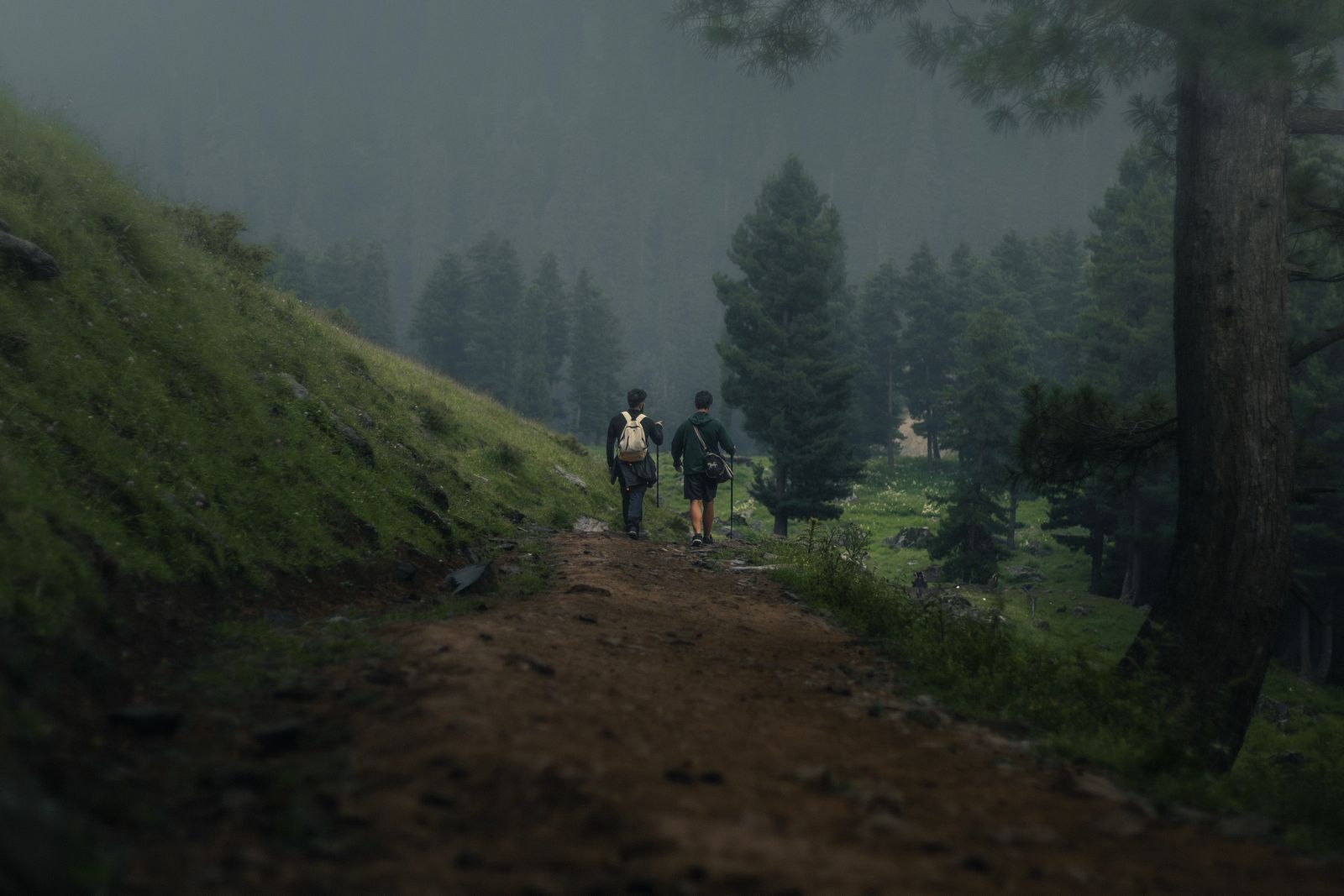
The first four stages of the Camino de Levante run through the Valencian Community before crossing into Castilla-La Mancha. The standard stage breakdown:
| Stage | From | To | Distance | Difficulty |
|---|---|---|---|---|
| 1 | Valencia Cathedral | Manises / Cheste | 22-28 km | Easy, mostly urban then suburban |
| 2 | Cheste | Buñol / Yátova | 22-28 km | Moderate, beginning hill country |
| 3 | Buñol | Requena | 20-25 km | Moderate, through wine country |
| 4 | Requena | Caudete de las Fuentes / Villargordo del Cabriel | 20-30 km | Moderate, through Utiel-Requena wine country |
What the Valencia stages are like
- Stage 1 (Valencia to Manises/Cheste): The exit from the city is gradual — through the western Eixample, along the Turia, past the Bioparc, and out into the urban-rural transition zone. Manises (the ceramic-tile town) and Cheste are the typical first-day stopping points. Mostly flat, mostly paved or well-maintained tracks. The walk through the city is the symbolic departure; many pilgrims pause at the western end of the Turia Gardens to look back at the cathedral spires.
- Stage 2 (Cheste to Buñol): Begins the climb into the inland hills. Buñol is the host town of the famous La Tomatina festival (held annually in late August); during the festival week, accommodation is full and pilgrims must adjust their schedule.
- Stage 3 (Buñol to Requena): The walk enters the Utiel-Requena wine region — vineyards stretch across the high plateau, with bodegas signposted along the route. Requena is a substantial town with good accommodation options and worth half a day's exploration if the schedule allows.
- Stage 4 (Requena to Villargordo del Cabriel): The final Valencian stage before the route crosses into Castilla-La Mancha (Cuenca province). The descent into the Cabriel valley is dramatic; the Hoces del Cabriel canyon area is briefly visible from the route.
The Valencia section's character
The Valencian stages cover around 100 km in 4 days at standard pace. The character is gradually rural — leaving the dense city, passing through the suburbs (which feel surprisingly continuous for the first 10-15 km), then climbing into the hilly Utiel-Requena wine country. Accommodation in this section is varied and reasonably accessible; albergues exist in Manises, Cheste, Buñol, Requena, and Villargordo del Cabriel. The wine region context makes the section particularly appealing for pilgrims interested in food and drink — many manage to fit a bodega visit into the longer stops.
The full route across Spain
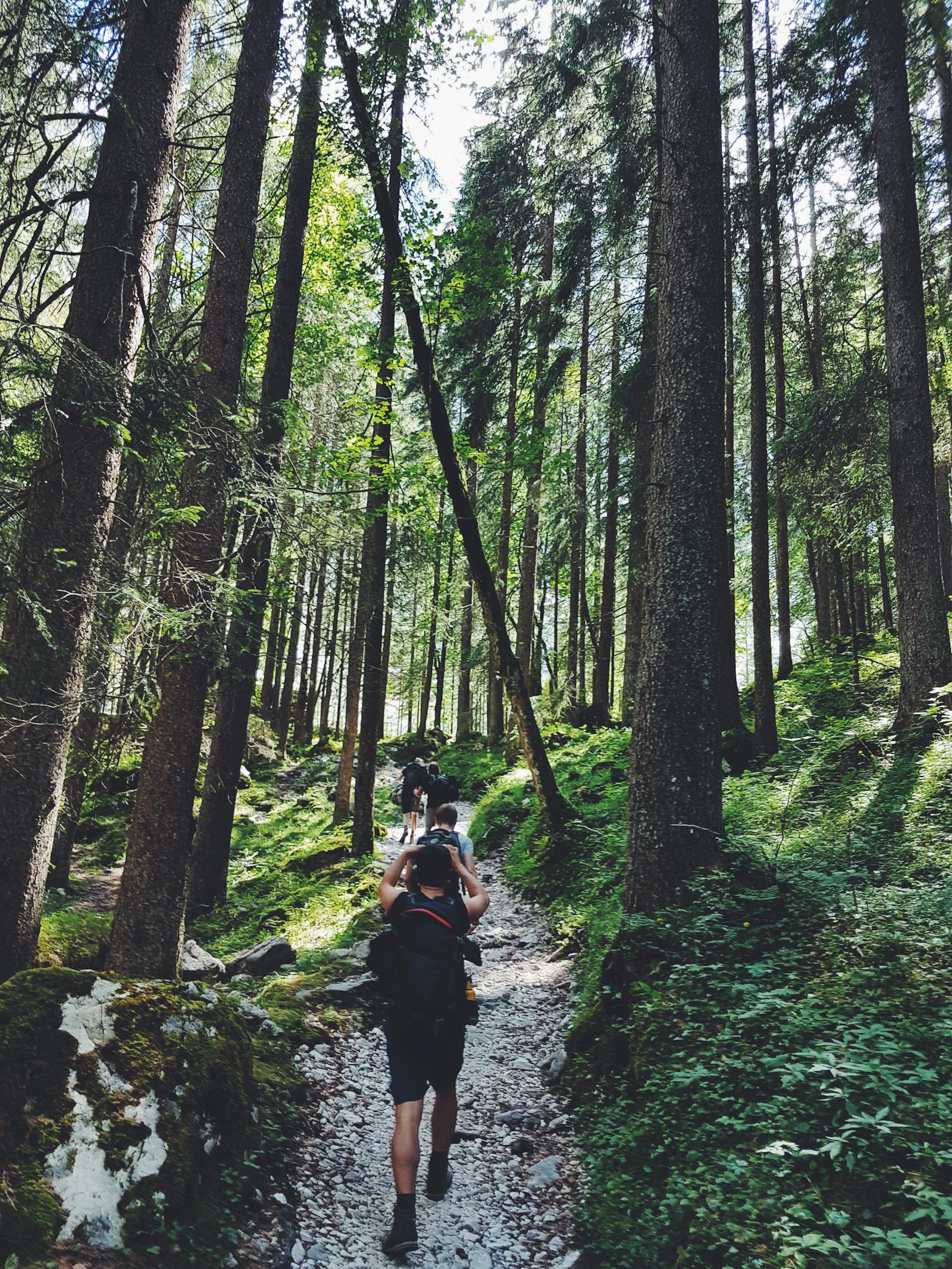
After the Valencian Community, the Camino de Levante continues through:
Castilla-La Mancha (days 5-15 approximately)
The largest section by distance — through Cuenca province, then across the Mancha plateau through Albacete, into Toledo province. The Mancha is the open central plateau of Spain — flat, hot, sparsely populated, with the windmills made famous by Cervantes' Don Quixote. The Camino de Levante crosses some of the country's most-iconic landscapes here.
Key stops include:
- Albacete — provincial capital, around day 8-10, with a substantial town centre and full accommodation options.
- Mota del Cuervo — windmill town, classic La Mancha scenery.
- Toledo — UNESCO World Heritage city, the medieval Spanish capital, around day 14-16. Worth a full rest day to explore the cathedral, the alcázar, and the historic Jewish and Muslim quarters.
Madrid (brief transit, day 16-17)
The route briefly enters the Madrid autonomous community before crossing into Castilla-León. Most pilgrims do not pass through Madrid city itself — the route follows the rural southern suburbs.
Castilla-León (days 17-25 approximately)
Through Ávila, the Castilian highlands, and into the Tierra de Campos toward Zamora. The high meseta crossing here is the historical heart of Castile — windswept, austere, dramatic. Ávila's medieval walls (UNESCO World Heritage) are one of the highlights. The route joins the Vía de la Plata at Granja de Moreruela in Zamora province.
Galicia (days 25-32 approximately)
The final approach to Santiago via the Vía de la Plata variant through Ourense, then north to Santiago de Compostela. Galicia is meaningfully greener, wetter, and more populated than the central plateau — a strong contrast to the previous weeks of walking through dry inland Spain. The arrival in Santiago at the end is one of the great moments in European pilgrimage tradition. For travellers planning the celebratory tail end of the journey — or a return for the 2027 Holy Year (Xacobeo) — our Santiago de Compostela Xacobeo 2027 guide covers the city, the Cathedral, and the logistics of arrival.
Practical logistics — credentials, accommodation
The Credencial pilgrim passport
The Credencial is the document that identifies you as a pilgrim and qualifies you for albergue accommodation and the Compostela certificate. Issued by various Camino organisations:
- San Juan del Hospital (Valencia) — the canonical starting point, issues Credenciales after morning Mass and a brief pilgrim blessing.
- Valencia Cathedral (Pilgrim Office) — also issues Credenciales.
- National Camino federations — the Federación Española de Asociaciones de Amigos del Camino de Santiago and similar organisations issue Credenciales by mail.
- Foreign Camino associations — many European countries have Camino associations (Confraternity of Saint James in the UK, similar in France, Germany, etc.) that issue Credenciales for their members.
The Credencial must be stamped (sellado) at least twice daily during the final 100 km (Galicia stages) to qualify for the Compostela. Stamps come from albergues, churches, town halls, restaurants, bars, and tourist offices along the route.
Accommodation network
The Camino de Levante accommodation network is meaningfully thinner than the Camino Francés. The typical options:
- Parish albergues — operated by Catholic parishes, basic but functional. €5-€12 per night. Sometimes donation-based.
- Municipal albergues — operated by local councils. €6-€15 per night. Vary in quality.
- Private albergues — small private hostels. €12-€25 per night. Often slightly better facilities.
- Hostales and pensiones — small hotels and guest houses. €25-€50 per night.
- Hotels — in the larger towns. €50-€120+ per night.
Booking ahead is recommended in summer, particularly for the first two weeks where some stages have only 1-2 accommodation options. Outside summer, walk-ins to albergues are almost always feasible.
Daily costs
| Item | Budget | Mid-range | Comfortable |
|---|---|---|---|
| Accommodation | €8-€15 | €20-€40 | €50-€100 |
| Food (3 meals) | €15-€20 | €25-€40 | €40-€70 |
| Supplies/misc | €3-€5 | €5-€10 | €10-€20 |
| Daily total | €26-€40 | €50-€90 | €100-€190 |
| Full Camino (30 days) | €800-€1,200 | €1,500-€2,700 | €3,000-€5,700 |
Camino starts and finishes — flexible flight arrivals
Camino travellers face two unusual flight logistics: arriving in Valencia to start (with a heavy backpack and serious walking gear that exceeds commercial allowances), and returning from Santiago via Santiago de Compostela airport (SCQ) often on dates that shift depending on how the walk has progressed. JetLuxe handles private charter into Valencia (VLC) and Santiago (SCQ) — useful when the standard commercial schedule doesn't fit the actual walking timeline. JetLuxe quotes the common European city pairs in 90 seconds. Especially useful for the return journey when the walk has run a few days longer than planned.
Price Your Return Flight →Best time to walk
The Camino de Levante is highly seasonal — temperature and weather considerations dominate when to walk:
Spring (March-May)
The strongest window. Daytime temperatures across the route in the 12-22°C range; wildflowers in the Mancha; the central plateau still green; the Galician section cool and damp. Albergues open but uncrowded. The single best month: late April to mid-May.
Summer (June-August)
Hot to very hot. Daytime temperatures often 30-40°C, with the Mancha plateau the hottest. Most pilgrims who walk in summer start at 05:00-06:00 to complete most of the day before midday heat. Water management is critical. Avoid July and August if possible — temperatures of 40-42°C are physically dangerous for sustained walking, particularly for older pilgrims.
Autumn (September-November)
The second strongest window. Late September and October are the standout months: temperatures cooling, the Mancha plateau golden with stubble, the Galician section beginning to receive autumn rains. November is workable in the Mediterranean stages but cooler in Castilla-León and Galicia.
Winter (December-February)
Mild in the Valencian stages (10-16°C daytime), but the higher altitude stages in Castilla-León and Galicia can have snow and ice. Few pilgrims walk in winter; some albergues close for the season. Only experienced winter walkers should attempt the full route in this season; the Valencian section alone is feasible.
Preparation — fitness, gear
Physical preparation
The Camino de Levante is a sustained physical challenge — 30-45 km daily for 27-32 days, with elevation changes throughout. Preparation recommendations:
- 3-6 months training before departure, with progressive distance work building from 10 km to 30 km daily walks.
- Multi-day testing — at least one 3-5 day walk with full pack 2-3 months before departure, to test gear and fitness.
- Backpack weight — aim for 8-12 kg total (pack + contents + water). Heavier than 12 kg becomes painful over 30 days.
- Foot conditioning — walking in your eventual Camino boots for 50-100 km of training before departure.
- Daily routine — wake 05:30-06:30, walk 07:00-13:00, arrive at the next albergue, rest, eat, sleep. The rhythm becomes natural after 5-7 days.
Gear essentials
- Boots or hiking shoes — broken-in before the walk, mid-weight rather than heavy-mountain, with grip for varied terrain.
- Backpack — 35-45 litres, with good hip belt and ventilated back.
- Sleeping bag — light (less than 1 kg), rated for the season being walked.
- Quick-dry clothing — 2-3 sets that wash and dry quickly.
- Rain gear — particularly for the autumn and Galician stages.
- Water capacity — 2-3 litres of carrying capacity (some stages have 20+ km between water sources).
- First-aid for blisters — Compeed, Vaseline, second-skin.
- Camino-specific guidebook — the official Spanish Federation guides are the most reliable.
- Lightweight phone with battery pack — for navigation, photos, and contact.
Planning your Camino de Levante
Three working patterns:
The full walk (30-32 days)
The complete Valencia-to-Santiago walk. Allow 32-35 days total with rest days. Suited to pilgrims with the time, fitness, and commitment for the full pilgrimage. Total cost €1,200-€3,500 depending on accommodation level.
The segmented walk (multi-year)
The Camino in pieces. Common segments: Valencia to Albacete (about 200 km, 8-10 days), Albacete to Toledo (about 250 km, 10 days), Toledo to Zamora (about 350 km, 13 days), Zamora to Santiago (about 400 km, 15 days). Suited to pilgrims with limited holiday time. Total cost spread across multiple trips.
The final 100 km (Compostela qualifier)
Walking the final 100 km from Ourense to Santiago — qualifies for the Compostela certificate without the full pilgrimage commitment. About 4-5 days walking. Suited to pilgrims wanting the certificate and the Santiago arrival experience without the full month. Total cost €400-€800.
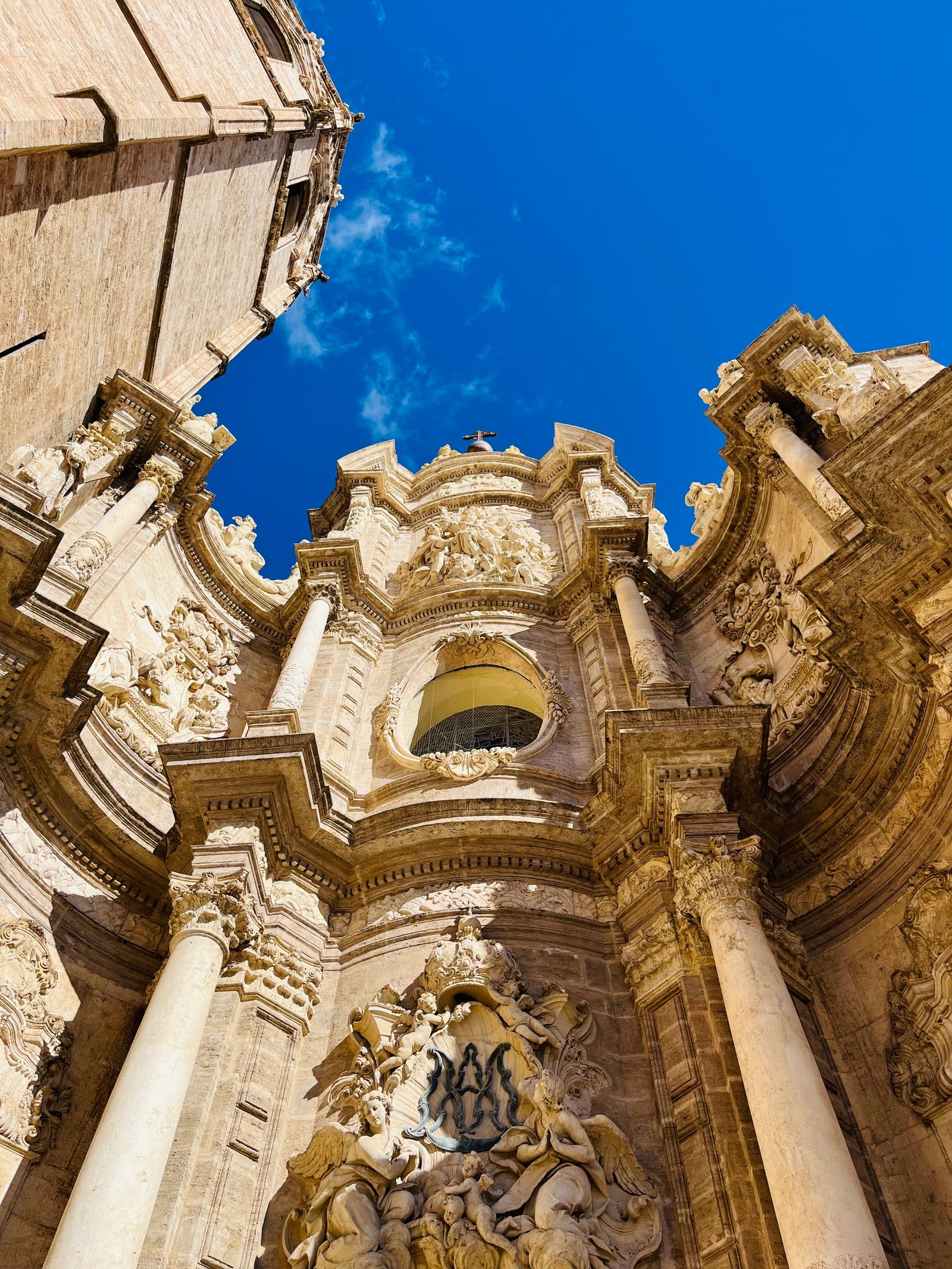
For pilgrims spending a few days in Valencia before setting out, the cathedral and old town reward exploration — see our things to do in Valencia guide for the wider city, and the Valencia food guide for where to eat the final proper meals before weeks of albergue dinners.
The Camino de Levante is one of the great long walks in Europe — a 1,200 km traverse of Spain with the religious weight of the Camino tradition, but without the crowds, the tourism infrastructure, or the social atmosphere of the famous Francés. For pilgrims looking for solitude, depth, and a serious physical challenge, the Levante rewards the commitment.
Common questions
The Camino de Levante officially starts at Valencia Cathedral — specifically at the Romanesque church of San Juan del Hospital (built 1238), which is the oldest church in Valencia and where pilgrims receive the Credencial (pilgrim's passport) and a blessing before setting out. The Cathedral itself, with the Holy Grail relic on display, is the symbolic starting point. The first stage typically leads west out of the city through the Turia Gardens and the western suburbs toward L'Olleria or Manises, depending on the specific route variant chosen. From the city it takes around 27-32 daily walking stages to reach Santiago de Compostela, approximately 1,200 km west.
The full route takes most pilgrims 27-32 days of continuous walking, averaging 30-45 km per day. Some pilgrims walk it more slowly with longer stages (40+ days), and a few fit athletes complete it in around 25 days at faster paces. The most common approach is to walk the full route in 30-35 days with one or two rest days built in. For pilgrims with limited time, the route can also be done in segments across multiple years — common stopping points include Albacete (after the Valencian stages, around 8-10 days), Toledo (around halfway, day 14-16), and Zamora (where the route joins the Vía de la Plata, day 22-24). The final 100km to Santiago (from Sarria or Ourense) qualifies for the Compostela certificate from the Cathedral office.
Several reasons. The total distance (1,200 km) is meaningfully longer than the popular Camino Francés (780 km), Camino Portugués (260 km from Porto), or Camino Inglés (120 km), deterring pilgrims who want a shorter walk. The route crosses substantial empty terrain in inland Spain (Castilla-La Mancha and Castilla-León), with long stages between settlements and limited tourism infrastructure. Summer temperatures in the central plateau (Meseta) regularly exceed 40°C, making the route physically demanding. The route is less marketed and less famous than the Camino Francés. The combination — long, hot, empty, quiet — is why some pilgrims call it the 'Camino of Solitude'. For pilgrims seeking solitude and depth rather than community and tourism, this is exactly the appeal.
Yes — the Camino de Levante is one of the officially recognised routes for the Compostela certificate. To earn the certificate, you need to walk at least the final 100 km to Santiago de Compostela (so from Ourense or further west) and collect at least two stamps (sellos) per day in your Credencial pilgrim passport. The full Camino de Levante walk qualifies as long as the Credencial documents continuous walking from the starting point (or any official starting point) to Santiago. The Compostela certificate is issued at the Pilgrim Office in Santiago (Rúa do Vilar 1, near the Cathedral) for a small administrative fee. The certificate has the same status whether earned on the Camino de Levante or any other Camino — Caminos are equal under the Compostela system.
The accommodation network on the Camino de Levante is meaningfully thinner than the Camino Francés. Options include: parish albergues (basic pilgrim hostels operated by Catholic parishes, around €5-€12 per night, simple but adequate); municipal albergues (operated by local councils, €6-€15 per night, varying quality); private albergues (small private hostels, €12-€25 per night, slightly better facilities); hostales and pensiones (small hotels and guest houses, €25-€50 per night); and hotels in the larger towns (€50-€120+ per night). On some stages of the Camino de Levante, only one or two accommodation options exist — booking ahead in summer is recommended even for albergues. Outside summer, most albergues accept walk-ins. Total accommodation cost for the full walk typically runs €350-€800 depending on accommodation level chosen.
Possible but uncomfortable. The Spanish interior in July-August routinely sees 35-42°C daytime temperatures, with the Meseta crossing (between Albacete and Toledo, days 9-15 approximately) being especially hot. Many pilgrims start walking at 05:00-06:00 to complete most of the day's distance before the midday heat. Water carrying becomes critical — 3+ litres per day in some stages, with limited refill points. Most experienced pilgrims recommend walking the Camino de Levante in spring (March-May) or autumn (September-October) rather than summer. Winter (December-February) is workable in the Valencian and Madrid stages but the higher altitudes in Castilla-León and Galicia have snow and ice risks that require winter mountaineering experience or seasonal route alternatives.
Sponsored · Affiliate linkCamino-arrival and departure flights work better with flexible timing. JetLuxe handles private charter into Valencia (VLC).
Price Your Charter →