Camino del Cid Route Guide 2026: The Honest Pilgrim's Manual
The Camino del Cid is a 1,400 km cultural route following the medieval journey of Rodrigo Díaz de Vivar — El Cid — from his 11th-century exile in Burgos south to the Mediterranean conquest of Valencia. Less famous than the Camino de Santiago but with its own distinct character — secular rather than religious, walkable or cyclable, with the dramatic Valencia ending and a network of historic castle ruins along the way. The honest 2026 guide.
The Camino del Cid in context
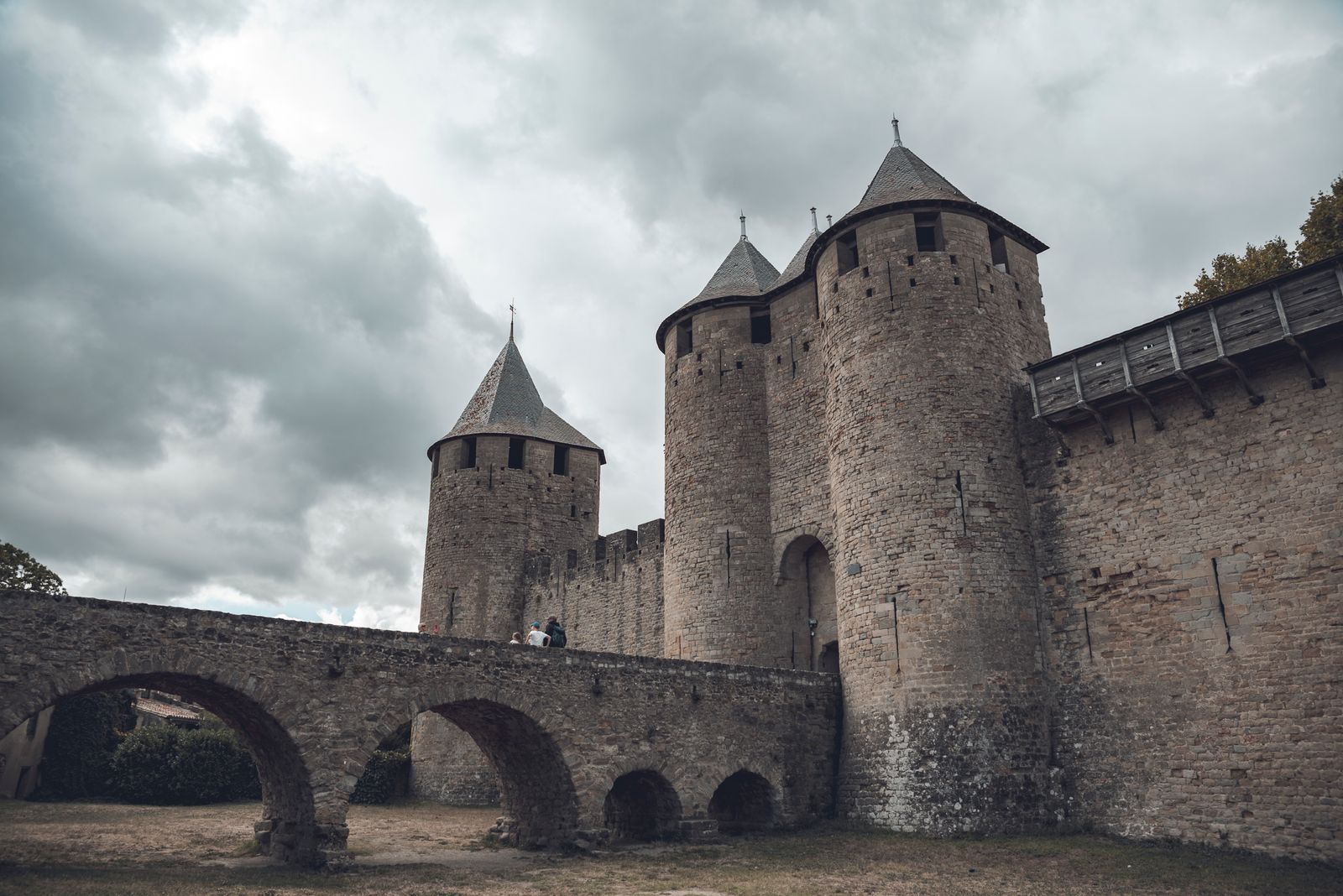
The Camino del Cid is one of Spain's most-distinctive cultural routes — a secular long-distance walking and cycling network that follows the journey of El Cid through medieval Iberia from Burgos to Valencia. The headline characteristics:
- Length: Approximately 1,400 km full route from Vivar del Cid (Burgos province) to Valencia.
- Provinces crossed: Nine — Burgos, Soria, Guadalajara, Zaragoza, Teruel, Cuenca, Valencia, Castellón, Alicante.
- Sections: Eight main sections (Tramos), each with its own character and historical context.
- Duration: 30-45 days walking; 10-15 days cycling at moderate pace.
- Route type: Secular cultural route, not religious pilgrimage.
- Recognition: Developed by the Consorcio Camino del Cid (a multi-province public consortium) starting 2003.
- Infrastructure: Waymarked routes, pilgrim passport (Salvoconducto), accommodation network, route guides.
- Endpoint: Valencia Cathedral, symbolically and historically appropriate.
Why this route is distinctive
Several features distinguish the Camino del Cid from other Spanish long-distance routes:
- Secular focus. Unlike the Camino de Santiago (religious pilgrimage), the Camino del Cid is explicitly cultural and historical rather than religious. The route is appropriate for non-religious visitors interested in medieval Spanish history.
- Castle network. The route passes through dozens of medieval castle ruins, many associated with specific El Cid campaigns or events. The castle infrastructure is a major attraction.
- Cultural emphasis. The route is designed to support deeper engagement with medieval Spanish history — including the Convivencia period (the medieval Christian-Muslim-Jewish coexistence), the Reconquista military history, and the literary tradition of the 'Cantar de Mio Cid'.
- Quieter atmosphere. The route receives far fewer walkers and cyclists than the famous Caminos de Santiago — comparable in solitude to the Camino de Santiago de Levante but with a different cultural framework.
- Cyclable focus. Many sections are specifically designed for cycling as well as walking — meaningful for visitors with limited holiday time.
El Cid — the historical figure
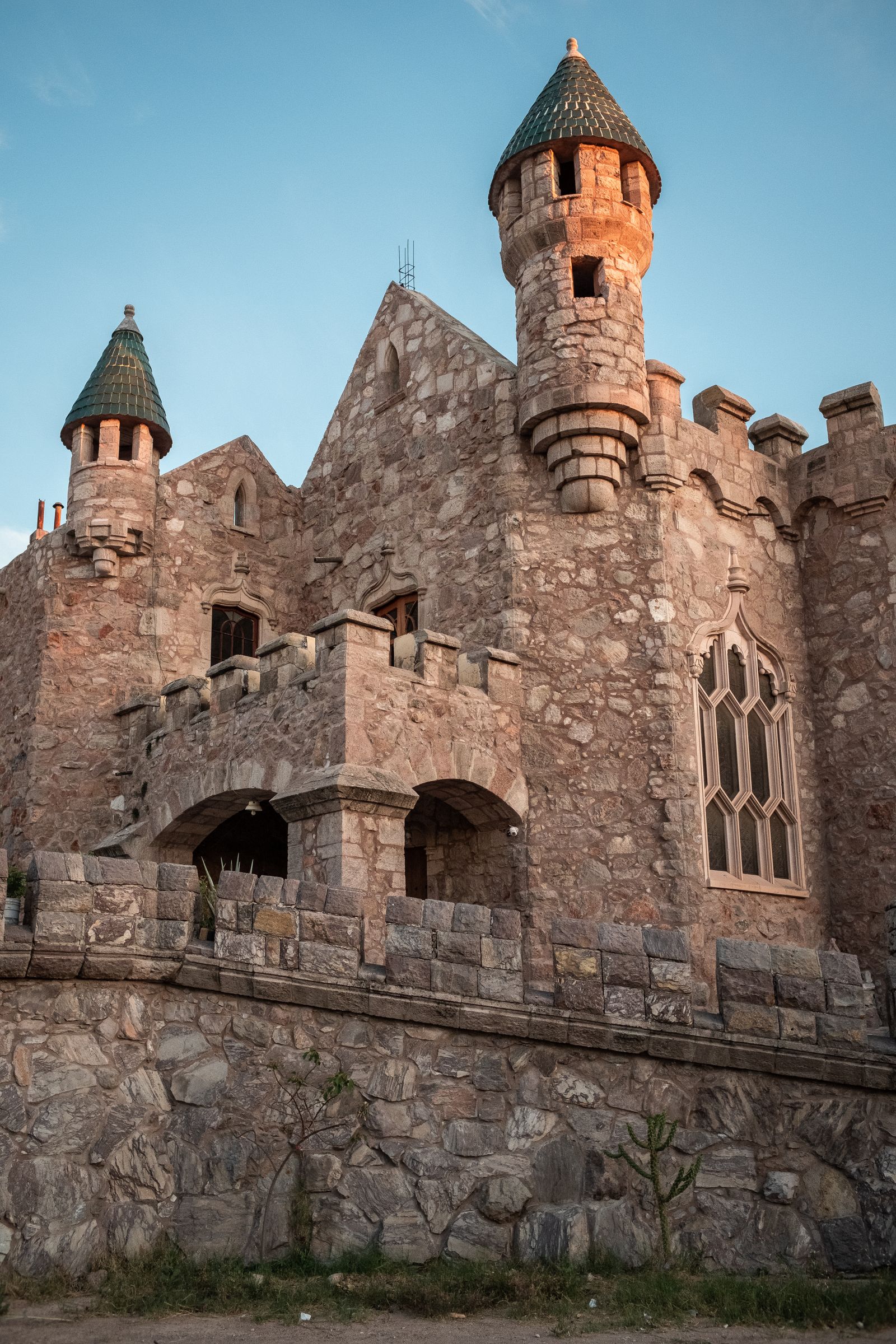
Understanding the route requires understanding the historical figure it celebrates. Brief context:
The historical El Cid (c. 1043-1099)
Rodrigo Díaz de Vivar was born around 1043 in Vivar (near Burgos), to a noble Castilian family. He served the Castilian king Sancho II and later (after Sancho's death in 1072) the new king Alfonso VI of León-Castilla. The relationship between El Cid and Alfonso VI was troubled — El Cid was exiled in 1081 after a series of political disputes, and again briefly in later years.
During his exiles and at other points in his career, El Cid worked as a freelance military commander — initially for the Muslim taifa kingdoms of Zaragoza and Lleida (an unusual but not unprecedented arrangement in medieval Iberia where Christian and Muslim alliances shifted frequently), and later for various Christian rulers.
His most famous military achievement was the conquest of Valencia in 1094, after a long siege. He ruled Valencia as a semi-independent lord until his death in 1099 — a five-year rule that included successful defence of the city against multiple Muslim Almoravid attempts to recapture it.
The mythological El Cid
Within decades of his death, El Cid became the subject of substantial literary and mythological treatment. The 12th-century epic poem 'Cantar de Mio Cid' (c. 1207) is the foundational text — a long narrative poem celebrating El Cid as the ideal medieval knight, loyal vassal, brave warrior, and protector of his family.
The poem mythologises El Cid's journey from his exile to the conquest of Valencia, simplifying historical complexity and emphasising his honour and military prowess. The poem became one of the cornerstones of medieval Spanish literature and shaped how subsequent Spanish culture viewed El Cid.
Through subsequent centuries, El Cid became an emblematic figure of Spanish national identity — celebrated in plays (Pierre Corneille's 1636 'Le Cid' in France), in opera (Massenet's 1885 'Le Cid'), and in 20th-century film (most famously the 1961 Anthony Mann epic with Charlton Heston and Sophia Loren).
The historical question of El Cid's character
Modern historians have somewhat revised the mythological image of El Cid. He was a brilliant military commander but also a hired-mercenary willing to work for Muslim or Christian employers depending on the political moment. His Valencia conquest was brutal in its sieges and reprisals. The Christian-Muslim relationship of his career was more pragmatic than the later mythological narrative suggested. The Camino del Cid acknowledges this complexity in its interpretive materials — presenting both the historical and mythological El Cid rather than a simplified heroic figure.
The route overview
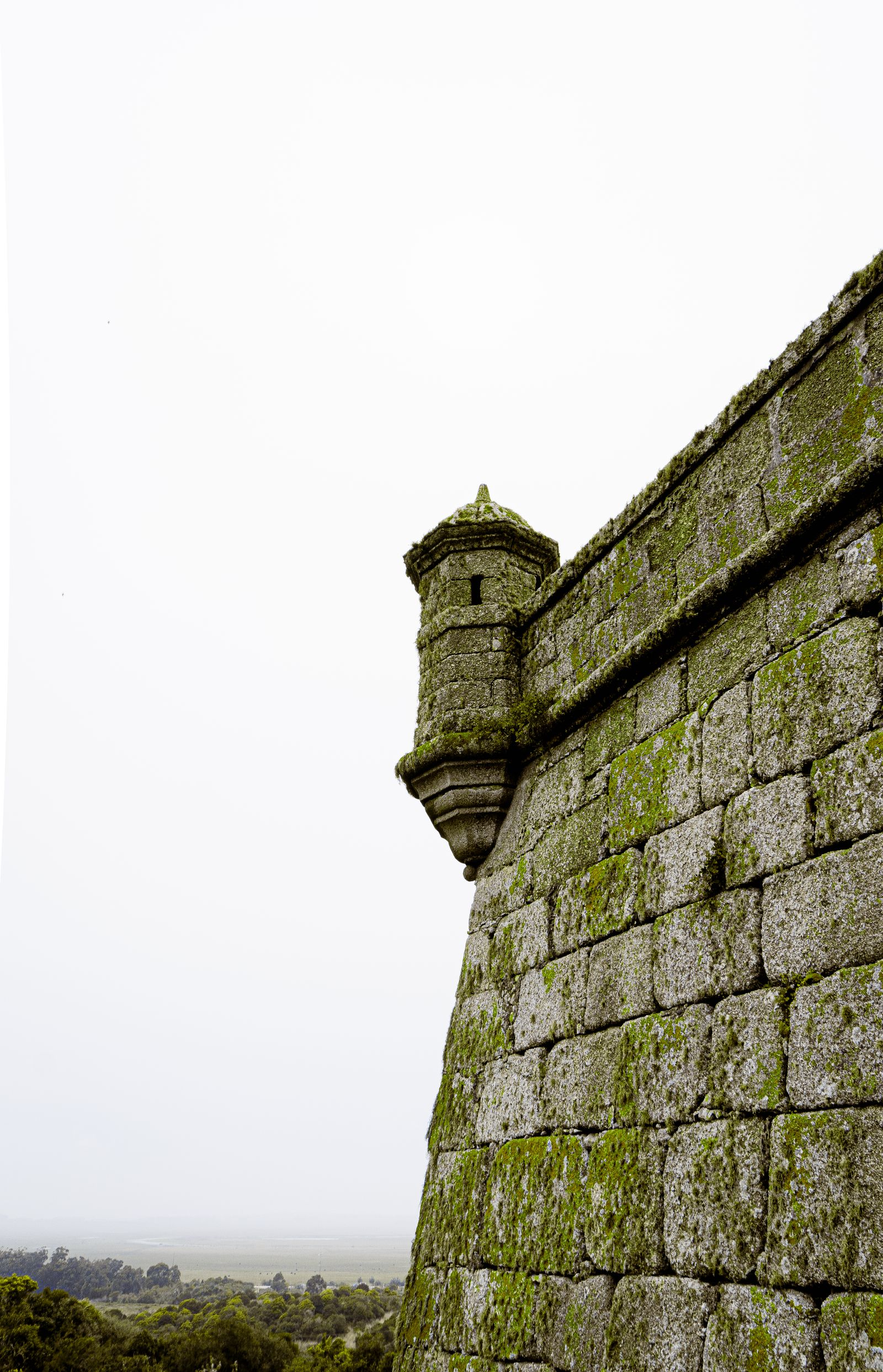
The Camino del Cid is divided into eight main sections (Tramos), each with its own character:
1. Destierro (Exile) — Burgos to Soria province
The opening section following El Cid's exile from Castile. Starts at Vivar del Cid (Burgos province) and runs east through Burgos, Soria. Around 230 km. The Castilian high plateau landscape — bleak in winter, rich agricultural in summer.
2. Tierras de Frontera (Frontier Lands) — Soria to Guadalajara
The frontier section through the medieval Christian-Muslim borderlands. Around 220 km. Castles and watchtowers from the Reconquista period dot the landscape.
3. Bandera de Aragón (Aragón Banner) — Guadalajara to Zaragoza province
The section through the medieval Aragón kingdom. Around 240 km. Significant Moorish-origin architecture and the wider Aragonese landscape.
4. Conquista de Valencia (Valencia Conquest) — Teruel province to Valencia province
The build-up to the Valencia conquest. Around 200 km. The route enters the Valencia province from the north, through the inland highlands.
5. Anillo (Ring) — Around Valencia city
The defensive ring El Cid established around Valencia during his rule (1094-1099). Around 150 km circular route around Valencia city. Multiple options for shorter sections.
6. Defensa del Sur (Southern Defence) — Valencia south
The southern defensive campaigns. Around 200 km through Valencia province south toward Alicante province.
7. Las Tres Taifas (Three Taifas) — Alicante province
The southern Muslim taifa kingdoms. Around 150 km through Alicante province.
8. El Sudeste (The Southeast) — Alicante province coast
The final southern coastal section. Around 100 km along the southern coast.
Total distance approximately 1,400 km. For visitors with limited time, the sections in Valencia province (Conquista, Anillo, parts of Defensa del Sur) cover the historical climax of the route and can be done as standalone walks of 5-15 days.
The Valencia province section
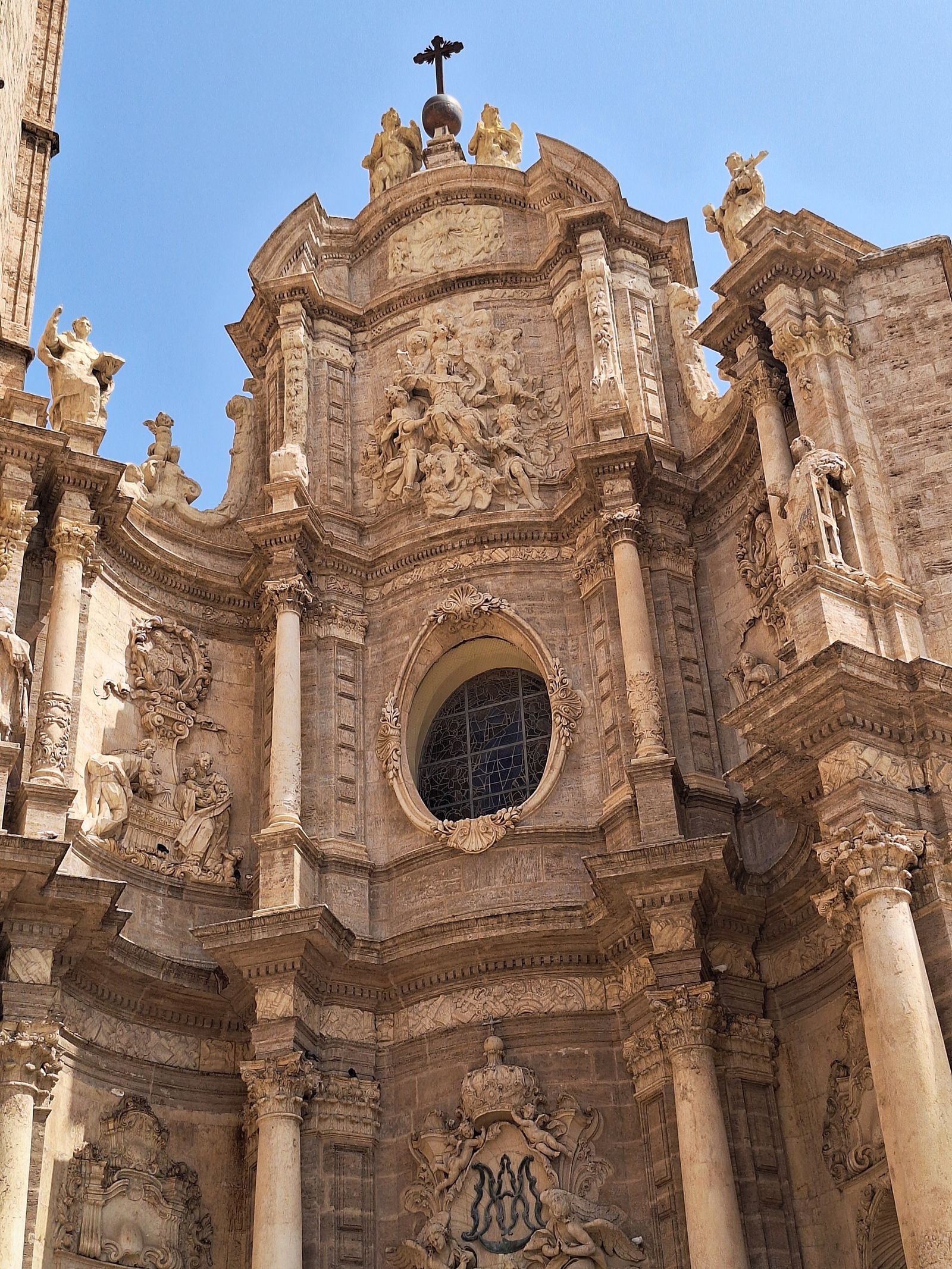
The Valencia province sections of the Camino del Cid are the historical climax of the route — covering El Cid's final campaigns, his conquest of Valencia in 1094, his rule of the city, and his establishment of the defensive ring around the city.
The Conquista de Valencia section
Covers approximately 200 km from the Teruel border south to Valencia city. The route enters Valencia province through the inland highlands — passing through villages including Ademuz, Casas Bajas, and the Rincón de Ademuz exclave. The terrain transitions from the cold Castilian plateau to the warmer Valencian landscape. The arrival at Valencia city is the symbolic climax.
Key stops along the Conquista section
- Ademuz — small town with a historic Moorish-origin centre.
- Castielfabib — fortified hilltop village from the Reconquista period.
- Sagunto — historic town north of Valencia, with the dramatic Roman and medieval castle visible from far on the coast. El Cid besieged Sagunto multiple times during his campaigns.
- Valencia Cathedral — the symbolic endpoint of the Conquista section. Also the historical centre of El Cid's rule (1094-1099).
The Anillo section
The defensive ring section. About 150 km circular route around Valencia city, passing through the surrounding mountains and the inland villages that El Cid used as defensive positions during his rule. The Anillo covers:
- Sierra Calderona — the mountain range north of Valencia, which served as natural defence for the city.
- Sagunto — the dramatic coastal castle, El Cid's northern bastion.
- The Albufera and surrounding wetlands — natural southern barrier.
- The Cabriel river valley — western defensive line.
- Several smaller villages and castles — Cullera, Xàtiva, Liria — that played roles in the defensive system.
The arrival at Valencia Cathedral
The route's symbolic endpoint at Valencia Cathedral creates one of the most-dramatic conclusions of any Spanish long-distance route. The cathedral was the centre of El Cid's rule. According to legend, his wife Doña Jimena had his coffin tied upright on his horse and ridden out of Valencia to maintain the appearance of his still-living command — a legend popularised in the 1961 film. The cathedral interior includes some El Cid-period elements; the wider city retains medieval streets that El Cid would have known.
The cathedral is also the starting point of the Camino de Santiago de Levante — meaning visitors arriving via the Camino del Cid can continue immediately on the Camino de Santiago if they wish, creating a 2,600+ km combined route from Burgos to Santiago via Valencia.
Walking the Camino del Cid
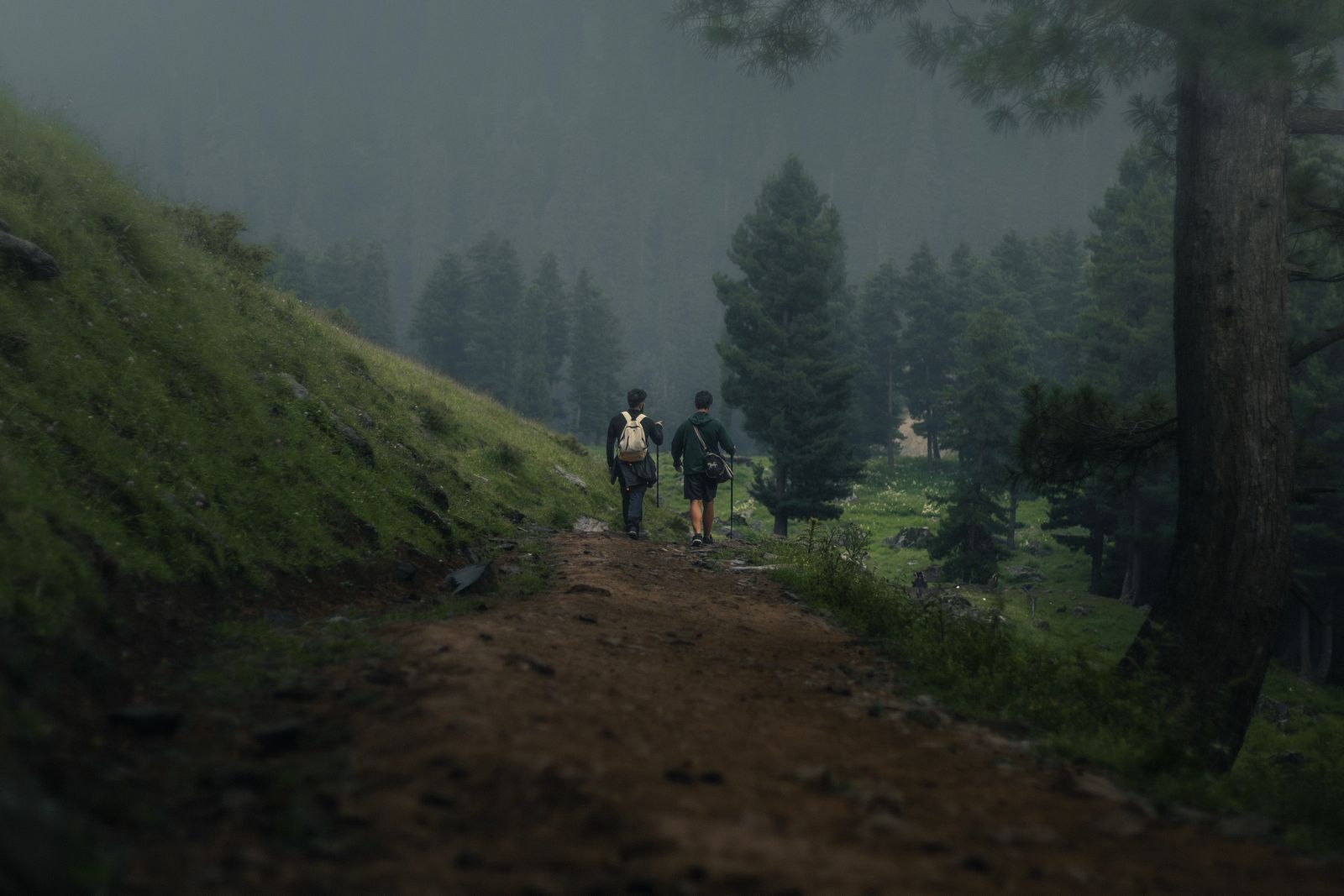
Daily distances
Standard walking pace covers 25-35 km per day. For the full route at moderate pace:
- Comfortable pace: 25-30 km per day, 45-50 days total walking.
- Standard pace: 30-35 km per day, 40-45 days total.
- Fast pace: 35-40 km per day, 35-40 days total.
The Salvoconducto pilgrim passport
The Camino del Cid has its own pilgrim passport — the Salvoconducto (literally 'safe-conduct'). Issued by the Consorcio Camino del Cid and stamped at official points along the route. The Salvoconducto qualifies for accommodation discounts at participating properties and earns recognition certificates at completion.
Accommodation
The accommodation network along the Camino del Cid is meaningfully thinner than the Camino Francés but adequate for self-supported walking:
- Albergues — small numbers of dedicated Camino del Cid hostels, particularly in Burgos, Soria and the Valencia province sections.
- Casa rural inns — small rural-tourism properties offering Camino del Cid discounts to passport holders. €60-€120 per night.
- Hostales and pensiones — town inns. €40-€80 per night.
- Hotels — in the larger towns. €70-€140+ per night.
Cycling the route
The Camino del Cid is specifically designed for both walking and cycling, with cycling-specific route variants and infrastructure.
Why cycling works
- Total distance covered faster. 10-15 days cycling vs 30-45 days walking.
- More accessible for working visitors. A 2-3 week cycling trip is feasible for many; the full walking trip is a 4-6 week commitment.
- Multiple section options. Individual sections (200-300 km each) can be cycled in long weekends or single-week trips.
- Bike-friendly infrastructure. Many accommodation properties offer secure bike storage and amenities for cyclists.
Bike requirements
The Camino del Cid includes both paved roads and unpaved sections — a gravel bike or hardtail MTB is ideal. Pure road bikes work for some sections but not all. E-bikes are increasingly popular and accommodate less-fit cyclists or longer daily distances.
Daily cycling distances
- Moderate pace: 80-100 km per day, 14-16 days total.
- Standard pace: 100-120 km per day, 12-14 days total.
- Fast pace: 120-140 km per day, 10-12 days total.
Practical logistics
Getting to the start
The route starts at Vivar del Cid, near Burgos. Burgos has a small airport with limited international connections; Madrid (240 km south) or Bilbao (160 km north) are the practical international gateways. Train connections from Madrid to Burgos take 1.5-2 hours; bus from Bilbao takes 2 hours. From Burgos city to Vivar del Cid is around 10 km — local bus or taxi.
Getting back from the end
The route ends in Valencia. Valencia Airport (VLC) has full international connections. Multiple onward options from Valencia for visitors continuing their trip (the Valencia 3-day itinerary covers the city itself for those wanting to extend the trip).
Best season
The Camino del Cid is best walked or cycled in:
- Spring (April-May) — strongest window. Mild temperatures across the route, wildflowers, longer daylight.
- Autumn (September-October) — second strongest. Harvest season, mild temperatures.
- Summer (June-August) — hot in the inland sections (35-42°C in Castilian plateau); workable on coastal sections.
- Winter (December-February) — cold in the northern sections (Burgos at 850 m elevation, regular snow), mild in the southern (Valencia). Most pilgrims avoid the full route in winter.
Costs
| Style | Daily cost | Full route walking (30-45 days) | Full route cycling (10-15 days) |
|---|---|---|---|
| Budget | €30-€50 | €900-€2,250 | €300-€750 |
| Mid-range | €60-€100 | €1,800-€4,500 | €600-€1,500 |
| Comfortable | €110-€180 | €3,300-€8,100 | €1,100-€2,700 |
Planning a Camino del Cid trip
Three working patterns:
The full Camino del Cid walking trip (35-45 days)
The complete journey from Vivar del Cid to Valencia. Allow 40 days walking plus 2-3 rest days. Suited to pilgrims with significant time and serious walking fitness. Total cost €1,200-€8,000 depending on accommodation level.
The Valencia section walking trip (10-15 days)
The Conquista de Valencia section plus part of the Anillo. About 250-350 km of walking. Suited to visitors with 2-3 weeks. Covers the historical climax of the route and ends at Valencia Cathedral. Total cost €600-€2,500.
The Camino del Cid cycling trip (10-14 days)
Full route on bike. 1,400 km in 12 days at moderate cycling pace. Suited to confident multi-day cyclists. Total cost €1,500-€4,000.
The single section cycling weekend
One section (200-300 km) over a long weekend. Suited to weekend cycling enthusiasts. Total cost €400-€800. The Valencia Anillo section is particularly suitable for a 3-4 day trip.
Whichever pattern fits, the practical bookings — the transfer to Vivar del Cid, the hire car for reaching section start points, vetted rooms across multi-night stretches, and medical cover for a long walk — are gathered in the logistics panel above. Booking the transfer and the first two nights before you fly removes the single most common day-one friction on a self-supported Cid walk.
The wider context of Valencia's walking heritage sits alongside the Camino de Santiago de Levante guide (the religious pilgrimage option from Valencia) and the Valencia day hikes guide (for shorter walking options around the city).
The Camino del Cid in 2026 is one of Spain's most-distinctive cultural routes — combining medieval history, the dramatic landscape across nine provinces, the literary tradition of the 'Cantar de Mio Cid', and the symbolic endpoint at Valencia Cathedral. For visitors interested in Spanish history beyond the standard tourist circuit, the route rewards the commitment of time and effort.
Common questions
The Camino del Cid is a cultural route following the medieval journey of Rodrigo Díaz de Vivar — known as El Cid Campeador — the 11th-century Castilian nobleman and military leader whose campaigns culminated in the conquest of Valencia in 1094. The route runs approximately 1,400 km from Vivar del Cid (near Burgos) south to Valencia, crossing nine Spanish provinces. It was developed as a recognised cultural route by the Consorcio Camino del Cid (Camino del Cid Consortium) starting in 2003, drawing on the medieval epic poem 'Cantar de Mio Cid' (c. 1207) and the historical record. Unlike the Camino de Santiago, the Camino del Cid is a secular rather than religious pilgrimage — though it shares many features (waymarking, a passport, accommodation networks, multiple walkable stages).
Rodrigo Díaz de Vivar (c. 1043-1099), known by the Arabic-derived title 'Al-Sayyid' (The Lord) — 'El Cid' — was a Castilian nobleman and military leader during the period of the Reconquista (the Christian re-conquest of Muslim Iberia). After being exiled by the Castilian king Alfonso VI in 1081, El Cid became a freelance military commander, working for both Christian and Muslim rulers. His most famous military achievement was the conquest of Valencia in 1094, which he then ruled until his death in 1099. He is one of medieval Spain's most-mythologised figures — celebrated in the 12th-century epic poem 'Cantar de Mio Cid', in subsequent literature and theatre, and in 20th-century film. The Camino del Cid traces both his historical and mythological journeys.
The full Camino del Cid covers approximately 1,400 km from Vivar del Cid (Burgos province) to Valencia. It is divided into 8 main sections (Tramos): Destierro (Exile), Tierras de Frontera (Frontier Lands), Bandera de Aragón (Aragón Banner), Conquista de Valencia (Valencia Conquest), Anillo (Ring), Defensa del Sur (Southern Defence), Las Tres Taifas (Three Taifas), El Sudeste (The Southeast). Each section can be walked or cycled independently. Walking the full route takes 30-45 days; cycling 10-15 days. Many visitors do specific sections rather than the full route — the Valencia province sections (covering El Cid's final campaigns and the conquest of Valencia city) are particularly popular as standalone walks of 5-15 days.
Significant differences. The Camino de Santiago is a religious pilgrimage to the shrine of Saint James at Santiago de Compostela in Galicia — recognised by the Catholic Church and with the Compostela certificate as a recognised pilgrim achievement. The Camino del Cid is a secular cultural route following the historical and literary journey of El Cid from Burgos to Valencia. The Camino del Cid does not have a religious framework or certificate equivalent to the Compostela. Both routes share infrastructure features (waymarking, accommodation networks, pilgrim passports). The Camino del Cid is meaningfully quieter than the famous Camino de Santiago routes — comparable to the Camino de Santiago de Levante in terms of solitude and the more challenging accommodation logistics.
Yes — the Valencia province sections are popular as standalone walks. The most-walked Valencia portions: the 'Conquista de Valencia' (Valencia Conquest) section covering El Cid's final campaigns toward Valencia city, and the 'Anillo' (Ring) section covering his defensive perimeter around Valencia in the years he ruled the city (1094-1099). These sections combined cover approximately 250-300 km and can be walked in 8-12 days. The ending at Valencia Cathedral is dramatically symbolic — the same cathedral that holds the Holy Grail and serves as the start of the Camino de Santiago de Levante. Standalone Valencia province sections are well-marked and have adequate accommodation for self-supported walking.
Symbolically at Valencia Cathedral, though the actual route arrival point is the city of Valencia more broadly. El Cid conquered Valencia in 1094 and ruled the city until his death in 1099 — the city is the historical and mythological climax of his journey. The route's organised ending at Valencia Cathedral creates a strong symbolic moment: arriving at the cathedral where El Cid's wife Doña Jimena was said to have ridden out her husband's coffin in 1102 (according to legend, mounted on his horse to maintain the appearance of his still-living command). The cathedral is also the starting point of the Camino de Santiago de Levante — meaning pilgrims arriving via the Camino del Cid can continue immediately on the Camino de Santiago without changing endpoints.
Sponsored · Affiliate linkDoing the Valencia-section or heritage version and flying into the city? For HNW travellers arriving by private jet, JetLuxe handles charter into Valencia (VLC) with FBO transfer.
Plan Your Arrival →