The Best Wildlife Travel Destinations for 2026
Ten destinations where watching animals is the whole point of the trip, and where the guide, the weeks you go and the exclusions in your insurance matter more than the destination itself. Every population figure and permit price below was checked against primary sources, which turned up seven widely published numbers that are wrong. The Churchill polar bear count is a third lower than almost everyone prints. The Galápagos marine reserve is 60,000 square kilometres larger.
The ten fall into a few kinds of trip. Predator-prey systems at full density: the Serengeti, Yellowstone, the Okavango. Endangered great apes: Bwindi, Borneo. Isolation that produced unique wildlife: the Galápagos, Madagascar. Seasonal events: Churchill in October, the Mara crossings from July, turtle nesting at Tortuguero. Each needs a different season, a different kind of guide and different gear.
The guide matters most. The same Serengeti morning can be a run of ordinary sightings or, with a senior tracker reading territorial behaviour, several hours watching a hunt unfold. The best camps compete largely on their guides, so choose the camp or planner whose guides you want first, then build the dates around what they confirm. Our safari operator index ranks the leaders, and the review evidence index scores how much of each operator’s reputation you can verify.
Timing inside a region matters more than choosing between regions. The Serengeti in March, during the Ndutu calving, is a different trip from the Serengeti in September during the crossings. The leading camps have a handful of rooms each and book out nine to twelve months ahead for the best weeks.
- Serengeti: The theatre of the Great Migration
- Okavango Delta: Africa’s inland river delta
- Bwindi Impenetrable Forest: The mountain gorilla experience
- Madagascar: The eighth continent
- Borneo: The last stand of the orangutan
- Pantanal: The world’s largest tropical wetland
- Galápagos: Where the theory of evolution was born
- Yellowstone: America’s most complete predator-prey system
- Churchill: The polar bear coast
- Costa Rica: Five per cent of the world’s biodiversity
- A planner for seven of the ten
- Seven numbers that did not survive checking
- Insurance
- Questions readers ask
The ten destinations
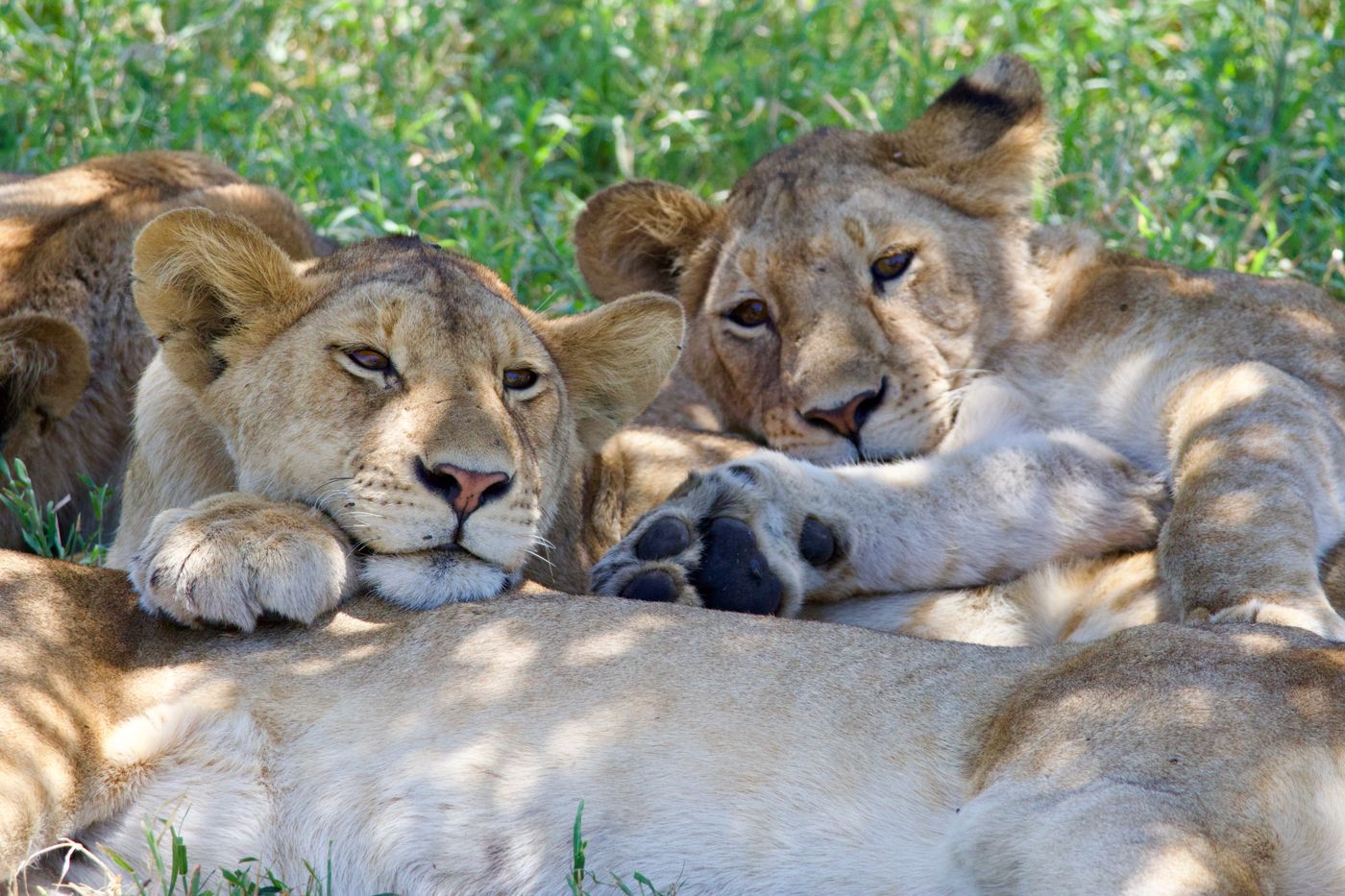
Serengeti · Tanzania
The theatre of the Great Migration
The Serengeti ecosystem spans roughly 30,000 square kilometres across Tanzania and Kenya’s Maasai Mara and carries the largest mammal migration on Earth: about 1.5 million wildebeest, 200,000 zebra and 350,000 gazelle in a continuous clockwise circuit. The Mara River crossings from late July to October are among the most concentrated wildlife events anywhere.
It supports the largest lion population in Africa, around 3,000 animals, alongside leopard, cheetah, hyena and African wild dog. One correction, because it is repeated everywhere: the highest lion density is in the neighbouring Ngorongoro Crater, not the Serengeti. The southern Ndutu area is a different trip from January to March, with roughly 400,000 calves born in about three weeks and predators gathering in numbers.
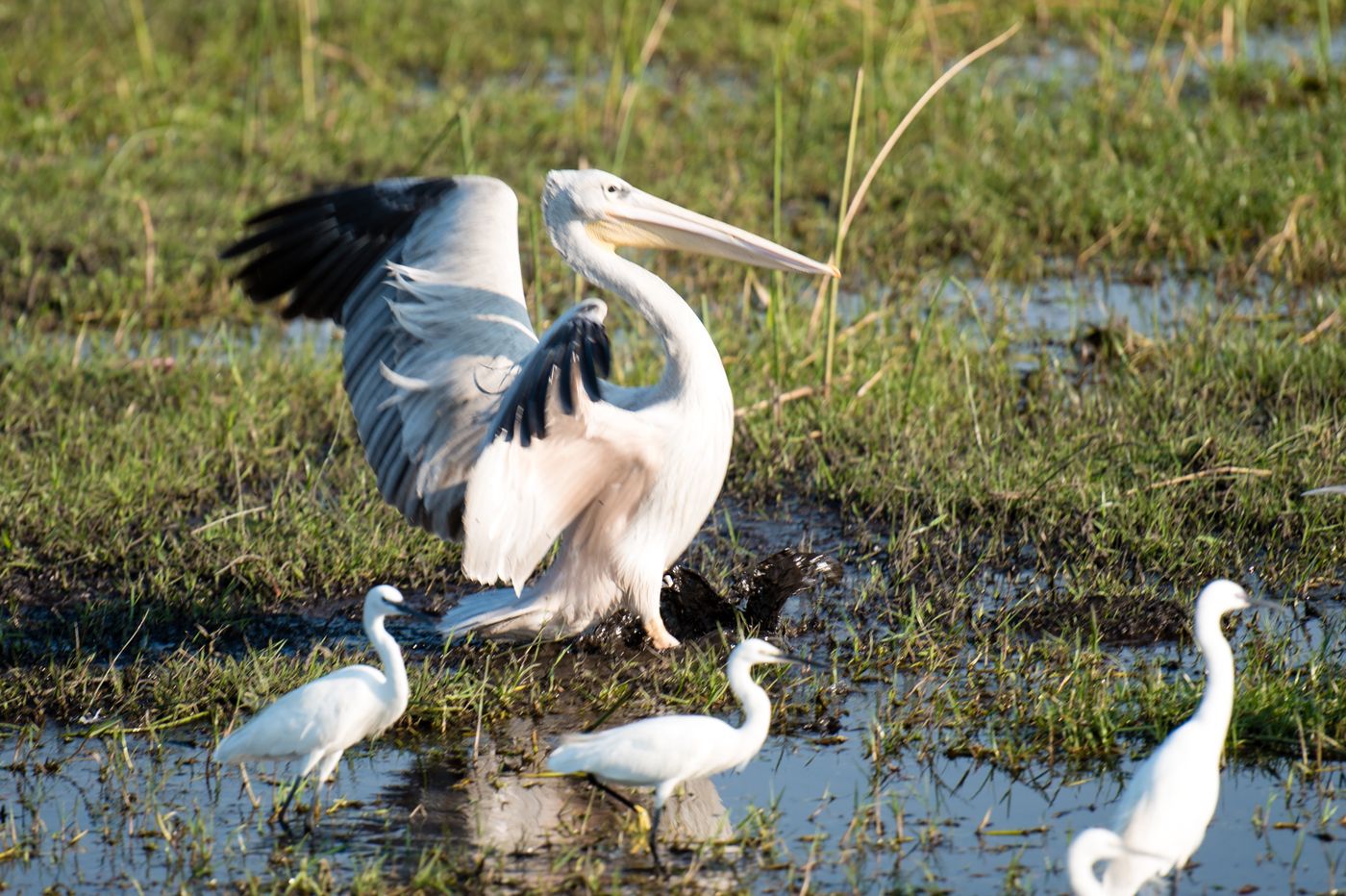
Okavango Delta · Botswana
Africa’s inland river delta
The Okavango is the world’s largest inland delta, between 15,000 and 22,000 square kilometres depending on the season, fed by a river draining from the Angolan highlands. The water arrives between May and August, and the mokoro, a dugout canoe poled through reed channels, is the defining experience alongside 4x4 game drives through shallow water.
Botswana holds the world’s largest elephant population at roughly 130,000 and the Delta is its core habitat. The distinction matters, because the national figure is routinely attributed to the Delta alone. UNESCO records 482 bird species on the property, which is a World Heritage site.
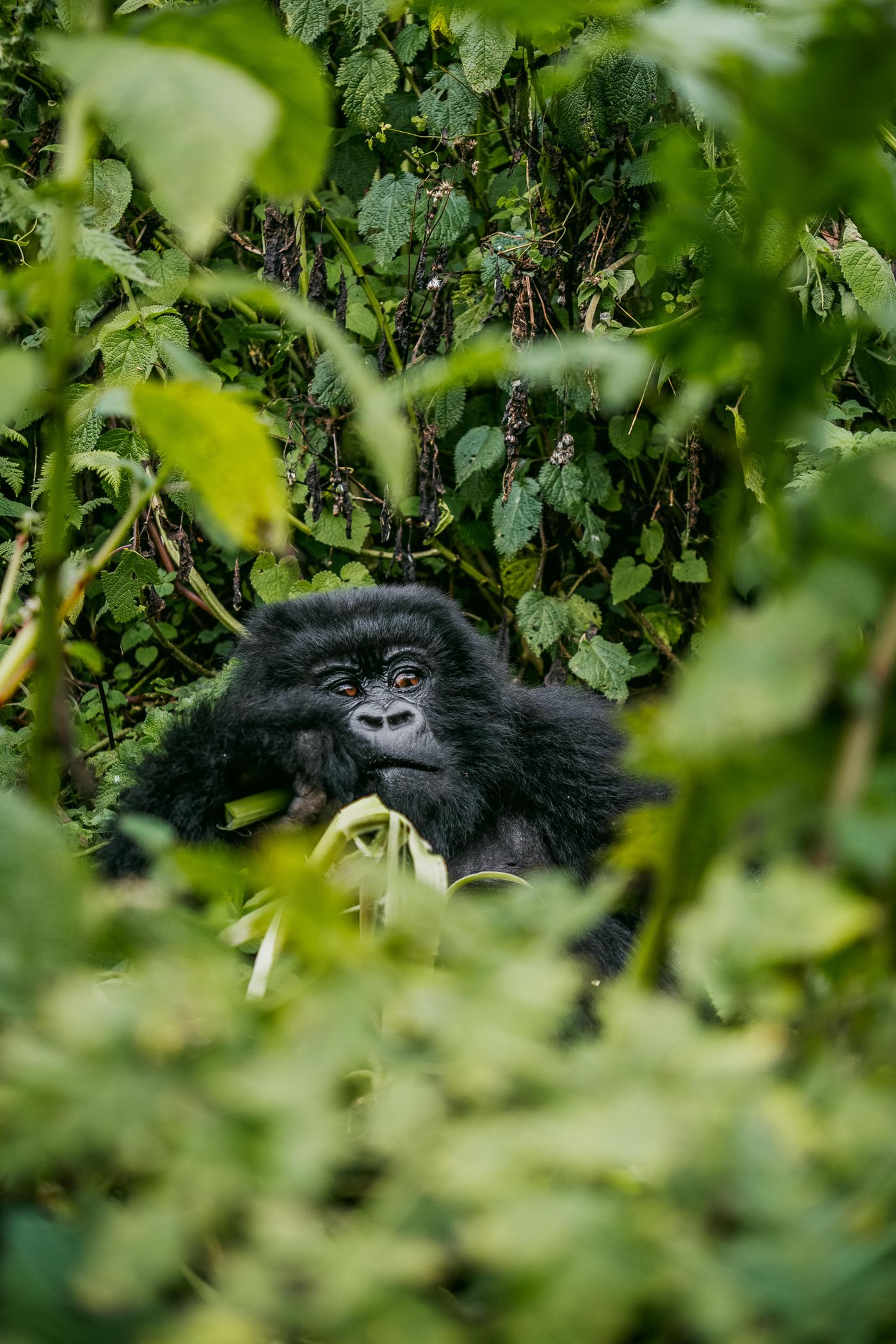
Bwindi Impenetrable Forest · Uganda
The mountain gorilla experience
Bwindi holds roughly 459 mountain gorillas, close to half the confirmed global population of 1,063, with the rest in the Virunga Massif across Uganda, Rwanda and the DRC. A new Bwindi and Sarambwe census completed fieldwork in October 2025 and results are pending, so expect these numbers to move. Mountain gorillas are the only great ape whose numbers are increasing.
The trek is two to eight hours through montane rainforest at 1,500 to 2,500 metres, ending in a strictly controlled hour with a habituated family. Permits are capped at eight visitors per family per day and cost $800 in Uganda or $1,500 in Rwanda. Uganda also sells a $600 low-season permit in April, May and November, which is non-refundable and cannot be rescheduled. Peak permits sell out six to twelve months ahead.
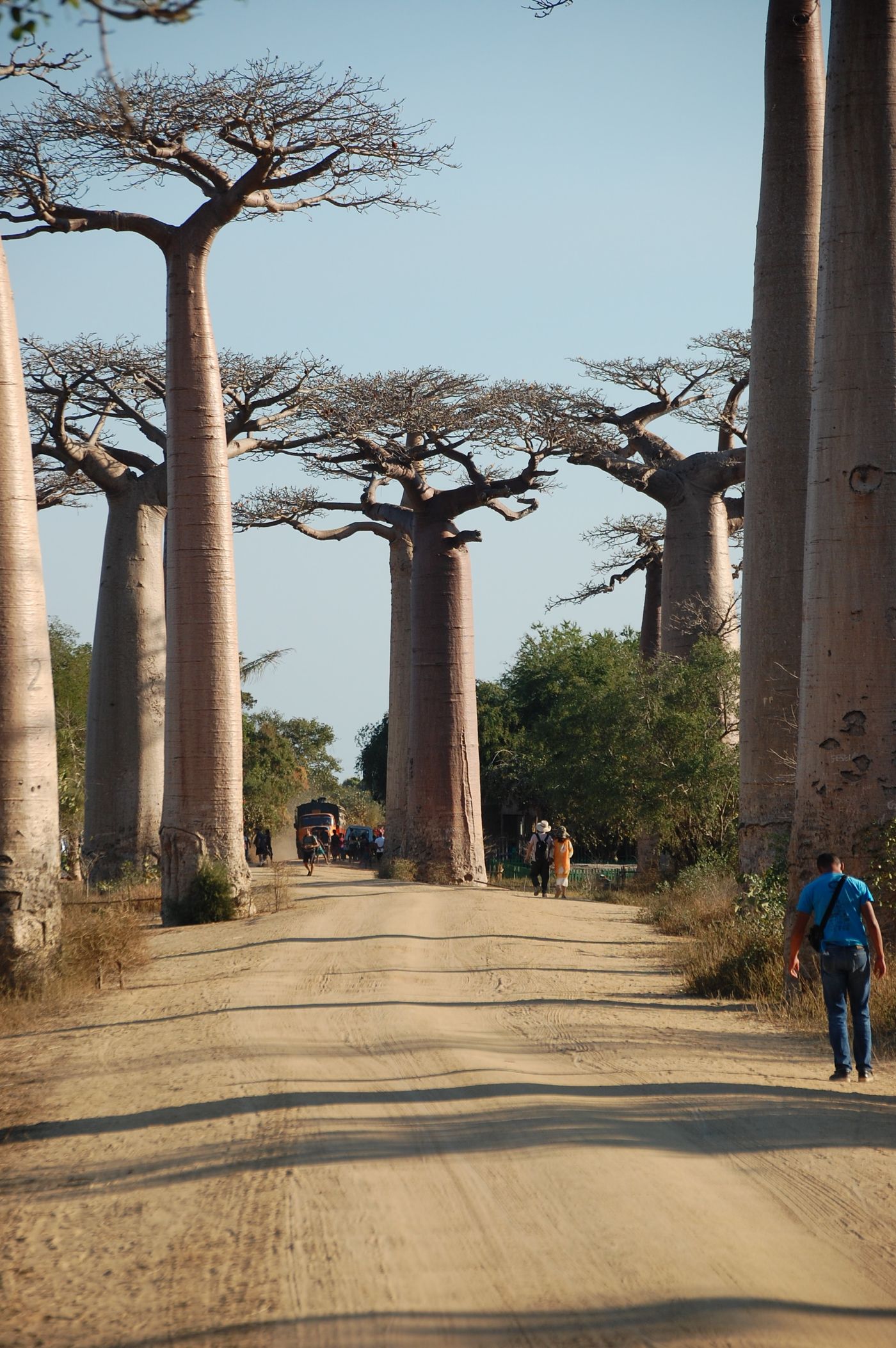
Madagascar · Indian Ocean
The eighth continent
The world’s fourth-largest island at 587,041 square kilometres, and the most biologically distinctive country on Earth. It separated from Africa 160 million years ago and from the Indian subcontinent 88 million years ago, and around 90 per cent of its wildlife is endemic. The 107 recognised lemur species are the best-known group, from the mouse lemur to the indri. Over half the world’s chameleon species live here, alongside leaf-tailed geckos, the fossa and the baobab forests of Morondava.
The familiar “90 per cent of forest lost” line traces to discredited colonial-era estimates. The defensible figures: roughly 40 to 50 per cent of forest cover has gone since the 1950s, and under 15 per cent of the island is now natural forest.
Borneo · Malaysia & Indonesia
The last stand of the orangutan
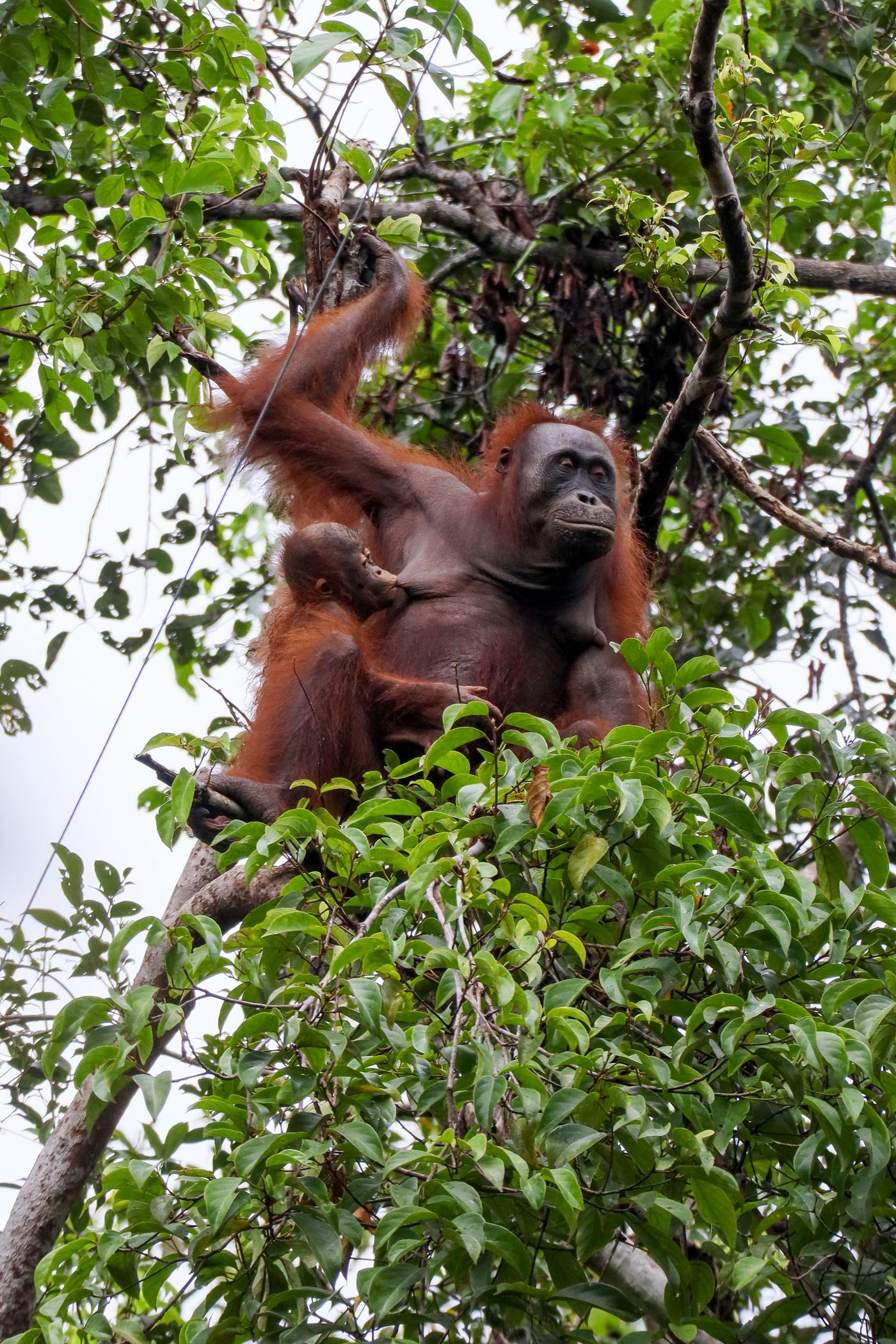
The world’s third-largest island at 748,168 square kilometres, shared by Malaysia, Indonesia and Brunei, and one of only two places where wild orangutans survive. The Bornean orangutan is critically endangered, with roughly 104,700 individuals left, a decline of more than 50 per cent over the past sixty years, driven mainly by habitat lost to palm oil.
The visit centres on Sabah, in Malaysian Borneo, at Sepilok, the Kinabatangan River and Danum Valley, or on the Indonesian side at Tanjung Puting, where the klotok river boat is the format. Beyond orangutans: proboscis monkeys, pygmy elephants, clouded leopards, hornbills, and Rafflesia arnoldii, the world’s largest flower at over a metre across.
Extraordinary Journeys plans private Indonesia trips, Borneo among them →
Pantanal · Brazil
The world’s largest tropical wetland
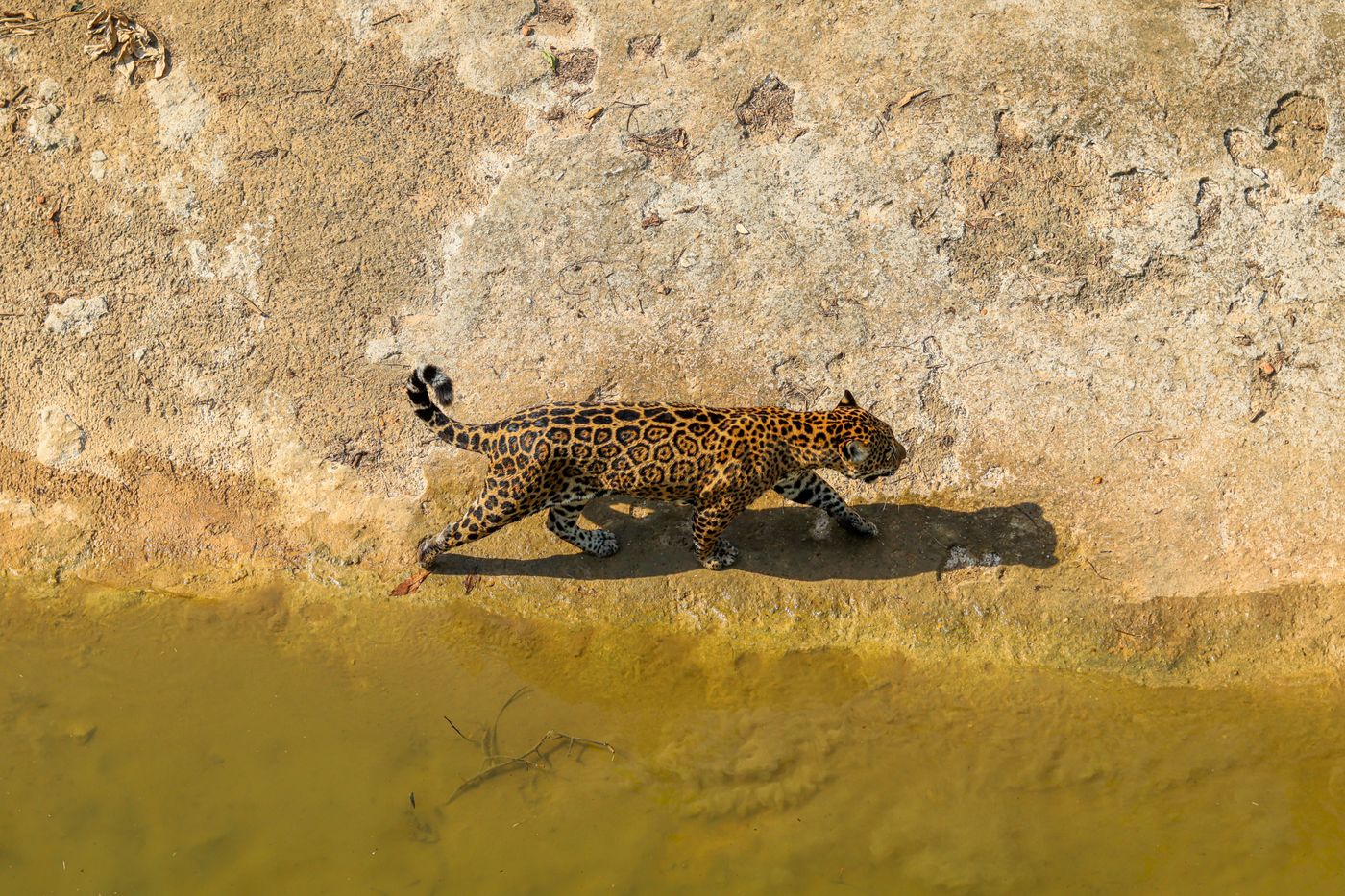
The Pantanal covers around 195,000 square kilometres of seasonally flooded plain in west-central Brazil, extending into Bolivia and Paraguay. It is the world’s largest tropical wetland and roughly thirty times the size of Everglades National Park. It holds the highest recorded jaguar densities anywhere; the highest measured is at Taiamã, while Porto Jofre on the Cuiabá River is the most reliable place to see one. Boat-based watching from June to October delivers near-certain sightings, often several animals in a day.
Beyond jaguars: giant river otters, capybara, tapir, anaconda, caiman, more than 650 bird species, and the hyacinth macaw, the largest flying parrot in the world at a metre long, though the flightless kākāpō outweighs it.
Galápagos · Ecuador
Where the theory of evolution was born
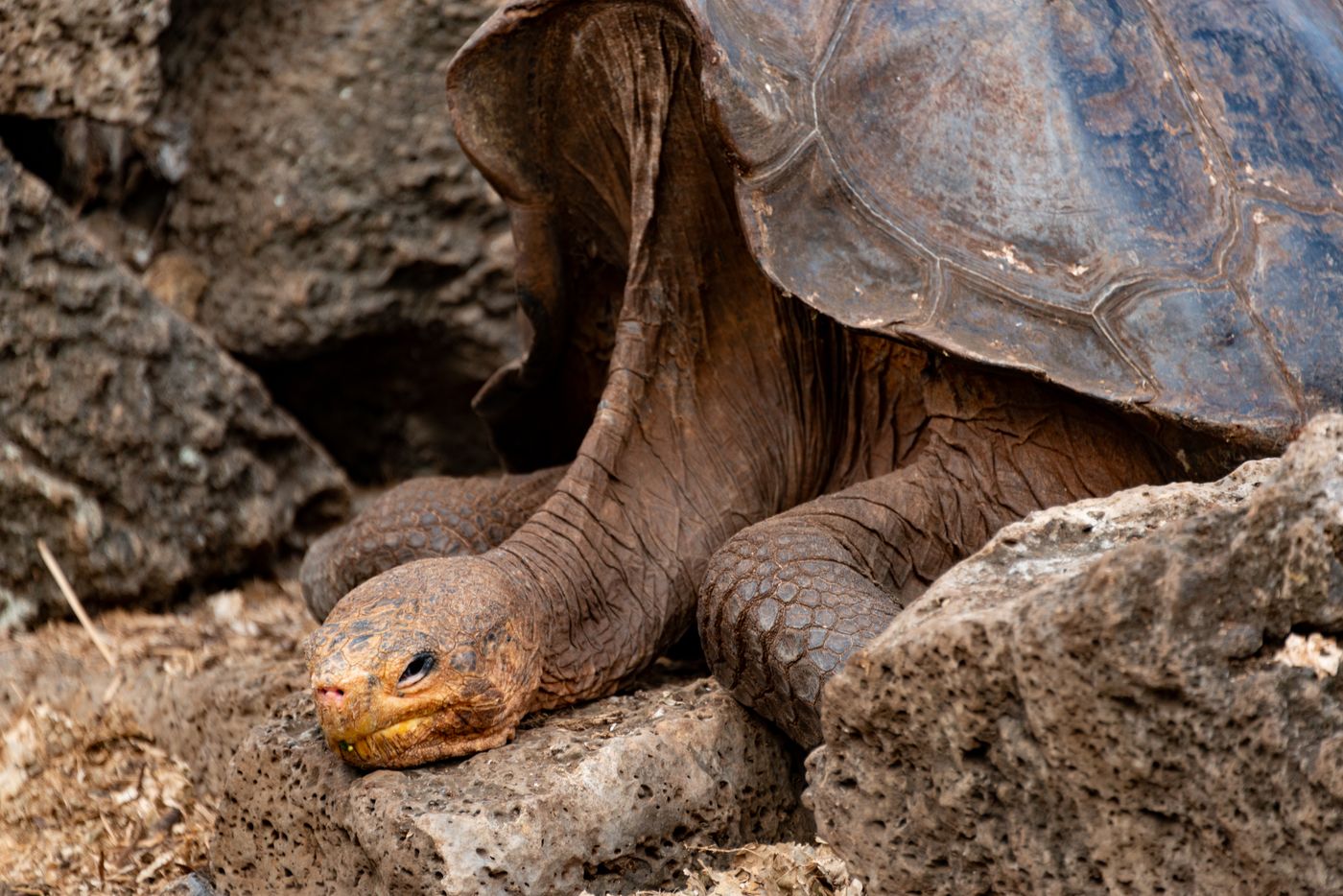
The Galápagos sit 1,000 kilometres west of mainland Ecuador and protect 7,665 square kilometres of land plus a marine reserve that was expanded to 198,000 square kilometres in January 2022 with the addition of the Hermandad reserve. Most published guides still give the old 138,000. Darwin’s five weeks here in 1835 produced the observations behind natural selection.
Endemism is among the highest on Earth: 80 per cent of land birds, 97 per cent of reptiles and land mammals, 30 per cent of plants. The animals evolved without land predators and do not treat people as a threat. Marine iguana, giant tortoise, blue-footed booby, flightless cormorant, and the Galápagos penguin, the only penguin found north of the equator.
Yellowstone · Wyoming, USA
America’s most complete predator-prey system
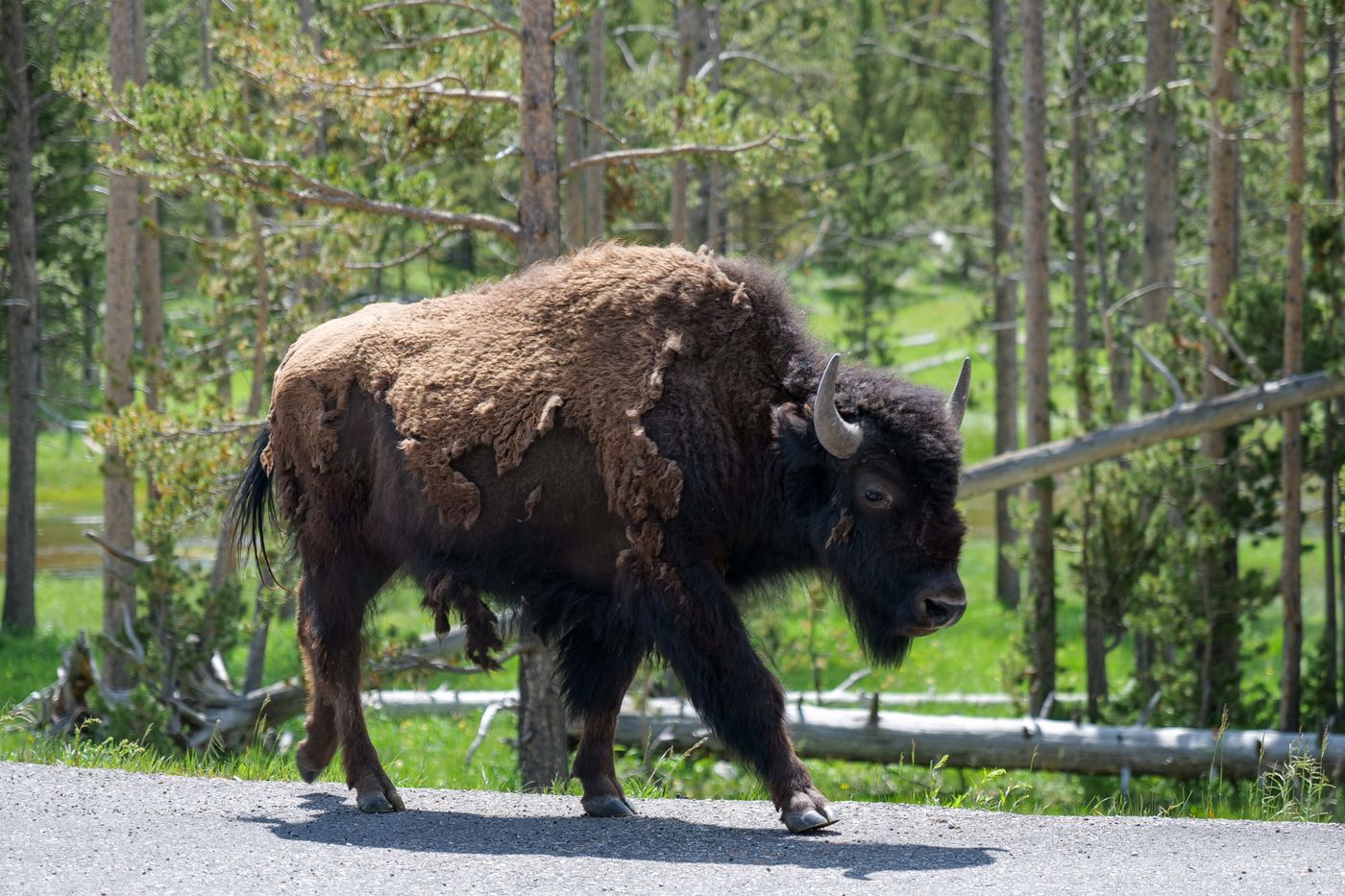
The world’s first national park, established in March 1872, protecting 8,983 square kilometres of volcanic plateau and, since the wolf reintroduction of 1995 to 1997, the most complete predator-prey system in the contiguous United States. The Lamar Valley is the best-known wolf-watching ground, where the Druid Peak pack and its successors produced some of the best-documented wild wolf behaviour on record.
Beyond wolves: grizzly bear, now estimated at around 1,030 in the Greater Yellowstone monitoring area under the current model, not the long-quoted 700; roughly 5,300 bison; elk, pronghorn, bighorn sheep and mountain lion at low density.
Churchill · Manitoba, Canada
The polar bear coast
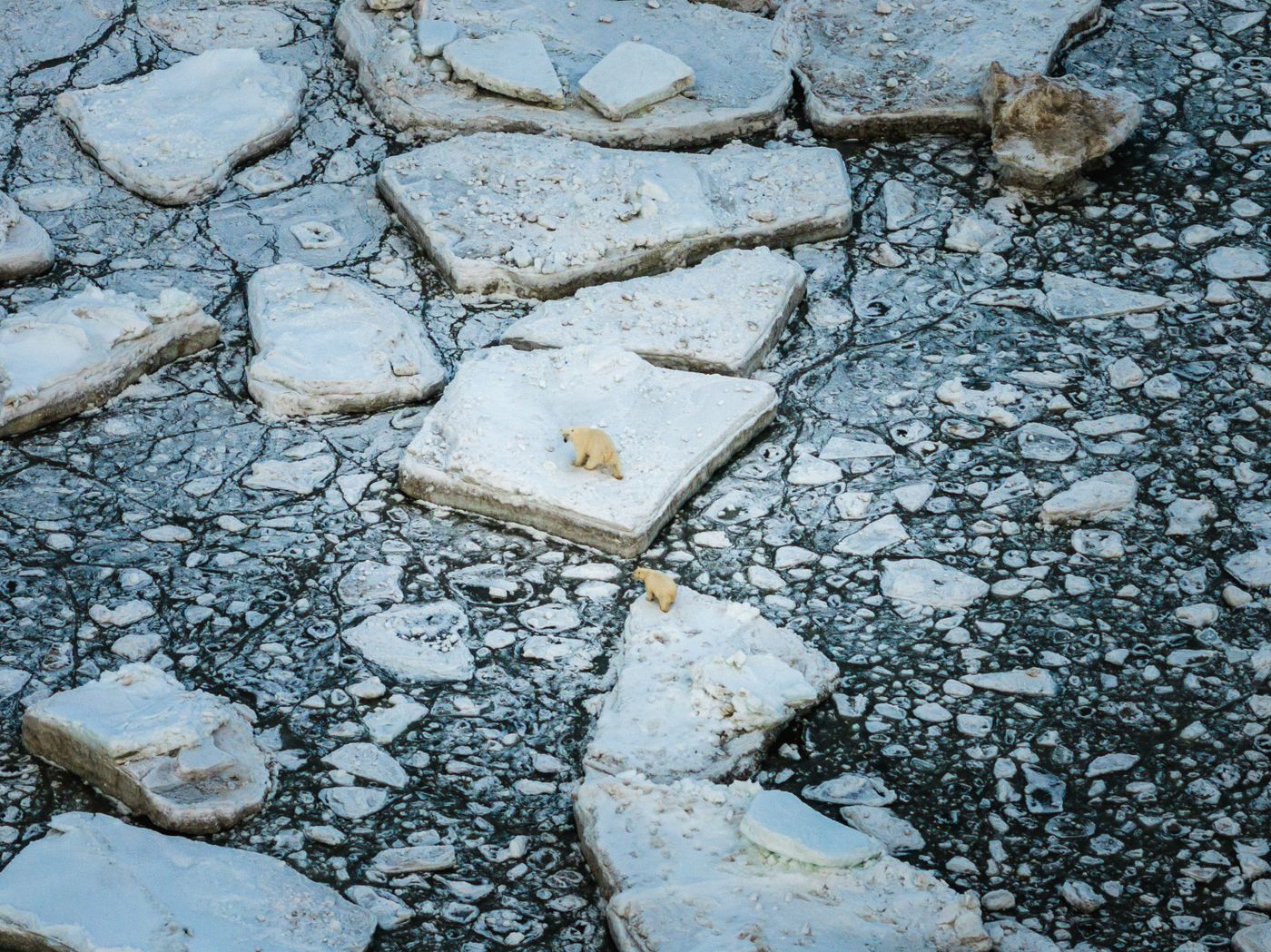
Churchill, on the western shore of Hudson Bay, is the best-known place to watch wild polar bears at close range, as they gather along the coast each October and November waiting for the sea ice to form. The tundra buggy, with its raised viewing platforms, is the usual format.
The numbers need correcting. The Western Hudson Bay subpopulation stood at 618 bears in the 2021 aerial survey, down from 949 in 2011, a decline of roughly a third in a decade. Figures of 900 or more still circulate widely, including on official tourism pages. Around 4,000 beluga whales also gather in the Churchill River estuary from mid-June to mid-September, alongside Arctic fox and snowy owl.
Costa Rica · Central America
Five per cent of the world’s biodiversity
Costa Rica covers 0.03 per cent of the planet’s land surface and supports approximately 5 per cent of its biodiversity, a result of sitting between two oceans and two continents across several altitude bands. Protected areas cover more than a quarter of the country.
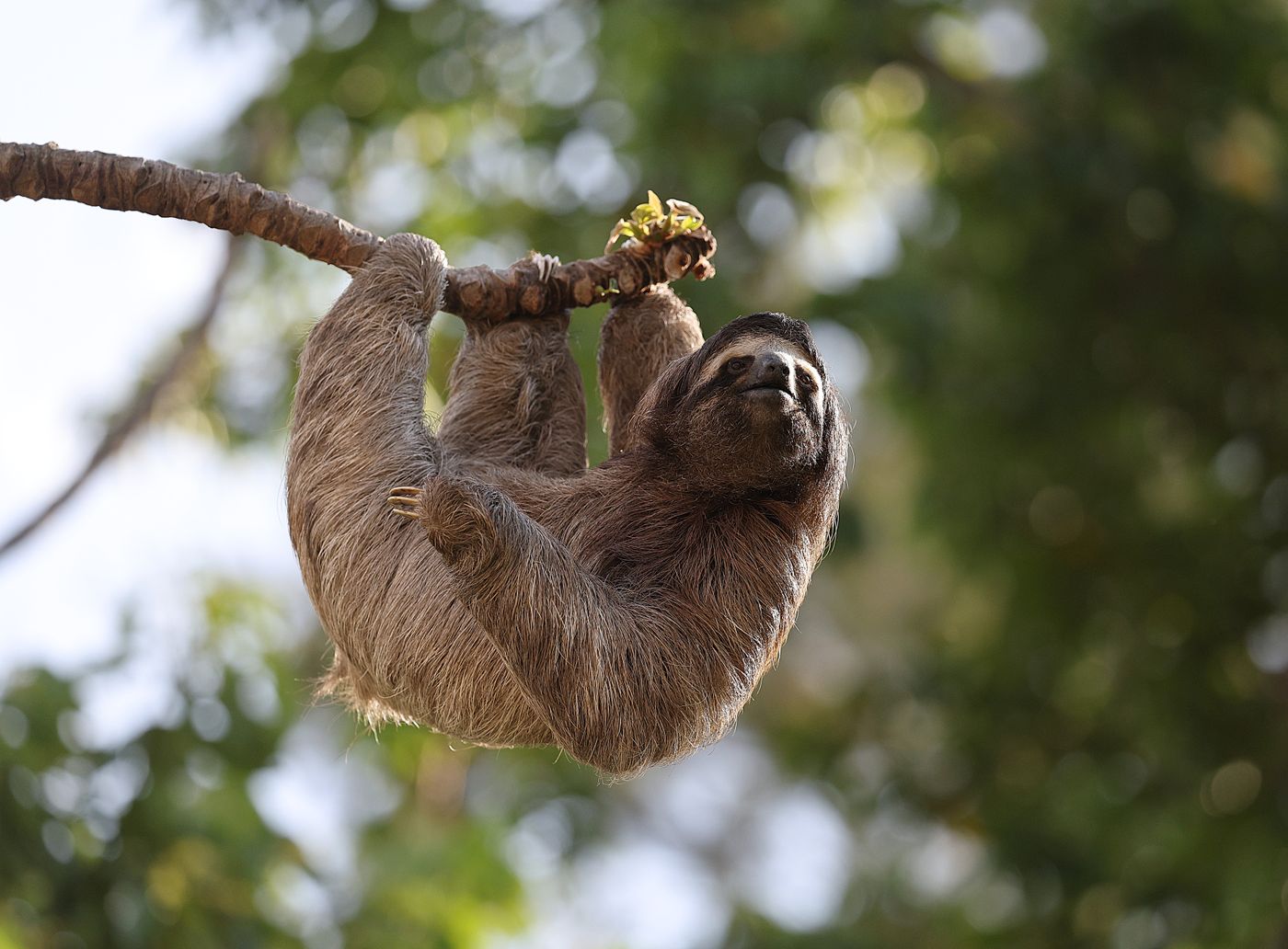
Tortuguero hosts the largest green turtle nesting population in the Atlantic. Corcovado on the Osa Peninsula is the old-growth rainforest park with all four monkey species and the best tapir density. Monteverde is the cloud forest with the resplendent quetzal, and Manuel Antonio is the accessible Pacific park with sloth, monkey and coati.
A planner for seven of the ten
Seven of the ten destinations sit in countries one tailor-made planner covers.
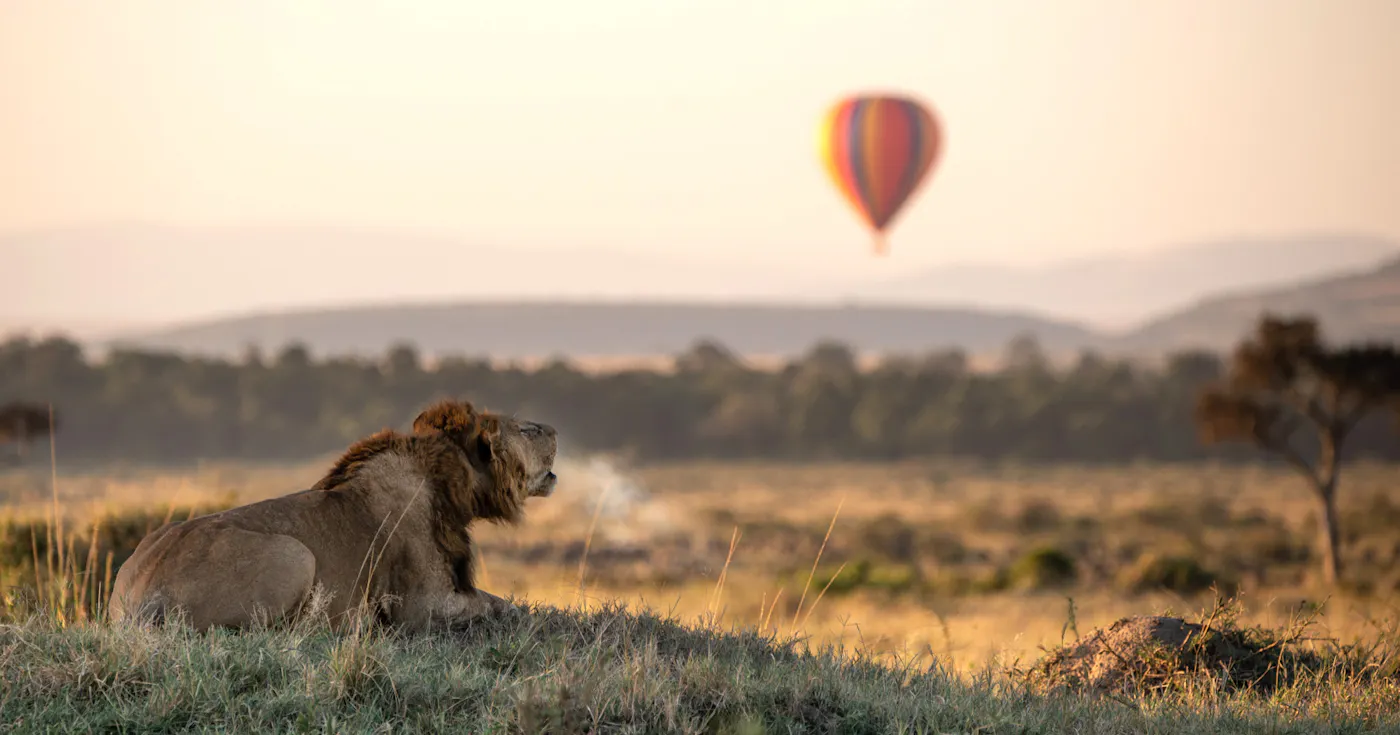
Photo: Extraordinary Journeys.

Extraordinary Journeys
Extraordinary Journeys began as a safari planner and now plans private trips in 39 destinations, 16 of them in Africa. The countries behind seven of the ten destinations on this page are on its list, so one planner can handle a Serengeti safari one year and orangutans in Borneo or the Galápagos the next. It owns no camps or boats, and says trips start at about USD 1,000 per person per day with a five-day minimum.
Where it plans the trips on this page
- Serengeti, Okavango and BwindiTanzania, Botswana and UgandaIts Africa trips →
- MadagascarLemurs and baobabsIts Madagascar trips →
- BorneoThrough its Indonesia programmeIts Indonesia trips →
- The Pantanal and the GalápagosBrazil and EcuadorIts South America trips →
The ten destinations and their order are editorial. Confirm the specific reserve you want with its specialist; its site lists countries, not every park.
Seven numbers that did not survive checking
Seven figures that circulate widely did not survive checking against primary sources in September 2026. They are corrected in the entries above and collected here.
| Commonly published | What the source says |
|---|---|
| About 900 polar bears at Churchill | 618 in the Western Hudson Bay subpopulation, 2021 aerial survey, down from 949 in 2011. Source: Polar Bears International. |
| Galápagos marine reserve 138,000 km² | 198,000 km² since the Hermandad expansion in January 2022. Source: Galapagos Conservancy. |
| 700+ Yellowstone grizzlies | About 1,030 in the monitoring area under the current model. Source: NPS. |
| Serengeti has the highest lion density on Earth | Largest lion population in Africa. The highest density is the Ngorongoro Crater. Source: UNESCO. |
| 90% of Madagascar’s forest lost | Traces to discredited colonial-era estimates. About 40–50% since the 1950s; under 15% is now natural forest. Source: Lemur Conservation Network. |
| Okavango Delta holds 130,000 elephants | That is Botswana’s national population; the Delta is its core habitat. Source: UNESCO. |
| Okavango has 530+ bird species | 482 per UNESCO. The 530 appears to be a mis-transcription of plant genera. Source: UNEP-WCMC. |
Two more are defensible but usually framed misleadingly. The Pantanal is often called ten times the size of the Everglades; against Everglades National Park it is closer to thirty. And the hyacinth macaw is the largest flying parrot; the flightless kākāpō is heavier.
The part most often underestimated: insurance
Medical and evacuation cover is the least prepared part of most wildlife trips, because people buy on the headline and not the exclusions. Almost every destination here is remote: bush airstrips thirty to sixty minutes by small aircraft from a hospital, trekking at altitude, expedition settings. Most premium camps require proof of medical-evacuation cover before you arrive.
Read the exclusions. The nomad-style policies that suit most travel are often the wrong product here. One of the best-known adventure add-ons caps mountaineering cover at 6,000 metres and excludes “expeditions in remote or inaccessible areas”, which describes every destination on this page, and it can only be bought at the outset. You need cover that names your activity and region and carries a medical-evacuation limit sized for it, which usually means a specialist membership. There is no insurance affiliate on this page for that reason.
Our high-altitude and expedition insurance guide sets out what to look for. Guides matter here too: premium camp guides are trained in field-medical response and evacuation, and they are usually the first responders in a serious incident.
Three shapes of trip that work
The single-ecosystem trip, such as a full week in the Serengeti with one camp move, six nights at one Pantanal lodge or a week at Danum Valley, produces better sightings than a rushed multi-region itinerary. The combined-ecosystem trip, such as the Serengeti with Ngorongoro and Tarangire, or Bwindi with the Maasai Mara, pairs neighbouring systems. And the single-species trip, for gorillas, jaguars or polar bears alone, accepts that the trip is about one encounter at its best.
The premium camps in each ecosystem are usually also the largest private investors in its conservation, so choosing them is a small but real vote. The operator-by-operator view is in our safari operator index and the Singita, andBeyond and Wilderness comparison.
Partner
Know which animal you want to see? Extraordinary Journeys plans private trips in the countries behind seven of these ten destinations.
Enquire with Extraordinary Journeys →Read the review first →The ten destinations and their order are editorial.
Questions readers ask
What is the best wildlife travel destination in the world for 2026?
How much does a gorilla trekking permit cost in 2026?
How many mountain gorillas are left?
Where is the best place to see wild jaguars?
How many polar bears are there at Churchill?
When is the best time to see the Great Migration in the Serengeti?
Which travel company plans trips to several of these wildlife destinations?
Do I need special travel insurance for a wildlife expedition?
How far in advance should I book a luxury safari or wildlife trip?
- The luxury safari operator index 2026 →
- Safari animals: what you will see, where and when →
- Singita vs andBeyond vs Wilderness →
- The Tanzania luxury safari guide 2026 →
- Botswana luxury safari guide 2026 →
- Best time for Rwanda gorilla trekking →
- Galápagos: luxury cruise vs land-based →
- Extraordinary Journeys review 2026 →