First Class vs Business Class in 2026: The Honest Comparison
First class still exists in 2026 but the gap to business class has closed dramatically. Qatar Qsuite, Singapore Business Class, ANA The Room, and Delta One Suite all offer enclosed suites with sliding doors — features that defined first class a decade ago. True first class survives at perhaps eight to twelve airlines globally, with another three or four offering essentially-but-not-quite-first-class business products. The honest comparison in 2026 is no longer 'first class versus a recliner business class.' It is 'first class versus an enclosed business class suite' — and the answer to which is worth paying for has shifted accordingly.
First class beats business class. Private aviation charter beats both
The gap between first class and business class has narrowed. The gap between commercial first class and private aviation charter has narrowed too — for groups of four or more on multi-city European, US, and transatlantic routings, charter is increasingly within range of commercial first class on a per-passenger basis, with the time and privacy advantages of charter that no commercial cabin matches.
Compare a charter quote →- The 2026 landscape: where first and business sit now
- The honest differences: what first delivers over business
- The suite question: when business catches up
- Ground experience: where first still wins decisively
- Dining and onboard service
- The shower and bedroom suites: where business cannot follow
- Award redemption: the real cost differential
- When first class actually pays back
- When business class is enough
- The honest recommendation
The 2026 landscape: where first and business sit now
The premium commercial aviation cabin landscape has shifted meaningfully over the past five years. Business class products from Qatar Airways (Qsuite), Singapore Airlines (current and forthcoming), ANA (The Room), Cathay Pacific, JAL, EVA Royal Laurel, British Airways (Club Suite), Delta (One Suite), and others now feature fully enclosed suites with sliding doors, lie-flat beds, direct aisle access for every passenger, and increasingly the bedding quality and dining service that defined first class a decade ago.
True first class, meanwhile, has contracted. Only approximately 10-12 airlines globally offer genuine first class as a fleet-wide product in 2026: Air France (La Première, new five-window suite rolling out), All Nippon Airways (The Suite on 777-300ER), British Airways, Emirates (the largest first class operator, with approximately 40-50% of the world's first class seats), Etihad (Apartments plus The Residence), Japan Airlines (A350-1000 suite), Lufthansa (Allegris rolling out 2025-2027), Qantas (A380), Singapore Airlines (current Suites; new product delayed to Q1 2027), Swiss. Several others — Cathay Pacific, Korean Air, Qatar Airways — offer first class on a small number of routes only, or are transitioning away from the product.
The structural shift: first class capacity worldwide is declining at roughly 3% per year. Several major carriers (Continental, US Airways, KLM, Iberia, Air New Zealand) eliminated first class entirely over the past 15 years. Business class capacity, meanwhile, is growing — Delta's new A350-1000s allocate approximately 50 business class seats per aircraft, the highest premium-cabin density in Delta's fleet. United's new Boeing 787-9 with Polaris 2.0 is similarly premium-heavy.
The reason is economic. Business class generates better revenue per square foot of cabin than first class. Premium-leisure travellers (families burning points, couples celebrating anniversaries, retirees flying long-haul) increasingly book business class rather than first. Corporate travel policies that once permitted first class on long-haul routes have largely tightened to business class only. The combined effect: business class became the de facto premium cabin for most premium travellers, and airlines responded by upgrading business while letting first class quietly fade.
The honest differences: what first delivers over business
The remaining first class products in 2026 deliver four meaningful differences over even the best business class suites. Understanding these differences is the foundation for deciding whether the cost differential pays back for your specific trip.
First, raw space. The Etihad Apartment, Singapore Suite, Emirates First Class Suite, and similar products offer 35-50 square feet of personal cabin space per passenger — roughly double the typical business class suite. The ANA The Suite occupies 48 square feet. The Emirates A380 Suite occupies approximately 40 square feet. The Singapore Airlines Suite occupies 50 square feet. The Etihad Apartment is even larger.
For comparison, the Qatar Qsuite (the most spacious widely-deployed business class product in 2026) offers approximately 22-25 square feet per passenger in the standard configuration. The space differential is the single largest factor in the lived experience gap between first class and the best business class.
Second, dedicated crew ratio. First class cabins typically operate at a 1:2 or 1:3 crew-to-passenger ratio versus business class at 1:6 to 1:10. The Emirates A380 first class cabin has approximately 14 seats served by a dedicated team. The Etihad Apartment cabin has approximately 9 passengers served by dedicated first class crew. Singapore's 6-seat Suite cabin has a similar ratio. The dining-on-demand experience, the personalised greeting, the proactive service across an 8-14 hour flight — these depend on crew availability that business class cannot match at scale.
Third, separate seat and bed. The genuinely distinguishing first class feature in 2026 is the separate seat and bed configuration found on Singapore Suites (the chair swivels; the bed is a separate ottoman that converts to a double when two adjacent suites are booked together), ANA The Suite (separate ottoman bed), and Etihad Apartments (separate bench bed). The structural advantage: you sit in one position to dine or work, then sleep on a properly-made, dedicated bed surface. Business class beds are converted seats — the same surface used for sitting, sleeping, and dining. The conversion takes 30-60 seconds and the bed is made on top of the seat surface.
Fourth, dining service depth. First class dining typically includes multiple-course tasting menus, sommelier-curated wine pairings, caviar service (Emirates, Etihad, Singapore), individual fine-china plating, and meal flexibility (pre-order specific dishes 24+ hours before flight, dine-on-demand at any time during the flight). Business class dining has improved meaningfully but rarely matches the depth — typical business class is a single-course main with appetiser and dessert, served on a roughly hour-long single sitting.
| Dimension | True first class | Best business class (Qsuite, Singapore J, ANA Room) |
|---|---|---|
| Cabin space per passenger | 35-50 sq ft | 22-25 sq ft |
| Crew ratio | 1:2 to 1:3 | 1:6 to 1:10 |
| Sliding door | Yes (all major products) | Yes (most new products) |
| Separate seat + bed | Singapore, ANA, Etihad | Converted seat |
| Shower onboard | Emirates A380, Etihad A380 | No |
| Caviar service | Emirates, Etihad, Singapore, Qantas | No (rare exceptions) |
| Dining-on-demand | Standard | Some (Qsuite, Singapore, ANA) |
| Dedicated lounge | First class lounges or suites within lounges | Business class lounge access |
| Champagne | Dom Pérignon, Krug, premium cuvées | Mid-tier champagnes |
| Typical cash fare differential | $8,500-$25,000 one-way | $3,500-$8,500 one-way |
The suite question: when business catches up
The single biggest narrowing of the first-class-versus-business gap is the spread of enclosed suite designs in business class. The hardware difference between the Emirates First Class Suite and the Qatar Qsuite is no longer obvious from photographs. Both have sliding doors, lie-flat beds, dedicated personal space, and modern in-flight entertainment systems.
What separates them is the soft product, not the hardware. The Emirates Suite is materially larger (40 square feet versus the Qsuite's 22-25), the dining service is fundamentally different (multi-course tasting menu with caviar versus a single-course main), the bedding is genuinely different (a properly turned-down separate bed surface versus a converted seat with bedding placed over it), and the crew ratio enables a level of attention that business class economically cannot match.
For travellers prioritising hardware — privacy, lie-flat sleep, sliding door, large screen — the new business class suites deliver 85-90% of the first-class hardware at a fraction of the cost. The remaining 10-15% is what separates the two products in 2026, and that 10-15% is concentrated in the soft product (dining, service, attention) and the genuinely category-defining first class features (separate bed, shower onboard, dedicated lounge access).
The honest framing: if you would not notice or value the soft product depth, business class is the right answer. If the soft product is the reason you fly premium cabins, first class is what you are paying for.
Ground experience: where first still wins decisively

The ground experience differential between first class and business class is often understated in cabin reviews but is meaningful for the lived experience of the journey.
Check-in and security. First class passengers at major airports typically receive dedicated check-in counters, dedicated security lanes (often genuinely empty rather than the lightly-used premium security lanes available to business class), and dedicated immigration handling in some markets. The Emirates First Class check-in at Dubai is a separate facility (the Emirates First Class Terminal at Dubai International) reached by a dedicated entrance. Singapore's first class check-in at Changi is staffed at a different intensity than business class check-in.
Lounges. First class lounges are categorically different products from business class lounges in 2026:
- Air France La Première Lounge at Charles de Gaulle is a 1,300-square-metre dedicated space serving fewer than 50 daily passengers, with restaurant-grade dining and individual suites.
- Lufthansa First Class Terminal at Frankfurt is a separate building, accessed by a chauffeured Porsche or Mercedes from the airline's curbside lounge entrance, with whisky bar, restaurant, private bathrooms with full showers, and dedicated immigration handling.
- Singapore Airlines The Private Room at Changi is a lounge-within-a-lounge for first class passengers, with à la carte fine dining and significantly lower passenger density than the business class SilverKris lounge.
- Emirates First Class Lounge at Dubai Concourse A is a dedicated lounge with multiple restaurants, full bar, spa with complimentary treatments, sleeping rooms, and direct boarding to the aircraft via a private boarding gate.
- British Airways Concorde Room at Heathrow Terminal 5 is the dedicated first class lounge accessed via a separate entrance with à la carte dining.
The business class equivalents at these hubs are good — Qatar's Al Mourjan, Emirates' Concourse B business class lounge, Singapore's SilverKris business class lounge — but they are not the same product. The first class lounges have 5-10x lower passenger density, dedicated chefs, restaurant-grade table service, and genuinely private spaces. For travellers connecting through major hubs, the ground experience is often the biggest single difference between flying first and flying business.
Boarding and arrival. First class passengers typically board first via dedicated boarding flows, are met at the aircraft by named cabin crew, and on arrival are often expedited through immigration via dedicated routes at major hubs. The chauffeur transfer benefit (Emirates and Etihad include complimentary chauffeur drives at both ends of most routes, Lufthansa includes ground transfers at Frankfurt) extends the ground premium experience to door-to-door.
Dining and onboard service
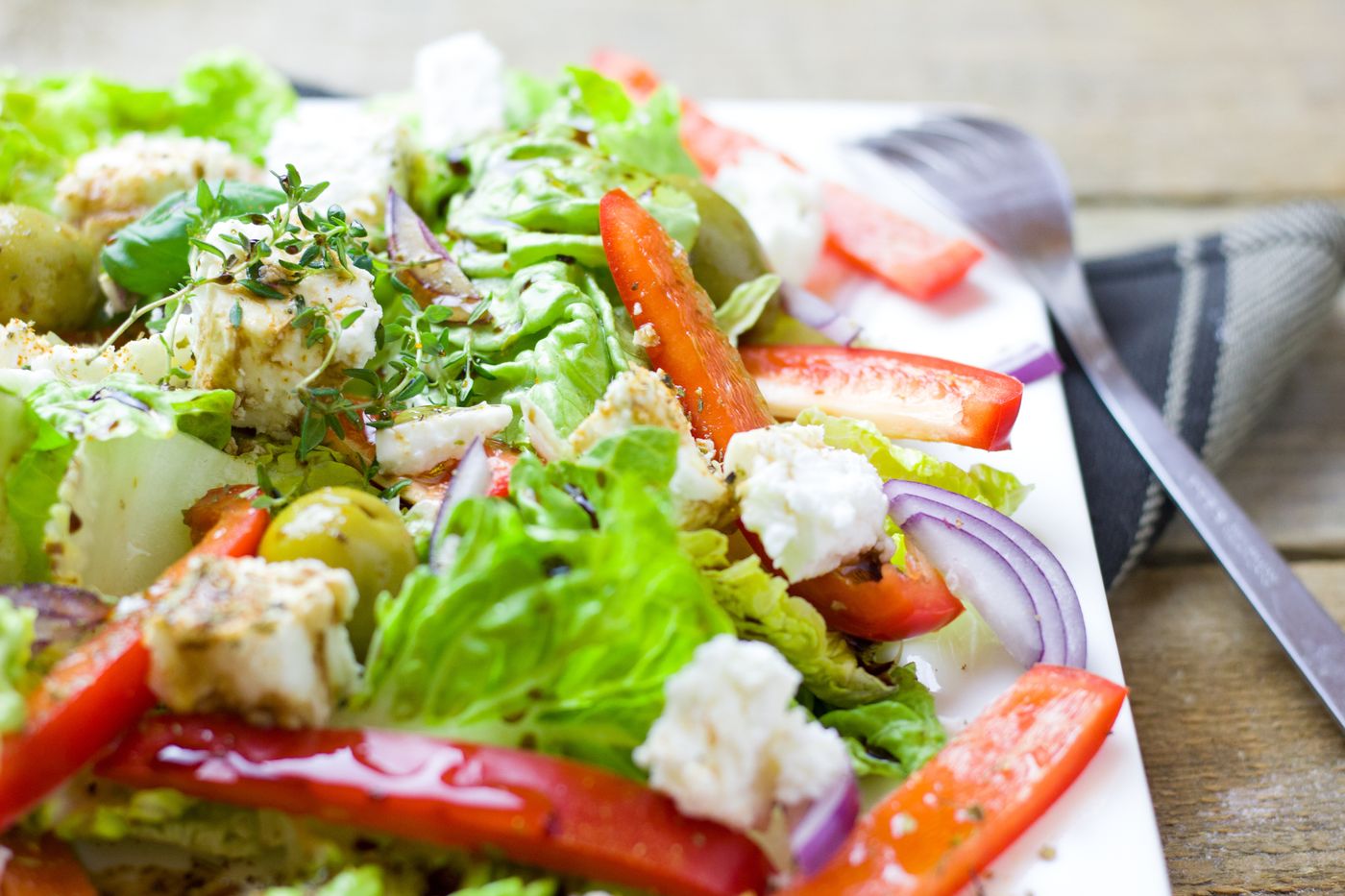
The dining gap in 2026 is real and structural. The remaining genuine first class products invest meaningfully in onboard dining at a level no business class can match:
Emirates First Class: seven-course tasting menu on most long-haul routes, dine-on-demand at any time during flight, Mouton Rothschild and Château d'Yquem wine lists, caviar service, fresh à la carte dishes prepared in flight. The amenity kits are Bulgari.
Singapore Airlines First/Suites: Book the Cook pre-flight ordering (lobster thermidor, filet mignon, regional specialities ordered 24-48 hours before departure), Dom Pérignon as standard champagne, individual fine dining service.
Etihad First Class Apartment: dine-on-demand with chef-prepared dishes, caviar service, an extensive children's menu for families, Devaux House champagne, ESPA amenity products, Armani pajamas and slippers.
Air France La Première: Alain Ducasse-curated menus, Krug champagne, dedicated sommelier service on the ground at the La Première Lounge with Alain Ducasse's Le Comptoir wine bar.
ANA The Suite: the dining experience consistently ranked among the most refined in commercial aviation, with menu collaboration with Tokyo's top restaurants.
The best business class dining (Qsuite dine-on-demand, Singapore business class, ANA business) approaches first class quality on the food itself but falls short on the depth — typically one main course rather than a multi-course tasting menu, served on standard fine china rather than individual chef-plated presentations, with mid-tier wines rather than Mouton Rothschild and Dom Pérignon.
The shower and bedroom suites: where business cannot follow
Two categories of first class amenity exist only in first class and likely will not migrate to business class:
The onboard shower is available on Emirates A380 first class and Etihad A380 first class only. Emirates' shower spa allocates approximately five minutes of running water per passenger across the flight, with full towels, products, and a heated floor. For overnight flights, the shower transforms the arrival experience — the cardholder lands feeling genuinely refreshed rather than flight-tired. This is the single feature most often cited as the deciding factor for travellers willing to pay first class fares on Emirates over business class.
Etihad The Residence is in a category of its own. A two-room suite (living room plus bedroom) with en-suite shower, dedicated butler, and capacity for two passengers, available only on Etihad's A380 fleet on selected routes (typically London-Abu Dhabi, New York-Abu Dhabi). The Residence is the closest commercial product to a private jet experience and is priced accordingly — typically $20,000-$30,000 per passenger on the cash fare, though periodic award space appears via Etihad Guest miles for serious points collectors.
Neither feature is structurally compatible with business class economics. Adding showers to business class would require dedicating cabin space (and water tank capacity) that the business class revenue model cannot support. Adding two-room suites to business class is not a product anyone has attempted because the revenue per square foot collapses entirely.
Award redemption: the real cost differential
For travellers redeeming points and miles rather than paying cash, the first-class-versus-business decision shifts. The award redemption math in 2026:
| Route | Business class award cost | First class award cost | F vs J multiplier |
|---|---|---|---|
| JFK-LHR (one-way) | 50,000-70,000 miles | 85,000-150,000 miles | 1.7x-2.1x |
| LAX-NRT (one-way) | 75,000-90,000 miles | 110,000-150,000 miles | 1.5x-1.7x |
| LAX-SYD via SIN (one-way) | 80,000-110,000 miles | 130,000-220,000 miles | 1.6x-2.0x |
| JFK-DXB (one-way) | 75,000-95,000 miles | 125,000-180,000 miles | 1.7x-1.9x |
| SIN-LHR (one-way) | 90,000-120,000 miles | 180,000-250,000 miles (Singapore Suites) | 2.0x-2.1x |
The award redemption math is typically more favourable to first class than the cash fare math, because first class award space exists but cash first class fares are increasingly priced to discourage purchase. The Singapore Airlines Suites at 180,000-200,000 KrisFlyer miles for SIN-LHR (or transferrable points via Chase, Amex, Citi, Capital One at 1:1) is a meaningfully better redemption value than the equivalent cash fare differential implies — the cash fare is often $12,000-$18,000 one-way for the same flight.
For travellers earning transferable points through premium credit cards (covered in our 2026 premium card comparison), the first class redemption sweet spots are the principal redemption use case. The dedicated piece on how to fly business and first class on points in 2026 covers the specific transfer paths and timing.
When first class actually pays back
First class pays back in 2026 under specific conditions. The honest framing of when:
The ground experience makes the trip. For travellers connecting through Frankfurt (Lufthansa First Class Terminal), Dubai (Emirates First Class Terminal), Paris (Air France La Première Lounge), or Singapore (The Private Room), the ground experience genuinely changes the journey. For travellers on point-to-point routes who do not connect through these hubs, the ground experience differential is smaller.
The flight is long enough for the differences to compound. The first-class-versus-business gap is more meaningful on flights of 12+ hours than on flights of 6-8 hours. The shower benefit applies primarily to overnight flights. The separate bed surface matters more on longer flights. For a 6-hour transatlantic, business class catches most of the lived value. For a 14-hour Singapore-Newark or Sydney-Dubai, first class meaningfully outperforms.
You will use the dining and service depth. Travellers who view in-flight time as either sleep or work do not capture the first class dining and service depth. Travellers who view the journey itself as part of the trip, who will engage with the multi-course tasting menu, the wine pairings, the dine-on-demand flexibility — those travellers capture the soft product value that business class does not deliver.
The award redemption math is favourable. For travellers paying with miles rather than cash, first class redemption value typically exceeds business class on a per-mile basis when high-end first class space is available. The Singapore Suites redemption at 200,000 KrisFlyer miles for SIN-LHR (versus a $15,000+ cash fare) is one of the highest-value redemptions in the major points programs.
You are travelling with a partner in a double-bed configuration. Singapore Airlines Suites can combine adjacent suites into a double bed for couples. Etihad's The Residence is a two-passenger suite. Emirates First Class can be configured for couples on selected aircraft. For travellers flying with a partner on a milestone trip, these configurations deliver an experience genuinely outside commercial aviation norms.
When business class is enough
For most travellers in most situations in 2026, business class is enough. The conditions where business class delivers the right ratio:
Short or medium-haul flights. A six-hour transatlantic in Qatar Qsuite delivers virtually all the practical value of first class — privacy, lie-flat sleep, good food, lounge access. The first class differential on this flight is the dining depth and the ground experience, neither of which is structurally relevant on a six-hour journey.
Solo travellers without ground-experience hub connections. A solo traveller flying point-to-point through airports without major first class lounge presence captures most of the first class value in business class, paying half the price for 85-90% of the in-flight experience.
Cash-fare travellers without points access. Cash fare differentials between business and first are typically 1.5x to 3x, with the highest differentials on the most premium routes. A Singapore-LHR business class fare at $5,000 versus first class at $15,000 is a $10,000 differential per passenger. For travellers without access to award redemptions at the favourable multipliers, the cash differential rarely justifies the marginal first class experience.
Frequent travellers. Travellers who fly premium cabins regularly capture diminishing marginal returns from each first class trip. The first first class flight is genuinely different from business class. The tenth feels less so. For high-frequency travellers, business class with consistency typically delivers more cumulative value than occasional first class with novelty.
The honest recommendation
The honest framing across the cluster of premium cabin decisions:
For one or two milestone trips per year: first class is worth the marginal cost if the route includes a major first class hub (Dubai, Frankfurt, Paris, Singapore), the flight is 10+ hours, and you can secure favourable award redemption (typically transferable points from Amex MR or Chase UR to Singapore KrisFlyer, ANA Mileage Club, Cathay Asia Miles, or Emirates Skywards).
For routine premium-cabin travel: business class on the best products (Qatar Qsuite, Singapore J, ANA The Room, Cathay J, JAL A350) delivers the right balance of cost and experience. The hardware gap to first class is real but the soft product gap on routine business class flights is rarely worth the cash multiplier.
For groups of four or more travelling together: the per-passenger math shifts. Four business class fares from LHR to SIN at $5,000 each totals $20,000. Four first class fares totals $40,000-$60,000. Private aviation charter for the same route is increasingly within range of the first class total, with door-to-door time savings of 4-8 hours and the entire ground-experience and cabin-experience question becoming irrelevant. The decision shifts from "first or business" to "commercial or charter."
The detailed breakdown of when first specifically pays back is covered in our honest math on first class value in 2026. The specific airline rankings are in our best business class airlines 2026 and best first class airlines 2026 guides. For travellers planning to redeem points, our how to fly business class on points in 2026 covers the redemption strategy in detail.
The practical infrastructure beyond the cabin
Cabin choice optimises one slice of the trip. Two trip-protection layers consistently deliver value regardless of which cabin a traveller flies. AirHelp's flight compensation recovery service handles EU 261 and US DOT regulatory compensation on delayed and cancelled premium-cabin flights — typical recovery on a moderate international travel year is $1,500-$3,500, regardless of cabin booked. SafetyWing's international medical cover fills the catastrophic-medical gap that no premium cabin or airline insurance addresses on extended international trips.
And for the leisure-travel segment where neither premium cabins nor commercial aviation apply meaningfully — staffed villa weeks, multigenerational European compounds, the kind of trip where the journey is the means rather than the experience — Plum Guide's curated villa inventory is the alternative path. Premium cabins optimise the commercial flight experience. The villa segment is structurally outside that game and is where the leisure portion of HNW travel increasingly concentrates.
Frequently asked questions
What is the actual difference between first class and business class in 2026?
Four meaningful differences remain in 2026. First, raw space — true first class delivers 35-50 square feet per passenger versus 22-25 square feet for the best business class suites. Second, crew ratio — first class typically operates at 1:2 or 1:3 versus business class at 1:6 to 1:10. Third, separate seat and bed surface — Singapore Airlines Suites, ANA The Suite, and Etihad Apartments offer dedicated bed surfaces rather than converted seats. Fourth, dining service depth — first class typically includes multi-course tasting menus, sommelier wine pairings, caviar service, and dine-on-demand at any time, versus business class with single-course mains. Beyond these, ground experience differences (dedicated first class lounges, chauffeur transfers on Emirates and Etihad) and the shower benefit on Emirates and Etihad A380 first class complete the differential.
How many airlines still offer first class in 2026?
Approximately 10-12 airlines offer genuine first class as a fleet-wide product in 2026: Air France (La Première new five-window suite), All Nippon Airways (The Suite on 777-300ER), British Airways, Emirates (the largest first class operator), Etihad (Apartments plus The Residence), Japan Airlines, Lufthansa (Allegris rolling out), Qantas (A380), Singapore Airlines (current Suites; new product delayed to Q1 2027), and Swiss. Several others (Cathay Pacific, Korean Air, Qatar Airways) offer first class on a small number of routes only. First class capacity is declining worldwide at approximately 3% per year as airlines convert first class space to additional business class seats.
What is the typical cost differential between first class and business class?
Cash fare differentials in 2026 range from 1.5x to 3x business class fares, with the highest differentials on the most premium routes. Typical business class one-way fares range from $3,500 (transatlantic) to $8,500 (Asian carriers on premium routes). First class one-way fares range from $8,500 (some routes) to $25,000+ (Etihad Apartment, Singapore Suites on peak routes). Award redemption multipliers are more favourable — typically 1.5x to 2.1x miles for the same route. For travellers redeeming with transferable points from Amex, Chase, Citi, or Capital One, first class is often a meaningfully better redemption value than the cash differential implies.
Are business class suites with doors as good as first class?
On hardware, the gap has closed substantially. Qatar Qsuite, ANA The Room, Singapore Airlines current business class, and Delta One Suite all feature enclosed suites with sliding doors, lie-flat beds, and direct aisle access. The new business class suites deliver approximately 85-90% of the first-class hardware at a fraction of the cost. The remaining 10-15% is concentrated in the soft product: dining service depth (multi-course tasting menus, caviar, premium champagnes), crew ratio (1:2-1:3 versus 1:6-1:10), separate bed surfaces (Singapore Suites, ANA, Etihad), and dedicated first class ground experience (Lufthansa First Class Terminal, Air France La Première Lounge, Emirates First Class Terminal). For travellers prioritising hardware, business class suites are the right answer. For travellers prioritising the soft product, first class still wins.
Which airlines have onboard showers in first class in 2026?
Two airlines offer onboard showers in commercial first class as of 2026: Emirates on the A380 fleet, and Etihad on the A380 fleet. Emirates' shower spa allocates approximately five minutes of running water per passenger across the flight, with full towels, products, and heated floors. Etihad's first class showers are available to both Apartment and Residence passengers on A380 routes. The shower benefit is the single feature most often cited as the deciding factor for travellers willing to pay first class fares on Emirates over business class — for overnight flights, the shower transforms the arrival experience. Neither feature is available on Boeing 777 first class or on smaller widebody aircraft due to space and water tank constraints.
When is first class worth the price differential in 2026?
First class is worth the differential in four specific scenarios. First, when the route includes a major first class hub (Dubai with Emirates' First Class Terminal, Frankfurt with Lufthansa's First Class Terminal, Paris with Air France La Première Lounge, Singapore with The Private Room) where the ground experience is genuinely different. Second, on flights of 12+ hours where the in-flight differences compound. Third, when redeeming with transferable points at favourable redemption multipliers (typically 1.5x-2.1x business class miles for first class). Fourth, when travelling with a partner in a double-bed suite configuration (Singapore Suites, Etihad The Residence, Emirates couple suites). For routine premium-cabin travel on shorter routes without major hub connections, business class typically delivers the right ratio of cost to experience.
Business class beats economy. First class beats business. Charter beats both for groups
For solo travellers, the cabin choice within commercial aviation is the central decision. For groups of four or more on multi-city European, US, and transatlantic routings, private charter is increasingly within range of commercial first class on a per-passenger basis — with door-to-door time savings of 4-8 hours and the cabin-experience question becoming structurally irrelevant.
Compare a charter quote →