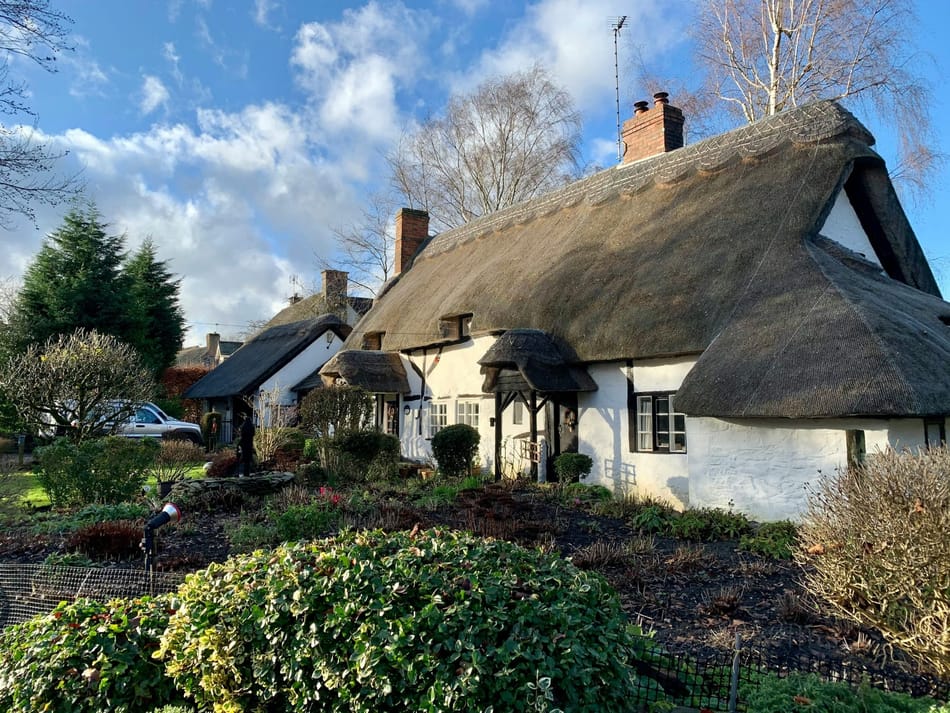
The villages that actually differ, the manor house hotels worth the premium, the experiences that go beyond scenic drives, and when to avoid it entirely.
By Richard J. · 20 March 2026 · Last reviewed: 3 April 2026
We may earn a commission if you book through links on this page.
Global search volume for the Cotswolds is up 39% in 2026, driven by the continuing international appetite for the particular version of England the area represents — honey-stone villages, dry stone walls, meadows that look exactly like the countryside in every period drama ever filmed there. It genuinely is that beautiful. It also genuinely has coach tour groups in August, and knowing how to navigate around them determines whether the trip delivers.
The Cotswolds is not one destination. It is 800 square miles of Area of Outstanding Natural Beauty with significant variation in character between the northern and southern sections, the village towns and the open countryside, and the crowded circuit and the places most visitors never find.
The most visited villages on the tourist circuit and the ones most worth avoiding on summer weekends. Bourton — the so-called "Venice of the Cotswolds" for its shallow river — and Burford are genuinely pretty and genuinely full of coach tour visitors from May to September. They are worth seeing in October or during the week in shoulder season. As bases for a luxury stay, look elsewhere. Better options exist at similar or lower prices with dramatically better quality of experience.
The northern Cotswolds at its finest. Chipping Campden's High Street — a curve of 17th-century wool merchant houses — is among the most complete historic streetscapes in England. Broadway is equally beautiful and slightly better served for hotels. The Lygon Arms is a 600-year-old coaching inn significantly renovated; Dormy House, just above Broadway, is the area's most design-forward contemporary hotel. Both villages are accessible without being overwhelmed — the tour circuit tends toward the central Cotswolds.
Stow is the market town hub of the central Cotswolds — a proper working place with antique shops, a market square, and a functional life beyond tourism. The nearby Slaughters are among the most perfectly preserved villages in England. Lords of the Manor in Upper Slaughter is the quintessential small luxury country house hotel — an 18th-century rectory with rooms in the main house and grounds that back onto the eye brook. Barnsley House near Cirencester is the other southern Cotswolds benchmark.
The most underrated Cotswolds base for serious travellers — a proper Regency spa town with excellent independent restaurants, the Cheltenham Literary Festival (October), the Cheltenham Gold Cup (March), and the full Cotswolds countryside accessible within 20 minutes by car. Hotel stays here are half the price of equivalent Cotswolds manor houses. For Gold Cup week, accommodation books out months in advance across the entire region.
For travellers who want full immersion — privacy, grounds, and no shared walls — a Plum Guide-vetted Cotswolds property between the villages is often the most satisfying approach. The area has exceptional stock of converted farmhouses, rectories, and manor annexes that sit outside the village crowds entirely.
The Cotswolds manor house hotel is a specific category of English hospitality with its own conventions and, at its best, its own genuine excellence. The combination of a converted country house — often 17th or 18th century, built from the local honey-coloured Cotswold limestone — with grounds, an in-house restaurant using local and estate-grown produce, and staff who have been doing this for years, produces a distinctive experience that has no equivalent in city hotels.
What to know before booking: room sizes vary significantly in historic conversions and are not standardised. Ask specifically about ceiling height, whether the room is in the main house or a converted outbuilding, and whether there is a bath (not just a shower) if that matters. The best manor houses have invested heavily in their restaurants — some have Michelin stars, most have serious food. Book dinner in the hotel on at least one night, even if you plan to explore other restaurants; the combination of location, produce, and a dining room in a 17th-century building is part of what you are paying for.
London Heathrow (LHR) to the Cotswolds is 90 minutes by car, two hours to Cheltenham by train from Paddington. Birmingham Airport (BHX) is 45 minutes from the northern Cotswolds. For international visitors, a private transfer from Heathrow directly to your Cotswolds property is the most seamless arrival — no luggage handling at London terminals, no navigating the Underground with bags, door to door in a fixed-price vehicle.
For groups flying in from the US, Middle East, or elsewhere, a private charter into Heathrow or Birmingham with JetLuxe removes the commercial terminal experience entirely and allows direct ground transfer to the property without airport infrastructure.
Arrive direct — Heathrow to the Cotswolds without the terminal
Book a private transfer →Cotswolds private rentals — vetted manor houses and farmhouses
Browse Plum Guide properties →Avoid Bourton-on-the-Water and Burford as bases in peak season — both are heavily visited by coach tours. Chipping Campden, Broadway, and the Upper Slaughter area are better choices for serious visitors. Cheltenham is the most underrated base — a proper town with excellent restaurants, lower prices, and the full Cotswolds countryside within 20 minutes. For complete privacy, a vetted house rental between the villages outperforms any hotel.
May and June for wildflowers and long evenings. September and October for harvest light and far fewer visitors. Winter — particularly around Christmas — is one of England's finest festive experiences with the manor house hotels at full decoration and the crowds absent. July and August Bank Holiday are the periods to avoid if possible.
Barnsley House near Cirencester and Lords of the Manor in Upper Slaughter represent the classic country house tradition at its best. Dormy House above Broadway is the most contemporary luxury option. Soho Farmhouse (members only) operates at a different register entirely. For serious food, several Cotswolds manor hotels have Michelin-recognised restaurants — worth booking dinner in house on at least one night.
Entirely — and increasingly sought after by American and Australian visitors particularly. The area now has genuine luxury options that anchor a multi-day stay rather than just a day trip from London. Two to three nights is the right commitment, with Oxford or Bath adding further context on either side of the Cotswolds section.
Hotel recommendations reflect published information as of April 2026. This article contains affiliate links — bookings made through our links may earn a commission at no additional cost to you.
We use cookies to improve user experience. Choose what cookie categories you allow us to use. You can read more about our Cookie Policy by clicking on Cookie Policy below.
These cookies enable strictly necessary cookies for security, language support and verification of identity. These cookies can’t be disabled.
These cookies collect data to remember choices users make to improve and give a better user experience. Disabling can cause some parts of the site to not work properly.
These cookies help us to understand how visitors interact with our website, help us measure and analyze traffic to improve our service.
These cookies help us to better deliver marketing content and customized ads.