Aman vs Six Senses vs Rosewood vs Belmond: The 2026 Brand Duel
On our published rubric these four are not equals: Aman scores 96 and is the only Tier 1 brand of the group, ahead of Rosewood 86, Belmond 82 and Six Senses 81. But the scores answer "which is best", and almost nobody is asking that. Four brands, four different promises — consistency, wellness, sense of place, heritage. The useful question is which one this particular trip is asking for.
The four, scored on one rubric
| Brand | Score | Owner and portfolio | The promise | The catch |
|---|---|---|---|---|
| Aman | 96Tier 1 | Aman Group — Vladislav Doronin, with PIF and Cain International among investors. Properties across the Americas, EMEA and Asia; no portfolio count published | Architectural minimalism and consistency no rival matches; the only Tier 1 brand here | No entry-level properties — the floor is where the others peak. No points, ever |
| Rosewood | 86Tier 2 | Rosewood Hotel Group, controlled by Hong Kong's Cheng family | "A Sense of Place" — the strongest urban flagships in the tier. Rosewood Hong Kong was No.1 in The World's 50 Best Hotels 2025 | Large urban buildings trade away the intimacy Aman is built on |
| Belmond | 82Tier 2 | LVMH since 2019. 43 properties in 24 countries: 27 hotels, 7 trains, 7 river boats, 2 safari lodges | Irreplaceable heritage — the Cipriani, the Splendido, the Venice Simplon-Orient-Express | Heritage buildings mean character over perfection, and LVMH has repositioned pricing upward |
| Six Senses | 81Tier 2 | IHG since 2019. 27 open hotels, 2,120 rooms, 33 in the pipeline (IHG, 30 June 2026) | The deepest wellness programmes in the tier, the lowest entry, and the only points currency in this class | The pipeline is larger than the open estate — consistency is the price of that growth |
Ten points separate Aman from Rosewood, and five separate Rosewood from Six Senses. That gap is real — Aman's consistency is genuinely unmatched, and consistency carries the heaviest weighting in the rubric. But it tells you almost nothing about which to book, because Aman does not operate a Venice palazzo, Rosewood does not run a train, and Six Senses is the only one of the four whose price you can soften with points. The rank order and the booking decision are different questions.
Pick by what matters — printed, no clicking required
| If this is the trip | The brand | Why |
|---|---|---|
| Remote or culturally significant, and nothing may go wrong | Aman | Site selection and consistency no rival matches; a repeat-guest business for a reason |
| First trip at this level, or wellness is the actual point | Six Senses | Lowest entry of the four, real programmes rather than a spa menu, and IHG recognition |
| A great city is the trip — Paris, London, Hong Kong, New York | Rosewood | The urban flagship portfolio of the decade; the hotel reads as the city's essay |
| Venice, the Amalfi coast, the European classics — or a train inside the itinerary | Belmond | Assets nobody can build again, and the only brand here that can put a train in the plan |
| Six or more people, a week or more, total privacy | None of them — take a staffed villa | Per person a staffed villa beats suite pricing at all four and adds space no hotel matches |
Which of the four is your brand?
Three questions, same logic as the table above. The printed version is there if you would rather not click.
What they actually cost
Brand-wide nightly figures are the least reliable number in luxury travel, because the spread inside each of these brands is wider than the spread between them. A shoulder-season Aman can undercut a peak-week Rosewood in the same month. What holds across seasons is the ordering of the floors: Six Senses has the lowest entry of the four; Belmond's heritage properties can open below that off-peak; Rosewood sits above both; and Aman has no entry level at all — its floor is roughly where the others peak.
Two moves change the number more than brand choice does. Season is the real price war — all four gap heavily between peak and shoulder for identical rooms, and May and late September routinely buy Aman at Rosewood money. And never book the flagship rate through the front door without checking the side doors: our assessment of direct vs Amex FHR vs Virtuoso settles which channel actually adds benefits at these brands, and for parties of six or more the villa-versus-hotel arithmetic beats all four.
The verdicts, one honest paragraph each
Aman — the consistency benchmark, and the only Tier 1 name here
Nobody else selects sites like Aman and nobody else trains to its consistency, which is why it takes the heaviest-weighted criterion in the rubric outright and finishes ten points clear of the field (the service philosophy, examined). It is also the only one of the four inside no conglomerate — Doronin's group, with PIF and Cain International among its investors, answers to nobody's brand standards but its own. The honest sentence alongside it: there is no cheap Aman, no points, and when a date is sold out it is simply sold out — the credible alternatives are here.
Rosewood — having the decade in cities
Rosewood Hong Kong took No.1 in The World's 50 Best Hotels 2025, and the Crillon and The Carlyle carry Paris and New York. "A Sense of Place" is a marketing line that happens to be true: each flagship reads as an essay about its city rather than a template dropped into it. The trade is structural — large urban buildings cannot do Aman intimacy, and the rubric marks them down on privacy and scale accordingly. For a city trip that is the right trade.
Belmond — the only one selling something that cannot be rebuilt
LVMH bought 43 properties across 24 countries in 2019 — 27 hotels, 7 trains, 7 river boats and 2 safari lodges — and the point of the portfolio is that none of it could be created from scratch today. The Cipriani's position on the Giudecca, the Splendido's terraces, the Venice Simplon-Orient-Express (the full dossier). It is also the only brand here that can chain a train into an itinerary, and its heritage properties open below the rest of the tier off-peak. Expect character over perfection: these buildings are old, gloriously.
Six Senses — the accessible door, and the one with a loyalty currency
The lowest entry of the four, wellness programmes that dedicated retreats charge more for, and sustainability that survives inspection. Crucially it is the only brand in this comparison inside a mainstream points programme: IHG status recognition is the sole loyalty currency accepted anywhere in this class. The honest caveat is variance — IHG reported 27 open hotels and 33 more in the pipeline as at 30 June 2026, so the estate is about to double, and design consistency is the price of growth. Check the specific property before trusting the badge, and check the IHG rate against the others for your dates.
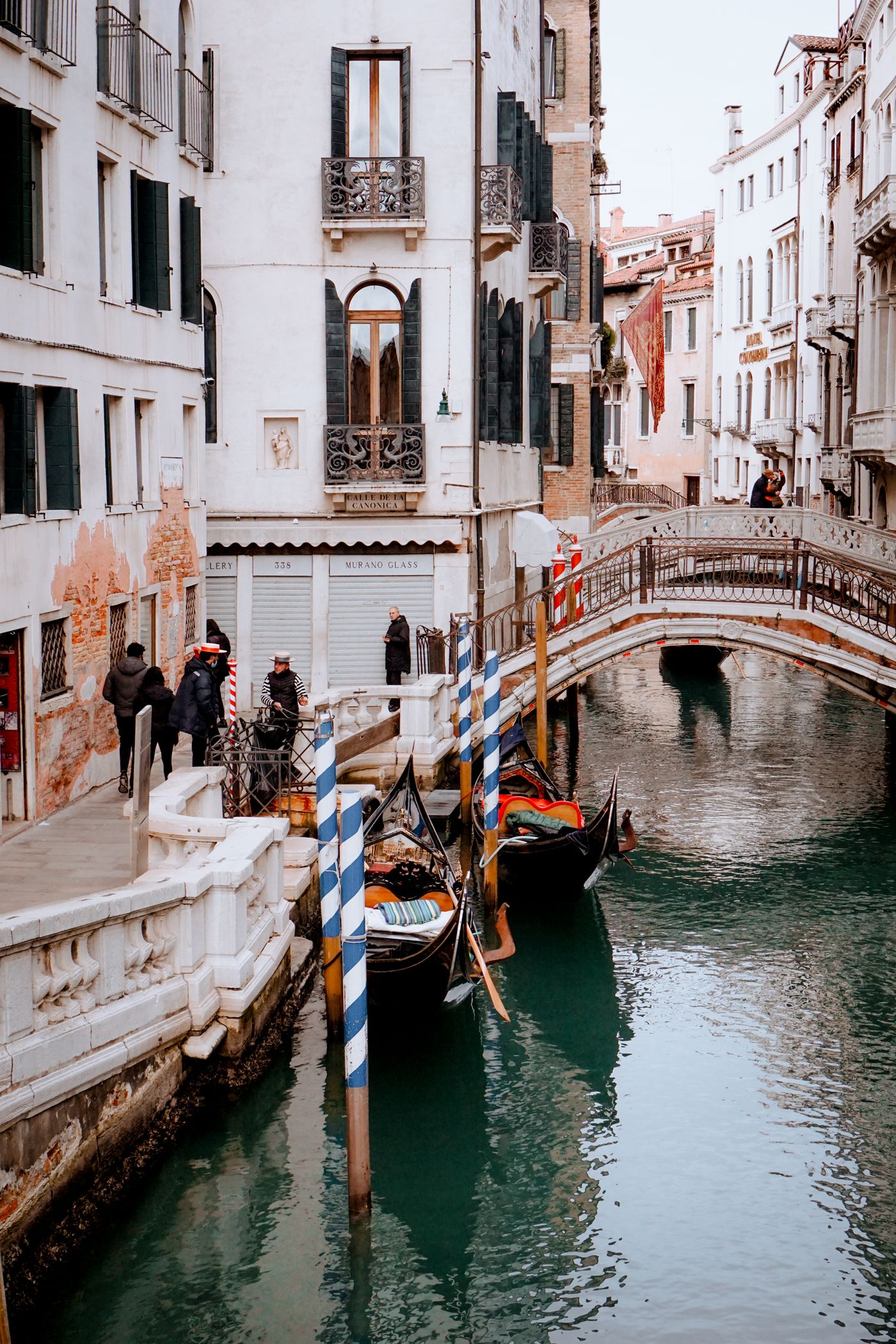
Booking any of the four
Where each of these sits against the rest of the market — Cheval Blanc, Oetker, Maybourne, Four Seasons, Mandarin Oriental and the tiers below — is set out in the full brand hierarchy. If the trip is a resort rather than a city, our Maldives and Bali guides cover where these brands actually operate, and the booking-channel comparison is worth five minutes before any of them.
Frequently asked questions
Which is better, Aman or Six Senses?
They answer different questions. On our published rubric Aman scores 96 out of 100 and is the only Tier 1 brand of the four, bought for consistency and silence across a portfolio where nothing varies. Six Senses scores 81, sits in Tier 2, and is bought for wellness depth and the lowest entry price of the four — plus IHG points, the only loyalty currency in this class. Pick Aman for remote perfection and repeat luxury; Six Senses for a first trip at this level or when the spa is the point.
What is the most expensive of the four brands?
Aman, structurally. It has no entry-level properties, so its floor is roughly where the other three peak. Six Senses has the lowest entry of the four, Belmond's heritage hotels can open below that in shoulder season, and Rosewood sits between them. The spread inside each brand is far wider than the spread between them, though: the same Aman room in shoulder season can cost less than a peak-week Rosewood, so a brand-wide nightly figure is close to meaningless without dates.
Who owns Aman Resorts in 2026?
Aman Group is controlled by Vladislav Doronin, who is also its chief executive, with Saudi Arabia's Public Investment Fund and Cain International among its outside investors. Unlike the other three brands here, Aman sits inside no hotel conglomerate: Six Senses belongs to IHG, Belmond to LVMH, and Rosewood to the Cheng family's group. That independence is one reason Aman's standards and its prices move on nobody's schedule but its own.
Who owns Belmond and what does it operate?
LVMH, which acquired Belmond in 2019 for a reported 3.2 billion US dollars. Belmond describes a collection of 43 properties across 24 countries and territories, which LVMH breaks down as 27 hotels, 7 trains, 7 river boats and 2 safari lodges. The company dates itself to 1976 and the acquisition of Hotel Cipriani in Venice, and began operating the Venice Simplon-Orient-Express in 1982.
What is the difference between Aman and Rosewood?
Aman builds small, remote, minimalist sanctuaries and runs them to one identical standard everywhere, which is why it scores 96 on our consistency-weighted rubric. Rosewood runs larger urban flagships designed to express each city individually under its A Sense of Place philosophy, and scores 86. Choose Aman for silence, seclusion and predictability; choose Rosewood when a great city is the trip and the hotel should read as an essay about it.
Which brand is best for a first ultra-luxury trip?
Six Senses. It has the lowest entry of the four, genuine wellness substance rather than a spa menu, and IHG status recognition that softens the bill — the only points currency accepted anywhere in this class. If the first trip is a milestone in Venice or on the Amalfi coast, a Belmond heritage property is the alternative first step, because its shoulder-season entry points undercut the rest of the tier and the history is included.
How many hotels does Six Senses have?
IHG reported 27 open Six Senses hotels with 2,120 rooms as at 30 June 2026, and 33 more in the pipeline. That pipeline is larger than the open estate, which is the brand's central tension: it is the fastest-growing name in this comparison, and design and service consistency between properties is the price of that growth. Check the individual property's recent reviews rather than trusting the brand alone.
Is a private villa better than an ultra-luxury hotel suite?
For groups of six or more, stays over a week, or where total privacy is the point, usually yes — per person, a staffed villa beats suite pricing at all four brands and adds space no hotel matches. For service depth, restaurants and sheer effortlessness, the hotels win. It is a genuine either/or and worth pricing both ways before booking either.