Vía Verde de Ojos Negros Cycling Guide 2026: Spain's Longest Greenway
The Vía Verde de Ojos Negros is Spain's longest greenway — approximately 160 km of converted former mining railway running from Santa Eulalia in Teruel province south to Algímia d'Alfara in Valencia province. Gentle gradients (the original railway grade rarely exceeds 2%), stunning landscapes through three Spanish provinces, and the rare combination of being long enough for serious multi-day cycling but accessible enough for short day trips. The honest 2026 guide.
Cycling-focused trips with bike transport
Multi-day cycling trips with bikes — particularly when riders bring their own bikes from Northern Europe — face commercial airline bike-transport fees of €60-€150 each way plus size restrictions that don't accommodate larger bikes. Valencia Airport (VLC) handles light and mid-size jets directly with FBO transfer in 20 minutes — bikes travel as standard cargo without size restrictions. JetLuxe quotes the common European city pairs in 90 seconds.
Search Charter Flights →The Vía Verde in context
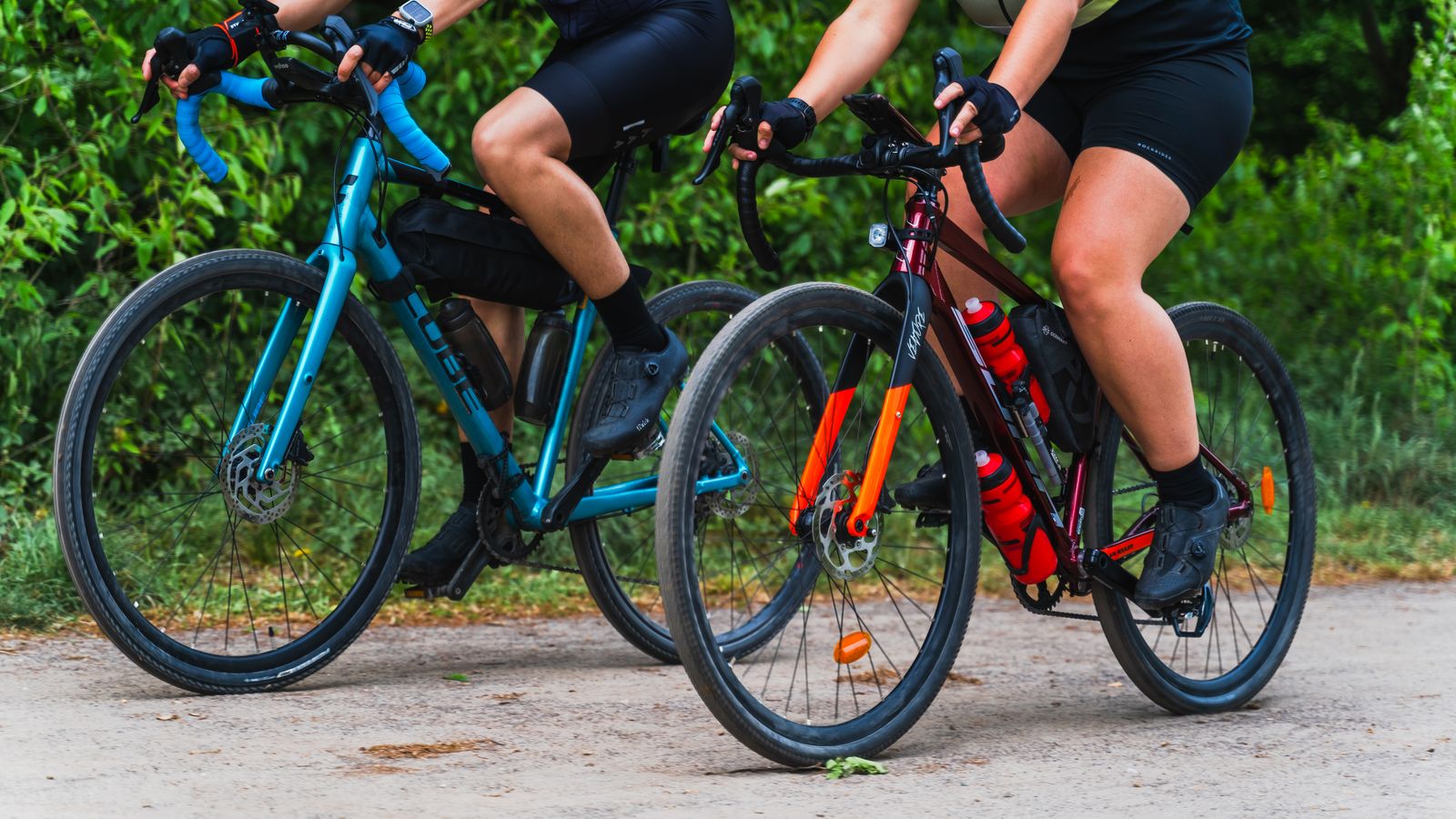
The Vía Verde de Ojos Negros is Spain's longest single greenway and one of the country's most-impressive examples of railway-to-cycleway conversion. The headline facts:
- Total length: Approximately 160 km from northern terminus to southern terminus.
- Provinces crossed: Three — Teruel (Aragón), Castellón (Valencian Community), Valencia (Valencian Community).
- Original railway: The Sierra Menera mining railway, operated 1907-1972, carrying iron ore from Teruel inland mines to the Mediterranean port at Sagunto.
- Conversion to Vía Verde: Stages from the 1990s through 2010s.
- Surface: Compacted gravel throughout most of the route — suited to hybrid bikes, gravel bikes, mountain bikes, e-bikes.
- Gradient: Mining railway grade — rarely exceeds 2%. The overall descent from the Teruel highlands (around 1,000 m elevation) to the Mediterranean coast (sea level) is gradual.
- Use: Cycling (primary use), walking (popular for shorter sections), horse riding (permitted in some sections), wheelchair accessible (much of the route).
Why this route is distinctive
Compared to other Spanish Vías Verdes:
- Length. At 160 km, the Ojos Negros is roughly twice the length of typical Spanish greenways. The next-longest greenways in Spain are around 80-100 km.
- Variety. The route crosses from high inland Teruel (around 1,000 m elevation, with significant winter weather) through Mediterranean foothills to the warm Valencian coastal plain. The terrain and vegetation change meaningfully across the route.
- Connection potential. The route connects to several other regional greenways and cycling networks, allowing extensions of 200-300+ km total cycling.
- Heritage. The route passes through old mining infrastructure — converted stations, occasional preserved equipment, the dramatic engineered cuttings through the mountains.
- Accessibility from Valencia city. The southern terminus is only 25 km from Valencia city — meaning the route is accessible for day trips and not just multi-day expeditions.
From mining railway to greenway
The original railway (1907-1972)
The Sierra Menera mining railway was built to serve the iron-ore mines around Ojos Negros and Cella in Teruel province. The mines produced significant volumes of iron ore through the 20th century — particularly during the world wars when demand for Spanish iron ore peaked. The railway ran 204 km from the inland mines to the port at Sagunto, where the ore was loaded onto ships bound for British and other European steel mills.
The line was a substantial engineering achievement — descending around 1,000 m through difficult mountain terrain, with significant cuttings, embankments, and bridges. Several tunnels were excavated through the limestone of the inland mountains.
The closure and abandonment (1972-1990s)
The railway closed in 1972 as the mining operations declined and road transport became economically preferable. The line was abandoned for two decades — the tracks were lifted in the 1980s, but the substantial earthworks (cuttings, embankments, bridges, tunnels) remained intact through the abandoned period.
The Vía Verde conversion (1990s-2010s)
The Vía Verde programme — the Spanish national programme to convert abandoned railways into greenways for cycling and walking — identified the Ojos Negros line as suitable for conversion. The first sections were converted in the late 1990s, with the full route progressively completed through the 2000s and 2010s. The conversion involved laying a gravel surface, restoring the bridges and tunnels for non-motorised use, converting some stations into visitor centres, and adding signage and rest areas.
The route today
The Vía Verde de Ojos Negros is now one of the most-used and best-supported greenways in Spain. The complete 160 km route is cyclable, with adequate facilities along the way. Local tourism boards in the three provinces have invested in promotional materials, accommodation networks, and bike-rental services to develop greenway tourism.
The main sections explained
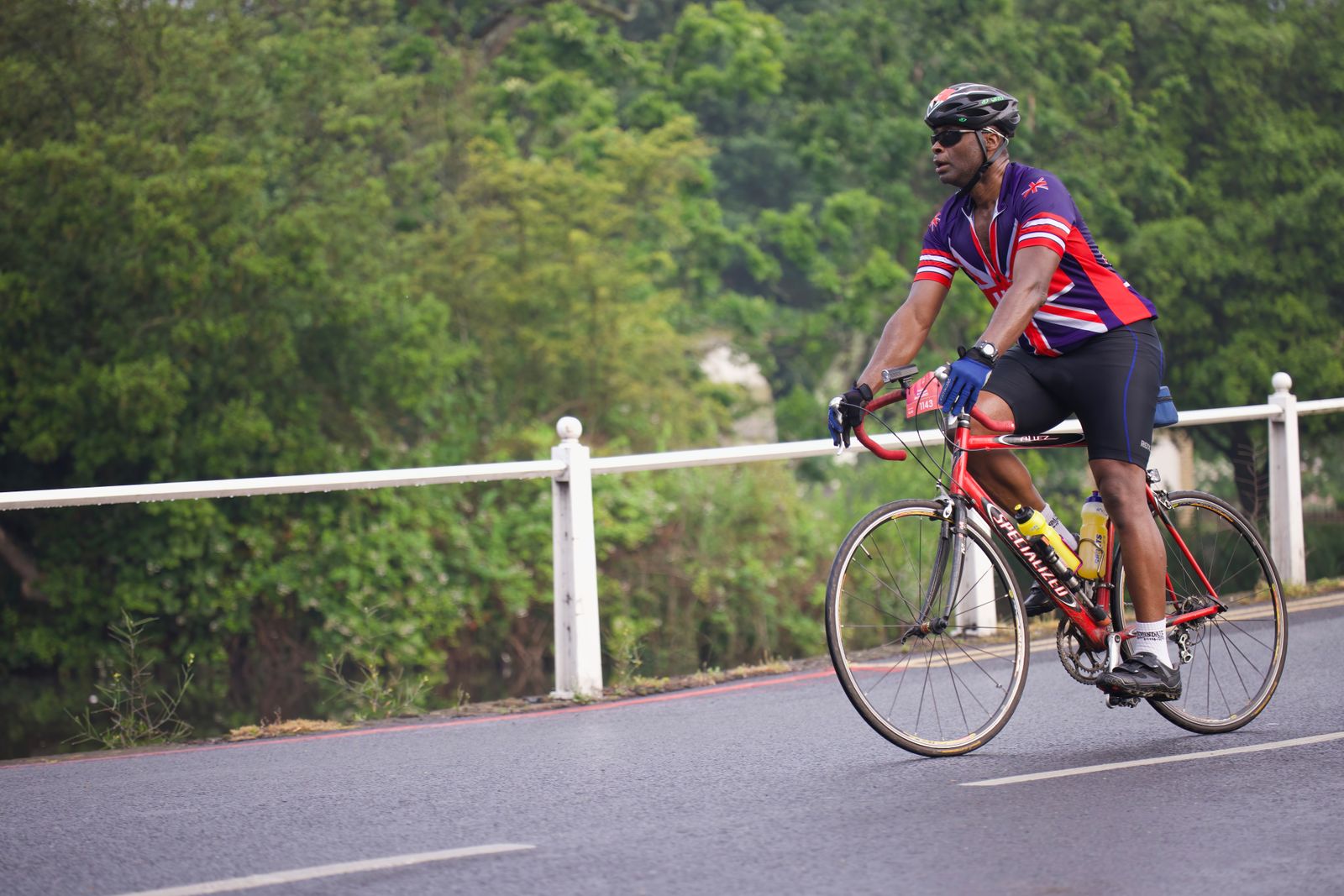
The Vía Verde de Ojos Negros is best understood in three main sections, each with its own character:
Section 1: Santa Eulalia to Barracas (Teruel section, ~55 km)
The high-altitude section through the Teruel highlands. Beginning at Santa Eulalia del Campo (around 1,000 m elevation), the route passes through Cella, Ojos Negros (the original mining village), and several smaller settlements before reaching Barracas at the southern edge of Teruel province. Characteristics: open high-plain landscape, the highest sections of the route, harsh winters (cold and occasional snow), characteristic Teruel village architecture. Distance 55 km, comfortable in a single day at moderate pace.
Section 2: Barracas to Jérica (Castellón section, ~55 km)
The transition section, descending from the Teruel highlands through Castellón province into the warmer Valencian climate. Through Caudiel and several smaller villages to Jérica, a substantial historic town that was the medieval capital of the area. The descent here is the most consistent of the whole route — a steady gentle drop in elevation that makes for fast cycling. Distance 55 km, comfortable in a single day.
Section 3: Jérica to Algímia d'Alfara (Valencia section, ~50 km)
The final section through Valencia province to the southern terminus. Through Segorbe (one of the most historically significant towns on the route, with a medieval castle and old town), then through several smaller agricultural villages, ending at Algímia d'Alfara just 25 km north of Valencia city. Characteristics: warmer Mediterranean climate, more agricultural landscape (citrus groves, almond trees), the most-visited section of the route due to proximity to Valencia. Distance 50 km.
The Valencia province section
The 50 km Valencia province section is the most-accessible and most-visited portion of the Vía Verde. Worth covering in more detail:
From Jérica
The town of Jérica (population 1,600) is the entry point to the Valencia province section. Historic town with a Moorish-origin street layout, a notable medieval bell tower (Torre Mudéjar de Jérica, 14th century, UNESCO World Heritage site), and several small restaurants and inns. Worth a full afternoon's visit beyond just the Vía Verde stop. Several bike rental and tour services operate from Jérica.
To Segorbe (~25 km)
From Jérica, the Vía Verde follows the original railway through Mediterranean foothills toward Segorbe. The route passes through small agricultural villages with citrus groves, almond orchards, and traditional Valencian terraced farming. Several converted railway stations along the way serve as rest stops with water and basic facilities.
Segorbe (population 9,000)
The largest town on the Valencia section of the Vía Verde. Historic centre with a medieval castle, the Catedral Basílica (15th century), several museums, and a substantial restaurant scene. The town hosts the annual Entrada de Toros y Caballos (Bulls and Horses Entry) festival each September — a UNESCO Intangible Cultural Heritage event. Multiple accommodation options including small hotels (€60-€140 per night) and casa-rural inns. The natural midpoint or overnight stop on a multi-day Vía Verde trip.
From Segorbe to Algímia d'Alfara (~25 km)
The final section descends gradually toward the Mediterranean coast. The route passes through several smaller agricultural villages — Sot de Ferrer, Soneja, Estivella, Albalat dels Tarongers — and through some of the most pleasant countryside on the route. The terrain is increasingly flat as the route approaches the coastal plain. Algímia d'Alfara is the southern terminus, with a train connection back to Valencia city (taking about 35 minutes).
Accessing the section from Valencia city
- By train: Cercanías regional trains from Valencia Estación del Norte to Estivella-Albalat or Algímia d'Alfara, around 35-45 minutes journey. Bike-friendly trains on most services.
- By car: A-7 motorway north to the various access points. Free parking at most Vía Verde stations.
- By bike: The cycle route from Valencia city to Algímia is around 25 km, mostly on quiet roads and the developing Valencia metropolitan cycling network.
| Section | From | To | Distance | Character |
|---|---|---|---|---|
| Teruel | Santa Eulalia | Barracas | ~55 km | High plain, open landscape |
| Castellón | Barracas | Jérica | ~55 km | Descending, foothills |
| Valencia | Jérica | Algímia d'Alfara | ~50 km | Agricultural, accessible |
Bike-touring trips and the airline bike-fee problem
Multi-day cycling tourism faces a structural problem on commercial flights: bike transport fees of €60-€150 each way per bike, plus size and weight restrictions that don't accommodate larger road bikes. For groups of 2-6 cyclists doing a Vía Verde de Ojos Negros multi-day trip with their own bikes, the airline bike fees alone run €240-€1,800 across the group. JetLuxe handles light and mid-size jets directly with FBO transfer — bikes travel as standard cargo without fees or restrictions. JetLuxe quotes the common European city pairs in 90 seconds — useful when a group is bringing more than 2 bikes.
Search Charter Flights →Getting bikes — rental, transport
Bike rental in 2026
Multiple bike rental options along the route:
- Valencia city — multiple shops rent gravel and hybrid bikes suitable for the Vía Verde. €20-€40 per day for standard bikes; €40-€70 for e-bikes. The Valencia bike tour rental guide covers the city rental scene.
- Jérica — local rental operator on the Vía Verde. €25-€45 per day standard; €45-€70 e-bike.
- Segorbe — multiple rental operators serving the busiest section of the route. €20-€40 standard; €40-€65 e-bike.
- Algímia d'Alfara — rental shop adjacent to the train station. €25-€40 standard; €45-€70 e-bike.
- Multi-day rental — most operators offer 3-7 day rates with discounts (€80-€160 for 3 days).
Bringing your own bike
For visitors with their own bikes:
- By air to VLC: Commercial bike transport fees €60-€150 each way; box or bag required.
- By car: Easy with most car brands accommodating one or two bikes (rooftop or inside vehicle).
- By train: Cercanías regional trains accommodate bikes; the longer-distance trains have variable bike policies.
- Bike transport services: Several Spanish companies move bikes between locations for multi-day trips, removing the carry-it-yourself logistics. €60-€150 per bike per move.
E-bike specific notes
E-bikes are well-suited to the Vía Verde — the gentle gradient means battery life lasts longer than on hillier terrain, and the longer daily distances become accessible to less-fit riders. Most rental operators have e-bike options. Battery range typically 80-120 km depending on the bike and conditions; plenty for the standard day distances on the route.
Multi-day accommodation along the route
The accommodation network along the Vía Verde varies in density:
Teruel section
- Santa Eulalia del Campo — small village inns and casa-rural options. 2-3 properties.
- Cella — limited accommodation; mostly day-tripper market.
- Ojos Negros — small village, 1-2 casa-rural options.
- Barracas — at the southern edge of the Teruel section; small hotels and inns.
Castellón section
- Caudiel — village inns and casa-rural.
- Jérica — multiple accommodation options including small hotels, casa-rural inns, and bike-friendly properties.
Valencia section
- Segorbe — the best accommodation options on the route. Multiple small hotels (€60-€140 per night), casa-rural inns (€80-€150), and the historic Hotel María de Luna in the old town (boutique property, €120-€180 per night).
- Estivella, Albalat dels Tarongers — small village accommodation, limited options.
- Algímia d'Alfara — limited accommodation; most cyclists return to Valencia city from here.
Accommodation strategy
For the standard 3-day Santa Eulalia to Algímia trip, the recommended overnight stops are:
- Day 1 (after 55 km) — overnight in Barracas or a Caudiel-area casa-rural.
- Day 2 (after 55 km) — overnight in Jérica or Segorbe.
- Day 3 (after 50 km) — return to Valencia city from Algímia by train, or continue to Valencia by bike on the metropolitan cycle network.
Walking the Vía Verde — short sections
The Vía Verde is also suitable for walking, particularly the shorter sections accessible from Valencia city. The flat gradient and good surface make it ideal for visitors who want easy walking without significant elevation changes.
Best walking sections
- Segorbe town section — the Vía Verde passes directly through Segorbe, with the section through the town centre and the immediate surrounding countryside ideal for casual walking. 3-5 km return walks.
- Jérica to Castle viewpoint — walk from the Vía Verde station to Jérica's historic centre and up to the medieval castle. 4-6 km return.
- Albalat dels Tarongers area — gentle walks through citrus groves. 3-5 km variable.
Walking vs cycling
The Vía Verde is more efficient as a cycling route than as a walking route — 160 km would take 32-40 walking days vs 3-4 cycling days. Walking the full route is uncommon. For walking, focus on individual scenic sections of 5-10 km rather than long-distance routes.
Planning a Vía Verde trip
Three working patterns:
The day trip from Valencia
Train from Valencia to Algímia d'Alfara or Estivella (45 minutes), bike rental at the destination (€25-€45 per day), cycle 25-40 km of the southern Vía Verde section, return train. Total day cost €60-€100 per person.
The 3-day full route
Bike from Santa Eulalia (Teruel) to Algímia d'Alfara over 3 days. Total around €400-€800 per person including bike rental (if not bringing own), accommodation, and meals. Suited to cyclists with the time and fitness for the full distance.
The Valencia section weekend
2 days focused on the Valencia province section. Day 1: Jérica to Segorbe (25 km), overnight in Segorbe with town exploration. Day 2: Segorbe to Algímia d'Alfara (25 km), return train to Valencia. Total cost €250-€500 per person. Suited to weekend trips from Valencia without the full multi-province commitment.
The wider context of cycling in Valencia sits alongside the Valencia road cycling routes guide (for serious road cycling on roads rather than greenways), the Valencia mountain biking trails guide (for off-road MTB), and the Valencia bike tour and rental guide (for the city-scale cycling and rental options).
The Vía Verde de Ojos Negros is one of Spain's most-impressive greenway experiences — long enough for serious multi-day cycling, accessible enough for day trips from Valencia, and varied enough to keep interest across the full route. For visitors who want to combine outdoor activity with seeing genuine inland Spanish landscapes that other tourists rarely visit, the Vía Verde rewards the trip.
Common questions
The Vía Verde de Ojos Negros is a 160 km greenway (converted railway) running from Santa Eulalia in Teruel province (Aragón) south to Algímia d'Alfara in Valencia province, passing through southern Castellón province along the way. The route follows the former Sierra Menera mining railway, which operated from 1907 to 1972 carrying iron ore from the inland mines to the Mediterranean port at Sagunto. After the railway closed, the line was abandoned for decades before being converted into a Vía Verde (greenway) in stages from the 1990s onwards. The name 'Ojos Negros' comes from the village in Teruel province where the original mining railway began. Today it's Spain's longest single Vía Verde — though several connecting greenways extend the cyclable network further.
The northern terminus is at Santa Eulalia del Campo in Teruel province (Aragón). The southern terminus is at Algímia d'Alfara in Valencia province (about 25 km north of Valencia city). In between, the route passes through the Sierra Menera mining area in Teruel, descends through Castellón province via Barracas and Caudiel, and enters Valencia province via Jérica and Segorbe. Several 'extensions' connect to other regional greenways, including a southern extension that can connect to the outer Valencia metropolitan greenway network via Algímia.
Yes — the full 160 km is comfortably cyclable in 3-4 days at moderate pace, or 2-3 days at faster pace. Standard breakdown: Day 1 — Santa Eulalia to Barracas (around 55 km). Day 2 — Barracas to Jérica (around 55 km). Day 3 — Jérica to Algímia d'Alfara (around 50 km). The route has only one significant climb (the descent from the Teruel highlands to the Castellón valley happens gradually over the first two days; in the opposite direction, you'd be climbing). Most cyclists prefer the north-to-south direction (descending overall) over the south-to-north (climbing). Accommodation along the route is variable but adequate, especially in Jérica and Segorbe.
A hybrid or gravel bike is ideal. The surface is compacted gravel throughout most of the route — comfortable on hybrid, gravel, or mountain bikes; uncomfortable but possible on road bikes (with at least 28mm tyres); difficult on narrow road-racing tyres. The route is not paved (unlike some other Vías Verdes in Spain), so dedicated road bikes are not ideal. E-bikes work well on the route and are increasingly popular for less-fit cyclists or longer day-distances. Rental bikes are available in Segorbe and Jérica (€20-€40 per day for standard bikes; €40-€70 for e-bikes). For multi-day trips, bring your own bike or rent for the duration.
Yes — multiple options. The southernmost section (Algímia d'Alfara to Segorbe, about 30 km round trip) is accessible by train from Valencia (Estación del Norte) to Algímia, with bike rental available locally. Total day cost €40-€80 per person for train tickets and bike rental. The Segorbe to Jérica section (15 km each way) is another good day-trip option. For day-trippers without bikes, the Vía Verde sections through Segorbe town make excellent walking and short cycling segments. Several operators run guided day tours including transport from Valencia city — €70-€120 per person for a guided day with bike rental included.
Yes, but spaced out. The route passes through approximately 15-20 villages and small towns over its 160 km length, with the larger settlements being Santa Eulalia, Cella, Barracas, Caudiel, Jérica, Segorbe, and Algímia d'Alfara. Each has at least one café, restaurant, or small shop. Water fountains exist at most stations and at intervals along the route; in summer, carry 2+ litres per person between major settlements. Toilets are available at most of the converted railway stations (which now serve as visitor centres and route hubs) and at restaurants. The route is well-supported for cycling but not luxurious — expect village-level facilities rather than polished tourist services.
Sponsored · Affiliate linkCycling-focused trips work better with FBO bike transport. JetLuxe handles private charter into Valencia (VLC).
Plan Your Arrival →