Travel Intelligence · Michelin booking guide 2026
How to Book a Michelin Three-Star Restaurant in 2026: Release Dates, Deposits and Cancellation Rules at 41 Restaurants
To book a three-star Michelin restaurant, find the release rule on the restaurant's own website, set up the booking platform it names with a card saved, and book at the minute tables open. Of the 41 three-stars whose booking terms we checked on 24 September 2026, release windows ran from one month to 12 months ahead, and all 19 whose payment terms we could read took full prepayment, a deposit or a card guarantee with a charge for late cancellation. Below are the release dates, deposits, cancellation charges, party-size rules and waiting lists restaurant by restaurant, the platforms each one uses, and the next release dates to put in a calendar.
Verified 24 September 2026 · booking terms read on each restaurant's own website or the booking platform it names · prices in the currency each restaurant publishes
How do you make a reservation at a Michelin Guide restaurant?
Book through the restaurant itself: the Michelin Guide lists restaurants but does not hold their tables, and its booking buttons can point to a different platform from the one the restaurant uses. Kei in Paris and Martín Berasategui near San Sebastián are both linked to TheFork on their Michelin pages, while their own websites send you to their own booking pages. The restaurant's site is the one to trust for the release day, the time zone and the deposit.
The booking sequence that works
1 · Read the rule on the restaurant's own site: the release day, the time and the time zone.
2 · Set up the platform the day before: an account on Tock, SevenRooms, OpenTable or whichever it names, with a card saved.
3 · Book at the release minute: in the restaurant's time zone, with a second date ready.
4 · If it is gone, join the waiting list where the restaurant runs one, and check the other three-stars in the same city.
The platforms split by region. Tock and SevenRooms serve most of the American and Nordic three-stars we checked, OpenTable the two in London and three in California, and OMAKASE and TableCheck most of Tokyo. Spain and France are mixed: CoverManager, Zenchef and TheFork all appear, and El Celler de Can Roca, Disfrutar, Martín Berasategui and Kei run their own booking pages.
| Platform | Three-star restaurants using it | Note |
|---|---|---|
| Tock | The French Laundry (Yountville), Per Se (New York), Smyth (Chicago), Jungsik (New York), Maaemo (Oslo) | Jungsik's Tock page is the booking link on its Michelin listing |
| SevenRooms | Geranium (Copenhagen), The Fat Duck (Bray), Odette (Singapore), Quince (San Francisco), Benu (San Francisco) | Benu moved from Tock for dates from 3 June 2026 |
| OpenTable | Restaurant Gordon Ramsay (London), Core by Clare Smyth (London), Atelier Crenn (San Francisco), Providence (Los Angeles), Californios (San Francisco) | Providence also takes phone bookings, but not email |
| CoverManager | DiverXO (Madrid), Mirazur (Menton) | Both embed it on their own sites |
| Zenchef | Arpège (Paris), Pic (Valence) | Both link to it from their own sites |
| TheFork | Troisgros (Ouches) | A TheFork widget on the restaurant's own page |
| OMAKASE | Quintessence (Tokyo), Myojaku (Tokyo), L'Effervescence (Tokyo) | Quintessence also by phone, 13:30 to 15:30 Tokyo time |
| TableCheck | Joël Robuchon (Tokyo), Sazenka (Tokyo) | Parties of five or more at Joël Robuchon by phone |
| Own booking page | El Celler de Can Roca (Girona), Disfrutar (Barcelona), Martín Berasategui (Lasarte-Oria), Kei (Paris), L'Osier (Tokyo), Hiša Franko (Kobarid) | L'Osier accepts no third-party booking services |
| TABLE ALL and MY CONCIERGE | Kikunoi Honten (Kyoto) | English-language booking, linked from the restaurant's site |
| No named platform | Plénitude (Paris), Le Cinq (Paris), Harutaka (Tokyo) | Plénitude by phone or email; Le Cinq by phone or a booking button on the Four Seasons site; Harutaka by phone |
| Hotel concierge | Azabu Kadowaki (Tokyo) | The only route for overseas residents |
Three restaurants could not be checked on 24 September 2026: Le Bernardin's site returned no booking text, Frantzén's returned a bot check, and Amber's did not load. They are left out rather than guessed.
How far in advance can you book a three-star Michelin restaurant?
Between one and 12 months ahead, depending on the restaurant: Disfrutar takes bookings up to 12 months ahead and El Celler de Can Roca up to 11; Restaurant Gordon Ramsay, Mirazur, Geranium, DiverXO and Quintessence open three to four months out; and The French Laundry, SingleThread and Eleven Madison Park release a month at a time. The table runs from the longest lead time to the shortest. Every name links to the page the rule was read on.
| Restaurant | When tables open |
|---|---|
| Disfrutar Barcelona | Up to 12 months ahead, online or by phone (Monday to Friday, 10:30 to 22:00) |
| El Celler de Can Roca Girona | Up to 11 months ahead; each month's tables open at 00:00 local time on the 1st |
| Osteria Francescana Modena | About six months ahead, on announced dates at 10:00; April 2027 opens on 1 October 2026 |
| Restaurant Gordon Ramsay London | Up to four months ahead online, for one to six guests; groups of nine or more up to three months ahead by enquiry |
| Mirazur Menton | Monthly, on a fixed Monday at 9:00 local time, about four months ahead; February 2027 opens on 5 October 2026 |
| Quintessence Tokyo | Three months ahead to the same date, per its own site; online slots open at 9:30 Tokyo time |
| Geranium Copenhagen | Up to three months ahead |
| DiverXO Madrid | A new date opens every day at 00:00 Madrid time, 90 days ahead |
| Smyth Chicago | Rolling 90 days, released at 12:00 Chicago time |
| Kei Paris | Two months ahead; bookings open on the first Tuesday of each month at 9:30 |
| Providence Los Angeles | Up to two months ahead |
| Sazenka Tokyo | Two months ahead |
| The French Laundry Yountville | Monthly releases on Tock; the next is on 1 October 2026 at 5:00 pm Pacific time |
| SingleThread Healdsburg | The 1st of each month at 9:00 Pacific time, for the following month; a room at its inn, bookable three months ahead, guarantees a table |
| Eleven Madison Park New York | The 1st of each month, for the following month |
| Somni West Hollywood | One month ahead |
| Benu San Francisco | Its own site says daily at 10:00, up to 30 days ahead; that text predates the move to SevenRooms |
| L'Enclume Cartmel | First come, first served; no release date stated |
The time zone matters as much as the date. DiverXO adds a new date at midnight in Madrid, Mirazur releases at 9:00 in Menton, and Quintessence's online slots open at 9:30 in Tokyo, which is 00:30 in London and 01:30 in Paris or Madrid in winter. These are the next fixed releases after 24 September 2026:
| Date and time | Restaurant | What opens |
|---|---|---|
| Thu 1 Oct 2026, 00:00 local | El Celler de Can Roca | Its next monthly release |
| Thu 1 Oct 2026, 10:00 local | Osteria Francescana | April 2027 |
| Thu 1 Oct 2026, 9:00 Pacific | SingleThread | November 2026 |
| Thu 1 Oct 2026, 5:00 pm Pacific | The French Laundry | Its next monthly Tock release |
| Thu 1 Oct 2026, time not stated | Eleven Madison Park | November 2026 |
| Mon 5 Oct 2026, 9:00 local | Mirazur | February 2027 |
| Tue 6 Oct 2026, 9:30 local | Kei | Its next monthly opening, two months ahead |
| Thu 5 Nov 2026 | Smyth | Full prepayment replaces the $100 deposit |
| Every day, 00:00 Madrid | DiverXO | The date 90 days ahead |
| Every day, 9:30 Tokyo | Quintessence | Online slots for the same date three months ahead |
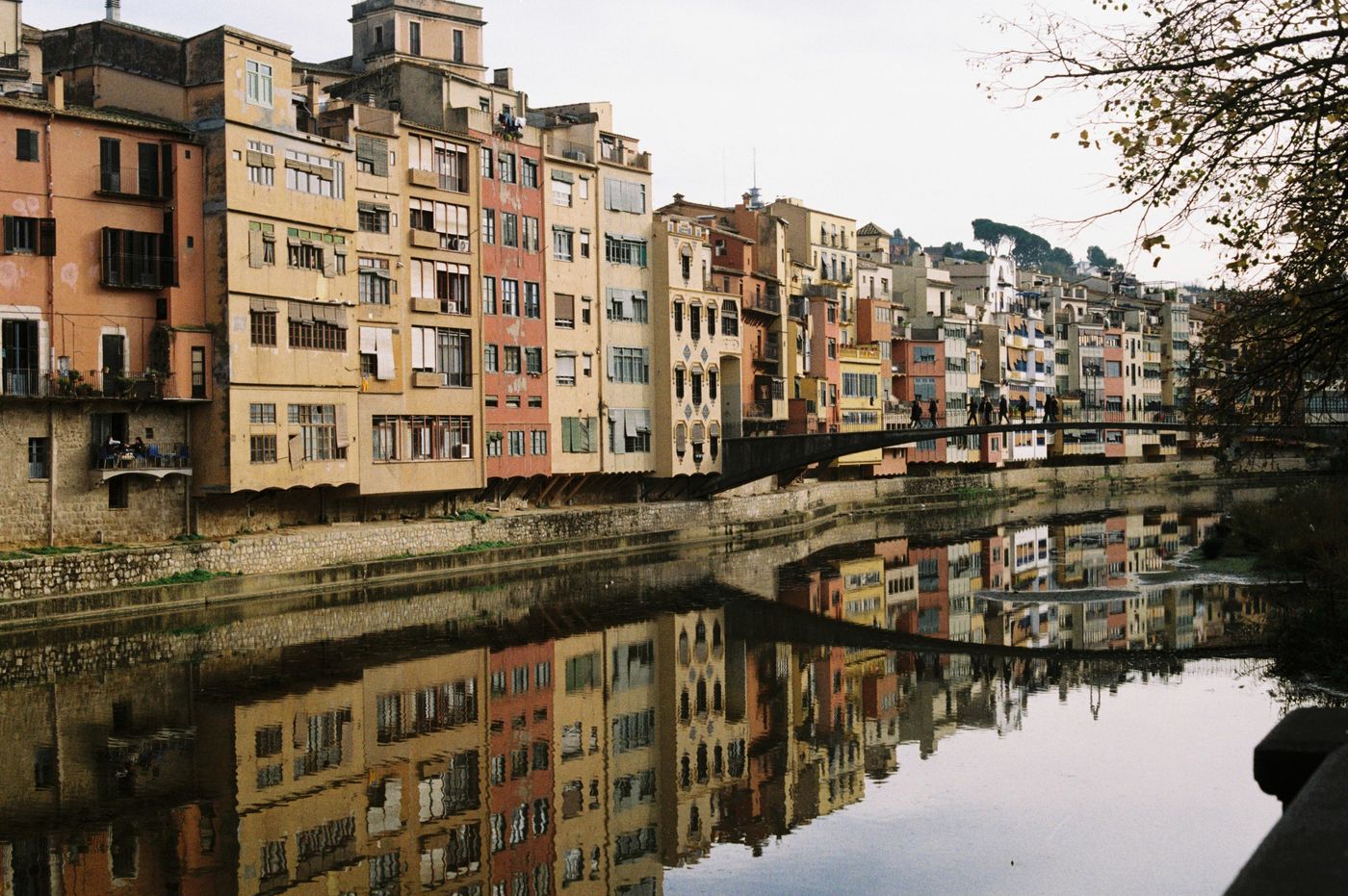
If Girona is the target, plan the rest of the week's eating while you wait: our Spanish-language Girona ranking scores 63 of the city's restaurants from 47,775 cross-checked Google, Tripadvisor and TheFork reviews, with El Celler de Can Roca first.
Do you have to pay a deposit to book a three-star Michelin restaurant?
Usually: of the 19 three-stars whose payment terms we could read, 5 take full prepayment, 8 a deposit or booking fee, and 6 a card guarantee or a charge only if you cancel late or do not arrive. Full prepayment is most common in the United States, where The French Laundry, SingleThread, Atelier Crenn and Jungsik all take the menu price at booking; from 5 November 2026 Smyth joins them, replacing its $100 deposit with full prepayment of $510 to $570.
| Restaurant | What you pay or guarantee at booking | Type |
|---|---|---|
| The French Laundry Yountville | Full prepayment; $425 for the Dining Room menu | Full prepayment |
| SingleThread Healdsburg | Full prepayment | Full prepayment |
| Atelier Crenn San Francisco | $498.15 per person, including a 20% service charge and a 3% surcharge | Full prepayment |
| Jungsik New York | $335 per person in the main dining room; $50 deposit at the bar | Full prepayment |
| The Fat Duck Bray | Full price of the chosen menu at booking | Full prepayment |
| DiverXO Madrid | €450 per person ticket, VAT included, deducted from the bill | Deposit or fee |
| Restaurant Gordon Ramsay London | £150 per person; £125 for the lunch menu | Deposit or fee |
| Geranium Copenhagen | DKK 1,500 per person; the booking is final once paid | Deposit or fee |
| Per Se New York | $200 per person, applied to the bill | Deposit or fee |
| Smyth Chicago | $100 per person until 4 November 2026; full prepayment of $510 (Tuesday and Wednesday) or $570 (Thursday to Saturday) from 5 November | Deposit or fee |
| Maaemo Oslo | NOK 500 per person | Deposit or fee |
| Odette Singapore | Non-refundable deposit, deducted from the bill; amount not stated | Deposit or fee |
| Quintessence Tokyo | ¥390 booking fee per seat on OMAKASE | Deposit or fee |
| El Celler de Can Roca Girona | Card guarantee, no prepayment | Card guarantee or late charge |
| Osteria Francescana Modena | €300 per person held on the card four days before | Card guarantee or late charge |
| Martín Berasategui Lasarte-Oria | Card guarantee for one to five guests; €220 per person prepaid for six or more | Card guarantee or late charge |
| Providence Los Angeles | Credit card required to hold the booking | Card guarantee or late charge |
| L'Enclume Cartmel | Card guarantee | Card guarantee or late charge |
| Core by Clare Smyth London | No deposit stated for standard tables, but £175 per person for late cancellation; £2,500 non-refundable deposit for the Chef's Table | Card guarantee or late charge |
A deposit is not always the whole cost. Atelier Crenn's $498.15 already includes a 20 per cent service charge, while DiverXO's €450 ticket and Per Se's $200 deposit are deducted from a bill that will be larger. Where a restaurant takes only a card, the charge arrives if you cancel late: €300 per person at Osteria Francescana inside 96 hours, for example.
What happens if you cancel a three-star Michelin reservation?
You lose money if you cancel inside the restaurant's deadline, which runs from 48 hours to two weeks before the meal: DiverXO refunds its €450 ticket only if you cancel two weeks ahead, Restaurant Gordon Ramsay keeps its deposit inside seven days, and Atelier Crenn, Eleven Madison Park and SingleThread do not refund at all. Seven days is the most common deadline among the restaurants we read, used by Restaurant Gordon Ramsay, Providence, The Fat Duck, L'Enclume and Somni.
| Restaurant | Free cancellation until | After that |
|---|---|---|
| DiverXO Madrid | Two weeks before | The €450 ticket is kept; dates cannot be changed and party size cannot be reduced |
| El Celler de Can Roca Girona | 10 days before | €100 per person; reconfirm 10 days ahead or the booking lapses |
| Martín Berasategui Lasarte-Oria | 48 hours (one to five guests), 96 hours (six to ten), 10 days (11 to 20) | €220 per person, non-refundable |
| Restaurant Gordon Ramsay London | Seven days before | The deposit is kept |
| Providence Los Angeles | Seven days before | $375 per person, including same-day bookings |
| The Fat Duck Bray | Seven days before | The prepayment is not refunded |
| L'Enclume Cartmel | Seven days before | Full menu price |
| Somni West Hollywood | Seven days before, for a full refund | No refund |
| Osteria Francescana Modena | 96 hours before | €300 per person |
| Core by Clare Smyth London | 72 hours before | £175 per person |
| Odette Singapore | Changes up to 72 hours before | Deposit non-refundable; the booking can be transferred to someone else or moved to another date |
| Kei Paris | 48 hours before | €300 per absent person at lunch, €400 at dinner |
| Benu San Francisco | 72 hours before, for a full refund | 50% from 72 to 24 hours; 100% inside 24 hours (own site, before the SevenRooms move) |
| Atelier Crenn San Francisco | None | Non-refundable; the restaurant tries to resell the seats |
| Eleven Madison Park New York | None | All sales final |
| SingleThread Healdsburg | None | No refunds; bookings can be transferred |
| Geranium Copenhagen | None stated | The booking is final once the deposit is paid |
Tokyo's charges start in steps. Myojaku charges 50 per cent from seven days before and 100 per cent from two days, Joël Robuchon 60 per cent from seven days, and Quintessence's OMAKASE terms 5 per cent from the moment you book, rising to 100 per cent on the day; our Tokyo Michelin guide has the full terms for all 11. Where a restaurant lets you transfer a booking, as SingleThread and Odette do, passing it to a friend is the one way to recover the money.
Can you dine alone at a three-star Michelin restaurant?
Yes, at many: Restaurant Gordon Ramsay, The Fat Duck, Maaemo and Jungsik list tables for one, but DiverXO takes bookings from two diners only and Atelier Crenn puts requests for one or three guests on its waiting list. Party size also affects the deposit and the cancellation deadline: Martín Berasategui asks for €220 per person in advance from six guests, and its free-cancellation window grows from 48 hours to 10 days as the party grows.
| Restaurant | Party size and age rules |
|---|---|
| Restaurant Gordon Ramsay London | One to six online; seven or eight by phone; nine or more by enquiry |
| The Fat Duck Bray | One to six; private hire up to 40 |
| Maaemo Oslo | One to six in the main dining room; six to 16 in the private room |
| Jungsik New York | One to five |
| Smyth Chicago | Up to six, depending on the menu |
| Geranium Copenhagen | Up to six online; groups of seven or more contact the booking team |
| Quintessence Tokyo | Two to six; no children under 16 |
| DiverXO Madrid | From two diners; fewer diners than booked still pay for every cover |
| Atelier Crenn San Francisco | Even-numbered parties first; requests for one or three go on the waiting list |
| Disfrutar Barcelona | The number of diners cannot be changed after booking; not recommended for children under eight |
| Kei Paris | Children from 12; no children's menu |
| Odette Singapore | Children from nine |
Planning a solo trip around one of these meals? Our guide to the best solo travel destinations in 2026 is the place to start.
What can you do if a three-star restaurant is fully booked?
Join the restaurant's own waiting list and look at the other three-stars in the same city: DiverXO, The Fat Duck, Geranium and Atelier Crenn all run waiting lists, and SingleThread guarantees a table to guests staying at its inn. The Fat Duck does not run a ballot, whatever older guides say: its FAQ describes a waiting list for your chosen date and party size.
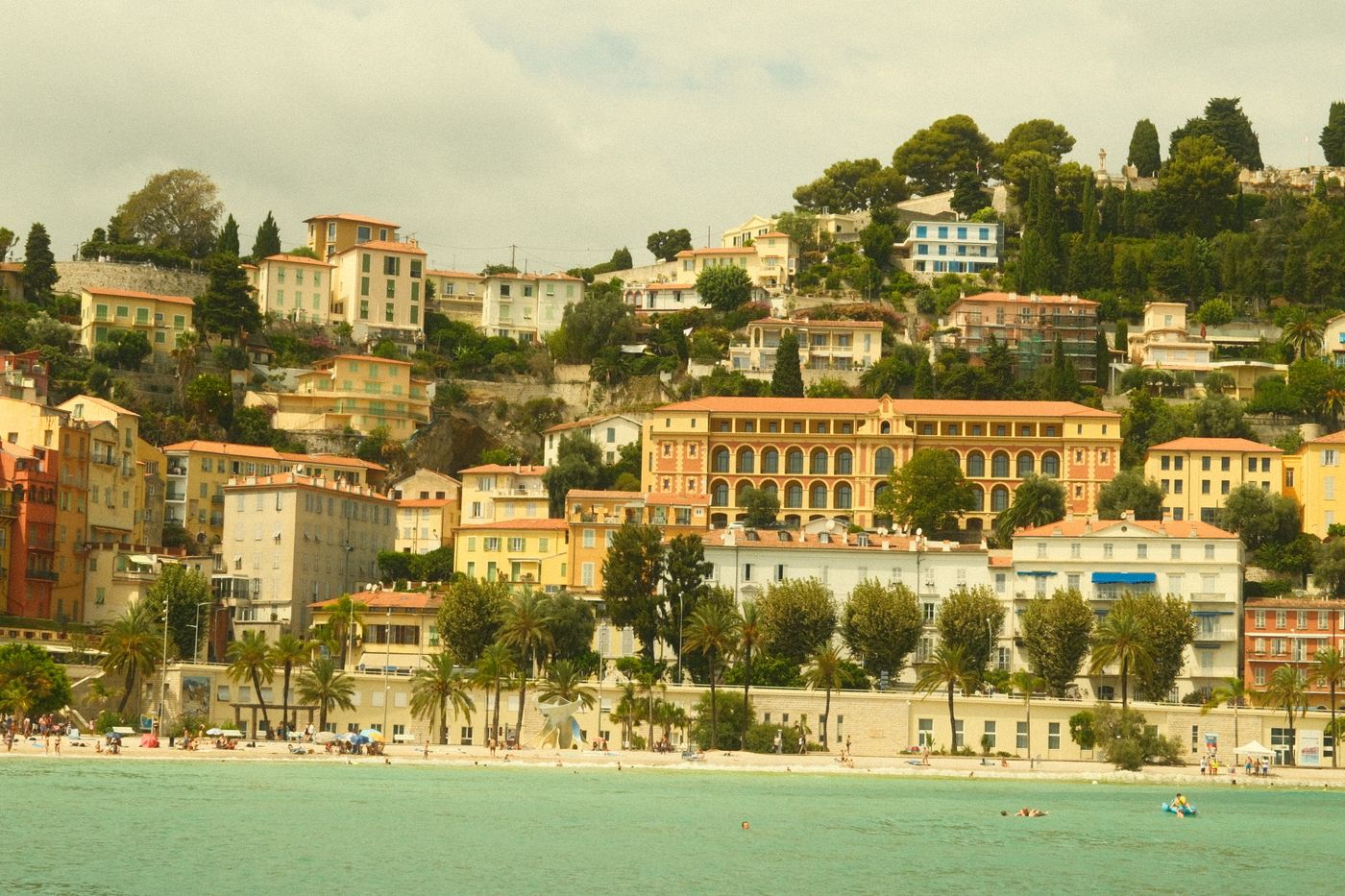
The fallback is geography. Paris has nine three-stars, Tokyo 11 and Kyoto six, so a full book at one rarely closes the city; our guide to all 162 three-star restaurants lists every one by country and city, with prices.
How do you book a three-star Michelin restaurant in Tokyo?
Online, in most cases: Quintessence, Myojaku and L'Effervescence take bookings through OMAKASE, and Joël Robuchon and Sazenka through TableCheck, while Azabu Kadowaki accepts overseas residents only through a hotel concierge and Harutaka books by phone. L'Osier in Ginza takes bookings on its own website or by phone and accepts no third-party booking services. Quintessence opens three months ahead to the same date and Sazenka two months ahead.
Kyoto has moved the same way. Kikunoi Honten takes bookings in English through TABLE ALL and MY CONCIERGE, linked from its own site. For the full Tokyo list with prices, neighbourhoods and cancellation terms, see our Tokyo Michelin guide 2026.
Is it worth paying a concierge to book a three-star?
Only where the restaurant leaves no other way in: Azabu Kadowaki takes overseas residents only through a hotel concierge, and Harutaka books by phone, in Japanese; everywhere else in this guide the online route is open to anyone with an account and a card. Elsewhere, what a concierge sells is convenience: someone else sits up for the midnight release in another time zone.
Our lifestyle concierge index scores the lifestyle concierge services, including those that book restaurants.
Plan the journey when you book the table
Provincial three-stars sit an hour or more from the nearest international airport, so arrange the transfer when you book the table: Troisgros is 1 hour 30 minutes by road from Lyon-Saint-Exupéry and Hiša Franko 1 hour 20 minutes from Trieste airport. Both publish the details: Troisgros also lists Roanne station and airport about 10 minutes away, and Hiša Franko has a helicopter landing at the restaurant.
Our airport transfer comparison covers pre-booked cars, and our guide to secondary airports shows where a smaller airport cuts the drive.
What changed for three-star bookings in 2026
Smyth moves to full prepayment on 5 November 2026, Benu moved its bookings from Tock to SevenRooms in June, Noma reopened in August without a place in this year's guide, and three restaurants left the three-star list: Alinea and L'Ambroisie dropped to two stars and Aqua closed. Sézanne's Tokyo listing was also withdrawn in April while Michelin re-evaluates it.
| Date | Restaurant | What changed | Source |
|---|---|---|---|
| 21 Jul 2025 | Arpège, Paris | The menu becomes exclusively plant-based. | Alain Passard |
| 12 Nov 2025 | Alinea, Chicago | Drops to two stars; Smyth is now Chicago's only three-star. | NBC Chicago |
| 16 Mar 2026 | L'Ambroisie, Paris | Drops to two stars after founding chef Bernard Pacaud left. | Sortiraparis |
| 21 Mar 2026 | Aqua, Wolfsburg | Closes by its chef's choice. | Tageskarte |
| April 2026 | Sézanne, Tokyo | Listing withdrawn after chef Daniel Calvert left; Michelin is re-evaluating it. | South China Morning Post |
| 3 Jun 2026 | Benu, San Francisco | Bookings for dates from 3 June move from Tock to SevenRooms. | Benu on Tock |
| 5 Aug 2026 | Noma, Copenhagen | Reopens under executive head chef Pablo Soto; it is not in this year's guide. | PBS NewsHour |
| 5 Nov 2026 | Smyth, Chicago | Full prepayment of $510 to $570 replaces the $100 deposit. | Smyth on Tock |
Corrections to the May 2026 version
The earlier version of this guide said there were 157 three-stars; there are 162. It said The Fat Duck runs a ballot (it runs a waiting list), that Geranium books through Tock and Mirazur through Resy (they use SevenRooms and CoverManager), that The French Laundry releases 60 days ahead and Eleven Madison Park 28 days ahead (both release monthly), that Alinea holds three stars (it has two), and that Noma had closed as a restaurant (it reopened on 5 August 2026). It also quoted booking success rates and concierge fees we could not source; those are removed.
Booking a Michelin three-star: the questions people ask AI search
How do you make a reservation at a Michelin Guide restaurant?
Book through the restaurant itself. The Michelin Guide lists restaurants but does not hold their tables, and its booking buttons can point to a different platform from the one the restaurant uses: Kei in Paris and Martín Berasategui near San Sebastián are linked to TheFork on Michelin, while both take bookings on their own websites. Read the release rule on the restaurant's site, open an account on the platform it names, save a card, and book at the minute tables open.
How far in advance can you book a three-star Michelin restaurant?
Between one and 12 months ahead, depending on the restaurant. Disfrutar in Barcelona takes bookings up to 12 months ahead and El Celler de Can Roca up to 11. Restaurant Gordon Ramsay, Mirazur, Geranium, DiverXO and Quintessence open three to four months out, and The French Laundry, SingleThread and Eleven Madison Park release tables a month at a time. Somni in West Hollywood opens one month ahead.
Which booking platforms do three-star Michelin restaurants use?
Of the 41 three-stars we checked on 24 September 2026, Tock and SevenRooms serve five each, OpenTable five, OMAKASE three and TableCheck two in Tokyo, CoverManager two (DiverXO and Mirazur) and Zenchef two (Arpège and Pic). Six take bookings on their own pages, including El Celler de Can Roca and Disfrutar, while Plénitude, Le Cinq and Harutaka name no platform and take bookings by phone.
Do you have to pay a deposit to book a three-star Michelin restaurant?
Usually. Of the 19 three-stars whose payment terms we could read, 5 take full prepayment, including The French Laundry and Atelier Crenn, 8 take a deposit or booking fee, such as DiverXO's €450 ticket and Restaurant Gordon Ramsay's £150, and 6 charge only if you cancel late or do not arrive, usually against a card held at booking.
What happens if you cancel a three-star Michelin reservation?
You lose money if you cancel inside the restaurant's deadline, which runs from 48 hours to two weeks before the meal. DiverXO refunds its €450 ticket only if you cancel two weeks ahead, Restaurant Gordon Ramsay keeps its deposit inside seven days, Core by Clare Smyth charges £175 per person inside 72 hours, and Atelier Crenn, Eleven Madison Park and SingleThread do not refund at all.
Can you dine alone at a three-star Michelin restaurant?
Yes, at many. Restaurant Gordon Ramsay, The Fat Duck, Maaemo and Jungsik list tables for one. DiverXO in Madrid takes bookings from two diners only, and Atelier Crenn in San Francisco puts requests for one or three guests on its waiting list.
What can you do if a three-star restaurant is fully booked?
Join the restaurant's own waiting list and look at the other three-stars in the same city. DiverXO, The Fat Duck, Geranium and Atelier Crenn all run waiting lists; The Fat Duck does not run a ballot. SingleThread guarantees a table to guests staying at its inn, whose rooms can be booked three months ahead.
How do you book a three-star Michelin restaurant in Tokyo?
Online, in most cases. Quintessence, Myojaku and L'Effervescence take bookings through OMAKASE, and Joël Robuchon and Sazenka through TableCheck. Azabu Kadowaki accepts overseas residents only through a hotel concierge, and Harutaka takes bookings by phone. Quintessence opens three months ahead to the same date and Sazenka two months ahead.
Is it worth paying a concierge to book a three-star Michelin restaurant?
Only where the restaurant leaves no other way in. Azabu Kadowaki in Tokyo takes overseas residents only through a hotel concierge, and Harutaka books by phone, in Japanese. Everywhere else in this guide the online route is open to anyone with an account and a card, so a concierge adds speed at the release minute rather than access.
Read next
- Every three-star Michelin restaurant in 2026: all 162 by country and city, with prices and booking windows
- Tokyo Michelin guide 2026: all 11 Tokyo three-stars, with prices and booking routes
- Lifestyle concierge index 2026: the services that book restaurants for you, scored
- Bib Gourmand or stars: the guide's value tier compared with its stars