The Best Destinations for a Luxury Villa Holiday in Europe
Tuscany, the Côte d'Azur, Ibiza, Santorini, the Algarve, Mallorca — an honest breakdown of what each offers, who each suits, what each costs, and how to choose between them.
We may earn a commission if you book through links on this page.
By Richard J. · 18 March 2026 · Updated: 1 July 2026
Europe has more world-class villa destinations than any other region — and more ways to choose the wrong one for your group. Tuscany, the Côte d'Azur, Ibiza, Santorini, the Algarve, and Mallorca are all genuinely outstanding. But they suit different groups, different budgets, and different kinds of holiday. This guide gives you an honest breakdown of each so you can match the destination to the trip, rather than the other way around.
Why the destination choice shapes the entire villa experience
Unlike a hotel — where the property itself is the primary product and the surrounding area is secondary — a villa holiday is defined as much by where it is as what it is. The landscape you look out at from the pool terrace, the restaurants you can reach in 20 minutes, the character of the local towns and markets, the quality of the light in the evening — these things vary enormously between destinations and are not interchangeable.
Before choosing a destination, the most useful first step is to establish what the trip is actually for: food and culture, beach proximity, family-friendly logistics, design and architecture, large-group value, or a specific event or experience. Each destination in this guide is genuinely strong — on its own terms. The mistake is choosing one for reasons that apply to another.
Across all six destinations covered here, Plum Guide's European villa selection applies an in-person inspection standard — accepting under 3% of properties that apply — which makes it the most reliable quality filter available regardless of which destination you choose. The gap between a photographed villa and a stayed-in one is real in every market; Plum Guide's curation closes it.
One practical note that applies across every destination in this guide: roaming charges across European countries add up quickly, particularly on longer villa stays that involve day trips across borders or into cities. An eSIM activated before departure covers all six destinations — and any inter-country travel — from a single plan without bill shock. Airalo's Europe regional eSIM covers all of the countries in this guide and activates in minutes on any unlocked device.
Villa rental cost comparison across Europe (2026 high season)
The table below covers typical 2026 high-season weekly rental costs across the six destinations in this guide. Two property tiers are shown: a 3-4 bedroom luxury villa suitable for a small group or family, and a large estate property of eight or more bedrooms suitable for multi-family or large group celebrations. Figures are indicative for July and August peak weeks; shoulder season rates (June and September) typically run 25-40% lower across all destinations. All figures in euros per week.
| Destination | 3-4BR villa | 8+BR estate | Value tier | Best months |
|---|---|---|---|---|
| Greek Ionian Corfu, Kefalonia, Lefkada | €5,000–€10,000 | €15,000–€35,000 | Best value | May-Jun, Sep-early Oct |
| Algarve Quinta do Lago, Vilamoura | €5,000–€12,000 | €15,000–€40,000 | Best value (large groups) | Jun-Oct |
| Provence Luberon, Alpilles | €7,000–€14,000 | €22,000–€50,000 | Mid-tier | Late May-Jun, Sep |
| Mallorca Tramuntana, Pollença | €7,000–€15,000 | €25,000–€70,000 | Mid-tier | May-Jun, Sep-Oct |
| Tuscany Chianti, Val d'Orcia | €8,000–€15,000 | €25,000–€60,000 | Mid-tier | Late May-Jun, Sep-Oct |
| Ibiza (north) Santa Gertrudis, Sant Joan | €10,000–€20,000 | €30,000–€85,000 | Premium | May-Jun, Sep-early Oct |
| Santorini Oia, Imerovigli caldera | €12,000–€22,000 | €40,000–€80,000 | Premium (small footprint) | May, Sep-Oct |
| Côte d'Azur Cap Ferrat, Antibes, Saint-Tropez | €12,000–€25,000 | €40,000–€150,000+ | Top tier | Jun, Sep |
Three observations from the comparison. First, the spread between the cheapest and most expensive destination for an equivalent property is approximately 2.5x at the 3-4BR level and 4x at the estate level — the destination choice has a larger impact on cost than the property choice within most destinations. Second, the Algarve and Greek Ionian deliver near-identical small-villa pricing but the Algarve’s estate inventory is significantly stronger, which compounds the per-person value for large groups. Third, the Côte d'Azur upper end is uncapped — trophy estate properties in Cap Ferrat and Saint-Tropez routinely list at €200,000-500,000 per week during peak weeks, which is its own market segment not reflected in the table’s upper bound.
Two important caveats. Staff costs (chef, housekeeping, concierge) are typically included in the headline rate at premium properties but are billed separately at many mid-tier rentals across all destinations — verify what is included before comparing prices. And shoulder season (June and September across all destinations) typically delivers identical property quality at 25-40% lower cost; the rates above apply to peak July-August only.
Tuscany — best for food, culture, and first-timers
Tuscany is the benchmark against which every other European villa destination is measured. The rolling hills of Chianti, the cypress-lined drives, the medieval hilltop towns, the world-class food and wine — it is one of the most immediately rewarding places in the world to arrive at a villa, and the infrastructure that supports it is exceptionally mature.
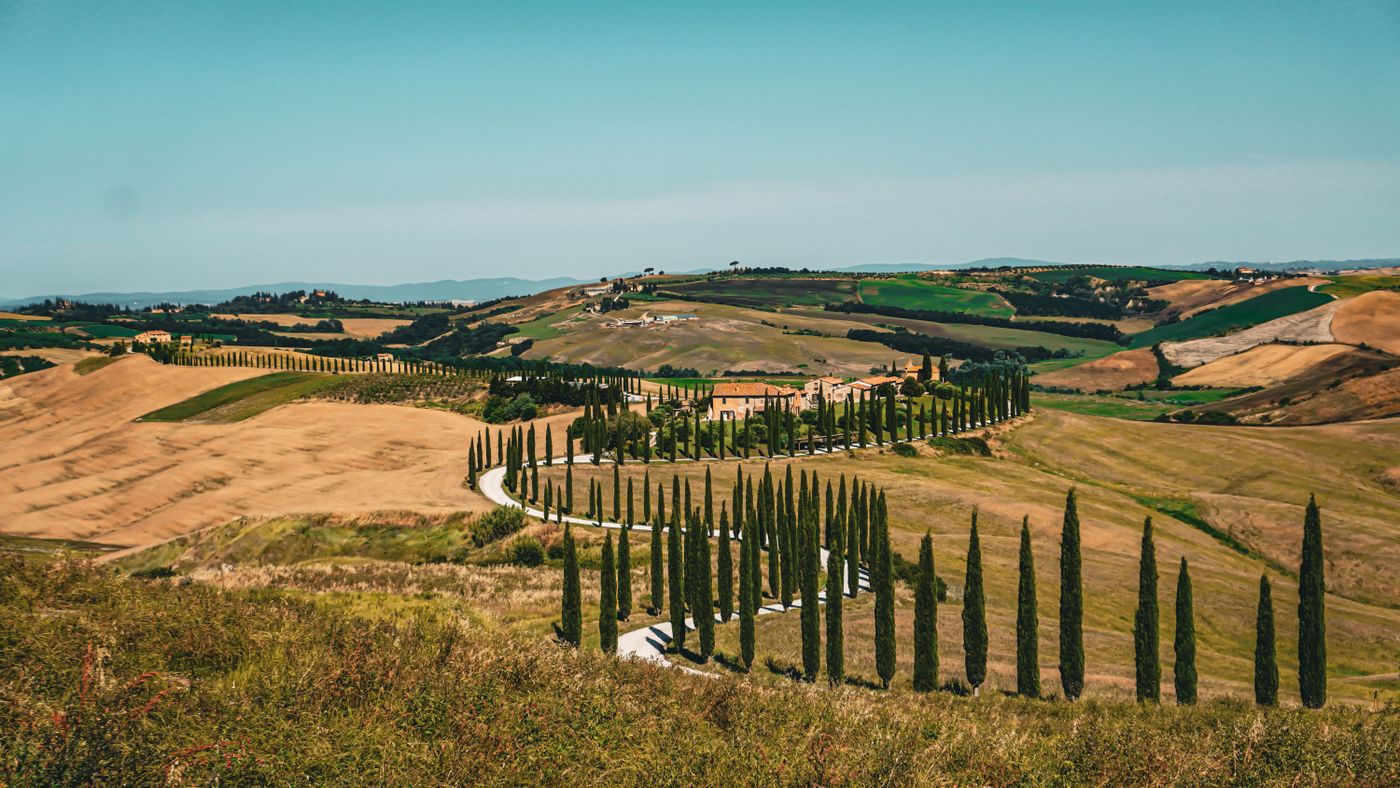
Tuscany has been a premium villa destination for decades. The result is an enormous and varied inventory — from restored stone farmhouses (podere) sleeping six, to grand estate villas with formal gardens and staff sleeping twenty. Every budget level within the luxury category is served, and quality assurance is relatively high compared to newer villa markets. Plum Guide's Tuscany collection is one of their strongest in Europe — inspected in person, with particular depth in the Chianti and Val d'Orcia areas.
Tuscany is, for many guests, the principal attraction rather than just the setting. The food markets of Florence, the wine estates of Chianti Classico, the truffle farms of San Miniato, the thermal baths of Saturnia — the experiences available within a 45-minute drive of most Tuscan villas are genuinely world-class. For groups who want substance as well as comfort, Tuscany is hard to beat. Guided wine estate visits, truffle hunts, and Florentine food tours are all bookable in advance.
The most celebrated Tuscan villa areas — Chianti, Val d'Orcia, the hills around Siena — are inland. The nearest good beaches are 90 minutes or more from central Tuscany. If proximity to the sea is a priority for your group, a Tuscan hill villa may not be the right match — or you will need to plan beach days as deliberate excursions rather than easy afternoon escapes.
August in Tuscany brings Italian domestic tourism at its peak — hilltop towns are crowded, restaurant bookings require months of advance planning, and temperatures regularly exceed 35°C. The landscape is at its most parched. June and September offer the same landscape in better condition, at lower prices, with significantly more space. Tuscany in shoulder season is a materially better experience than Tuscany in August.
The Côte d'Azur and Provence — best for glamour and distinction
The south of France divides neatly into two distinct villa experiences. The Côte d'Azur — Nice, Cannes, Antibes, Saint-Tropez, Monaco — is Europe's most glamorous coastline and commands its highest villa prices. Provence — the Luberon, the Alpilles, the Var — offers a slower, more characterful experience at a considerably more accessible price point. Both are outstanding; which suits your group depends on what you are paying for.
The Côte d'Azur combines extraordinary villa properties — many with direct sea access or panoramic sea views — with the finest restaurants, beaches, marinas, and cultural calendar in continental Europe. The Cannes Film Festival, Monaco Grand Prix, the art museums of Nice and Saint-Paul-de-Vence — the Riviera's appeal extends well beyond the property. For groups arriving by private charter into Nice (NCE), the experience begins from the moment the aircraft door opens. JetLuxe charters into Nice from London, Paris, and other European origins.
Provence delivers everything Tuscany does — lavender fields, medieval villages, outstanding markets and restaurants, magnificent light — with a distinctly French character and, in the Luberon and Alpilles particularly, some of the most architecturally beautiful mas and bastide properties in Europe. Plum Guide's Provence selection is strong in exactly this category of characterful property — inspected in person with genuine editorial curation.
Côte d'Azur villa prices are 30-50% higher than comparable properties in Provence or Tuscany — and the gap widens further in July and August. If the draw is primarily the property rather than the specific Riviera address and its amenities, Provence delivers comparable scenery and character at a meaningfully lower cost.
The most celebrated Provençal villa areas — the Luberon, the Alpilles around Les Baux and Saint-Rémy — are 60-90 minutes from the coast. If sea swimming is important to your group on a daily basis, a villa in this area will require a planned excursion rather than a ten-minute walk. The classic Provence villa experience is an inland one.
Ibiza — best for design, food, and bohemian luxury
Ibiza has transformed its identity over the past decade. The north and centre of the island — rural, green, largely undeveloped — now hosts some of the most architecturally distinctive villa properties in the Mediterranean alongside outstanding restaurants, organic farms, and a wellness culture that has very little in common with the club scene that still defines the island's reputation in many people's minds.
Ibiza's villa stock has been shaped by decades of internationally minded ownership — architects, designers, and creatives who built or restored properties to a standard that is genuinely distinctive. Finca-style properties with traditional whitewashed walls and terracotta tiles sit alongside minimalist modernist builds with infinity pools and panoramic hill views. The design quality of the island's best properties is among the highest in Europe. Plum Guide's Ibiza collection is one of their strongest — the inspection standard is particularly valuable on an island where photography consistently outpaces reality.
Ibiza's restaurant scene now includes some of the most interesting cooking in Spain — farm-to-table restaurants in converted farmhouses, beach clubs with serious kitchens, and a culture of outdoor dining that suits the island's year-round appeal. The weekly markets at Las Dalias and Punta Arabí are among the most enjoyable in the Mediterranean. Guided food and market experiences in northern Ibiza are bookable in advance and worth securing for the first or second day.
Ibiza in peak season is one of the most intensely visited destinations in the Mediterranean. Roads are congested, the best beaches crowded, restaurant bookings require significant advance planning, and villa prices reach their annual peak. The shoulder season — May, June, September, early October — offers a dramatically different and significantly more appealing experience. If your dates are flexible, avoid August.
Ibiza's appeal skews strongly towards adults. Family-friendly beach infrastructure exists but is not the island's primary offer. For multi-generational groups with young children who want safe beaches, shallow water, and child-oriented activities within easy reach of the villa, Mallorca or the Algarve are more naturally suited.
Santorini and the Greek islands — best for views and value
Greece offers the broadest range of villa experiences in the Mediterranean — from the iconic caldera-view properties of Santorini to the lush, family-friendly Ionian islands and the increasingly popular Peloponnese. The common thread is value: Greece is consistently 20-35% cheaper than equivalent Italian or French villa destinations, with provisioning, dining, and staff costs also significantly lower.
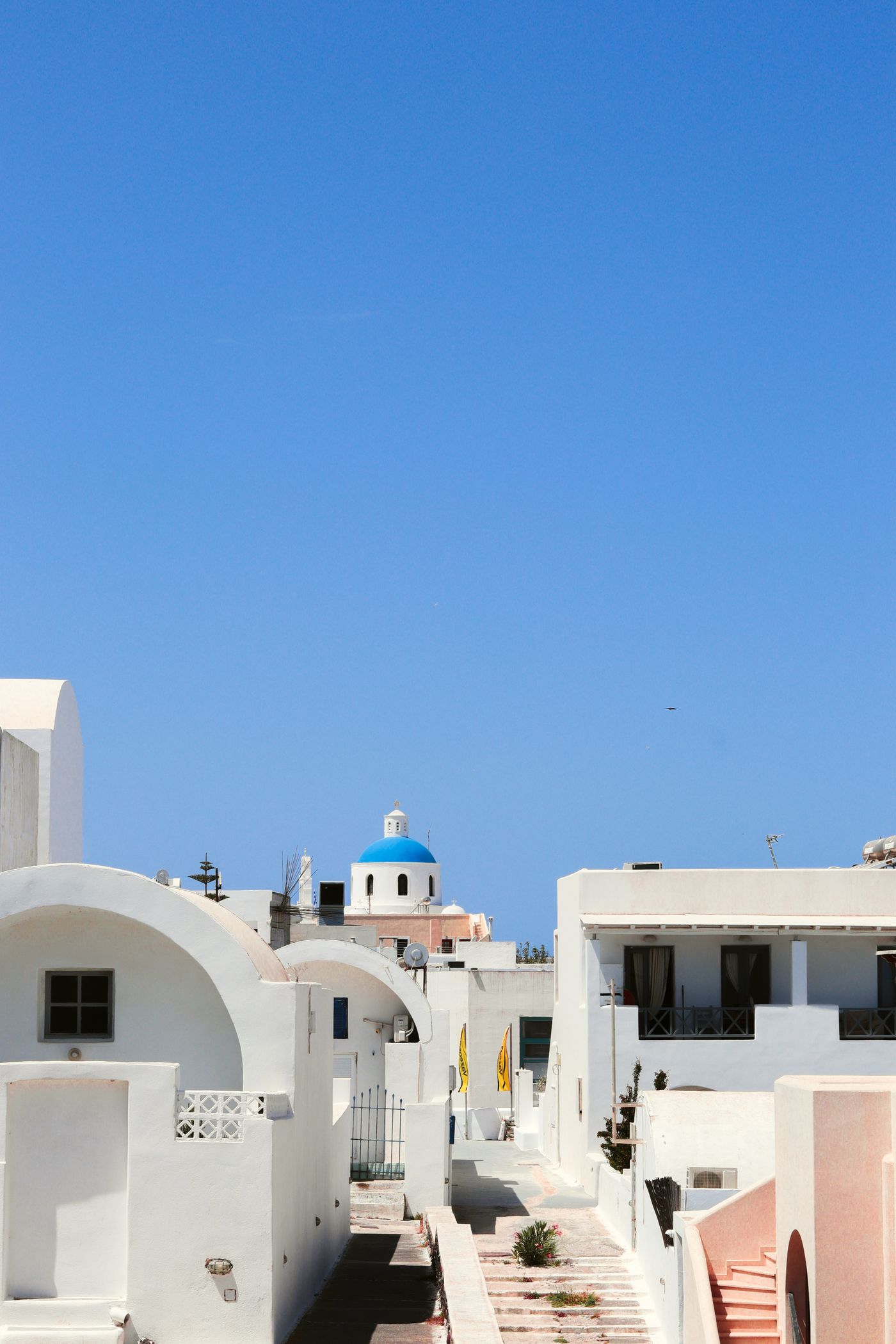
The caldera view from a whitewashed Oia villa at sunset is one of the most recognisable images in travel — and it genuinely lives up to the photography. For the right group, a caldera-view villa in Santorini is an experience that nothing else replicates. The island is small, the walking culture strong, and the combination of volcanic landscape, excellent local wine, and an increasingly serious food scene makes it compelling beyond the view alone. Private sailing and wine-tasting experiences in Santorini are the island's best-value additions to a villa stay.
Corfu, Kefalonia, and Lefkada offer villa holidays of a completely different character — lush green landscapes, long sandy beaches, calm family-friendly waters, and a relaxed pace that Santorini's tourist intensity does not allow. Villa prices are significantly lower and properties generally larger, with more outdoor space and better pool configurations for families. Inter-island transfers by ferry or small aircraft are straightforward; pre-arranged transfers on arrival in Corfu or Kefalonia remove the taxi ambiguity at small regional airports.
Santorini commands a significant premium relative to the rest of Greece — caldera-view villas in Oia and Imerovigli are priced comparably to Tuscany or the Côte d'Azur. The island is also very small, very crowded in peak season, and limited in terms of what you can do beyond eating, drinking, and enjoying the view. Manage expectations accordingly and budget for it.
Greece's islands are spread across a large area and moving between them adds meaningful logistics — flights, ferries, and luggage management. For a villa holiday, choose one island or island group and explore it thoroughly rather than attempting to cover multiple destinations. Each group has enough character and variety to fill ten days comfortably without the friction of inter-island travel.
The Algarve — best for large groups and families
Portugal's Algarve is the most consistently family-friendly and large-group-friendly villa destination in Europe. The combination of outstanding beaches, reliable summer sunshine, excellent flight connections from across northern Europe, and a mature villa market with strong large-format property inventory makes it a uniquely practical choice — without sacrificing quality.
The Algarve has one of Europe's strongest inventories of large villa properties — eight, ten, twelve bedrooms with multiple pools, tennis courts, and extensive outdoor space — at prices that work genuinely well when split across a large group. For a group of 16 splitting a €15,000 weekly villa rental, the per-person cost is €937 — exceptional value for a private coastal property of that scale. Plum Guide's Algarve selection includes several large-format properties that pass their in-person inspection standard.
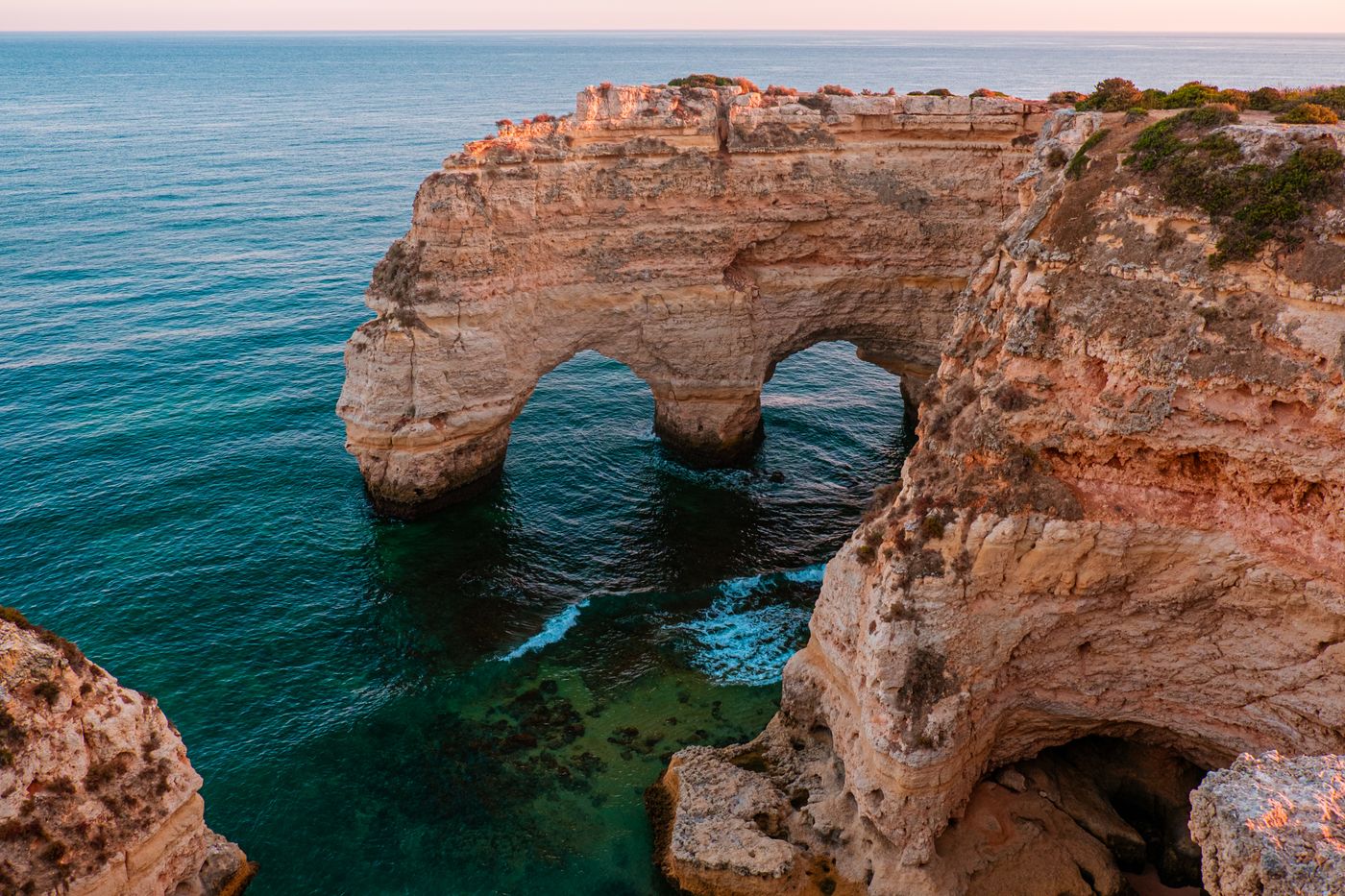
The Algarve's beaches — Praia da Marinha, Praia de Benagil, Meia Praia, Manta Rota in the east — are among the finest in Europe, characterised by dramatic sandstone cliffs, clear Atlantic water, and a scale that absorbs summer visitors better than the more concentrated Mediterranean coastlines. Summer weather is reliable and warm without the extreme heat of southern Italy or Spain in August. A hire car unlocks the full coastline from a single villa base; GetRentACar covers Faro Airport across multiple operators for easy comparison.
The Algarve is primarily a beach and outdoor destination. It does not offer the food and wine culture of Tuscany, the architectural heritage of Provence, or the social scene of Ibiza. The food is good — fresh seafood, particularly — and local towns like Lagos, Tavira, and Silves have genuine character. But if cultural immersion is central to why your group is travelling, the Algarve may feel thin compared to destinations with more depth inland.
The western Algarve coast — around Sagres and Vila do Bispo — is exposed to Atlantic winds that can make beach days uncomfortable in July and August even when temperatures are high. The central and eastern Algarve (around Albufeira, Vilamoura, and Tavira) is more sheltered. This distinction matters more than most listings acknowledge — be specific about area when searching.
Mallorca — the best all-rounder
Mallorca is the most versatile luxury villa destination in the Mediterranean. It offers a serious food scene, outstanding beaches across different characters, a dramatic mountain range in the northwest (the Serra de Tramuntana), excellent cycling and walking, and a villa market that ranges from rustic inland fincas to contemporary clifftop builds with infinity pools over the sea. No single destination in Europe offers this breadth within such a compact geography.
A villa in the Tramuntana mountains northwest of Palma offers a completely different experience from a seafront villa near Alcúdia in the northeast or a finca in the agricultural centre. Within an island that takes 90 minutes to drive across, you can access dramatic mountain scenery, quiet coves only reachable by boat, sophisticated restaurants in Palma, and long shallow-water beaches for families. Boat trips to Mallorca's secluded coves are the island's standout day experience and book up quickly in peak season.
Palma is one of the best-connected destinations in Europe — direct flights from most major European cities operate year-round, with frequency increasing significantly in summer. For a group travelling from multiple origins, Palma's connectivity means most people can reach the island without long connections. For groups arriving from a single origin on a set date, a private charter into Palma with JetLuxe consolidates the group and starts the holiday from the moment of departure.
The southern and eastern coastal areas — Magaluf, S'Arenal, parts of Cala d'Or — are the mass-market face of Mallorca that has little in common with the luxury villa experience. The north and northwest are entirely different in character. Being specific about the area when searching matters more in Mallorca than in most destinations — the island's villa experience varies more by location than almost anywhere else in Europe.
Like most Mediterranean destinations, August in Mallorca concentrates tourism, inflates prices, and fills the best beaches and restaurants. The island handles it better than Ibiza or Santorini — it is simply bigger — but the difference between a June week and an August week in terms of cost, congestion, and atmosphere is substantial. June in Mallorca is genuinely one of the best months in the European villa calendar.
How to choose — a decision framework
Match your priorities to the right destination
- First villa holiday, food and wine, cultural depth → Tuscany. The most mature market, the most reliable experience, the best food and cultural infrastructure.
- Maximum glamour, sea views, event travel → Côte d'Azur. The most expensive option — and for the right trip, worth every euro.
- Landscape, character properties, better value than Riviera → Provence. All the French charm at 30-50% less than the coast.
- Design, food, bohemian luxury, adults only → Ibiza north. Architecturally the most distinctive villa market in Europe.
- Iconic views, romance, couples or small groups → Santorini. Nothing else looks like it. Budget accordingly.
- Families, large groups, beach-first, per-person value → Algarve. The strongest large-format villa inventory in Europe at the best price per bedroom.
- Everything in one place — beach, mountains, food, variety → Mallorca. The best all-rounder. Go in June.
Browse curated villas across all six destinations
Plum Guide's European villa selection is inspected in person — fewer than 3% of properties that apply are accepted. The most reliable quality signal available across Tuscany, Ibiza, Provence, the Algarve, Mallorca, and the Greek islands.
Browse Plum Guide European villas →Frequently asked questions
Tuscany is widely considered the best destination for a first European luxury villa holiday. The villa infrastructure is mature and well-developed, the landscape is iconic and consistently beautiful, the food and wine are world-class, and the range of available properties suits most group sizes and budgets. The Chianti region between Florence and Siena is the classic base. Plum Guide's Tuscany collection is a reliable starting point for first-time villa searchers who want an inspected quality guarantee.
Late May through June and September through early October offer the best combination of weather, availability, and value across most European villa destinations. July and August are peak season — warmest temperatures but highest prices, busiest roads and beaches, and lowest availability for the best properties. Shoulder season villas in Tuscany, Provence, or the Algarve in June or September offer excellent temperatures at significantly lower cost and a considerably more relaxed environment.
Ibiza has evolved considerably beyond its nightlife reputation. The north and centre of the island — around Santa Gertrudis, Sant Joan, and the inland hills — is characterised by bohemian luxury: outstanding restaurants, organic farms, wellness retreats, and some of the most architecturally distinctive villa properties in the Mediterranean. A luxury villa holiday in northern Ibiza bears little resemblance to the club scene of the south. The two exist on the same island and are easily combined or avoided depending on preference.
Greece is generally 20-35% cheaper than equivalent villa rental in Italy for comparable property quality, particularly in the islands. Santorini is the exception — its iconic caldera views command a significant premium and it is not budget-friendly by Greek standards. The Ionian islands — Corfu, Kefalonia, Lefkada — offer strong villa inventory at lower price points than either Santorini or comparable Italian destinations. Staff costs, provisioning, and dining ashore are also typically lower in Greece than Italy.
The Algarve and Mallorca both have particularly strong inventory of large villas — eight to sixteen bedrooms — at price points that work well when split across a large group. Both destinations have mature tourism infrastructure, reliable summer weather, and good flight connections from most European cities. For a group celebration or multi-family holiday requiring significant bedroom count and outdoor space, either destination is likely to offer more suitable properties than Tuscany or Santorini, where large-format villas are less common. Plum Guide's large-property filter covers both destinations with inspected inventory.
The Côte d'Azur commands the highest villa rental prices in continental Europe — 30-50% more than comparable Tuscan or Provençal properties. Whether it is worth the premium depends on what you value. If access to the region's restaurants, beaches, markets, and cultural calendar — Nice, Cannes, Monaco, Antibes, Saint-Paul-de-Vence — is central to why you're going, the premium is well-justified. If the property and pool are the primary draw and the surrounding area is secondary, Provence offers comparable scenery and a considerably better price-to-quality ratio.
Luxury villa rental costs vary significantly by region. A 3-4 bedroom luxury villa in high season ranges from approximately €5,000-10,000 per week in the Greek Ionian islands and Algarve, €7,000-15,000 in Tuscany, Provence, and Mallorca, €10,000-20,000 in northern Ibiza, €12,000-25,000 on the Côte d'Azur, and €12,000-22,000 for a caldera-view property in Santorini. Large estate properties (8+ bedrooms) range from €15,000-35,000 per week in the Ionian and Algarve up to €40,000-150,000+ on the Côte d'Azur. Shoulder season rates are typically 25-40% below high season.
Browse inspected luxury villas across Europe
Browse Plum Guide European villas →Villa rental prices and seasonal availability across European destinations vary significantly by property and year. All pricing comparisons in this article are indicative based on published market data and operator quotes as of May 2026. Cost comparison table values reflect high-season (July-August) weekly rentals for properties verified through Plum Guide, Airbnb Luxe, The Thinking Traveller, and direct agent inventories; shoulder-season rates typically run 25-40% below figures shown. This article contains affiliate links — bookings made through our links may earn a commission at no additional cost to you.