Luxury Honeymoon Destinations 2026: The Honest Planning Guide
Every honeymoon destination is photographed the same way, so the choice cannot be made from pictures. It can be made from what a trip optimises for: privacy, culture, adventure, restoration, or variety. Those five categories carry different minimum lengths — seven nights for a beach, ten for culture, fourteen for a multi-stop — and different lead times, and getting the category right matters more than getting the property right. Two decisions do most of the damage when they go wrong: travelling in the destination’s wrong season because the wedding was in June, and booking a trip too short for the flying it involves. This guide fixes both, then covers the properties, the money and the logistics.
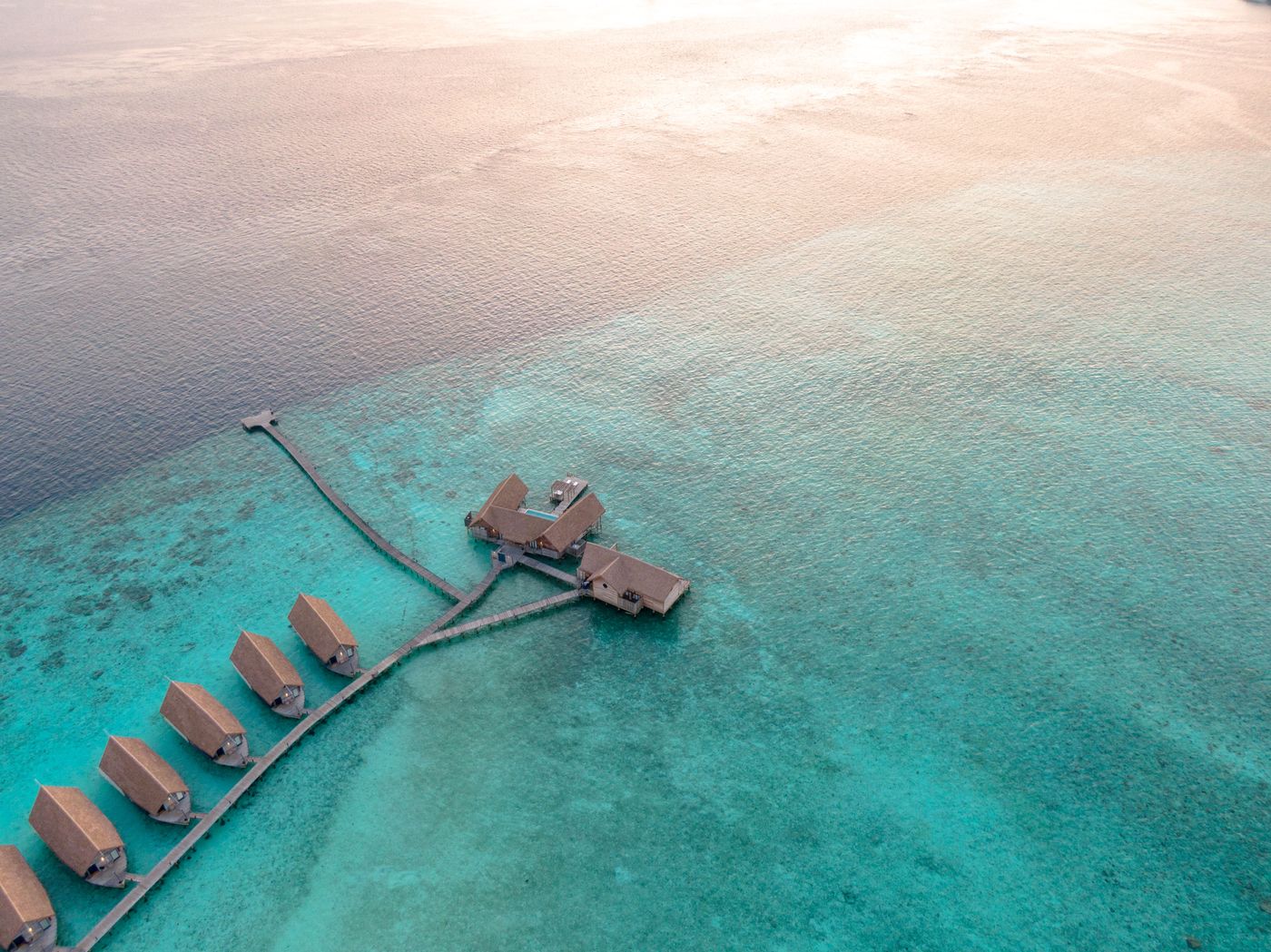
The five categories, and what each one is actually for
| Category | Where it means | What it optimises for | Length | Book ahead |
|---|---|---|---|---|
| Beach and privacy | Maldives, Bora Bora, Seychelles, Fiji, Turks & Caicos | Being together somewhere beautiful, with as little logistics as possible | 7 nights, 10 better | 9–12 months |
| Cultural exploration | Amalfi Coast, Tuscany, Sicily, the Greek islands, Japan, Marrakech and the Atlas | A trip that is half experience and half rest, where the place is the point | 10 nights, 14 better | 9–12 months |
| Safari and adventure | Kenya, Tanzania, Botswana, South Africa with Cape Town | A once-in-a-lifetime trip that happens to be the honeymoon | 10 nights, 14 better | 12 months |
| Wellness retreat | Bali, Thailand, southern Spain, Tulum | Leaving more rested and more connected than you arrived | 7 nights, 10 better | 6–9 months |
| Multi-destination | Tokyo and Kyoto plus a beach; Cape Town, safari and an island; Italy and the Cyclades | Variety, for couples who go restless in one place | 14 nights, 18 better | 12 months |
The two categories most often confused are beach and wellness, because they look identical in photographs and behave completely differently in practice. A beach honeymoon is unstructured by design; a wellness retreat runs to a programme with fixed consultations and treatments, and couples who booked one expecting the other spend the week mildly annoyed. Our wellness retreat comparison separates the medical clinics from the holistic retreats, which is the distinction that decides whether the structure will suit you.
The other frequent mismatch is safari. It is the strongest candidate for a genuine trip of a lifetime and the weakest candidate for rest: early starts, light-aircraft transfers, and a rhythm set by the animals rather than by you. It works beautifully as the first half of a two-stop honeymoon with an island afterwards. Our Kenya, Tanzania and South Africa safari comparison compares the three main safari countries on cost, season and what you actually see.
How long it should be
Most couples underestimate the time available because they are budgeting a normal holiday. The honeymoon is the one trip where the case for taking the leave is strongest, and where the marginal cost of three more nights is small against flights and deposits already committed. If the choice is a shorter stay somewhere further or a longer stay somewhere nearer, the longer stay wins more often than not.
Timing, and the season trap
A delayed honeymoon is not a compromise and is worth saying out loud to anyone who suggests otherwise. Couples who marry in high summer and go to the Maldives in August are buying the monsoon at peak European-holiday rates; the same trip in February is drier and often cheaper. The same logic applies to safari, where the season decides what you see rather than merely how comfortable you are, and to Japan, where the two good windows are narrow and heavily booked. Our where to travel each month and best time to visit Europe set out the month-by-month picture.
The properties worth knowing
Maldives
Soneva Jani in Noonu Atoll lists Beach, Overwater and Signature villas and is the reference for the category. Joali and Cheval Blanc Randheli occupy the same tier with different personalities. The atoll matters more than the brochure: a resort in a distant atoll means a seaplane rather than a speedboat, which adds cost and a fixed daylight-hours schedule that can cost you a night. The detail is in our Maldives overwater villa guide. For the villa-style alternative in Europe or the Caribbean, Plum Guide (affiliate link) vets properties individually rather than listing everything.
Italy and Greece
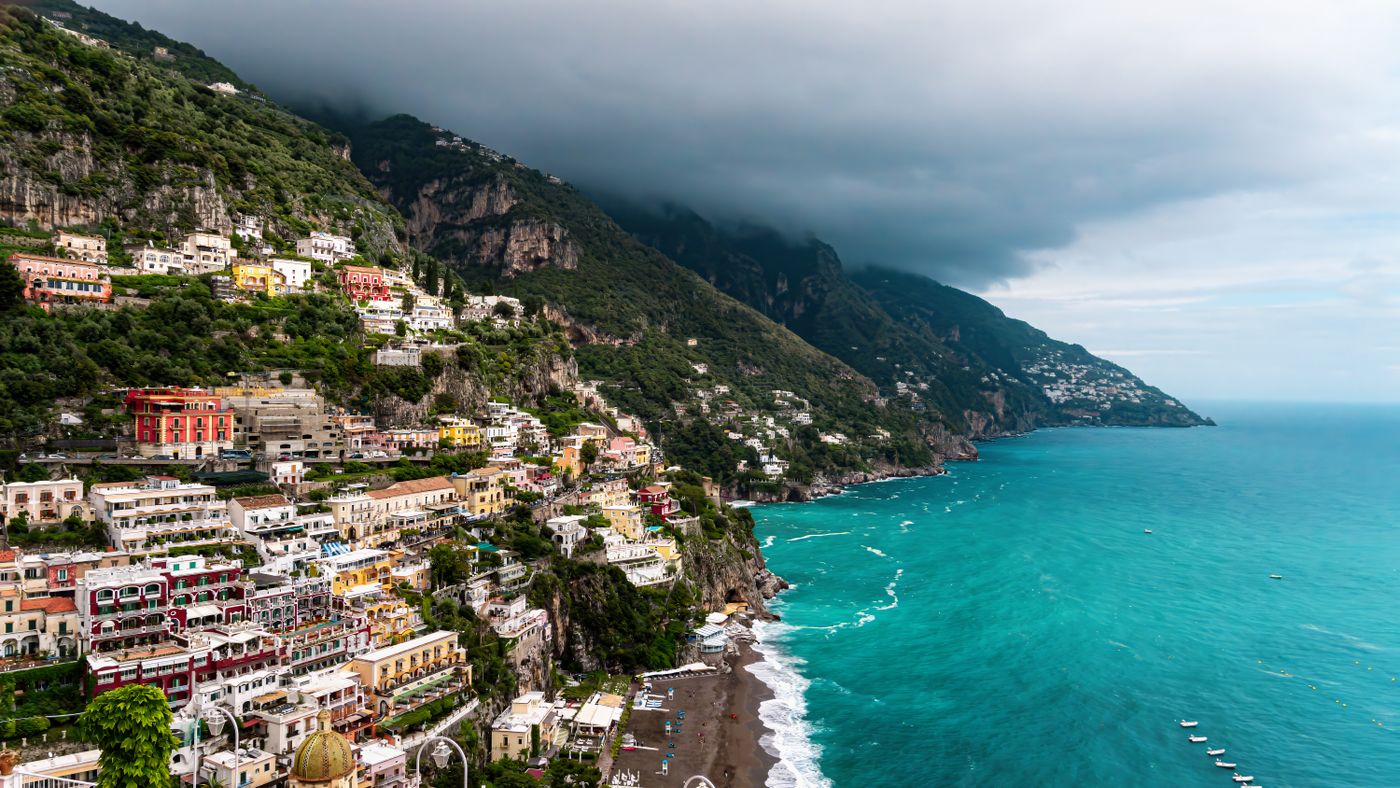
Le Sirenuse in Positano, Borgo Egnazia in Puglia and Castello di Reschio in Umbria are three genuinely different Italian honeymoons — coast, resort and estate. Book the room direct where the property takes direct bookings; where you want to compare across towns rather than commit to one, Booking.com (affiliate link) carries the widest inventory in the Amalfi towns and the Cyclades, both of which sell out early for June.
Safari
Singita runs ten lodges and nine villas across South Africa, Zimbabwe, Tanzania, Rwanda and Botswana, and andBeyond covers a similar spread; Mahali Mzuri is the Kenyan reference in the Maasai Mara. Camps are small and honeymoon dates are inflexible, which is why this is the twelve-month category. Our luxury tour operator power rankings scores the operators on published criteria.

Japan
Aman Kyoto sits in a garden in the Takagamine district about thirty minutes from Kyoto Station, and Aman Tokyo is its Tokyo counterpart. A Tokyo–Kyoto honeymoon is the strongest argument for the cultural category: two bases, one train between them, and no wasted day. Book the experiences that need booking before you fly — GetYourGuide (affiliate link) covers the tea ceremonies, temple entries and food tours that fill months ahead in both cities.
How the money behaves
| Category | How the money behaves | What gets underestimated |
|---|---|---|
| Beach and privacy, 7–10 nights | Villa rate is the whole budget; seaplane transfers are the surprise | Transfers, and full-board versus room-only |
| Cultural exploration, 10–14 nights | Lower per night, longer trip; lands in a similar total | Internal trains and drivers between bases |
| Safari and adventure, 10–14 nights | The most expensive per night, and the least negotiable | Light-aircraft hops between camps, park fees, a beach add-on |
| Wellness retreat, 7–10 nights | Programme fees sit on top of the room rate, not inside it | Consultations and treatments quoted separately |
| Multi-destination, 14–18 nights | Two or three rates plus the connections between them | Positioning flights, and a wasted day per move |
Two protective purchases are worth pricing rather than assuming. The first is cancellation cover: honeymoon deposits are large and honeymoon dates move with the wedding, and only a cancel-for-any-reason policy or rider covers a date change rather than a named emergency. SafetyWing (affiliate link) covers the medical and interruption side; price the cancel-for-any-reason rider against your total non-refundable deposits, not against the base premium. The second is flight-delay compensation: a delayed outbound on a ten-night trip costs a night of the honeymoon, and under EU261 and its UK equivalent a covered delay can produce a few hundred euros a head. AirHelp (affiliate link) runs the claim for a share, or our step-by-step EU261 guide shows how to do it yourself and keep the lot.
The logistics that actually matter
Book the transfer in advance rather than at the airport — GetTransfer (affiliate link) fixes the price before you travel, which matters most at exactly the airports where arrival is chaotic and you have been flying for a day. Book the handful of experiences that genuinely sell out, particularly in Japan and on the Amalfi Coast, before the trip rather than during it. And decide the connectivity question deliberately: most couples want enough signal for photographs and a check-in and no more, which is what an eSIM gives you without a roaming bill; the general case is in our is an eSIM worth it.
One last thing, which is not logistics. Book fewer things than you think you should. The most common regret reported about honeymoons is not an under-researched property, it is a schedule so full that the two people on it never had an unplanned afternoon.