Lindblad vs Silversea vs Seabourn vs Scenic Eclipse 2026: Seven Expedition Cruise Lines Scored
7 lines scored on six published criteriaVerified 7 September 2026By Richard J.Rankings unpaid · partners labelled
Lindblad Expeditions is the best expedition cruise line in 2026, at 88 out of 100 on expedition capability, expedition team, ship and cabin, reach, price clarity and record, for the National Geographic naturalist bench and two purpose-built polar ships. Silversea scores 87 with the most luxurious cabins in the ice and 29 Antarctica sailings plus 95 fly-cruises on sale; Seabourn 84 with two submarines on each of its two ships; Scenic Eclipse 83 with two helicopters and a submersible on each of its two; Quark 82, Viking 81 and HX 78. The owners are not the names on the hull: Silversea is Royal Caribbean Group, Seabourn is Carnival, Quark is Travelopia, Viking is listed in New York and HX is Hurtigruten’s. The index below says what each line runs and what decides its score; the breakdown, the fly-or-sail decision and the questions readers ask follow.
Seven expedition lines · six published criteria · 7 September 2026
88/100 · Lindblad
#
Line · owner
Fleet
What decides it
Score
1
Lindblad ExpeditionsLindblad Expeditions Holdings (NASDAQ: LIND), with National Geographic
National Geographic Endurance, Resolution and Explorer in the polar fleet; the Galápagos and Baja fleets beside them
The naturalist bench and the National Geographic photographers; older ships outside the polar pair
Viking Octantis and Viking Polaris (2022), purpose-built for Antarctica, the Arctic and the Great Lakes
Viking’s pricing clarity and inclusions carried into expedition; two ships and a short record
81
7
HX ExpeditionsHurtigruten Group’s expedition arm, trading as HX since 2024
MS Roald Amundsen and MS Fridtjof Nansen, the hybrid battery-assisted pair, with the older Spitsbergen and Fram
The broadest route map and a heritage to 1896; the largest passenger counts on this index and the least private
78
Line names link to the operators, which pay nothing. Ponant, owned by Groupe Artémis and the operator of Le Commandant Charcot, could not be verified from its own site on 7 September 2026 and is named but not scored. The TourRadar, GetYourGuide and Airalo links further down are affiliate links and are labelled where they appear; none moves a score. No partner placement is live on this page.
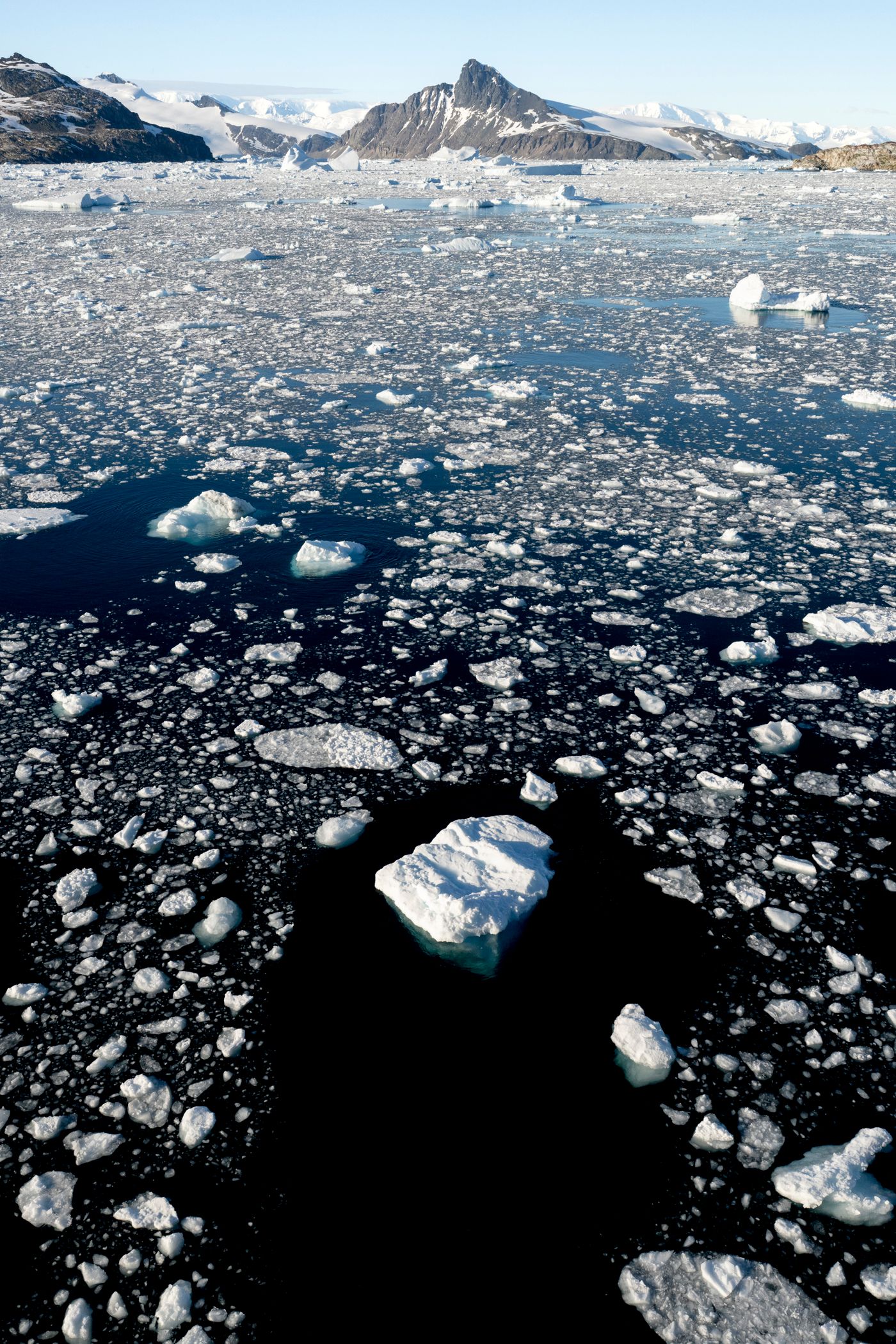
Antarctica. Every line on this index sails the Peninsula between November and March; the difference is the hull under you, the team on the bridge and what the fare includes. Photo: Pexels.
The ship side: Silversea, Seabourn, Scenic and Viking
Four lines bring a luxury hotel into the ice. Silversea (87) has the widest programme and the best cabins; Seabourn (84) the purpose-built pair Venture and Pursuit with two submarines each; Scenic Eclipse (83) the two “Discovery Yachts” with two helicopters and a submersible apiece; Viking (81) the clearest pricing and the shortest record.
Silversea, wholly owned by Royal Caribbean Group, runs Silver Endeavour, Silver Cloud and Silver Wind in the polar programme and Silver Origin in the Galápagos, and on 7 September 2026 had 29 Antarctica cruises and 95 Antarctica fly-cruises on sale, more than any other line on this index; it scores 19 out of 20 on ship and 16 on the expedition team. Seabourn, Carnival Corporation’s ultra-luxury brand, built Seabourn Venture in 2022 and Seabourn Pursuit in 2023 for expedition from the keel up, each with two submarines; it scores 22 on capability and 11 on reach, because two ships can only be in two places. Scenic Eclipse and Scenic Eclipse II, from the privately owned Scenic Group, carry the most equipment on the index, two helicopters and a submersible each, and the largest suites, which is why Scenic scores 24 on capability and 20 on ship; the science programme is thinner and the fleet is two. Viking, listed on the New York Stock Exchange since 2024, put Viking Octantis and Viking Polaris into Antarctica, the Arctic and the Great Lakes in 2022 with the inclusions and published pricing that made its river and ocean ships easy to buy; it scores 9 out of 10 on clarity and 7 on record. The four are compared as cabins, food and service on expedition vs luxury cruise; the Galápagos alternative to a ship is on Galápagos: cruise or land.
The expedition side: Lindblad, Quark and HX
Lindblad (88) leads the index on the expedition team, 20 out of 20, with National Geographic’s naturalists and photographers aboard National Geographic Endurance, Resolution and Explorer. Quark (82) is the polar specialist with the deepest Arctic map and Ultramarine’s two helicopters. HX (78) has the broadest route map, a heritage to 1896 and the largest passenger counts.
Lindblad Expeditions, listed on the NASDAQ and operating in partnership with National Geographic, is the line to choose when the expedition is the point: the naturalist bench, the undersea specialists and the photographers are the product, and Endurance and Resolution were built for the ice. The deduction is the rest of the fleet, older ships in the Galápagos and Baja, which is why ship scores 15. Quark Expeditions, owned by Travelopia, has run polar voyages since the early 1990s; Ultramarine carries two helicopters, Ocean Explorer and World Voyager complete the fleet, and its Arctic programme reaches further north than anyone else on the index. The ships are expedition-grade rather than luxury, and the price pages are less clear than Viking’s. HX Expeditions, Hurtigruten Group’s expedition arm trading under its own name since 2024, runs MS Roald Amundsen and MS Fridtjof Nansen, the hybrid battery-assisted pair, alongside the older Spitsbergen and Fram, across Antarctica, Svalbard, Greenland, Alaska and the Northwest Passage; reach 15 out of 15, ship 13, because the passenger counts are the highest here and the experience the least private. How to choose between a small-group and a private expedition is on small group vs private.
How the seven lines are scored
Six criteria, weights published: expedition capability 25, expedition team and science 20, ship and cabin 20, reach 15, price clarity and inclusions 10, record 10. Capability rewards purpose-built hulls and the toys; team rewards the people on the bridge and in the lecture room; ship rewards the hotel. Reach is where two-ship fleets lose points however good the ships are.
Line
Capability /25
Team /20
Ship /20
Reach /15
Clarity /10
Record /10
Total
Lindblad Expeditions
22
20
15
14
8
9
88
Silversea Expeditions
21
16
19
14
8
9
87
Seabourn Expeditions
22
16
19
11
8
8
84
Scenic Eclipse
24
15
20
9
8
7
83
Quark Expeditions
24
18
13
12
7
8
82
Viking Expeditions
20
17
18
10
9
7
81
HX Expeditions
18
17
13
15
7
8
78
Expedition capability: ice-strengthened hulls, zodiacs per guest, helicopters and submersibles where they exist. Expedition team and science: naturalists, lecturers, photographers and the programme behind them. Ship and cabin: the hotel side, suites, dining, space. Reach: fleet size and how many destinations the line actually runs. Price clarity and inclusions: whether the published fare says what is in it. Record: years in the polar trade and consistency. Scored 7 September 2026 from the lines’ own pages; re-scored quarterly.
Lines are re-scored quarterly. Nothing on this page is scored on request, the lines had no input, and the case against each, the small fleet, the thin science, the passenger count, the older ships, is printed in the same row as the case for. Ponant is not scored because its site could not be reached for verification on 7 September 2026; it will be assessed on the same criteria when it can be.
Fly or sail the Drake, and when to go
Sail the Drake Passage if two days each way of open Southern Ocean is part of the trip and the price matters; fly it from Punta Arenas to King George Island in about two hours if seasickness, time or a short itinerary matters more, for roughly USD 2,000 to 4,000 per person extra and more exposure to weather delays. The season is November to March: ice in November, penguin chicks in January, whales in February and March.
An Antarctica expedition runs from about USD 9,000 per person for a triple cabin on a ten-day itinerary to USD 50,000 and beyond for the ultra-luxury ships and the South Georgia and Falklands routes; the operator tiers, the cabin categories and the season are worked through on the Antarctica expedition guide, the booking sequence on how to book an expedition cruise and the daily rhythm on what to expect. The Arctic, the Galápagos, Greenland and Svalbard are on beyond Antarctica. Expedition cruises from all seven lines are sold alongside land tours on TourRadar (affiliate link); the days in Ushuaia, Buenos Aires and Santiago at either end are on GetYourGuide (affiliate link), and data in Chile and Argentina before the ship’s satellite link takes over is an Airalo eSIM (affiliate link). The wider desk, trains and safari included, is at expeditions.
Straight answers to the questions readers ask
Which expedition cruise line is best for Antarctica in 2026?
Lindblad Expeditions, at 88 out of 100 on expedition capability, expedition team, ship, reach, price clarity and record, for the National Geographic naturalist bench and the two purpose-built polar ships, National Geographic Endurance and Resolution. Silversea scores 87 with the most luxurious cabins in the ice and the widest Antarctica programme, Seabourn 84, Scenic Eclipse 83, Quark 82, Viking 81 and HX 78. For the hotel side choose Silversea or Seabourn; for the expedition side, Lindblad or Quark.
How much does an Antarctica expedition cruise cost?
From about USD 9,000 to 12,000 per person for a triple cabin on a ten-day itinerary from Ushuaia, USD 12,000 to 25,000 for standard cabins with the mainstream lines, and USD 20,000 to 50,000 and beyond for the ultra-luxury ships and the longer South Georgia and Falklands itineraries. Flying the Drake Passage between Punta Arenas and King George Island adds roughly USD 2,000 to 4,000; Silversea had 95 fly-cruise departures on sale on 7 September 2026.
Who owns the expedition cruise lines?
Silversea belongs to Royal Caribbean Group, Seabourn to Carnival Corporation, Quark Expeditions to Travelopia, Viking to Viking Holdings, listed on the New York Stock Exchange since 2024, and HX is Hurtigruten Group’s expedition arm, trading under its own name since 2024. Lindblad Expeditions Holdings is listed on the NASDAQ and operates in partnership with National Geographic. Scenic Group, which runs Scenic Eclipse and Eclipse II, is privately owned. Ponant, owned by Groupe Artémis, could not be verified from its own site on 7 September and is therefore named but not scored.
Which expedition ships have helicopters and submarines?
Scenic Eclipse and Scenic Eclipse II each carry two helicopters and a submersible; Quark’s Ultramarine carries two helicopters; Seabourn Venture and Seabourn Pursuit each carry two submarines; Viking Octantis and Viking Polaris carry submarines. Lindblad’s National Geographic Endurance and Resolution and Silversea’s Silver Endeavour rely on zodiacs, kayaks and the ice-strengthened hull rather than aircraft. Helicopter flights are weather-dependent and are often an extra; the submersible dives are usually included but limited by conditions.
Should I fly or sail the Drake Passage?
Sail it if two days each way of open Southern Ocean is part of the trip you want and if the price matters; fly it from Punta Arenas to King George Island, about two hours, if seasickness, time or a short itinerary matters more. Fly-cruises cost roughly USD 2,000 to 4,000 more per person, are more exposed to weather delays at both ends, and are sold in the greatest number by Silversea. Every line on this index sails the Drake; Silversea, Quark and HX offer both.
What is the difference between an expedition cruise and a luxury cruise?
An expedition cruise is built around the destination: a small ship with an ice-strengthened hull, zodiac landings twice a day where conditions allow, a naturalist team giving briefings, and no entertainment programme. A luxury cruise is built around the ship. The lines on this index sit at the point where the two meet, and the scores show which side each leans to: Silversea, Seabourn and Scenic on the ship, Lindblad and Quark on the expedition. The expedition vs luxury cruise page draws the line in detail.
When should I book an Antarctica expedition?
Twelve to eighteen months ahead for the peak December to February departures on the purpose-built ships, and earlier still for South Georgia itineraries and the fly-cruises, which carry fewer guests. The season runs November to March; November brings the ice, January the penguin chicks, February and March the whales. Cabins on Lindblad’s polar pair and Seabourn’s two ships go first because the fleets are small.
Can an expedition line pay to be ranked on this page?
No. The seven lines are scored on the same six published criteria, none is added on request, and the case against each, the small fleet, the thin science programme, the passenger count, is printed in the same row as the case for. A partner buys a labelled position beside the ranking and a programme of pages around it, never a score. TourRadar, GetYourGuide and Airalo links on this page are affiliate links and are labelled; no cruise line pays for its row. No partner placement is live as of September 2026.
By Richard J., Uncompromised Travel, written from Valencia. Fleets, ships and ownership read on the lines’ own pages on 7 September 2026, with Silversea’s Antarctica sailing counts as displayed that day; the cost band is the site’s Antarctica guide’s; scores are this site’s, on the six criteria above, and are re-scored quarterly. Rebuilt as a scored index and re-verified 7 September 2026.
Scores are unpaid and no line influenced its position. TourRadar, GetYourGuide and Airalo links on this page are affiliate links and pay this site a commission if you book; the fare you pay is unchanged. Cruise-line links go to the operators and pay nothing. No partner placement is live on this page. Rankings are scored against published criteria. Partners are labelled. Commercial disclosure · How we work.
Cookie Settings
This website uses cookies
Cookie Settings
We use cookies to improve user experience. Choose what cookie categories you allow us to use. You can read more
about our Cookie Policy by clicking on Cookie Policy below.
These cookies enable strictly necessary cookies for security, language support and verification of identity.
These cookies can’t be disabled.
These cookies collect data to remember choices users make to improve and give a better
user experience. Disabling can cause some parts of the site to not work properly.
These cookies help us to understand how visitors interact with our website, help us measure and analyze traffic to improve our service.
These cookies help us to better deliver marketing content and customized ads.