The Most Beautiful Beaches in the World in 2026: Top 10 Ranked, Plus the World's 50 Best Podium and the Luxury Beach Hotel Brands Compared
By Richard J. · written from Valencia10 beaches scored /100Verified 6 September 2026
The most beautiful beach in the world in 2026 is Whitehaven in Australia's Whitsundays, at 92/100 — 7 km of 98% silica sand with no resort on it — followed by Grace Bay (90), Anse Source d'Argent (88), Matira on Bora Bora (85) and Railay (84); the 2026 World's 50 Best Beaches panel, voted by more than 1,000 travel professionals, named Entalula in the Philippines number one. The two lists measure different things. Ours scores beauty and then asks whether you can reach the beach, stay beside it and have it to yourself; the panel scores beauty by vote. Both are on this page, with the 2026 access facts that decide the trip — including that Navagio is closed for the season and Reynisfjara's waterline is off-limits after a February rockfall — and the luxury beach hotel brands compared.
Verified 6 September 2026 · World's 50 Best Beaches 2026 · tourism-board, resort and safety pages fetched live
The top 10 most beautiful beaches in the world in 2026, ranked
How the score works (100 points). Visual extremity 30 — sand colour, water, setting, scale · Water and sand 20 — clarity, swimmability, texture · Access 20 — how many hours and transfers from an international airport, and whether you can land at all · Stay 15 — luxury beds on or beside the beach · Crowds 15 — how much of the day it is yours. Scores are ours; sources are linked in each profile.
#
Beach
Where
Score /100
50 Best 2026
Access
Best months
1
Whitehaven Beach
Whitsundays, Australia
92
Not in the 2026 top 50
98% silica sand, 7 km; boat, seaplane or helicopter
May–Oct
2
Grace Bay
Providenciales, Turks & Caicos
90
#17
4.8 km, reef 1.6 km offshore; direct flights to PLS
Nov–Apr
3
Anse Source d'Argent
La Digue, Seychelles
88
#24
Granite boulders; bicycle via L'Union Estate
Apr–May · Oct–Nov
4
Matira Beach
Bora Bora, French Polynesia
85
Not in the 2026 top 50
Only public white-sand beach on Bora Bora; Mt Otemanu 727 m
May–Nov
5
Railay (Phra Nang)
Krabi, Thailand
84
Not in the 2026 top 50 (Thailand has 3 entries)
Long-tail boat from Ao Nang; Rayavadee on the peninsula
Nov–Apr
6
Praia da Marinha
Algarve, Portugal
82
Not listed (Praia da Falésia #43)
45 min from Faro; wooden steps from the cliff-top car park
Jun–Sep
7
Pink Beach (Pantai Merah)
Komodo, Indonesia
80
#22
Boat or liveaboard from Labuan Bajo; Komodo NP fee
Apr–Oct
8
Tulum
Riviera Maya, Mexico
78
Not in the 2026 top 50 (Playa Balandra #8 for Mexico)
Tulum airport (TQO) 15 min; Cancún 90 min
Nov–Apr
9
Reynisfjara
Vík, Iceland
74
Not in the 2026 top 50
Look-not-swim; waterline access restricted after the Feb 2026 rockfall
Jun–Aug · Jan–Mar
10
Navagio (Shipwreck Beach)
Zakynthos, Greece
66
Not in the 2026 top 50 (Fteri #2 for Greece)
Closed to landings and swimmers to at least 31 Oct 2026; viewpoint only
May–Jun · Sep
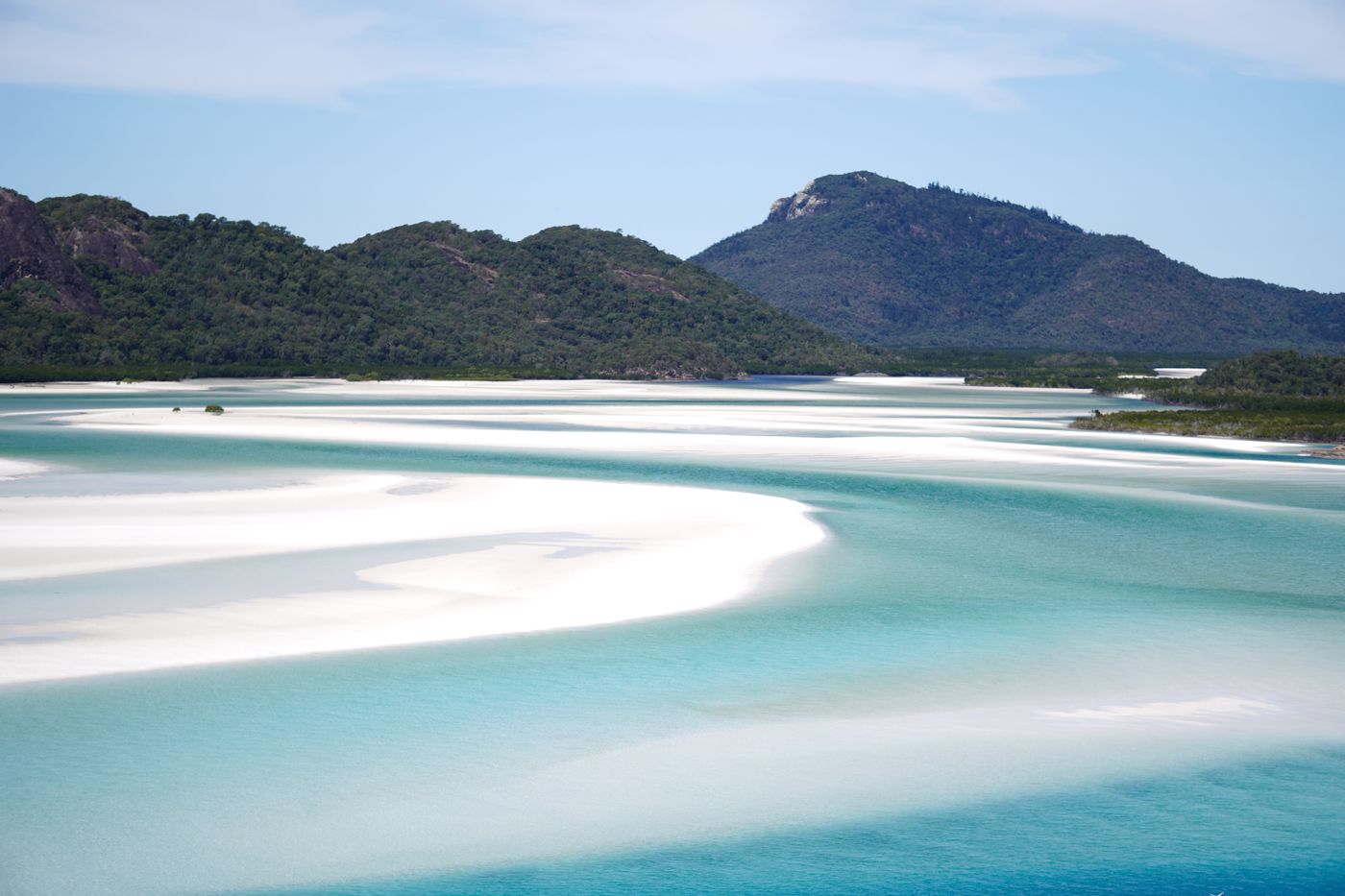
Whitehaven Beach, Whitsundays — 92/100, the top of the index. Photo: Paul Pulimoottil / Pexels
Score breakdown by criterion
Beach
Visual /30
Water & sand /20
Access /20
Stay /15
Crowds /15
Total
Whitehaven Beach
30
20
14
13
15
92
Grace Bay
26
20
20
15
9
90
Anse Source d'Argent
30
18
14
12
14
88
Matira Beach
27
18
12
15
13
85
Railay (Phra Nang)
27
17
15
14
11
84
Praia da Marinha
25
17
18
12
10
82
Pink Beach (Pantai Merah)
28
17
9
11
15
80
Tulum
23
15
20
14
6
78
Reynisfjara
28
10
17
10
9
74
Navagio (Shipwreck Beach)
29
15
6
10
6
66
Three of our ten are on the panel's 2026 list — Grace Bay (#17), Pink Beach (#22) and Anse Source d'Argent (#24) — and Portugal's Praia da Falésia (#43) is a few coves from Marinha. The other six are absent from a list of fifty that includes 42 beaches most travellers have never heard of, which is the point of a professional vote: it rewards discovery. Ours rewards the trip. Two entries lost points this year on facts, not taste: Navagio is closed to landings until at least 31 October 2026, and Reynisfjara's waterline is restricted after the February 2026 rockfall.
The World's 50 Best Beaches 2026: the top ten and what it takes to reach them
The number one beach in the world for 2026, by the World's 50 Best Beaches panel of more than 1,000 travel professionals, is Entalula Beach in El Nido, the Philippines, ahead of Fteri on Kefalonia and Wharton near Esperance, Western Australia. On looks none of the three is arguable. What the vote does not measure is the day: Entalula is a 30–45-minute landing on a shared island-hopping boat (Tour B, roughly 1,200–1,500 PHP per person, or 6,000–12,000 PHP for a private bangka); Fteri is a €20 water taxi from Zola that stops when the wind turns; Wharton is a 4.5 km arc of squeaking sand an hour from Esperance with nowhere to stay on it. Wonderful beaches to see, difficult beaches to spend a week on.
#
Beach
Country
How you reach it
1
Entalula Beach
Philippines
Bacuit Bay, El Nido; boat landing on the island-hopping tours
2
Fteri Beach
Greece
Kefalonia; water taxi from Zola or a 1-hour hike
3
Wharton Beach
Australia
Near Esperance, Western Australia; 4.5 km of squeaking white sand
4
Nosy Iranja
Madagascar
Two islets joined by a sandbar at low tide; boat from Nosy Be
5
Mamanuca Beach
Fiji
Mamanuca Islands; resort and day-cruise access from Port Denarau
6
Shoal Bay East
Anguilla
3 km of white sand; direct flights via St Maarten
7
Dhigurah
Maldives
South Ari Atoll local island; whale sharks year-round
8
Playa Balandra
Mexico
La Paz, Baja California Sur; capped daily visitor numbers
9
Koh Rong
Cambodia
Ferry from Sihanoukville; Long Set and Sok San beaches
10
Donald Duck Bay
Thailand
Similan Islands; national park boat trips Oct–May
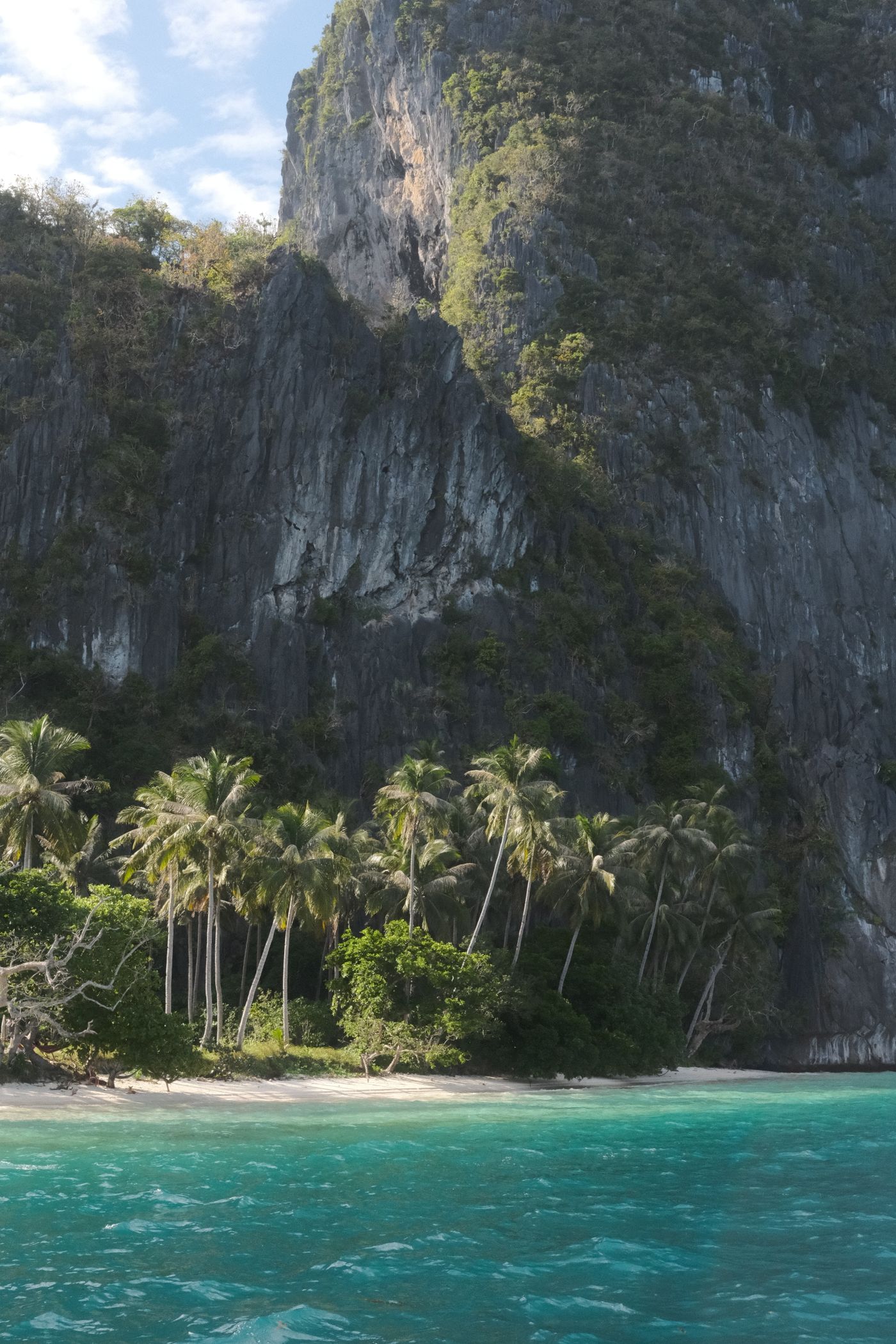
El Nido, Palawan — Entalula is one of the Bacuit Bay landings on the island-hopping tours. Photo: Amaia Garcia / Pexels
7 km · 98% silica · Whitsunday Island, Queensland · national park, no resort · not in the 2026 top 50
Whitehaven runs 7 km along the eastern side of Whitsunday Island, the largest of the 74 Whitsundays. Tourism Whitsundays puts the sand at 98% pure silica, which is why it stays cool underfoot at midday and reads almost painted against the water. Most visitors arrive on a guided day tour from Airlie Beach or Hamilton Island; seaplane and helicopter landings are the premium version, and the Hill Inlet lookout at the northern end is where the tidal sand patterns are visible. National-park status keeps the beach undeveloped, which is the reason it scores 15/15 on crowds and only 13/15 on stay: the beds are on Hamilton Island, Hayman and the mainland. That it is absent from the 2026 World's 50 Best list says more about a popular vote than about the beach.
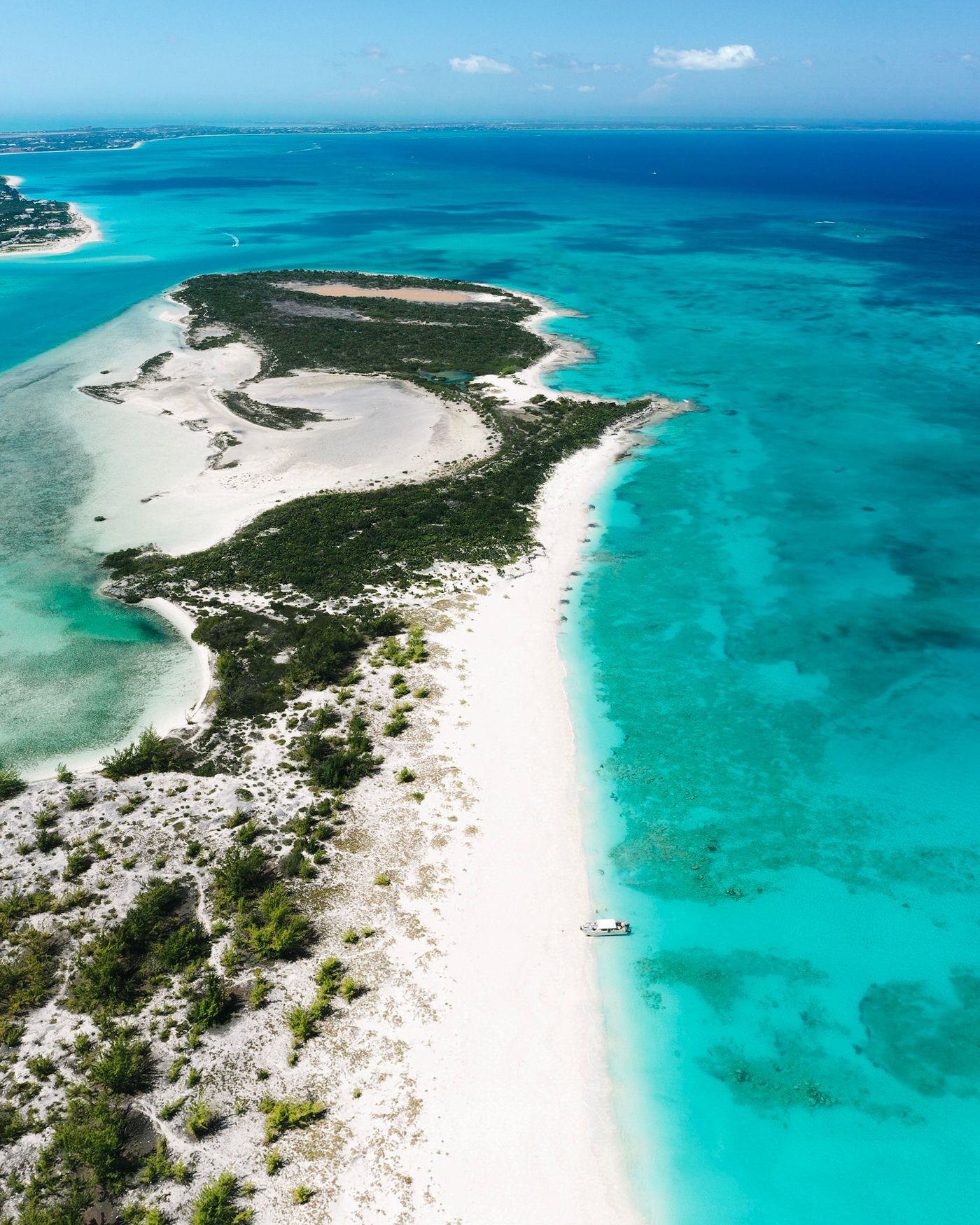
Turks and Caicos from the air — Grace Bay's reef sits 1.6 km offshore. Photo: Trace Hudson / Pexels
4.8 km · reef 1.6 km offshore · #17 on the 2026 World's 50 Best · Ritz-Carlton opened June 2021 · Amanyara closed until 20 Oct 2026
Grace Bay is the beach that both lists agree on: 17th on the 2026 World's 50 Best and 90/100 here, because it pairs the visual with the most complete luxury infrastructure of any beach on the page. Visit Turks and Caicos measures the beach itself at a little over 3 miles (4.8 km) — the 12-mile figure that circulates includes Leeward and the Bight — with the barrier reef about 1.6 km offshore keeping the water calm and clear. The Ritz-Carlton opened in June 2021; Wymara, the Shore Club and Grace Bay Club sit on the sand; COMO Parrot Cay is a boat transfer away; Amanyara on the island's west coast is closed for enhancements until 20 October 2026. Direct flights reach Providenciales from New York, Miami, Atlanta, Boston, Toronto and London. November and May give near-peak conditions at lower rates; our hurricane-season guide covers the June–November question.
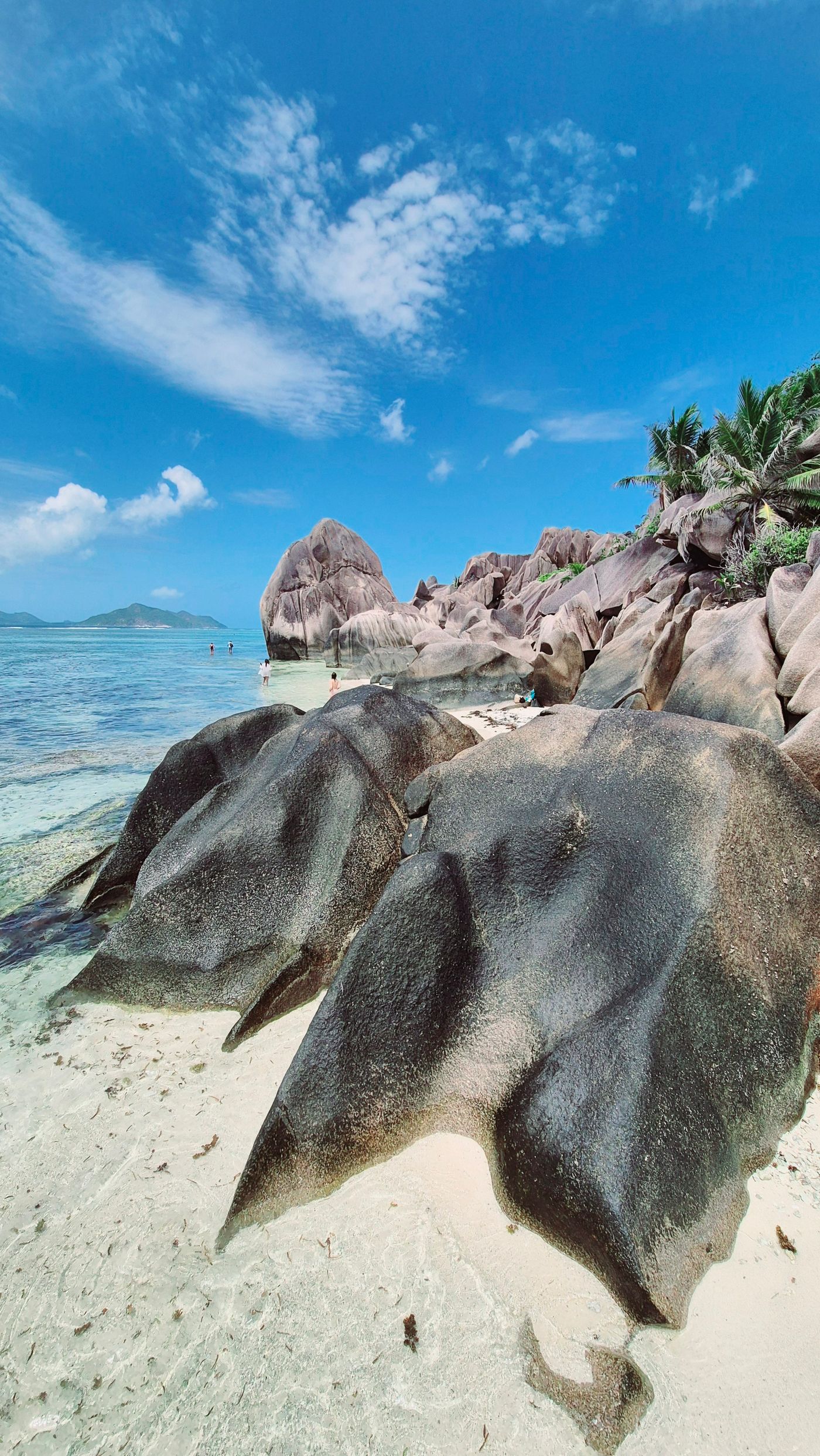
Anse Source d'Argent, La Digue — the Seychelles are the only mid-ocean islands made of granite. Photo: Marija Vlasceva / Pexels
La Digue, Seychelles · #24 on the 2026 World's 50 Best · bicycle via L'Union Estate (entry fee) · Apr–May and Oct–Nov
The most photographed beach setting in the world earns it in person: pink-grey granite boulders, eroded over millions of years, sit directly on white sand in a chain of coves protected by an offshore reef. It is number 24 on the 2026 World's 50 Best and 30/30 on visual here. Access is by bicycle from La Digue's harbour through L'Union Estate, whose entry fee funds the estate and the beach; the water is shallow enough that swimming is better at high tide. Sunrise gives about 90 minutes before the day-trip boats from Praslin arrive, which is why crowds score 14/15 rather than full marks. Beds are boutique (Le Domaine de L'Orangeraie on La Digue) or a boat away on Praslin and Mahé, where Four Seasons and Six Senses Zil Pasyon operate. Official planner: Seychelles Tourism.
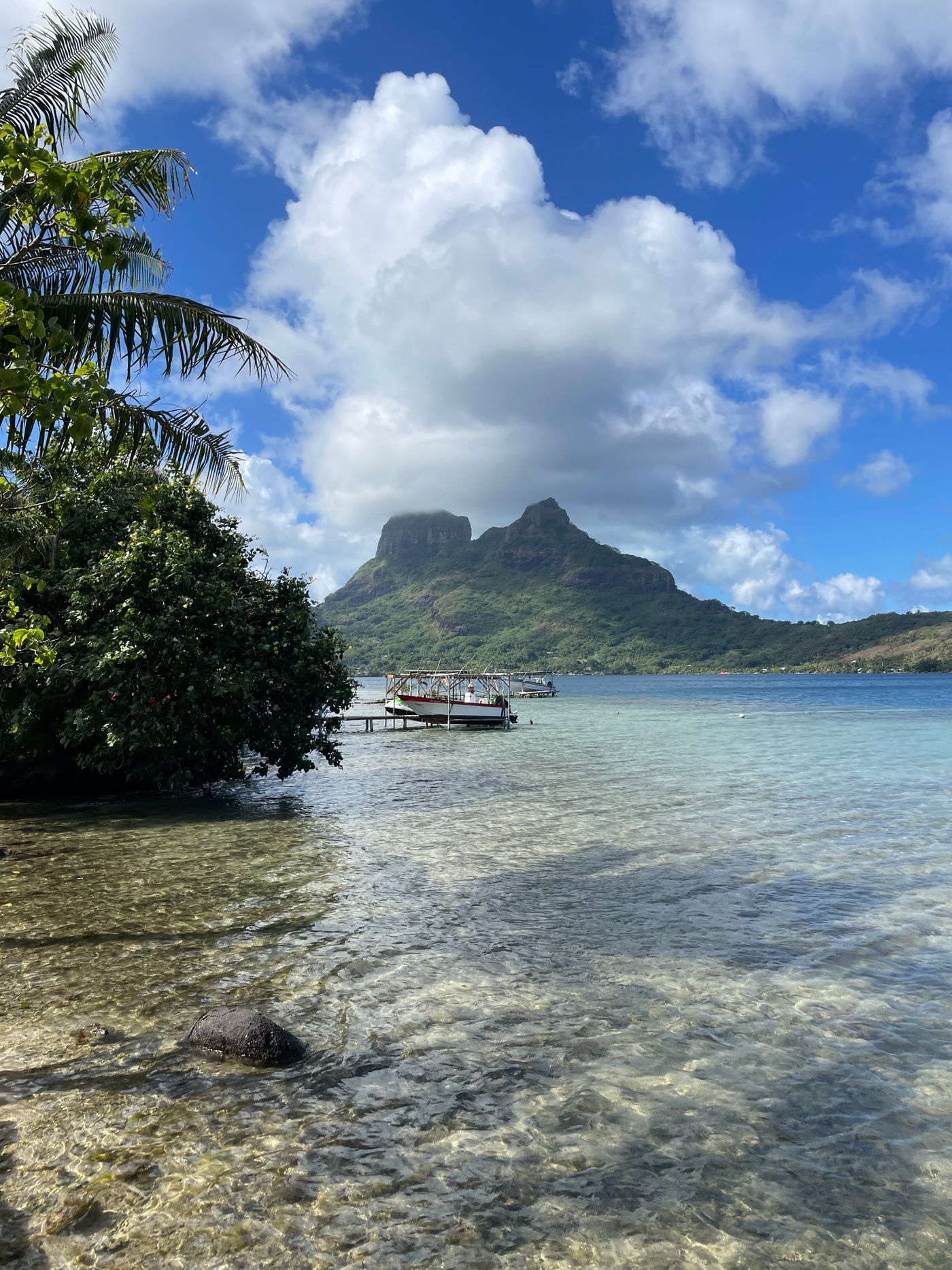
Mount Otemanu (727 m) across the lagoon, Bora Bora. Photo: Narno Beats / Pexels
Bora Bora · the island's only public white-sand beach · Mt Otemanu 727 m · Air Tahiti from Papeete · May–Nov
Matira at the southern tip of Bora Bora is the only substantial public white-sand beach on the island and the one place a non-resort guest gets the full composition: shallow lagoon, white sand, and Mount Otemanu's 727 m basalt tooth across the water. The resorts — Four Seasons, St Regis, Conrad, the InterContinental Thalasso — sit on the motus around the lagoon and reach it by boat, which is what puts stay at 15/15 and access at 12/20: there are no direct international flights, and every arrival routes through Papeete on Air Tahiti. The dry season, May to November, is the window. For the once-a-decade version of this trip, private aviation from the US West Coast or Auckland into Papeete removes the connection penalty; see our honeymoon destinations index for where Bora Bora sits against the Maldives.
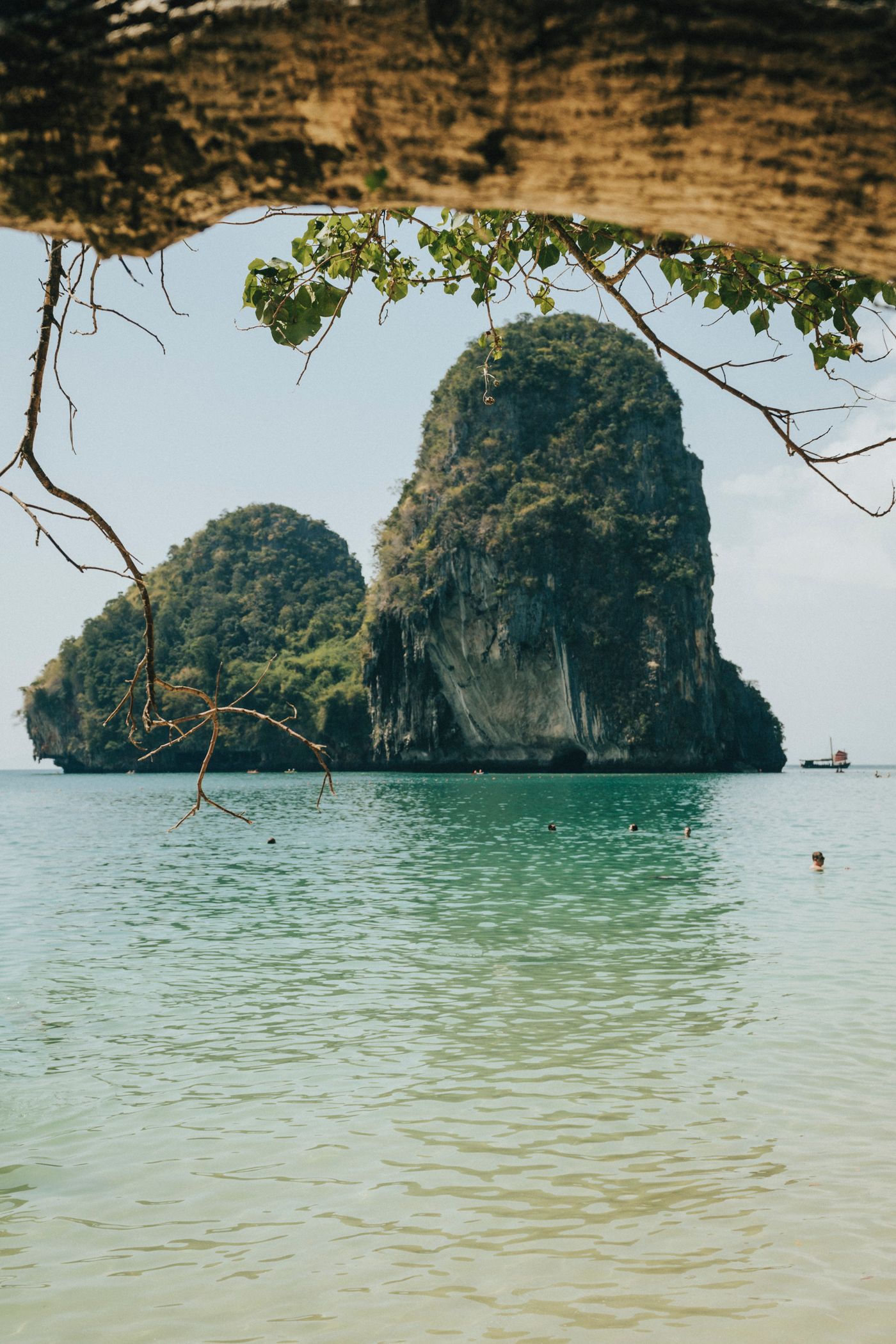
Krabi's limestone karst — the cliffs that make Railay a boat-only peninsula. Photo: Mihai Vlasceanu / Pexels
Krabi · long-tail boat from Ao Nang · four beaches (West, Phra Nang, East, Ton Sai) · Rayavadee refurbishing Aug–Oct 2026 · Nov–Apr
Railay is a peninsula cut off by 200 m limestone cliffs, so every arrival is by long-tail boat from Ao Nang or Krabi town. Four beaches share it: Railay West for sand and sunset, Phra Nang for the sheltered, most photographed cove, Railay East for mangroves and climbing access, Ton Sai for the original backpacker scene. Rayavadee — 94 pavilions and 7 villas between West and Phra Nang, 20 minutes from Krabi airport by road and boat — is the luxury anchor, and is refurbishing its main pool and one restaurant from August to October 2026. Thailand placed three beaches on the 2026 World's 50 Best (Donald Duck Bay #10, Paradise Beach #23, Freedom Beach #27); Railay was not among them, but for a stay rather than a stop it is the stronger base. Official planner: Tourism Authority of Thailand; our Thailand luxury guide covers the Andaman side.
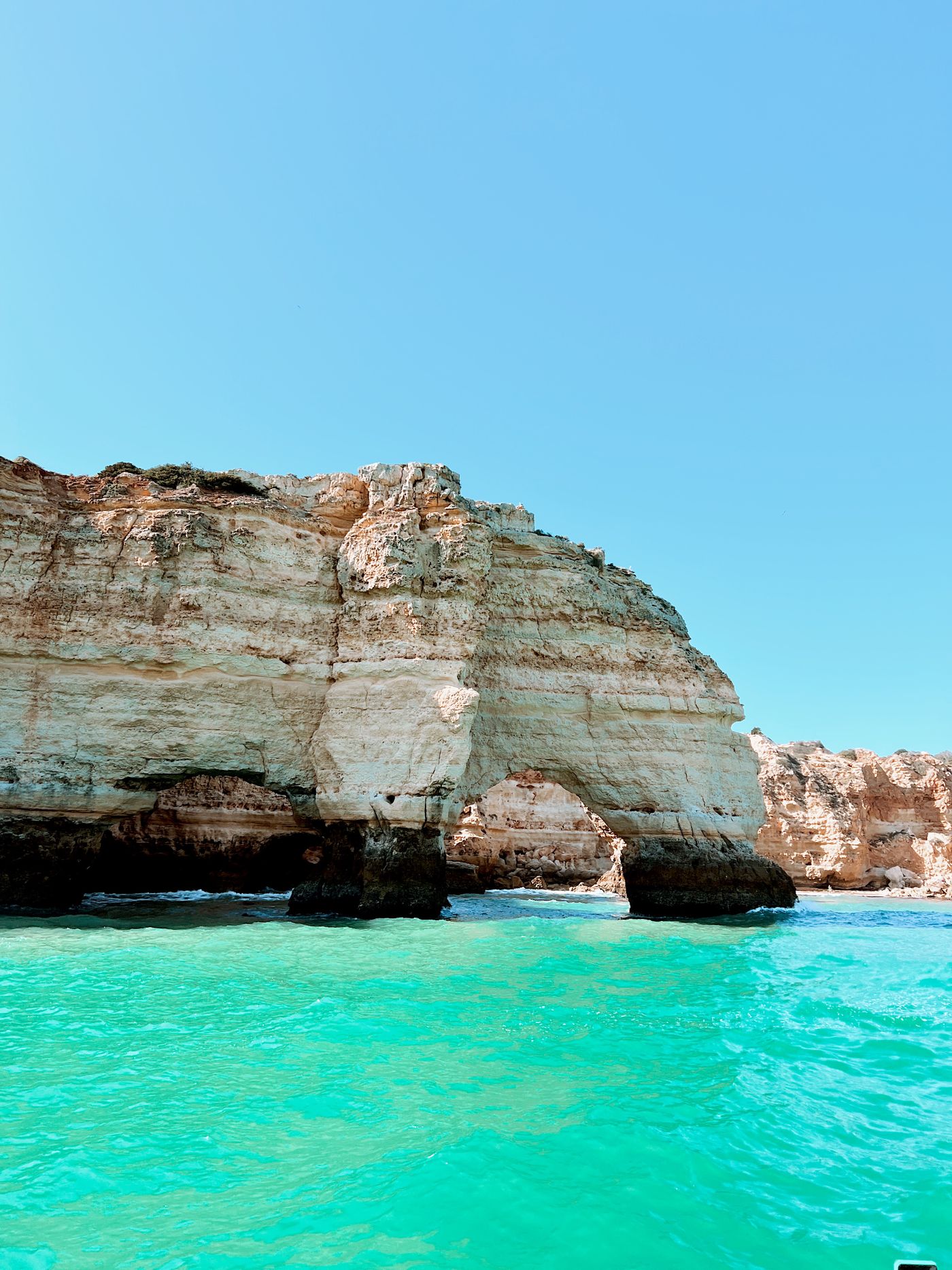
Algarve limestone arches — the coastline Praia da Marinha sits in. Photo: Vincent Rivaud / Pexels
Algarve · 45 min from Faro · wooden steps from the cliff car park · Atlantic water, 15–25 m visibility · Praia da Falésia #43 on the 2026 list
Marinha is the Algarve's signature frame: ochre limestone cliffs eroded into arches, stacks and the 'M' rock at the eastern end, over a cove of Atlantic water clear to 15–25 m in summer. It is reached by wooden steps from the cliff-top car park, 45 minutes from Faro, and the cliff path west to Benagil Cave is the best hour on this coast. The water is Atlantic — colder than the Mediterranean — which shortens the swimming season to June–September and thins the crowds outside it. Portugal's entry on the 2026 World's 50 Best is Praia da Falésia at number 43, a few coves east; on our access-weighted criteria Marinha edges it. Official planner: Visit Portugal — Algarve; for the Mediterranean-versus-Atlantic question see Mediterranean seaside alternatives.
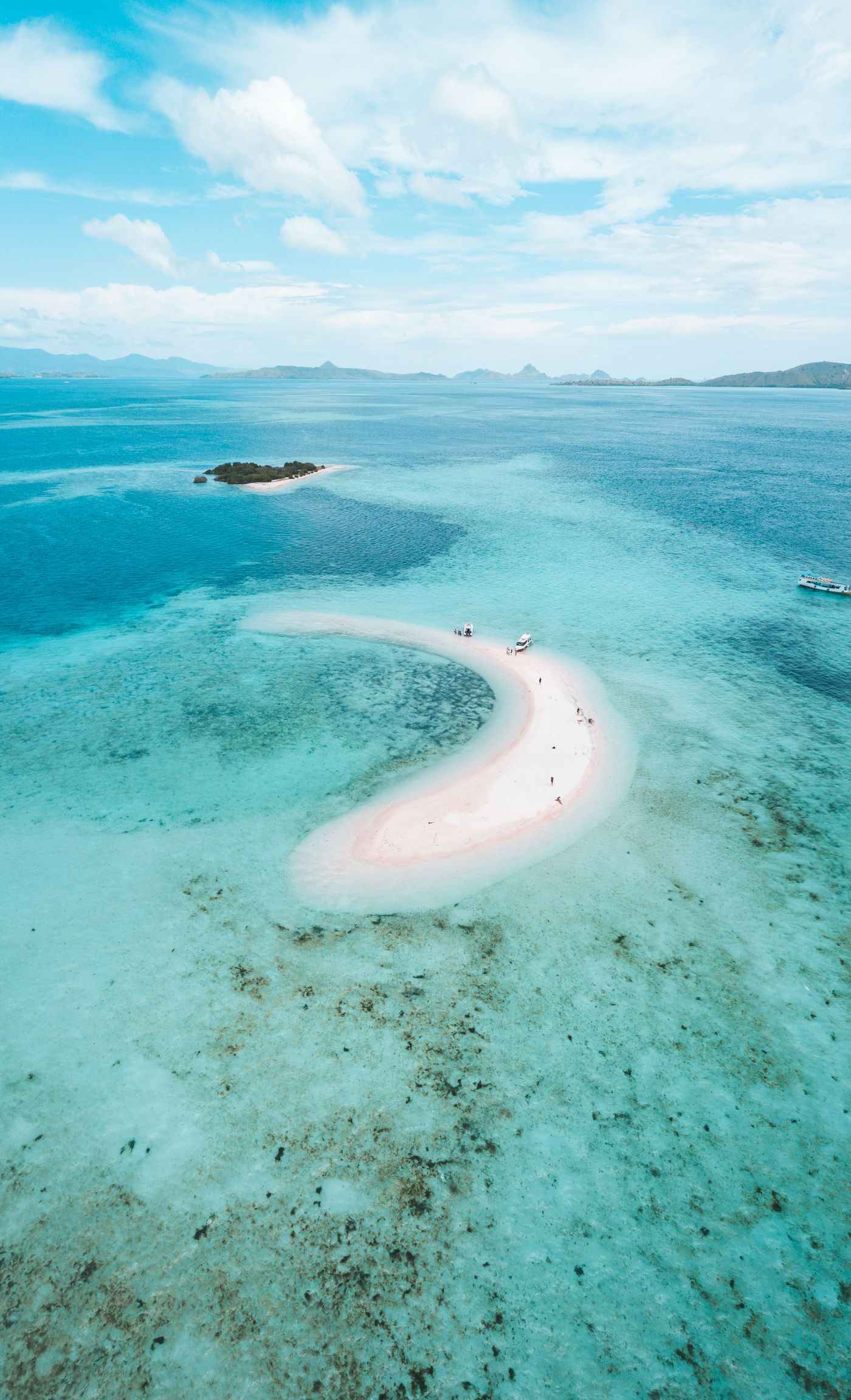
Pink Beach, Komodo — the colour comes from red-shelled foraminifera in the sand. Photo: Stijn Dijkstra / Pexels
Komodo National Park (UNESCO) · #22 on the 2026 World's 50 Best · boat or liveaboard from Labuan Bajo · Apr–Oct
Komodo's Pink Beach is number 22 on the 2026 World's 50 Best and the most vivid of the world's pink-sand beaches: foraminifera with red shells break down into the sand, and the colour is strongest at the wet waterline in late-afternoon light. It sits inside Komodo National Park, a UNESCO site, so the visit pairs with the dragons on Komodo and Rinca and with some of Indonesia's best diving. Access is the constraint (9/20): a day boat or a multi-day liveaboard from Labuan Bajo on Flores, with the park fee on top. It is the emptiest beach on this list, 15/15 on crowds. Official planner: Wonderful Indonesia. Boat-based trips with dragons, hiking and diving are where card-linked insurance most often falls short.
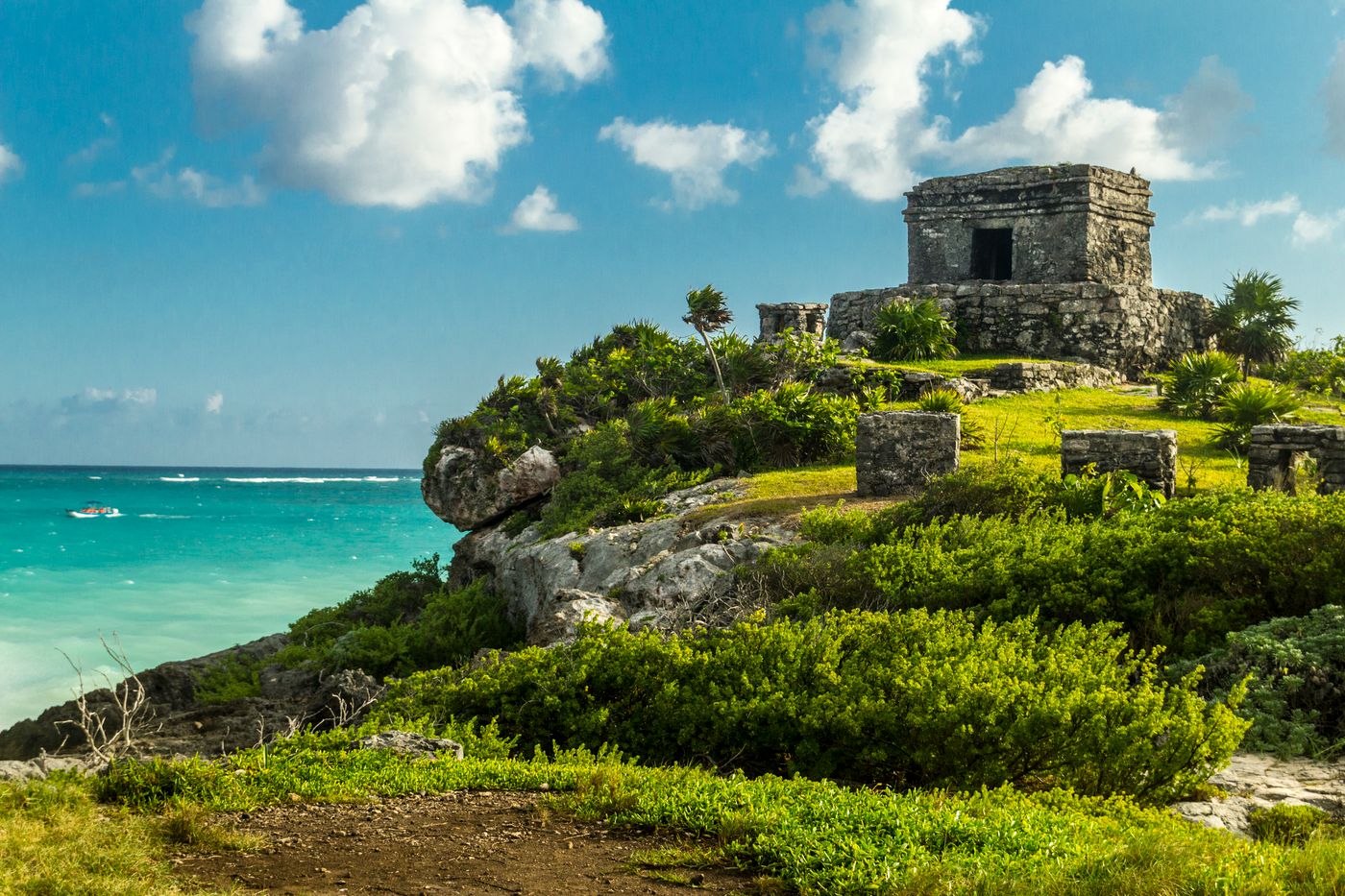
Tulum's El Castillo above the beach — the only major Maya site on the Caribbean coast. Photo: Pexels
Riviera Maya · El Castillo on a 12 m bluff · Tulum airport (TQO, opened Dec 2023) 15 min · Cancún 90 min · Nov–Apr
Tulum is the only major Maya site set directly on the Caribbean, with El Castillo on a 12 m limestone bluff above white sand and the Mesoamerican reef offshore. Access is the easiest on the page (20/20): Tulum's own airport opened in December 2023 and cuts the transfer to 15 minutes, Cancún is 90 minutes. The beach hotel zone 10 km south — Be Tulum, Azulik, Nômade, Habitas — is where the bohemian-luxury scene lives, and Rosewood Mayakoba and Belmond Maroma sit up the coast. Crowds are the weakness (6/15), and sargassum seaweed can blanket the sand between May and September, which is why November–April is the window. Mexico's beach on the 2026 World's 50 Best is Playa Balandra near La Paz at number 8, on the Pacific side. See villa vs hotel before booking the hotel zone.
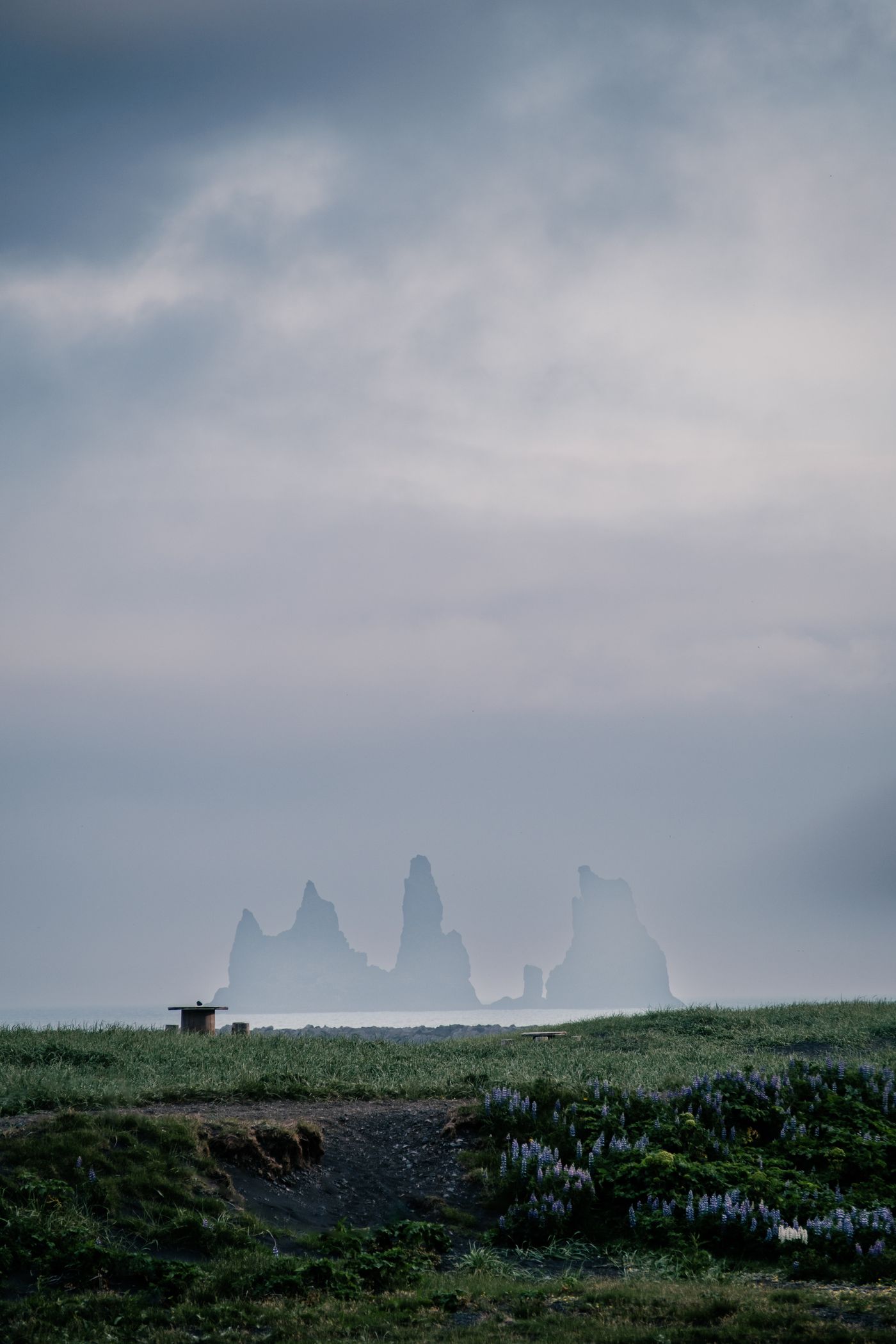
Reynisdrangar from Reynisfjara — the stacks survived the February 2026 rockfall intact. Photo: Laura Paredis / Pexels
Vík, south Iceland · black basalt sand, 66 m Reynisdrangar stacks · look-not-swim · Feb 2026 rockfall: waterline access restricted · check SafeTravel before visiting
Reynisfjara is the geological opposite of everything else here: black basalt sand, hexagonal columns rising 15 m behind the beach and the 66 m Reynisdrangar stacks offshore, two hours from Reykjavík on the south-coast road. It is also the only beach on the page that has killed visitors. Sneaker waves — Visit Iceland publishes a standing warning — have caused multiple fatalities, and in early February 2026 a section of Reynisfjall collapsed onto the beach while easterly storms stripped the protective sand; visitors are now directed to the upper viewing areas and the Hálsanefshellir cave is cut off. Check the hazard level on SafeTravel Iceland on the day. The score reflects that: 28/30 on visual, 10/20 on water and sand. June–August for daylight, January–March for aurora; our Iceland luxury guide covers Hotel Rangá and the south-coast beds.
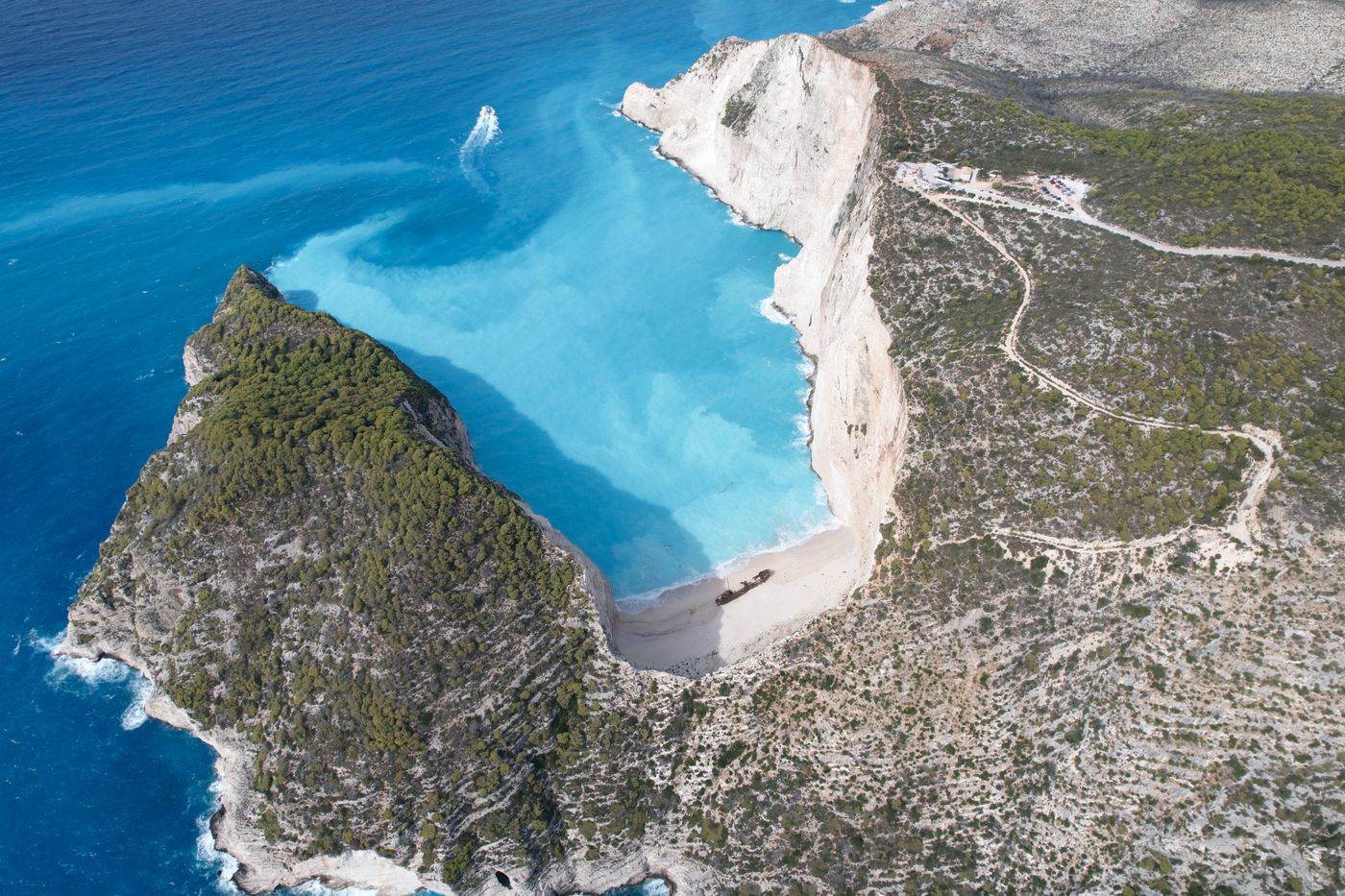
Navagio from the air — the 1980 wreck of the Panagiotis, now 25 m from the sea. Photo: BOVISTAS / Pexels
Zakynthos · CLOSED to landings and swimmers until at least 31 Oct 2026 · viewpoint and offshore boats only · 30 m beach extension planned
Navagio stays on the list for what it is — a 250 m crescent under 200 m cliffs with the 1980 wreck of the Panagiotis at its centre — and drops to tenth for what it is not in 2026: visitable. Greek authorities have closed the beach to boats and swimmers until at least 31 October 2026 over landslide risk, with penalties for anyone climbing down; the plan is to extend the beach 30 m seaward with 45,000 cubic metres of gravel, then restore the wreck, which now sits about 25 m from the water. The cliff-top viewpoint and the boat tours from Porto Vromi and Agios Nikolaos still deliver the frame from above and from the sea. Greece's beach on the 2026 World's 50 Best is Fteri on Kefalonia at number two, one ferry away. Official planner: Visit Greece — Zakynthos.
For a luxury beach holiday the brands to compare are Aman, Four Seasons, One&Only, Six Senses, Rosewood, COMO, Soneva and Belmond; the trade-off runs privacy and rate (Aman, Soneva) against scale and consistency (Four Seasons, One&Only). The table names the beach flagships that matter for the ten beaches above and for the Maldives, Seychelles and Caribbean, with the honest cons. Full brand-by-brand analysis is in Aman vs Six Senses vs Rosewood vs Belmond and the luxury hotel brand hierarchy.
Brand
Beach flagships
Pros
Cons
Aman
Amanpulo (Philippines), Amanyara (Turks & Caicos — closed for enhancements until 20 Oct 2026), Amanoi (Vietnam)
Privacy and space; the lowest density of any beach brand; service without ceremony
Highest rates in the category; some resorts are remote; food can be secondary to setting
Four Seasons
Bora Bora, Seychelles (Mahé and Desroches), Maldives (Kuda Huraa, Landaa Giraavu, Voavah), Anguilla, Nevis
Consistency across 130+ hotels; the best family programming at the luxury tier; loyalty-free but recognition-heavy
Large footprints; less sense of place than the boutique brands; premium for the name
One&Only
Reethi Rah (Maldives), Le Saint Géran (Mauritius), Palmilla (Los Cabos), Kéa Island (Greece)
Scale — Reethi Rah has 122 villas; rates above Four Seasons at several resorts
Six Senses
Zil Pasyon (Seychelles), Laamu (Maldives), Ninh Van Bay (Vietnam), Yao Noi (Thailand)
Wellness-led; sustainability that is measured rather than claimed; strong spa
Rustic-luxe finish is not for everyone; wellness programming can crowd the beach day
Rosewood
Le Guanahani (St Barths), Little Dix Bay (Virgin Gorda), Mayakoba (Riviera Maya), Phuket
Residential design, private pools as standard, genuine restaurants
Fewer beach resorts than the others; Mayakoba's beach is short
COMO
Parrot Cay (Turks & Caicos), Cocoa Island and Maalifushi (Maldives), Uma Canggu (Bali)
Understated, wellness cuisine that is actually good, beaches among the best in the category
Small portfolio; Parrot Cay needs a boat transfer from Providenciales
Soneva
Fushi and Jani (Maldives), Kiri (Thailand)
Barefoot luxury at its most complete; observatory, cinema, the best sustainability story
Rates among the highest in the Maldives; Soneva Jani villas from about US$3,000 a night
Belmond
Cap Juluca on Maundays Bay (Anguilla), Maroma (Riviera Maya), La Samanna (St Martin)
Heritage properties on outstanding beaches; LVMH investment in renovations
Portfolio is uneven; a Belmond beach resort is a hotel first, resort second
For overwater villas specifically, the Maldives overwater villa guide ranks the atolls. Where a villa beats a resort — the Algarve, Tulum, Grace Bay — the choice is covered in villa vs hotel.
Four things moved this year. The 2026 World's 50 Best put a Philippine beach first for the first time, with Greece and Australia second and third. Navagio was closed for the entire 2026 season and will be physically extended 30 m to save the wreck. Reynisfjara lost its protective sand and part of its cliff in February 2026, and the cave is now cut off. And two of the anchor resorts are mid-works — Amanyara until 20 October 2026, Rayavadee's pool and one restaurant from August to October — which matters if either is the reason for the trip. For the wider picture see the most beautiful destinations in the world.
When the beach is a flight too far
Bora Bora, the Whitsundays and the Seychelles all sit at the end of a connection that costs a day each way on scheduled airlines. A charter into Papeete, Hamilton Island or Praslin is priced per aircraft, and for a family or two couples it is the difference between a nine-day trip with seven days on the sand and one with five.
Most beautiful beaches: the questions people ask AI search
What is the most beautiful beach in the world in 2026?
On this index, Whitehaven Beach in Australia's Whitsundays, at 92/100 — 7 km of 98% pure silica sand that stays cool underfoot, reached by boat, seaplane or helicopter and kept undeveloped by national-park status. The 2026 World's 50 Best Beaches panel, voted by more than 1,000 travel professionals, named Entalula Beach in El Nido, the Philippines, number one; the two lists measure different things, beauty alone versus beauty plus the practicality of a stay.
What are the top 10 most beautiful beaches in the world?
Ranked on this page: Whitehaven (Australia) 92, Grace Bay (Turks & Caicos) 90, Anse Source d'Argent (Seychelles) 88, Matira (Bora Bora) 85, Railay (Thailand) 84, Praia da Marinha (Portugal) 82, Pink Beach on Komodo (Indonesia) 80, Tulum (Mexico) 78, Reynisfjara (Iceland) 74 and Navagio (Greece) 66. The 2026 World's 50 Best top ten runs Entalula, Fteri, Wharton, Nosy Iranja, Mamanuca, Shoal Bay East, Dhigurah, Playa Balandra, Koh Rong and Donald Duck Bay.
What is the number one beach in the world for 2026?
Entalula Beach in Palawan, the Philippines, according to the 2026 World's 50 Best Beaches ranking. It is a white-sand cove under limestone cliffs in Bacuit Bay, reachable only by boat as a landing on El Nido's island-hopping tours (Tour B most often; roughly 1,200–1,500 PHP per person shared, or 6,000–12,000 PHP for a private bangka), which is why it scores on scenery rather than on the ability to spend a whole day there.
Is Navagio Shipwreck Beach open in 2026?
No. Greek authorities have closed Navagio to landings and swimmers until at least 31 October 2026 because of landslide risk, with penalties for anyone climbing down; the beach can be seen from the cliff-top viewpoint and from boats offshore. Authorities plan to extend the beach 30 metres seaward with 45,000 cubic metres of gravel to protect the 1980 wreck, then restore it. Access is reassessed twice a year.
Which beach has the whitest sand in the world?
Whitehaven Beach in the Whitsundays, Australia. The sand is 98% pure silica, which reflects rather than absorbs heat and stays cool at midday. The Hill Inlet lookout at the northern end shows the swirling sand-and-tide patterns that appear in most photographs. There is no resort on the beach; day tours run from Airlie Beach and Hamilton Island.
Where are the pink sand beaches?
Pink Beach (Pantai Merah) on Komodo Island, Indonesia — number 22 on the 2026 World's 50 Best list — is the most vivid, coloured by red-shelled foraminifera in the sand and reached by boat from Labuan Bajo. Horseshoe Bay in Bermuda and Pink Sands Beach on Harbour Island in the Bahamas are the better-known cousins. The colour is strongest at the wet waterline in late-afternoon light.
What is the most beautiful beach in Europe?
For geology, Reynisfjara near Vík in Iceland — black basalt sand, columnar cliffs and the 66-metre Reynisdrangar stacks — though after the February 2026 rockfall visitors are directed to the upper viewing areas and the beach is strictly look-not-swim. For Mediterranean beauty, Praia da Marinha in the Algarve and Fteri on Kefalonia, which the 2026 World's 50 Best panel ranked second in the world. Navagio on Zakynthos is closed for the 2026 season.
Which luxury hotel brands are best for a beach holiday?
Aman for privacy, Four Seasons for consistency and families, One&Only for big villas and kids' clubs, Six Senses for wellness, Rosewood for residential design, COMO for understated beaches (Parrot Cay), Soneva for barefoot luxury in the Maldives and Belmond for heritage properties such as Cap Juluca. The cons are rates (Aman, Soneva), scale (Four Seasons, One&Only) and portfolio depth (COMO, Rosewood).
When is the best time to visit the most beautiful beaches?
Whitehaven May–October; the Seychelles April–May or October–November between monsoons; Grace Bay and Tulum November–April, outside hurricane season; the Algarve June–September; Bora Bora May–November; Reynisfjara June–August for daylight or January–March for aurora; Komodo April–October; Railay and El Nido November–April. Book luxury beach accommodation six to nine months ahead — the room, not the beach, is the constraint.
Rankings are scored against published criteria. Partners are labelled. Arrowed links to GetYourGuide, Plum Guide, SafetyWing and JetLuxe are affiliate links; tourism-board, resort, ranking and safety links are not. Sources verified 6 September 2026: World's 50 Best Beaches 2026, Tourism Whitsundays, Visit Turks and Caicos, Seychelles Tourism, Tahiti Tourisme, Tourism Authority of Thailand, Rayavadee, Aman, Visit Portugal, Wonderful Indonesia, Visit Iceland and SafeTravel Iceland, Euronews (Navagio, 13 July 2026), Visit Greece.
Richard J. · Uncompromised Travel · written from Valencia · first published 18 May 2026 · rebuilt and verified 6 September 2026
Cookie Settings
This website uses cookies
Cookie Settings
We use cookies to improve user experience. Choose what cookie categories you allow us to use. You can read more
about our Cookie Policy by clicking on Cookie Policy below.
These cookies enable strictly necessary cookies for security, language support and verification of identity.
These cookies can’t be disabled.
These cookies collect data to remember choices users make to improve and give a better
user experience. Disabling can cause some parts of the site to not work properly.
These cookies help us to understand how visitors interact with our website, help us measure and analyze traffic to improve our service.
These cookies help us to better deliver marketing content and customized ads.