The Family Travel Edit · 2026

The Best Family Travel Destinations for 2026

Ten destinations where family travel is genuinely sophisticated — premium villa rental, structured kid-friendly experiences, the balance between cultural depth and active fun, and the safety infrastructure that families need.

Published 18 May 2026 10 destinations Independent editorial

The best family destinations are the ones where the accommodation, the activity infrastructure, and the safety variables all work together — so the parents get a holiday, not just the children.

The ten destinations below cluster across the categories that define mature family travel infrastructure. The European villa standard (Italy, Spain, Portugal, Switzerland — where the family villa rental market has matured into deep premium inventory across multiple decades). The structured-adventure family destinations (Iceland, Costa Rica — where the entire visitor infrastructure is built around bookable small-group tours and the planning friction is structurally low). The long-haul family commitments that justify themselves through depth (Japan for the cultural family wonder, Australia for the English-speaking adventure trip, South Africa for the family safari-and-city combination). And the resort-plus-culture format (Mexico's Riviera Maya for parents wanting all-inclusive convenience with serious cultural-edutainment available a short drive away).

The single highest-leverage variable for serious family travel is accommodation — specifically, the choice between hotel and villa or apartment. The premium family villa market has matured significantly over the past decade, particularly in Italy, Spain, Portugal, France, and Switzerland in Europe; in Mexico, the Caribbean, and Costa Rica in the Americas; and in South Africa for the safari-and-city combination. A 4-5 bedroom premium villa with private pool, kitchen, and outdoor space produces a structurally different family experience than even a five-star hotel — children can run, parents can cook one or two meals a day to vary the restaurant rhythm, multi-generational and multi-family group travel becomes practical, and the value proposition for two adult couples plus children is usually 30-50% better than equivalent hotel accommodation. Plum Guide's curated family-villa inventory — properties that have passed a structured 150-point quality assessment, family-friendly designation flags, and concierge-level guest services — sits in a different category from generic Airbnb listings.

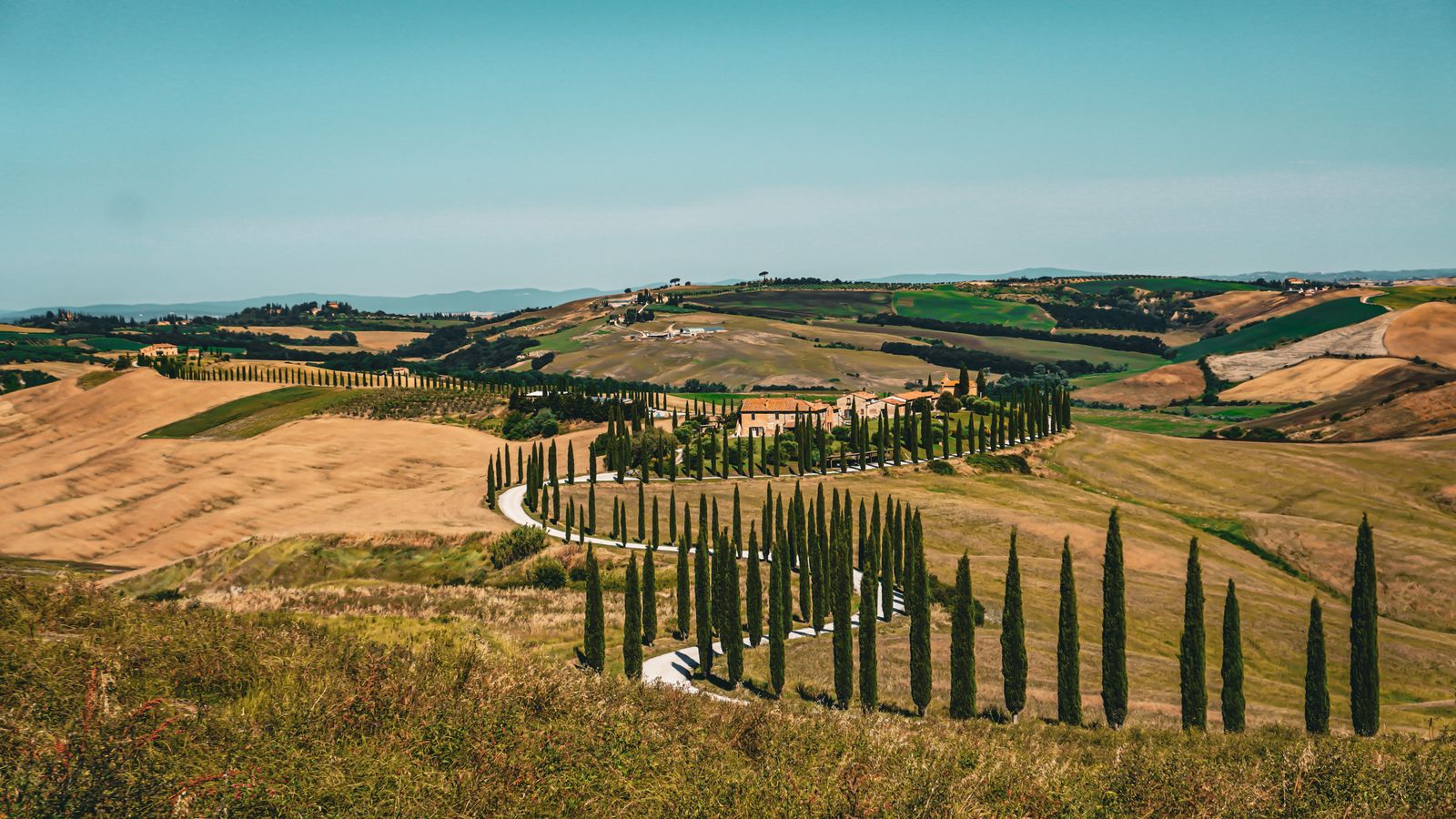
Three structural points worth committing to before the family trip. First: book the cultural-headline-experience and any structured tours before booking the flight. The Vatican Museums Skip-the-Line for a Rome family stop, the Tokyo Disney passes, the Iceland Golden Circle small-group tour, the Costa Rica zip-line booking, the Cape Town Robben Island ferry, the Great Barrier Reef pontoon day, the Tulum cenote-and-ruins combination — these book 30-90 days ahead for peak family-travel weeks. Second: pace the days for children. The travelling-with-children rule that most parents underestimate is the energy budget — a productive family day runs 3-5 hours of high-engagement activity (museum, beach, tour, hike), then needs 2-3 hours of low-stimulation downtime (pool, garden, hotel room reading) before evening. Over-programming is the most common family-trip mistake. Third: the season choice matters more for families than for couple travel. School holiday compatibility constrains most family travel to specific weeks; the destinations that work best in those compressed windows are the ones planning has been built around — Tuscany in late June/early July (before the August heat), the Algarve in May or September, Costa Rica in dry-season weeks aligned with Christmas or Easter breaks, Japan in cherry-blossom or autumn-colour weeks specifically.

The list is editorial, not exhaustive. France (Provence specifically, or the family Loire Valley), Greece (Crete, the Cyclades), Croatia, Norway, Ireland, Scotland, Iceland (in the winter family format), Kenya (the family safari alternative), Thailand, Bali, Sri Lanka, Hawaii, the US National Parks, and Canada all could have appeared. The ten here combine genuine family infrastructure, mature villa or apartment rental markets, kid-friendly structured experiences, and a difficulty curve that suits both first-time and experienced family travellers. The order is editorial rather than ranked.
The villa beats the hotel for almost every serious family trip

The single biggest improvement most family travel planning would make is moving from hotel-based to villa-based or apartment-based accommodation. The reasons compound: a 4-5 bedroom premium villa with private pool, kitchen, and outdoor space gives children room to run that no hotel room provides; the kitchen access allows parents to cook one or two meals a day, varying the restaurant rhythm that exhausts everyone by the third day; the multi-bedroom configuration accommodates two-adult-couple or multi-generational family travel naturally; and the value proposition for families of 4-6+ runs 30-50% better than comparable hotel accommodation. The premium family-villa market has matured significantly across the destinations in this list — Tuscany, the Algarve, Mallorca, Provence, Switzerland's Bernese Oberland, the Riviera Maya, and Cape Town all offer genuine premium-tier family inventory.

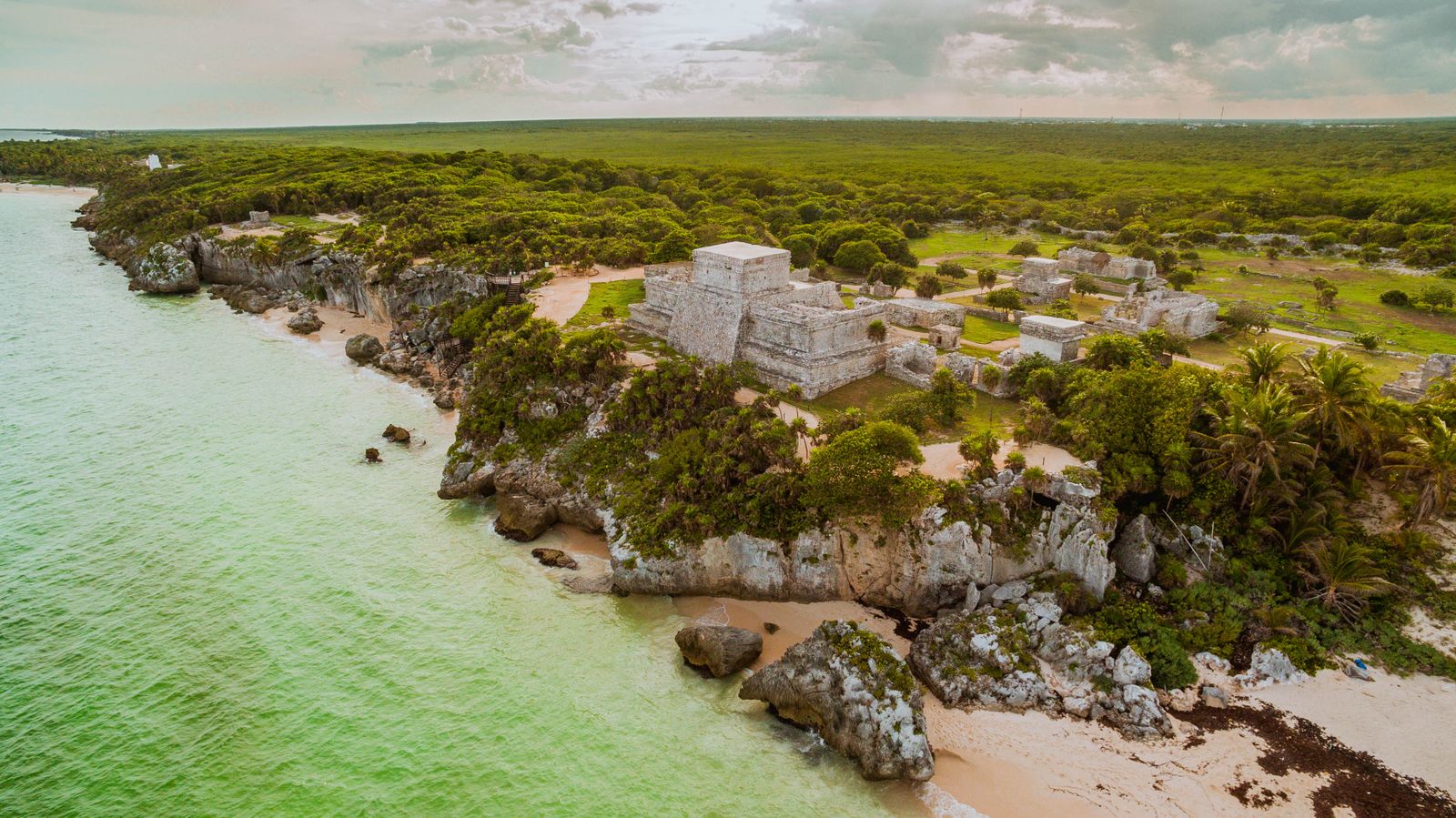
The structured-tour layer matters specifically for family travel. The booking-in-advance pattern that works for solo or couple travel becomes essential for families: children's tolerance for queues and uncertainty is materially lower than adults', the family-friendly time slots (mid-morning rather than dawn, after-lunch rather than evening) book out first, and the structured experiences that anchor family memories (Iceland's Golden Circle, Costa Rica's zip-line canopy, Tokyo Disney, the Great Barrier Reef pontoon, the Tulum cenote-and-ruins combination, the Tuscan cooking class, the Mallorcan boat tour, the Bernese Oberland Jungfraujoch railway) need 30-90 days advance booking for peak family-travel weeks. The premium tour-booking platforms (GetYourGuide and the comparable services) aggregate this inventory in ways that genuinely transform family planning.

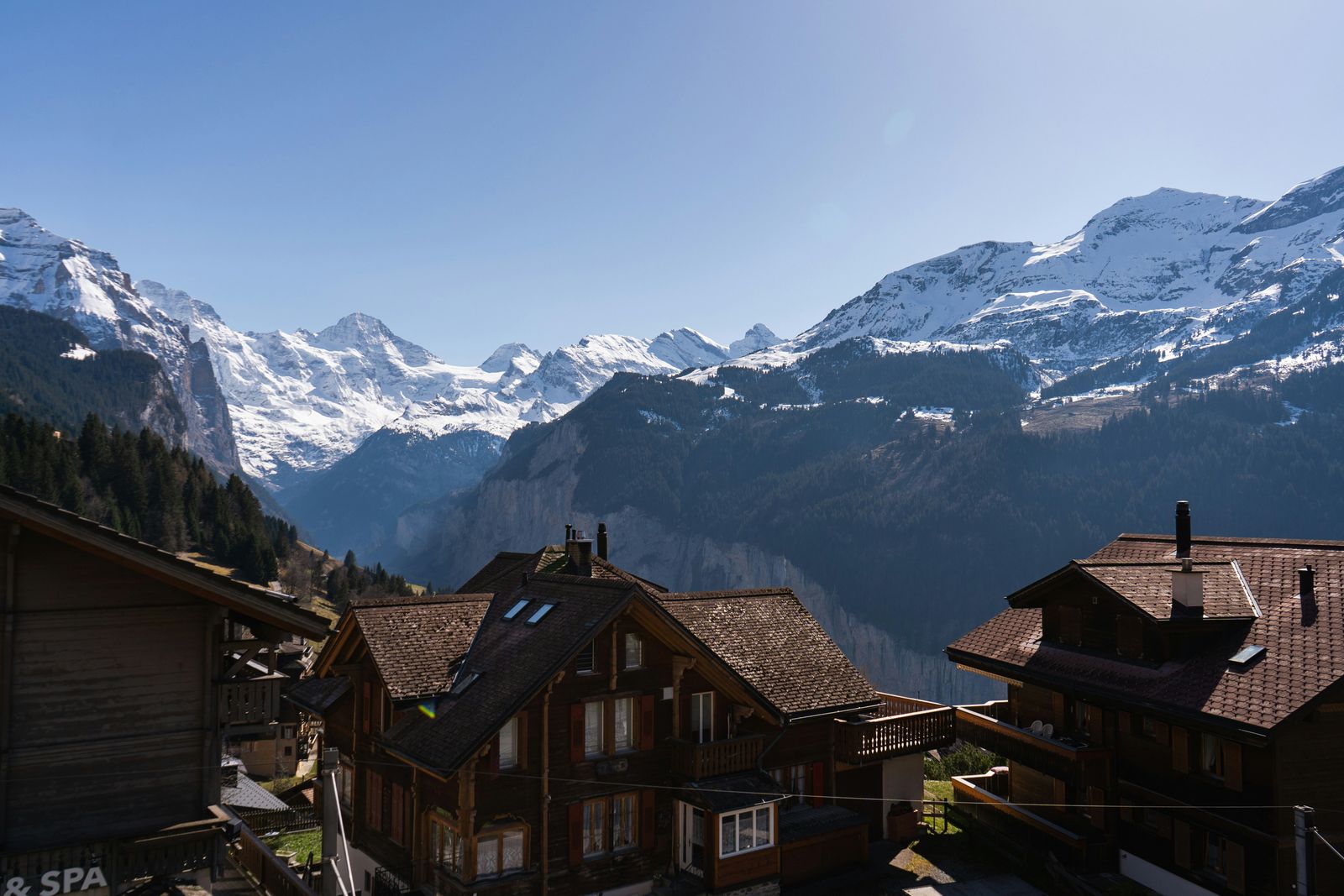
The age-curve consideration is the variable most often underestimated. Family trips that work for 4-year-olds and 14-year-olds are different trips — and the destinations on this list each have a natural age sweet spot. Costa Rica works best for 6-12 (active enough for zip-lines, young enough to find the wildlife magical). Italy and the European villa destinations work across the age range but particularly well for 4-10 (the villa-pool-day rhythm matches younger-child energy budgets). Switzerland's Bernese Oberland scales beautifully from 6-16 (the train infrastructure makes every age work). Iceland and Japan work best for 8+ (the cultural-and-experiential depth needs some reading-age engagement). Australia and South Africa work well for 10+ (the long-haul flight requires real engagement-budget). The Riviera Maya works across the age spectrum because the resort format adapts. Choosing the destination that matches the children's current ages — rather than aspirationally booking the trip you want them to do in three years — produces materially better family trips.

The travel-pace consideration is the final structural point. The 14-destination family Europe tour that exhausts everyone is the canonical mistake; the 10-day villa rental with day-trips to 3-4 sites becomes the canonical successful family trip. The reason is energy budgeting — children need rhythm and downtime, parents need rest from the parenting-while-travelling cognitive load, and the family memories that last are usually the slow ones (the villa pool, the long lunch, the unexpected detour) rather than the rushed sightseeing list. Choose fewer destinations, longer stays, and one or two strong structured experiences per location rather than a multi-stop itinerary that compresses everyone's tolerance.

When the family flies private

The family trip is the strongest case for premium private aviation.

No traveller benefits more from private aviation than the family with young children: the elimination of the security-line and connection-time penalties (a private departure runs 20-30 minutes from arrival at the FBO to airborne, vs. 2-4 hours for an international family flight via commercial), the in-cabin space that lets children spread out and parents have actual rest, the schedule flexibility that allows departure timing around children's sleep rhythms rather than airline timetables, and the access to airports closer to villa destinations (regional Tuscan airfields, the Mallorca smaller fields, the Bernese Oberland regional access, the South African game-reserve airstrips) that scheduled airlines simply don't serve. For multi-family trips, multi-generational group travel, or single family trips where the time-and-comfort value justifies the premium, JetLuxe's charter network operates across European, Mediterranean, North African, Middle Eastern, Asian, and Americas gateway routes with family-configured aircraft and full ground-coordination support — including the airport-to-villa transfer logistics that turn a stressed family arrival into a smooth one.

Plan a private family flight →
Cookie Settings
This website uses cookies

Cookie Settings

We use cookies to improve user experience. Choose what cookie categories you allow us to use. You can read more about our Cookie Policy by clicking on Cookie Policy below.

These cookies enable strictly necessary cookies for security, language support and verification of identity. These cookies can’t be disabled.

These cookies collect data to remember choices users make to improve and give a better user experience. Disabling can cause some parts of the site to not work properly.

These cookies help us to understand how visitors interact with our website, help us measure and analyze traffic to improve our service.

These cookies help us to better deliver marketing content and customized ads.