Porto Food Guide 2026: From The Yeatman's Two Stars to Francesinha at Café Santiago
By Richard Jasinski·Updated 1 July 2026
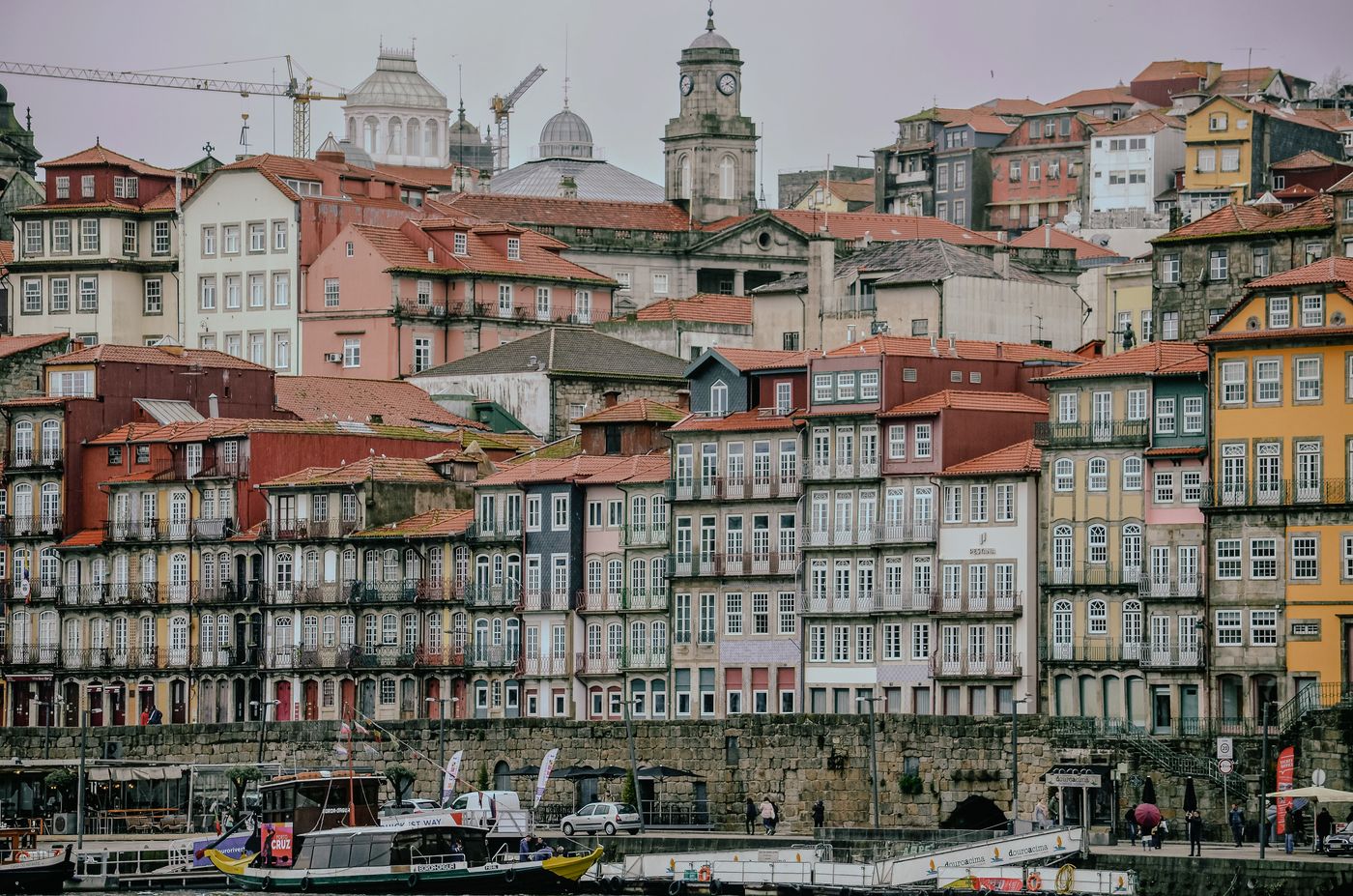
Porto's food scene is narrower than Lisbon's at the Michelin top end, six stars across four restaurants versus Lisbon's twenty-plus, but three things in Porto's geography make it the more interesting food city for travellers willing to work a little harder for the right meal. First, the port wine lodges of Vila Nova de Gaia are not relocatable: every serious port tasting in the world happens on one specific hillside across the Douro from central Porto. Second, Matosinhos immediately north of the city has probably the densest concentration of serious seafood restaurants in Portugal, working day-boat catches from the adjacent harbour. Third, francesinha, Porto's signature hot sandwich, exists nowhere else in legitimate form, and represents a food-culture act of regional identity that outsiders can't replicate. This is the honest guide to where to actually eat in 2026, how to approach the port lodges, and why Matosinhos deserves a dedicated evening.
For two-star fine dining with the best Porto view: The Yeatman (€210-240 tasting). For one-star alternatives: Pedro Lemos (Foz), Antiqvvm (central), Euskalduna Studio (central). For francesinha: Café Santiago no debate. For port wine tasting: the Gaia lodges, Graham's, Taylor's, Croft, Churchill's. For seafood: go to Matosinhos, try Marisqueira Antiga or O Gaveto. For market visit: Mercado do Bolhão (restored 2022). For a proper Douro Valley wine-food day, include a lunch at Quinta do Seixo or Quinta do Vallado.
- The Porto Michelin tier, restaurant by restaurant
- The francesinha story, origin, anatomy, and where to eat it
- Port wine tasting in Gaia, how to structure it
- Matosinhos, Porto's seafood capital
- Mercado do Bolhão and the central food scene
- Traditional Porto, tripas, bacalhau, and the classics
- Pastéis de nata, francesinhas, and the Porto sweet vocabulary
- The Douro Valley food-and-wine day trip
- Where not to eat
- Booking strategy for 2026
The Porto Michelin tier, restaurant by restaurant
The Yeatman Restaurant
Porto's only two-Michelin-star restaurant, led by chef Ricardo Costa since 2010. The dining room sits at the top of the Yeatman hotel property in Gaia, with floor-to-ceiling windows facing the Ribeira across the river, genuinely one of the best dining-room views in Europe. The cooking is modern Portuguese with substantial technical precision and deep attention to sourcing from Portuguese suppliers. Tasting menu €210-240 with wine pairings €110-180. The wine programme draws on one of the most serious cellars in Portugal (30,000+ bottles, including extensive verticals of Douro Valley producers). Reservations 6-10 weeks ahead in peak; 3-4 weeks in off-season. Dress is smart.
Pedro Lemos
Chef Pedro Lemos's eponymous restaurant in Foz do Douro, a 10-minute taxi or 30-minute walk west of central Porto, occupies a restored townhouse with a small dining room (20 covers) and an upper-floor terrace. One Michelin star continuously since 2014. The cooking is contemporary Portuguese with distinct Mediterranean influences, built around a tight seasonal menu that changes substantially every 6-8 weeks. Tasting menus €140-180. Smaller, more intimate, and less formally orchestrated than The Yeatman; some regulars argue the kitchen work is more interesting. A good choice for a single-restaurant commitment on a Porto trip.
Antiqvvm
A one-Michelin-star restaurant in a restored 18th-century Baixa building, chef Vítor Matos. Modern Portuguese with attention to regional ingredients and historical techniques, Matos draws on Portugal's culinary archives as a source of ideas, not just recipes. Two tasting menus (a shorter 6-course and a longer 9-course), €150-200. The dining room is more formal than Pedro Lemos, less spectacular than The Yeatman's view but more architecturally distinctive. Wine list is strong on Portuguese regions. For a food-focused central Porto dinner in a serious setting, Antiqvvm is the right answer.
Euskalduna Studio
Chef Vasco Coelho Santos's ten-seat restaurant in the Bonfim neighbourhood (a 10-minute walk east of Campanhã) is arguably the most interesting one-star kitchen in Iberia. The format is Basque-Japanese-Portuguese, Coelho Santos trained in San Sebastián and Tokyo before returning to Porto, and the experience is counter-style, close to the chef, with plates arriving in a tightly-choreographed sequence. Tasting menu €120-160. Reservations open month-start and typically close within hours. For adventurous diners, this is the Porto restaurant to book first.
Vila Foz Restaurant
The one-Michelin-star restaurant at the Vila Foz hotel in Foz do Douro, led by chef Arnaldo Azevedo. Focus on Atlantic seafood worked with modern technique, a natural pairing with the hotel's oceanfront location. Tasting menus €130-170. More resort-restaurant in format than the other stars (it's also the hotel's principal restaurant serving in-house guests), but the cooking is genuinely serious and the seafood sourcing is excellent. A good choice if you're staying at Vila Foz or want to combine a Foz do Douro evening with dinner.
Le Monument
The one-Michelin-star restaurant at Maison Albar Le Monumental Palace hotel on the Aliados. French-Portuguese cooking by chef Julien Montbabut (ex-Savoy, Monaco), drawing on Portuguese ingredients through a French-technique lens. Tasting menus €110-150. The dining room is art deco, elegant, somewhat formal. Less critically profile than The Yeatman or Pedro Lemos but a solid addition to the Porto Michelin roster, particularly convenient for guests of the hotel or central-Porto dinners without wanting to venture to Foz or Gaia.
The francesinha story, origin, anatomy, and where to eat it
Francesinha ("little French woman") was invented in Porto in the 1950s by Daniel da Silva, a Portuguese emigrant returned from France who adapted the French croque-monsieur to Portuguese ingredients and Portuguese sensibilities. The inventing restaurant, Café A Regaleira, still operates on Rua do Bonjardim near Trindade; it's a modest spot and not the best current version of the dish, but it's where the recipe originates.
The canonical francesinha is architecturally specific. From bottom to top:
- A base of bread (usually two slices, sometimes one).
- A layer of ham, usually thin-sliced.
- A layer of linguiça (Portuguese smoked cured sausage).
- A layer of fresh chouriço or salsicha (fresh sausage).
- A steak (bife), typically cooked medium.
- A full covering of melted cheese (usually a specific Portuguese medium-aged melting cheese).
- A fried egg on top, sunny-side up.
- The sauce, the critical element: a beer-tomato-wine reduction, each restaurant's proprietary recipe, spiced to taste. Served poured around the sandwich in a shallow pool.
- Optional: fries served around the edge of the plate.
Francesinha is lunch-to-dinner, not a snack, and is a full meal in itself. Proper execution requires specific local knowledge, the sauce is where most imitations fail, and serious francesinhas are only served in Porto and immediately adjacent towns. The Lisbon "francesinhas" are generally acknowledged as poor imitations.
Where to eat francesinha in Porto
Café Santiago
Consistently rated Porto's best francesinha by local food critics and most serious food visitors. Rua Passos Manuel 226, central. Also operates Santiago F (a second location) and Santiago Prime. The sauce is the signature, rich, well-spiced, with enough heat to feel distinctly Porto. €13-18 for a francesinha. Expect queues, especially at lunch, no reservations, arrive 12:30 or 14:30 to miss the worst of it.
Bufete Fase
A smaller, old-school francesinha specialist with a strong local following. The sauce is milder than Santiago's but the execution is consistently excellent. Less tourist-heavy than Santiago; more neighbourhood feel. €12-16.
Cufra
Cufra in Foz do Douro serves a respected francesinha alongside a broader menu. Larger space, slightly more polished service, reasonable for a combined francesinha-plus-dinner occasion. Some traditionalists consider Cufra's francesinha second-tier compared to Santiago; others prefer it. €14-20.
Brasão
Brasão's three Porto locations (Aliados, Coliseu, Foz) serve a contemporary francesinha alongside a broader modern-Portuguese menu. Polished presentation, good sauce, and the best option for visitors who want a francesinha in a nicer restaurant setting. Not the purist's choice but a legitimate alternative. €15-22.
Port wine tasting in Gaia, how to structure it
The port lodges of Vila Nova de Gaia, the municipality across the Douro from central Porto, are the global home of port wine maturation and commerce. A Gaia lodge crawl is one of Porto's essential experiences, combining architectural history (lodges date from the 17th-19th centuries), wine education, and a specific atmospheric feel that's unique to this stretch of waterfront. The lodges are concentrated along two parallel streets: the Cais de Gaia immediately along the river, and the slightly elevated Rua de Cândido dos Reis.
The major houses and their tasting offerings
- Graham's Lodge premium experience, large cellar, English-style approach; tastings €20-85 by tier, vintage verticals available. Excellent terrace views back to Porto.
- Taylor's adjacent to Graham's, English-founded 1692, classic tasting and museum experience; €15-40.
- Croft historic lodge (founded 1588), compact tasting experience; €15-30.
- Sandeman most tourist-oriented, brand-focused experience with costume-wearing guides; €12-25. More accessible but less serious.
- Churchill's smaller, boutique-feeling, relatively modern (1981) but with a focused quality programme; tastings €20-50. Strong option for enthusiasts.
- Ramos Pinto historic 1880 house with an excellent house-museum and strong tawny portfolio; €15-35.
- Kopke specialist in aged tawnies and colheitas; the narrow-focus connoisseur's choice; €20-60.
- Ferreira historic Portuguese-founded house (1751), good tasting programme; €15-35.
How to structure a lodge crawl
Three lodges in one afternoon is the honest maximum, the tastings involve multiple glasses of strong fortified wine, and the cumulative alcohol load is substantial. A good structure:
- Start 14:30-15:00 at one of the more educational houses (Graham's or Taylor's) for the longer guided experience.
- Second stop 16:30-17:00 at a more boutique house (Churchill's, Kopke) for comparison.
- Third stop 18:00-19:00 at Sandeman or Ferreira for a shorter experience, walk the river, finish at one of the Cais de Gaia bars for a sunset glass.
Matosinhos: Porto's seafood capital
Matosinhos is the port town directly north of Porto city, separated from central Porto by the Atlantic-facing Foz do Douro district. The town's economy historically centred on the Atlantic fishing fleet, sardines, mackerel, hake, octopus, shellfish, and the restaurants clustered along Rua Heróis de França and the adjacent streets specialise in grilled-by-weight fresh fish served with minimal intervention. For any Porto trip with even a passing interest in seafood, one dinner in Matosinhos is the baseline commitment.
The format at most serious Matosinhos restaurants is consistent: you choose your fish at the counter (displayed whole, priced by weight), the kitchen grills it over hot coals, it arrives at your table with boiled potatoes and vegetables. Vinho verde or white Douro is the natural pairing. Expect €60-100 per person for a full meal including wine.
Marisqueira Antiga
Among the oldest and most respected grilled-fish specialists in Matosinhos. Classic format, choose your fish at the counter, wait, receive a plainly but perfectly executed meal. Reservations essential, especially summer evenings. €50-90 per person.
O Gaveto
Often appears in "best seafood in Portugal" lists. Excellent octopus (polvo à lagareiro), grilled sea bass (robalo), and percebes (goose barnacles) when in season. Reservations 1-2 weeks ahead for evenings. €70-110 per person.
Tripeiro
Slightly more formal than Marisqueira Antiga or O Gaveto, with an old-school dining room. The arroz de marisco (seafood rice, a Portuguese version of risotto-meets-paella) is a signature, order for the table, minimum two people. €60-100 per person.
Mercado do Bolhão and the central food scene
Mercado do Bolhão, Porto's historic municipal market on Rua Formosa in the central Baixa, reopened in 2022 after a comprehensive four-year restoration that preserved the 1914 iron-and-glass architecture while modernising vendor infrastructure. The market now houses approximately 80 active stalls across two levels. Ground floor concentrates on fresh produce, fish, meat, and charcuterie. Upper floor includes restaurants, wine bars, and specialty-food retail.
The visitor move at Bolhão in 2026: arrive around 11:00 for a pre-lunch walkthrough of the produce and fish stalls, then lunch at one of the upper-level restaurants with ingredients from the stalls below. Several good options upstairs:
- Mercado Bolhão restaurants (various): the upper floor houses a rotating set of food businesses with counter seating and casual-lunch formats; good for tapas-style meals and wine by the glass.
- Specialty charcuterie and cheese stalls: several vendors sell proper Portuguese presunto, enchidos (cured sausages), and artisan cheeses. Excellent souvenirs or hotel-room snacks.
- Fish stalls: direct from Matosinhos daily. Not useful for tourists (no cooking facilities) but a valuable window into what's in season locally.
Bolhão is open Monday-Saturday, approximately 08:00-20:00, closed Sundays. Entry is free; stalls and restaurants individually priced.
Traditional Porto, tripas, bacalhau, and the classics
Porto has a surprisingly specific culinary identity beyond the Michelin stars and francesinha. Three dishes worth seeking out at classic-format traditional restaurants:
- Tripas à moda do Porto Porto's signature tripe-and-white-bean stew. The name "tripeiros" (tripe-eaters) is a Porto demonym. The dish originates from a 15th-century episode when Porto residents gave all the city's meat to supplies for the Portuguese discovery expeditions, keeping only the tripe for themselves. Still served at traditional restaurants like Abadia do Porto and Escondidinho.
- Bacalhau Portuguese salt cod in its many preparations. Bacalhau à Gomes de Sá (with potatoes, eggs, onions), bacalhau à brás (with shredded fried potatoes), bacalhau com natas (with cream sauce). Most traditional restaurants serve several versions. Taberna Santo António and Flor dos Congregados are good traditional choices.
- Bifana a simple pork sandwich on bread, Porto's equivalent of a Roman tramezzino, lunch food, cheap, serious. Best at Conga (central, near São Bento station) or various neighbourhood taberns.
Cervejaria Gazela
A classic Porto cervejaria (beer hall with food) that has been serving the same format since 1934, small plates of cured meats, seafood tapas, and the signature cachorrinho (a small grilled hot-dog-style sandwich) alongside cold draft beer. Narrow, standing-room-dominated, genuinely unchanged. The cachorrinho alone is worth the visit. €15-30 per person for a light meal.
Brasão (Aliados, Coliseu, Foz)
Three Porto locations of the contemporary Portuguese restaurant group, a strong modern interpretation of classic Portuguese dishes (francesinha, tripas, bacalhau, grilled meats) in polished dining-room format. Good wine list, decent service, reasonable prices. €35-55 per person. Reliable rather than exceptional, but a genuinely good option when the more serious kitchens are booked.
Pastéis de nata, francesinhas, and the Porto sweet vocabulary
Pastéis de nata, the Portuguese custard tart, are Lisbon-associated in the tourist imagination (Pastéis de Belém being the famous origin) but Porto has its own strong tradition. Two key locations:
- Manteigaria (several locations), the Lisbon-origin national chain with excellent consistency and serious attention to pastel-de-nata execution. Best in-city option.
- Fábrica da Nata a chain with live-baking visible through a glass counter, respected version.
- Nata Lisboa, Padaria Ribeiro neighbourhood options, often excellent.
Beyond pastéis, Porto's sweet tradition includes:
- Jesuíta a puff-pastry pastry with custard or chocolate, a Porto speciality.
- Leite-creme Portuguese crème brûlée, caramelised with a hot iron.
- Pão de ló traditional sponge cake, with a specifically undercooked style common in Minho and the north.
- Bolo de mel honey-and-spice cake associated with Madeira but widely available in Porto.
The Douro Valley food-and-wine day trip
A full day's Douro Valley food-and-wine experience from Porto is genuinely memorable and a worth-the-logistics inclusion on any 3+ day Porto trip. The structure:
- 08:30 departure from Porto by pre-booked pickup or rental car. 90-120 minute drive east to the Régua/Pinhão area.
- 11:00 arrival at first quinta Quinta do Vallado, Quinta do Seixo (Sandeman), Quinta do Crasto, or Quinta de la Rosa are all well-set-up for day-visitor experiences. Guided vineyard walk, cellar tour, and port tasting.
- 13:00 lunch at the quinta most of the major Douro quintas offer wine-paired lunch menus at €75-140 per person, typically featuring regional dishes (posta de mirandesa beef, cabrito, Douro-river fish) with vertical wine tastings.
- 15:30 second quinta or river cruise a half-hour drive between quintas, or a 60-90 minute Douro river cruise from Pinhão pier.
- 18:00 drive back to Porto arrive 19:30-20:00.
Pre-booked pickups for this structure cost €350-500 for a day rate with waiting time. Rental car option: €45-70 day rate plus €30-40 fuel. Best for couples and small groups; self-driving the Douro's winding roads is genuinely pleasurable but requires confidence. Alternative: the Douro Line train from Porto São Bento to Pinhão (2h 45m, €15-25 one-way) is one of Europe's great scenic rail journeys and works well as half of a round-trip combining with a pickup from Pinhão back to Porto.
Where not to eat
Porto's tourist-trap zones are geographically concentrated:
- The Ribeira waterfront restaurant strip. The dining terraces immediately along the Douro in Ribeira are picturesque and almost entirely mediocre. Food is industrial, wine is basic, prices are 30-50% above equivalent quality elsewhere. The view is the product, not the meal.
- Most restaurants on Rua das Flores. The pedestrianised central street connecting Aliados to the riverfront has a handful of good spots but is dominated by tourist-oriented operations with photo menus.
- Anywhere claiming "authentic francesinha" with tourist-directed signage. Café Santiago doesn't need to advertise itself this way. The ones that do are compensating.
- Hotel dinner at midrange hotels. The serious Porto hotel restaurants (The Yeatman, Vila Foz, Le Monument, Rabelo at Vintage House) are genuinely destination-worthy. The midrange hotel restaurants are generally mediocre.
Booking strategy for 2026
| Restaurant | Lead time | How to book |
|---|---|---|
| The Yeatman | 6-10 weeks peak / 3-4 weeks off-peak | Hotel website |
| Euskalduna Studio | 4-6 weeks (opens month-start) | Restaurant website |
| Pedro Lemos | 3-5 weeks | Restaurant website |
| Antiqvvm | 3-4 weeks | Website / phone |
| Le Monument | 2-3 weeks | Hotel website / TheFork |
| Vila Foz Restaurant | 2-3 weeks | Hotel website |
| Café Santiago (francesinha) | Walk-in (expect queue) | None, arrive off-peak |
| Matosinhos (O Gaveto, Antiga) | 1-2 weeks evenings | Phone or TheFork |
| Port lodge tastings | 1-3 days | Individual lodge websites |
| Douro quinta lunch | 2-3 weeks | Quinta websites |
A well-structured 3-day Porto food itinerary: arrive Thursday afternoon, port tasting and early dinner at Cervejaria Gazela or a casual spot. Friday morning Mercado do Bolhão, francesinha lunch at Café Santiago, dinner at Euskalduna Studio or Pedro Lemos. Saturday Douro Valley day trip with quinta lunch. Sunday Matosinhos lunch, casual sightseeing, farewell dinner at The Yeatman with the Porto-Gaia view.
FAQ
What is the best restaurant in Porto?
The restaurant at The Yeatman is the consensus answer, chef Ricardo Costa holds two Michelin stars continuously, the tasting menu runs €210-240, and the dining room has the best cross-river Ribeira view in the city. For one-star alternatives with distinctive identities: Pedro Lemos (contemporary Portuguese, €140-180 tasting, Foz do Douro), Antiqvvm (seasonal modern, €150-200, central), Euskalduna Studio (chef Vasco Coelho Santos, Basque-Portuguese tasting format, €120-160, central). Vila Foz's Atlantic-seafood-focused one-star restaurant is also excellent. All require reservations 3-8 weeks ahead in season.
Where was francesinha invented and where is the best version?
Francesinha was invented at Café A Regaleira in Porto in the 1950s by Daniel da Silva, a returning emigrant who adapted the French croque-monsieur to Portuguese ingredients and sensibilities. The canonical version is a sandwich of bread, ham, linguiça, fresh sausage, and steak, covered in melted cheese, topped with a fried egg, served in a sauce of beer, tomato, wine, and spices. Best versions in Porto 2026 are Café Santiago (consistently rated the top francesinha in the city), Café Santiago F (the sister location), Bufete Fase (a legitimate old-school contender), Cufra (Foz do Douro), and Brasão (contemporary interpretation). The dish is lunch-to-dinner, not breakfast, and is a full meal in itself.
Should I do port wine tasting in Gaia or the Douro Valley?
Both, if possible. The Gaia port lodges across the river from central Porto, Graham's, Taylor's, Croft, Sandeman, Ramos Pinto, Churchill's, Kopke, Ferreira, are where port wine has been aged for two centuries. Tours and tastings are accessible (€20-80 depending on tier) and a Gaia lodge crawl is a legitimate half-day Porto experience. The Douro Valley is where the grapes grow and where the premium tasting experiences happen, quinta visits (Quinta do Seixo, Quinta do Vallado, Quinta do Crasto, Quinta de la Rosa) include vineyard walks, cellar tours, and lunch with vintage tastings. For a Porto-only trip, the Gaia lodges are the essential experience. For a Porto + Douro trip, both complement each other: Gaia for history and variety, Douro for source-level depth.
Is Mercado do Bolhão worth visiting?
Yes, particularly since the comprehensive restoration completed in 2022. Porto's historic municipal market, dating to 1914, underwent a multi-year modernisation that preserved the iron-and-glass architecture while upgrading vendor infrastructure. The market reopened in 2022 with approximately 80 stalls spread across two levels, trading in fresh fish, meat, fruit, vegetables, cheese, wine, bakery, and specialty goods. Upper-level stalls and restaurants include tapas bars, a wine bar, and small-plate restaurants. Trade hours are Monday-Saturday, roughly 08:00-20:00. For food-focused visitors, Bolhão combines produce shopping with lunch in a single visit; for luxury travellers, it's the most authentic food-culture experience in central Porto. Closed Sundays.
What is Porto's best seafood and where should I go?
Matosinhos, the port town immediately north of Porto, is the seafood destination. The district's seafood restaurants cluster along Rua Heróis de França and the adjacent fishing-port streets, working directly with day-boat catches from the adjacent harbour. Top choices in 2026: Marisqueira Antiga (classic grilled fish and shellfish, family-run, reservations essential), O Gaveto (consistently rated among Portugal's top seafood restaurants), Tripeiro (historic, excellent arroz de marisco), Esplanada Marisqueira Antiga (sister to the above, beachside terrace). The format is order-at-the-counter fresh fish by weight, grilled simply, served with boiled potatoes and vinho verde. Expect €60-100 per person for a full meal. Matosinhos is a 15-20 minute drive from central Porto, taxi €12-18, or metro Line A to Matosinhos Sul then 10-minute walk.
Is a Douro Valley day trip from Porto worth it for food and wine?
Yes, for any Porto trip of three days or more. A full day trip east to the Douro takes 90-120 minutes each way and centres on a working quinta, Quinta do Vallado, Quinta do Seixo, Quinta do Crasto, or Quinta de la Rosa are all well set up for day visitors, with a vineyard walk, cellar tour, and a wine-paired lunch typically running €75-140 per person featuring regional dishes such as posta de mirandesa beef or Douro-river fish. Pre-booked pickups for the full day run €350-500 with waiting time; self-driving costs less but the Douro's winding roads reward confidence. The Douro Line train from Porto São Bento to Pinhão (2h 45m, €15-25 one-way) is one of Europe's great scenic rail journeys and works well combined with a local pickup for the return.