How much does the Orient Express cost in 2026?
Belmond's 2026 fares run from £3,885 to £19,900 per person — but the cheap end of that range has largely sold out, and every Paris departure now prices from £10,625 because only Suites are left. If you are reading this in autumn 2026 hoping to travel in 2026, the honest answer is that your realistic options are Venice or Verona to Paris at £4,275, Paris to Vienna at £3,885, or a Suite. Everything else means booking 2027, where the one-night fares are €4,510 to €5,120. And the fare is only about two thirds of the trip: add hotels either side, Eurostar, transfers and gratuities and a couple's realistic one-night total is £11,000 to £12,000. Both years are priced below, and the ledger builds your own number.
Paris–Vienna, 1 night
Venice or Verona–Paris
Suites only, Historic sold out
typical, for two
Build your real total: the Trip Ledger
| Line | Amount |
|---|---|
| Train fare | — |
| Hotels, before and after | — |
| Eurostar | — |
| Transfers, both ends | — |
| Steward gratuities | — |
Every 2026 route, at Belmond’s published prices
| Route | Nights | From, per person | Cabin the price refers to |
|---|---|---|---|
| Paris → Vienna (via Budapest) | 1 | £3,885 | Historic Cabin |
| Venice → Paris | 1 | £4,275 | Historic Cabin |
| Verona → Paris | 1 | £4,275 | Historic Cabin |
| Paris → Venice | 1 | £10,625 | Suite — Historic sold out |
| Paris → Venice (via Florence or Rome) | 1 | £10,625 | Suite — Historic sold out |
| Paris → Verona | 1 | £10,625 | Suite — Historic sold out |
| Paris → Florence | 1 | £10,625 | Suite — Historic sold out |
| Paris → Portofino and Splendido | 3 | £9,550 | Historic Cabin |
| Istanbul → Paris | 5 | £19,900 | Historic Cabin |
| Paris → Istanbul | 5 | £19,900 | Historic Cabin |
Two things in that table are worth saying out loud. Five routes this page previously listed for 2026 are not sold for 2026 at all — Vienna to Paris, Budapest to Paris, Paris to Budapest and both four-night roundtrips appear on Belmond’s site only as 2027 departures. And Paris to Portofino was listed here at £17,400, which is its Suite fare; Belmond’s Historic Cabin from-price for that journey is £9,550. Only one of its three nights is aboard the train.
The £10,625 rows are the live story. Those are not price rises — they are what is left. Historic Cabins on the 2026 Paris departures have gone, so Belmond’s “from” price now quotes the cheapest remaining Suite. If a Historic Cabin is what you want and Paris is where you want to start, you are booking 2027.
2027, which is what you can actually book
Belmond has published its 2027 programme in euros, and it is both larger and differently shaped — Amsterdam, Brussels, Prague, Cannes and a three-night Amalfi Coast journey all appear. Note what is absent: the direction premium. Paris to Venice and Venice to Paris are the same price.
| Route | Nights | From, per person | Cabin the price refers to |
|---|---|---|---|
| Paris → Venice · Venice → Paris · Paris → Verona · Verona → Paris | 1 | €4,510 | Historic Cabin |
| Paris → Vienna, Vienna → Paris and Paris → Prague, all via Prague | 1 | €4,510 | Historic Cabin |
| Vienna → Paris · Paris → Vienna (via Budapest) · Paris → Budapest · Budapest → Paris | 1 | €4,870 | Historic Cabin |
| Florence → Paris · Paris → Cannes · the Cannes and Monaco variants | 1 | €4,870 | Historic Cabin |
| Amsterdam and Brussels services, to and from Venice or Verona | 1 | €4,870 | Historic Cabin |
| Paris → Venice (via Florence or Rome) · Paris → Florence | 1 | €5,120 | Historic Cabin |
| Paris → Venice and Hotel Cipriani | 3 | €9,510 | Historic Cabin |
| Paris → Florence and Villa San Michele | 3 | €9,900 | Historic Cabin |
| Paris → the Amalfi Coast and Caruso | 3 | €10,900 | Historic Cabin |
| Paris → Portofino and Splendido | 3 | €14,350 | Historic Cabin |
| Paris → Budapest (roundtrip) | 4 | €9,740 | Historic Cabin |
| Istanbul → Paris | 5 | €20,940 | Historic Cabin |
| Paris → Istanbul | 5 | €48,170 | Suite — Historic sold out |
The fare is the anchor, not the answer
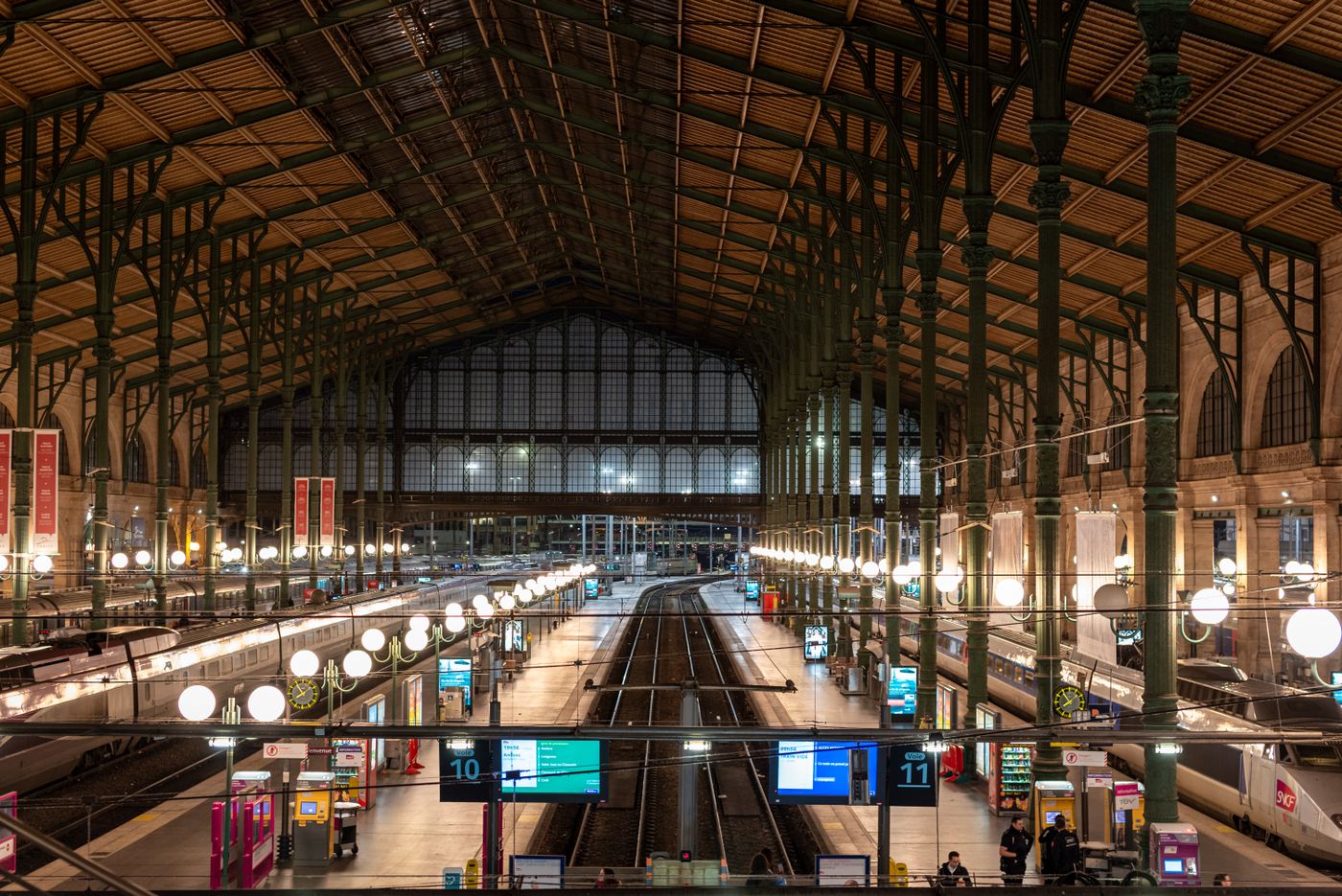
Belmond's site sells a train ticket. It does not add up the day either side of it. The train leaves Paris in the afternoon, so you need a night in the city to make the departure without depending on a flight running to time. It reaches Venezia Santa Lucia in the early evening — Belmond's own timetable gives 17:30, Seat61 has it nearer 18:25 — so you are landing in Venice at dinner time with luggage and a water-taxi decision, not at the start of a free day. An earlier version of this page said mid-morning and built the hotel argument on it; the argument survives, but for the opposite reason. None of this is a scandal. Together these costs are 40 to 60 per cent on top of the fare, and they are why couples who budgeted "about £8,500" come home having spent eleven.
Included in the fare: your cabin, a four-course dinner with a sommelier's wines, a three-course lunch, French breakfast in your cabin, and 24-hour steward service — including the steward who converts the cabin between day and night configurations. Some journeys include transfers; Belmond's journey pages say which. One thing this page used to list and should not have: a champagne reception is not among Belmond's stated inclusions on the one-night routes. Drinks beyond what comes with the meals are chargeable, and not gently — Seat61 puts a half bottle of wine at around £35 and a full bottle at £50.
Not included: getting to your departure city (Eurostar £200 to £400 per person from London), the night before (£300 to £600), the night you land (£400 to £800 in Venice in season), transfers at both ends including the water taxi (£200 to £400 for two), and the bar. Gratuities belong on this list with a caveat we previously got wrong: this page said £30 to £50 per person per night, which is roughly double any published figure. Belmond states that service is included; the most commonly suggested figure in the trade is about €20 to €25 per person per day, shared between stewards and restaurant staff. Budget it, but budget it at that level.
Which cabin actually makes sense
Historic Cabin — the right answer for one night
The original 1920s compartments are the point of the train: Lalique glass, marquetry, brass. The honest trade, in Belmond's own words, is "a washbasin cabinet" in the cabin and shared restrooms at the end of each sleeper carriage, with a daytime banquette the steward converts to berths at night. Eight per carriage. For a single night that is a feature rather than a hardship — you are buying the most romantic eighteen hours in European travel, not a hotel room. This is the category every from-price on this page refers to.
Suite — for the multi-night runs
In Belmond's words, "a private marble en-suite bathroom and mosaic floor, and a lounge area by day as your bed converts to seating area", four per carriage. On a one-night hop the premium buys you something you will use twice. On the three-night Portofino or the five-night Istanbul it is the difference between an adventure and an endurance event. On price: this page previously said Belmond does not publish Suite fares. It does — they are selectable in its booking engine, and on the 2026 Paris departures the Suite fare is the only one left, at £10,625. Against a Historic rack fare of £4,275 that is roughly two and a quarter times, not the two and a half this page used to estimate.
Grand Suite — when the journey is the destination
A "separate lounge and sleeping area" with marbled en-suite bathrooms, and Belmond is explicit that "six Grand Suites represent the pinnacle of luxury" — six on the entire train, not per carriage. Grand Suite fares run at roughly three and a sixth times the Historic Cabin fare on a one-night route, which puts a couple somewhere around £25,000 for a single night. At that level you are choosing between this and a week at Aman Venice, and that comparison is worth making out loud before you book. Above even this sits L'Observatoire, an entirely exclusive carriage by the artist JR — a private carriage rather than a cabin category, and priced accordingly. The full category detail is on Belmond's accommodation page, and our complete VSOE guide works through which is worth it.
Book in this order
The sequence prevents the expensive mistakes. Trips fail at the seams, not on the train.
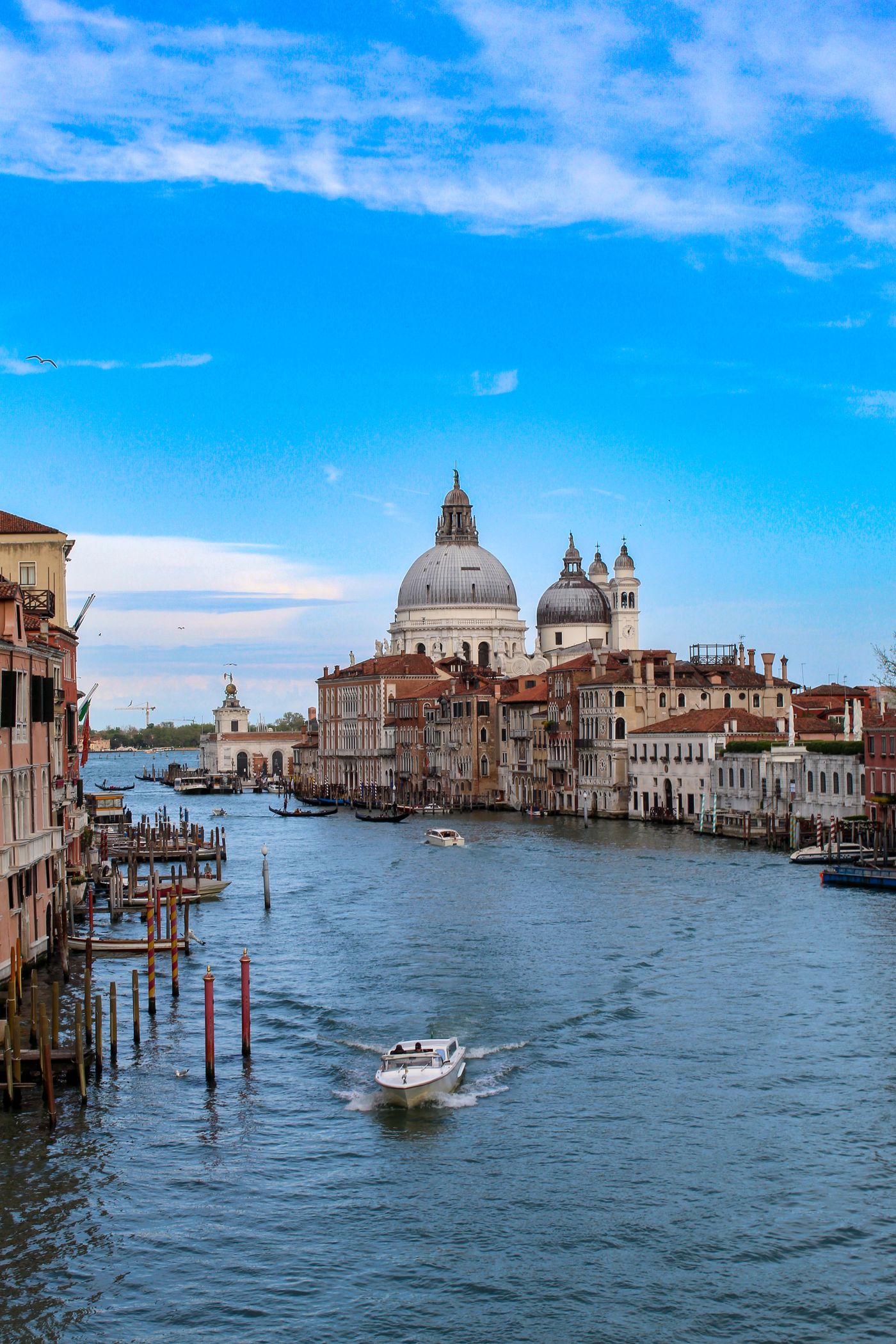
1. The train, on your exact date, direct with Belmond. Spring and September dates sell out a year ahead — which is exactly what has happened to the 2026 Paris departures. Check both directions before committing, but check them on price rather than on a rule: this page used to claim westbound was always £390 cheaper, and it is not. Compare the two directions on your dates and take whichever is lower, because on some pairs the eastbound leg is the bargain. Belmond's journeys page carries the live fare calendar and the cabin classes still available.
2. The hotels, immediately after. One night in Paris before, two in Venice after. Central rates near Gare de l'Est and San Marco run £450 to £800 a night in season; Plum Guide's vetted apartments undercut them with more space, which matters on a trip where you dress for dinner.
3. Eurostar. Standard Premier is plenty — you will dine like royalty the following evening. It arrives into Gare du Nord, a short taxi from Gare de l'Est.
4. Transfers, both ends, booked in advance. The Paris station car and the Venice water taxi from Venezia Santa Lucia are precisely where arrival-day improvisation gets expensive; compare fixed driver quotes on GetTransfer and have both locked before you pack.
5. Venice, planned lightly. One skip-the-line booking for the Doge's Palace or San Marco is enough. You will be pleasantly wrecked.
6. Book the restaurant car sitting you want when you book the cabin. Dinner runs in two sittings, and on a one-night journey the sitting shapes the entire evening — the later one gives you the bar car first and the Alps in the morning rather than after dinner. It costs nothing and it is the single request most often forgotten.
Is it worth it? The honest test
If your priority is scenery, no. A full day on the Glacier Express in Excellence Class costs CHF 812 — about £736 at mid-September 2026 rates — and it is worth knowing how that breaks down, because the number quoted around the internet is usually only half of it: CHF 272 for the first-class ticket plus a mandatory CHF 540 Excellence Class seat reservation. It includes a five-course regional menu with wine, a welcome aperitif, soft drinks throughout and the Glacier Bar, and it delivers more Alps per pound by an order of magnitude. Our European luxury trains comparison will happily talk you out of the VSOE.
If your priority is the occasion — dressing for dinner, the 1920s carriages, the arrival into Venice — nothing else on rails is comparable, and the fare makes a strange kind of sense the moment the first dinner is served. Anniversaries, honeymoons, once-in-a-lifetime: yes. "We like trains": take the Swiss option and a very good hotel with the change.
Two savings do not dilute the occasion, though neither is the one this page used to recommend. The first is to compare the two directions on your own dates rather than assuming westbound wins: the cheapest 2026 fare Belmond publishes is Paris to Vienna at £3,885, and it runs east. The second is to look past Paris to Venice entirely — it is the most famous journey and, in 2026, the one whose cheap cabins went first. Venice or Verona into Paris is £4,275 with Historic Cabins still selling, and the 2027 programme opens up Prague, Amsterdam, Brussels and Cannes at €4,510 to €4,870. The itinerary spread is in every route explained. The wider field, including where the VSOE genuinely loses, is in the world's best luxury train journeys, and the nearest British comparison — £6,000 per person for the two-night Highlands itinerary on Belmond’s Royal Scotsman — is covered in our Royal Scotsman guide.
Frequently asked questions
How much does the Orient Express cost per person in 2026?
Belmond's cheapest published 2026 fare is £3,885 per person sharing a Historic Cabin, on the one-night Paris to Vienna service. Venice to Paris and Verona to Paris are £4,275. The three-night Paris to Portofino is £9,550 and the five-night Istanbul to Paris is £19,900, both in a Historic Cabin. The important caveat as of September 2026 is availability: Historic Cabins have sold out on every Paris departure, so Paris to Venice, Paris to Verona and Paris to Florence now price from £10,625, which is a Suite fare rather than a rise. For 2027 Belmond prices one-night journeys at €4,510 to €5,120. Budget another 40 to 60 per cent on top of any fare for hotels, Eurostar, transfers and gratuities.
Is the Orient Express cheaper in one direction than the other?
Sometimes, but not as a rule, and an earlier version of this page was wrong to state one. Belmond uses two fare tiers on its one-night journeys and the gap between them is £390, but which journey sits in which tier is decided route by route rather than by direction. Its cheapest 2026 journey is Paris to Vienna at £3,885, which runs eastbound, while Vienna to Paris sits in the higher tier. On Paris to Budapest and Budapest to Paris the fares are identical, and Istanbul to Paris and Paris to Istanbul are both £19,900. For 2027 Belmond prices Paris to Venice and Venice to Paris identically at €4,510, removing the gap on the one pair where it was real. Compare your own dates in both directions rather than assuming either one wins.
What is included in the Orient Express ticket price?
Your cabin, a four-course dinner with a sommelier's wines, a three-course lunch, French breakfast served in your cabin, dedicated 24-hour steward service, and transfers on some journeys. A champagne reception is often listed by third parties, including by an earlier version of this page, but it is not among Belmond's stated inclusions on the one-night routes. Not included: travel to the departure city, hotels either side, and drinks beyond what comes with the meals — Seat61 puts a half bottle of wine at around £35. On gratuities, Belmond states that service is included; the figure commonly suggested in the trade is about €20 to €25 per person per day, shared between stewards and restaurant staff.
What is the difference between a Historic Cabin, a Suite and a Grand Suite?
A Historic Cabin is the original 1920s compartment: a washbasin cabinet, a daytime banquette the steward converts to berths at night, and shared restrooms at the end of each sleeper carriage. There are eight per carriage. A Suite adds a private marble en-suite bathroom and a proper day lounge, at four per carriage. A Grand Suite has a separate lounge and sleeping area with a marbled en-suite, and there are only six on the entire train. For a single night the Historic Cabin is the authentic choice; on the three- and five-night journeys the private bathroom stops being a luxury.
Is the Orient Express worth the cost?
For the occasion — a honeymoon, an anniversary, a once-in-a-lifetime journey — nothing else on rails offers 1920s carriages, black-tie dinner and an arrival into Venice. For scenery alone, no. A full Glacier Express day across Switzerland in Excellence Class is CHF 812, about £736, made up of a CHF 272 first-class ticket plus a mandatory CHF 540 Excellence Class reservation, and it includes a five-course regional menu with wine. It is the better mountain journey by a distance. Decide which trip you are actually buying before a couple commits £8,550 to a one-night fare and around £11,100 to the journey around it.
Is the Orient Express cheaper in the off-season?
Availability matters more than either season or direction. The from-prices quoted here are floors, and shoulder-season departures in March and November are where you are most likely to actually meet them; peak spring and September dates price above them and sell out first. That is not a theoretical point in 2026 — Historic Cabins on the Paris departures have gone entirely, which is why those journeys now quote from £10,625 for a Suite. The saving available to you is whichever combination of date, direction and cabin is still open on Belmond's calendar, so check the calendar rather than assuming a month or a direction is cheap.
Do you need a hotel before boarding the Orient Express?
Practically, yes. The train departs Paris in the afternoon, and arriving in the city the same morning leaves no margin for a delayed flight or a cancelled Eurostar, so one night in Paris before departure is the standard play. At the other end, the train reaches Venezia Santa Lucia in the early evening — Belmond's own timetable gives 17:30 — so the night you arrive is a hotel night whether you planned one or not, and most travellers add a second to get a day in the city. An earlier version of this page said the train arrives mid-morning, which was wrong. Those three nights are the largest single item on top of the fare, around £1,650 for a couple at typical central rates.
How does the Orient Express compare with other luxury trains on price?
Per night it is Europe's most expensive train, but the gap is narrower than reputation suggests. The Venice Simplon-Orient-Express is £3,885 to £4,275 per person for one night in a Historic Cabin. Belmond's own Royal Scotsman starts at £6,000 per person for the two-night Highlands itinerary, which is £3,000 a night. The Glacier Express is not comparable at all: CHF 812, about £736, for a full day in Excellence Class with no night aboard. You are paying the VSOE premium for the specific 1920s carriages and the occasion, not for rail luxury in general.
The 2027 programme is bigger, and the cheap cabins are still there
Prague, Amsterdam, Brussels, Cannes and a three-night Amalfi Coast journey all join the map for 2027, one-night fares run €4,510 to €5,120 in a Historic Cabin, and Belmond has priced Paris to Venice and Venice to Paris the same. If what you wanted was the original compartment rather than a Suite, that is where it is.
See every route and what each one is actually like →